High cholesterol is a big health worry in the United States. It affects 86 million adults. It raises the risk of heart attacks, strokes, and poor blood flow, the CDC says.
Knowing your cholesterol ratio is key to figuring out your heart disease risk. It helps decide if you need statin therapy.
Keeping your cholesterol in check is important for your heart health. Whether to start statins depends on your health, medical history, and cholesterol levels.
Key Takeaways
- High cholesterol affects 86 million American adults.
- Understanding your cholesterol ratio is key to assessing heart disease risk.
- Statin therapy can manage cholesterol and lower heart disease risk.
- Starting statins depends on your health and medical history.
- Healthy cholesterol levels are essential for heart health.
Understanding Cholesterol and Its Impact on Health
Knowing about cholesterol is key to staying healthy. It’s a fatty substance in cells and the liver makes it. It affects the heart and blood vessels in many ways.
Different Types of Cholesterol: HDL, LDL, and Triglycerides
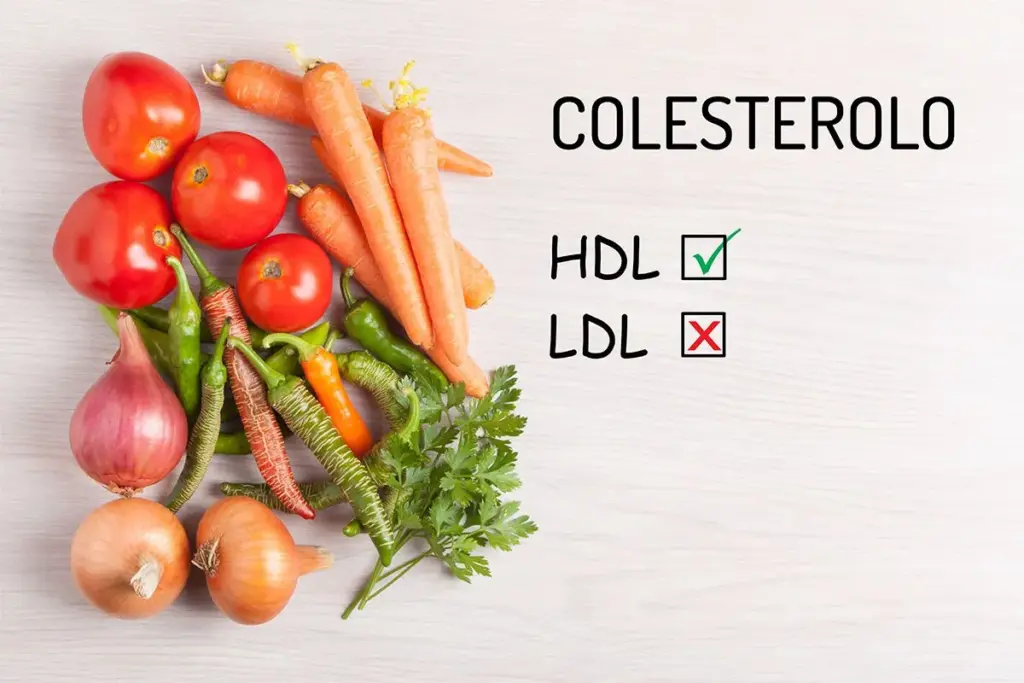
There are different kinds of cholesterol, each with its own role. HDL (High-Density Lipoprotein), or “good” cholesterol, helps clear LDL (Low-Density Lipoprotein), or “bad” cholesterol, from your blood. Triglycerides, another fat in your blood, can also raise heart disease risk if too high.
How Cholesterol Affects Cardiovascular Health
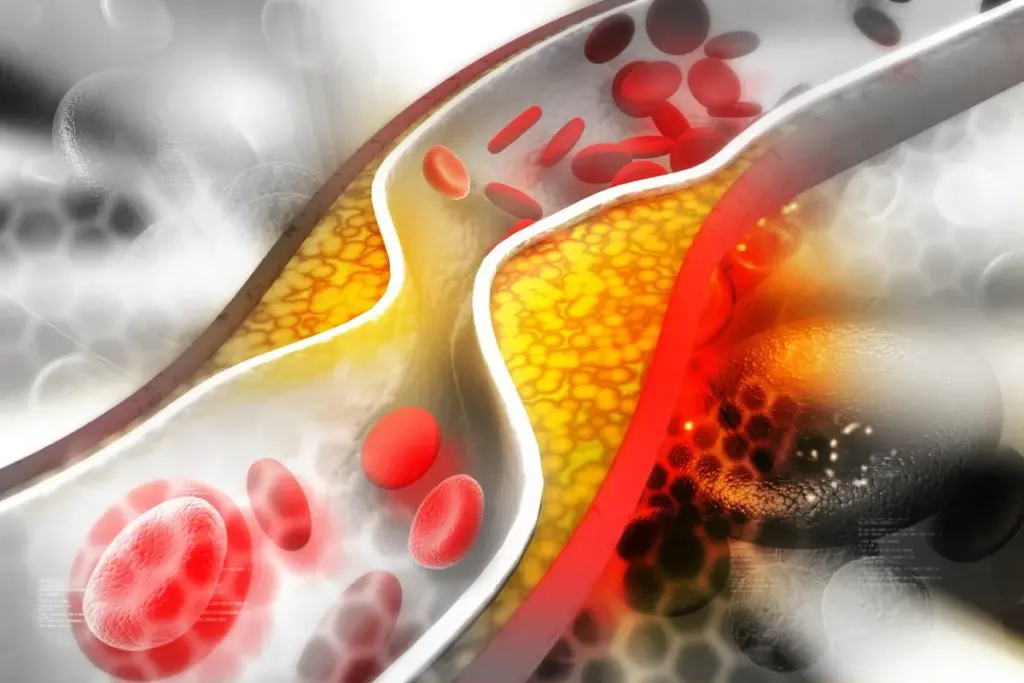
Cholesterol is very important for heart health. Too much LDL cholesterol can cause arteries to clog, raising heart disease and stroke risks. But, more HDL cholesterol means a lower risk of heart disease.
Normal vs. Abnormal Cholesterol Levels
It’s important to know what’s normal and what’s not for cholesterol levels. Here’s a table that shows what’s good and what’s not:
|
Cholesterol Type |
Normal Level |
Abnormal Level |
|---|---|---|
|
Total Cholesterol |
< 200 mg/dL |
≥ 240 mg/dL |
|
LDL Cholesterol |
< 100 mg/dL |
≥ 160 mg/dL |
|
HDL Cholesterol |
≥ 60 mg/dL |
< 40 mg/dL |
|
Triglycerides |
< 150 mg/dL |
≥ 200 mg/dL |
Keeping cholesterol levels healthy is key to avoiding heart disease. Regular health checks and knowing your cholesterol levels help you make better health choices.
What Are Cholesterol Ratios and Why They Matter
Cholesterol ratios give a detailed look at heart health, beyond just looking at cholesterol levels. They show how different types of cholesterol in the blood compare. This helps understand the risk of heart disease better.
Total Cholesterol to HDL Ratio
The total cholesterol to HDL ratio is found by dividing total cholesterol by HDL (good) cholesterol. A lower ratio means a lower heart disease risk. For example, a ratio of 3.5 or less is seen as optimal.
LDL to HDL Ratio
The LDL to HDL ratio compares LDL (bad) cholesterol to HDL cholesterol. It shows the balance between “bad” and “good” cholesterol. A lower ratio means a lower risk of heart problems.
Non-HDL Cholesterol Measurements
Non-HDL cholesterol is found by subtracting HDL from total cholesterol. It includes all “bad” cholesterol types. The American Heart Association says it’s key for checking heart health.
|
Cholesterol Ratio |
Optimal Level |
High Risk Level |
|---|---|---|
|
Total Cholesterol to HDL |
3.5 or less |
5 or higher |
|
LDL to HDL |
2.5 or less |
4 or higher |
|
Non-HDL Cholesterol |
Less than 130 mg/dL |
160 mg/dL or higher |
Knowing and managing these cholesterol ratios is key for heart health. It helps lower the risk of heart disease.
What Are Statins and How Do They Work?
Statins are a key part of managing heart disease. They help lower cholesterol in people with high levels or at risk of heart problems.
Mechanism of Action
Statins block an enzyme called HMG-CoA reductase in the liver. This enzyme is important for making cholesterol. By stopping it, statins cut down on cholesterol production, which lowers LDL levels.
Lowering LDL cholesterol is important because high levels increase heart disease risk. Lowering LDL levels helps prevent artery blockages. This reduces the chance of heart attacks and strokes.
Common Types of Statins Available in the US
In the US, you can find several statins:
- Atorvastatin (Lipitor)
- Simvastatin (Zocor)
- Rosuvastatin (Crestor)
- Pravastatin (Pravachol)
- Lovastatin (Mevacor)
Each statin is different and chosen based on your cholesterol levels and heart risk.
Effectiveness in Lowering Cholesterol Levels
Statins are very good at lowering LDL cholesterol. Research shows they can cut LDL levels by up to 50% or more. This depends on the statin’s strength and dose.
Effective cholesterol management with statins lowers heart disease risk. They are a key part of a treatment plan to keep cholesterol levels healthy.
Current Medical Guidelines for Statin Therapy
Statin therapy guidelines have changed a lot. The American Heart Association (AHA) and American College of Cardiology (ACC) have updated their advice. These guidelines help figure out who needs statin therapy based on their heart risk.
AHA Recommendations
The AHA says it’s key to check heart risk factors before starting statin therapy. Their advice includes:
- Looking at the patient’s overall heart risk.
- Starting statin therapy for those at high heart risk.
- Stressing the need for lifestyle changes too.
ACC Guidelines
The ACC has its own guidelines that match the AHA’s. Important points are:
- Using a risk calculator to find the 10-year heart disease risk.
- Recommending statins for those with high heart disease risk.
- Talking about statin benefits and risks with patients.
International Guidelines Comparison
While AHA and ACC guidelines are big in the US, other countries have their own. For example:
- The European Society of Cardiology (ESC) also focuses on risk assessment but might use different tools.
- Guidelines in other countries might set different LDL cholesterol levels for starting statins.
It’s vital for doctors to know these guidelines to make the best statin therapy choices.
Cholesterol Ratio Thresholds for Statin Consideration
Cholesterol ratio thresholds are key in deciding if you need statins. They help doctors figure out your heart disease risk. This helps them know when to start statin treatment.
Traditional Ratio Thresholds
Doctors used to look at certain cholesterol ratios to decide on statins. They looked at the total cholesterol to HDL ratio and the LDL to HDL ratio.
Total Cholesterol to HDL Ratio: A ratio over 5 means high risk. A ratio under 3.5 is low risk.
LDL to HDL Ratio: A ratio over 3.5 means higher heart disease risk.
|
Ratio |
Risk Level |
|---|---|
|
Total Cholesterol/HDL < 3.5 |
Low Risk |
|
Total Cholesterol/HDL 3.5-5 |
Moderate Risk |
|
Total Cholesterol/HDL > 5 |
High Risk |
Modern Approach to Risk Assessment
New guidelines look at more than just cholesterol ratios. They use the ASCVD risk calculator to estimate heart disease risk over 10 years.
Modern risk assessment looks at:
- Age and gender
- Blood pressure and cholesterol levels
- Smoking status and diabetes
- Family history of heart disease
When Ratios Alone Aren’t Enough
Cholesterol ratios are important but not the only factor. Modern tools and guidelines look at more risk factors. This helps doctors make better statin decisions.
By using both old and new methods, doctors can better decide on statins. This helps lower heart disease risks.
Beyond Ratios: The ASCVD Risk Calculator
Assessing cardiovascular risk is more than just ratios. The ASCVD risk calculator is a key tool. It estimates the 10-year risk of heart attacks or strokes.
How the Calculator Works
The ASCVD risk calculator looks at several important factors. These include age, sex, race, and cholesterol levels. It also considers blood pressure, diabetes, and smoking status.
This calculator offers a personalized risk assessment. Healthcare providers can then tailor advice to each patient’s risk level.
Interpreting Your 10-Year Risk Score
The calculator gives a 10-year risk score. A higher score means a greater risk. For example, a score of 7.5% or higher is considered high risk.
Knowing this score helps in making choices about preventive measures. Doctors use it to talk about statin therapy’s benefits and risks.
Limitations of Risk Calculators
Though useful, the ASCVD risk calculator has its limits. It might not fully capture risks for some conditions, like familial hypercholesterolemia. Its accuracy also depends on the data entered.
Despite these issues, the ASCVD risk calculator is vital. It offers a detailed look at an individual’s risk, guiding treatment choices.
Primary vs. Secondary Prevention with Statins
Statins help prevent heart disease in two main ways: primary and secondary prevention. Knowing the difference helps doctors decide when to use statins.
Statins for Those Without Heart Disease
Primary prevention uses statins on people without heart disease to stop first heart problems. It’s for those at high risk, like those with family history or high cholesterol.
Statins After Heart Attack or Stroke
Secondary prevention uses statins on those who’ve had heart attacks or strokes. It aims to stop more heart problems and control disease.
Key differences between primary and secondary prevention include risk levels and statin therapy intensity. Secondary prevention often needs stronger statin therapy because of higher risk.
Different Thresholds Based on Prevention Category
Starting statins depends on the prevention type. For primary prevention, it’s based on risk, often with calculators. Secondary prevention is simpler, as heart disease is already present.
For instance, guidelines from the American Heart Association and American College of Cardiology give clear statin therapy advice. They stress the need for personalized treatment.
In conclusion, knowing the difference between primary and secondary prevention is key for using statins right in heart disease management.
Age Considerations for Starting Statin Therapy
Age plays a big role in deciding if someone needs statin therapy. Different ages have different advice. The choice to start statins depends on heart risk, which often goes up with age.
Statin Recommendations for Adults Under 40
Adults under 40 usually don’t need statins unless they have a big family history of heart disease. Lifestyle changes are often the first step for this age group.
Middle-Aged Adults (40-75)
Middle-aged people are often the first to consider statins, if they have risks like high blood pressure or diabetes. The ASCVD risk calculator helps figure out their heart risk over 10 years.
Elderly Patients and Statin Use
For older adults, starting statins is a careful decision. It looks at their health, drug interactions, and how long they might live. Statins can help those with heart disease.
Important things to think about include:
- Looking at the patient’s health and how frail they are
- Checking their medicines for possible side effects
- Talking about the good and bad of statins with the patient
Choosing to start statins should be a personal decision. It should consider the person’s age, health, and risk factors.
Other Risk Factors That Influence Statin Decisions
Healthcare providers look at many risk factors when deciding on statin therapy. These include diabetes and smoking. These factors help figure out if someone is at risk for heart disease and if they need statins.
Diabetes and Statin Therapy
Diabetes raises the risk of heart attacks and strokes. So, doctors often suggest statins for people with diabetes. This is true, even more so if they also have high blood pressure or a family history of heart disease.
Family History of Heart Disease
A family history of heart disease is a big factor. If a close relative had heart disease early, you’re at higher risk. This genetic link can greatly increase your chance of heart disease.
Hypertension and Smoking
Hypertension, or high blood pressure, is a major risk. Smoking makes this risk even higher. Smoking damages blood vessels, making them more likely to block. Statins can help reduce these risks.
Genetic Disorders Affecting Cholesterol
Genetic disorders like familial hypercholesterolemia (FH) greatly affect cholesterol levels. People with FH have very high LDL cholesterol, leading to early heart disease. Statins are often needed to control cholesterol levels in these cases.
|
Risk Factor |
Influence on Statin Decision |
Relative Risk Increase |
|---|---|---|
|
Diabetes |
High |
2-3 times |
|
Family History |
Moderate to High |
1.5-2 times |
|
Hypertension |
Moderate |
1.5-2 times |
|
Smoking |
High |
2-3 times |
|
Genetic Disorders (e.g., FH) |
Very High |
3-5 times |
Understanding these risk factors helps doctors decide on statin therapy. This approach improves heart health.
Benefits of Statin Therapy at Different Risk Levels
Statin therapy has many benefits, affecting both mortality rates and heart health. It works well for people at various risk levels. This therapy greatly reduces heart problems and death rates.
Mortality Reduction Statistics
Many studies show statins lower all-cause mortality. A big meta-analysis of statin trials found a big drop in death rates among statin users compared to those on placebo.
Table: Mortality Reduction with Statin Therapy
|
Study |
Population |
Mortality Reduction |
|---|---|---|
|
4S Study |
4444 patients with CHD |
30% reduction |
|
CARE Study |
4159 patients post-MI |
24% reduction |
|
LIPID Study |
6145 patients with CHD or post-MI |
22% reduction |
Heart Attack and Stroke Prevention
Statins also prevent heart attacks and strokes. They lower LDL cholesterol and reduce inflammation. This greatly lowers the risk of major heart events.
For example, the JUPITER trial showed rosuvastatin cut major heart events by 44% in people with normal LDL but high CRP levels.
Potential Non-Cardiovascular Benefits
New research suggests statins might help with more than just heart disease. They could also affect cancer, brain health, and bone health. But, these findings are not yet confirmed.
In summary, statin therapy is beneficial at all risk levels. It reduces mortality, prevents heart attacks and strokes, and might have other health benefits. Knowing these benefits helps in making smart choices about statin therapy.
Common Side Effects of Statins
Statin therapy helps lower cholesterol but comes with side effects. These can be mild or severe and may make it hard to stick to treatment.
Muscle Pain and Weakness
Muscle pain and weakness, or myopathy, is a common side effect. It can feel like muscle soreness, tenderness, or stiffness. In rare cases, it can turn into rhabdomyolysis, a serious condition.
Liver Function Abnormalities
Statins can also harm liver function, causing liver enzymes to rise. This might not cause symptoms, but it’s something to watch. Patients should get regular liver function tests to catch any problems early.
Cognitive Effects and Memory Issues
Some people on statins might notice memory problems or confusion. While more research is needed, it’s important to tell doctors about any brain fog.
Diabetes Risk
Statins might raise the risk of getting type 2 diabetes. This is a big concern, mainly for those already at risk. Before starting statins, think about this risk.
Knowing about statin side effects is key to managing cholesterol. Talk to your doctor about the risks and benefits for you.
Controversies Surrounding Statin Therapy
Statin therapy has sparked a lot of debate in the medical world, mainly among cardiologists. Statins are used to lower cholesterol and reduce heart disease risk. But, there are worries about their overuse and side effects.
Cardiologists Against Widespread Statin Use
Some cardiologists think statins are given out too much. They say the benefits might not be worth the risks for some patients. They point out that many clinical trials don’t include older people or those with other health issues.
Concerns About Overmedication
There’s a big worry about overmedication with statins. They can cause muscle pain, liver problems, and increase diabetes risk. A study published in a leading medical journal found that about 20% of statin users have muscle side effects.
Balancing Benefits and Risks
To tackle these issues, doctors need to balance statin therapy’s benefits and risks for each patient. They should look at the patient’s heart disease risk, possible side effects, and other treatment options.
- Use tools like the ASCVD risk calculator to assess heart disease risk.
- Talk about possible side effects and watch patients closely.
- Think about other ways to lower cholesterol if needed.
By taking a personalized approach to statin therapy, doctors can reduce risks and improve patient results.
Alternatives to Statins for Cholesterol Management
If statins aren’t right for you, there are other ways to lower cholesterol and improve heart health. Statins are often prescribed for high cholesterol. But, other treatments and lifestyle changes can also help.
Other Cholesterol-Lowering Medications
For those who can’t take statins or need more help, other medicines are available. These include:
- Bile acid sequestrants, which can lower LDL cholesterol
- Cholesterol absorption inhibitors, like ezetimibe, that reduce cholesterol absorption
- PCSK9 inhibitors, a new class of drugs that lower LDL cholesterol a lot
- Fibrates, used to lower triglycerides and raise HDL cholesterol
The American Heart Association says, “a good treatment plan may mix medicines and lifestyle changes.”
Dietary Approaches to Lower Cholesterol
Diet is key in managing cholesterol. A heart-healthy diet can lower LDL cholesterol and improve heart health. Important dietary tips include:
- Eat more soluble fiber from oats, barley, and fruits
- Choose healthy fats from avocados, nuts, and olive oil
- Limit cholesterol and saturated fats in your diet
- Eat fatty fish for omega-3 fatty acids
A study in the Journal of the American College of Cardiology shows a Mediterranean diet can cut down on heart problems.
Lifestyle Modifications with Proven Benefits
Other lifestyle changes can also affect cholesterol and heart health. These include:
- Do regular physical activity like walking, cycling, or swimming
- Keep a healthy weight to lower heart disease risk
- Quit smoking for better heart health
- Drink less alcohol
“Lifestyle changes are key in managing cholesterol and can lessen the need for medication,” says the
American College of Cardiology
.
Supplements and Natural Remedies
Some people look into supplements or natural remedies for cholesterol. But, always talk to a doctor before trying them. Some options include:
- Plant sterols and stanols to lower LDL cholesterol
- Omega-3 fatty acid supplements for heart health
- Red yeast rice, which has substances like statins but isn’t regulated as a drug
Talking to your doctor about these alternatives is important. They can help find the best choice for you.
Monitoring Cholesterol While on Statins
Keeping an eye on cholesterol levels is key when taking statins. Regular tests make sure the treatment works well. They also help make changes if needed.
Recommended Testing Frequency
How often to test cholesterol depends on the person and their health risks. Usually, lipid profiles are checked at the start, 4-12 weeks after starting statins, and every 3-12 months after that.
|
Testing Timeframe |
Purpose |
|---|---|
|
Baseline |
Establish initial cholesterol levels before statin therapy |
|
4-12 weeks after starting or adjusting statins |
Assess the effectiveness of the statin dose |
|
Every 3-12 months thereafter |
Monitor long-term cholesterol management and adjust treatment as needed |
Target Levels to Aim For
While on statins, aiming for certain cholesterol levels is important. These levels depend on your heart risk. Most aim to lower LDL cholesterol by at least 50% from the start. For high-risk patients, an LDL level under 70 mg/dL is often the goal.
When to Consider Dosage Adjustments
Adjusting the statin dose is based on cholesterol tests. If levels are not right, the dose might go up or another drug could be added. If side effects are too much, the dose might be lowered or the statin changed.
Managing Side Effects While Maintaining Treatment
It’s important to handle side effects to keep taking statins. Common issues include muscle pain and liver problems. Ways to deal with these include adjusting the dose, switching statins, or adding CoQ10 for muscle pain. Regular check-ups with doctors are key to balancing statin benefits and risks.
Special Populations and Statin Considerations
When we talk about statin therapy, some groups need extra care. This is because they have unique health needs. These groups might face different risks or react differently to statins.
Women and Statin Therapy
Women face a lower risk of heart problems than men, but this gap closes after menopause. Statin therapy is good for women at high risk, like those with heart disease or high cholesterol. Studies show statins help women, but the benefit is less than for men.
Racial and Ethnic Differences in Statin Response
Studies show racial and ethnic differences in statin response. For example, African Americans might get more benefit from statins. It’s key to understand these differences for better treatment plans.
Patients with Kidney Disease
People with chronic kidney disease (CKD) face higher heart risks. Statins are often recommended to lower this risk. But, dosage adjustments are needed for those with severe kidney problems.
HIV Patients and Cholesterol Management
HIV patients on ART may see changes in their lipids, raising heart disease risk. Statins can help manage this risk. But, it’s important to watch for drug interactions.
|
Population |
Statin Consideration |
Key Factors |
|---|---|---|
|
Women |
Beneficial for high-risk women |
Post-menopause risk increase |
|
Racial/Ethnic Groups |
Differential response to statins |
African Americans may benefit more |
|
Kidney Disease Patients |
Recommended for CKD patients |
Dosage adjustment for severe impairment |
|
HIV Patients |
Used to manage ART-induced lipid changes |
Careful consideration of drug interactions |
Having Productive Conversations with Your Doctor About Statins
Talking openly with your doctor about statins is key. This chat helps you grasp the good and bad sides of statin therapy. It also aids in making smart choices for your health.
Questions to Ask Before Starting Statins
Before starting statins, ask your doctor important questions. For example, “What are the possible side effects of statins?” and “How will statins affect my current medicines?”
- What are the benefits of statin therapy for my specific condition?
- Are there other treatments I could try?
- How will my cholesterol levels be checked while on statins?
Discussing Your Personal Risk-Benefit Profile
Your doctor will look at your personal risk-benefit profile for statins. They’ll consider your medical history, current health, and lifestyle.
When to Consider a Second Opinion
If you’re not sure about your doctor’s advice, getting a second opinion might help. It can offer more insights and boost your confidence in your treatment choices.
Shared Decision-Making Approach
A shared decision-making approach means working with your doctor to make choices about your care. This way, your wishes and values are considered when deciding the best treatment for you.
Conclusion: Making Informed Decisions About Statin Therapy
Understanding statin therapy is key to making good choices. It’s important to know the good and bad sides of this treatment. Patients should talk to their doctors to figure out what’s best for them.
Statin therapy can help lower the risk of heart attacks and strokes. But, it’s important to think about the possible side effects too. These can include muscle pain and problems with the liver.
Patients should talk openly with their doctors about statin therapy. They should ask about their own risks and look at other treatment options. By being involved in their care, people can improve their heart health and avoid bad outcomes.
FAQ
What is a statin, and how does it work?
Statins are medicines that lower cholesterol. They block an enzyme in the liver that makes cholesterol. This action reduces bad cholesterol, lowering heart disease risk.
What are the different types of statins available?
Statins include atorvastatin (Lipitor), simvastatin (Zocor), rosuvastatin (Crestor), pravastatin (Pravachol), and lovastatin (Mevacor). Each has different strengths and side effects.
What is the recommended cholesterol ratio for starting statin therapy?
Starting statins depends on your heart disease risk. Doctors look at cholesterol ratios, not just one number. They use total cholesterol to HDL and LDL to HDL ratios.
How do I know if I’m at risk for cardiovascular disease?
Doctors use tools like the ASCVD risk calculator to check your heart disease risk. They consider your age, blood pressure, cholesterol, smoking, and diabetes.
Can statins be used for primary prevention of heart disease?
Yes, statins are used to prevent heart disease in people at high risk. This is decided by risk assessment tools and guidelines from the AHA and ACC.
What are the common side effects of statins?
Side effects include muscle pain, liver issues, and memory problems. There’s also a higher risk of type 2 diabetes. It’s important to manage these side effects.
Are there alternatives to statins for lowering cholesterol?
Yes, there are other options like ezetimibe and PCSK9 inhibitors. Diet and lifestyle changes can also help. Some supplements may be beneficial.
How often should I have my cholesterol levels checked while on statins?
Cholesterol checks vary, but usually, they’re done 6-12 weeks after starting. Then, it’s once a year or as needed.
Can women, specially those who are pregnant or breastfeeding, take statins?
Statins are usually avoided in pregnancy and breastfeeding due to risks. But, it depends on individual risk factors.
How do I discuss statin therapy with my doctor?
Talk openly with your doctor about your heart disease risk and statin therapy. Discuss the benefits and risks, and any concerns you have. This is a shared decision-making process.
National Center for Biotechnology Information. Evidence-Based Medical Insight. Retrieved from https://www.ncbi.nlm.nih.gov/books/NBK305897/