
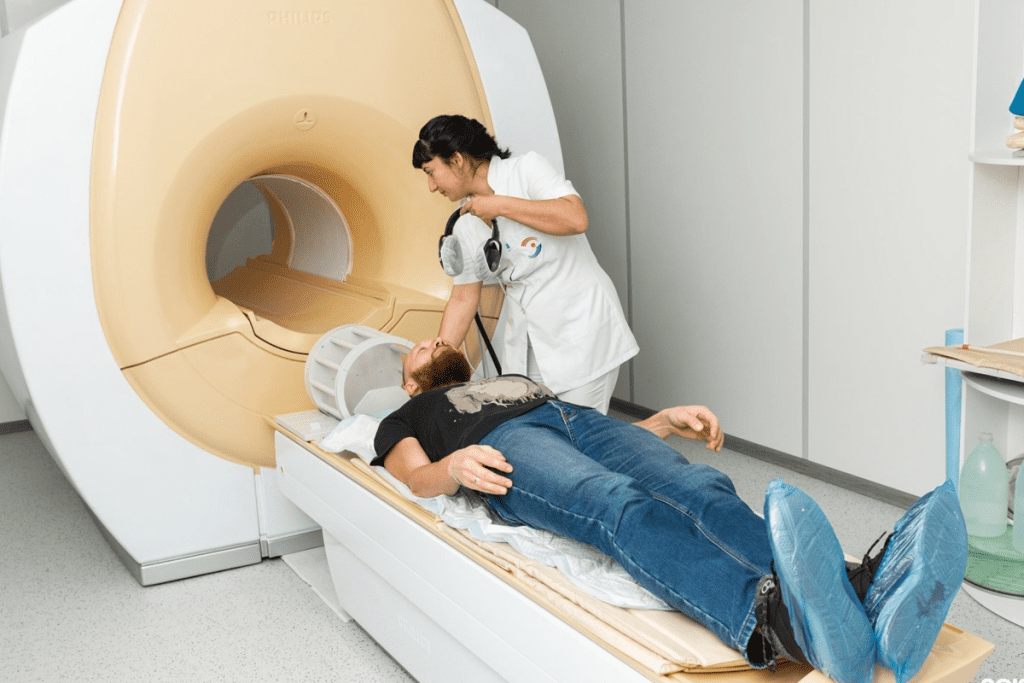
Millions of people get Positron Emission Tomography (PET) scans each year to check and track different health issues. But the thought of undergoing this procedure can often make people feel anxious and stressed. Learning about why and how PET scans work can help you stay calm during PET scan appointments and reduce unnecessary worry.
A PET scan uses a very small amount of radioactive material, which is then detected by the scanner to show how active the body’s tissues are. Understanding this safe and routine process can make it easier to stay calm during PET scan sessions and feel more confident about the results.
Knowing what happens during a PET scan can make you feel less nervous. It helps you stay calm during the scan. When you know what’s going to happen, you can handle it better.
Key Takeaways
- Understanding the PET scan process can reduce anxiety.
- A PET scan is a valuable diagnostic tool for various health conditions.
- Knowing what to expect can help individuals stay calm.
- PET scans involve a small amount of radioactive material.
- The scan provides insights into the body’s metabolic activity.
Understanding PET Scans: What They Are and Why They’re Ordered
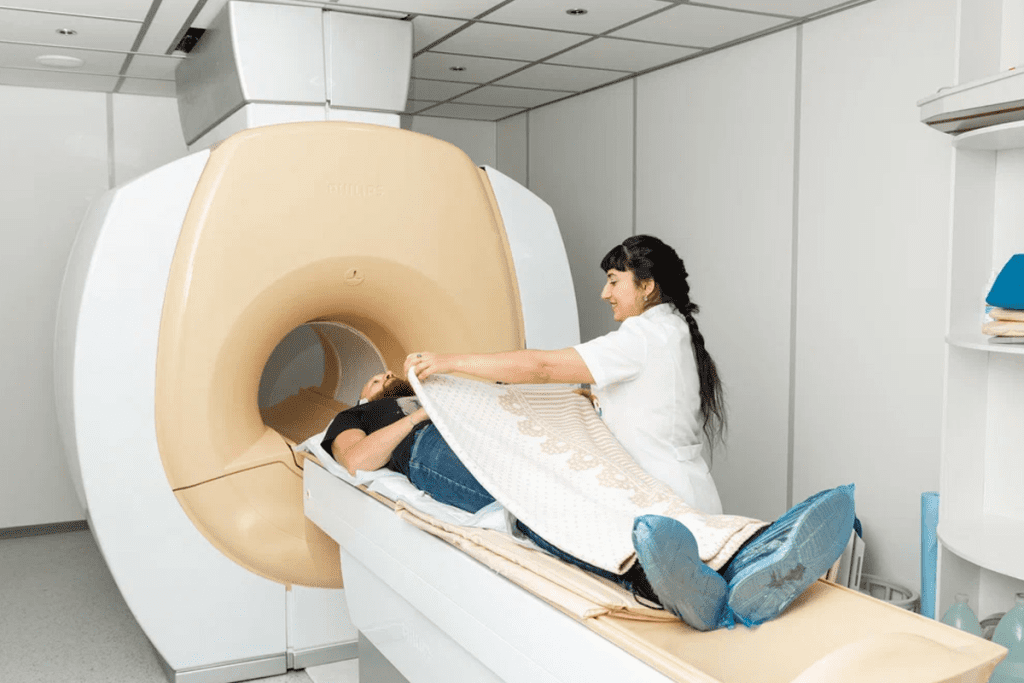
A PET scan, or Positron Emission Tomography scan, is a cutting-edge medical imaging method. It shows how the body’s cells work. This tool is key in finding and treating many health issues.
The Technology Behind PET Scanning
PET scans use a special dye that lights up when it finds active cells, like cancer. The scanner picks up these signals and makes detailed pictures of what’s happening inside. This helps doctors spot diseases early and plan the best treatments.
- The dye is given through an IV.
- The scanner moves around the body to get images from all sides.
- Computers then put all the data together to show detailed images.
Common Medical Reasons for PET Scans
PET scans are used for many health reasons, like finding and tracking cancer, checking the brain, and heart health. PET scans are special because they show how cells work, unlike other tests. Here are some main uses:
- Spotting and tracking cancer
- Looking at brain diseases like Alzheimer’s
- Checking the heart’s health in heart disease
Differences Between PET Scans and Other Imaging Tests
PET scans are different from CT or MRI scans because they show how cells work, not just what they look like. This makes PET scans very useful for diseases where cell activity is important. Here’s how PET scans differ from other tests:
| Imaging Test | Primary Use | Information Provided |
| PET Scan | Cancer, neurological, and cardiovascular assessment | Metabolic activity |
| CT Scan | Detailed anatomical imaging | Structural information |
| MRI | Soft tissue imaging | Detailed soft tissue structure |
Is It Serious If You Need a PET Scan? Addressing Common Concerns
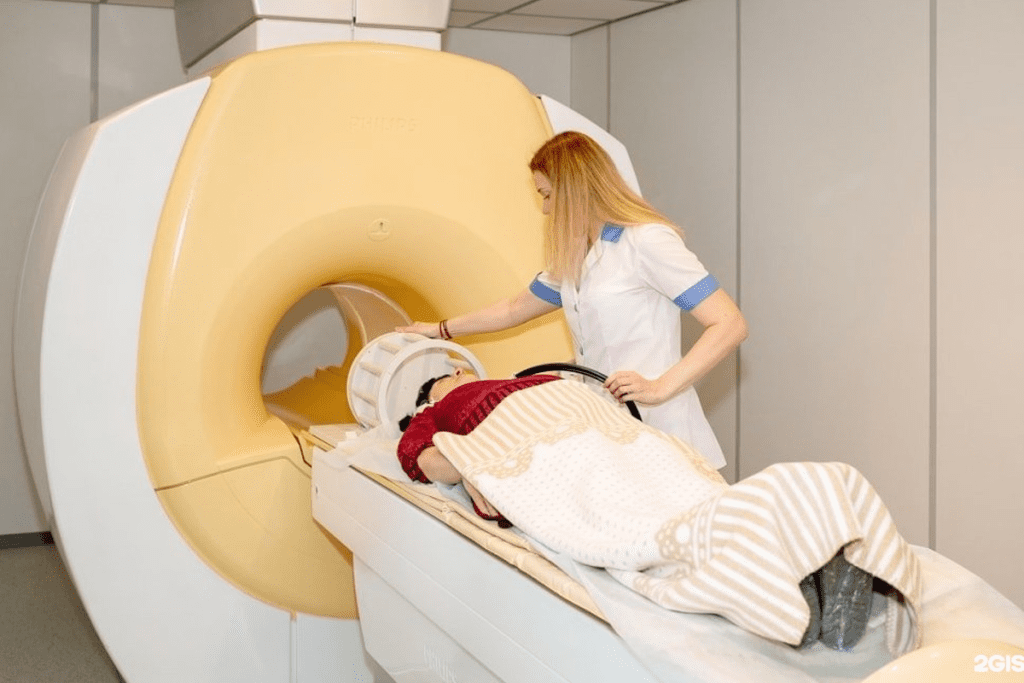
A PET scan is a tool doctors use to check your health. It helps them diagnose, monitor, and find disease recurrence.
Knowing why your doctor wants you to have a PET scan can ease worries. Let’s look at what PET scans do and why they’re important.
Diagnostic vs. Screening Purposes
PET scans have two main uses: diagnosing and screening. Diagnostic PET scans are for people showing symptoms or already diagnosed. They show how far the disease has spread.
Screening PET scans find diseases in those at high risk or with a family history. They’re not for everyone.
- Diagnostic PET scans check how severe a condition is.
- Screening PET scans can find diseases early in high-risk people.
What Your Doctor Is Looking For
Your doctor wants to see how your body works with a PET scan. They look for:
- Cancer cells and how active they are.
- If treatments are working.
- If the disease has spread.
Putting the Test in Perspective
A PET scan is just one tool doctors use. They look at all your tests, history, and symptoms together. This gives a full picture of your health.
It’s normal to feel nervous about a PET scan. But knowing what it’s for can help. Staying informed and asking questions can really help you feel better.
Common Medical Conditions Evaluated with PET Scans
PET scans are very useful in medicine. They help find and track many health issues, like cancer and brain problems. Doctors use this info to care for patients better.
Cancer Detection and Staging
PET scans are key in fighting cancer. They show how far cancer has spread, if treatments are working, and if cancer comes back. This info helps doctors choose the best treatment.
- Identifying cancerous tumors and their metabolic activity
- Staging cancer to determine the extent of disease spread
- Monitoring treatment response and adjusting therapy as needed
Neurological Disorders
PET scans help with brain and nervous system issues. They check on diseases like Alzheimer’s, Parkinson’s, and epilepsy. This helps find problems early and accurately.
- Diagnosing Alzheimer’s disease and monitoring its progression
- Evaluating brain function in Parkinson’s disease
- Identifying seizure foci in epilepsy
Cardiovascular Disease Assessment
PET scans are also key for heart health. They check how well the heart works and help decide on treatments for heart disease.
- Assessing myocardial viability before revascularization procedures
- Evaluating cardiac perfusion to identify areas of ischemia
Other Medical Applications
PET scans are used in more areas than just cancer, the brain, and the heart. They help find infections and inflammation. This includes diseases like bone infections and sarcoidosis.
PET scans give detailed info on metabolism. This helps doctors diagnose and manage many health issues. Their wide use makes PET scans a key part of today’s medicine.
The PET Scan Procedure: What to Expect Step by Step
If you’re facing a PET scan for the first time, knowing what to expect can help a lot. The PET scan process, though it might seem complex, is actually quite straightforward when broken down step by step.
Before Your Appointment
Getting ready for a PET scan is important. Patients usually need to follow specific instructions from their doctor or the imaging center. This might include fasting, avoiding certain medicines, or other prep steps.
Preparation Requirements
It’s key to understand the preparation requirements. You might need to arrive early to fill out paperwork or change into a hospital gown. Wear comfy clothes and avoid jewelry or metal items that could mess with the scan.
During the Scan
During the PET scan, you’ll lie on a table that slides into the scanner. The scanner uses the radioactive material injected into you to create detailed images of your body’s metabolic activities. The scan is usually painless and can last from 30 minutes to several hours, depending on the test.
After the Procedure
After the PET scan, you can usually go back to your normal activities right away. The radioactive material will naturally leave your body. Drinking lots of water helps flush it out.
By understanding the PET scan process step by step, you can better prepare. This reduces anxiety and makes the experience smoother.
How to Stay Calm During a PET Scan: Effective Strategies
Staying calm during a PET scan is possible with the right mindset and techniques. A PET scan is a key diagnostic tool. Being calm ensures the process goes smoothly.
Understanding Your Anxiety Triggers
Knowing what makes you anxious is the first step to managing it. Common causes include fear of the unknown, claustrophobia, and worries about the scan’s results. Knowing these can help you prepare.
Breathing Techniques for Immediate Relief
Deep breathing exercises offer quick relief. Breathe in deeply through your nose, pause for a few seconds, and then breathe out slowly through your mouth. This calms your nervous system.
Mindfulness and Meditation Approaches
Mindfulness and meditation calm your mind. Focus on the present moment with mindfulness. Use guided meditation to relax. These methods lower stress levels.
Distraction Methods That Work
Distraction methods, like listening to music or having a friend with you, are effective. They help shift your focus away from anxiety, making the experience less scary.
There are various relaxation techniques for PET scan anxiety. Here’s a comparison of some:
| Technique | Description | Effectiveness |
| Deep Breathing | Slow, deep breaths to calm the body | High |
| Mindfulness | Focus on the present moment to reduce anxiety | High |
| Meditation | Guided or self-guided relaxation | High |
| Listening to Music | Distracting oneself with calming music | Medium |
| Companion Presence | Having a friend or family member present | Medium |
Using these strategies can greatly reduce your anxiety. This makes the PET scan experience more manageable.
Physical Comfort Tips for Your PET Scan Experience
To make your PET scan less stressful and more comfortable, follow these tips. Feeling at ease can greatly improve your experience.
What to Wear to Your Appointment
Choose loose, comfy clothes for your PET scan. Steer clear of clothes with metal, like zippers or buttons, as they can mess with the scan. Go for soft, comfy fabrics that won’t bother you during the scan.
Positioning Comfort During the Scan
You’ll lie down on a table that slides into a scanner for the PET scan. Knowing how you’ll be positioned can help you get ready. You might need to hold your arms up or lie on your side, depending on the scan. Being prepared can make you feel more at ease.
Managing Physical Sensations
You might feel some physical sensations during the scan, like from the tracer injection or how you’re positioned. Stay calm and breathe deeply to handle these feelings. If you’re feeling uncomfortable, let the technician know.
Dealing with Claustrophobia
If you’re scared of tight spaces, the PET scanner might seem scary. Talk to your healthcare provider or the scanning place about your fears before the scan. They might have ways to make you feel more comfortable.
| Comfort Tip | Description | Benefit |
| Wear loose clothing | Avoid clothing with metal parts | Reduces interference and discomfort |
| Understand positioning | Know how to position yourself for the scan | Enhances comfort and reduces anxiety |
| Manage physical sensations | Focus on breathing and stay calm | Helps in tolerating the scan more comfortably |
| Discuss claustrophobia concerns | Talk to healthcare providers about your fears | May lead to accommodations for a more comfortable scan |
Managing Scan Anxiety: Before, During, and After
Learning to cope with PET scan anxiety can make a big difference. It’s about getting ready, using strategies during the scan, and taking care of yourself after. This approach helps you feel more at ease.
Pre-Appointment Anxiety Management
Before your PET scan, there are ways to reduce anxiety. Relaxation techniques like deep breathing or meditation can help a lot. Also, learning about the PET scan can reduce fear of the unknown.
- Practice relaxation techniques daily to build your skills.
- Ask your healthcare provider about the procedure to understand what to expect.
- Bring a friend or family member for support.
Coping Strategies While in the Scanner
Staying calm during the PET scan is key. Visualization or listening to calming music can distract you. Some places offer communication devices so you can talk to the technician, which can be reassuring.
| Coping Strategy | Description |
| Deep Breathing | Slow, deliberate breathing to calm the nervous system. |
| Visualization | Imagining a peaceful scene or activity to distract from anxiety. |
| Listening to Music | Calming music or nature sounds to create a soothing atmosphere. |
Post-Scan Emotional Care
After the PET scan, taking care of your feelings is important. Support from family and friends is very helpful. If you’re feeling really overwhelmed, talking to a mental health professional can be a good idea.
Doing things you enjoy, like reading or yoga, can also help.
When to Seek Additional Support
If your anxiety about the PET scan is really bad or affects your daily life, you might need more help. Counseling or therapy can help deal with deep fears or anxieties.
By using these strategies, you can handle PET scan anxiety better. This makes the experience less stressful and more manageable.
Safety Considerations and Possible Risks
PET scans are safe, but it’s good to know about radiation, side effects, and who should avoid them. Knowing these details can help you feel more comfortable and ensure a good test experience.
Radiation Exposure Facts
PET scans use a small amount of radiation from a tracer. Most people find this safe. But, talk to your doctor if you’re worried or if you’ve had other tests with radiation.
- The dose from a PET scan is measured in millisieverts (mSv).
- Most scans give a dose of 4 to 7 mSv.
- For comparison, a chest X-ray is about 0.1 mSv.
Who Should Avoid PET Scans
Some people should not get PET scans because of health risks. These include:
- Pregnant or breastfeeding women, as the radiation and tracer could potentially harm the fetus or baby.
- Patients with known allergic reactions to the tracer used in PET scans.
- Individuals with severe kidney disease, as they may be at risk due to the tracer used.
Tell your doctor about your health history to see if a PET scan is right for you.
Side Effects and How to Manage Them
PET scans are usually okay, but some people might feel side effects. These can include:
- Dizziness or nausea.
- Allergic reactions to the tracer.
- Discomfort during or after the scan.
To handle these side effects, try drinking water, resting, and following your doctor’s advice after the scan.
Communicating with Healthcare Providers About Your Concerns
Talking openly with your healthcare team can really help lower anxiety about PET scans. Good communication makes you understand the scan better, tackles your fears, and offers the support you need.
Questions to Ask Before Your PET Scan
Writing down questions for your healthcare provider before a PET scan can clear up any confusion. You might ask about the scan’s purpose, what to expect, and any special prep you need.
- What is the purpose of my PET scan?
- How should I prepare for the scan?
- Are there any specific instructions regarding food or medication?
- What will the scan feel like?
- How long will the procedure take?
How to Express Anxiety to Medical Staff
Feeling anxious about a PET scan is normal. Telling the medical staff about your worries can help them care for you better. Share your fears and ask for their help and reassurance.
Tips for expressing anxiety:
- Be honest about your feelings.
- Ask questions about the procedure.
- Discuss any previous experiences that may be contributing to your anxiety.
Building a Supportive Relationship with Your Care Team
Having a good relationship with your healthcare team is key for a positive experience. This means being open about your worries, following their advice, and keeping up with your care.
| Aspect | Tips for Improvement |
| Communication | Be open and honest about your concerns and fears. |
| Preparation | Follow the instructions provided by your healthcare team to prepare for your PET scan. |
| Support | Ask for emotional support when needed, and don’t hesitate to reach out to your care team. |
Effective communication is key to a successful PET scan experience. By asking the right questions, sharing your anxiety, and building a supportive relationship with your healthcare team, you can reduce your stress and make the process smoother.
Conclusion: Navigating PET Scans with Confidence and Calm
Going through a PET scan can seem scary, but it’s doable with the right mindset. Knowing what to expect and addressing worries can make it easier. This way, patients can face the scan with more confidence and less stress.
Using techniques like deep breathing, mindfulness, and distractions can help stay calm. It’s also key to talk openly with healthcare teams about any fears or worries. This ensures patients get the support they need.
A PET scan is a key tool for doctors to understand and treat health issues. By being calm and confident, patients can take charge of their health. This makes the PET scan experience more positive and empowering.
FAQ
What is a PET scan, and how does it work?
A PET (Positron Emission Tomography) scan is a medical test. It helps find and track health issues. A tiny amount of radioactive material is injected into the body. The PET scanner then detects this material, showing how active the body’s tissues are.
Why do doctors order PET scans, and what are they looking for?
Doctors use PET scans for many reasons. They help diagnose, track treatment, and find disease return. These scans show how cells in the body are working. This helps doctors understand the condition’s severity and plan treatment.
What are the common medical conditions evaluated with PET scans?
PET scans are used for many health issues. They help with cancer, neurological problems, and heart disease. In cancer, they’re key for finding and staging tumors. In neurology, they help with brain and nerve disorders.
How can I prepare for a PET scan, and what are the preparation requirements?
Before a PET scan, follow specific instructions. This might include fasting or avoiding certain medicines. Listening to the medical team’s advice ensures a smooth scan.
How can I stay calm during a PET scan?
Staying calm during a PET scan is possible. Try deep breathing, mindfulness, or meditation. Listening to music or having someone with you can also help.
What can I do to manage anxiety related to the PET scan?
Managing PET scan anxiety needs a few steps. Learn relaxation techniques and know about the scan beforehand. Use deep breathing or visualization during the scan. Afterward, emotional support from loved ones or professionals helps.
Are PET scans safe, and what are the possible risks?
PET scans are mostly safe, but there are risks. Know about radiation, who should avoid scans, and possible side effects. This knowledge can ease worries.
How can I communicate effectively with my healthcare provider about my concerns?
Talking openly with healthcare providers is important. Write down questions, share your fears, and build a good relationship with your team. This can make the experience better and less stressful.
What are some tips for managing claustrophobia during a PET scan?
If you have claustrophobia, talk to the medical staff. Use deep breathing, mindfulness, or meditation to calm down. Having someone with you can also offer support.
What should I wear to my PET scan appointment, and how can I ensure physical comfort during the scan?
Wear loose, comfy clothes and avoid metal items. Knowing the scan’s position and what to expect can also help. This can make you feel more at ease.
References
- Abreu, C., Santos, L., Carneiro, A., Santos, A., & Soares, F. (2016). Oncological patient anxiety in imaging studies: The PET/CT example. BioMed Research International. PMC. https://pmc.ncbi.nlm.nih.gov/articles/PMC5670194/
- Acuff, S. N., et al. (2014). Reduction of patient anxiety in PET/CT imaging by improving communication with a call device. Journal of Nuclear Medicine Technology, 42(3), 211“215. https://tech.snmjournals.org/content/42/3/211
- Martinez-Lorca, A., & Martinez-Lorca, M. (2022). Influence of music in anxiety reduction in 18F-FDG PET/CT studies. International Journal of Radiology & Imaging Technology, 8, 088. https://clinmedjournals.org/articles/ijrit/international-journal-of-radiology-and-imaging-technology-ijrit-8-088.php
- Lorca, A. M., et al. (2019). Using mindfulness to reduce anxiety during PET/CT studies. Mindfulness, 10, 1163“1168. https://link.springer.com/article/10.1007/s12671-018-1065-2
- Boellaard, R., et al. (2014). FDG PET/CT: EANM procedure guidelines for tumour imaging ” version 2.0. European Journal of Nuclear Medicine and Molecular Imaging, 42, 328“354. PMC. https://pmc.ncbi.nlm.nih.gov/articles/PMC4315529/