
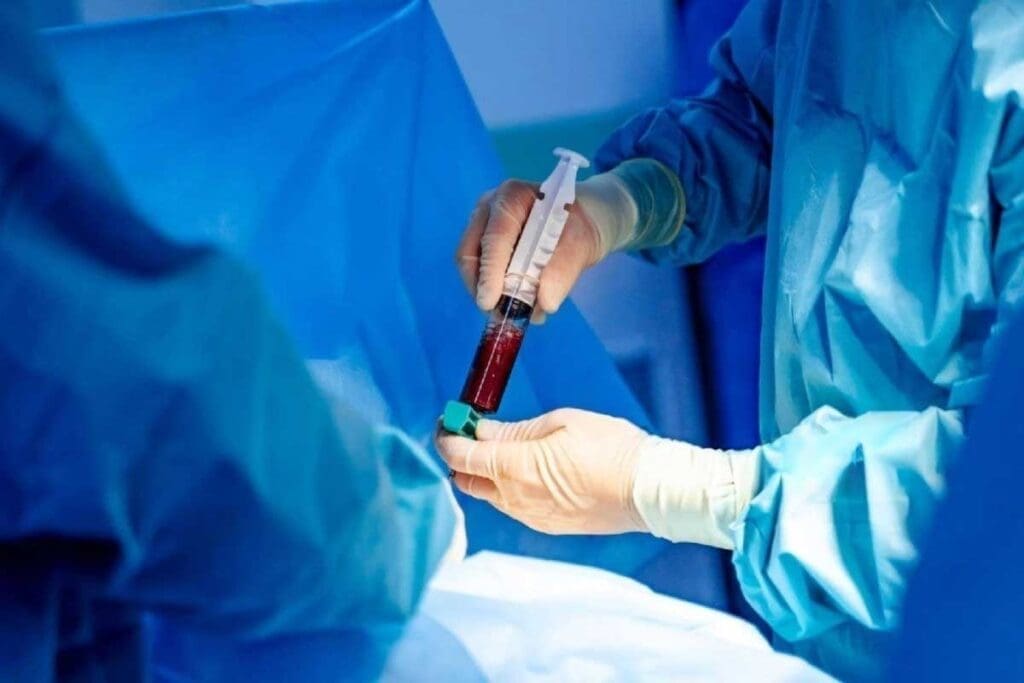
For those with multiple myeloma, stem cell transplant for multiple myeloma can be a game-changer. It offers hope for a longer, healthier life, especially when other treatments haven’t worked. This procedure replaces damaged bone marrow with healthy stem cells, helping the body to rebuild its blood and immune systems. Studies show it can improve progression-free and overall survival. At Liv Hospital, expert care ensures patients receive this therapy safely, with cutting-edge techniques to enhance recovery and outcomes, making stem cell transplant a crucial part of multiple myeloma treatment.
At Liv Hospital, we offer a top-notch, team-based approach. We use the latest stem cell transplant protocols and focus on caring for each patient as an individual.
Choosing the right treatment can feel daunting. That’s why we’re here to support and guide you every step of the way.
Key Takeaways
- Stem cell transplant is a common treatment for multiple myeloma, mostly for younger patients.
- It can help people live longer and keep the myeloma in remission longer than drug treatments alone.
- Liv Hospital offers a multidisciplinary approach to stem cell transplant, combining cutting-edge protocols with patient-centered care.
- Our team is committed to providing complete support and guidance throughout each patient’s treatment journey.
- Stem cell transplant can be a transformative treatment option for individuals facing multiple myeloma.
The Fundamentals of Multiple Myeloma and Treatment Landscape
It’s key for patients and doctors to grasp multiple myeloma and its treatments. This disease is complex, with bad plasma cells growing in the bone marrow.
What is Multiple Myeloma?
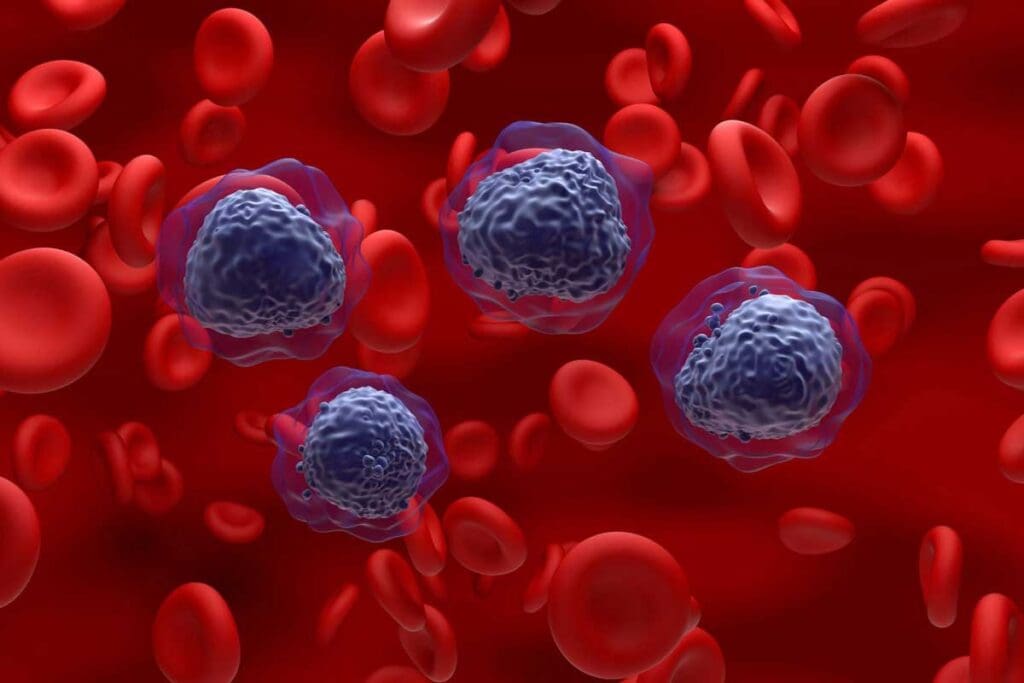
Multiple myeloma is a cancer that attacks plasma cells in the bone marrow. These cells take over the marrow, pushing out good blood cells. Instead of making useful antibodies, they make bad proteins that harm the body.
Standard Treatment Approaches
Treatment for multiple myeloma combines different therapies. These aim to control the disease, ease symptoms, and boost life quality. Standard treatments include targeted therapy, chemotherapy, corticosteroids, and immunotherapy. The right treatment depends on the patient’s health, age, and myeloma type.
Where Transplantation Fits in the Treatment Paradigm
For some patients, autologous stem cell transplantation (ASCT) is a key treatment. It uses the patient’s own stem cells, collected, stored, and then given back after strong chemotherapy. This method can lead to better responses and longer life.
Knowing about multiple myeloma and its treatments helps patients and doctors choose the best care.
Fact 1: Stem Cell Transplant for Multiple Myeloma Offers Prolonged Remission
For those with multiple myeloma, knowing about stem cell transplant is key. This cancer affects the bone marrow, causing problems like bone damage and infections. It’s important to understand how a stem cell transplant can help.
Understanding Remission in Multiple Myeloma
Remission means the disease is controlled, and symptoms lessen or go away. Complete remission means no signs of the disease are found. But, it doesn’t mean the patient is completely cured.
“The goal of treatment is not just to extend life but to improve its quality,” says a renowned expert in multiple myeloma treatment. Achieving remission is a significant milestone, as it correlates with improved survival and quality of life.
How Transplantation Extends Disease-Free Periods
Autologous stem cell transplantation (ASCT) uses the patient’s own stem cells. These cells are collected, stored, and then reinfused after chemotherapy. This process kills off cancer cells and then adds back healthy stem cells.
- High-dose chemotherapy is used to kill myeloma cells.
- Stem cells are reinfused to restore the bone marrow.
- The overall process aims to achieve a deeper response than conventional therapies.
Realistic Expectations: Treatment vs. Cure
A stem cell transplant can greatly extend remission and improve survival chances. But it’s important to know it’s not a cure. Relapse remains a possibility, and ongoing care is needed.
As a leading researcher in myeloma, notes, “The current treatment paradigm focuses on achieving the best possible response and maintaining it through various strategies, including maintenance therapy post-transplant.”
Patients should talk to their healthcare provider about their treatment goals. This helps set realistic expectations about what to expect from treatment.
Fact 2: Autologous Transplant is the Most Common Approach
Many multiple myeloma patients choose autologous stem cell transplant (ASCT). This method uses the patient’s own stem cells. These cells are collected, frozen, and then given back after high-dose chemotherapy. We’ll look at why it’s popular and how successful it can be.
What Makes ASCT the Preferred Option
ASCT is popular for good reasons. It lets doctors use high-dose chemotherapy, which kills cancer cells better. It also uses the patient’s own stem cells, reducing the risk of graft-versus-host disease (GVHD).
The procedure helps patients stay in remission longer and live better. Clinical trials have shown that ASCT can significantly extend the duration of remission, improving patients’ quality of life.
Patient Selection Criteria
Not every multiple myeloma patient is right for ASCT. Doctors consider many factors, like the patient’s health, age, and disease stage. Comprehensive assessments are conducted to evaluate the patient’s suitability, looking at their kidney and heart health and other health issues.
Younger patients with fewer health problems usually do well with ASCT. But thanks to new transplant methods and care, more patients can get ASCT.
Comparing Outcomes with Non-Transplant Approaches
Comparing ASCT to other treatments, ASCT seems to give better results for eligible patients. Studies have consistently shown that ASCT improves the depth of response, leading to better long-term outcomes.
But, it’s important to remember that other treatments have also improved a lot. For patients who can’t have ASCT, these new treatments can also help control the disease and improve survival.
Fact 3: The Stem Cell Collection Process Has Advanced Significantly
The way we collect stem cells for transplants in multiple myeloma patients has changed a lot. These changes have made the process safer and more effective. This is good news for patients.
Mobilization Techniques and Medications
Getting stem cells out of the bone marrow is key. We use special medicines to help them move into the blood. Motixafortide is a new drug that helps get more stem cells, even from those who are hard to mobilize.
“New mobilization drugs have changed the game,” says a top hematologist. “Now, even those who were hard to mobilize can get their stem cells collected successfully.”
The Apheresis Procedure Explained
After the stem cells are in the blood, we use apheresis to get them. This process uses a machine to separate the stem cells from the rest of the blood. Then, we freeze the stem cells for later use in a transplant.
Apheresis is usually okay, but some people might feel tired, numb, or have low calcium. New technology has made apheresis faster and better, getting more stem cells.
Innovations Like Motixafortide for Enhanced Collection
Motixafortide is a new drug that helps get stem cells out of the bone marrow. It works by breaking the bond between stem cells and their home in the bone marrow. Studies show it works better with G-CSF than G-CSF alone.
- Motixafortide is great for those who are hard to mobilize.
- It makes collecting stem cells more efficient, needing fewer apheresis sessions.
- Using motixafortide could let more patients get to transplant, improving their chances of success.
As we keep improving stem cell transplants, new tools like motixafortide are key. They help make the stem cell collection process better for patients with multiple myeloma.
Fact 4: High-Dose Chemotherapy Precedes Stem Cell Reinfusion
Before stem cells are reinfused, high-dose chemotherapy is given to kill myeloma cells in the bone marrow. This step is key to the success of the stem cell transplant in treating multiple myeloma.
The Purpose of Myeloablative Therapy
Myeloablative therapy, or high-dose chemotherapy, removes cancer cells from the bone marrow. This intense treatment is vital for the stem cells to grow well and for achieving remission. It helps in reducing the tumor burden, improving the patient’s transplant success chances.
Common Conditioning Regimens
The conditioning regimen includes high-dose chemotherapy and sometimes total body irradiation (TBI) to prepare for the stem cell transplant. The choice of regimen depends on the patient’s health, age, and myeloma type. Drugs like melphalan are often used alone or with other drugs.
The Stem Cell Rescue Process
After high-dose chemotherapy, the collected stem cells are reinfused into the patient’s bloodstream. This process, stem cell rescue, helps replace the bone marrow with healthy cells, aiding in the patient’s recovery. The stem cells then start producing new blood cells in the bone marrow.
The combination of high-dose chemotherapy and stem cell reinfusion is a strong treatment for multiple myeloma. It gives patients a chance at long-term remission and a better quality of life.
Fact 5: Transplantation Can Achieve Deeper Responses Than Standard Therapy
Transplantation is a key treatment for multiple myeloma. It offers deeper responses than standard therapy. This is very important for patients with this complex and currently incurable disease.
Understanding Response Criteria
Doctors check how well treatment works in multiple myeloma. They look at the blood or urine for monoclonal protein, the bone marrow for plasma cells, and symptoms. The response is graded from complete response (CR) to partial response (PR).
Deeper responses, like CR or VGPR, mean better long-term results. A deeper response means the tumor is smaller. This can lead to longer survival times.
Minimal Residual Disease (MRD) Negativity
MRD negativity is a sign of a strong response. It means the disease is too small to find with advanced tests. This is a big win for patients.
MRD testing looks for myeloma cells in the bone marrow. It uses flow cytometry or molecular methods. This test is very sensitive. It can find very small amounts of disease, showing how well treatment is working.
Correlation Between Response Depth and Outcomes
The depth of response from transplantation affects patient outcomes. Studies show that deeper responses, including MRD negativity, lead to longer survival. This is true for both progression-free survival and overall survival.
- Deeper responses are linked to longer survival.
- Achieving MRD negativity is a strong sign of good outcomes.
- The link between response depth and outcomes supports using transplantation for eligible patients.
Transplantation can lead to better long-term results for multiple myeloma patients. It’s a valuable treatment option for this complex disease.
Fact 6: Allogeneic Transplants Are Less Common But Stil Important
Allogeneic transplants are not as common but are key in treating multiple myeloma. They use stem cells from a donor. This can lead to a powerful effect against myeloma.
When Donor Cells Might Be Considered
Doctors consider allogeneic transplants for young patients with high-risk myeloma. They also look at those who have failed an autologous stem cell transplant (ASCT). The choice depends on the patient’s health, donor availability, and myeloma type.
Donor selection is very important. A good match in human leukocyte antigen (HLA) helps avoid graft-versus-host disease (GVHD).
The Graft-Versus-Myeloma Effect
Allogeneic transplants have a unique benefit: the graft-versus-myeloma (GVM) effect. The donor’s immune cells attack myeloma cells. This can lead to a lasting response or even a cure.
The GVM effect is a powerful tool in fighting multiple myeloma. Researchers are working to make it stronger while reducing GVHD risks.
Higher Risks and Specialized Applications
Allogeneic transplants can cure but come with risks like GVHD, infections, and organ damage. They are mainly for high-risk patients or those who have tried other treatments.
We carefully consider each patient’s benefits and risks. This includes age, health, and disease status.
In summary, allogeneic transplants are a vital option for multiple myeloma. They offer a chance for a cure through the GVM effect. By choosing the right patients and managing risks, we can treat high-risk or relapsed cases effectively.
Fact 7: Complication Rates Are Relatively Low for ASCT
ASCT is usually well-tolerated, but it can have some risks. Knowing about these risks and how to handle them is key for good care.
Common Short-Term Side Effects
Short-term side effects of ASCT include low blood counts, infections, and feeling very tired. Low blood counts can make it hard to fight off infections and can cause bleeding. To lower this risk, patients often get antibiotics and medicines to help their blood cells grow back.
Mucositis is another big short-term side effect. It can hurt and make eating hard. Taking good care of your mouth and managing pain can help a lot.
Long-Term Considerations
While ASCT has short-term risks, there are also long-term ones. One big worry is secondary malignancies, but this is rare. It’s very important to keep up with follow-up care to watch for any late effects on the heart, lungs, and other organs.
Some people may feel tired, have neuropathy, or have trouble with their thinking for a long time. These effects can be different for everyone and may need ongoing care.
Strategies to Minimize Risks
To lower the risks of ASCT, picking the right patients is key. This means looking at their health, how far their Multiple Myeloma has spread, and any other health issues they have. Personalized treatment planning can help cut down on complications.
Also, better care for supporting patients, like better ways to prevent infections and using growth factors, has made ASCT safer. Close monitoring before, during, and after the transplant is also very important. This helps catch and deal with any problems fast.
By knowing about the possible problems with ASCT and working to prevent them, doctors can make sure patients do well and have a better life after treatment.
Conclusion: Navigating Decisions About Transplantation in Myeloma Care
Stem cell transplant is a key treatment for multiple myeloma. It helps patients live longer with the disease. Knowing about this treatment is important for making good choices in myeloma care.
Choosing to have a transplant involves looking at many things. This includes the type of transplant, who can get it, and possible side effects. Understanding these helps patients pick the best treatment for them.
We’ve talked about autologous stem cell transplant (ASCT) being the main choice. We’ve also covered how stem cell collection has improved and the importance of high-dose chemotherapy before transplant. These points are key in deciding if a transplant is right for someone.
In the end, deciding on a stem cell transplant should be well thought out. Patients need to know the good and bad sides of the treatment. Talking with doctors helps patients make choices that fit their needs in myeloma care.
FAQ
What is multiple myeloma, and how is it treated?
Multiple myeloma is a blood cancer where bad plasma cells grow in the bone marrow. Treatment can include chemotherapy, targeted therapy, and stem cell transplants. For some, getting their own stem cells back is a key part of treatment.
What is the role of stem cell transplant in multiple myeloma treatment?
Stem cell transplant, like ASCT, is key in treating multiple myeloma. It lets doctors use strong chemotherapy and then give back the patient’s stem cells. This can lead to longer remission and better results than usual treatments.
How does autologous stem cell transplant (ASCT) work for multiple myeloma?
ASCT starts with collecting a patient’s stem cells. Then, the patient gets strong chemotherapy. After that, the stem cells are put back in to help the bone marrow make healthy blood cells again.
What is the significance of mobilization and apheresis in stem cell collection?
Mobilization gets stem cells from the bone marrow into the blood. Apheresis collects these stem cells. New ways to mobilize stem cells, like motixafortide, make collecting them easier.
What is high-dose chemotherapy, and why is it used before stem cell reinfusion?
High-dose chemotherapy kills cancer cells in the bone marrow. It’s followed by stem cell reinfusion to protect the bone marrow. This lets it recover and make healthy blood cells again.
What are the benefits of achieving minimal residual disease (MRD) negativity in multiple myeloma?
MRD negativity means no cancer cells are left in the bone marrow after treatment. This is linked to better outcomes and longer survival for multiple myeloma patients.
What is the difference between autologous and allogeneic stem cell transplants?
Autologous transplants use the patient’s own stem cells. Allogeneic transplants use stem cells from another person. Allogeneic transplants can fight cancer better but are riskier, like graft-versus-host disease.
What are the common side effects and risks associated with ASCT for multiple myeloma?
ASCT can cause fatigue, infections, and stomach problems. Long-term, it might affect fertility and increase cancer risk. Careful planning and monitoring can help reduce these risks.
How does a stem cell transplant impact the quality of life for multiple myeloma patients?
A stem cell transplant can change a patient’s life, both during and after treatment. While there are risks, many patients see their quality of life improve due to better outcomes and longer remission.
What is the role of multiple myeloma autotransplantation in treatment?
Autotransplantation, or using a patient’s own stem cells, is a key treatment for multiple myeloma. It offers a chance for longer remission and better results for eligible patients.
Are stem cell transplants for myeloma the same as bone marrow transplants?
While related, stem cell transplants and bone marrow transplants are not the same. Both involve stem cells, but stem cell transplants can use blood or bone marrow cells. Bone marrow transplants focus on bone marrow cells.
References:
- Zavaleta-Monestel, E. (2024). Advancements in the Treatment of Multiple Myeloma. PMC, 15(4), Article 11691229. https://pmc.ncbi.nlm.nih.gov/articles/PMC11691229/



 Departments
 Related Videos
 Our Doctors
 News
News