The debate between stem cell transplant versus chemotherapy has been ongoing in oncology. Recent studies show that bone marrow transplants have significant advantages in treating certain cancers.
New research and international hospital standards, such as those on livhospital.com, are shaping how we select treatments. The success of stem cell transplants across different cancers is impressive, making them a strong option for many patients when considering stem cell transplant versus chemotherapy.
Key Takeaways
- Stem cell transplants offer advantages in treating certain cancers.
- Recent studies support the use of bone marrow transplants.
- International hospital standards are influencing treatment choices.
- Success rates of stem cell transplants are notable in various cancers.
- Treatment options are being reshaped by new research.
Understanding Stem Cell Transplantation
Stem cell transplantation is a complex medical procedure that has changed how we treat cancer. It uses stem cells to replace damaged cells in the body. These cells can grow into different types of cells.
Types of Stem Cell Transplants
There are two main types of stem cell transplants: autologous and allogeneic. Autologous transplants use the patient’s own stem cells. These cells are collected, stored, and then given back after chemotherapy or radiation. Allogeneic transplants use stem cells from a donor, often a sibling or someone else who matches the patient’s tissue type.
The Transplantation Process
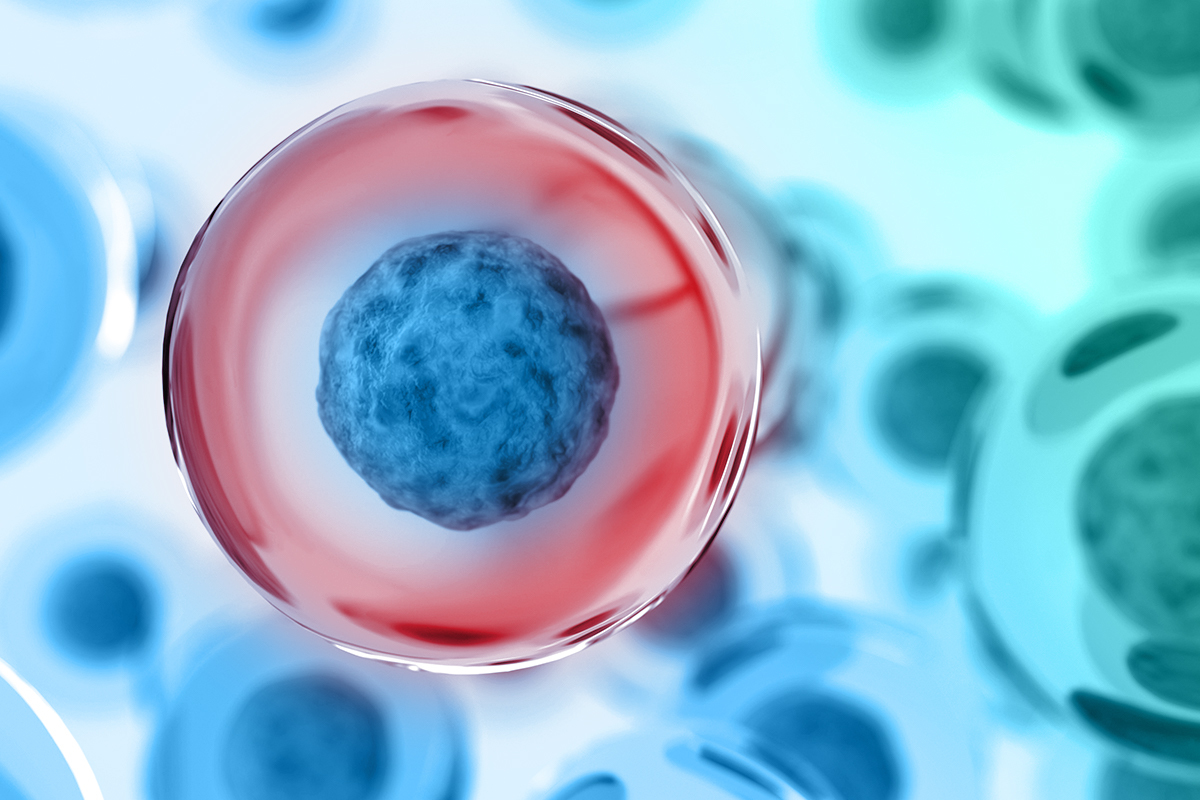
The process starts with a conditioning regimen. This includes high-dose chemotherapy and/or radiation to kill cancer cells. Then, the patient gets the stem cell infusion, like a blood transfusion. The stem cells go to the bone marrow and start making new blood cells.
Historical Development of SCT
The first bone marrow transplants were done in the mid-20th century. Over time, better immunosuppression, care, and donor selection have improved SCT outcomes. Now, SCT is a key treatment for many cancers.
Conventional Chemotherapy Explained
Chemotherapy is a common treatment for many cancers. It targets cells that grow fast. These drugs kill cancer cells or stop them from growing.
How Chemotherapy Works
Chemotherapy uses drugs that target dividing cells. Cancer cells grow faster than normal cells. So, chemotherapy is good at killing them.
But, it can also harm normal cells that grow fast. This includes hair follicle cells and cells in the mouth and intestines.
“Chemotherapy is a key part of cancer treatment,” says a top oncologist. “It helps control or cure cancer by targeting fast-growing cells.”
Types of Chemotherapy Regimens
There are different types of chemotherapy:
- Adjuvant chemotherapy: given after primary treatment to reduce cancer recurrence risk.
- Neoadjuvant chemotherapy: given before primary treatment to shrink tumours.
- Palliative chemotherapy: aims to relieve symptoms and improve quality of life.
Evolution of Chemotherapy Treatments
Chemotherapy has changed a lot over time. New drugs and regimens have been developed. Targeted therapies and immunotherapies are now part of treatments, too.
This progress has greatly improved cancer treatment results. Many patients now get complete remission or significant relief.
Stem Cell Transplant Versus Chemotherapy: A Comparative Look
Stem cell transplant and chemotherapy are two different ways to fight cancer. They both aim to get rid of cancer cells but work in different ways. Each treatment has its own effects on the patient.
Mechanism of Action Differences
Chemotherapy uses drugs to kill fast-growing cancer cells. But it can also harm other fast-growing cells, causing side effects. A stem cell transplant, on the other hand, replaces damaged stem cells with healthy ones. This helps the bone marrow and immune system to heal.
Key differences in their mechanisms include:
- Chemotherapy targets cancer cells directly through cytotoxic agents.
- Stem cell transplant enables the bone marrow to produce healthy blood cells, potentially leading to a cure.
Treatment Intensity and Duration
The length and intensity of these treatments differ. Chemotherapy is given in cycles, with each cycle followed by a break. Stem cell transplant involves a preparative regimen, often chemotherapy or radiation, followed by stem cell infusion. It has a longer recovery time.
Recovery Process Comparison
Chemotherapy recovery is shorter than that of a stem cell transplant. Chemotherapy patients may lose their hair and feel sick, but these effects usually go away after treatment. Stem cell transplant patients face a longer and more complex recovery. They risk graft-versus-host disease (GVHD) in allogenic transplants.
Key considerations for recovery include:
- The risk of complications, such as infections or GVHD.
- There is a need for prolonged care and follow-up after a stem cell transplant.
- The chance for long-term survival and cure with a stem cell transplant.
Effectiveness in Blood Cancers
Recent studies show that stem cell transplants can help patients with blood cancers. It’s a key treatment for many blood diseases, aiming for a cure or long-term control.
Leukemia Treatment Outcomes
Stem cell transplant works well for leukemia, mainly for high-risk or relapsed cases. Allogeneic stem cell transplant uses donor stem cells. This approach boosts survival by fighting leukemia.
A study in the Journal of Clinical Oncology showed a 50% 5-year survival rate for AML patients after transplant.
Lymphoma Response Rates
Stem cell transplant is a key treatment for aggressive or relapsed lymphoma. Autologous stem cell transplant uses the patient’s own stem cells. It’s often used for Hodgkin and non-Hodgkin lymphoma.
- Improved progression-free survival
- Enhanced overall survival
- Better disease control
Multiple Myeloma Survival Statistics
Stem cell transplant is a standard treatment for multiple myeloma for eligible patients. High-dose chemotherapy followed by autologous transplant boosts response and survival.
The International Myeloma Society reports up to 40% complete response rates. Median overall survival is over 6 years.
In summary, stem cell transplant is highly effective for blood cancers like leukemia, lymphoma, and multiple myeloma. The choice between transplant and chemotherapy depends on the disease, stage, and patient’s health.
Solid Tumour Treatment Comparisons
Choosing between stem cell transplant and chemotherapy for solid tumours is key. Solid tumours, like germ cell tumors and neuroblastoma, need careful thought on treatment.
Germ Cell Tumours
Germ cell tumours can be treated with a stem cell transplant or chemotherapy. High-dose chemotherapy followed by stem cell transplant is effective for tough cases.
Stem cell transplant works well for germ cell tumours. It lets doctors give high doses of chemotherapy safely.
Neuroblastoma
Neuroblastoma is another solid tumour treated with stem cell transplant, mainly for high-risk cases. Consolidation therapy with stem cell transplant has boosted survival chances.
Studies show that a stem cell transplant can be better than chemotherapy alone for neuroblastoma.
Other Solid Cancers
The role of stem cell transplant versus chemotherapy in other solid cancers is being studied. Research aims to see if a stem cell transplant can improve survival and lower recurrence rates.
The choice between stem cell transplant and chemotherapy for solid tumours depends on many factors. These include the cancer type and stage, patient health, and past treatments.
Risk Assessment and Side Effect Profiles
It’s important to know the risks and side effects of stem cell transplantation and chemotherapy. These treatments fight cancer but have different risks and complications.
Short-term Complications
Stem cell transplant can cause graft-versus-host disease (GVHD), infections, and damage to organs. Chemotherapy also risks infections, anemia, and immediate side effects like nausea and hair loss. A study in the Journal of Clinical Oncology found that GVHD was linked to higher death rates in stem cell transplant patients.
“GVHD remains one of the most significant complications of allogeneic hematopoietic stem cell transplantation.”
Long-term Side Effects
Stem cell transplant can lead to chronic GVHD, infertility, and secondary cancers. Chemotherapy’s long-term effects include heart problems, secondary cancers, and brain issues. A study in the New England Journal of Medicine showed that childhood cancer survivors face higher risks of secondary cancers and chronic health problems.
Quality of Life Considerations
The quality of life after treatment varies between stem cell transplant and chemotherapy. Stem cell transplant patients often need longer recovery times and face more severe impacts on their quality of life due to GVHD. On the other hand, some chemotherapy regimens may allow for quicker recovery, depending on the treatment and patient factors. A patient advocate noted, “The journey doesn’t end with the treatment; it’s vital to consider the long-term impact on a patient’s life.”
In conclusion, both stem cell transplant and chemotherapy have unique risks and side effects. Understanding these differences is key for patients and healthcare providers to make informed decisions that balance treatment effectiveness with quality of life.
Patient Selection Criteria
Choosing the right cancer treatment is important. It depends on many factors. The choice between stem cell transplant and chemotherapy is complex.
Age and Health Status Factors
Age and health are key in picking a treatment. Stem cell transplants are often more demanding and might not be right for older patients or those with health issues. Chemotherapy, on the other hand, can be adjusted for different health levels. But its success can depend on the patient’s health.
Disease Stage Considerations
The cancer stage is also important. Stem cell transplants are often used for blood cancers in remission. Chemotherapy is used in many cancer stages, as a main treatment or with other therapies.
Prior Treatment Response
How well a patient responds to first treatments matters. Those not doing well with chemotherapy might get stem cell transplants if they can. A leading oncologist says, “The response to initial chemotherapy is a strong predictor of the need for alternative treatments like stem cell transplantation.”
In summary, choosing between a stem cell transplant or chemotherapy is a detailed process. It’s about looking at each patient’s unique situation. This way, patients get the best treatment for their needs.
Cost and Accessibility Factors
Cancer treatment costs are a big worry for patients and their families. When looking at stem cell transplant versus chemotherapy, it’s key to look at the costs of each.
Financial Implications
The price of a bone marrow transplant can be from $100,000 to over $500,000. This depends on the transplant type and the treatment center. On the other hand, chemotherapy costs vary a lot. This is based on the treatment type and how long it lasts.
Insurance Coverage
Insurance is very important for getting cancer treatment. Many plans cover chemotherapy. But, bone marrow transplant coverage might be limited or require extra approval.
Treatment Center Availability
Where you can get treatment is also a big factor. Specialized cancer centers for bone marrow transplant might not be everywhere. This means patients might have to travel for treatment.
Emerging Innovations in Cancer Treatment
Cancer treatment is on the verge of a big change, thanks to discoveries in medical science. Recent breakthroughs are changing how we treat cancer. They bring new hope to patients and better results.
Advances in Transplantation Techniques
Stem cell transplantation is getting better, with better donor matching and care after the transplant. These improvements make stem cell transplants safer and more effective. They are now an option for more patients.
Targeted Therapies and Immunotherapies
Targeted therapies and immunotherapies are changing cancer treatment. They focus on specific parts of cancer cells or use the body’s immune system to fight cancer. Immunotherapies, like checkpoint inhibitors and CAR-T cell therapy, have shown great promise. They offer lasting results and better survival chances.
Personalized Medicine Approaches
Personalized medicine is becoming a reality in cancer treatment. Genomic profiling and biomarker-driven therapies allow for treatments tailored to each patient. This way, doctors can choose the best treatments based on each patient’s genetic and molecular makeup.
As these innovations keep growing, they will likely change cancer treatment even more. They might even change the role of stem cell transplant and chemotherapy in the future.
Conclusion: Making Informed Treatment Decisions
Understanding the differences between stem cell transplant and chemotherapy is key when choosing cancer treatments. Each has its own benefits and risks, shaped by the patient’s health and cancer type.
Stem cell transplantation, like a bone marrow transplant, can be a cure for some blood cancers. Chemotherapy, a common treatment, works well for many cancers. The right choice depends on the patient’s health, cancer stage, and how well they’ve responded to treatment before.
Patients should consider the effectiveness, risks, and impact on quality of life of each option. Talking to healthcare providers helps make the best decision. As treatments improve with new stem cell techniques and targeted therapies, staying updated is vital for the best care.
FAQ’s:
What is the difference between a stem cell transplant and chemotherapy?
A stem cell transplant replaces damaged cells with healthy ones. Chemotherapy kills cancer cells with drugs. Stem cell transplants treat blood cancers like leukemia. Chemotherapy treats many cancers.
How does a stem cell transplant work?
First, chemotherapy and/or radiation destroy diseased bone marrow. Then, healthy stem cells are given to the body. These cells go to the bone marrow and start making new blood cells.
What are the types of stem cell transplants?
There are two main types: autologous and allogeneic. Autologous uses the patient’s own stem cells. It’s often used for multiple myeloma and some lymphomas. Allogeneic uses donor stem cells, mainly for leukemia.
What is the recovery process like after a stem cell transplant?
Recovery is long and tough. Patients feel tired, nauseous, and weak. It can take months to a year or more for the immune system to recover.
How does chemotherapy work?
Chemotherapy kills cancer cells with drugs. The type and dose depend on the cancer type and stage.
What are the side effects of chemotherapy?
Side effects include nausea, hair loss, fatigue, and a weak immune system. The severity and how long these last vary by the type and dose of chemotherapy.
Can I undergo a stem cell transplant if I’ve had chemotherapy before?
Yes, many can get a stem cell transplant after chemotherapy. But it depends on the chemotherapy type and dose, the patient’s health, and cancer status.
Are there any new developments in stem cell transplantation and chemotherapy?
Yes, there are new advances. Researchers are looking into haploidentical transplants and CAR-T cell therapy. These have shown promise in trials.
How do I know if a stem cell transplant or chemotherapy is right for me?
The choice depends on your cancer type and stage, health, and personal preferences. Talk to a healthcare professional to find the best treatment for you.
What are the costs associated with stem cell transplants and chemotherapy?
Costs vary by treatment type and duration, and insurance coverage. Discuss the financial aspects with a healthcare professional and a financial advisor to understand the costs.
References
- Pasquini, M. C., & Wang, Z. (2017). Current use and outcome of hematopoietic stem cell transplantation: CIBMTR summary slides. Biology of Blood and Marrow Transplantation, 23(10), S1“S44. https://www.cancer.gov/about-cancer/treatment/types/stem-cell-transplant