Recent breakthroughs in medical research have brought new hope to those with stem cells cure spinal cord injuries. Research indicates that stem cell regenerative medicine therapy appears safe and may benefit those with spinal cord injuries.
This new method uses stem cells to possibly regrow or fix damaged spinal cords. It opens up new ways for treatment and recovery.
Key Takeaways
- Stem cell therapy shows promise in treating spinal cord injuries.
- Researchers has demonstrated the safety and benefits of this therapy.
- The treatment involves using stem cells to potentially regrow or repair damaged spinal cords.
- This innovative approach could offer new treatment options for individuals with spinal cord injuries.
- Ongoing research is key to fully understanding the stem cell therapy‘s potentials.
The Devastating Impact of Spinal Cord Injuries
Spinal cord injuries deeply affect people, changing their lives in many ways. They impact not just physical abilities but also overall happiness. The spinal cord is key to our body’s functions, controlling movements and sensations.
Understanding Spinal Cord Anatomy and Function
The spinal cord is a long, thin tube in our body. It runs from the brain to the lower back. It’s protected by vertebrae and helps our body move and feel sensations.
Damage to the spinal cord can cause big changes in a person’s life. Knowing how it works helps us see the effects of injuries.
Types and Classifications of Spinal Cord Injuries
Spinal cord injuries vary in severity and location. They can be complete or incomplete. Complete injuries mean no function below the injury. Incomplete injuries allow some functions to remain.
- Complete Spinal Cord Injuries: Total loss of sensory and motor functions below the level of the injury.
- Incomplete Spinal Cord Injuries: Partial loss of sensory and motor functions, with some functions remaining intact.
The injury’s level also matters. Higher-level injuries affect more of the body.
Current Conventional Treatment Limitations
Today’s treatments for spinal cord injuries aim to stabilize the spine and help with pain. They also focus on rehab to improve function. But, these treatments have their limits, like not fixing lost functions.
That’s why new methods, like stem cell therapy, are being explored. They might help repair damaged spinal cord tissue and improve function.
The Science Behind Stem Cells
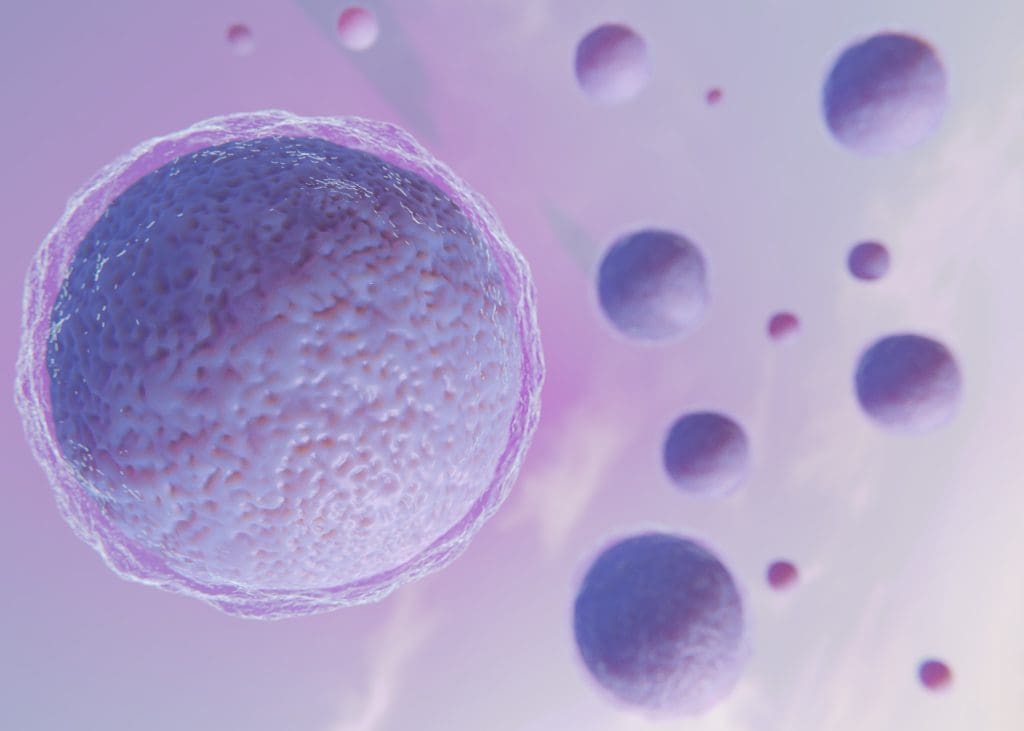
Stem cells play a key role in healing and regeneration. They are unique cells that can turn into different types of cells. This makes them very important for medical research and treatments.
What Are Stem Cells?
Stem cells are cells that can become many types of cells in the body. They can grow and change into specialized cells. This is why they are essential for growth, repair, and keeping tissues healthy.
There are two main types of stem cells. Embryonic stem cells come from embryos and can become any cell type. Adult stem cells are found in adult tissues and can only become certain cell types related to their tissue.
Different Types of Stem Cells
There are many types of stem cells, each with its own abilities and uses. These include:
- Embryonic stem cells: These cells are from embryos and can become any cell type.
- Adult stem cells: These cells are in adult tissues and can become a few different cell types.
- Induced pluripotent stem cells (iPSCs): These are adult cells that have been changed to be like embryonic stem cells.
- Mesenchymal stem cells: A type of adult stem cell that can become many cell types, like bone and muscle cells.
How Stem Cells Promote Healing
Stem cells help heal in several ways. They can turn into cells to replace damaged ones. They also release factors that help repair tissues and calm the immune system.
The uses of stem cells in medicine are huge. Scientists are studying them for treating many diseases, like spinal cord injuries and heart disease.
The Potential of Stem Cells to Cure Spinal Cord Injuries
Stem cells might be able to fix damaged spinal cords. Spinal cord injuries can cause lasting harm and disability. But, new stem cell treatments offer hope for those affected.
Mechanisms of Spinal Cord Regeneration
Stem cells can turn into different types of cells, like neurons and glial cells. These cells are key for fixing the spinal cord. They can replace damaged cells and help the spinal cord work again.
The process starts with getting stem cells from the patient or a donor. Then, these cells are made ready for use. After being put into the damaged spinal cord, they start to work. They help fix the damage and promote healing.
Neuroplasticity and Stem Cell Therapy
Neuroplasticity is the brain and spinal cord’s ability to change. It’s important for recovering from spinal cord injuries. Stem cell therapy can boost this ability by creating new neural connections.
Studies show that stem cell therapy can help by releasing factors that support neurons. This can lead to better function and quality of life for patients.
Preclinical Evidence of Efficacy
Studies on animals have shown that stem cell therapy works for spinal cord injuries. These studies have shown improvements in motor and sensory functions. They are the basis for ongoing human trials.
The evidence from animal studies is strong. It shows that stem cells can fix spinal cord injuries by regenerating and improving neuroplasticity. As research goes on, the hope for effective treatments grows.
Current Clinical Applications of Stem Cell Therapy
Recent breakthroughs in stem cell research have led to new treatments for spinal cord injuries and other serious diseases. Stem cell therapy is becoming a key treatment option in regenerative medicine. This is thanks to ongoing research and development.
Stem cell therapy is used in many ways, from FDA-approved treatments to experimental trials. It’s also available internationally. Knowing about these options is important for both patients and healthcare providers.
FDA-Approved Treatments
Some stem cell therapies have been approved by the FDA for specific uses. For example, hematopoietic stem cell transplantation is used to treat certain blood disorders. These approved treatments are mainly for blood-related conditions. But they also open doors for research into other uses.
“The approval of hematopoietic stem cell transplantation for certain blood disorders marks a significant milestone in the field of stem cell therapy, demonstrating its potential for treating a range of medical conditions.”
Nature Reviews Clinical Oncology
Experimental Treatments in Clinical Trials
Clinical trials are exploring stem cell therapy for various conditions, including spinal cord injuries. These trials help us understand how stem cells can aid in healing and regeneration.
| Trial Name | Condition | Phase |
| Stem Cell Therapy for SCI | Spinal Cord Injury | II |
| Mesenchymal Stem Cells for Heart Disease | Heart Failure | III |
| Neural Stem Cells for Parkinson’s | Parkinson’s Disease | I/II |
International Treatment Options
Some countries offer stem cell therapies not yet approved in the U.S. or in clinical trials. These international options can be a chance for patients looking for new treatments.
For instance, clinics in China, Mexico, and India offer stem cell treatments for various conditions, including spinal cord injuries. But, it’s vital for patients to check the qualifications and safety of these clinics before treatment.
As research keeps advancing, stem cell therapy is expected to grow, bringing hope to patients with spinal cord injuries and other conditions. Keeping up with the latest research and trial results is key for both patients and healthcare providers.
Types of Stem Cell Therapies for Spinal Cord Injury
Researchers are looking into many stem cell therapies for spinal cord injuries. These aim to fix and grow back the damaged spinal cord. This could help people regain function and improve their lives.
Autologous vs. Allogeneic Transplantation
There are two main types of stem cell transplants: autologous and allogeneic. Autologous transplantation uses cells from the patient themselves, lowering immune rejection risks. Allogeneic transplantation uses donor cells, which are easier to get but might cause immune issues.
Choosing between these depends on the patient’s health, injury severity, and stem cell type.
Bone Marrow-Derived Stem Cells
Bone marrow-derived stem cells come from bone marrow. They can turn into different cell types and help heal tissues. Studies show they might reduce inflammation and improve spinal cord injury outcomes.
Neural Stem Cells
Neural stem cells can become neural cells, making them key for spinal cord injury treatment. They can replace damaged tissue and help grow new neural cells. Researchers are working to make them more effective for therapy.
Mesenchymal Stem Cells
Mesenchymal stem cells (MSCs) are also being studied for spinal cord injury treatment. MSCs can calm the immune system and aid in tissue repair. They can come from bone marrow, fat tissue, or umbilical cord blood. Their ability to help healing and growth is promising.
These stem cell therapies offer hope for spinal cord injury treatment. Ongoing research and trials will help us understand their safety and effectiveness. This could lead to new treatments for those with spinal cord injuries.
The Stem Cell Transplantation Process
Stem cell transplantation is a new treatment for spinal cord injuries. It involves several steps. The goal is to use stem cells to fix or replace damaged spinal cord tissue.
Patient Preparation and Evaluation
Before the treatment, patients get checked to see if they’re a good fit. They review their medical history and the injury’s severity. Getting ready well is key for success.
They might also do tests like MRI scans and neurological checks. These help figure out the injury’s extent and if the treatment is safe.
Stem Cell Harvesting Methods
Stem cells can come from bone marrow, fat tissue, or blood. The choice depends on the type of stem cells needed and the patient’s health.
Bone marrow stem cells are often used for spinal cord injuries. They’re easy to get and can turn into different cell types. Getting them is done under local anesthesia to reduce pain.
Delivery Techniques to the Spinal Cord
After getting the stem cells, they need to get to the spinal cord. There are different ways to do this, like injecting them directly or through veins. The best method depends on the injury and treatment goals.
Here’s a look at some delivery methods:
| Delivery Technique | Advantages | Limitations |
| Intrathecal Injection | Minimally invasive, targets spinal cord directly | Risk of infection, limited control over cell distribution |
| Intravenous Infusion | Less invasive, allows for systemic distribution | Cells may not reach the spinal cord effectively |
| Direct Injection | Precise delivery to the injury site | Highly invasive, requires surgical intervention |
Post-Transplantation Care
After the transplant, patients need close monitoring and care. They’ll do rehabilitation programs and follow-up checks. This helps ensure the treatment works well and is safe.
Rehabilitation includes physical and occupational therapy. It aims to improve function and quality of life.
Breakthrough Research in Spinal Cord Regeneration
Recent breakthroughs in stem cell research have opened new avenues for spinal cord regeneration. Scientists have been exploring the use of stem cells to repair damaged spinal cords. The results have been very promising.
Recent Scientific Discoveries
Recent studies have shown how stem cells help heal the spinal cord. Stem cells can turn into different cell types, like neurons and glial cells. These cells are key for spinal cord function.
Researchers have also found that stem cells can modulate the immune response and reduce inflammation. This makes the environment better for healing. Also, stem cells can secrete growth factors that help neurons grow and survive.
Promising Animal Studies
Several animal studies have shown the effectiveness of stem cell therapy for spinal cord regeneration. For example, a study in the journal Nature found that transplanting neural stem cells into mice with spinal cord injuries greatly improved their motor function.
- A study using mesenchymal stem cells showed improved recovery in rats with spinal cord injuries.
- Another study using induced pluripotent stem cells demonstrated the ability to regenerate damaged spinal cord tissue in mice.
These promising results have led to human clinical trials. These trials are testing the safety and effectiveness of stem cell therapies for spinal cord injuries.
Success Stories and Case Studies
Stem cell technology has led to many functional improvement cases. These are in patients who got stem cell therapy for spinal cord injuries.
Documented Cases of Functional Improvement
Many case studies show stem cell therapy’s power. They highlight how it can boost motor function and sensation in spinal cord injury patients. For example, a study in a top medical journal told of a patient who could walk again after stem cell treatment.
Another success story is about a patient who saw big gains in bladder control and limb movement. These stories show the hopeful results stem cell therapy can bring.
Patient Testimonials and Experiences
Patient testimonials offer real-life views on stem cell therapy’s effects. Many patients say they feel better physically and in their overall life quality.
“Stem cell therapy has given me a new lease on life. I can now perform daily tasks with much more ease and independence,” said a patient who underwent treatment.
These success stories and case studies highlight stem cell therapy’s promise. As research grows, we’ll likely see even more amazing results.
Challenges and Limitations of Stem Cell Therapy
Stem cell therapy for spinal cord regeneration faces many challenges. Despite early success in studies, several obstacles must be overcome. These hurdles are key to unlocking stem cell therapy’s full promise.
Scientific and Technical Barriers
One major challenge is the scientific and technical barriers in stem cell therapy. Finding the right stem cells, turning them into neural cells, and getting them to the spinal cord are big tasks. Making sure these cells survive and fit in with the host tissue is another big challenge.
It’s important to make stem cells into functional neural cells that can connect with the existing neural network. Researchers are working hard to improve the efficiency and specificity of this process.
Safety Concerns and Side Effects
Safety concerns and side effects are big worries in stem cell therapy. There’s a risk of tumors from undifferentiated stem cells, immune rejection, and stem cells going to the wrong places in the body.
To lower these risks, careful testing and monitoring are needed. This includes watching patients for a long time after they get stem cell transplants to see if there are any bad effects.
Regulatory Hurdles
The regulatory landscape for stem cell therapy is complex and different in every country. Meeting these regulatory requirements is key to getting stem cell therapies approved and used. In the U.S., this means getting FDA approval after a thorough review of safety and effectiveness data from clinical trials.
Getting past these regulatory hurdles is essential to move stem cell therapies from the lab to real-world use.
Combining Stem Cell Therapy with Other Treatments
Stem cell therapy can help grow new spinal cord tissue. When paired with other treatments, it becomes even more powerful. This mix of therapies is being studied to help patients with spinal cord injuries.
Physical Rehabilitation Programs
Physical therapy is key for those with spinal cord injuries. It works well with stem cell therapy to help patients move again. Tailored rehabilitation programs make stem cell therapy more effective by helping the brain adapt and compensate for damage.
Electrical Stimulation Techniques
Techniques like epidural stimulation can bring back motor skills in spinal cord injury patients. When paired with stem cell therapy, they might help grow new nerve tissue. Scientists are working to find the best way to use these techniques together.
Pharmaceutical Interventions
Medicines can also support stem cell therapy. Some drugs help stem cells settle and grow. For example, anti-inflammatory drugs can lessen swelling, and neuroprotective agents can protect nerve cells. Combination therapy is being explored to get the most out of stem cell treatment.
| Treatment Combination | Potential Benefits | Current Status |
| Stem Cell Therapy + Physical Rehabilitation | Enhanced functional recovery, improved neural plasticity | Clinical trials ongoing |
| Stem Cell Therapy + Electrical Stimulation | Restoration of motor function, enhanced neural regeneration | Research in progress |
| Stem Cell Therapy + Pharmaceutical Interventions | Improved stem cell engraftment, reduced inflammation | Preclinical studies |
Using stem cell therapy with other treatments is a promising area of research. As studies move forward, we can expect to see more of these combined treatments in medical practice.
Ethical Considerations in Stem Cell Research
The world of stem cell research is filled with complex ethics. It deals with everything from the use of embryonic stem cells to keeping patients safe. As this field grows, it’s key to tackle these ethics to make sure stem cell treatments are done right.
Embryonic Stem Cell Controversies
One big debate in stem cell research is about embryonic stem cells. These cells can become any cell type, making them very useful for research. But getting them often means destroying an embryo, which raises questions about human life’s value.
Key ethical issues with embryonic stem cells include:
- The moral status of embryos and whether they should be used for research.
- The risk of treating embryos as commodities instead of respecting human life.
Informed Consent Issues
Informed consent is vital in stem cell research. It makes sure people know the risks and benefits of their involvement. But, donors or participants might not fully get what they’re signing up for, which is a problem.
Ensuring informed consent involves:
- Explaining the research and its possible outcomes clearly.
- Talking about the risks and side effects.
- Making sure people know their rights, like the right to leave the research.
Balancing Innovation with Patient Safety
Stem cell research is leading to new treatments for diseases that were once untreatable. But, we must make sure these new treatments are safe. This means testing them well and protecting patients from harm.
Measures to balance innovation with safety include:
- Doing detailed preclinical and clinical trials.
- Having strong rules in place.
- Watching how patients do and changing treatments if needed.
By focusing on these ethics, stem cell research can keep moving forward. It can do so while keeping ethical standards high and patients safe.
The Future of Stem Cell Therapy for Spinal Cord Injuries
Stem cell therapy is changing how we treat spinal cord injuries. New research and technologies are making it better. This could lead to big improvements in treatment.
Emerging Technologies and Approaches
New technologies are being tested to make stem cell therapy work better. These include:
- Biomaterials: Scientists are making materials to help stem cells grow and fix damaged spinal cords.
- Tissue Engineering: This method creates scaffolds for stem cells to grow on, helping repair the spinal cord.
- Gene Therapy: Gene editing, like CRISPR/Cas9, is being used to make stem cells better at treating injuries.
Gene Editing and Stem Cells
Gene editing is making stem cells even more useful. It lets scientists:
- Improve stem cell survival after they’re put in the body.
- Enhance differentiation into the right cell types for spinal cord repair.
- Reduce immune rejection by changing genes related to the immune system.
These advances are key for creating effective stem cell treatments for spinal cord injuries.
Timeline for Mainstream Treatments
While progress is being made, we’re not there yet. The timeline for these treatments depends on several things. These include:
- Clinical trial results: Good results from trials are essential.
- Regulatory approvals: Treatments need approval from bodies like the FDA.
- Technological advancements: More innovation in stem cell therapy and related fields.
As these factors come together, we’ll see new treatments soon.
Conclusion
Stem cell therapy is showing great promise for treating spinal cord injuries. It could lead to new ways to fix damaged spinal cords. Studies have looked into how stem cells can help restore function.
Studies suggest that stem cell therapy can help heal and improve function in those with spinal cord injuries. It can also make life better for them. Different types of stem cells, like those from bone marrow and neural stem cells, are being studied for their benefits.
Even though there are challenges, scientists are working hard to overcome them. New technologies like gene editing might help a lot. People with spinal cord injuries are hopeful for better treatments thanks to this research.
The outlook for stem cell therapy in treating spinal cord injuries is bright. With ongoing research, it could become a key part of regenerative medicine. This could bring new hope to those affected by spinal cord injuries.
FAQ
What are stem cells and how do they work?
Stem cells are special cells that can turn into different types of cells. They help heal and grow new tissues. This includes fixing damaged spinal cords.
How do stem cells promote spinal cord regeneration?
Stem cells help by turning into nerve cells. They also reduce swelling and help new blood vessels grow. This supports the spinal cord’s healing.
What types of stem cells are used for spinal cord injury treatment?
For spinal cord injuries, doctors often use stem cells from bone marrow, neural stem cells, and mesenchymal stem cells.
What is the difference between autologous and allogeneic stem cell transplantation?
Autologous uses your own stem cells. Allogeneic uses stem cells from another person.
How are stem cells delivered to the spinal cord?
Stem cells can reach the spinal cord through injections, infusions, or direct injections.
What are the benefits of combining stem cell therapy with other treatments?
Mixing stem cell therapy with physical therapy, electrical stimulation, and medicine can make it more effective.
What are the challenges and limitations of stem cell therapy for spinal cord injuries?
Challenges include scientific hurdles, safety concerns, and regulatory issues.
Are there any risks or side effects associated with stem cell therapy?
Yes, stem cell therapy can cause infections, allergic reactions, and tumors.
What is the current state of research on stem cell therapy for spinal cord injuries?
Research is ongoing, showing promising results in early studies.
When can we expect mainstream stem cell treatments for spinal cord injuries?
The exact timeline is unknown, but research is making progress towards effective treatments.
What are the ethical considerations in stem cell research?
Ethical issues include debates over embryonic stem cells, informed consent, and balancing innovation with safety.
Can stem cells cure spinal cord injuries?
Stem cells may help repair spinal cords, but they might not fully cure injuries. More research is needed.
How do I find a qualified healthcare professional for stem cell therapy?
Look for reputable clinics and doctors. Ask your primary care physician for recommendations.