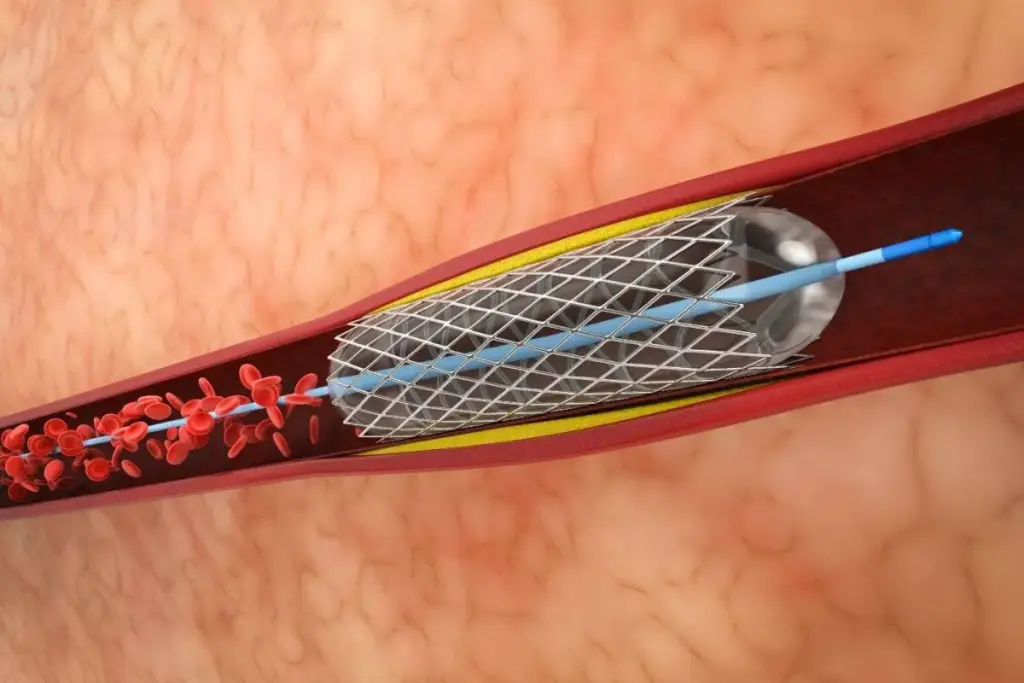
Nearly 500,000 coronary angioplasty procedures are done every year in the United States. They help many patients with coronary artery disease. After a heart stent procedure, it’s important to follow a careful recovery plan. This helps with healing and avoids complications.stent in heartStent Clogged: Heart Stent Risks and Facts
Recovering from angioplasty can be tough. That’s why we’re here to help. We’ll give you a detailed guide on what to do and not to do after angioplasty. This includes important care tips for those with a stent in heart.
Key Takeaways
- Follow a careful recovery plan after angioplasty to minimize complications.
- Manage medications as directed by your healthcare provider.
- Make necessary lifestyle changes to support heart health.
- Attend follow-up appointments to monitor the coronary stent.
- Be aware of the signs of possible complications.
Understanding Angioplasty and Heart Stent Procedures

Understanding angioplasty and stent placement is key for heart disease treatment. Angioplasty is a minimally invasive method to widen narrowed arteries. It’s often life-changing, helping patients live better with improved heart health.
What is Angioplasty?
Angioplasty uses a balloon to push plaque against artery walls, improving blood flow. A stent, a small, mesh tube, is often used to keep the artery open. Cardiologists worldwide say stents have greatly improved treating coronary artery disease.
The Role of Stents in Heart Treatment
Stents are vital in keeping arteries open after angioplasty. They prevent the artery from narrowing again, or restenosis. The placement of a stent is a key part of angioplasty, ensuring the artery stays open.
Types of Coronary Stents Used
There are two main types of coronary stents: bare-metal and drug-eluting. Bare-metal stents are made of metal mesh and keep the artery open mechanically. Drug-eluting stents release medication to prevent the artery from narrowing.
Knowing the differences between these stents is important for patients. It helps them make informed decisions about their care. Always talk to your healthcare provider about stent placement and type to understand what to expect.
The Immediate Recovery Period: First 24-48 Hour

The first 24-48 hours after stent placement are key. We watch for any issues and make sure recovery goes smoothly. Patients are closely watched in the hospital during this time.
Hospital Monitoring After Stent Placement
Right after the procedure, we keep an eye on patients for 24 to 48 hours. This is to catch any quick problems like bleeding or stent blockage. Our team checks heart rate and blood pressure to keep things stable.
Managing the Catheter Insertion Site
It’s important to keep the catheter site clean and dry to avoid infection. We tell patients to avoid heavy lifting or bending. This helps prevent clots from forming.
Pain Management Expectations
Some pain at the catheter site is normal after the procedure. We use medicine and other ways to help with pain. It’s key for patients to tell us how they’re feeling so we can adjust their care.
Initial Movement Restrictions
To avoid problems, patients should not move too much right after. They should avoid heavy lifting, bending, or hard activities for 24 to 48 hours. This helps prevent bleeding or other issues at the catheter site.
|
Activity |
Recommended Restriction Period |
Rationale |
|---|---|---|
|
Heavy Lifting |
24-48 hours |
Prevents bleeding at the catheter site |
|
Bending or Strenuous Activities |
24-48 hours |
Reduces risk of dislodging clots |
|
Driving |
24 hours |
Ensures patient is not under the influence of sedation |
Physical Activity Guidelines Following Stent Insertion
After getting a stent, it’s important to find the right balance between rest and activity. This balance helps avoid problems and aids in healing. We’ll show you how to follow activity rules in the first week, increase your activity, and get back to normal.
Activity Restrictions in the First Week
In the first week, avoid heavy lifting, bending, or hard activities. This helps the area where the catheter was inserted to heal. You should stick to light tasks like walking or gentle stretching.
Here are some activities to skip in the first week:
- Lifting objects heavier than 10-15 pounds
- Doing strenuous exercise or aerobic activities
- Bending or stooping for long periods
Gradually Increasing Physical Activity
After the first week, you can slowly add more activity. Listen to your body and don’t overdo it. Start with short walks and increase the distance and speed over time. You can also try light exercises like yoga or tai chi to improve flexibility and strength without stressing your heart too much.
|
Activity |
Week 1 |
Week 2-4 |
|---|---|---|
|
Walking |
Short walks (5-10 minutes) |
Gradually increase to 30 minutes |
|
Stretching/Light Exercise |
Avoid |
Introduce gentle stretching or yoga |
|
Heavy Lifting/Bending |
Avoid |
Gradually resume with caution |
Exercise Recommendations for Heart Stent Patients
For heart stent patients, regular exercise is key for long-term heart health. Brisk walking, swimming, and cycling are good choices. These activities are easy on the heart and stent.
Before starting any new exercise, talk to your doctor. They can help you choose the best exercises for your condition.
Medication Management After a Stent in Heart Procedure
Managing medications well is key for those with a heart stent. After getting a stent, patients take medicines to stop blood clots and keep cholesterol in check. These steps help keep the heart healthy.
Antiplatelet Therapy Importance
Antiplatelet therapy is vital after a heart stent. It stops platelets in the blood from clumping. Aspirin and P2Y12 inhibitors are often given to prevent clots on the stent.
Blood Thinners and Their Role
Some patients also take blood thinners, or anticoagulants. These drugs stop blood clots that could harm the stent. Blood thinners are key for those at high risk of clots.
Cholesterol-Lowering Medications
Statins are given to lower cholesterol and prevent artery blockages. These drugs help stop heart disease from getting worse. They also lower the risk of stent-related problems.
Creating a Medication Schedule
It’s important to stick to your medication plan. Work with your doctor to make a schedule for your meds. A pill box or app can help you remember to take your meds on time.
Dietary Changes to Support Heart Health Post-Angioplasty
After angioplasty, it’s key to change your diet for better heart health. A heart-healthy diet helps you recover and keeps your heart stent safe.
Heart-Healthy Food Choices
Eating a variety of nutrient-rich foods is important. Focus on:
- Fruits and vegetables, which are full of vitamins, minerals, and antioxidants.
- Whole grains, like brown rice, quinoa, and whole-wheat bread, for fiber and nutrients.
- Lean proteins, such as poultry, fish, and legumes, for protein without too much fat.
- Healthy fats, in avocados, nuts, and olive oil, which are good for your heart.
Foods to Avoid After Stent Surgery
Some foods can harm your heart health. It’s best to limit or avoid:
- Processed and packaged foods, which have a lot of sodium and unhealthy fats.
- Foods high in saturated and trans fats, like red meat and full-fat dairy.
- Sugary drinks and foods with added sugars, which can cause weight gain and high blood pressure.
Sodium and Fluid Intake Guidelines
It’s important to manage sodium and fluid intake for heart health. Here are some tips:
|
Aspect |
Recommendation |
|---|---|
|
Sodium Intake |
Keep sodium under 2,300 mg a day. Choose low-sodium foods and use herbs and spices for flavor. |
|
Fluid Intake |
Drink at least 8 cups (64 ounces) of water a day. Avoid sugary drinks and alcohol. |
Meal Planning Strategies
Good meal planning helps you eat heart-healthy. Here are some tips:
- Plan your meals ahead to include a variety of healthy foods.
- Shop smart by reading labels and picking low-sodium, low-sugar products.
- Cook at home using healthy methods like grilling, baking, and steaming.
By changing your diet, you can support your heart health and live better after angioplasty.
Lifestyle Modifications to Prevent Stent Blockage
After angioplasty, making lifestyle changes is key to avoid stent blockage. These changes help keep your heart healthy for a long time. They also make you feel better overall.
Smoking Cessation After Coronary Stent Placement
Smoking harms your heart, and stopping is vital after a stent. Smoking cessation programs and groups offer great help. Look into nicotine therapy, counseling, and meds to ease quitting.
Quitting smoking lowers the risk of stent blockage and heart problems. It’s a big step towards a healthier life after angioplasty.
Alcohol Consumption Guidelines
Drinking up to one drink a day for women and two for men is okay. But, talk to your doctor about your drinking. They might have different advice for you.
Too much alcohol raises blood pressure and heart rate. It’s important to stick to the guidelines.
Stress Management Techniques
Stress is bad for your heart, so managing it is important after angioplasty. Try meditation, deep breathing, or yoga to relax.
Doing things you enjoy also helps manage stress. We suggest trying different methods to see what works for you.
Weight Management Importance
Keeping a healthy weight is key to avoid stent blockage and heart problems. Eat well and exercise regularly to stay at a good weight.
Work with a doctor or nutritionist to make a weight plan. It should include diet and exercise tips that fit your needs.
Monitoring Your Health After Heart Stent Procedure
After a heart stent procedure, monitoring your health is key to spotting problems early. This time can be tough, but by watching your vital signs and noticing body changes, you can recover better.
Vital Signs to Track
Keeping an eye on your vital signs is vital after a stent. You should check your heart rate, blood pressure, and temperature often. It’s a good idea to write these down in a log for your doctor’s visits.
Using Heart Rate Monitors
A heart rate monitor is a great tool for tracking your heart. These devices can spot irregular heart rhythms, helping you get help if needed. Look for a monitor that’s simple to use and gives accurate readings.
Keeping a Symptom Journal
Keeping a symptom journal is helpful for you and your doctor. Write down any symptoms like chest pain, shortness of breath, or dizziness. This info is key for your doctor to check your health.
Blood Pressure Monitoring at Home
Monitoring your blood pressure at home is also important. High blood pressure can lead to complications, so it’s important to track it. Use a good blood pressure monitor and follow the instructions for correct readings.
Warning Signs of Stent Complications to Watch For
Knowing the warning signs of stent complications is key to a smooth recovery. After getting a stent, it’s important to watch out for any issues. This way, you can get help fast and avoid serious problems.
Chest Pain After Angioplasty
Chest pain is a big warning sign after getting a stent. If you feel pain or discomfort in your chest, get help right away. This pain can feel like pressure, tightness, or burning, and might spread to your arms, back, neck, jaw, or stomach.
Key characteristics of concerning chest pain include:
- Pain that lasts more than a few minutes
- Pain that worsens over time
- Pain that occurs at rest or with minimal exertion
Signs of Infection at Insertion Site
After angioplasty, infection at the insertion site is a possible complication. Watch for signs like redness, swelling, pain, pus, or discharge. If you see any of these, call your doctor fast.
Symptoms of Restenosis
Restenosis, or the arteries getting narrow again, is a risk after stent placement. Look out for symptoms like chest pain, shortness of breath, fatigue, or dizziness. If you notice these, talk to your doctor.
Stent Thrombosis Warning Signs
Stent thrombosis is a serious issue where a blood clot forms in the stent. Warning signs include sudden, severe chest pain, shortness of breath, lightheadedness, or a fast heartbeat. If you see these signs, call emergency services right away.
Being alert to these warning signs and getting medical help quickly can greatly improve your outcome. It can also lower the chance of serious complications.
Follow-up Care Schedule After Cardiac Stent Placement
Recovering from a cardiac stent placement means many follow-up visits and tests. These are key to watching the healing, spotting problems early, and tweaking treatment plans.
First Week Check-up
The first check-up is usually within a week after the procedure. Doctors check the catheter site for infection or issues. They also look at how you’re feeling, watching for signs of stent problems.
One-Month Evaluation
About a month later, you’ll have another visit. This time, doctors review your medical history and current symptoms. They might also run some tests to see how the stent is working.
Long-term Monitoring Plan
After the first visits, you’ll see your doctor every 6 to 12 months. These visits are important for keeping an eye on your heart health. They help adjust medications and catch any stent issues early.
Diagnostic Tests You May Need
As part of your care, you might need to take some tests. These include:
- Electrocardiogram (ECG): To check the heart’s electrical activity.
- Stress Test: To see how the heart works under stress.
- Coronary Angiogram: To look at the coronary arteries and the stent.
- Blood Tests: To check cholesterol, blood sugar, and more.
These tests help doctors make the best decisions for your care. They might change your treatment plan if needed.
Emotional and Psychological Recovery After Angioplasty
Recovering emotionally and psychologically is key after angioplasty. Patients face both physical and emotional challenges. It’s important to address these equally.
Managing Anxiety About Heart Health
Many patients worry about their heart health after angioplasty. This worry can come from fear of the stent or future heart issues. It’s vital to manage this anxiety for overall well-being.
Using deep breathing exercises, meditation, and yoga can help. Also, learning about heart health and talking to doctors can ease worries.
|
Anxiety Management Technique |
Description |
Benefits |
|---|---|---|
|
Deep Breathing Exercises |
Slow, deliberate breathing to calm the mind and body |
Reduces stress, promotes relaxation |
|
Meditation |
Focused attention to achieve mental clarity |
Decreases anxiety, improves mood |
|
Yoga |
Combination of physical postures, breathing techniques, and meditation |
Enhances flexibility, reduces stress |
Depression After Cardiac Procedures
Depression is a common emotional challenge after angioplasty. It’s important to recognize its signs, like feeling sad or losing interest in things. Getting professional help is key.
Treatment can include counseling and medication. Support from loved ones and groups is also vital for recovery.
Support Groups for Heart Patients
Support groups offer emotional support and advice from others who’ve been through similar experiences. They provide a sense of community and understanding.
You can find support groups at local hospitals, online, or through heart health organizations. Being part of these groups can greatly help your emotional recovery.
When to Seek Mental Health Support
Knowing when to seek mental health support is important. If anxiety or depression lasts or affects your daily life, it’s time to get help.
Getting help early can greatly improve your emotional and psychological recovery. This can lead to a better outcome after angioplasty.
Family Support and Caregiver Guidelines
Family support is key in recovery after angioplasty. A strong family and caregiver network helps a lot. It makes recovery smoother and more effective.
How Family Members Can Help
Family members offer emotional, physical, and logistical support. They can do daily tasks like grocery shopping and cooking. They also help manage medications.
Emotional support is very important. It helps reduce stress and anxiety.
Here are some ways family members can help:
- Driving the patient to follow-up appointments
- Helping with household chores
- Preparing healthy meals
- Assisting with medication management
Creating a Supportive Home Environment
Making the home environment supportive is important. It means making changes for comfort and safety. Some changes include:
- Removing tripping hazards
- Ensuring easy access to essential items
- Creating a quiet and restful space
Caregiver Self-Care Importance
Caregivers often forget to take care of themselves. But, self-care is key for their health. It includes:
- Taking regular breaks
- Seeking support from other family members or support groups
- Engaging in stress-reducing activities
Communication Strategies with Healthcare Team
Talking well with the healthcare team is vital for recovery. Caregivers need to know about the patient’s condition and treatment. They should also report any concerns. Strategies include:
|
Communication Aspect |
Description |
|---|---|
|
Asking Questions |
Caregivers should not hesitate to ask questions about the patient’s care plan. |
|
Reporting Changes |
Any changes in the patient’s condition should be reported to the healthcare team. |
|
Seeking Clarification |
Caregivers should seek clarification on any instructions or information they don’t understand. |
By working together, families can support a successful recovery after angioplasty. Caregiver self-care and clear communication with the healthcare team are key.
Returning to Work After Angioplasty
Going back to work after angioplasty needs careful thought. You must think about your health, job, and any changes needed at work. Knowing when and how to go back is key for your health.
Timeline for Different Occupation Types
The time it takes to go back to work changes a lot. People with desk jobs usually go back sooner than those with jobs that are hard on the body.
|
Occupation Type |
Typical Return to Work Timeline |
|---|---|
|
Desk/Office Work |
1-2 weeks |
|
Light Physical Work |
2-4 weeks |
|
Heavy Manual Labor |
4-6 weeks or more |
Workplace Accommodations to Consider
When you go back to work, you might need to make some changes. Workplace accommodations are important for a smooth transition.
- Flexible work hours or remote work options
- Modified duties to avoid heavy lifting or strenuous activities
- Ergonomic adjustments to the workspace
Communicating with Employers About Recovery
Talking to your employer is key when you go back to work after angioplasty. You should be ready to talk about what you can do, any limits, and what you need to help you.
Open dialogue helps make a supportive work place. It helps you recover and work well.
Managing Work-Related Stress
It’s important to handle work-related stress when you go back to work after angioplasty. Stress can hurt your heart, so finding ways to reduce it is vital.
- Meditation and mindfulness practices
- Regular breaks during work hours
- Setting realistic goals and priorities
Understanding how to go back to work after angioplasty helps you manage your recovery. It also helps you keep a good balance between work and life.
Travel Considerations for Patients with Heart Stents
Getting a heart stent doesn’t mean you can’t travel. But, you’ll need to take some extra steps to stay safe. We’ll share important tips for safe and fun trips.
Air Travel After Stent Placement
After getting a stent, flying needs some special care. It’s best to wait a few days to a week before flying. But, this time can vary based on your health and the procedure.
When you fly, drink lots of water and get up to move. Wear comfy clothes and shoes. Think about using compression stockings to help your blood flow.
Road Trip Safety Measures
For road trips, taking breaks is key. Get up and stretch to avoid blood clots and stiffness. Drink water and eat light meals during long drives.
Make sure your car is in good shape. Having someone with you can be a big help in case of an emergency.
International Travel Preparations
Traveling abroad needs extra planning, like knowing about local healthcare and emergency services. It’s important to have a plan for emergencies.
Check if your health insurance works abroad. If not, get travel insurance that covers medical costs.
Medical Documentation to Carry
When traveling with a heart stent, bring the right medical papers. You’ll need a summary of your health, details about your stent, and a list of your medicines.
|
Document Type |
Description |
Importance |
|---|---|---|
|
Medical Summary |
Summary of your medical condition and treatment |
High |
|
Procedure Details |
Details of your stent placement procedure |
High |
|
Medication List |
List of your current medications and dosages |
High |
Being well-prepared and informed helps patients with heart stents travel safely and enjoy their trips.
Cardiac Rehabilitation Programs for Stent Recovery
Cardiac rehabilitation programs are key for patients after stent placement. They help improve heart health, lower future heart risks, and boost life quality.
Benefits of Cardiac Rehab
Being in a cardiac rehab program offers many benefits. Key advantages include:
- Improved heart health through exercise and education
- Enhanced physical function and less fatigue
- Better control of high blood pressure and cholesterol
- More confidence in managing heart health
- Support from healthcare pros and peers with similar experiences
Cardiac rehab is a full approach for physical, emotional, and educational needs. It helps patients greatly improve and lower future heart risks.
What to Expect in a Typical Program
A typical program is made for each patient. It usually includes:
- Supervised exercise to boost heart fitness
- Education on heart-healthy living, like diet and stress
- Counseling and support for emotional and psychological needs
- Monitoring of vital signs and heart health
The program’s specifics and length depend on the patient’s condition and doctor’s advice.
Finding the Right Program for You
Choosing a cardiac rehab program needs careful thought. Consider:
- The staff’s qualifications and experience
- The services and programs offered
- The program’s location and how easy it is to get to
- The level of supervision and monitoring
Talk to your healthcare provider to find a program that fits your needs and goals.
Insurance Coverage for Cardiac Rehab
Many insurance plans cover cardiac rehab. They see its value in better patient outcomes and lower costs. But, coverage can differ by plan and provider.
It’s important to check with your insurance about your coverage. Know about any costs or pre-approval needs.
Conclusion: Living Well After Angioplasty
After angioplasty, patients can look forward to a better life with the right care and lifestyle changes. By following the guidelines in this article, people can have a successful recovery. They can also lower the risk of complications and improve their quality of life.
We talked about the key role of medication, diet, and lifestyle changes in heart health after angioplasty. Making these changes helps prevent stent blockage and supports overall heart health.
Living well after angioplasty means staying committed to a heart-healthy lifestyle. By watching your health, knowing the signs of stent problems, and having a supportive network, you can live fully and actively. Our aim is to give you the knowledge and tools to thrive after angioplasty, ensuring a smooth recovery.
FAQ
What is the typical recovery time after angioplasty?
Recovery time after angioplasty varies. Most people can get back to normal in a week. But, it might take several weeks to fully recover. We suggest starting with light activities and following your medication plan.
How long should I take antiplatelet medication after stent placement?
The time for antiplatelet therapy after a stent depends on the stent type and your health. People with drug-eluting stents usually take it for at least 12 months. Those with bare-metal stents might need it for less time. Your doctor will give you specific advice based on your situation.
Can I travel after having a stent inserted?
Yes, you can travel after a stent is inserted. But, you should wait at least a week first. Always check with your doctor before traveling, even for short trips. Make sure to carry your medical records and tell your insurance about your condition.
What are the signs of stent blockage or complications?
Signs of stent problems include chest pain, shortness of breath, dizziness, or feeling very tired. If you notice these, get medical help right away. Keep an eye on your health and write down any changes in your symptoms.
How often should I follow up with my doctor after angioplasty?
After angioplasty, regular check-ups are key. We’ll see you within the first week and again at one month. You might need more visits and tests to check on your stent and heart health over time.
Can I resume my normal diet after angioplasty?
You can slowly go back to your usual diet. But, it’s good to eat heart-healthy foods. Choose fruits, veggies, whole grains, and lean proteins. Try to eat less of foods high in saturated fats, sodium, and sugar.
How can I manage stress after angioplasty?
Managing stress is important after angioplasty. Try activities like meditation, yoga, or deep breathing. Regular exercise, staying connected with friends, and getting enough sleep can also help.
When can I return to work after angioplasty?
When you can go back to work after angioplasty depends on your job and how you’re feeling. Usually, we suggest taking at least a week off. But, some people might need more time. Talk to your doctor about your job and any special arrangements you might need.
What are the benefits of cardiac rehabilitation after angioplasty?
Cardiac rehab can greatly improve your heart health and overall well-being after angioplasty. These programs include exercise, heart-healthy lifestyle education, and emotional support. We encourage you to explore these options with your healthcare team.
Can I exercise after having a stent inserted?
Yes, exercising is important after a stent is inserted. Start with easy activities like walking and gradually increase the intensity and time. Always follow our advice on exercise and avoid heavy lifting or hard activities during the early recovery period.
References
National Institutes of Health. Evidence-Based Medical Insight. Retrieved from
https://www.nhlbi.nih.gov/health/coronary-angioplasty