
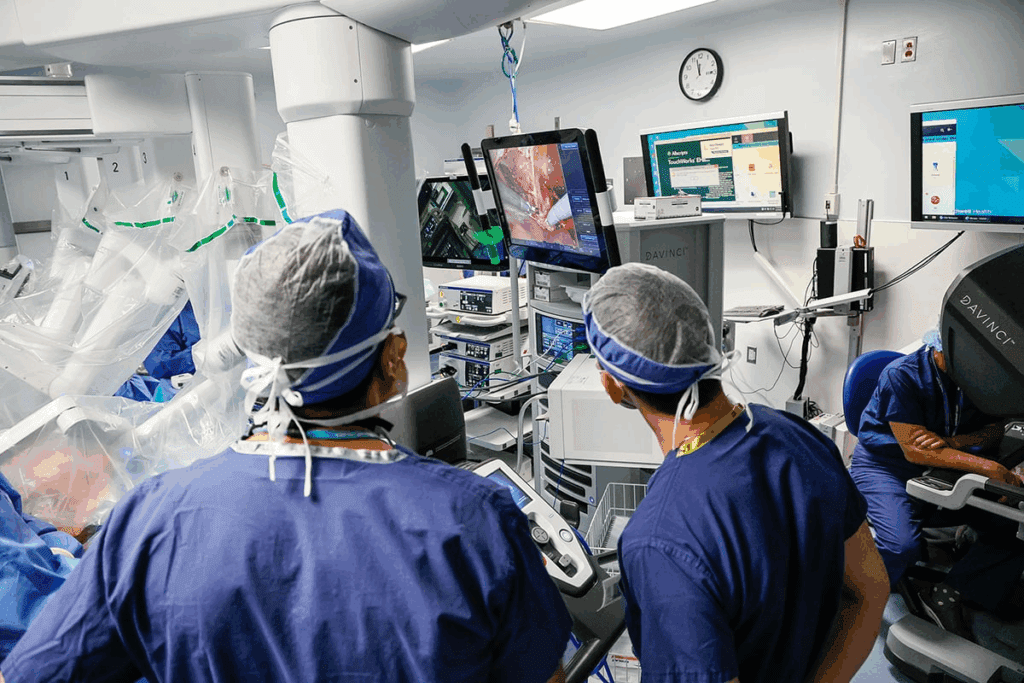
Did you know over 100,000 people worldwide have brain surgery each year? Many of them get help from stereotactic neurosurgery. This new way of surgery is changing how we treat brain problems, giving hope to those with complex conditions. What is stereotactic neurosurgery? This essential guide explains the high-precision technique. Get the key facts.
The world of neurosurgery is changing fast, thanks to precision medicine. Stereotactic neurosurgery leads this change, allowing doctors to precisely target brain areas. This method cuts down recovery times and boosts success rates for complex brain surgeries.
Key Takeaways
- Stereotactic neurosurgery is a minimally invasive technique.
- It is used to treat various neurological conditions.
- This method offers improved accuracy in brain surgery.
- Precision medicine is revolutionizing neurosurgical treatments.
- Patients benefit from reduced recovery times and improved outcomes.
The Fundamentals of Stereotactic Neurosurgery
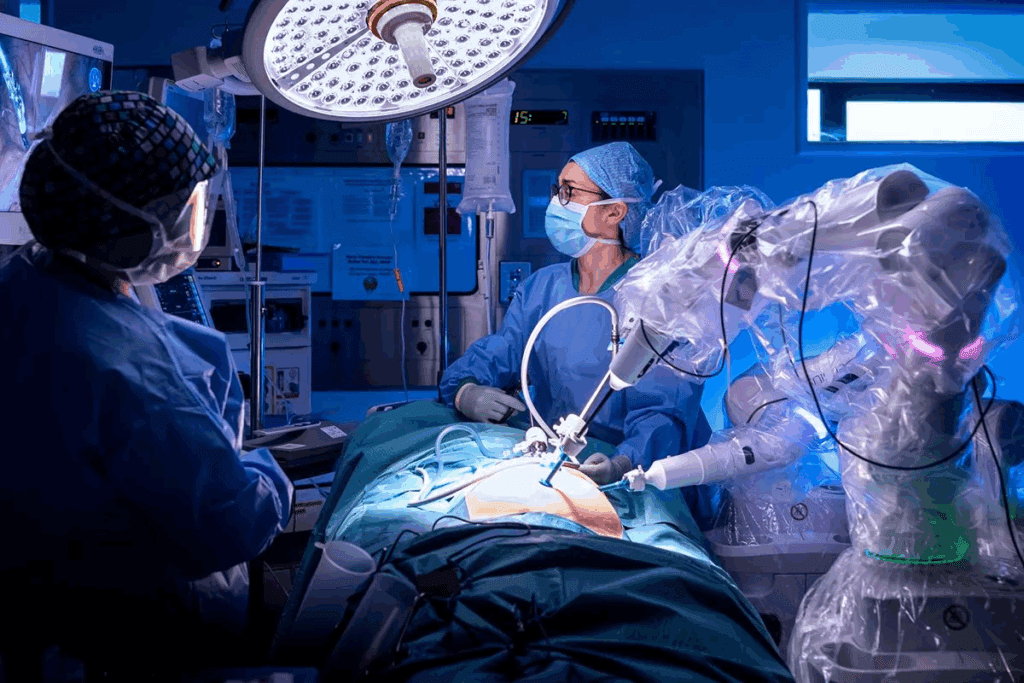
Stereotactic neurosurgery is a big step forward in brain surgery. It lets doctors aim at specific brain spots with great accuracy. This method has changed brain surgery, making it possible to treat tough conditions with less harm.
Definition and Core Principles
Stereotactic neurosurgery uses a three-dimensional system to find small brain targets. Its main ideas are precision, less harm, and tackling tough surgeries. Doctors use a stereotactic frame or new navigation tools to reach deep brain spots safely.
This surgery’s success comes from its real-time feedback and exact location finding. It uses MRI and CT scans for this. These tools, with advanced navigation, help doctors do complex surgeries with great accuracy.
Historical Evolution of Stereotactic Techniques
The start of stereotactic techniques was in the early 1900s. Big steps have been made over time. At first, these frames were for treating movement disorders. Now, they’re used for many things, like tumor biopsies and radiosurgery.
- The first stereotactic frames were made in the 1900s, starting a new era in brain surgery.
- New imaging tech has been key in improving stereotactic neurosurgery, making treatments more precise.
- Frameless navigation systems have also helped, making the surgery more flexible and accurate.
As we keep improving in stereotactic neurosurgery, it’s clear it will lead in brain surgery innovation. It brings new hope and treatment choices to patients all over the world.
The Science Behind Stereotactic Precision
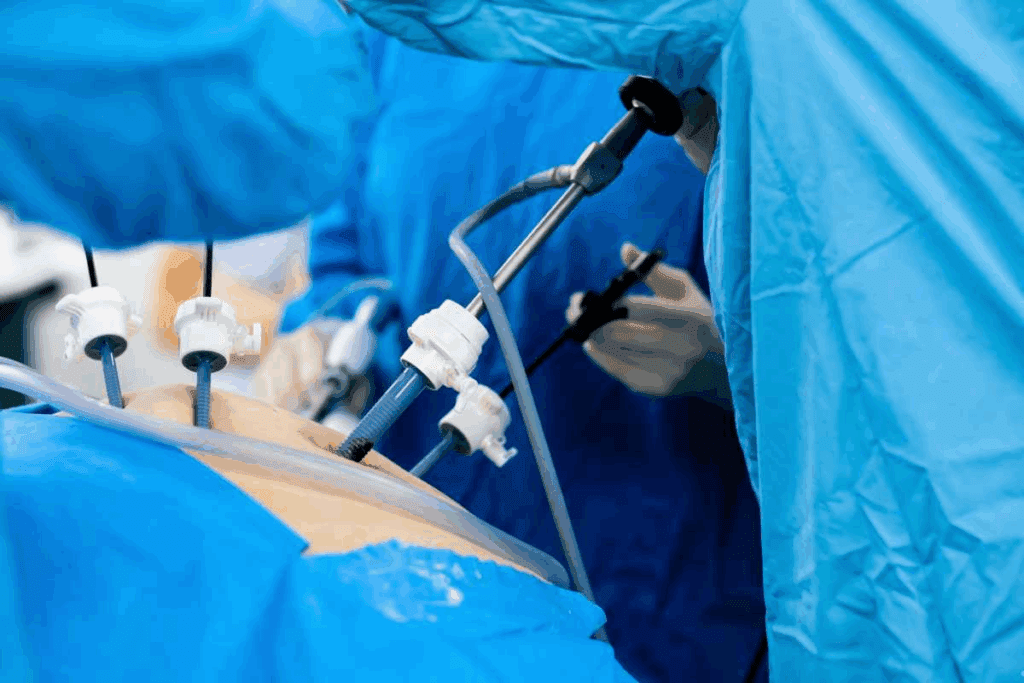
Stereotactic neurosurgery is all about precision. It uses advanced navigation systems and three-dimensional coordinate systems. This makes it possible to target specific brain areas accurately for both diagnosis and treatment.
We use three-dimensional coordinate systems to map the brain’s anatomy with great precision. We create a detailed spatial map of the brain. Every point is defined by three coordinates (x, y, z). This system helps neurosurgeons locate targets in the brain with minimal invasion.
Three-Dimensional Coordinate Systems
A three-dimensional coordinate system is key to stereotactic neurosurgery. It gives a precise way to locate brain structures. With this system, we can plan and perform surgeries accurately.
The process involves:
- Defining the coordinate system based on the patient’s anatomy
- Identifying the target within the brain using imaging technologies like MRI or CT scans
- Calculating the precise coordinates of the target
- Guiding surgical instruments to the target using the calculated coordinates
Targeting Mechanisms in the Brain
Targeting mechanisms are vital in stereotactic neurosurgery. They allow for the precise delivery of treatments or diagnostic tools to specific brain areas. These mechanisms rely on advanced imaging and navigation technologies.
| Targeting Mechanism | Description | Application |
| Frame-based Stereotaxy | Uses a rigid frame attached to the patient’s head | Precise targeting for biopsy, tumor treatment |
| Frameless Stereotaxy | Employs advanced imaging and tracking systems without a rigid frame | Flexible and precise for complex surgeries |
| Robot-assisted Surgery | Integrates robotic systems for enhanced precision and control | Minimally invasive procedures with high accuracy |
By combining these advanced technologies, we achieve high precision in stereotactic neurosurgery. This improves patient outcomes and shortens recovery times.
Essential Equipment in Stereotactic Procedures
Stereotactic neurosurgery uses special equipment for precise targeting. The safety and accuracy of these procedures depend on the advanced technology used.
Stereotactic Frames and Frameless Navigation
Stereotactic frames are key in stereotactic neurosurgery. They provide a stable system for targeting specific brain areas. These frames are attached to the patient’s head for precise and stable targeting during the procedure.
Stereotactic frames are accurate and reliable. But, they can be heavy and uncomfortable for patients.
Frameless navigation systems are a newer option. They use advanced imaging and tracking for real-time guidance. This method is more flexible and can make patients more comfortable.
Advanced Imaging Technologies
MRI and CT scans are vital in stereotactic neurosurgery. They give detailed images for precise targeting and planning.
MRI shows soft tissues well, helping find tumors and lesions. CT scans are great for bony details and precise localization.
Using these imaging technologies with stereotactic equipment makes procedures safer and more accurate. Neurosurgeons can achieve better results by combining real-time imaging with advanced navigation systems.
We use these advanced technologies to give our patients the best and most precise treatment.
Common Types of Stereotactic Neurosurgical Procedures
Stereotactic neurosurgery is very accurate. It’s used for many diagnostic and treatment needs. These procedures aim to be precise, avoiding damage to the brain.
Diagnostic Applications
Stereotactic neurosurgery is key in finding out what’s wrong with the brain. Stereotactic biopsy is a big part of this. It lets doctors take precise samples from the brain.
- Accurate diagnosis of brain tumors and lesions
- Minimally invasive procedure reducing patient recovery time
- Enhanced safety due to precise targeting
Therapeutic Interventions
Therapeutic uses of stereotactic neurosurgery are wide-ranging. They include treating tumors and managing movement disorders. These treatments are known for their precision and success.
- Treatment of brain tumors through stereotactic radiosurgery
- Management of movement disorders such as Parkinson’s disease
- Palliative care for patients with advanced neurological conditions
These procedures show how versatile and precise stereotactic neurosurgery is. They highlight its role in modern neurological care.
Stereotactic Radiosurgery Approaches
Stereotactic radiosurgery is a precise and effective method in neurosurgery. It treats brain disorders with great care, avoiding harm to healthy tissue.
This technique includes Gamma Knife and Linear Accelerator (LINAC) systems. Each has its own uses and benefits.
Gamma Knife Technology
Gamma Knife radiosurgery uses cobalt sources to target specific areas in the brain. It’s great for treating certain brain tumors and malformations.
The process involves several steps. These include placing a frame, imaging, and planning the dose. Gamma Knife’s precision makes it safe for treating small to medium tumors.
“Gamma Knife radiosurgery has become a cornerstone in the treatment of various neurological conditions, providing a non-invasive alternative to traditional surgery.”
Expert Opinion
Linear Accelerator (LINAC) Systems
LINAC systems are key in stereotactic radiosurgery. They use a linear accelerator to create high-energy X-rays for targeting tumors. LINAC-based radiosurgery is versatile, treating a wide range of tumors.
LINAC systems allow for fractionated treatment. This means radiation can be given in multiple sessions. It’s good for larger tumors or those in sensitive areas.
| Technology | Primary Use | Key Benefits |
| Gamma Knife | Small to medium brain tumors, vascular malformations | High precision, single-session treatment |
| LINAC Systems | Wide range of tumor sizes and locations | Versatile, fractionated treatment options |
Both Gamma Knife and LINAC systems are vital in stereotactic radiosurgery. They offer various treatment options for different needs.
As we move forward in stereotactic radiosurgery, new technologies and techniques will improve patient care. They will also open up new ways to treat complex neurological conditions.
Medical Conditions Treated with Stereotactic Methods
Stereotactic methods treat many medical conditions. They are key in managing complex neurological disorders. This approach offers precise and effective treatments.
Movement Disorders and Parkinson’s Disease
Movement disorders, like Parkinson’s disease, are treated with stereotactic neurosurgery. Deep Brain Stimulation (DBS) helps reduce symptoms such as tremors and rigidity. It improves the quality of life for those with advanced Parkinson’s disease.
A study in the Journal of Neurosurgery showed DBS improved motor function by 40% in Parkinson’s patients. This shows how stereotactic neurosurgery can greatly impact patients’ lives.
- DBS treats motor symptoms of Parkinson’s disease.
- It involves placing electrodes in specific brain areas.
- The procedure effectively reduces tremors and improves motor function.
Brain Tumors and Lesions
Stereotactic neurosurgery also treats brain tumors and lesions. Stereotactic Radiosurgery (SRS) is a non-invasive method. It delivers precise radiation to tumors, protecting healthy tissue.
For example, SRS can control tumor growth in patients with brain metastases. A study in the Journal of Neuro-Oncology found SRS controlled brain metastases in over 80% of cases.
Epilepsy and Psychiatric Disorders
Epilepsy and some psychiatric disorders are treated with stereotactic neurosurgery. For epilepsy, Stereotactic Laser Ablation uses laser energy to destroy seizure foci. This method has shown promise in reducing seizures.
“Stereotactic neurosurgery has revolutionized the treatment of epilepsy and psychiatric disorders, bringing new hope to those who have not responded to traditional therapies.”
In psychiatric disorders, like OCD, DBS is being explored as a treatment. It targets specific brain regions involved in OCD, aiming to alleviate symptoms and improve quality of life.
We’ve discussed how stereotactic neurosurgery treats various medical conditions. Its versatility and effectiveness are clear. As medical technology advances, so will the uses of stereotactic neurosurgery, opening up new treatment options for complex neurological disorders.
Stereotactic vs. Conventional Neurosurgery
Choosing between stereotactic and conventional neurosurgery can greatly affect patient results. We’ll look at how these methods differ in terms of accuracy, precision, recovery times, and overall success.
Accuracy and Precision Comparisons
Stereotactic neurosurgery is known for its high accuracy and precision. It uses advanced imaging and precise systems to target brain areas with little damage. On the other hand, conventional neurosurgery, though effective, can be more invasive and disrupt more tissue.
The main benefits of stereotactic neurosurgery are:
- Enhanced Precision: It allows for precise targeting of brain areas, lowering the risk of complications.
- Minimally Invasive: Smaller incisions and less tissue damage mean faster healing times.
- Improved Accuracy: Advanced imaging and navigation systems ensure the surgical target is hit accurately.
Recovery and Outcome Differences
The recovery times and outcomes between stereotactic and conventional neurosurgery are quite different. Patients who have stereotactic procedures often see:
- Faster Recovery: Less tissue damage and smaller incisions lead to quicker recovery times.
- Reduced Complications: The precision of stereotactic techniques lowers the risk of surgical complications.
- Better Outcomes: By accurately targeting the specific area of concern, stereotactic neurosurgery can lead to more effective treatment results.
In summary, while both methods have their uses, stereotactic neurosurgery offers clear advantages in accuracy, precision, and patient recovery. As medical technology advances, we can expect stereotactic techniques to improve further, leading to better outcomes for patients undergoing neurosurgical procedures.
The Complete Stereotactic Neurosurgery Process
Stereotactic neurosurgery is a detailed process. It includes planning before surgery, the surgery itself, and care after. This ensures patients get the best care and results.
Pre-surgical Planning Protocol
Planning before surgery is key. Advanced imaging technologies like MRI and CT scans are used. They help neurosurgeons find the exact spot in the brain to operate on.
The planning involves:
- Image registration and fusion
- Target localization
- Trajectory planning
- Risk assessment and minimization
Intraoperative Procedures
During surgery, stereotactic frames or frameless navigation systems are used. They help neurosurgeons find the right spot in real-time. This allows for any needed adjustments.
| Intraoperative Technique | Description | Benefits |
| Stereotactic Frames | Traditional frames that provide a fixed reference point | High accuracy, established technique |
| Frameless Navigation | Systems that use advanced imaging for real-time guidance | Flexibility, reduced patient discomfort |
Post-operative Care and Monitoring
After surgery, care is very important. Close monitoring helps catch any problems early. This includes checking the brain, imaging studies, and managing symptoms.
The care plan includes:
- Initial recovery in a monitored setting
- Regular neurological evaluations
- Imaging studies to assess the outcome
- Rehabilitation and follow-up care as needed
By managing each step well, we can get the best results. This improves our patients’ quality of life.
Patient Experiences and Outcomes
The impact of stereotactic neurosurgery on patients is huge. Many see faster recovery times and better results. It’s key to understand how this surgery improves recovery and quality of life.
Recovery Timelines
Stereotactic neurosurgery is great because it cuts down recovery time. Patients often leave the hospital sooner and get back to their lives faster than with old methods. For example, a study found most patients with brain tumors could get back to their daily routines in just a week.
How fast patients recover can depend on the surgery and the patient. But, in general, stereotactic neurosurgery leads to quicker health returns. We’ve seen fewer complications and less pain for patients after these surgeries.
Quality of Life Improvements
Stereotactic neurosurgery not only shortens recovery but also boosts quality of life. It precisely targets problems, leading to better symptom control and function. For instance, those with Parkinson’s disease often see big improvements in movement after surgery.
Also, its minimally invasive nature means less damage and trauma. This leads to a better life after surgery. We’ve seen patients cut down on meds and live more active lives after these surgeries.
In summary, the results of stereotactic neurosurgery are mostly good. There are clear benefits in recovery time and quality of life. As this field grows, we expect even better techniques and outcomes for patients.
Risks and Possible Complications
Stereotactic neurosurgery is very precise but comes with risks and complications. Like any surgery, there are risks that need careful management.
Surgical Risks
Despite its precision, stereotactic neurosurgery has several risks. These include:
- Infection: There’s a risk of infection with any invasive procedure.
- Neurological Damage: The close proximity to brain structures can cause damage.
- Bleeding: There’s a chance of bleeding during or after the surgery.
Risk Management: We use careful planning, precise techniques, and monitoring to reduce these risks.
Long-term Considerations
Long-term effects are also important when looking at the risks of stereotactic neurosurgery. These include:
| Complication | Description | Management Strategy |
| Cognitive Changes | Potential changes in cognitive function after surgery. | Neuropsychological evaluation before and after surgery. |
| Seizure Risk | Risk of seizures after the procedure. | Monitoring and, if needed, anti-seizure medication. |
| Radiation Effects | Potential effects of radiation on brain tissue. | Careful dosing and targeting to reduce exposure. |
It’s key to understand these risks and complications for informed decisions. We work closely with patients to ensure they know the risks and benefits of stereotactic neurosurgery.
Training and Specialization in Stereotactic Neurosurgery
To become a skilled stereotactic neurosurgeon, one must go through a detailed training program. They also need to get specialized certifications. This field requires a lot of precision and skill, making thorough training and specialization key.
Educational Requirements
The path to becoming a stereotactic neurosurgeon starts with a solid education. Neurosurgeons spend at least 7-8 years in medical school and residency after college. During this time, they learn many neurosurgical techniques, including stereotactic procedures.
To focus on stereotactic neurosurgery, many neurosurgeons do a fellowship. This can last one to two years. Fellowships offer advanced training in stereotactic methods, like using frames and imaging technologies.
Specialized Certification Pathways
After finishing their training, neurosurgeons can get certified by boards like the American Board of Neurological Surgery (ABNS). Getting certified shows a neurosurgeon’s skill and dedication to quality care.
For stereotactic neurosurgery, there are extra steps for certification. This includes taking extra courses or attending workshops on new techniques. Neurosurgeons also do research and publish their work to keep up with the field.
The table below shows the typical education and certification steps for neurosurgeons in stereotactic neurosurgery:
| Stage | Description | Duration |
| Medical School | Undergraduate medical education | 4 years |
| Residency | Hands-on neurosurgery training | 6-7 years |
| Fellowship | Advanced training in stereotactic neurosurgery | 1-2 years |
| Certification | Board certification by ABNS | Varies |
Knowing the education and certification steps helps aspiring neurosurgeons plan their journey.
Future Innovations in Stereotactic Techniques
Robots and AI are changing neurosurgery. They are opening up new possibilities. We are seeing big steps forward in this field.
Robotic and AI Integration
Robots are making neurosurgery more precise. They help with complex tasks. AI helps by analyzing data and planning surgeries.
Key Benefits of Robotic and AI Integration:
- Enhanced precision and accuracy
- Improved patient outcomes
- Reduced recovery times
- Minimized surgical risks
Robots help target brain areas better. AI looks at images to find the best surgical path. This reduces damage to healthy tissue.
Emerging Research Directions
New research is making these technologies even better. It’s looking at how to target tumors better and improve radiosurgery. It’s also exploring new uses, like treating mental health issues and epilepsy.
| Research Area | Potential Impact | Current Status |
| Machine Learning in Tumor Targeting | Improved accuracy and effectiveness of tumor treatments | Ongoing clinical trials |
| AI-assisted Radiosurgery | Enhanced precision and reduced side effects | Early adoption phase |
| New Applications for Psychiatric Disorders | Potential new treatments for previously resistant conditions | Experimental stage |
These advancements will greatly improve neurosurgery. Robots, AI, and new research will lead to better care and more treatments.
We are entering a new era in neurosurgery. Technology and research are driving this change. It’s important to keep exploring these new tools to help patients.
Conclusion
We’ve looked into the world of stereotactic neurosurgery, a field that has changed how we treat many neurological issues. This method is a big step forward in neurosurgery, bringing precision and less invasive treatments.
Thanks to advanced imaging, robots, and AI, these surgeries are getting better. Patients now recover faster and have better results. Stereotactic neurosurgery helps with many conditions, like movement disorders, brain tumors, epilepsy, and even some mental health issues.
The future of stereotactic neurosurgery looks bright. With more research and improvement, we’ll see even better treatments. This will help even more people around the world.
FAQ
How does stereotactic neurosurgery differ from conventional neurosurgery?
It uses advanced imaging and precise systems. This reduces damage to brain tissue and improves accuracy.
What are the benefits of stereotactic radiosurgery?
It’s less invasive and has fewer risks. It can also treat hard-to-reach tumors and lesions.
What medical conditions are treated with stereotactic neurosurgery?
It treats many conditions. These include movement disorders, brain tumors, epilepsy, and psychiatric disorders.
What is the role of imaging technologies in stereotactic neurosurgery?
Imaging technologies like MRI and CT scans are key. They provide detailed brain images for accurate targeting.
How is stereotactic neurosurgery performed?
It uses a frame or navigation system on the patient’s head. This guides the surgical tools.
What are the risks and possible complications of stereotactic neurosurgery?
Risks include infection, bleeding, and brain tissue damage. These are common with any surgery.
What is the recovery process like after stereotactic neurosurgery?
Recovery varies by individual and procedure. It usually involves a short hospital stay and several weeks of rest.
How is stereotactic neurosurgery planned and prepared?
Advanced imaging and computer simulations are used. They ensure accurate targeting and minimal damage.
What is the future of stereotactic neurosurgery?
It will likely include new technologies like robotics and AI. These will improve accuracy and outcomes.
What is the difference between stereotactic frame and frameless navigation?
A stereotactic frame is a rigid head frame. Frameless navigation uses imaging and simulations without a rigid frame.
What are the applications of Gamma Knife technology?
Gamma Knife technology is a radiosurgery method. It uses cobalt sources for precise radiation to brain tumors and lesions.
How does LINAC radiosurgery work?
LINAC radiosurgery uses a linear accelerator. It delivers precise radiation to brain targets, often for larger or complex cases.
References
National Center for Biotechnology Information. Stereotactic Neurosurgery A Precision Medicine Revolution. Retrieved from https://pubmed.ncbi.nlm.nih.gov/2286093/



 Departments
 Related Videos
 Our Doctors
 News
News