

Neck pain from a pinched nerve can really hurt, making simple tasks hard. When usual treatments don’t work, many turn to a steroid shot for neck pain. At Liv Hospital, our spine experts use proven methods to help you move better.
A cortisone shot, or corticosteroid injection, is a simple treatment. It’s often suggested by doctors like those at NYU Langone Health for neck pain. We look into how it can ease pain and boost your life quality.
Key Takeaways
- Cortisone shots are a well-established treatment for neck pain caused by a pinched nerve.
- Minimally invasive, these injections can provide significant relief.
- Experts recommend cortisone shots when conservative treatments fail.
- Liv Hospital’s spine specialists use evidence-based treatments to help patients regain mobility.
- Corticosteroid injections can alleviate neck pain and improve quality of life.
Understanding Pinched Nerves in the Cervical Spine

It’s important to know what causes and symptoms of pinched nerves in the neck are. A pinched nerve in the cervical spine can come from many things. This can lead to pain and make it hard to move.
Common Causes of Cervical Nerve Compression
Cervical nerve compression can happen for several reasons.As commonly outlined in neuroradiology literature and guidelines, here are some common causes:
- Herniated Discs: When the soft inner gel of the disc leaks out, it can press on nerves.
- Osteoarthritic Bone Spurs: Bone spurs from osteoarthritis can also press on nerves.
- Degenerative Disc Disease: As discs wear down, they can bulge and press on nerves.
- Spinal Stenosis: When the spinal canal narrows, it can put pressure on the spinal cord and nerves.
Symptoms of a Pinched Nerve in the Neck
The symptoms of a pinched nerve in the neck can differ based on where and how bad the compression is. Common signs include:
| Symptom | Description |
| Pain | Sharp or dull pain in the neck, shoulder, or arm |
| Numbness | Numbness or tingling in the arm or hand |
| Weakness | Muscle weakness in the affected arm or hand |
| Stiffness | Reduced mobility or stiffness in the neck |
Medical experts say early diagnosis and treatment are key to easing symptoms and stopping further problems. “Knowing the cause is key to finding the right treatment.”
What is a Cortisone Shot?
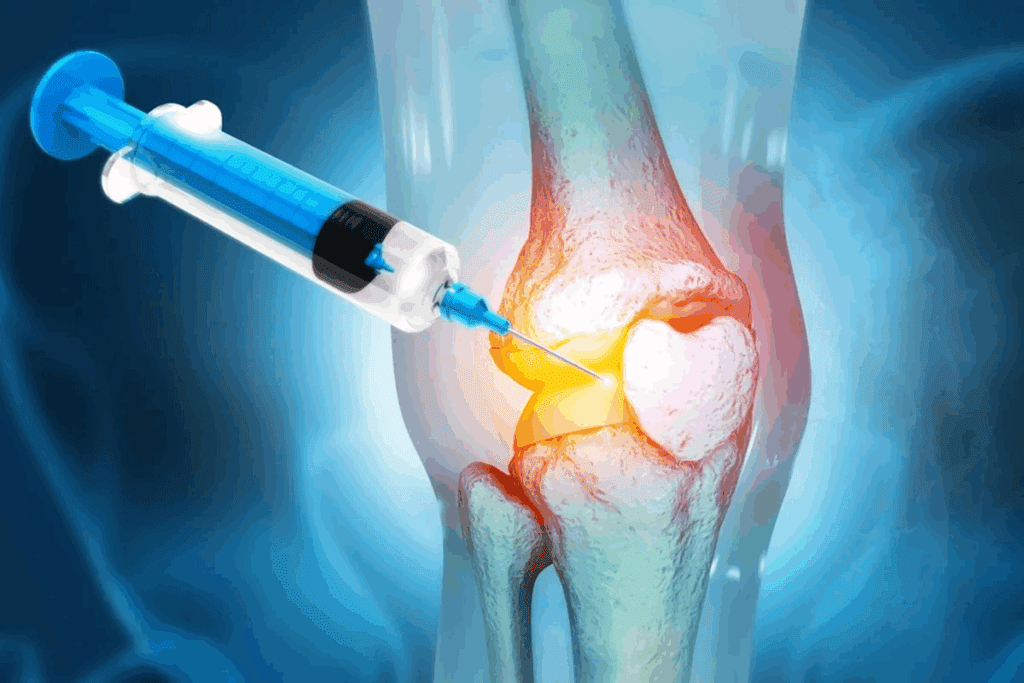
Cortisone shots, also known as steroid injections, are a common treatment for reducing inflammation and pain from pinched nerves. These injections deliver strong anti-inflammatory medication directly to the affected area. This provides targeted relief.
Composition of Steroid Injections
Cortisone shots usually contain a corticosteroid like triamcinolone or methylprednisolone. These are powerful anti-inflammatory agents. They are often mixed with a local anesthetic, like lidocaine or bupivacaine, to help reduce pain right after the injection.
The corticosteroid suppresses the immune system’s response to inflammation. This reduces swelling and pain around the pinched nerve.
How Cortisone Works to Reduce Inflammation
Corticosteroids in cortisone shots mimic the effects of cortisol, a hormone the body naturally produces. They bind to specific receptors, which then inhibit the production of pro-inflammatory substances. This action results in decreased inflammation and swelling around the affected nerve, leading to pain relief.
According to medical research, cervical epidural steroid injections involve injecting anti-inflammatory medicine into the epidural space around the spinal nerves in the neck. This targeted approach helps in reducing inflammation and swelling. It alleviates pain and discomfort.
The Science Behind Steroid Shots for Neck Pain
Steroid shots, or cortisone injections, are a treatment for neck pain from pinched nerves. They deliver strong anti-inflammatory medicine right to the pain spot.
Anti-inflammatory Mechanism of Action
Steroid shots work by fighting inflammation. When a nerve gets pinched, it can make the area around it swell. This swelling can make the pain worse. Steroid shots help by cutting down on this swelling.
The anti-inflammatory effect is achieved through several key actions:
- Inhibition of inflammatory cytokines
- Suppression of immune cell activity
- Reduction of vascular permeability
This way of fighting inflammation helps ease the pressure on the nerve. It makes the pain go down and helps you move better.
Research on Effectiveness for Nerve Compression
Many studies have looked into how well steroid shots work for neck pain from nerve compression. The results show they can really help a lot of people. For example, some studies found that cervical epidural steroid injections can cut pain in half for up to three months in about half of the patients.
It’s also important to know how long the relief from steroid shots lasts. While it can vary, many people see a big drop in pain for several months. This time can be key for other treatments, like physical therapy, to work better.
Some key findings from research on steroid shots for neck pain include:
- Significant pain reduction in a majority of patients
- Improved functional ability
- Potential for prolonged relief with repeated injections
Knowing how steroid shots work and their benefits in treating neck pain helps doctors make better treatment plans.
When Are Cortisone Shots Recommended for Pinched Nerves?
Doctors consider cortisone shots for pinched nerves based on a few things. These include how well previous treatments worked and how bad the symptoms are.
Failure of Conservative Treatments
Cortisone shots are often suggested when other treatments don’t help enough. NYU Langone Health says these other treatments might include physical therapy, medicines, and changes in lifestyle. If these don’t help, shots might be an option.
Common conservative treatments that may precede cortisone shots include:
- Physical therapy to improve neck mobility and strength
- Oral anti-inflammatory medications to reduce pain and swelling
- Lifestyle changes such as improving posture and taking regular breaks
Severity of Symptoms
The severity of symptoms is also important. If you have severe pain, numbness, or weakness in your neck or arm, shots might help.
Severe symptoms may include:
- Persistent pain that interferes with daily activities
- Numbness or tingling sensations in the arms or hands
- Muscle weakness that affects normal functioning
Diagnostic Considerations
Getting a correct diagnosis is key to deciding on cortisone shots. Tests like MRI or CT scans help find out why nerves are compressed.
Diagnostic tools used include:
- MRI scans to visualize soft tissue and nerve compression
- CT scans to assess bone structure and detect any abnormalities
- EMG tests to evaluate nerve function and identify areas of compression
Healthcare providers look at these factors to decide if cortisone shots are right for pinched nerves.
The Procedure: Getting a Cortisone Shot in Your Neck
Getting a cortisone shot in your neck involves several steps. These steps are important for safety and effectiveness. Knowing what to expect can make patients feel more at ease.
Preparation for the Injection
First, patients get checked to see if this treatment is right for them. Preparation includes numbing the area with a local anesthetic to reduce pain. The patient is then placed in a comfortable position, either on their stomach or sitting up.
It’s important to tell your doctor about any medications you’re taking. This includes blood thinners, as they can affect the procedure. Also, share any allergies, like to corticosteroids or local anesthetics.
Fluoroscopic Guidance Technique
Fluoroscopic guidance is key for neck cortisone shots. Fluoroscopy shows a continuous X-ray image on a monitor. This helps us place the needle exactly where it needs to be. It makes the injection more precise and safer.
What to Expect During the Procedure
We use fluoroscopic guidance to place the needle correctly. Then, we inject the cortisone medication. The whole process usually takes 15 to 30 minutes, with the injection itself taking just a few minutes.
After the shot, we watch the patient for any immediate reactions. We give them instructions on what to do next, including any activity limits and signs of complications to look out for.
| Procedure Step | Description | Duration |
| Preparation | Numbing the area and positioning the patient | 5-10 minutes |
| Fluoroscopic Guidance | Using X-ray imaging to guide the needle | 5-15 minutes |
| Injection | Administering the cortisone medication | 2-5 minutes |
| Monitoring | Observing the patient for immediate reactions | 10-15 minutes |
Types of Steroid Injections for Pinched Nerves
Several types of steroid injections can help with pinched nerves. These injections aim to reduce inflammation and ease pain. We’ll look at the different types, their uses, and benefits.
Cervical Epidural Steroid Injections (CESIs)
Cervical Epidural Steroid Injections (CESIs) are often used for neck pinched nerves. They involve injecting a steroid into the epidural space around the spinal cord in the neck. This helps lessen inflammation and swelling, easing pain and discomfort.
A study in the Journal of Neurosurgery: Spine shows CESIs can greatly reduce pain in the neck. It highlights their effectiveness in managing chronic pain from irritated and swollen spinal nerve roots.
Selective Nerve Root Blocks
Selective Nerve Root Blocks are another option for treating pinched nerves. This method injects a steroid directly into the affected nerve root. It targets the specific nerve, providing precise pain relief and helping find the pain’s source.
A study in the Journal of Pain Research found Selective Nerve Root Blocks effective for cervical radiculopathy. They offer both diagnostic and therapeutic benefits.
Facet Joint Injections
Facet Joint Injections treat pain from inflamed facet joints in the spine. They don’t directly treat pinched nerves but can help with pain that might be related. These injections put a steroid into the facet joint to reduce inflammation.
| Type of Injection | Target Area | Purpose |
| Cervical Epidural Steroid Injections (CESIs) | Epidural space surrounding the spinal cord | Reduce inflammation around the pinched nerve |
| Selective Nerve Root Blocks | Affected nerve root | Provide precise pain relief and diagnose pain source |
| Facet Joint Injections | Facet joints in the spine | Reduce inflammation and alleviate associated pain |
A quote from the American Journal of Neuroradiology says, “Steroid injections are key in spinal pain management. They offer a targeted way to reduce inflammation and relieve pain.”
Effectiveness of Cortisone Shots for Pinched Nerves
It’s important to know how well cortisone shots work for neck pain from pinched nerves. These shots are often used to treat inflammation, including in the neck.
Success Rates and Pain Reduction
Research shows that cortisone shots can help a lot with pain from pinched nerves. How well they work can vary, but they’re often good at reducing swelling and easing pain.
Key statistics on the success rates of cortisone shots include:
| Study | Success Rate | Duration of Relief |
| Study A | 70% | 3-6 months |
| Study B | 80% | 6-12 months |
| Study C | 60% | 1-3 months |
Duration of Relief
How long pain relief lasts after a cortisone shot can differ a lot. This depends on how bad the nerve pinch is, any other health issues, and the person’s overall health.
Generally, relief can last from a few weeks to several months. Sometimes, the relief can last a long time, and other times, it might not last long, needing more treatment.
Factors Affecting Treatment Outcomes
Several things can affect how well cortisone shots work for pinched nerves. These include:
- The severity of the nerve compression
- The presence of underlying health conditions
- The accuracy of the injection technique
- The patient’s response to corticosteroids
Knowing these factors helps doctors figure out if cortisone shots are a good choice for each patient.
Potential Side Effects and Risks
Cortisone shots can have risks. It’s important to know the possible side effects before getting one. While they are generally safe, they can cause different problems. Some are common and mild, while others are rare but serious.
Common Side Effects
Most people do well with cortisone shots. But, some might face common side effects. These include:
- Soreness at the injection site: This is a common side effect, as noted by NYU Langone Health.
- Temporary increase in pain: Some might see a temporary worsening of symptoms.
- Skin changes: The skin around the injection site might get thinner or change color.
- Insomnia or sleep disturbances: Steroids can mess with sleep patterns.
These side effects are usually mild and go away in a few days.
Rare but Serious Complications
Even though rare, serious problems can happen with cortisone shots. These include:
- Infection: There’s a chance of getting bacteria in the injection site.
- Nerve damage: The needle could damage nearby nerves.
- Allergic reactions: Some might be allergic to the cortisone or other parts of the injection.
- Systemic steroid effects: Though rare, the steroid can get into the system and cause mood changes, blood sugar issues, or adrenal suppression.
It’s key for patients to know about these risks and talk to their healthcare provider about any worries.
Contraindications for Steroid Injections
Some conditions make cortisone shots not a good idea. These include:
- Active infections: People with an active infection shouldn’t get cortisone shots.
- Diabetes: Steroid injections can mess with blood sugar levels, making diabetes harder to manage.
- Bleeding disorders: Those on anticoagulant therapy or with bleeding disorders might face more risks.
- Known allergies to cortisone or other components of the injection.
Patients should tell their healthcare provider about their full medical history. This helps decide if cortisone shots are right for them.
Recovery After a Neck Cortisone Injection
The recovery after a neck cortisone injection is key to its success. Knowing what to expect can help patients get the most from their treatment.
Immediate Post-Procedure Care
Right after the shot, you’ll be watched for any quick reactions. Doctors say you can go back to normal activities the next day. But, it’s best to have someone with you when you get home.
Immediate care tips:
- Rest the injected area for the remainder of the day
- Avoid strenuous activities for 24 hours
- Apply ice if there’s swelling or discomfort
When to Expect Relief
When you’ll feel better after a cortisone shot varies. Some feel relief in a few days, while others take up to two weeks.
| Time Frame | Expected Outcome |
| 1-3 days | Initial relief may start to be noticeable |
| 1-2 weeks | Maximum relief is typically achieved |
Activity Restrictions and Recommendations
Most people can go back to normal in a day or two. But, there are some tips for the best recovery:
Recommended activities:
- Gentle stretching after a few days
- Gradual return to strenuous activities
- Maintaining good posture
By following these tips, patients can get the most from their cortisone shot. This helps them live a more comfortable, pain-free life.
Patient Experiences with Steroid Shot for Neck Pain
Patient stories give us a clear view of how well steroid shots work for neck pain. They show us the good and the not-so-good sides of this treatment.
Typical Pain Relief Timelines
How fast you feel better after a cortisone shot can differ a lot. Some people start to feel better 24 to 48 hours after. Others might take up to two weeks to see the full effect.
- Immediate relief: Some patients feel better right after the shot.
- Short-term relief: Many see a big drop in pain within the first week.
- Delayed relief: A few might not feel better until two weeks after the shot.
Managing Expectations
It’s key to know what to expect from a cortisone shot for neck pain. This treatment is not a magic fix but helps manage pain and swelling. Remember, how long the pain relief lasts can vary, and you might need more treatments.
Realistic expectations include:
- Potential for a big drop in pain
- How long the relief lasts can vary
- You might need more treatments or therapy
Real Patient Outcomes
Looking at real patient results helps us see how well cortisone shots work for neck pain. While results can differ, many people see big improvements.
For example, a patient might say: “After the cortisone shot, my neck pain went down a lot in a week. I was able to do my usual activities again.”
By looking at these stories, we can understand the good and the bad of cortisone shots for neck pain. This helps patients make better choices about their treatment.
Alternative Treatments for Pinched Nerves
For those with pinched nerves, many alternative treatments can help. Cortisone shots are common, but other options exist. These range from non-invasive therapies to surgery.
Non-Invasive Options
Non-invasive treatments are often the first choice for pinched nerves. These include:
- Physical therapy: Customized exercise programs can help relieve pressure on the nerve.
- Chiropractic care: Spinal manipulation can help restore normal nerve function.
- Acupuncture: This traditional Chinese medicine technique involves inserting thin needles into specific points on the body to relieve pain.
NYU Langone Health says physical therapy is very effective. It strengthens muscles and improves flexibility.
Other Injection Therapies
There are other injection therapies for pinched nerves:
- Trigger point injections: Injecting medication into specific areas of muscle tension can help alleviate pain.
- Prolotherapy: This involves injecting a solution to stimulate the body’s natural healing processes.
As noted by specialists, “Other injection therapies can be useful when cortisone shots don’t work or are not suitable.”
Surgical Interventions
Sometimes, surgery is needed to relieve nerve pressure. Surgical options include:
- Discectomy: Removing a herniated disc that is compressing the nerve.
- Laminectomy: Removing part of the vertebra to relieve pressure.
| Treatment Option | Description | Benefits |
| Physical Therapy | Customized exercise program | Strengthens muscles, improves flexibility |
| Cortisone Shots | Steroid injection | Reduces inflammation, relieves pain |
| Surgery | Relieves pressure on the nerve | Provides long-term relief, addresses underlying cause |
Each treatment has its benefits. The right choice depends on the nerve issue, its cause, and the patient’s health.
“The key to effective treatment is understanding the underlying cause of the pinched nerve and selecting the most appropriate therapy.”
A leading neurosurgeon highlights.
In conclusion, while cortisone shots are a good option, other treatments should also be considered. Knowing the options helps patients make informed decisions about their care.
Conclusion: Making an Informed Decision About Cortisone Shots
Cortisone shots can help with neck pain from pinched nerves. Knowing how they work and what they can do helps patients decide. This knowledge is key to choosing the right treatment.
Thinking about cortisone shots means looking at both sides. They can offer a lot of pain relief and reduce swelling. But, there are also possible side effects and who they work best for.
Talking to doctors is important when thinking about cortisone shots. They can help figure out if these shots are the best option. We urge patients to ask questions and get advice. This way, they can manage their neck pain effectively.
FAQ
Will a cortisone shot help a pinched nerve in my neck?
A cortisone shot can help with a pinched nerve in the neck. It reduces swelling and pain around the nerve.
Can you get a cortisone shot in your neck?
Yes, you can get a cortisone shot in your neck for pain from a pinched nerve. The shot is given under X-ray to place it right.
What are the types of steroid injections used for pinched nerves in the neck?
There are different steroid injections for neck pain. These include cervical epidural steroid injections, selective nerve root blocks, and facet joint injections. Each has its own use and benefits.
How long does it take to experience relief after a cortisone shot for neck pain?
Relief from a cortisone shot for neck pain can take a few days to a week. Many people start feeling better soon after.
Are there any potentially side effects or risks associated with cortisone shots for neck pain?
Cortisone shots are usually safe but can have side effects. These include pain at the injection site and rare but serious issues like infection or nerve damage.
Can cortisone shots be used as a long-term solution for managing neck pain caused by a pinched nerve?
Cortisone shots are for short-term relief of neck pain from a pinched nerve. They can be repeated or used with other treatments for ongoing pain.
What are the alternatives to cortisone shots for treating pinched nerves in the neck?
Alternatives to cortisone shots include physical therapy and other injections like PRP therapy. Surgery is also an option, each with its own benefits and considerations.
How do I know if a cortisone shot is right for my neck pain?
To decide if a cortisone shot is right for you, talk to a healthcare professional. They can assess your condition and discuss treatment options with you.
Are steroid shots in the neck painful?
Discomfort from steroid shots in the neck is usually minimal. The procedure is done under local anesthesia or with X-ray guidance to reduce pain.
Can I continue my normal activities after receiving a cortisone shot in the neck?
After a cortisone shot in the neck, avoid heavy lifting and bending for a short time. Your healthcare provider will give you specific advice on what activities to avoid.
References
- Cohen, S. P., & Hooten, W. M. (2024). Epidural steroids for cervical and lumbar radicular pain and spinal stenosis. Neurology. https://pubmed.ncbi.nlm.nih.gov/39938000/
- Choi, E. K., et al. (2022). The effectiveness of cervical transforaminal epidural steroid injection for radicular pain: A systematic review. Bone & Joint Journal, 104-B(5), 567–574. https://www.sciencedirect.com/science/article/pii/S277259442300211X