A recent study found that the Endoscopic Sleeve Gastroplasty (ESG) is becoming more popular. It’s seen as a less invasive way to lose weight.Stomach size after ESG reduces to 70% capacity. Learn how endoscopic sleeve gastroplasty changes stomach volume permanently.
The ESG procedure makes the gastric capacity smaller to help with weight loss. But, how does it change the stomach?
It’s important for patients to understand how their stomach size might change after an ESG.
Key Takeaways
- The ESG procedure is a non-surgical weight loss solution.
- It reduces gastric capacity to promote weight loss.
- Understanding stomach size changes is key for patients.
- ESG is becoming more popular as a minimally invasive option.
- Patients should know about the possible effects on their stomach.
Understanding Endoscopic Sleeve Gastroplasty (ESG)
Endoscopic Sleeve Gastroplasty, or ESG, is a new way to lose weight without surgery. It’s for people who are very overweight. This method is less invasive than traditional surgeries.
What is ESG and How it Works
ESG uses an endoscope to shrink the stomach. The goal is to make the stomach smaller to eat less. It’s like a sleeve gastrectomy but without surgery.
The procedure takes about an hour and is done under general anesthesia. A flexible endoscope with a suturing device goes through the mouth. It then stitches the stomach to make it smaller.
A study in the Journal of the American Medical Association (JAMA) found that ESG leads to significant weight loss. It has fewer risks than surgery.
With a smaller stomach, you eat less, helping you lose weight.
The Non-Surgical Nature of ESG
ESG is special because it’s not surgery. It doesn’t need cuts, so there’s less chance of problems and scars. This makes it appealing to those who don’t want surgery.
| Characteristics | ESG | Surgical Sleeve Gastrectomy |
| Surgical Incisions | No | Yes |
| Recovery Time | Typically shorter | Generally longer |
| Risk of Complications | Lower | Higher |
Knowing how ESG works helps people choose better weight loss options. Its non-surgical nature and effectiveness make it a good choice for many.
The Science Behind Stomach Size Reduction
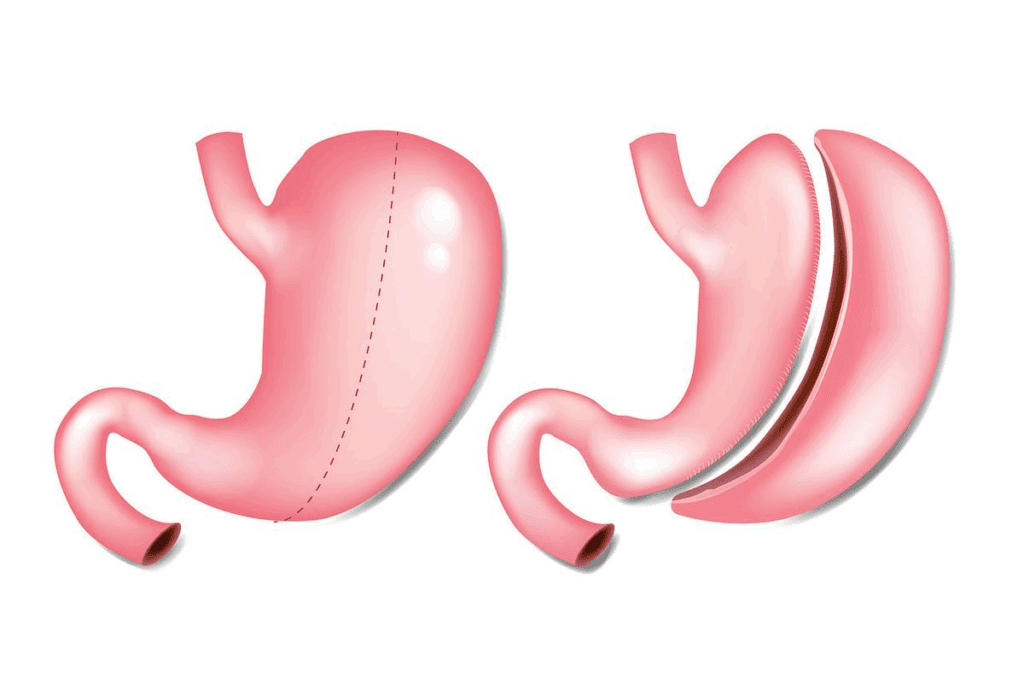
Endoscopic Sleeve Gastroplasty (ESG) changes the stomach’s size by a specific scientific rule. This method is popular for its easy way to lose weight. It mainly works by making the stomach smaller.
Normal Stomach Capacity vs. Post-ESG Capacity
A normal stomach can hold about 1-2 liters of food. But after ESG, it holds much less. Studies say the stomach can hold around 150-200 ml after ESG. This can change based on the person and the procedure.
The stomach’s size change isn’t just right after the surgery. It also changes over time. The first change comes from the sutures in ESG. These sutures make the stomach into a sleeve, making it smaller.
How Sutures Create the Sleeve Effect
The sutures in ESG are key to making the stomach smaller. They make a tube-like shape in the stomach. This limits how much food you can eat and affects hunger and fullness hormones.
- The sutures are placed to make the stomach smaller.
- This makes less ghrelin, the hunger hormone.
- The new shape also makes you feel fuller.
Knowing how ESG works is important for those thinking about it. It helps them understand the science behind it. This way, they can see how it affects their weight loss journey.
Initial Stomach Size After ESG
Knowing the stomach size after ESG is key for patients. Right after the surgery, the stomach changes a lot. This affects its size and how it works.
Immediate Post-Procedure Gastric Volume
The stomach’s size drops a lot right after ESG. This is because of the special stitches used. These stitches make the stomach smaller, like a sleeve.
Several things can change how much the stomach size drops right after ESG:
- The method used by the doctor
- The number and where the stitches are placed
- The stomach’s shape and size before surgery
Factors Affecting Initial Reduction
Many things can change how much the stomach size drops after ESG. These include the patient’s health, any stomach problems, and following diet rules after surgery.
It’s very important for patients to listen to their doctors. This helps get the best results.
Understanding how ESG changes the stomach size helps patients. It makes their recovery and weight loss journey easier.
Stomach Size After ESG: What to Expect
It’s important for patients to know how their stomach size will change after ESG. This knowledge helps them adjust their diet and reach their weight loss goals. After the surgery, patients will find their stomach can hold less food.
Average Reduction in Gastric Capacity
Research shows that stomach capacity drops a lot after ESG. On average, it goes down to 150-200 ml. This change helps with weight loss by limiting how much food can be eaten at once.
This reduction in stomach size is a key sign of the procedure’s success. Studies suggest it can lead to noticeable weight loss over time.
Individual Variations in Stomach Shrinkage
While most people see a big drop in stomach size, results can vary. Things like the patient’s starting stomach size, the surgeon’s skill, and following diet advice after surgery play a role. These factors can affect how much the stomach shrinks.
- Initial Stomach Size: Those with bigger stomachs might see a bigger change.
- Practitioner’s Technique: The surgeon’s skill matters a lot.
- Dietary Compliance: Sticking to the diet plan is key for the best results.
Knowing these factors can help set realistic goals and improve ESG outcomes.
The Evolution of Stomach Size During Recovery
Understanding how the stomach changes after Endoscopic Sleeve Gastroplasty (ESG) is key. The recovery time is when the stomach adjusts to its new shape. Big changes happen during this period.
First Week Post-ESG
The first week after ESG is very sensitive for the stomach. Patients usually stick to a liquid diet to ease discomfort and help the stomach heal. The stomach size drops a lot because of the sutures from the procedure. Following the diet advice from doctors is very important for healing and avoiding problems.
Weeks 2-6: Stabilization Period
Weeks 2-6 after ESG, the stomach starts to settle down. The diet moves from liquids to soft foods slowly. This slow change helps avoid problems and lets the stomach get used to its new size and shape. Patients start to feel full faster and less hungry, thanks to the smaller stomach.
This time is also key for long-term success. Eating small, frequent meals and chewing well is advised. Following these tips helps reach weight loss goals and improves health.
Long-Term Changes in Stomach Capacity
As patients move forward after ESG, watching their stomach changes is key. Knowing these changes helps in keeping weight loss goals on track.
6-Month Milestone
By the 6-month point, patients have lost a lot of weight. This is because their stomach is smaller. Studies show that this smaller stomach helps keep weight off over time.
One Year and Beyond
After a year, the stomach stays smaller. This is good for keeping weight down. Many patients see big weight loss gains at this time.
The smaller stomach limits how much food you can eat. This makes it easier to manage weight.
Potential for Stomach Stretching
Even with ESG, the stomach can stretch over time. How you eat and what you eat matters a lot. It helps keep the stomach small.
To keep the benefits of ESG, eat healthy and small meals. Avoid foods high in calories. This way, you can avoid stomach stretching and keep losing weight.
ESG vs. Other Weight Loss Procedures: Stomach Size Comparison
Different weight loss methods change stomach size in different ways. It’s important to know these differences if you’re thinking about bariatric surgery or endoscopic procedures.
Gastric Sleeve Surgery Comparison
ESG and Gastric Sleeve Surgery both aim to make the stomach smaller. But they do it in different ways. Gastric Sleeve Surgery cuts out a big part of the stomach, leaving a narrow “sleeve.” ESG, on the other hand, uses sutures to shrink the stomach without removing any part.
After Gastric Sleeve Surgery, the stomach is usually smaller than with ESG. But ESG might be more appealing to those who want a less invasive option.
Gastric Bypass Comparison
Gastric Bypass surgery, or Roux-en-Y Gastric Bypass, makes a small pouch from the stomach and connects it to the small intestine. This not only makes the stomach smaller but also changes how food moves through the body.
Gastric Bypass can lead to a lot of weight loss, but it’s a more complex surgery than ESG. It makes the stomach much smaller. But ESG is reversible and less invasive.
Gastric Balloon Comparison
The Gastric Balloon procedure puts a balloon in the stomach to make it smaller. Unlike ESG, the Gastric Balloon is temporary and is usually taken out after six months.
ESG offers a long-term solution for making the stomach smaller without needing to remove and put back a device. The stomach size after ESG is usually more stable and predictable over time.
In conclusion, different weight loss methods can make the stomach smaller, but they work in different ways. ESG is a good choice because it’s effective and minimally invasive, making it appealing to many.
How Reduced Stomach Size Affects Hunger and Satiety
ESG not only makes the stomach smaller but also changes hormones and how we feel full. This is key to understanding how ESG affects hunger and weight loss.
Hormonal Changes After ESG
After ESG, patients see big changes in their hormones. This affects their hunger and feeling of fullness. The smaller stomach makes less ghrelin, the hunger hormone, so they eat less. But, it makes more peptide YY, the fullness hormone, so they feel fuller.
The hormonal changes after ESG are vital for weight loss. They help patients feel full longer. This makes it easier to stick to a healthy diet and lifestyle.
The Physical Sensation of Fullness
The feeling of fullness after ESG is also important for weight loss. With a smaller stomach, patients feel full faster and stay satisfied longer. This is because of both the smaller stomach and the hormonal changes.
Patients often say they eat less and feel fuller. This is key for losing and keeping off weight. Understanding these changes helps patients on their journey after ESG.
The hormonal and physical changes work together to help with weight loss. As patients get used to their new stomach, they can eat healthier and have a better relationship with food.
Dietary Progression and Stomach Adaptation
After an ESG procedure, a good diet plan is key for stomach healing and weight loss. The diet plan after ESG helps the stomach adjust to its new size. This ensures patients can lose and keep off a lot of weight.
Liquid Phase
The first step after ESG is the liquid phase, lasting a few days to a week. Patients should only drink liquids like broth, water, and sugar-free drinks. This helps the stomach heal without stress.
Pureed Foods Phase
Next, patients move to the pureed foods phase, lasting weeks. Foods are blended to be smooth for easy digestion. This phase slowly adds more nutrients while being gentle on the stomach.
Soft Foods Phase
As healing continues, patients start the soft foods phase. This introduces foods like cooked veggies and tender meats. It’s a big step towards eating normally again.
Regular Diet Adaptation
Lastly, patients can start eating a regular diet, but with some changes. Eating smaller, more frequent meals and chewing well is important for digestion.
| Dietary Phase | Duration | Foods Allowed |
| Liquid Phase | First few days to a week | Broth, water, sugar-free drinks |
| Pureed Foods Phase | Several weeks | Blended foods, smooth consistency |
| Soft Foods Phase | Variable | Soft cooked vegetables, tender meats |
| Regular Diet | Long-term | Modified regular diet, smaller portions |
It’s important for patients to stay hydrated and follow their healthcare provider’s advice. This ensures a smooth transition and the best weight loss results.
Nutritional Guidelines for Your New Stomach Size
After ESG, your stomach is smaller. You need to eat nutrient-dense foods to get the nutrients you need. A good plan is key to staying healthy and losing weight.
Protein Requirements
Protein is very important after ESG. You should eat high-protein foods to help your body heal and keep your muscles strong. Try to get at least 60 grams of protein each day, divided into 3-5 meals.
- Include lean meats like chicken and fish
- Egg whites are an excellent protein source
- Legumes and tofu for vegetarian options
Vitamin and Mineral Supplementation
With a smaller stomach, you might need vitamin and mineral supplements. Talk to your doctor to find out what supplements you need.
- Multivitamins to cover a broad spectrum of vitamins and minerals
- Calcium and vitamin D for bone health
- Vitamin B12, as it may be poorly absorbed
Hydration Strategies
Drinking enough water is very important. Try to drink at least 8 cups (64 ounces) of water each day. Water helps with digestion and prevents constipation.
- Drink water regularly throughout the day
- Avoid drinking during meals to prevent discomfort
- Herbal teas can be a good alternative to plain water
By following these guidelines, you can improve your health and weight loss after ESG. It’s important to work with a healthcare provider or nutritionist to make these guidelines fit your needs.
Measuring Success: Weight Loss Related to Stomach Size
It’s key to know how stomach size affects weight loss for ESG patients. The success of the procedure is often seen in how much weight is lost after ESG.
Expected Weight Loss Timeline
The time it takes to lose weight after ESG varies. But most people see big changes in the first few months.
Weight Loss Milestones:
- First month: 5-10% of total body weight loss
- 3 months: 15-20% of total body weight loss
- 6 months: 25-30% of total body weight loss
- 1 year: 30-40% of total body weight loss
Correlation Between Stomach Size and Weight Loss
ESG makes your stomach smaller, which helps with weight loss. A smaller stomach means you feel full sooner and eat less.
| Stomach Size Reduction | Average Weight Loss |
| 50-70% reduction | 25-35% of initial body weight |
| 70-80% reduction | 35-45% of initial body weight |
| 80%+ reduction | 45%+ of initial body weight |
Knowing how stomach size change affects weight loss helps patients track their progress. It also helps them set realistic goals for their weight loss journey.
Potential Complications Affecting Stomach Size
It’s important to know about the possible problems with ESG to keep your stomach size right. ESG is a small procedure, but it can have risks. These risks can affect how well your stomach works.
Suture Loosening or Failure
One big problem is when the stitches in your stomach come undone. This can make your stomach grow back to its old size. It can mess up your weight loss plans and might need more medical help.
Things that can cause the stitches to come undone include:
- Poor suture technique
- Inadequate post-procedure care
- Excessive pressure on the stomach sutures
Stomach Stretching Over Time
Another issue is when your stomach stretches over time. Even if ESG works well at first, your stomach might stretch if you don’t take care of it. This stretching can cause you to gain weight back and make the procedure less effective.
Things that can make your stomach stretch include:
- Consuming large or high-calorie meals
- Not following dietary guidelines
- Lack of regular follow-up care
| Complication | Causes | Consequences |
| Suture Loosening | Poor suture technique, inadequate post-procedure care | Stomach expansion, weight regain |
| Stomach Stretching | Large or high-calorie meals, not following dietary guidelines | Reduced procedure effectiveness, weight regain |
Addressing Complications Early
It’s key to catch and fix problems early to keep ESG working well. Going to your follow-up appointments helps find issues before they get worse.
Knowing about these problems and acting early can help you get the most out of ESG. This way, you can keep your stomach healthy and at the right size.
Patient Experiences with Post-ESG Stomach Size
Real-life stories from ESG patients give us a peek into life with a smaller stomach. These stories share the ups and downs of adjusting to a new stomach size.
Real-Life Testimonials
Many patients have spoken up about the positive impact of ESG on their weight loss journey. They say they feel full faster and have lost a lot of weight after the procedure.
Common Challenges and Adaptations
Even though ESG has changed lives, it comes with its own set of challenges. Patients must learn new eating habits and handle possible complications. They face the hard part of getting used to a smaller stomach and the emotional side of losing a lot of weight.
Maintaining Optimal Stomach Size Long-Term
Keeping your stomach size small after ESG is key for lasting weight loss and better health. It’s important to stick to habits that support your new stomach shape.
Eating Habits to Prevent Stretching
To stop your stomach from stretching, you need to eat in a certain way. Eat smaller meals more often and stay away from foods high in calories. These foods can put too much pressure on your stomach.
- Eat slowly and mindfully to recognize when you’re full.
- Avoid carbonated drinks and foods that cause gas.
- Choose nutrient-dense foods over high-calorie, low-nutrient options.
Mindful Eating Techniques
Mindful eating is a great way to keep your stomach size down. It helps you listen to your body’s hunger and fullness signals. This way, you can control how much you eat better.
| Mindful Eating Technique | Description | Benefit |
| Eating Slowly | Take small bites and chew thoroughly. | Reduces overeating by allowing time to recognize fullness. |
| Avoiding Distractions | Turn off TV and put away your phone during meals. | Improves awareness of hunger and fullness cues. |
| Recognizing Hunger and Fullness | Pay attention to your body’s signals. | Helps in stopping when you’re satisfied, not stuffed. |
By using these eating habits and mindful eating techniques every day, you can keep your stomach size optimal long-term. This way, you’ll enjoy the lasting benefits of your ESG procedure.
Follow-Up Care and Monitoring Stomach Function
After an ESG procedure, it’s important to keep an eye on your stomach. Regular doctor visits help check if the treatment is working. They also catch any problems early.
Medical Check-Ups and Assessments
Patients usually need to see their doctors often after ESG. These visits help doctors see how well you’re healing. They also check how your stomach is doing and adjust your diet if needed.
A study in the Journal of the American Medical Association (JAMA) found that regular care improves ESG outcomes.
Key aspects of medical check-ups include:
- Monitoring weight loss progress
- Assessing stomach function through imaging or other diagnostic tests
- Adjusting dietary recommendations based on the patient’s progress
- Addressing any complications or concerns
When to Consult Your Doctor
Knowing when to see a doctor after ESG is key. “If you experience severe abdominal pain, vomiting, or signs of infection, seek immediate medical attention,” says An ESG expert. Regular visits are important, but don’t wait to call your doctor if you’re worried.
“Regular follow-up care is not just about monitoring; it’s about ensuring the long-term success of the ESG procedure,”
Be ready to see a doctor if you notice unusual symptoms or if your recovery isn’t going as planned.
Conclusion: Living Successfully with Your Post-ESG Stomach
Living with a post-ESG stomach means making big changes in your lifestyle. Understanding how to manage your stomach after an ESG procedure is key. This way, you can keep your weight loss goals on track.
After an ESG, your stomach is smaller, which means you feel full faster. To get the most out of this, eat a balanced diet and pay attention to your food. Choose foods that are good for you, drink plenty of water, and know how much to eat.
It’s important to see your doctor regularly. They can check how your stomach is doing and help with any problems. Working with your healthcare team helps you overcome any hurdles and adjust your lifestyle as needed.
Successfully living with a post-esg stomach is all about sticking to healthy habits for the long haul. With the right support, you can keep losing weight and feel better overall. This leads to great results from your ESG procedure.
FAQ
What is the average stomach size after an ESG procedure?
After an ESG procedure, the stomach size drops to about 100-150 milliliters. This is much smaller than the normal 1-2 liters.
How long does it take for the stomach to adjust to its new size after ESG?
It takes several weeks to a few months for the stomach to adjust after ESG. Most people see big changes in 6-12 weeks.
Will my stomach stretch back to its original size after ESG?
Your stomach might stretch a bit over time. But eating right and healthy can help keep it smaller.
How does ESG compare to other weight loss surgeries in terms of stomach size reduction?
ESG reduces stomach size less than gastric sleeve or bypass but more than gastric balloons.
What are the nutritional guidelines I should follow after ESG to maintain optimal stomach size?
Eat lots of protein, take vitamins and minerals, and drink plenty of water. This helps keep your stomach size right after ESG.
Can I expect significant weight loss after ESG, and how is it related to stomach size?
Yes, you’ll likely lose a lot of weight after ESG. This is because your stomach is smaller, making you feel full sooner.
What are the possible complications that can affect stomach size after ESG?
Complications like suture loosening or stomach stretching can happen. These might need medical help.
How often should I have follow-up care and monitoring after ESG?
You should see your doctor often after ESG. They usually want to see you every 1-3 months in the first year, then yearly.
What eating habits can help prevent stomach stretching after ESG?
Eat slowly, in small amounts, and avoid fatty foods. This helps keep your stomach from stretching too much.
Are there any specific dietary phases I need to follow after ESG?
Yes, you’ll go through different diets after ESG. These include liquids, soft foods, and eventually regular food. This helps your stomach heal and adjust.
References
- Lopez-Nava, G., & Galvão-Neto, M. G. (2019). Resuturing of stomach in endoscopic sleeve gastroplasty after weight regain: A case report and review of the literature. Obesity Surgery, 29(5), 1657-1663. https://www.ncbi.nlm.nih.gov/pmc/articles/PMC6658061/