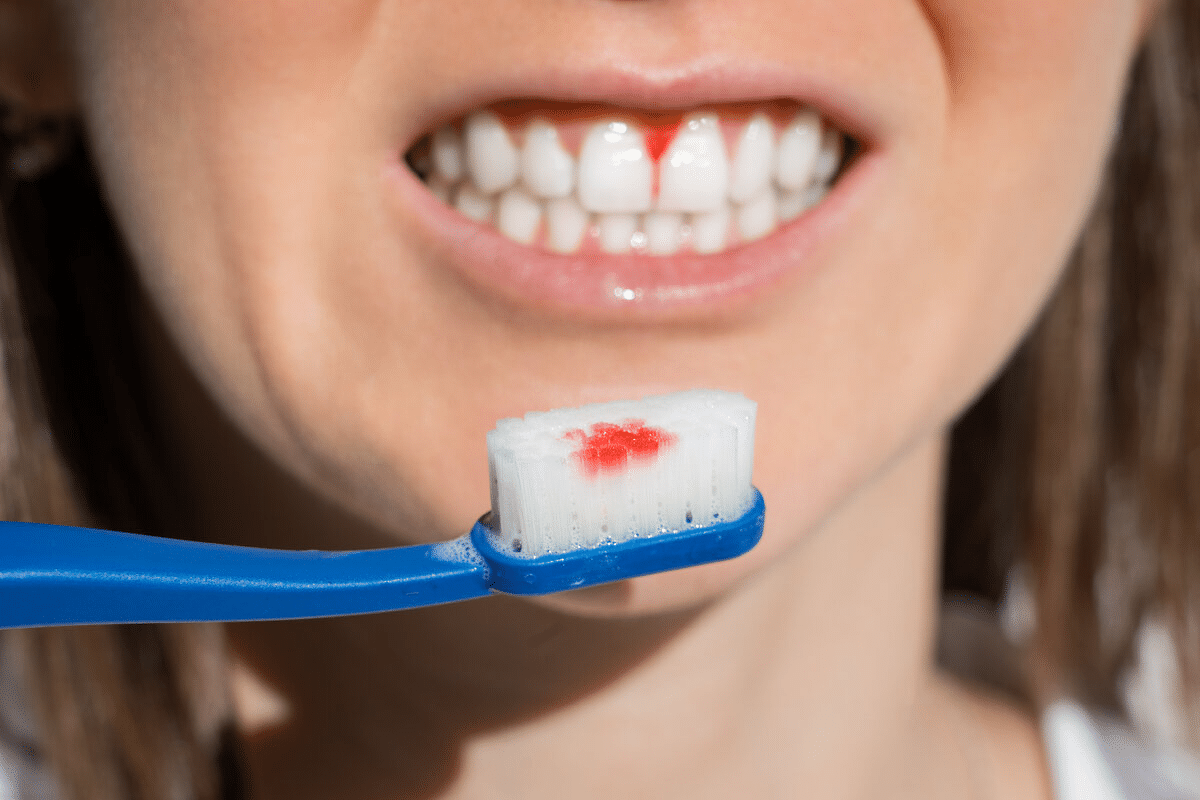
After a tonsillectomy, doctors often tell patients not to use straws. This is because sucking on a straw can create negative pressure. This pressure can cause complications at the surgical site straw use restriction.
Drinking through a straw can dislodge the scab that forms over the tonsil area. This can lead to bleeding. The scab is important for healing. We will look into why straw use is not recommended after a tonsillectomy.
Key Takeaways
- The negative pressure from sucking on a straw can dislodge the scab.
- Dislodging the scab can lead to bleeding and complications.
- Following post-operative instructions is key for a smooth recovery.
- Patients should avoid using straws for a period their doctor specifies.
- The risk of scab dislodgement is a big concern after tonsillectomy.
Understanding Tonsillectomy
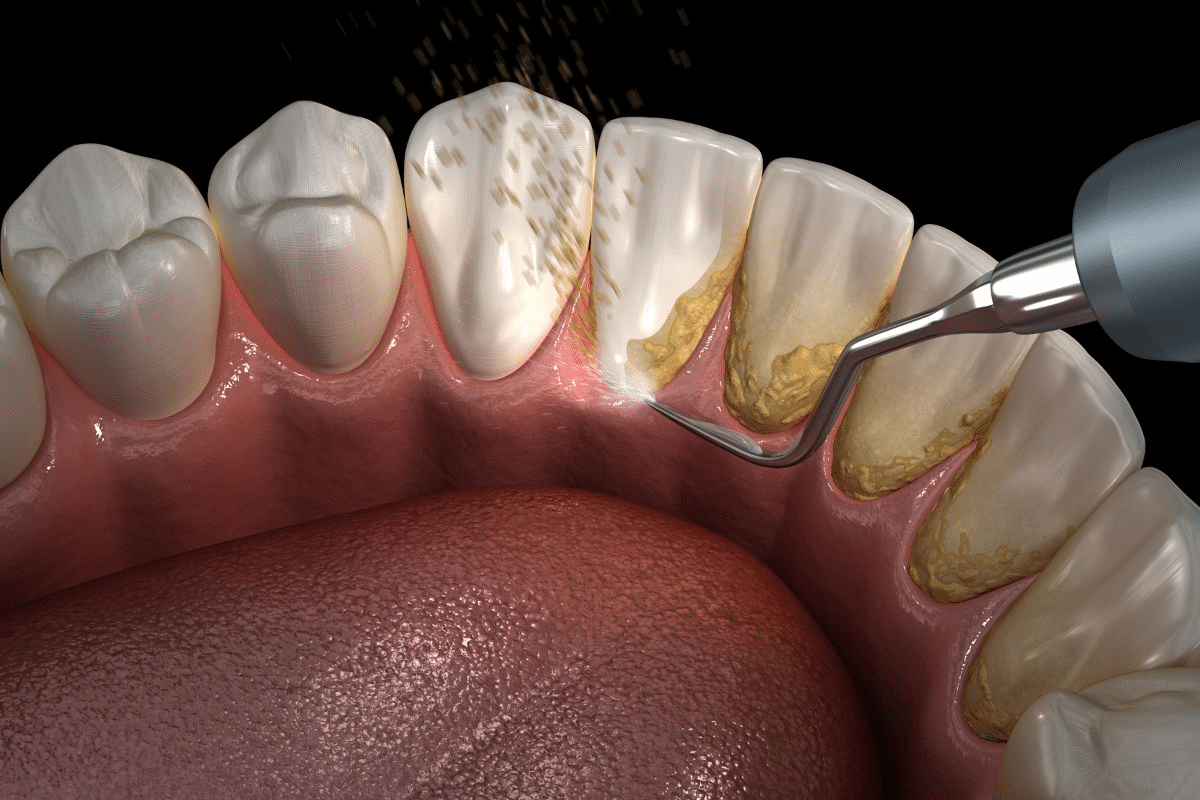
Tonsillectomy is a surgery to remove the tonsils. It helps solve problems like frequent tonsillitis. This surgery treats throat issues, including sleep problems caused by big tonsils.
What Is Tonsillectomy?
A tonsillectomy removes both tonsils. This surgery is done under general anesthesia for comfort. It takes 30 to 45 minutes and is usually done as an outpatient procedure.
This means patients can go home the same day.
Common Reasons for the Procedure
There are many reasons for a tonsillectomy. Some include:
- Recurring tonsillitis or throat infections
- Sleep disorders like sleep apnea due to big tonsils
- Tonsillar or peritonsillar abscess that doesn’t get better with other treatments
These issues can really affect a person’s life. Removing the tonsils can help ease symptoms and prevent more problems.
Potential Risks and Complications

Like any surgery, tonsillectomy has risks. Some are:
- Suction induced bleeding: Actions like straw use can cause bleeding.
- Infection: There’s a chance of infection after surgery.
- Reaction to anesthesia: Some people might have bad reactions to the anesthesia.
Knowing these risks is key for wound stability protection and clot preservation priority during recovery. By following care instructions, like avoiding straw use, patients can lower these risks and recover better.
The Recovery Process
Recovering from a tonsillectomy involves several important steps. It’s key to know the recovery timeline and the symptoms you might face. This knowledge helps you navigate the healing journey.
Timeline for Recovery
The recovery usually takes 1-2 weeks. It’s vital to drink lots of fluids during this time. Staying hydrated is key to a smooth recovery, helping your body heal and preventing complications.
Using a cup for drinking is better than a straw. Gentle sipping helps avoid discomfort. Drinking from a cup reduces mouth pressure changes.
Symptoms During Healing
Throat pain, difficulty swallowing, and fever are common symptoms. Managing these symptoms is essential for a comfortable recovery. Follow a hydration pacing guidance to drink enough fluids without discomfort.
|
Symptom |
Management Strategy |
Expected Duration |
|---|---|---|
|
Throat Pain |
Use pain relief medication as directed |
3-7 days |
|
Difficulty Swallowing |
Eat soft foods, avoid spicy or hot foods |
1-2 weeks |
|
Fever |
Monitor temperature, use fever reducers as needed |
2-3 days |
Understanding the recovery process and following guidelines ensures a smoother healing journey. This approach makes recovery more comfortable.
Why Straw Use Is Restricted
After a tonsillectomy, doctors often tell patients not to use straws. This is to avoid problems that could happen during recovery. We’ll look at why this is important, focusing on mouth pressure, bleeding risks, and healing.
Pressure Changes in the Mouth
Straws create negative pressure in the mouth, which can slow healing. When you use a straw, you make a vacuum. This vacuum can pull off the scab on the tonsillectomy site. The scab is key for protecting the wound and helping it heal.
Risk of Bleeding
The main worry with straws after a tonsillectomy is bleeding. The vacuum from sucking on a straw can make the scab fall off. This is a big concern during the secondary hemorrhage window, which is 5 to 10 days after surgery.
Impact on Healing
It’s important to avoid sucking hard, like when using a straw, during the recovery phase. This helps keep the scab and healing tissue safe. It reduces the chance of problems and helps the healing go smoothly. The healing process is delicate, and too much stress on the surgical site can cause longer recovery times or more issues.
|
Activity |
Risk |
Impact on Healing |
|---|---|---|
|
Using a Straw |
Increased risk of bleeding due to negative pressure |
Dislodges scab, potentially leading to complications |
|
Avoiding Straw Use |
Reduced risk of bleeding |
Supports healing by minimizing disruptions to the surgical site |
In summary, not using straws after a tonsillectomy is mainly to avoid negative pressure in the mouth. This can cause bleeding and slow healing. By not using straws and avoiding hard sucking, patients can lower their risk of problems and help their recovery go better.
Alternatives to Straws
Looking for ways to drink without straws is a good idea after a tonsillectomy. Straws can pull on the mouth, which might cause bleeding or other issues.
Using Cups and Glasses
Drinking from cups or glasses is a simple alternative. Make sure to sip slowly and don’t tilt your head back too much. This can help avoid discomfort. Having someone help you, like a parental supervision reminder for kids, is very helpful.
Be careful with travel cups, as they might have features that could cause mouth pressure. It’s best to use a simple cup or check with the manufacturer.
Temperature and Liquid Recommendations
Choosing the right drink temperature and type is key for pain reduction strategy. Cool or lukewarm liquids are soothing and can help with pain. Avoid drinks that are too hot or cold, as they can hurt your throat and the surgical area.
“Stick to clear liquids and electrolyte-rich beverages for the first few days. As you start feeling better, you can gradually introduce softer foods and other liquids into your diet.”
Here are some good drink options:
- Water
- Clear broths
- Electrolyte-rich drinks like coconut water or sports drinks
- Popsicles (though be cautious of the temperature)
Signs of Complications
Knowing about possible complications after a tonsillectomy can make recovery easier. The procedure is usually safe, but it’s important to watch for signs of trouble. This helps keep your airway comfort and health in check.
Recognizing Excessive Bleeding
Excessive bleeding is a big worry after a tonsillectomy. It might happen right after surgery or a few days later. If bleeding doesn’t stop with gentle pressure or if you spit up blood, get help right away. Limiting oral trauma by avoiding hard activities and not using straws can lower this risk.
When to Contact a Doctor
Call your doctor if you see any of these signs: bleeding that won’t stop, severe pain, trouble swallowing, or a long-lasting fever. Also, if your soft palate feels strained or you notice odd discharge, reach out. Your doctor can help manage these issues and keep your recovery on track.
Good airway comfort maintenance practices, like drinking plenty of water and using a humidifier, can ease recovery discomforts. Being careful and proactive can greatly reduce complication risks and help your healing go smoothly.
The Role of Hydration in Recovery
Staying hydrated is key for a smooth recovery after tonsillectomy surgery. It helps the body heal naturally and lowers the risk of complications. This promotes overall well-being.
Importance of Staying Hydrated
Hydration is vital during recovery. It keeps tissues healthy and boosts the immune system. Drinking enough fluids can prevent dehydration, which is common with sore throats and swallowing issues after surgery. Drinking plenty of fluids helps your body recover well.
Best Fluids to Consume
So, what fluids are best for recovery? Water and electrolyte-rich drinks are top choices. Water keeps you hydrated, while drinks like coconut water or sports drinks replace lost electrolytes. Clear broths and soups rich in electrolytes are also good.
- Water
- Electrolyte-rich beverages (e.g., coconut water, sports drinks)
- Clear broths
- Electrolyte-rich soups
Avoid caffeinated and carbonated drinks as they can hurt your throat. Also, steer clear of very hot or cold liquids. Stick to fluids at a comfortable temperature.
Dietary Recommendations Post-Surgery
After a tonsillectomy, it’s key to change what we eat for a smooth recovery. The food we pick can help or hurt the healing. We aim for a diet that eases discomfort and lowers risks like bleeding or infection.
Nourishing Soft Foods
At first, we recommend soft, easy-to-swallow foods that need little chewing. These include:
- Yogurt
- Mashed potatoes
- Scrambled eggs
- Soups (avoiding very hot temperatures)
- Applesauce
These foods are gentle on the throat and help keep us nourished while we recover.
Foods and Drinks to Avoid
Some foods and drinks can irritate the throat or cause negative pressure. This might lead to scab dislodgement risk or suction induced bleeding. We should steer clear of:
- Sharp or spicy foods
- Hot beverages
- Crunchy or hard foods like nuts or chips
- Acidic foods or drinks that can irritate the throat
Staying away from these foods can greatly lower the chance of complications after surgery.
It’s also vital to drink lots of fluids to stay hydrated. But, we should avoid straws because of the negative pressure concern. Drinking directly from a cup is best.
By sticking to these dietary tips, we can aid in healing, lessen discomfort, and cut down on post-surgery risks after a tonsillectomy.
Pain Management Strategies
Managing pain well after a tonsillectomy is key for a smooth recovery. It makes patients more comfortable and helps with wound stability protection and clot preservation priority. These are important for healing.
Over-the-Counter Pain Relief
Doctors often suggest over-the-counter (OTC) pain meds for post-tonsillectomy pain. Acetaminophen or ibuprofen can help reduce pain. But, always follow your doctor’s dosage advice to avoid side effects.
Remember, while these meds help with pain, they shouldn’t hide signs of complications. Such signs might need medical help.
Home Remedies for Discomfort
Home remedies can also ease discomfort. Using a humidifier keeps the air moist, soothing the throat. Drinking lots of water is important, but try not to use straws too much. They can mess with clot formation.
Other remedies include gargling with warm salt water to lessen swelling. An ice collar on the neck can also numb the pain. These methods can help with healing and comfort.
Importance of Follow-Up Appointments
After a tonsillectomy, it’s key to check how you’re healing at follow-up appointments. These visits help doctors see how you’re doing, answer any questions, and guide you on care after surgery.
Monitoring Healing Progress
At these appointments, doctors will look at your tonsillar fossae to see if they’re healing right. This is important to catch any problems early, like infections or bleeding. It’s best to drink from a cup, not a straw, to help healing.
It’s also important to drink water carefully. Drinking lots of fluids is good, but do it gently to avoid hurting your throat. Cups are better than straws because they reduce the risk of vigorous sucking, which can cause problems.
|
Aspect of Care |
Recommendation |
|---|---|
|
Drinking Method |
Use a cup; avoid straws |
|
Hydration |
Drink plenty of fluids, pace yourself |
|
Sucking or Sipping |
Avoid vigorous sucking; sip gently |
What to Expect at Follow-Ups
At your follow-ups, doctors will check for infection, see how your tonsils are healing, and answer your questions. It’s a chance to talk about any issues, like pain or food problems.
“Follow-up care is key for a good recovery. It helps us catch problems early and support you.” – An ENT Specialist
Going to these appointments and following advice can make your recovery easier. Your healthcare team is there to help you every step of the way.
Frequently Asked Questions
Recovering from a tonsillectomy is important, and many wonder about using straws. Patients and their caregivers often ask about post-operative care and daily activities. They want to know how to heal without complications.
Can I Use a Straw After a Certain Period?
Many ask if it’s safe to use straws after a while. The early healing phase is critical, and straws can risk bleeding and harm healing tissues. This phase usually lasts a couple of weeks, but always follow your doctor’s advice.
Once the healing phase ends, you can start using straws again. But do it carefully. Here are some tips:
- Wait for your doctor’s okay before using straws again.
- Begin with soft suction to see how your body reacts.
- Watch for any bleeding or pain.
What If I Accidentally Use a Straw?
If you accidentally use a straw too soon, watch out for signs. Bleeding, pain, or discomfort mean you should call your doctor right away. Having someone to help you during recovery is a good idea.
If you accidentally use a straw, here’s what to do:
- Stop using the straw right away.
- Check if you have any bad reactions.
- Talk to your doctor about what to do next.
Knowing the rules and being careful can help your healing. Always talk to your doctor for specific advice and care.
Conclusion
As we wrap up our talk on tonsillectomy recovery, it’s key to remember the importance of being careful. Using a straw can harm your healing, causing strain on the soft palate and possibly leading to problems.
To keep your airway comfortable and avoid mouth injuries, it’s best to avoid straws. A good plan for managing pain, including using over-the-counter meds and home remedies, can help ease discomfort.
Guiding Your Recovery
Knowing when you can go back to normal activities is important, as it varies for everyone. Getting your surgeon’s okay before starting to do things as usual is a must. Following the care instructions and understanding the risks can help you recover well.
By paying attention to these points and taking the right steps, you can make your recovery more comfortable and quick. We’re here to help you through this journey with the support and guidance you need.
FAQ
Why is straw use not recommended after tonsillectomy?
Using a straw after a tonsillectomy is not advised. The suction can dislodge the scab, causing bleeding. This can harm the healing process.
How long should I avoid using a straw after tonsillectomy?
Avoid straws for 7-10 days after surgery. Your surgeon may give a specific time frame. This helps prevent bleeding and aids in recovery.
What are the alternatives to using a straw for staying hydrated?
Use cups and glasses for drinking. Try gentle sipping to avoid sucking hard. Soft spout cups or travel cups with caution are also good options.
What are the signs of complications after tonsillectomy that I should watch out for?
Look out for excessive bleeding. If you notice unusual symptoms, call your doctor right away. This ensures your comfort and safety.
Can I resume normal activities after tonsillectomy, and when?
Wait for your surgeon’s okay to start normal activities again. They will guide you on when it’s safe to do so.
What are the best fluids to consume after tonsillectomy?
Drink gentle, non-irritating fluids like water, clear broths, or electrolyte-rich drinks. These help with healing.
How can I manage pain after tonsillectomy?
Use over-the-counter pain meds and try home remedies like cold compresses or humidifiers. These can help reduce pain and aid healing.
What foods should I eat or avoid after tonsillectomy?
Eat soft foods like yogurt, scrambled eggs, or mashed potatoes. Avoid spicy, acidic, or sharp foods to prevent irritation.
Why are follow-up appointments important after tonsillectomy?
Follow-up appointments are key to check on healing and address any concerns. They help ensure a smooth recovery.
What if I accidentally use a straw after tonsillectomy?
If you accidentally use a straw, call your doctor right away. It may lead to bleeding or complications that need immediate attention.
References
ScienceDirect. Evidence-Based Medical Insight. Retrieved from https://www.sciencedirect.com/science/article/abs/pii/S0165587620300417