Heart disease is a major killer worldwide, hitting millions every year. Finding the best cardiologist is key for good treatment and care.
Want the strongest heart possible? Discover the best health care habits and expert tips to build resilience and improve your longevity right now.
We know how important top-notch healthcare is, including support for patients from abroad. Our goal is to offer the best cardiovascular care. We work with leading cardiologists who handle tough heart health cases.
Key Takeaways
- Identifying the best cardiologist is vital for optimal heart care.
- Cardiovascular health is a critical aspect of overall well-being.
- Comprehensive support for international patients is essential.
- Top cardiologists specialize in treating complex heart conditions.
- World-class healthcare is our priority.
Criteria for Identifying Top Cardiac Care States

To find the top cardiac care states, we look at several key factors. These include advanced medical facilities and a strong focus on cardiology research and innovation.
Measuring Excellence in Cardiology
Excellence in cardiology is measured in many ways. This includes patient survival rates and the success of cardiac procedures. States with the latest medical technology and techniques tend to have better outcomes in cardiac care.
Recent studies highlight some states’ success in cardiac care. They have advanced medical facilities and research opportunities. For example, the presence of famous cardiac institutions and research centers is key. These places offer top care and push the boundaries of cardiac treatments.
Accreditation and Recognition Systems
Accreditation and recognition systems are vital in finding top cardiac care states. Bodies like the American Heart Association and the Joint Commission accredit hospitals and cardiac centers. They ensure these places meet high standards for quality and safety.
|
Accrediting Body |
Standards |
Benefits |
|---|---|---|
|
American Heart Association |
Rigorous standards for cardiac care, including treatment protocols and patient outcomes |
Enhanced credibility, improved patient trust |
|
The Joint Commission |
Comprehensive standards for healthcare quality and safety |
Better patient outcomes, reduced risk of medical errors |
Understanding these criteria helps patients and healthcare providers make better choices. States that excel in these areas offer high-quality cardiac care. This leads to better health outcomes for patients.
Key Factors That Determine Cardiology Excellence
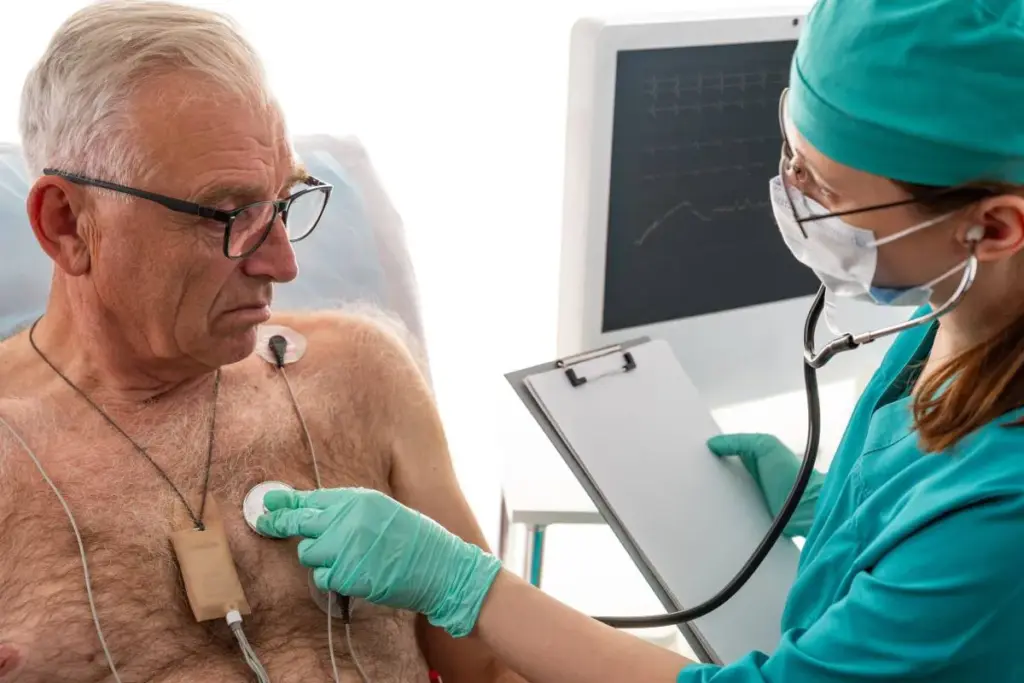
Cardiology excellence comes from advanced technology, effective treatments, and groundbreaking research. These elements ensure patients get top-notch care.
Advanced Medical Facilities and Technology
Advanced medical facilities and technology are key to cardiology excellence. State-of-the-art equipment helps doctors diagnose and treat heart conditions better. For example, 3D imaging and simulation improve heart surgery planning.
Some important technologies include:
- Advanced imaging like MRI and CT scans
- Innovative surgical tools, like robotic-assisted systems
- Diagnostic equipment for early heart disease detection
Patient Outcomes and Success Rates
Patient outcomes and success rates show cardiology excellence. High success rates in surgeries like CABG and heart transplants show quality care. We track and improve patient outcomes.
|
Procedure |
Success Rate |
Complication Rate |
|---|---|---|
|
CABG |
95% |
5% |
|
Heart Transplant |
90% |
10% |
Cardiac Research and Innovation
Cardiac research and innovation are essential for better care. By investing in research, we create new treatments and improve old ones. Clinical trials and studies on new therapies keep us leading in cardiac care.
Research areas include:
- New anticoagulant medications
- Improved stent technology to reduce restenosis
- Gene therapy for inherited heart conditions
By focusing on these areas, we ensure our cardiology services are top-notch. This gives patients the best care and outcomes.
Top 5 States for Cardiovascular Care
Some states stand out for their top-notch cardiovascular care. They show a strong commitment to heart health. This is important across the United States.
Massachusetts: Home to Leading Cardiac Institutions
Massachusetts is famous for its top cardiac hospitals. Places like Massachusetts General Hospital and Boston Medical Center lead in heart care. They offer the latest treatments and research.
Advanced treatments and innovative procedures are key in Massachusetts.
New York: Pioneering Cardiac Research
New York is a key place for heart research. Centers like Columbia University Irving Medical Center and NewYork-Presbyterian Hospital are leading the way. They work on new treatments and better patient care.
New York’s heart centers have state-of-the-art facilities. They are dedicated to improving heart health.
California: Innovation in Cardiac Procedures
California leads in new heart procedures. Places like Stanford Health Care and UCLA Medical Center are pushing the limits in heart care.
Minimally invasive procedures and personalized care are part of California’s heart health approach.
Texas: Comprehensives Heart Centers
Texas has heart centers that offer many services. The Texas Heart Institute in Houston is known worldwide for heart health.
Texas heart centers use a multidisciplinary approach. They make sure patients get care plans that fit their needs.
Cleveland Clinic: Ohio’s Cardiac Powerhouse
The Cleveland Clinic is a top cardiac care center in Ohio. It’s known for its skilled cardiac surgeons and new treatments. This leading medical institution is famous worldwide for its top-notch patient care and groundbreaking research.
World-Renowned Cardiac Surgeons
The Cleveland Clinic has some of the world’s best cardiac surgeons. These doctors are experts in cardiology, doing complex surgeries with great success. They use both traditional and new, less invasive methods.
Key strengths of Cleveland Clinic’s cardiac surgeons include:
- Extensive experience in performing complex cardiac surgeries
- Proficiency in the latest surgical techniques and technologies
- A commitment to ongoing education and research in cardiology
- A patient-centered approach to care, ensuring personalized treatment plans
Breakthrough Treatments and Research
The Cleveland Clinic leads in cardiac research, always finding new ways to help patients. Their research aims to create new treatments and improve existing ones. This work helps patients live better lives.
Some of the breakthrough treatments and research areas include:
- Minimally invasive cardiac surgical techniques
- Advanced heart failure treatments, including ventricular assist devices and heart transplantation
- Innovative approaches to arrhythmia management, such as catheter ablation and cardiac resynchronization therapy
- Research into the genetic factors influencing heart disease, paving the way for more personalized treatment approaches
The Cleveland Clinic combines top surgeons with the latest research and treatments. It’s a top choice for cardiac care in Ohio and worldwide. Patients from everywhere come here, trusting in its reputation for excellent care.
Mayo Clinic: Minnesota’s Cardiac Excellence
The Mayo Clinic is known for its innovative medicine. It offers top-notch cardiac care through a unique approach. This method combines the skills of many specialists to meet each patient’s needs.
Integrated Approach to Heart Care
The Mayo Clinic’s heart care stands out because of its integrated approach. A team of experts works together to give patients the best care. This team uses advanced tests and new treatments to help patients.
Key components of the integrated approach include:
- Multidisciplinary care teams
- Advanced diagnostic capabilities
- Innovative treatment options, including clinical trials
- Personalized care plans tailored to individual patient needs
Patient-Centered Cardiac Treatment
At the Mayo Clinic, patient care is a core value. Cardiologists and surgeons listen to patients to understand their needs. They make sure care fits each person’s life and values.
“The Mayo Clinic’s patient-centered approach to cardiac care has been transformative for me. The team took the time to understand my specific needs and developed a treatment plan that was both effective and compassionate.” – A Mayo Clinic patient
The Mayo Clinic is dedicated to cardiac excellence. It has state-of-the-art facilities and cutting-edge research. This dedication helps patients get the best care and quality of life.
Johns Hopkins: Maryland’s Cardiac Innovation Center
Johns Hopkins is a leader in cardiac innovation. It focuses on improving heart care through research and new procedures. This makes it a key player in advancing cardiac care.
Pioneering Cardiac Procedures
Johns Hopkins is known for its innovative heart treatments. It has introduced many pioneering cardiac procedures that have greatly improved patient results. These include minimally invasive surgeries and complex heart transplants.
Johns Hopkins is also a leader in treating heart blockages. Their cardiac catheterization laboratory uses the latest technology. This allows for accurate diagnosis and treatment of coronary artery disease.
Training the Next Generation of Cardiologists
Johns Hopkins is dedicated to training the next generation of cardiologists. Its cardiology fellowship program is highly sought after. It attracts top talent from all over the world.
Johns Hopkins offers a well-rounded education in cardiology. Fellows get both theoretical knowledge and practical experience. This prepares them to provide excellent care and contribute to the field’s growth.
As we face the challenges of cardiac care, places like Johns Hopkins are vital. They are committed to innovation and education. This ensures patients get the best care today and in the future.
Developing the Strongest Heart: Preventive Cardiology Across States
States are working hard to keep hearts healthy with new preventive cardiology programs. These efforts are key in the fight against heart disease. It’s a big health problem in the United States.
Preventive cardiology aims to stop heart disease before it starts. It also helps when it’s early or more advanced. This includes changing lifestyles and using advanced medical treatments.
State-by-State Preventive Care Programs
Each state has its own preventive care programs. Some focus on teaching people to live healthier. Others work on community health projects.
|
State |
Program Name |
Focus Area |
|---|---|---|
|
California |
Heart Healthy California |
Lifestyle Modification |
|
New York |
NYC Heart Initiative |
Community Health |
|
Texas |
Texas Healthy Hearts |
Early Detection |
Early Intervention Strategies
Early action is vital to stop heart disease from getting worse. This means regular health checks, screenings for risk factors, and changes in lifestyle or medicine when needed.
Key early intervention strategies include:
- Regular health screenings
- Dietary modifications
- Increased physical activity
- Smoking cessation programs
By using these strategies, people can lower their heart disease risk a lot.
We keep improving preventive cardiology programs across states. Our goal is to make heart health better and cut down on heart disease. With state efforts and early action, we aim for a future with less heart disease.
Coronary Bypass Surgery: Understanding the Procedure
Coronary bypass surgery is key for those with severe heart disease. It’s a surgery that fixes blocked arteries by adding a new path for blood. This helps the heart get the blood it needs.
What is CABG and How Does it Work?
CABG uses a healthy blood vessel from another part of the body. This vessel is used to bypass the blocked artery. This way, blood can flow to the heart muscle again.
The surgery is done under general anesthesia. The heart is stopped, and a machine takes over blood circulation. This makes the surgery safer.
To access the heart, a cut is made in the chest. A graft vessel is then attached above and below the blockage. This new path helps reduce chest pain and improves life quality.
When Bypass Surgery is Necessary
Bypass surgery is for those with severe heart disease who haven’t gotten better with other treatments. Doctors decide based on the blockages, the patient’s health, and symptoms.
Those with many blockages or complex disease might need CABG. Also, people who have had heart surgery before or have certain heart shapes might benefit from it.
Types of Bypass Procedures
There are different types of coronary bypass surgeries:
- Traditional CABG: Stops the heart and uses a machine to keep blood flowing.
- Off-Pump CABG: Done on a beating heart without a machine.
- Minimally Invasive CABG: Uses smaller cuts and might not need a machine.
- Robotic CABG: Uses robots for tiny cuts.
|
Type of CABG |
Description |
Benefits |
|---|---|---|
|
Traditional CABG |
Heart is stopped; heart-lung machine used |
Well-established procedure; effective for complex cases |
|
Off-Pump CABG |
Performed on beating heart; no heart-lung machine |
Less trauma to the heart; potentially quicker recovery |
|
Minimally Invasive CABG |
Smaller incisions; may or may not use heart-lung machine |
Less invasive; potentially less pain and quicker recovery |
|
Robotic CABG |
Robotic assistance; very small incisions |
High precision; minimal scarring; potentially faster recovery |
Each bypass procedure has its own benefits. The choice depends on the patient’s condition, health, and the surgeon’s skill.
Triple and Quadruple Bypass Surgery: Complex Cardiac Care
Cardiac surgery is complex, with triple and quadruple bypasses being the most challenging. These surgeries help the heart by bypassing blocked arteries. We’ll explore these procedures, recovery, and their effects on life expectancy and quality of life.
Procedure Details and Recovery Process
Triple and quadruple bypass surgeries graft blood vessels to bypass blocked arteries. The number of bypasses depends on the number of blocked arteries. For example, a triple bypass uses three grafts, and a quadruple uses four.
These surgeries are done under general anesthesia and require a sternotomy to access the heart. The recovery is significant and requires close monitoring. Patients often spend days in the ICU before moving to a regular room. The hospital stay can last from a week to ten days.
Post-operative care includes rehabilitation to help patients regain strength and mobility.
Life Expectancy and Quality of Life After Multiple Bypasses
Life expectancy and quality of life after these surgeries vary. Factors include the patient’s health, other medical conditions, lifestyle changes, and medication adherence. Successful surgeries can improve life expectancy and quality of life by reducing symptoms of coronary artery disease.
Following a heart-healthy lifestyle is key to maximizing surgery benefits. This includes a balanced diet, regular exercise, and stress management. It’s also important to follow up with care and monitor for complications.
Key factors influencing life expectancy and quality of life post-surgery include:
- Pre-surgical health condition
- Lifestyle changes post-surgery
- Adherence to prescribed medications
- Ongoing cardiac care and monitoring
By understanding these factors and working with healthcare providers, patients can improve their outcomes after complex cardiac surgeries.
Bypass Surgery vs. Stent Placement: Making the Right Choice
When treating coronary artery disease, two main options are considered: bypass surgery and stent placement. Both aim to improve blood flow to the heart. Yet, they differ in approach, benefits, and outcomes.
Comparing Effectiveness and Recovery
Bypass surgery, or CABG, uses grafts to bypass blocked arteries. These grafts often come from the leg or chest. It’s very effective for complex disease, helping patients with many blockages.
Stent placement, part of PCI, uses a mesh tube to keep arteries open. It’s less invasive than CABG. It’s often chosen for simpler cases or during heart attacks.
Research shows CABG is better for complex disease, reducing future surgeries. But, it’s riskier and takes longer to recover than stent placement.
“The choice between CABG and PCI should be individualized based on the patient’s clinical characteristics, preferences, and values.”
Which States Excel in Each Procedure
Some states are leaders in cardiac care, excelling in bypass surgery and stent placement. Massachusetts, for example, is famous for its top cardiac hospitals like Massachusetts General Hospital. They’re experts in both CABG and PCI.
|
State |
Notable Institutions |
Procedure Excellence |
|---|---|---|
|
Massachusetts |
Massachusetts General Hospital |
CABG, PCI |
|
Minnesota |
Mayo Clinic |
CABG, Complex PCI |
|
California |
Cedar-Sinai Heart Institute |
PCI, Minimally Invasive CABG |
These places are not just skilled in cardiac care. They also focus on patient-centered care. This ensures patients get the best treatment for their needs.
Choosing between bypass surgery and stent placement is a big decision. It should be made after talking to a cardiologist. Consider your health, disease complexity, and personal wishes.
Alternatives to Traditional Bypass Surgery
Medical technology is advancing fast, bringing new options for heart care. We’re seeing a big change in how we treat heart disease. New procedures and technologies are giving patients more choices than ever.
Minimally Invasive Cardiac Procedures
Minimally invasive heart procedures are changing cardiology. They offer safer and less invasive ways than traditional bypass surgery. These methods use smaller cuts, cause less pain, and help patients recover faster. Some top options include:
- Transcatheter aortic valve replacement (TAVR)
- Minimally invasive direct coronary artery bypass (MIDCAB)
- Robotic-assisted cardiac surgery
These procedures lower the risk of problems. They also mean shorter hospital stays and quicker returns to daily life.
Emerging Technologies in Cardiac Care
Cardiac care is on the verge of a tech revolution. New technologies are set to change how we treat heart disease. Some exciting developments are:
|
Technology |
Description |
Potential Benefits |
|---|---|---|
|
Bioresorbable stents |
Stents that dissolve over time, potentially reducing the risk of long-term complications |
Reduced risk of stent thrombosis, improved vessel healing |
|
Stem cell therapy |
Treatment using stem cells to repair damaged heart tissue |
Potential for heart tissue regeneration, improved heart function |
|
3D printing in cardiology |
Creation of personalized heart models for surgical planning and patient education |
Improved surgical precision, enhanced patient understanding |
These new technologies, along with minimally invasive procedures, are broadening treatment options. As research grows and these technologies improve, we’ll see even more innovative solutions in heart care.
By exploring these alternatives, we’re moving towards a future of more personalized and effective heart care. Our goal is to provide the best outcomes for those with heart disease, using the latest in medical technology.
How to Choose the Right Cardiologist in Your State
Finding the right cardiologist is key to your heart health. With so many options, knowing what to look for is important. This helps you make a smart choice.
Credentials and Specializations
When looking for a cardiologist, their credentials and specializations matter a lot. Look for those who are board-certified by the American Board of Internal Medicine (ABIM) in Cardiovascular Disease. Specialized training in areas like interventional cardiology or electrophysiology is a big plus. It’s vital to choose a cardiologist with the right qualifications for top-notch care.
Experience with Specific Procedures
It’s also important to consider a cardiologist’s experience with certain procedures. Ask about their experience with procedures like angioplasty, stent placement, or pacemaker implantation. An experienced cardiologist will have a good success rate and can explain the risks and benefits of each procedure.
Patient Reviews and Satisfaction Rates
Patient reviews and satisfaction rates offer valuable insights. We recommend checking online reviews and ratings from various sources. Look for comments on communication, wait times, and the quality of care. High satisfaction rates often mean a cardiologist who is skilled, caring, and good at communicating.
By looking at credentials, experience, and patient satisfaction, you can make a wise choice. We believe this advice will help you find a cardiologist who is right for you. They will provide the best care for your heart health.
Conclusion: Navigating America’s Landscape of Cardiac Excellence
Exploring cardiac care in the U.S. shows that a strong heart needs top medical care. Places like Massachusetts, New York, California, and Texas lead with their heart centers and research.
Top hospitals like Cleveland Clinic, Mayo Clinic, and Johns Hopkins lead in heart care. They offer the latest treatments and focus on patients. Knowing what makes a heart center great is key for good heart health.
Preventive care and choosing the right cardiologist are important steps. They help keep your heart healthy. As we look at heart care in America, our goal is to give the best care to all patients.
FAQ
What is coronary artery bypass grafting (CABG)?
CABG, or bypass surgery, is a procedure to fix blocked heart arteries. A healthy blood vessel is grafted onto a blocked artery. This helps blood flow to the heart again.
What is the difference between triple and quadruple bypass surgery?
Triple bypass surgery fixes three blocked arteries. Quadruple bypass surgery fixes four. Both aim to improve heart blood flow, but quadruple is more extensive.
How long can you live after bypass surgery?
Life after bypass surgery varies. It depends on health, lifestyle, and heart disease severity. On average, patients can live 10 to 20 years or more.
Is bypass surgery considered open-heart surgery?
Yes, bypass surgery is open-heart surgery. It involves opening the chest to reach the heart.
What are the risks associated with bypass surgery?
Bypass surgery risks include bleeding, infection, stroke, and heart attack. Choosing an experienced surgeon and following care instructions can reduce these risks.
What is the difference between bypass surgery and stent placement?
Bypass surgery grafts a blood vessel onto a blocked artery. Stent placement uses a mesh device to keep the artery open. Both restore blood flow but differ in approach and recovery.
Are there alternatives to traditional bypass surgery?
Yes, alternatives include minimally invasive procedures and technologies like robotic-assisted surgery.
How do I choose the right cardiologist?
Look for a cardiologist’s credentials, specializations, and experience. Reading patient reviews and checking satisfaction rates is also important.
What is preventive cardiology, and why is it important?
Preventive cardiology focuses on preventing heart disease. It involves a healthy lifestyle, managing risk factors, and regular check-ups. It’s key to keeping the heart healthy and reducing disease risk.
What are the benefits of choosing a top-ranked cardiac care center?
Top-ranked centers offer advanced facilities, experienced doctors, and new treatments. This can lead to better outcomes and a better quality of life.
Can I survive without heart bypass surgery?
Some can manage heart disease with lifestyle changes and medication. But, surgery may be needed for severe blockages or complex disease.
What is the recovery process like after bypass surgery?
Recovery involves weeks of rest and rehabilitation. Patients are monitored and guided through a program to improve heart health.
How serious is a triple bypass surgery?
Triple bypass surgery is serious but can be life-saving. Its seriousness depends on the patient’s health and the procedure’s complexity.
Reference
New England Journal of Medicine. Evidence-Based Medical Insight. Retrieved from https://www.nejm.org/doi/full/10.1056/NEJMra2100855