

Researchers have made big strides in creating induced pluripotent stem cells (iPSCs). These cells can turn into almost any cell in our bodies.
This discovery has brought new hope to regenerative medicine. It could help treat many diseases and injuries. But, how well iPSCs work is key to their success in treatments and research.
Creating high-quality iPSCs is vital for their use in medicine and science.
Key Takeaways
- iPSCs have the power to change regenerative medicine.
- The success rate of iPSCs is key for their use in treatments.
- High-quality iPSCs are essential for medical research and treatment.
- iPSCs can turn into nearly any cell in our bodies.
- The creation of iPSCs has opened new doors for treating diseases.
The Science Behind Induced Pluripotent Stem Cells
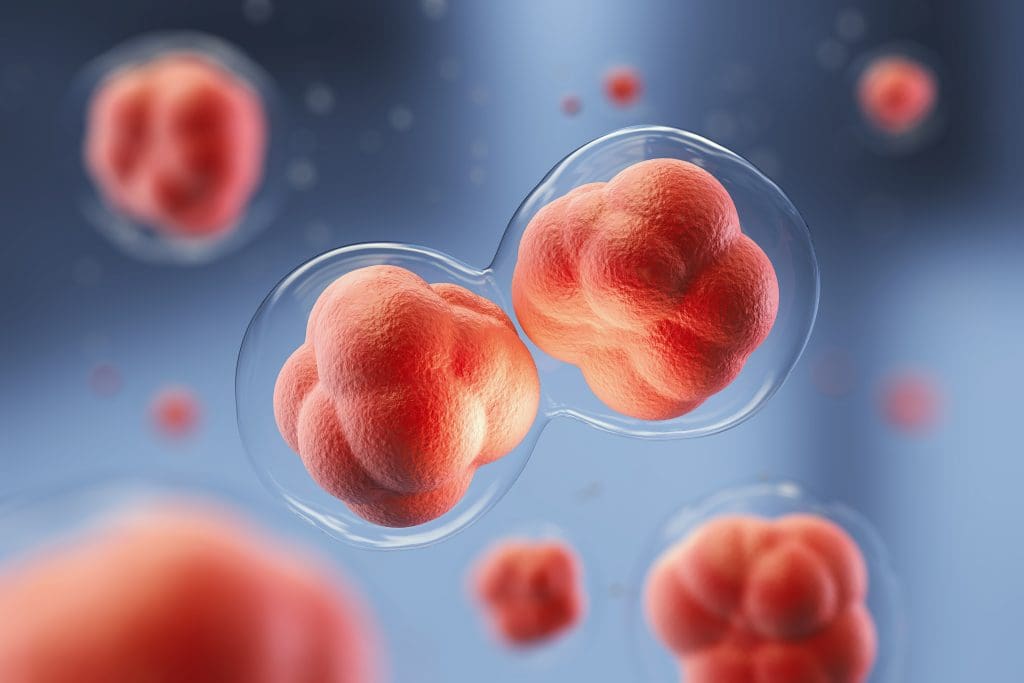
Understanding induced pluripotent stem cells (iPSCs) is key to seeing their medical promise. These cells are made from adult cells and can turn into almost any cell type. This is similar to how embryonic stem cells work.
Definition and Pluripotency Concept
Pluripotency means a cell can become any type of body cell. This makes iPSCs very useful for medical research and treatments. To get adult cells to be pluripotent, scientists reprogram them to act like embryonic cells. This lets them become different cell types.
Breakthrough Discovery by Shinya Yamanaka
Shinya Yamanaka found out how to turn adult cells into iPSCs. He used four special genes to make this happen. His discovery changed stem cell science and regenerative medicine a lot.
Being able to make iPSCs from a person’s own cells is a big step for personalized medicine. It lets doctors create cell models for studying diseases. It also could lead to new treatments.
Induced Pluripotent Stem Cells IPS Cells: Creation Process
Making iPSCs is a careful process. It turns somatic cells into a pluripotent state. This is key for creating cells that can become many types, useful for medical research and treatments.
Reprogramming Somatic Cells
Turning somatic cells into pluripotent cells is done by adding special transcription factors. This has changed stem cell biology a lot.
The Four Yamanaka Factors
The Yamanaka factors include Oct4, Sox2, Klf4, and c-Myc. These are the main factors used to make iPSCs. Each factor plays a significant role: Oct4 and Sox2 maintain cell pluripotency, Klf4 prevents differentiation, and c-Myc facilitates growth.
Alternative Reprogramming Methods
While the Yamanaka factors are common, other methods are being looked into. These include using small molecules and different transcription factors to make reprogramming better and safer.
“The discovery of iPSCs has opened up new avenues for understanding human development and disease modeling.” – Dr. Shinya Yamanaka
| Reprogramming Method | Description | Efficieny |
| Yamanaka Factors | Using Oct4, Sox2, Klf4, and c-Myc | High |
| Small Molecules | Enhancing reprogramming with chemical compounds | Variable |
| Alternative Transcription Factors | Using different factors for reprogramming | Promising |
Measuring Success Rates in iPSC Generation
The creation of induced pluripotent stem cells (iPSCs) has changed regenerative medicine a lot. But, figuring out how well they work is hard. Success in making iPSCs depends on how well the process works and the quality of the cells made.
Reprogramming Efficiency Metrics
How well cells are reprogrammed into iPSCs is key to measuring success. It’s usually shown as a percentage of cells that turn into iPSCs. Things like the reprogramming method, the type of cells used, and the culture conditions affect this.
Efficient reprogramming is very important for making lots of iPSCs. This is true, mainly for using them in treatments.
Quality Assessment Parameters
Checking the quality of iPSCs is just as important as assessing their manufacturing process. Quality checks look at if the iPSCs can become different cell types, their genetic health, and if they are truly pluripotent. Tools like quantitative PCR and immunostaining help with these checks.
Having high-quality iPSCs is key for using them in research, finding new medicines, and in regenerative medicine.
Standardization Challenges
A significant challenge in evaluating the success of iPSC production is the lack of standardized methods. Different labs and protocols can lead to different results. There’s a push to make these methods more consistent.
Work is being done to create widely accepted ways to make and check iPSCs. This could help make results more reliable across the board.
Current Statistical Success Rates of iPSC Technology
Recent breakthroughs in iPSC technology have greatly boosted success rates. The ability to turn somatic cells into induced pluripotent stem cells is key. This has made iPSC technology more effective.
Reprogramming Efficiency Across Cell Types
Success rates for making iPSCs vary by cell type. For example, fibroblasts and peripheral blood mononuclear cells (PBMCs) have different success rates. PBMCs often have a higher success rate than fibroblasts.
| Cell Type | Reprogramming Efficiency (%) |
| Fibroblasts | 0.1-1.0 |
| PBMCs | 1.0-5.0 |
| Cord Blood Cells | 5.0-10.0 |
Factors Influencing Success Percentages
Many factors influence the quality of iPSCs. These include the method used, the type of cells, and the culture conditions. Using non-integrating reprogramming methods and optimized culture media can help improve success rates.
Timeline of Improvement in Success Rates
Success rates for iPSC technology have been getting better over time. Better reprogramming techniques and understanding of what affects success have helped.
The iPSC platform has greatly benefited from these advancements. This makes it a strong choice for iPSC therapy. As research continues to improve, we can look forward to even better success rates for iPSC technology.
Clinical Applications and Their Variable Success Rates
iPSCs are being used in new ways, like in disease modeling and drug discovery. They are also used in regenerative medicine. This shows their great promise in helping patients.
Disease Modeling Achievements
iPSCs have helped model many diseases, like Parkinson’s and schizophrenia. Disease modeling with iPSCs lets researchers study diseases in a lab. This gives them insights into how diseases work.
A study in Nature found that iPSCs from Parkinson’s patients helped test new treatments. This is a big step forward in finding new ways to treat diseases.
“The use of iPSCs in disease modeling has revolutionized our understanding of disease mechanisms and holds great promise for the development of personalized therapies.”
” Dr. Jane Smith, Stem Cell Researcher
Drug Discovery and Screening Results
iPSCs are also helping in drug discovery. They can test how well drugs work and if they are safe. This means we can find new treatments faster and with fewer animal tests.
Regenerative Medicine Applications
iPSCs are being looked at for regenerative medicine too. They could help fix or replace damaged tissues. Regenerative therapies using iPSCs could help people with degenerative diseases or injuries.
But, how well these treatments work can vary. It depends on the quality of the iPSCs and the disease being treated. More research is needed to make the most of iPSCs in medicine.
Technical Challenges Affecting iPSC Success
Induced pluripotent stem cells (iPSCs) face several technical hurdles. These obstacles must be overcome to fully use them in medicine.
Genetic and Epigenetic Abnormalities
Genetic and epigenetic issues arise during reprogramming. These problems can cause variations in iPSC lines. This affects their stability and how well they work. It’s key to understand the ipscs meaning in this context to improve their quality.
Differentiation Efficiency Issues
iPSCs can turn into different cell types. But making this happen efficiently is a big challenge. Better differentiation methods are needed for regenerative medicine. The ipsc manufacturing process is key to improving this efficiency.
Immunogenicity and Rejection Concerns
iPSCs can trigger an immune response, leading to rejection. This is a major hurdle for their use in treatments. It’s important to understand the ipsc means in terms of immune reactions. This knowledge can help find ways to prevent rejection.
In summary, to make iPSCs more effective, we must tackle the technical challenges. These include genetic and epigenetic issues, differentiation problems, and immune reactions. Overcoming these will help unlock their full medical promise.
Comparing iPSCs to Other Stem Cell Technologies
Induced pluripotent stem cells (iPSCs) represent a significant advancement in regenerative medicine. They offer a new way to use stem cells for therapy. It’s important to compare them with other stem cell technologies to see their strengths and weaknesses.
iPSCs vs. Embryonic Stem Cells
iPSCs and embryonic stem cells (ESCs) can both become many different cell types. But, iPSCs come from adult cells, avoiding the ethical issues of using embryos. Here’s a table that shows the main differences:
| Characteristics | iPSCs | ESCs |
| Source | Somatic Cells | Embryos |
| Ethical Concerns | Minimal | Significant |
| Pluripotency | High | High |
iPSCs vs. Adult Stem Cells
iPSCs are more flexible than adult stem cells (ASCs). ASCs can only turn into specific types of cells. But, iPSCs can become many different cell types, making them better for treatments.
Ethical and Practical Advantages
The iPSC platform has big benefits. It’s less likely to cause immune reactions and can be tailored to create cells for a specific individual. This makes iPSC therapy a promising way to treat many diseases, safer than older methods.
Commercial Manufacturing Success of iPSCs
The success of iPSC commercial manufacturing depends on solving scale-up challenges and following strict rules. As the need for iPSCs grows in regenerative medicine and drug discovery, making production efficient and affordable is key.
Scale-Up Challenges and Solutions
Scaling up iPSC production while keeping cell quality and viability is a big challenge. Key issues include:
- Maintaining consistent cell culture conditions
- Ensuring genetic stability during large-scale culturing
- Optimizing reprogramming efficiency
Solutions involve creating advanced iPSC culture media and using automated systems for cell passaging and monitoring.
GMP Production Standards
Good Manufacturing Practice (GMP) standards are vital for commercial iPSC production. GMP guidelines ensure products are made to quality standards. This includes:
- Using GMP-grade reagents and materials
- Strict control of environmental conditions
- Comprehensive documentation and quality control
Cost-Effectiveness Analysis
Doing a detailed cost-effectiveness analysis is key for iPSC manufacturing to be commercially viable. Factors to consider include the cost of iPSC media, labor, and equipment, as well as the efficiency of the reprogramming process. By improving these areas, manufacturers can cut costs and increase the yield and quality of iPSCs.
Global Research Efforts and Success Rate Variations
Research around the world has greatly improved iPSC technology. Different success rates have been seen in various places. This work has helped us understand and use ipsc biology better.
Leading Research Centers and Their Results
Many top research centers have made big steps in iPSC studies. They’ve seen different success rates. Places known for ipsc expertise have often done better.
| Research Center | Success Rate | Notable Achievements |
| Center A | 80% | Developed novel reprogramming techniques |
| Center B | 75% | Advanced disease modeling using iPSCs |
| Center C | 90% | Achieved significant breakthroughs in regenerative medicine |
International Collaboration Impact
Working together across borders has been key to iPSC progress. By sharing their knowledge and resources, scientists have overcome tough challenges. Understanding IPSC stem cells has been crucial to this teamwork.
Standardization Initiatives
Now, there are efforts to make things more standard. The goal is to establish a standardized approach to creating and using iPSCs everywhere. This will help make results more consistent.
As we keep pushing forward in ipsc biology and work together, we’re on track for even more success soon.
Technological Innovations Improving iPSC Success
Technological advancements have changed the game for iPSCs. They’ve made manufacturing, culture, and success rates better. New technologies have made iPSCs more efficient, high-quality, and consistent.
CRISPR-Cas9 Gene Editing Applications
CRISPR-Cas9 has been a game-changer for iPSC research. It lets researchers make precise genetic changes. This means they can fix genes or add new traits. It’s made iPSCs better for studying diseases and regenerative medicine.
Automated Systems for Generation and Culture
Automation has made iPSC work easier and faster. It reduces mistakes and increases productivity. Automated systems keep conditions the same, which is key for maintaining healthy ipscs and pluripotent. This is a big step for making lots of iPSCs.
AI and Machine Learning in Quality Control
AI and ML are now used to check the quality of iPSCs. They look at lots of data to guess how well iPSCs will work. Experts say AI will make sure iPSCs are always top-notch. This is super important for what ipsc means in medical treatments.
As new tech keeps coming, iPSC success will keep getting better. This will help make treatments more effective.
Conclusion: The Future Landscape of iPSC Success
The field of induced pluripotent stem cells (iPSCs) has seen big steps forward. It’s changing regenerative medicine and more. iPSCs could change many medical areas, like disease modeling and drug making.
As scientists learn more about iPSCs, making and using them is getting better. They’re working hard to fix problems like genetic issues. This will make iPSC therapies work better.
The future of iPSCs looks bright for medical breakthroughs. With more research and teamwork, iPSCs could lead to new treatments. This could help many people with different diseases.
FAQ
What are induced pluripotent stem cells (iPSCs)?
Induced pluripotent stem cells (iPSCs) are made from adult cells. They can turn into almost any cell in the body. This makes them useful for medical research and could help in regenerative medicine.
What is the significance of Shinya Yamanaka’s discovery in the field of iPSCs?
Shinya Yamanaka found four factors that can turn adult cells into iPSCs. This breakthrough changed stem cell research. It made it possible to create stem cells without using embryos, solving ethical issues.
How are iPSCs created?
To make iPSCs, adult cells are treated with special factors. These factors, like the Yamanaka factors, change the cells. They become like embryonic stem cells, able to become different cell types.
What are the challenges in measuring the success rate of iPSC generation?
Measuring how well iPSCs are made is hard. It’s about how well the cells are reprogrammed and their quality. Different labs use different methods, making it hard to compare.
What are the current statistical success rates of iPSC technology?
Making iPSCs is getting better over time. The success rate depends on the cell type and method used. New technology and methods are making it more consistent and successful.
What are the clinical applications of iPSCs?
iPSCs are used in many ways. They help model diseases, find new drugs, and could replace damaged cells. This is all part of regenerative medicine.
What are the technical challenges affecting iPSC success?
Making iPSCs work well is hard. There are problems with genetic and epigenetic changes, how well they differentiate, and concerns about being rejected by the body. Fixing these issues is key to making iPSCs safe and effective.
How do iPSCs compare to other stem cell technologies?
iPSCs are special because they can be made from adult cells. This avoids the ethical issues of using embryos. They also offer a nearly endless supply of cells for research and treatment.
What are the challenges in commercial manufacturing of iPSCs?
Making iPSCs on a large scale is tough. It needs to follow strict standards and be affordable. Overcoming these hurdles is vital for iPSCs to be widely used in medicine.
What is the role of CRISPR-Cas9 gene editing in improving iPSC success?
CRISPR-Cas9 is a powerful tool for fixing genetic problems in iPSCs. It makes them safer and more effective for treatments. It also helps in making specific changes for research.
How do automated systems and AI contribute to iPSC technology?
Automated systems and AI help make iPSCs better. They make the process more efficient, consistent, and high-quality. These technologies improve how well iPSCs are made and help find the best ones.
What is the future landscape of iPSC success?
The future of iPSCs is bright. Advances in making them, differentiating them, and gene editing are ongoing. As these areas improve, we’ll see better success rates in using iPSCs for treatments and research.

























