Has anyone survived AML leukemia? Understanding Success Rate of Leukemia

A diagnosis of AML leukemia can be scary. But, thousands of patients each year beat it and live well. This is thanks to innovative treatments and ongoing research.
At Liv Hospital, we focus on the latest in AML care. The 5-year survival rate for AML in adults is about 29.5%. Survival depends on age, AML type, and how well treatment works.
Key Takeaways
- Advances in treatment and research have improved AML survival rates.
- Liv Hospital is committed to providing updated academic protocols and care pathways.
- The overall 5-year survival rate for AML among adults is approximately 29.5%.
- Age, AML subtype, and response to therapy are key factors influencing survival.
- Innovative treatments and continuous research advances are vital for patient outcomes.
Understanding Acute Myeloid Leukemia (AML)

It’s important for patients and their families to know about Acute Myeloid Leukemia (AML). AML is a blood cancer where abnormal white blood cells grow fast. These cells fill the bone marrow, pushing out healthy cells.
What is AML and how does it develop?
AML happens when the bone marrow makes bad myeloid cells that don’t grow right. These cells fill the bone marrow, making it hard for healthy cells to grow. Things like radiation, chemicals, and genetic problems can cause AML.
Common symptoms and diagnosis process
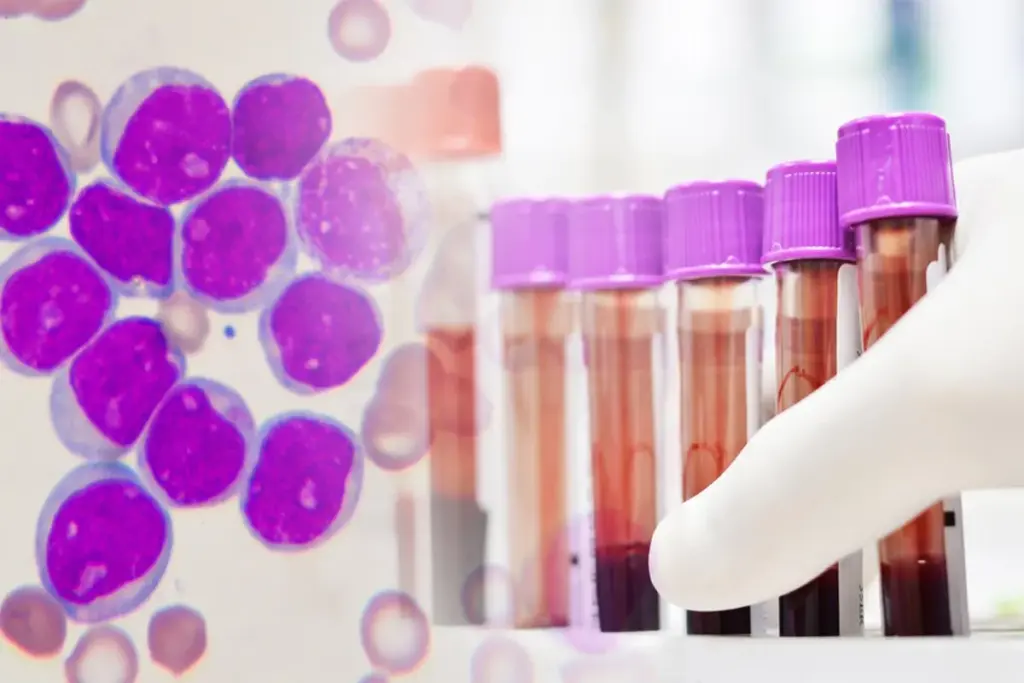
AML symptoms can be different for everyone. They might include feeling very tired, losing weight, and getting sick a lot. Doctors use blood tests, bone marrow biopsies, and imaging to find and check AML.
Here’s how doctors find AML:
- Blood Tests: To see if there are too many or too few blood cells.
- Bone Marrow Biopsy: To look for cancer cells in the bone marrow.
- Imaging Studies: Like CT scans to see if the cancer has spread.
For more info on AML survival rates, check out Healthline’s AML survival rates page.
|
Diagnostic Tool |
Purpose |
|---|---|
|
Blood Tests |
Check for abnormal blood cell counts |
|
Bone Marrow Biopsy |
Examine bone marrow for cancer cells |
|
Imaging Studies |
Determine if cancer has spread |
Knowing about AML and how it’s diagnosed helps patients and their families. It lets them understand their treatment options better. This can improve their aml leukemia survival rate and quality of life.
AML Survival Statistics: The Big Picture
The survival rate for AML changes a lot with age. It’s key to look at these numbers closely. Knowing them helps patients and doctors see how well treatments work and what the future might hold.
Overall 5-Year Survival Rates for Adults
The 5-year survival rate for AML in adults is about 29.5%. This means about 29.5% of adults with AML might live for 5 years after being diagnosed. But, survival rates can change a lot based on age and other things.
For adults under 50, the 5-year survival rate is much better, at 63.4%. This shows how important it is to catch AML early and treat it aggressively in younger people.
But, adults over 60 face tougher challenges. Their 5-year survival rates are lower. This highlights the need for treatments that fit older patients’ health and AML type.
Survival Rates in Children vs. Adults
Children with AML have a much better chance of survival. Their 5-year survival rate is between 65-70%. This shows a brighter outlook for kids with this disease.
|
Age Group |
5-Year Survival Rate |
|---|---|
|
Children |
65-70% |
|
Adults under 50 |
Up to 63.4% |
|
Adults overall |
Approximately 29.5% |
A recent study found a big difference in survival rates between kids and adults. It points to the need for treatments that fit each age group and more research into why these differences exist.
“Advances in treatment approaches, including targeted therapies and improved supportive care, have contributed to the improved survival rates observed in younger patients.”
Grasping these survival stats is key for setting realistic hopes and making smart treatment choices. As we dive deeper into what affects AML survival, it’s clear age is just one important factor.
Key Factors Influencing AML Survival
Many elements affect AML patient survival. Knowing these is key for patients and doctors to make better treatment choices.
Genetic and Molecular Markers
Genetic and molecular markers are very important in AML prognosis. Some genetic changes can speed up disease progress or affect treatment response. For example, FLT3 and NPM1 mutations are common in AML and can change prognosis.
Knowing about molecular markers helps in choosing the right treatments. For instance, FLT3 mutations might respond well to FLT3 inhibitors, a specific type of treatment.
|
Genetic Marker |
Impact on Prognosis |
Potential Treatment |
|---|---|---|
|
FLT3 Mutation |
Generally associated with a poorer prognosis |
FLT3 inhibitors |
|
NPM1 Mutation |
Often associated with a more favorable prognosis |
Standard chemotherapy |
AML Subtypes and Their Prognosis
AML is not just one disease but a group with different types. The type of AML can greatly affect prognosis. Some types are more aggressive and harder to treat, while others might have a better outlook.
The French-American-British (FAB) and World Health Organization (WHO) systems help classify AML types. Knowing the specific type is essential for choosing the right treatment.
- M3 (Acute Promyelocytic Leukemia) – Generally has a favorable prognosis with appropriate treatment.
- M4 and M5 – Have varying prognoses depending on genetic factors.
Response to Initial Therapy
How well a patient responds to first treatment is very important. Achieving complete remission after the first treatment is a good sign.
The ability to reach complete remission depends on many things. These include the patient’s health, the AML type, and genetic markers. Patients who reach complete remission have a better chance of long-term survival.
Key Factors Influencing AML Survival
- Genetic and molecular markers
- AML subtype
- Response to initial therapy
Understanding these factors helps doctors tailor treatments for each patient. This can improve survival chances.
How Age Impacts AML Survival Outcomes
Age is a key factor in AML survival rates. Younger patients tend to have better outcomes than older ones. Several factors influence these differences.
Survival Rates for Patients Under 50
People under 50 with AML generally have a better chance of survival. They can live up to 5 years after diagnosis, with a 63.4% survival rate. This is because they can handle aggressive treatments better and are less likely to have other health issues.
Younger patients also tend to respond well to initial treatments. This is important for achieving remission. A study found that younger patients are more likely to achieve complete remission and have a lower risk of relapse.
|
Age Group |
5-Year Survival Rate |
|---|---|
|
Under 20 |
67% |
|
20-49 |
63.4% |
Challenges and Outcomes for Patients Over 60
Patients over 60 face more challenges with AML. They often have lower survival rates. This is due to health conditions, reduced tolerance to chemotherapy, and more adverse genetic features.
As a clinical expert noted, “older patients with AML need tailored treatments that balance effectiveness and safety.” The 5-year survival rate for this group is much lower. This highlights the need for new treatment approaches.
“The management of AML in older adults is complex and requires a holistic approach. This includes considering the patient’s overall health, functional status, and preferences.”
– Clinical Oncologist
|
Age Group |
5-Year Survival Rate |
|---|---|
|
60-69 |
around 20% |
|
70+ |
less than 10% |
Standard Treatment Approaches for AML
AML treatment includes induction, consolidation therapy, and stem cell transplantation. These methods aim to boost leukemia treatment outcomes.
Effective AML treatment needs a detailed plan. It must fit the patient’s condition and disease type. “The goal of AML treatment is to achieve remission and improve survival rates,” say top hematologists.
Induction Therapy
Induction therapy is the first step to get AML patients into remission. It uses strong chemotherapy to kill leukemia cells in the bone marrow and blood. Getting remission from induction therapy is key to better leukemia remission rates.
We mix different chemotherapy drugs to target fast-growing leukemia cells. How well patients respond to this therapy varies. Achieving complete remission is a big step in treatment.
Consolidation Therapy
After induction therapy, consolidation therapy aims to get rid of any hidden leukemia cells. This phase is vital to lower relapse risk and boost leukemia cure rates.
Consolidation therapy might include more chemotherapy, targeted therapy, or other treatments. The choice depends on the patient’s health, AML subtype, and genetic mutations.
Stem Cell Transplantation
Stem cell transplantation, or bone marrow transplantation, can cure AML. It replaces the patient’s sick bone marrow with healthy stem cells. These can come from the patient (autologous transplant) or a donor (allogeneic transplant).
“Stem cell transplantation offers a graft-versus-leukemia effect, where the donor’s immune cells help eliminate residual leukemia cells, hereby boosting the success rate of leukemia treatment,” says a leading hematologic malignancies expert.
Choosing stem cell transplantation depends on several factors. These include the patient’s age, health, and relapse risk. This treatment has shown to improve outcomes for many AML patients, mainly those with high-risk disease.
Modern Advances Improving the Success Rate of Leukemia
New developments in targeted therapies and immunotherapies are giving new hope to those fighting AML. These advances are making leukemia treatment more successful. This leads to better leukemia patient outcomes and leukemia recovery rates.
Targeted Therapies
Targeted therapies are a promising new approach in AML treatment. They focus on specific molecular targets in leukemia cells. For example, Pivekimab sunirine is a new therapy showing promise in trials. It aims to target cancer cells while sparing normal cells, improving leukemia survival statistics.
- Targeted therapies are often more effective and have fewer side effects than traditional chemotherapy.
- They are often used with other treatments to boost their effectiveness.
- Research is ongoing to find new targets and develop more effective therapies.
Immunotherapies
Immunotherapies, like CAR-T cell therapy, are another big step forward in AML treatment. They use the patient’s immune system to fight cancer. CAR-T cell therapy modifies T cells to attack leukemia cells, showing great promise in improving leukemia prognosis and outcomes.
- CAR-T cell therapy has shown significant success in clinical trials, mainly for patients with relapsed or refractory AML.
- Other immunotherapies, such as checkpoint inhibitors, are also being explored for AML treatment.
- Immunotherapies offer a personalized treatment approach, tailored to each patient’s immune profile.
Precision Medicine Approaches
Precision medicine is changing AML treatment by tailoring therapies to each patient’s cancer. It involves genetic and molecular profiling to find specific targets for therapies. This approach improves treatment effectiveness and reduces side effects, leading to better leukemia patient outcomes.
As research advances, we can expect even better results in leukemia treatment. The combination of targeted therapies, immunotherapies, and precision medicine is creating a new era in AML care. This offers hope for improved survival rates and better quality of life for patients.
Long-Term Survivors: Real AML Success Stories
The stories of long-term AML survivors give hope and inspiration to those fighting this tough disease. We’ve seen many cases where patients not only survive but thrive after being diagnosed with AML.
Profiles of Long-Term Survivors
Long-term AML survivors share inspiring stories of their journey. For example, a young patient’s survival might be due to aggressive treatment and a strong support system. A young adult, after intensive chemotherapy and a stem cell transplant, is now in remission and living a full life.
Other survivors might have tried different treatments, like targeted therapy or clinical trials. These have shown great promise in boosting leukemia survival rates.
Common Factors Among Survivors
While each survivor’s story is unique, there are common factors that help them succeed. These include:
- Timely Diagnosis: Early detection of AML is key for effective treatment.
- Effective Treatment Plans: Personalized treatments, like chemotherapy, targeted therapy, and stem cell transplantation, are important for survival.
- Supportive Care: Care that covers physical, emotional, and psychological needs is essential.
Long-term survivors often have a strong support system, including family, friends, and healthcare professionals. The AML cancer survival rate has gotten better over time. This is thanks to advances in medical treatment and supportive care.
“Surviving AML is not just about the treatment; it’s about the journey and the people who support you along the way.”
A long-term AML survivor
The Role of Clinical Trials in Improving AML Outcomes
Clinical trials are key in improving Acute Myeloid Leukemia (AML) treatment. They help develop and refine treatments. This leads to better leukemia treatment outcomes and leukemia remission rates.
Current Promising Clinical Trials
Many clinical trials for AML are showing great promise. For example, CAR-T cell therapy trials like HG-CT-1 are targeting cancer cells effectively. These new methods are vital for boosting the success rate of leukemia treatment.
Research is focusing on several areas:
- Targeted therapies for specific genetic mutations
- Immunotherapies that use the immune system
- Precision medicine tailored to each patient
These trials give patients access to new treatments. They also provide valuable data for better treatment plans and outcomes.
How to Find and Participate in Clinical Trials
Finding and joining clinical trials can be challenging. But, there are many resources to help. Start by talking to your healthcare provider about suitable trials.
Other resources include:
- Clinical trial registries like ClinicalTrials.gov
- Cancer organizations and support groups
- Specialized cancer centers with trials
It’s important to check the trial’s eligibility and discuss its benefits and risks with your doctor.
By joining clinical trials, patients can try new treatments. They also help advance AML care, leading to better leukemia cure rates.
Quality of Care: How Treatment Centers Impact Survival
Specialized cancer centers are changing AML treatment. They offer care that boosts leukemia prognosis. At Liv Hospital, we’ve seen how a team effort can greatly improve leukemia patient outcomes.
Benefits of Specialized Cancer Centers
Specialized cancer centers have many benefits for survival. These include:
- Access to the latest treatments and clinical trials
- A team of experts creating personalized plans
- Support services for patients and their families
Our experience shows patients at these centers do better. They have higher leukemia recovery rates than those in non-specialized settings. This is because these centers use the latest care methods.
Multidisciplinary Care Approaches
A key to success at these centers is teamwork. A team of doctors, including hematologists and oncologists, work together. They provide complete care.
|
Care Approach |
Description |
Benefit |
|---|---|---|
|
Personalized Treatment Plans |
Tailored to individual patient needs |
Improved treatment efficacy |
|
Multidisciplinary Teams |
Specialists from various fields collaborate |
Comprehensive care coverage |
|
Access to Clinical Trials |
Opportunities to participate in latest research |
Potential access to new, innovative treatments |
At Liv Hospital, our team approach has boosted leukemia survival statistics. This method not only improves treatment results but also supports patients on their journey.
In summary, the care at specialized cancer centers is key to AML survival. Their all-inclusive, team-based care is making a big difference in improving leukemia prognosis.
Life After AML: Managing Survivorship
Surviving Acute Myeloid Leukemia (AML) is just the start of a long journey. It’s important to understand the many aspects of survivorship.
Long-term Health Monitoring
After AML treatment, patients need ongoing health checks. This helps catch any relapse or side effects early. They should see their healthcare providers regularly, get imaging tests, and have blood work done.
It’s key to have a care plan that fits each person’s needs. This plan should be made with a healthcare team.
Managing Treatment Side Effects
AML treatment can cause many side effects. These can be physical, like fatigue and neuropathy, or emotional and psychological. Managing these side effects is important for a better quality of life.
- Physical Therapy: Helps in regaining strength and mobility.
- Nutritional Counseling: Supports overall health and recovery.
- Mental Health Support: Addresses anxiety, depression, and other emotional challenges.
Psychological and Emotional Recovery
The psychological impact of AML can be deep. It affects survivors’ mental health and well-being. Getting psychological support and counseling is vital.
We know each survivor’s journey is different. So, support services should be tailored to meet individual needs. This promotes holistic recovery.
|
Aspect of Survivorship |
Key Considerations |
Support Measures |
|---|---|---|
|
Long-term Health Monitoring |
Regular follow-ups, early detection of relapse or side effects |
Personalized care plans, regular check-ups |
|
Managing Treatment Side Effects |
Physical, emotional, and psychological impacts |
Physical therapy, nutritional counseling, mental health support |
|
Psychological and Emotional Recovery |
Mental health, well-being, coping mechanisms |
Counseling, support groups, tailored support services |
Support Resources for AML Patients and Families
AML affects not just the patient but the whole family. There are many resources to help them through tough times. AML diagnosis and treatment are complex and emotionally hard, but there’s help available.
Financial Assistance Programs
The cost of AML treatment is high. Financial help programs can ease this burden. We know that groups like the Leukemia & Lymphoma Society (LLS) offer aid for medication, travel, and living costs during treatment. Patients can look into these programs for support.
Support Groups and Counseling Services
Emotional support is key for AML patients and their families. Support groups offer a place to share and find comfort. Counseling services also help deal with the mental side of AML. Many cancer centers offer these services as part of their care.
Educational Resources
Knowing about AML and its treatments is important. Educational resources like online portals and patient programs provide useful info. We suggest using these to stay updated on AML and its treatments.
With these resources, AML patients and their families can better handle the disease. They can improve their well-being during and after treatment.
Future Outlook: Emerging Treatments and Research
New research is bringing hope to AML patients. It could lead to better leukemia treatment outcomes and survival rates. As we explore new ways to treat AML, the treatment landscape is changing a lot.
Promising Research Directions
Several promising areas are being looked into to improve AML treatment. These include:
- Targeted Therapies: These therapies aim to target specific genetic mutations or proteins in AML. They try to reduce harm to healthy cells.
- Immunotherapies: These therapies use the immune system to fight cancer. They have shown great promise in treating AML.
- Precision Medicine: This approach tailors treatment to the individual based on genetic profiling. It’s changing the way we care for AML patients.
These new treatments are not just improving leukemia remission rates. They are also making life better for patients.
Anticipated Improvements in Survival Rates
With new research and treatments, we expect big improvements in leukemia cure rates and the success rate of leukemia treatment. The future looks bright, with many clinical trials showing positive results.
|
Treatment Approach |
Current Status |
Potential Impact |
|---|---|---|
|
Targeted Therapies |
In clinical trials |
Improved response rates with fewer side effects |
|
Immunotherapies |
Emerging as a standard treatment |
Enhanced survival rates through immune system activation |
|
Precision Medicine |
Gaining traction |
Personalized treatment plans for better outcomes |
As we look ahead, it’s clear these new treatments and research will be key in AML care. They offer hope and better outcomes for patients all over the world.
Conclusion: Hope in the Face of AML
Acute Myeloid Leukemia (AML) is a tough disease. But, thanks to research and better care, the outlook is getting brighter. The latest statistics show a 5-year survival rate of 32.9% for AML patients. Death rates have dropped by 0.8% each year from 2014 to 2023.
The survival rate for leukemia is going up, bringing hope to patients and their families. New treatments like targeted therapies and immunotherapies are helping. Knowing about the AML survival rate helps patients and doctors make better choices.
As research keeps moving forward, we expect the survival rate for AML to get even better. New treatments and therapies are making the outlook for AML patients more hopeful. We’re dedicated to providing top-notch healthcare and support for patients from around the world.
FAQ
What is the overall survival rate for Acute Myeloid Leukemia (AML)?
The 5-year survival rate for AML varies. It’s about 40% for adults under 60. But, it drops for those over 60.
How does age affect AML survival rates?
Age is a big factor in AML survival. People under 50 usually do better than those over 60. Older adults often face more health issues and can’t handle tough treatments as well.
What are the key factors influencing AML survival?
AML survival depends on genetic and molecular markers, the type of AML, and how well it responds to treatment. Good genetic markers and a strong response to treatment mean better chances of survival.
What are the standard treatment approaches for AML?
Treatments for AML include induction and consolidation therapy, and stem cell transplants. These aim to get rid of the cancer and keep it from coming back, helping patients live longer.
How are modern advances improving the success rate of leukemia treatment?
New treatments like targeted therapies and immunotherapies are making leukemia treatment more effective. These advances offer personalized care, improving patient outcomes.
What is the role of clinical trials in improving AML outcomes?
Clinical trials are key in improving AML treatment. They test new treatments and therapies. By joining trials, patients get access to the latest treatments and help advance AML research.
How can AML patients and their families access support resources?
AML patients and their families can find support through various resources. These include financial help, support groups, counseling, and educational materials. These help manage the physical, emotional, and financial challenges of AML.
What is the future outlook for AML treatment?
The future for AML treatment looks bright. Research into new treatments is ongoing. This research aims to improve survival rates and patient outcomes.
Can AML be cured?
In some cases, AML can be cured, mainly with favorable genetic markers and a good treatment response. But, the chance of a cure depends on many factors, like age and AML type.
What are the challenges faced by AML survivors?
AML survivors deal with many challenges. These include ongoing health monitoring, managing treatment side effects, and emotional recovery. Continuous care and support are vital to help them adjust to life after treatment.
How does quality of care impact AML survival?
The quality of care greatly affects AML survival. Specialized cancer centers and a team approach can lead to better outcomes. This is because they offer tailored, coordinated care that meets each patient’s needs.
References:
• City of Hope. (n.d.). Acute myeloid leukemia treatment and survival rate. https://www.cityofhope.org/clinical-program/acute-myeloid-leukemia/treatments-survival
• Healthline. (n.d.). Acute myeloid leukemia (AML): Survival rates and outlook. https://www.healthline.com/health/acute-myeloid-leukemia-survival-rates-outlook
• Patient Power. (n.d.). AML leukemia survival rate by age: Key insights & statistics. https://www.patientpower.info/acute-myeloid-leukemia/aml-leukemia-survival-rate-by-age
• SEER. (n.d.). Acute myeloid leukemia — cancer stat facts. https://seer.cancer.gov/statfacts/html/amyl.html
• National Cancer Institute. (n.d.). Acute myeloid leukemia treatment. https://www.cancer.gov/types/leukemia/patient/adult-aml-treatment-pdq