

For those going through IVF, the successful embryo transfer ultrasound is a key step. At Liv Hospital, we know how vital this step is in your journey to have a baby. We also know how important it is to care for you with kindness.
Studies show that ultrasound-guided embryo transfer boosts pregnancy rates. Our fertility experts use top-notch ultrasound tech. This helps them place the embryo just right, raising your chances of a successful implant.
To get ready for a successful IVF transfer procedure, learn about ultrasound’s benefits. Also, know the steps to up your chances of success. Our team is here to offer top-notch care and support, no matter where you’re from.
Key Takeaways
- Ultrasound-guided embryo transfer improves clinical pregnancy rates.
- Accurate placement of the embryo is key for successful implantation.
- Proper preparation is essential for a successful outcome.
- Liv Hospital offers full support for international patients going through IVF.
- Advanced ultrasound tech ensures precise embryo placement.
The Importance of Ultrasound-Guided Embryo Transfer
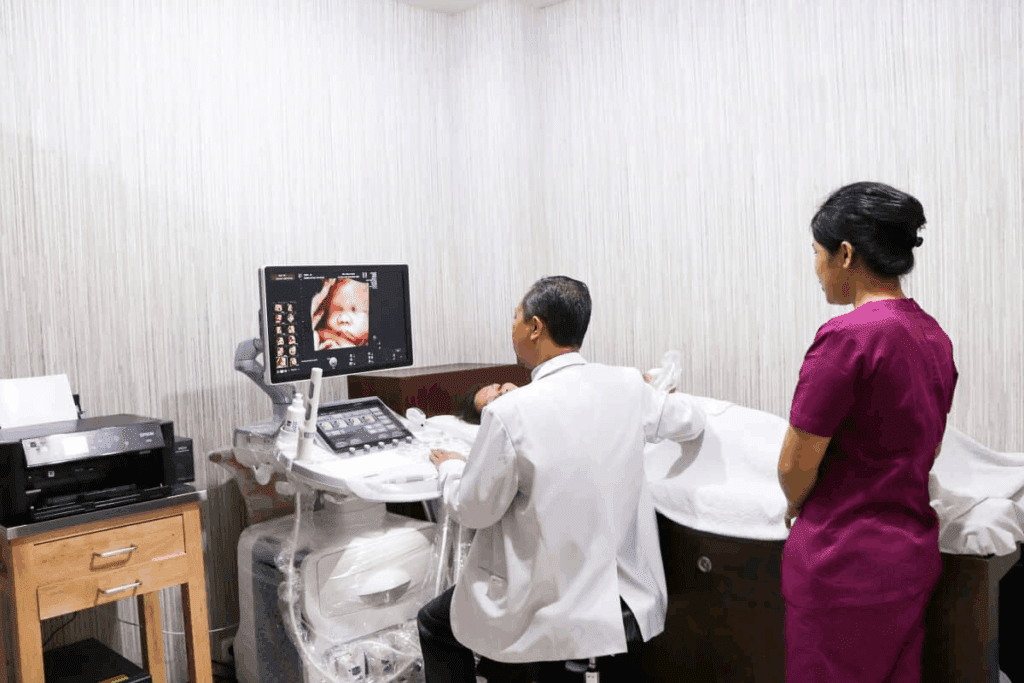
Ultrasound guidance in embryo transfer has changed fertility treatments a lot. It lets doctors see the uterus clearly. This helps them place the embryo just right, boosting the chances of it sticking.
Evolution of Embryo Transfer Techniques
Over time, embryo transfer methods have gotten better. At first, doctors did it without seeing, using body parts as guides. But now, with ultrasound, they can watch the whole process. Ultrasound-guided embryo transfer makes it safer and more accurate.
Now, embryo transfers are also easier on patients. They use soft tools and gentle methods. This makes the whole IVF process less scary and uncomfortable.
Statistical Advantages of Ultrasound Guidance
Many studies show ultrasound guidance helps a lot. It leads to more pregnancies and better implantation rates than old methods. This is because it avoids touching the uterus or cervix, which can cause problems.
Study | Ultrasound-Guided Transfers | Blind Transfers |
Pregnancy Rate (%) – Study A | 45% | 32% |
Implantation Rate (%) – Study B | 28% | 20% |
Using ultrasound for day 5 embryo transfers is even better. It uses embryos that are ready to implant naturally. This makes the whole process more precise and increases the chances of a successful pregnancy.
Thanks to ultrasound-guided embryo transfer, fertility clinics can help more people. It gives hope to those trying to start a family.
Medical Preparation Before Your Embryo Transfer
The journey to a successful embryo transfer starts with medical preparation. This includes important evaluations and hormonal protocols. We aim to make the uterine environment perfect for implantation.
“A well-prepared uterine lining is key for embryo implantation,” says experts. Our team ensures all steps are taken to prepare the uterus for the embryo.
Essential Pre-Transfer Evaluations
We do several evaluations before the transfer to check the patient’s health and uterine readiness. These include:
- Ultrasound exams to check the uterine cavity and spot any problems
- Blood tests to monitor hormone levels and health
- Reviewing the patient’s medical history for any transfer impact factors
These evaluations help find and fix any issues that could affect the transfer’s success. Early detection and treatment can greatly improve the outcome.
Hormonal Preparation Protocols
Hormonal preparation is vital for the transfer process. We use personalized hormonal protocols to prepare the uterine lining for implantation. This involves giving specific medications to control hormone levels and support embryo growth.
Our team watches the patient’s hormonal response closely. We adjust the treatment plan as needed. This tailored approach boosts the chances of successful implantation.
Endometrial Assessment
Assessing the endometrial lining is a key part of medical preparation. We check the lining’s thickness and quality to see if it’s ready for the embryo. This is usually done through ultrasound and sometimes more tests.
Fertility experts say, “The endometrial lining must be thick and quality enough to support implantation.” Our team uses this info to fine-tune the treatment plan for better results.
By combining detailed medical prep, advanced tech, and personalized care, we boost the chances of a successful transfer. Our aim is to create a supportive environment for patients on this important journey.
Physical Preparation for Successful Embryo Transfer Ultrasound
Getting your body ready is key for a successful embryo transfer. We’ll show you how to prepare your body for this important step in your IVF journey.
Dietary Guidelines and Hydration
Eating a balanced diet is essential. Drinking lots of water is also important. It helps keep your bladder full for the ultrasound.
Staying hydrated supports the embryo transfer and keeps you healthy. Try to cut down on caffeine and sugar to stay hydrated.
Bladder Filling Instructions
A full bladder is needed for the ultrasound. We tell our patients to drink water a few hours before. This helps ensure a clear view of the uterus.
Medication Management
Managing your medications is vital before the embryo transfer. We give clear instructions on what to take, how much, and when. This ensures you’re ready for the procedure.
Medication | Dosage | Timing |
Progesterone | As prescribed | Twice daily |
Estrogen | As prescribed | Once daily |
It’s important to follow these instructions closely. If you have any questions, don’t hesitate to reach out to your healthcare provider.
Understanding Day 5 Embryo Transfer Benefits
Day 5 embryo transfers are becoming more popular in IVF. This is because they offer several benefits. These transfers involve embryos that have grown into blastocysts. Blastocysts have a better chance of implanting than earlier-stage embryos.
Blastocyst Development Advantages
Blastocysts, or day 5 embryos, have many advantages. They have been in culture longer. This longer time helps pick the best embryos for transfer.
Key benefits of blastocyst development include:
- Improved implantation rates due to better synchronization with the uterine environment
- Enhanced viability as only the most robust embryos reach the blastocyst stage
- Reduced risk of multiple pregnancies when fewer, but more viable, embryos are transferred
Comparing Day 3 vs. Day 5 Transfers
Choosing between day 3 and day 5 transfers depends on several factors. These include embryo quality and patient-specific conditions. Here’s a comparison:
Characteristics | Day 3 Embryo Transfer | Day 5 Embryo Transfer |
Embryo Stage | Cleavage stage | Blastocyst stage |
Implantation Potentia | Lower | Higher |
Culture Duration | 3 days | 5 days |
Selection Criteria for Day 5 Transfers
Not all embryos are right for day 5 transfers. The selection criteria include:
- Embryo quality and developmental ability
- Patient age and ovarian reserve
- Previous IVF cycle results
By carefully choosing patients and embryos for day 5 transfers, we can increase the chances of successful implantation and pregnancy.
The Complete IVF Transfer Process Explained
Understanding the IVF transfer process is key. It involves many steps and requires precision. This is a critical part of fertility treatment.
Pre-Procedure Preparations
Before the IVF transfer, several steps are taken. These steps ensure the best conditions for the procedure. They include:
- Reviewing your medical history and any previous IVF attempts
- Conducting necessary hormonal assessments and adjustments
- Preparing the endometrium for implantation
- Discussing and finalizing the embryo transfer strategy
These preparations are vital for a receptive uterine environment.
Step-by-Step Transfer Timeline
The IVF transfer procedure is quick, lasting 15 to 30 minutes. Here’s what happens:
- Positioning on the procedure table, similar to a pap smear
- Insertion of a speculum to visualize the cervix
- Guiding the catheter through the cervical canal into the uterine cavity
- Depositing the embryo(s) in the optimal location within the uterus
- Confirming the placement using ultrasound guidance
This precise process aims to minimize discomfort and increase implantation chances.
Role of the Embryologist
The embryologist is key in the IVF transfer process. Their duties include:
- Preparing and loading the embryos into the catheter
- Ensuring the correct identification and handling of the embryos
- Collaborating with the fertility specialist during the transfer
- Providing real-time feedback on the embryo quality and viability
Their expertise is essential for the embryos’ care and the transfer’s success.
What Happens During the Embryo Transfer Ultrasound
During an embryo transfer ultrasound, it’s all about the right spot. This step is key in fertility treatments. The team uses ultrasound to place the embryo just right in the uterus.
Your doctor will put a speculum in your vagina. Then, they use ultrasound to make sure everything is in place. Studies show this method boosts pregnancy chances by a lot.
Positioning for Optimal Visualization
Getting the right position is key for the ultrasound. You’ll lie on a table, and the probe goes in your vagina. This lets the ultrasound beam line up with your uterus for a clear view.
Ultrasound Equipment and Settings
The ultrasound machine used is top-notch, with a vaginal probe. The settings are tweaked for the best image of your uterus and the catheter. They adjust frequency and gain to see everything clearly.
Real-Time Monitoring of Catheter Placement
Ultrasound lets the team watch the catheter move in real-time. This means they can adjust it to place the embryo perfectly. Watching it happen live cuts down on risks and boosts pregnancy chances.
With the right setup, equipment, and monitoring, the ultrasound is more precise. This makes fertility treatments more successful.
Technical Aspects of Successful Catheter Placement
Getting the catheter in the right spot is key to a good embryo transfer. We know how important the technical details are for success.
Navigating the Cervical Canal
Going through the cervical canal needs careful and precise steps. We use ultrasound to see the catheter as it moves. This makes sure it goes smoothly and doesn’t hurt the cervix or nearby tissues.
Key considerations for navigating the cervical canal include:
- Using ultrasound guidance for real-time visualization
- Gentle manipulation of the catheter to avoid causing unnecessary trauma
- Pre-procedure evaluation of the cervical anatomy to anticipate possible challenges
Optimal Fundal Positioning
Getting the catheter in the right spot in the uterus is very important. We aim to place it in the middle or upper part of the uterus. This helps the embryo implant better.
Positioning Technique | Advantages |
Ultrasound-guided placement | Real-time visualization, precise placement |
Tactile sensation-guided placement | Less reliance on technology, can be effective in experienced hands |
Atraumatic Techniques to Minimize Endometrial Damage
We use gentle methods to avoid hurting the uterus lining. This includes using soft catheters and not moving the catheter too much. It helps place the embryo accurately.
The embryos are passed through the tube and into the womb with great care. We make sure the transfer is as smooth and gentle as possible.
By focusing on these technical details, we can greatly improve embryo transfer success. Our goal is to provide the best care and precision in every procedure.
Frozen Embryo Transfer Considerations
Frozen embryo transfers have changed IVF, giving patients a top-notch treatment choice. As we keep improving reproductive tech, knowing about frozen embryo transfers is key.
Key Differences in Preparation
Frozen and fresh embryo transfers differ mainly in uterine prep. For frozen transfers, the uterus needs to be ready for the thawed embryo. This means a special hormonal plan to match the natural cycle, helping the embryo implant well.
Hormonal Preparation: Patients start with estrogen to grow the endometrium, then progesterone for implantation prep. The timing of these meds is very important and varies by patient.
The Thawing Process and Timing
Thawing frozen embryos is a precise, careful step. Embryologists work hard to thaw the embryos just right, usually a few hours before the transfer.
- They slowly warm the embryos to avoid damage.
- Timing is key to match the embryo’s stage with uterine prep.
- After thawing, they check the embryo’s health before transfer.
Success Rates with Ultrasound Guidance
Using ultrasound in frozen embryo transfers boosts success, more than without it. Ultrasound helps place the embryo exactly right, lowering risks.
Study | Success Rate with Ultrasound Guidance | Success Rate without Ultrasound Guidance |
Study A | 60% | 45% |
Study B | 65% | 50% |
Study C | 70% | 55% |
Frozen embryo transfers are the most common because they allow genetic testing before implantation. This leads to higher success rates and fewer genetic issues. Knowing about prep, thawing, and ultrasound success helps patients choose wisely.
Mental and Emotional Preparation Strategies
Getting ready mentally and emotionally for embryo transfer is key in the IVF journey. It’s a challenging time, both physically and emotionally. So, it’s important to find ways to handle stress and anxiety.
Managing Transfer Day Anxiety
Many people feel anxious on transfer day. To deal with this, try relaxation techniques like deep breathing, meditation, or yoga. These can calm your mind and lower stress.
Keeping a positive mindset helps too. Think about the good things about the treatment. Imagining a successful outcome can also reduce anxiety and boost your mood.
Effective Relaxation Techniques
There are many relaxation techniques that can help during embryo transfer. Progressive muscle relaxation is one, where you tense and relax muscles. Mindfulness meditation helps you stay in the moment, reducing worries about the future or past.
Acupuncture and massage therapy can also help. They can lower stress and improve well-being, which is good for IVF success.
Partner Support During Transfer
Having a partner or loved one’s support is very important. They can offer emotional comfort and help reduce stress and anxiety.
We suggest bringing your partner or a support person on transfer day. It adds comfort and reassurance during a stressful time.
By using these mental and emotional strategies, patients can handle the stresses of embryo transfer better. This can make the IVF experience more positive.
Post-Transfer Care and Monitoring
The time after an embryo transfer is very important. Following certain guidelines can greatly affect your IVF cycle’s success. It’s key to take good care and monitor closely to increase your chances of getting pregnant.
Immediate Post-Procedure Guidelines
Right after the embryo transfer, it’s important to follow certain steps. Some doctors say you should stay in bed for 24 hours. Others suggest doing gentle, low-impact movements to help blood flow to the uterus.
“The key to successful post-transfer care is balancing rest with gentle activity to support implantation without causing undue stress on the body.”
Always listen to your fertility specialist’s specific advice. They tailor it to your needs and medical history.
Activity Restrictions and Recommendations
There’s no single rule for what to do after an embryo transfer. But most agree on some basic guidelines. Low-impact activities like short walks are good for keeping blood flowing.
Activity Type | Recommended | Not Recommended |
Physical Activity | Gentle walking, light stretching | High-impact exercises, heavy lifting |
Daily Activities | Normal daily tasks with caution | Strenuous household chores, bending |
When to Contact Your Fertility Specialist
Knowing when to call your doctor after an embryo transfer is important. If you have severe pain, heavy bleeding, or a fever, contact them right away. Also, if you have any worries or questions about your care, don’t hesitate to call.
We suggest waiting two weeks before taking a pregnancy test after transfer. This wait helps get the most accurate results and manages your hopes.
Addressing Common Transfer Challenges
Improving IVF success rates is key. Fertility experts face many obstacles during embryo transfers. These challenges can affect how well the treatment works.
Difficult Cervical Entry Solutions
One big challenge is getting the embryo into the uterus. Experts use special tools and techniques to help. This includes a cervical dilator or a special catheter for tough cervical areas.
Cervical Preparation Techniques make the transfer easier. Hormones can soften the cervix. Ultrasound helps see the cervical canal for better placement.
Cervical Preparation Method | Benefits |
Hormonal Treatment | Softens the cervix, making it more receptive to catheter insertion |
Ultrasound Guidance | Provides real-time visualization of the cervical canal, aiding precise catheter placement |
Specialized Catheters | Designed for navigating complex cervical anatomy, reducing the risk of trauma |
Managing Uterine Contractions
Uterine contractions can also be a problem. To manage this, doctors use medicines and gentle techniques. This helps avoid hurting the uterus.
Relaxation Techniques help too. Patients might learn deep breathing or meditation. These can calm the uterus during the transfer.
Anatomical Variations and Adaptations
Every patient’s body is different. This can affect the embryo transfer. Doctors must adjust their methods for each patient.
Adaptation Strategies include using special tools or different techniques. For example, changing the patient’s position can help with a retroverted uterus.
By tackling these challenges, doctors can make IVF more effective. This leads to better results for patients.
Conclusion
A successful embryo transfer ultrasound is key to a healthy pregnancy through IVF. Understanding its importance can greatly improve your chances of success. This is why ultrasound guidance is so vital during the embryo transfer process.
The IVF transfer procedure requires careful preparation. This includes medical and physical checks, as well as emotional readiness. By following the guidelines we’ve shared, you can prepare well for this important step.
We offer top-notch healthcare and support for international patients at our institution. We believe everyone should have the chance to achieve their fertility goals. We’re here to help make that happen.
Our team combines expert ultrasound guidance with personalized care. This helps patients increase their chances of a healthy pregnancy. We wish you the best on your fertility journey and are here to support you every step of the way.
FAQ
What is the importance of ultrasound guidance during embryo transfer?
Ultrasound guidance is key during embryo transfer. It helps doctors place the embryo in the best spot in the uterus. This increases the chance of a successful implantation.
How do I prepare for a successful embryo transfer ultrasound?
To get ready for the ultrasound, follow a healthy diet and drink lots of water. Also, take your medication as told by your doctor. Make sure your bladder is full, as your doctor will instruct.
What are the benefits of Day 5 embryo transfer?
Day 5 embryo transfer is popular because it has better chances of success. It lets doctors pick the healthiest embryos and match them with the best time in the uterus.
What is the difference between fresh and frozen embryo transfer?
Frozen embryo transfer needs special preparation. The thawing and timing are key for success. Ultrasound helps improve these chances.
How can I manage anxiety on the day of the embryo transfer?
To handle transfer day anxiety, try relaxation techniques and get support from your partner. Understanding the IVF process can also help reduce stress.
What are the post-transfer care guidelines?
After the transfer, follow the immediate care instructions. Stick to the activity limits and know when to call your doctor for any issues.
What happens during the embryo transfer ultrasound?
During the ultrasound, the focus is on precise placement and clear views. Ultrasound tools are used to watch the catheter’s position in real-time.
How is catheter placement achieved during embryo transfer?
To place the catheter correctly, navigate through the cervix and aim for the top of the uterus. Use gentle methods to avoid harming the lining of the uterus.
What are the common challenges during embryo transfer, and how are they addressed?
Challenges include hard cervical entry and managing uterine contractions. Doctors use different methods and adapt to each situation to overcome these issues.
How long does the embryo transfer process take?
The process includes getting ready and the actual transfer. Knowing the steps and the role of the embryologist can ease your worries.
What is the role of the embryologist in IVF transfer?
The embryologist is vital in IVF. They handle the embryo and check its quality and readiness for transfer.
What is the significance of a full bladder during embryo transfer ultrasound?
A full bladder is key for a clear ultrasound view. It helps see the uterus lining better.
How is the embryo implanted in IVF?
In IVF, the embryo is placed in the uterus’s top part. Ultrasound guides the placement for the best chance of success.
What are the advantages of blastocyst development?
Blastocyst development has many benefits. It leads to better implantation and higher chances of success, making Day 5 transfers popular.
How do I know if the embryo transfer was successful?
Success is confirmed with a pregnancy test and ultrasound scan after a while. These tests show if the embryo has implanted well.
References
National Center for Biotechnology Information. Embryo Transfer Ultrasound Preparation: A Guide for IVF Patients. Retrieved from https://pubmed.ncbi.nlm.nih.gov/32106971/