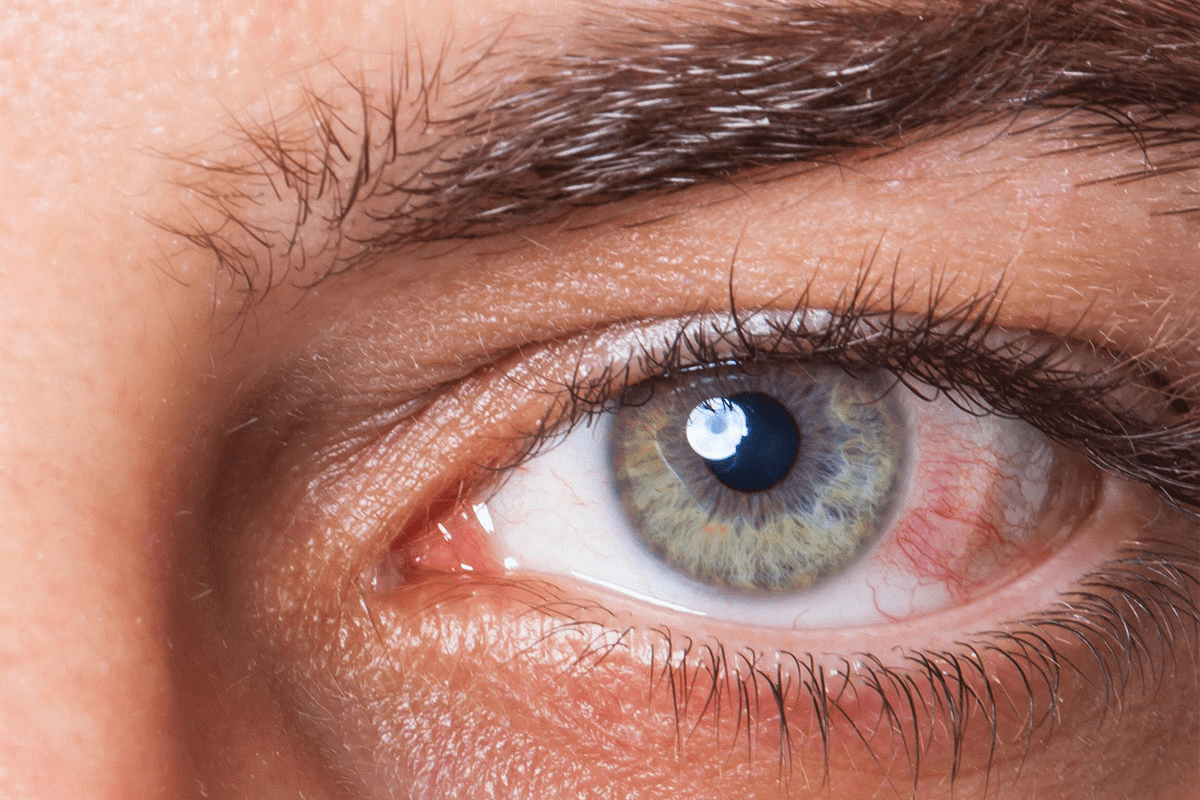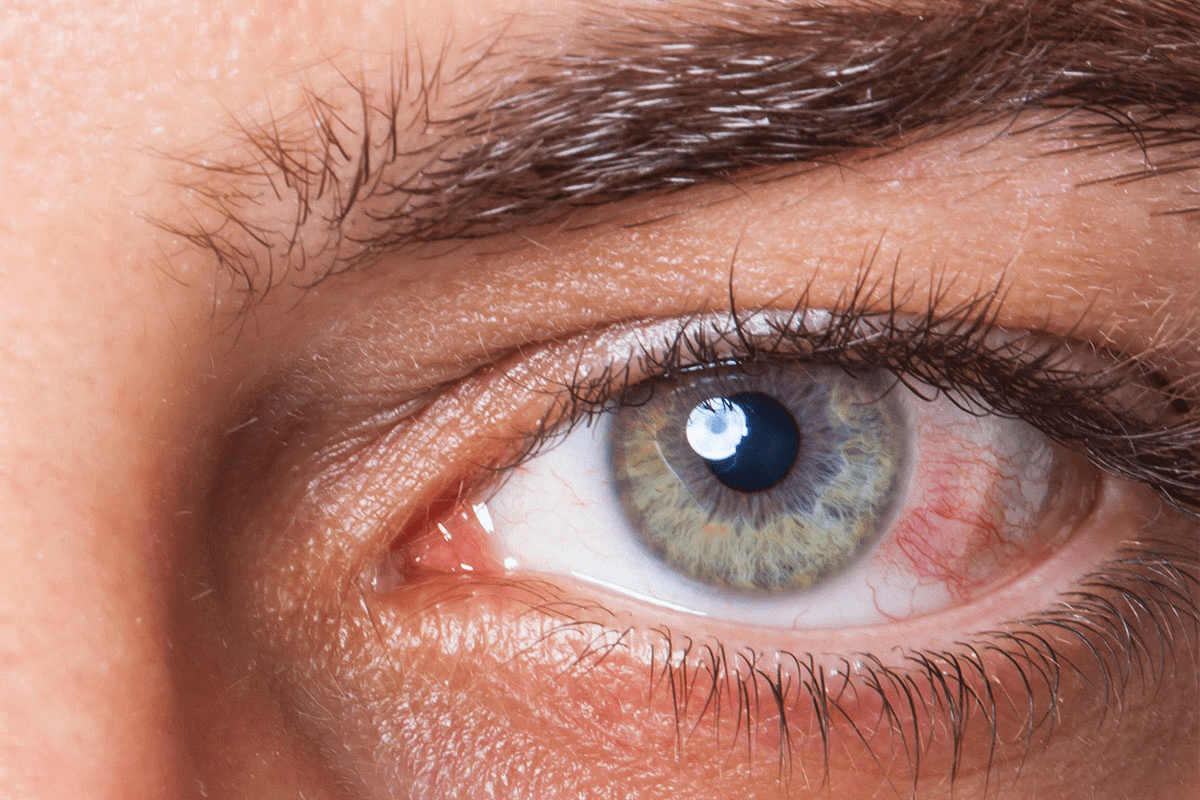

Have you ever felt sudden light sensitivity and blurred vision without warning? It’s important to know when these symptoms need urgent care. Understanding the difference between temporary issues and serious health problems is key to keeping your eyes healthy sudden light sensitivity and blurred vision.
Light sensitivity, or photophobia, means you can’t handle light well. It makes your eyes hurt or feel uncomfortable, even from everyday light. This can really mess up your day and life.
At Liv Hospital, we focus on you with our eye care. We use top standards and care to find and fix the problem with your symptoms.
Key Takeaways
- Light sensitivity and blurred vision can really affect your day.
- Photophobia is when light bothers your eyes, causing pain or discomfort.
- Knowing why these symptoms happen is important for your eye health.
- Liv Hospital offers eye care that puts you first, with detailed plans to help you.
- It’s vital to see a doctor if these symptoms don’t go away.
The Science Behind Eye Sensitivity and Vision Changes

Photophobia, or sensitivity to light, affects millions worldwide. It often comes with blurred vision. This can make daily life hard. We’ll look into why this happens and how it affects us.
Defining Photophobia and Vision Blurring
Photophobia makes light feel painful or overwhelming. Vision blurring means things don’t look clear. These symptoms can make it hard to do everyday things.
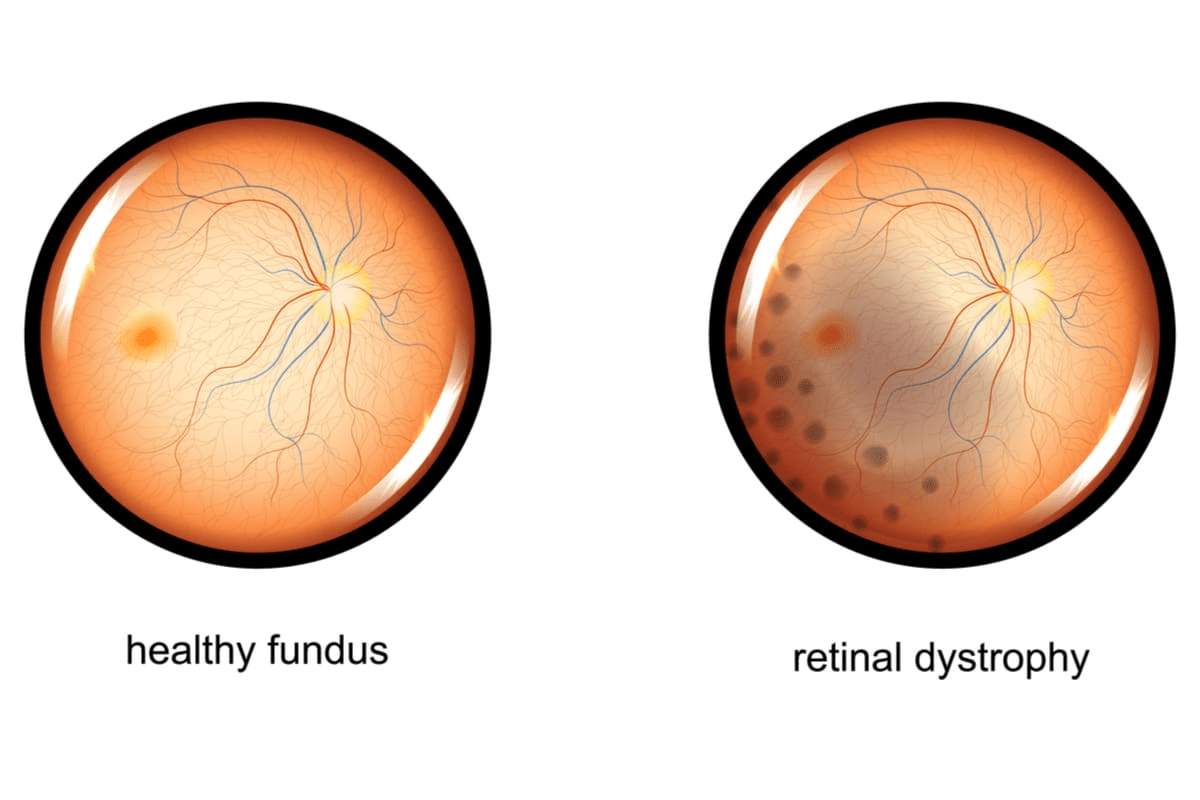
“The retina sends visual signals to the brain via the optic nerve. When you experience photophobia, your brain perceives light as painful or overwhelming,” explains the complex interaction between the eye and the brain. Research shows photophobia affects millions, with many possible causes.
How Light Processing Works in Healthy Eyes
In healthy eyes, light processing is complex. Light comes in through the cornea, is focused by the lens, and hits the retina. There, it’s turned into electrical signals sent to the brain. This lets us see and understand what we see.
For clear vision and comfort, the eye must work right. Any problem can cause sensitivity to light and blurred vision. Knowing how light is processed helps find causes and treatments.
Impact on Daily Functioning and Quality of Life
Photophobia and blurred vision can really affect daily life. Simple tasks like reading or driving can be hard. It can also limit social life and overall happiness.
People with these symptoms often say their quality of life drops. It’s key to tackle these issues to get back to normal. By understanding the science, we can manage and prevent these problems.
The Connection Between Light Sensitivity and Blurred Vision

Light sensitivity and blurred vision together can tell us a lot about our eyes. They show how different parts of our body work together. This is important for our eye health.
Physiological Interaction
Light sensitivity and blurred vision are connected in our eyes. Light goes through the cornea, is focused by the lens, and hits the retina. Any problem in this process can cause both symptoms.
Global Prevalence and Demographics
Many people around the world have light sensitivity and blurred vision. These problems are more common in some groups. For example, people with eye problems or those who use digital devices a lot.
Digital technology has made these issues more common in all ages.
Demographic | Prevalence of Light Sensitivity | Prevalence of Blurred Vision |
Children and Adolescents | 20% | 30% |
Adults (20-50 years) | 35% | 40% |
Older Adults (50+ years) | 45% | 50% |
Temporary vs. Persistent Symptoms
It’s important to know if these symptoms are short-term or long-lasting. Short-term symptoms might come from too much screen time. But long-term symptoms could mean a serious health issue.
Knowing how long symptoms last helps us figure out what to do next.
By looking at how light sensitivity and blurred vision work together, we can learn a lot. This knowledge helps us find ways to manage and prevent these problems in the future.
Causes of Sudden Light Sensitivity and Blurred Vision
Sudden light sensitivity and blurred vision can come from many sources. These include environmental factors and medical conditions.
Environmental Triggers
Things around us can affect our eyes. Changes in light, UV radiation, or specific lighting can make our eyes sensitive and blurry.
- Too much UV radiation can make our eyes uncomfortable and blur our vision.
- Fluorescent lights that flicker can also strain our eyes.
Recent Eye Procedures or Injuries
Eye surgeries or injuries can make our eyes sensitive to light and blurry. This can be temporary or last longer.
After surgeries like LASIK or cataract removal, our eyes might feel uncomfortable. This includes being more sensitive to light.
Medication Side Effects
Some medicines can make our eyes sensitive to light and blurry.
- Antihistamines and some antidepressants can affect our eyes.
- Talking to a doctor about these side effects is important.
Allergic Reactions
Allergies, like those in our eyes, can make our eyes sensitive and blurry.
Seasonal allergies or reactions to eye products can cause eye discomfort and blurry vision.
Medical Conditions Associated with Eye Sensitivity and Blurriness
Many medical conditions can cause eye sensitivity and blurred vision. These include inflammatory eye diseases and neurological disorders. Knowing about these conditions helps in getting the right treatment.
Inflammatory Eye Conditions
Uveitis and keratitis are examples of inflammatory eye conditions. They can make your eyes hurt and blurry. Uveitis affects the middle layer of the eye, causing inflammation and pain. Keratitis is inflammation of the cornea, often due to infection or injury.
Symptoms include redness, pain, and light sensitivity. If not treated, these conditions can cause permanent vision loss.
Structural Eye Problems
Eye structure problems can also lead to sensitivity and blurred vision. Cataracts make the lens cloudy, while glaucoma damages the optic nerve. Regular eye exams help catch these issues early.
Neurological Causes
Neurological conditions can also affect your eyes. Multiple sclerosis can cause optic neuritis, leading to pain and vision problems. Other conditions may also cause similar symptoms.
If you have ongoing eye sensitivity and blurred vision, see a doctor. They can find the cause and suggest the right treatment.
Digital Device Usage and Computer Vision Syndrome
Digital devices are a big part of our lives, but they can harm our eyes. Eye strain and vision problems are common. This is because we spend a lot of time on screens for work, fun, and talking to others.
How Screen Time Affects Light Sensitivity
Long hours on screens can make our eyes more sensitive to light. This is a sign of computer vision syndrome (CVS). Our eyes get tired and uncomfortable when we stare at screens for too long.
Symptoms of CVS include:
- Blurred vision
- Dry eyes
- Headaches
- Neck and shoulder pain
- Increased sensitivity to light
Blue Light Exposure and Vision Changes
Blue light from digital devices is a big problem. It can cause eye strain and might lead to vision issues. This is because blue light is not natural to our eyes.
Device | Blue Light Emission | Potential Impact |
Smartphones | High | Eye strain, disrupted sleep |
Computers | Moderate to High | Eye strain, headaches |
Tablets | Moderate | Eye strain, dry eyes |
Eye Fatigue from Prolonged Digital Use
Many people get tired eyes from using digital devices a lot. This can cause dry eyes, blurry vision, and light sensitivity.
To avoid tired eyes, try the 20-20-20 rule. Look away from your screen every 20 minutes. Look at something 20 feet away for 20 seconds.
Work-Related Eye Strain
Jobs that involve a lot of screen time can strain our eyes. This can get worse if the lighting is bad, we don’t take breaks, or our workspace is not set up right.
Knowing why CVS happens and taking steps to prevent it can help keep our eyes healthy in today’s digital world.
Environmental Factors Affecting Eye Comfort
Our surroundings can greatly impact our eye health. Various environmental factors can cause discomfort and sensitivity to light. It’s important to know how different factors affect our eyes.
Impact of Different Light Sources
Different light sources can affect eye comfort. For example, fluorescent lighting can cause eye strain in some people because of its flicker rate. On the other hand, LED lights are often considered better for the eyes, but their high blue light emission is a concern.
- Natural Light: While beneficial, too much natural light, like during peak sun hours, can cause discomfort.
- Artificial Lighting: The type and quality of artificial lighting in our homes and workplaces can either help or worsen eye strain.
Seasonal and Weather-Related Factors
Seasonal changes and weather conditions also impact eye comfort. For example, dry air during winter months can make eyes dry and irritated. Also, increased pollen counts in spring can make allergy-related eye discomfort worse.
- Using humidifiers during dry seasons can help keep eyes moist.
- Protective eyewear can shield eyes from harsh winds and debris.
Indoor Environmental Considerations
Indoor environmental conditions, like air quality and temperature, can affect eye comfort. Poor air quality can irritate the eyes, and extreme temperatures can cause discomfort.
- Maintaining a comfortable indoor temperature can help reduce eye strain.
- Using air purifiers can improve indoor air quality, benefiting overall eye health.
By understanding and mitigating these environmental factors, we can improve our eye comfort. This can help reduce the risk of sudden sensitivity to light and blurred vision.
Diagnosing the Cause of Your Symptoms
To fix your light sensitivity and blurry vision, you need to find out why it’s happening. Start by understanding your symptoms well and getting a full eye check-up.
What to Track Before Seeing a Doctor
Keep a symptom journal before you see the eye doctor. Write down when your symptoms happen, how long they last, and what might make them better or worse. Also, note any changes in your surroundings, like lighting or what you’re doing. As “The more information your doctor has, the more accurately they can diagnose the cause of your symptoms.”
- Record the time of day your symptoms occur
- Note any activities or environmental factors that coincide with your symptoms
- Track any changes in your symptoms over time
Tests Your Eye Doctor May Perform
Your eye doctor will do several tests to find out why you’re feeling light-sensitive and blurry. They might check how clear your vision is with a visual acuity test. They’ll also use a slit-lamp examination to look at the front of your eye. And, they’ll do a dilated eye exam to see the back of your eye.
They might also test how sensitive you are to light with a photostress test. This detailed check helps figure out what’s causing your symptoms.
Questions to Expect During Examination
Get ready to answer lots of questions about your symptoms, health history, and daily life. Your doctor will want to know about your family medical history, any medications you’re currently taking, and how much time you spend on digital devices. As
“A thorough medical history is key to figuring out why you’re feeling light-sensitive and blurry.”
By being ready and sharing all the details, you help your doctor find the right diagnosis and treatment plan.
Treatment Options for Light Sensitivity and Blurred Vision
Fixing light sensitivity and blurred vision starts with finding the cause. Once we know what’s causing it, we can choose the right treatment. This helps ease discomfort and makes vision clearer.
Addressing Underlying Medical Conditions
First, we treat the underlying medical issue. For example, inflammatory eye diseases or structural eye problems need specific treatments.
We team up with doctors to find and manage these issues. Sometimes, medication or surgical procedures are needed to fix the problem.
Prescription Medications and Treatments
For some issues, doctors prescribe medicines. Anti-inflammatory drugs help with eye inflammation. Lubricating eye drops also help with dry eyes, which can cause light sensitivity and blurry vision.
Condition | Medication/Treatment | Benefit |
Inflammatory Eye Disease | Anti-inflammatory Medication | Reduces inflammation |
Dry Eyes | Lubricating Eye Drops | Moisturizes the eyes |
Specialized Eyewear Solutions
Special glasses are key for managing light sensitivity. Prescription sunglasses with special tints cut down glare. Blue light filtering glasses also reduce eye strain from screens.
Lifestyle Modifications
Changing your lifestyle can also help. Adjusting the lighting around you and taking breaks from screens are good. Eating a balanced diet full of eye-friendly nutrients is also important.
By using these methods together, we can manage light sensitivity and blurry vision. This improves eye comfort and quality of life.
When to Seek Immediate Medical Attention
Knowing when to get help for eye sensitivity and blurred vision is key. Quick action can prevent serious problems. It helps find the cause and avoid long-term damage.
Warning Signs That Require Emergency Care
Certain symptoms mean you need to see a doctor fast. These include:
- Severe eye pain that doesn’t go away
- Sudden vision changes, like blurred or double vision
- Redness and swelling around the eyes
- Sensitivity to light with headaches or nausea
- Discharge or infection signs around the eyes
Symptoms That Shouldn’t Be Ignored
There are other signs that shouldn’t be ignored. These include:
- Persistent blurred vision
- Frequent headaches from eye strain
- Difficulty seeing at night or with light changes
- Eye fatigue or discomfort that doesn’t get better with rest
These signs might mean you need to see an eye care specialist.
Finding the Right Eye Care Specialist
If you’re dealing with these symptoms, finding the right doctor is important. Look for:
- Optometrists or ophthalmologists with experience in similar cases
- Doctors who use the latest treatments and technology
- Clinics with good reviews and full care services
Don’t be shy to ask about their experience and how they’ll treat your condition.
What to Expect During an Emergency Eye Exam
At an emergency eye exam, you’ll get a detailed check-up. This might include:
Test | Description |
Visual Acuity Test | Checks how sharp your vision is |
Slit-Lamp Examination | Looks at the front of your eye for problems |
Dilated Eye Exam | Allows a close look at the retina and inside structures |
This detailed check helps find what’s wrong and how to fix it.
Conclusion: Managing and Preventing Future Episodes
It’s key to manage and prevent light sensitivity and blurred vision for good eye health. We’ve talked about different causes, like environmental factors and medical issues. Getting professional help is also vital.
To tackle these issues, making lifestyle changes is a good start. Wear protective eyewear and limit screen time. Regular eye exams with an eye doctor can catch problems early.
If you have sensitive to light headaches, knowing the cause is important. Taking steps to prevent it can help. Taking care of your eyes can reduce these symptoms and keep your vision clear.
By following these tips and staying informed, we can all help prevent these issues. This way, we can keep our eyes healthy for the future.
FAQ
What causes sudden light sensitivity and blurred vision?
Many things can cause sudden light sensitivity and blurred vision. This includes environmental factors, eye injuries or procedures, and medication side effects. Allergic reactions and certain medical conditions can also play a role.
How do digital devices contribute to light sensitivity and blurred vision?
Using digital devices for a long time can strain your eyes. This can lead to light sensitivity and blurred vision. Blue light from screens can also cause discomfort and vision changes.
What are the warning signs that require emergency care for light sensitivity and blurred vision?
If you have severe eye pain, sudden vision loss, or extreme light sensitivity, seek help right away. Also, if you have a headache or nausea, it’s a sign to get emergency care.
How can I diagnose the cause of my light sensitivity and blurred vision?
Start by tracking your symptoms. Note when they happen and what might trigger or stop them. Your eye doctor will do tests like visual acuity assessments to find the cause.
What treatment options are available for light sensitivity and blurred vision?
Treatment varies based on the cause. It might include medication, special eyewear, or changing your lifestyle. This could mean adjusting your screen time or using protective eyewear.
Can eye sensitivity and blurred vision be prevented?
While some cases can’t be prevented, making healthy choices can help. Wear protective eyewear, take breaks from screens, and get regular eye exams to reduce risk.
How do environmental factors affect eye comfort?
Light sources, seasons, and indoor conditions can affect your eyes. Adjusting your environment, like using the right lighting or sunglasses, can help.
What questions should I expect during an eye examination for light sensitivity and blurred vision?
Your eye doctor will ask about your symptoms, medical history, and lifestyle. Be ready to talk about your screen time, medications, and any recent eye issues.
Are there any specific eyewear solutions that can help with light sensitivity?
Yes, there are special eyewear options like tinted sunglasses or lenses with anti-reflective coatings. Your eye doctor can suggest the best ones for you.
Can medication side effects cause light sensitivity and blurred vision?
Yes, some medications can cause these symptoms as side effects. If you’re taking medication and notice these symptoms, talk to your doctor or eye specialist.
References
National Center for Biotechnology Information. Evidence-Based Medical Guidance. Retrieved from https://pubmed.ncbi.nlm.nih.gov/26975148/)