

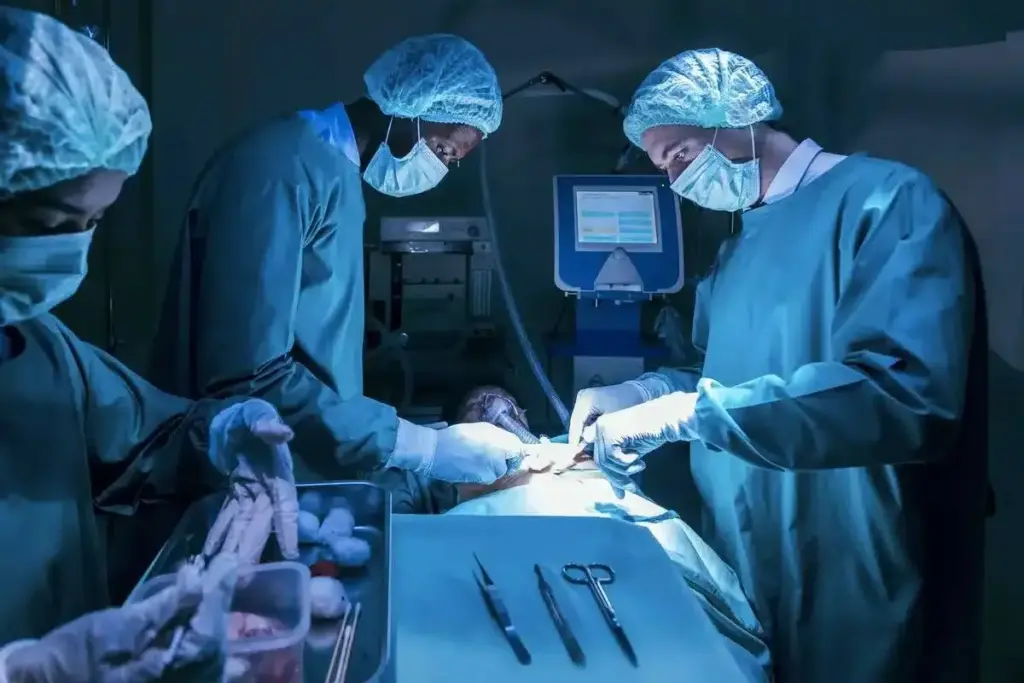
Heart transplants are a lifesaving option for those with severe heart failure. They are for patients who haven’t gotten better with other treatments.
The International Society for Heart and Lung Transplantation says about 3,500 heart transplants happen worldwide each year. This shows how important places like Liv Hospital are. They follow the latest medical guidelines.
It’s key to know when a heart transplant is needed. Doctors look at how bad the heart failure is and if other treatments can help.
Key Takeaways
- Heart transplants are for severe, end-stage heart failure patients.
- Liv Hospital follows current academic protocols for heart transplant care.
- Around 3,500 heart transplants are performed globally each year.
- The severity of heart failure determines eligibility for a heart transplant.
- Liv Hospital is a significant center for advanced heart failure care.
Understanding Heart Transplantation
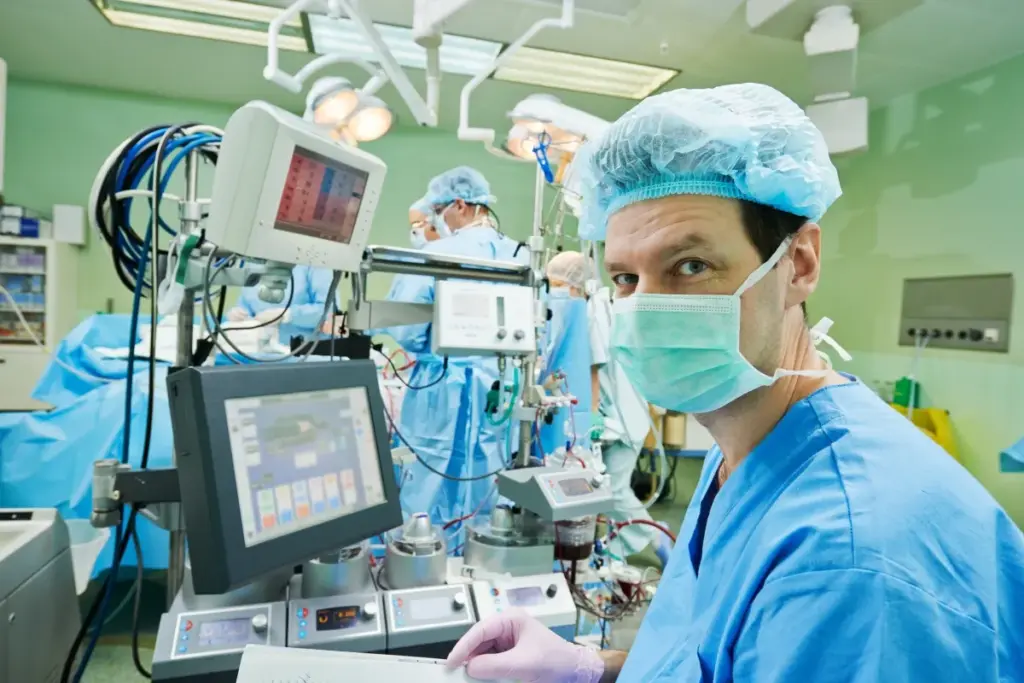
Heart transplantation is a life-saving surgery for those with severe heart failure. It replaces a sick heart with a healthy one from a donor.
What is a heart transplant?
A heart transplant is when a patient’s heart is swapped with a donor’s. It’s for those with severe heart failure who haven’t gotten better with other treatments. The surgery is complex and checks if the donor and recipient are a good match.
Current state of heart transplantation globally
Today, heart transplants are a common treatment for severe heart failure worldwide. The International Society for Heart and Lung Transplantation says thousands are done every year. Thanks to better techniques, more people are living longer and better after a transplant.
Year | Number of Heart Transplants | Survival Rate (1-year) |
|---|---|---|
2010 | 3,685 | 85% |
2015 | 4,026 | 87% |
2020 | 4,374 | 90% |
The Global Landscape of Heart Transplants

The world of heart transplants is complex and always changing. It has grown a lot over time. Today, heart transplants are a key treatment for those with severe heart failure. Every year, thousands of these surgeries are done all over the world.
Annual Statistics and Prevalence
About 3,500 heart transplants happen globally each year. This shows the big effort doctors and hospitals make to help heart failure patients. The numbers tell us how common heart failure is and how well healthcare systems can handle these surgeries.
Geographic Distribution of Heart Transplant Centers
Heart transplant centers are more common in rich countries. These places have the latest technology and skilled teams. They make sure patients get the best care possible.
Survival Rates and Outcomes
More people are living longer after a heart transplant. Today, over 85% of patients survive their first year after the transplant. Doctors keep working to make survival even better over time.
Year Post-Transplant | Survival Rate (%) |
|---|---|
1 Year | 85% |
5 Years | 75% |
10 Years | 60% |
The world of heart transplants is complex and always getting better. As technology and medical knowledge grow, so will the number of transplants and survival rates.
End-Stage Heart Failure: The Primary Indicator
When the heart can’t meet the body’s needs, even with the best medicine, it’s time to think about a heart transplant. This is the point where heart failure has reached its worst stage.
Defining End-Stage Heart Failure
End-stage heart failure means the heart is very weak. It can’t pump blood well, leading to serious health problems and even death. A key sign is when the heart’s pumping ability drops below 20%.
People with this condition have severe symptoms. They might have trouble breathing, feel very tired, and have swelling. These symptoms make everyday life very hard.
Progressive Nature of Heart Failure
Heart failure gets worse over time if not treated properly. It causes the heart to change shape and the body to release stress hormones. These changes make the heart even weaker.
When Conventional Treatments Fail
Doctors use many ways to treat heart failure, like medicines and devices. But if these don’t work, a heart transplant might be needed.
Indicator | Description | Implication |
|---|---|---|
LVEF under 20% | Severe reduction in heart’s pumping efficiency | High risk of mortality without transplant |
Severe symptoms | Significant impact on quality of life | Need for advanced therapies like transplant |
Failure of conventional treatments | Inability to manage symptoms or improve heart function | Consideration for heart transplantation |
In conclusion, end-stage heart failure is a serious condition that might need a heart transplant. It’s important to know when to consider this option. This helps save lives.
Clinical Measurements That Determine Eligibility
Clinical measurements are key in deciding if a patient can get a heart transplant. They show how bad a patient’s heart failure is and their overall health.
Left Ventricular Ejection Fraction (LVEF)
The left ventricular ejection fraction (LVEF) shows how well the heart works. It’s the percentage of blood the left ventricle pumps out with each beat. If it’s under 20%, it means the heart isn’t pumping well.
Functional Capacity Assessments
These tests check how well a patient can do daily tasks and exercise. For example, the 6-minute walk test shows how much a patient can do physically. If a patient can’t do much, they might need a heart transplant.
Hemodynamic Parameters
Hemodynamic parameters like cardiac output and pulmonary pressures are important. They show how well the heart meets the body’s needs. High pulmonary pressures can make a transplant harder.
Healthcare providers use these measurements to decide if a patient can get a heart transplant. They focus on those who need it most.
Symptoms That Signal the Need for Transplantation
It’s important to know when a heart transplant is needed. Heart failure gets worse over time. This leads to symptoms that show it’s time for a transplant.
Severe Shortness of Breath (Dyspnea)
Severe shortness of breath, or dyspnea, is a key sign. It happens when the heart can’t pump enough blood. This makes it hard to breathe, even when you’re not doing much.
A leading cardiologist says, “Dyspnea shows how serious heart failure is. If you’re short of breath at rest or with little effort, get help right away.”
Persistent Fluid Retention (Edema)
Persistent fluid retention, or edema, is another sign. It causes swelling in your legs, ankles, and feet. This swelling means your heart can’t pump well.
“Fluid retention is a hallmark of advanced heart failure. When diuretics and other treatments fail to manage edema, it may be a sign that a heart transplant is necessary.”
Inability to Perform Daily Activities
Being unable to do daily tasks without getting tired or short of breath is a big sign. Simple tasks becoming hard means your heart might need a transplant.
Recurrent Hospitalizations
Recurrent hospitalizations for heart failure mean it’s getting worse. Going to the hospital often for heart failure shows your heart isn’t responding to treatments. This makes a transplant a good option.
In short, symptoms like severe dyspnea, edema, trouble with daily tasks, and frequent hospital visits mean you might need a heart transplant. If you’re experiencing these, talk to your doctor about what to do next.
The New York Heart Association (NYHA) Classification
The NYHA Classification system is key for checking how well patients with heart failure can function. It helps doctors see how bad heart failure is. This guides treatment choices and who can get heart transplants.
Class I through IV Heart Failure
The NYHA Classification puts heart failure into four groups. Class I means patients can do anything without feeling bad. Class II shows patients can do most things but feel a bit limited. Class III means patients can barely do anything without feeling very bad. Class IV is the worst, where patients feel bad even when they’re not doing anything.
Qualifying NYHA Classes for Transplant Consideration
People in NYHA Class III or NYHA Class IV might get a heart transplant. They have very bad symptoms and can’t do much. Their heart failure is too severe for usual treatments.
Limitations of the Classification System
The NYHA Classification is helpful but has its downsides. It can change based on who is doing the assessment. It also doesn’t look at other important things like how well the heart is working or other health issues. So, doctors use it with other tools to decide if someone needs a heart transplant.
In short, the NYHA Classification is a key tool for figuring out how bad heart failure is. It helps doctors decide if someone needs a heart transplant. Knowing its strengths and weaknesses is important for making good decisions in healthcare.
Medical Therapies Attempted Before Transplantation
Medical treatments are key in managing heart failure before a transplant. They help ease symptoms, boost heart function, and improve life quality.
Pharmacological Interventions
Medicines are a mainstay in heart failure treatment. ACE inhibitors, beta-blockers, and diuretics are used to ease heart work and fluid buildup. The American Heart Association says these treatments can greatly improve survival and reduce illness in heart failure patients.
“The use of evidence-based pharmacological therapies has revolutionized the treatment of heart failure, improving quality of life and survival rates.”
Device Therapies
Device therapies, like pacemakers and VADs, help the heart in advanced failure. Pacemakers regulate rhythm, and VADs help pump blood better.
“Device therapies are a vital part of heart failure care. They offer extra support and better chances for patients.”
Surgical Alternatives
Surgical options might be considered before a transplant. These include CABG or heart valve repair. The choice depends on heart failure’s cause and the patient’s health.
A cardiologist and cardiothoracic surgeon must evaluate the patient. The Heart Failure Society of America stresses the importance of a team approach. This ensures patients get the best care.
Age and Other Demographic Considerations
When it comes to heart transplants, age is a big factor. It’s not just about needing a new heart. Many things are considered before a transplant is done.
Age Limitations and Exceptions
Most people getting heart transplants are under 70. But, age isn’t the only thing that matters. It’s about how healthy you are, not just how old.
Older people might get a transplant if they’re really healthy. Doctors check if they can handle the surgery and the medicine they’ll need after.
Impact of Comorbidities
Having other health problems can affect getting a heart transplant. Things like diabetes or lung disease can make things harder.
Doctors look at all health issues to decide if a transplant is right. They think about the good and bad of the transplant for each person.
Special Considerations for Pediatric Patients
Heart transplants in kids are different. Their hearts are growing, and their immune systems are strong. Finding a heart that fits is key, along with thinking about their growth.
A team of doctors, including those who specialize in kids, make this decision. Kids need ongoing care to make sure their new heart works well.
The Complete Evaluation Process
To get a heart transplant, patients must go through a detailed check-up. This check-up looks at many parts of their health. It’s key to see if they’re right for the transplant.
Cardiac Assessment
The heart check is very important. It looks at the heart’s shape and how it works. Echocardiography checks the heart valves and function. Cardiac catheterization looks at the heart’s arteries.
Pulmonary Function Testing
This test checks how well the lungs work. It uses spirometry and lung volume measurements. These tests see if the lungs can handle a new heart.
Renal and Hepatic Evaluation
This part checks the kidneys and liver. Blood tests look at how well these organs work. Imaging studies check their shape and size.
Psychosocial Assessment
This part looks at the patient’s mental health and support. It checks if they can follow medical advice. It’s important for their mental readiness for the transplant.
Evaluation Component | Purpose | Common Tests/Assessments |
|---|---|---|
Cardiac Assessment | Evaluate heart structure and function | Echocardiography, Cardiac Catheterization |
Pulmonary Function Testing | Assess lung function and respiratory health | Spirometry, Lung Volume Measurements |
Renal and Hepatic Evaluation | Assess kidney and liver function | Blood Tests, Imaging Studies |
Psychosocial Assessment | Evaluate mental health and social support | Psychological Interviews, Questionnaires |
The heart transplant evaluation is a team effort. It checks the heart, lungs, kidneys, liver, and mental health. This way, doctors can pick the best candidates for a transplant.
Contraindications That May Disqualify Candidates
Contraindications are key in deciding if a patient can get a heart transplant. Doctors check many factors to see if a transplant is right. This includes looking at things that might make a transplant too risky.
Absolute Contraindications
Absolute contraindications mean a transplant is not safe or won’t work. New rules stress the need to spot these issues early.
- Active cancer: People with cancer are usually not considered for a transplant. This is because the transplant drugs could make the cancer worse.
- Severe irreversible renal or hepatic dysfunction: Big problems with other organs can stop a transplant.
- Untreatable infection: An infection that can’t be cured is a big no-no. The transplant drugs could make it worse.
Relative Contraindications
Relative contraindications are not deal-breakers but can make things tricky. These need careful thought and planning.
Condition | Description | Impact on Transplant Eligibility |
|---|---|---|
Diabetes with end-organ damage | Diabetes that has harmed other organs a lot. | Can be considered, depending on the damage. |
Severe obesity | Being very overweight increases surgery risks. | Usually needs weight loss first. |
Psychosocial factors | Issues like substance abuse or not following treatment. | Needs a deep look and might need fixing before transplant. |
Evolving Perspectives on Eligibility Criteria
Rules for who can get a heart transplant are changing. This is because of new tech and research. Studies show we need to update these rules.
Some places are rethinking old rules because of new research. This includes looking at patients who were once not considered.
As things change, transplant teams must keep up. This ensures patients get the best care possible.
The Suitable Candidate Profile
Finding the right person for a heart transplant is a detailed process. It looks at medical health, mental stability, and if they can follow treatment after the transplant. This thorough check makes sure the person really needs a transplant and can handle the care needed after.
Medical Suitability Factors
To see if someone is a good fit for a heart transplant, doctors check a few important things. These include how bad their heart failure is, if they have other serious health issues, and if they can live well after the transplant. Key medical criteria include:
- Advanced heart failure with significant symptoms despite optimal medical therapy
- Low left ventricular ejection fraction (LVEF)
- Functional capacity limitations as measured by tests like the 6-minute walk test
- Absence of significant other organ dysfunction that could contraindicate transplant
Psychosocial Stability Requirements
Being mentally and socially stable is key for a transplant to work well. Doctors look at the person’s mental health, their support system, and if they follow their treatment. Psychosocial evaluation considers:
- History of psychiatric illness or substance abuse
- Availability of a strong support system
- Cognitive function and ability to understand and comply with post-transplant care
Compliance with Medical Regimens
Being able to follow treatment is very important for a transplant to succeed. Candidates need to show they can stick to their medication and care plans. Indicators of compliance include:
- History of adherence to prescribed medications and treatment plans
- Understanding of the importance of post-transplant care and follow-up
- Ability to make lifestyle changes as recommended by healthcare providers
By looking at these factors, doctors can find the best candidates for a heart transplant. This helps ensure the best results for these patients.
The Waiting List Process and Prioritization
Donor hearts are given out carefully, balancing urgency with other important factors. This ensures the most urgent patients get a transplant. The system aims to use donor hearts wisely, focusing on those who need them most.
How the Organ Allocation System Works
A national network manages the heart transplant allocation system. It matches donor hearts with recipients. Factors like medical urgency, waiting time, and location are considered.
“The allocation system is designed to ensure that donor hearts are distributed fairly and efficiently,” says the Organ Procurement and Transplantation Network (OPTN). The primary goal is to save as many lives as possible by matching donor hearts with the most suitable recipients.
Status Categories and Urgency Levels
Patients are grouped by their medical urgency. This is based on their clinical status and heart failure severity. The most urgent patients are given priority.
- Status 1A: Patients in the most critical need, often needing mechanical support or high-dose inotropes.
- Status 1B: Patients needing mechanical support or inotropes but less critical than Status 1A.
- Status 2: Patients who are stable but need a transplant.
Geographic Considerations in Allocation
Geographic location is key in heart allocation. The distance between donor and transplant center is important. Reducing ischemic time is vital for the heart’s survival.
The system uses a concentric circle approach. Hearts are first offered to local candidates, then to wider areas. This reduces ischemic time and prioritizes urgent cases.
“The allocation of donor hearts is a complex process that requires balancing medical urgency with the practical considerations of organ availability and ischemic time.”
In conclusion, the heart transplant waiting list is a complex system. It prioritizes patients based on urgency, waiting time, and location. Understanding this process helps patients and families on their transplant journey.
Bridge to Transplant Options
For patients waiting for a heart transplant, there are several bridge options. These help keep them healthy until a donor heart is found. They are key to keeping patients stable during the wait.
Ventricular Assist Devices (VADs)
Ventricular assist devices (VADs) are mechanical pumps that help the heart pump blood. They are used as a bridge to transplant. This allows patients to survive until a donor heart is available.
Types of VADs:
- Left ventricular assist devices (LVADs)
- Right ventricular assist devices (RVADs)
- Biventricular assist devices (BiVADs)
Extracorporeal Membrane Oxygenation (ECMO)
Extracorporeal membrane oxygenation (ECMO) is a life-support therapy. It takes over the heart and lungs’ function temporarily. ECMO is used in critical situations where patients need immediate support.
ECMO Configurations:
Configuration | Description |
|---|---|
Veno-Arterial (VA) ECMO | Supports both cardiac and respiratory functions |
Veno-Venous (VV) ECMO | Primarily supports respiratory function |
Medical Management During Waiting Periods
Effective medical management is vital for patients waiting for a heart transplant. This includes adjusting medications, watching for complications, and supporting nutrition and mental health.
Key aspects of medical management:
- Optimizing heart failure medications
- Monitoring for signs of deterioration
- Providing nutritional counseling
- Addressing psychological needs
Post-Transplant Survival and Quality of Life
Survival and quality of life are big concerns for heart transplant patients. Knowing the stats and what affects them helps patients and doctors a lot.
Short-term Survival Statistics
Recent data shows heart transplant survival rates are good. Over 85% of patients live at least a year after the transplant. This shows how far medical tech and care have come.
Long-term Outcomes
Long-term survival is also key. Many patients live active lives for 10, 20, or more years after surgery. This is thanks to good care and management.
Factors Affecting Post-Transplant Success
Several things can affect how well a transplant works. These include the patient’s health before the transplant, sticking to medication, and any other health issues. Knowing these helps improve care after the transplant.
Factor | Description | Impact on Success |
|---|---|---|
Recipient’s Overall Health | Pre-transplant health status | Significant impact on short and long-term survival |
Adherence to Medication | Compliance with immunosuppressive drugs | Critical for preventing rejection |
Comorbid Conditions | Presence of other health issues | Can complicate post-transplant recovery and management |
Looking at these factors and stats helps doctors support heart transplant patients better. This way, they can improve patients’ lives and outcomes.
Conclusion: The Future of Heart Transplantation
Medical technology and research are getting better, making heart transplantation’s future look bright. New discoveries in heart transplant research will likely make this treatment even more effective. This could lead to better outcomes for patients.
There are many exciting changes happening in heart transplant care. New surgical methods and better post-transplant care are on the horizon. These improvements could make heart transplants more successful and enhance the lives of those who receive them.
New technologies like artificial hearts and ventricular assist devices are also on the rise. These innovations could offer hope to those waiting for a transplant or who can’t get one. They might provide new ways to help patients with heart problems.
It’s vital to keep supporting research and development in heart transplantation. This way, we can make sure heart transplants stay a reliable and effective treatment for heart failure. By investing in this field, we can help more people live longer, healthier lives.
FAQ
How much does a heart transplant cost?
The cost of a heart transplant varies a lot. It depends on where you are, your insurance, and the hospital. On average, it can cost between $1 million and over $2 million. This includes the surgery, hospital stay, and care after.
What are the reasons why you shouldn’t be an organ donor?
Some people don’t want to be organ donors for personal or religious reasons. Medical issues that could harm the recipient are also a no. Others might worry about the donation process or its effect on their health.
Can you survive without a heart?
No, you can’t live without a heart. It pumps blood, giving oxygen and nutrients to your body. Without it, your cells and organs wouldn’t get what they need, and you would die.
Are heart transplants possible for patients with congestive heart failure?
Yes, heart transplants are an option for those with severe heart failure. The choice to get a transplant depends on a detailed check of your health and how bad your heart failure is.
What are the contraindications to heart transplant and VAD?
Certain conditions make heart transplants and VADs not possible. These include severe lung disease, liver or kidney failure, active cancer, and serious mental health issues. Age and other health problems can also be reasons.
What organs cannot be transplanted?
Some organs, like the brain, can’t be transplanted because of their complex nature. Intestines can be transplanted but it’s rare due to the complexity and risks involved.
What are the disadvantages of a heart transplant?
Heart transplants come with risks like organ rejection and infection. You’ll also need to take medication for life to prevent rejection. Other complications include damage to the kidneys and emotional challenges.
Is a heart transplant possible for patients with heart failure?
Yes, heart transplants are an option for those with severe heart failure. The decision is based on a thorough check of your health and heart failure severity.
How is the suitability of a patient determined for a heart transplant?
To see if you’re a good candidate for a heart transplant, doctors do a detailed check. They look at your heart, lungs, kidneys, and mental health. They also consider your medical history, lifestyle, and support system.
What is the role of ventricular assist devices (VADs) in bridge to transplant?
VADs are machines that help the heart work until a donor heart is found. They help patients live longer and better while waiting for a transplant.
References
- Banner Health. Heart Transplant Qualifications. Retrieved from https://www.bannerhealth.com/services/transplant/heart-transplants/heart-transplant-qualifications (Banner Health)
- UCSF Health. Heart Transplant – Procedure / Eligibility. Retrieved from https://surgery.ucsf.edu/procedure/heart-transplant (surgery.ucsf.edu)
- OPTN / HRSA. OPTN Policies. (PDF document, updated) Retrieved from https://optn.transplant.hrsa.gov/media/eavh5bf3/optn_policies.pdf (optn.transplant.hrsa.gov)
National Center for Biotechnology Information. Evidence-Based Medical Insight. Retrieved from https://pubmed.ncbi.nlm.nih.gov/27040080/

























