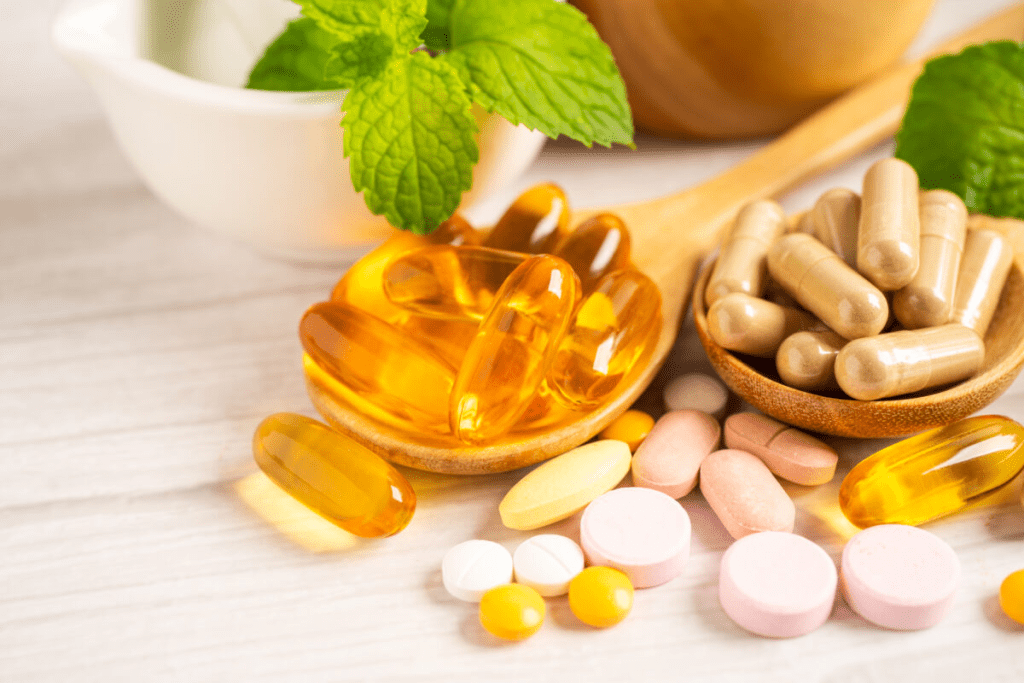
Research shows that taking certain vitamins before and during chemo can be risky. It might even increase the chance of cancer coming back or being fatal. We’ll look into why some vitamins could be harmful and why it’s key to talk to your doctor. Why no vitamins during chemo? Learn the supplements to avoid with cancer and the crucial reasons they can be dangerous during treatment. Powerful facts inside.
Patients often think about taking vitamins when they’re going through chemotherapy. But, some vitamins might not be safe during this time. This is because of studies that show some vitamins could actually make things worse.
Knowing which vitamins to skip is important. We’ll dive into the latest research and advice from experts. This will help you make better choices for your health.
Key Takeaways
- Antioxidant supplements may interfere with chemotherapy’s effectiveness.
- Certain vitamins, such as A, C, E, and coenzyme Q10, have raised safety concerns during chemotherapy.
- Patients should consult their healthcare providers before taking any supplements during cancer treatment.
- Personalized guidance is essential to ensure safe and effective care.
- Recent studies have highlighted the risks of taking vitamins during chemotherapy.
The Science Behind Chemotherapy and Nutritional Interactions
It’s important to understand how chemotherapy and nutrition work together for cancer treatment. Chemotherapy uses strong chemicals to kill cancer cells. But, it can also interact with vitamins and supplements in complex ways, which might affect how well it works.
“The impact of nutritional supplements on chemotherapy outcomes is a growing concern among healthcare professionals,” as noted by recent studies. We need to explore how chemotherapy works and how vitamins and supplements interact with it.
How Chemotherapy Targets Cancer Cells
Chemotherapy targets cells that grow fast, like most cancer cells. Chemotherapeutic agents damage DNA, stop cell division, or cause cell death. But, they can also harm normal cells that grow fast, like hair and bone marrow cells.
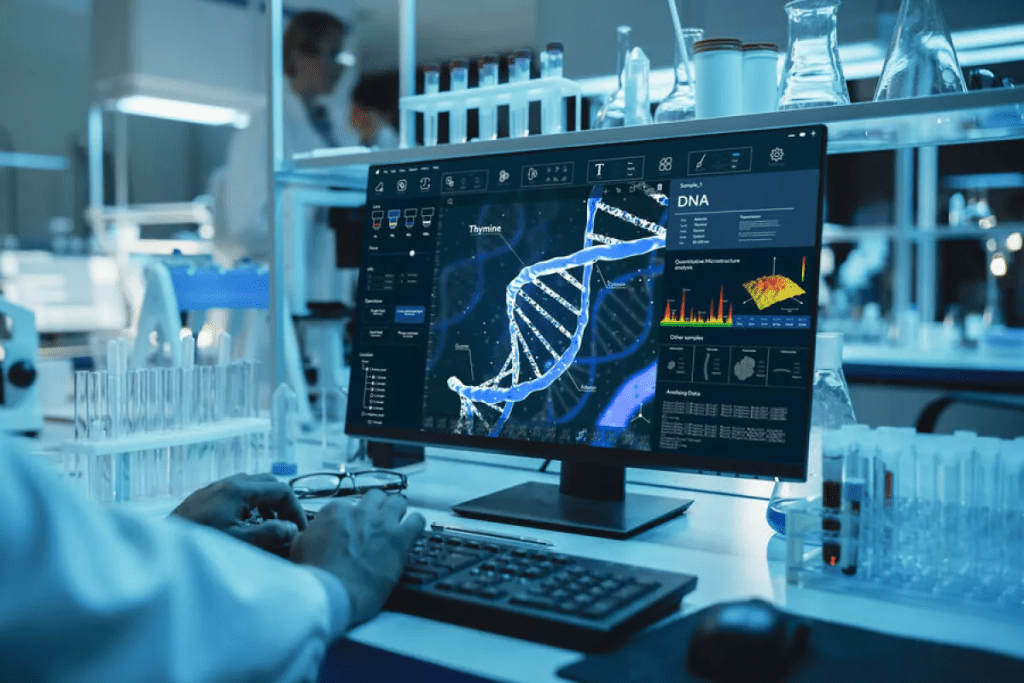
The success of chemotherapy depends on hitting cancer cells hard but sparing normal cells. Vitamin B shifts and other nutrients can change this balance.
The Metabolic Pathways Affected by Both Chemo and Vitamins
Chemotherapy and some vitamins affect the body’s metabolic pathways. For example, some chemotherapy agents use reactive oxygen species (ROS) to kill cancer cells. Antioxidant vitamins like Vitamin C and E might reduce the effectiveness of chemotherapy by neutralizing ROS.
Also, some vitamins can change how genes work in drug metabolism. This can affect how well chemotherapy works and how toxic it is. Knowing these interactions is key to improving cancer treatment results.
As we explore the complex relationship between chemotherapy and nutritional supplements, a careful approach is needed. We must weigh the benefits and risks of vitamins during cancer treatment. Our goal is to find a balance that supports health while making treatment more effective.
The Antioxidant Paradox in Cancer Treatment
The antioxidant paradox in cancer treatment shows we need to understand supplements during chemo better. Antioxidants protect cells from free radicals, which can harm them. But, their role in fighting cancer is not simple.

How Antioxidants Normally Protect Cells
Antioxidants like vitamins C and E shield healthy cells from free radicals. This is key to keeping us healthy and preventing diseases. They help our bodies fight off harm.
Why This Protection May Compromise Chemotherapy
But, antioxidants might also protect cancer cells during chemo. Chemotherapy targets fast-growing cells, like cancer. If antioxidants shield these cells, they could make chemo less effective. This is a worry for those fighting cancer.
Studies hint that some antioxidants might weaken chemo’s power. But, the proof is not solid yet. It’s vital for patients to talk to their doctors about supplements to know the risks and benefits.
Clinical Evidence: Vitamin Supplementation Outcomes in Cancer Patients
Research is growing on how vitamins affect cancer treatment. It’s important to look at the evidence that shows how vitamins and treatments work together.
Breast Cancer Studies Involving Over 1,100 Patients
Many studies have looked at breast cancer patients. Over 1,100 people have been involved, giving us important information. They’ve studied vitamins C and E and how they affect cancer coming back and death rates.
Statistical Analysis of Recurrence Risk
Studies have shown a worrying link between antioxidants and cancer coming back. Some antioxidants used with chemotherapy seem to make cancer more likely to return.
Mortality Rate Correlations with Supplement Use
Research also found a link between supplements and death rates in cancer patients. Some supplements might be linked to higher death rates. This shows we need to think carefully about using supplements when treating cancer.
Key Findings:
- Antioxidant supplementation may increase cancer recurrence risk.
- Certain supplements are associated with higher mortality rates.
- Careful consideration of supplement use is critical during cancer treatment.
Supplements to Avoid with Cancer Treatment: A Complete Guide
Understanding supplements to avoid with cancer treatment is crucial for safety. When you’re going through cancer treatment, knowing which supplements to avoid is key. Some supplements can mess with your therapy’s effectiveness. We’ll list the supplements to steer clear of and why they might not work well with your treatment.
Vitamin A and Beta-Carotene Concerns
Vitamin A and beta-carotene are good for your eyes, immune system, and skin. But, taking too much can mess with your cancer treatment. Studies show that these supplements might protect cancer cells from chemotherapy or radiation damage. This could make your treatment less effective.
Vitamin C and E: Possible Interference
Vitamins C and E are antioxidants that protect cells. But, they might also protect cancer cells from chemotherapy and radiation. High doses of these vitamins could make your treatment less effective by reducing the damage they cause to cancer cells.
Coenzyme Q10 and Chemotherapy Efficacy
Coenzyme Q10 (CoQ10) is an antioxidant that helps with heart health and energy. But, it might also protect cancer cells from chemotherapy. Some research suggests that taking CoQ10 during chemotherapy could make your treatment less effective. More studies are needed to confirm this.
Other Antioxidant Supplements of Concern
Other than vitamins A, C, E, and CoQ10, there are more antioxidant supplements to watch out for. These include vitamins, minerals, and herbal supplements with antioxidant properties. It’s important for patients to talk to their oncology team about their supplement use to understand the risks and benefits.
We advise cancer patients to talk to their healthcare providers before taking any supplements during treatment. Knowing which supplements to avoid can help you make choices that support your treatment plan. This way, you can increase your chances of a successful outcome.
The Specific Risks of Vitamin B12 and Iron Supplementation
Vitamin B12 and iron supplements are often used to fix deficiencies. But, they might have risks during cancer treatment. It’s important to know how these supplements can interact with chemotherapy and affect patient care.
Research Findings on Disease-Free Survival Rates
Research has looked into how vitamin B12 and iron supplements affect cancer patients. Studies show that these supplements might lead to worse outcomes for some patients. For example, a study on breast cancer patients found that vitamin B12 supplements could lower disease-free survival rates.
“Using vitamin B12 supplements during chemotherapy might harm treatment success,” a clinical review says. This highlights the need to think carefully about using supplements during cancer treatment.
Impact on Overall Treatment Outcomes
The effect of vitamin B12 and iron supplements on cancer treatment is complex. These supplements aim to fix nutritional gaps, but they can also change how well chemotherapy works. We need to look at the evidence to make better choices for patients.
- Vitamin B12 supplements have been linked to changes in disease-free survival rates.
- Iron supplements may interact with chemotherapy, affecting treatment outcomes.
- It’s important to watch patients closely who use these supplements during cancer treatment.
Biological Mechanisms Behind These Interactions
It’s key to understand how vitamin B12, iron supplements, and chemotherapy interact. Research shows that these supplements can change how cells work during chemotherapy, which might impact treatment success.
“The mix of nutritional supplements and chemotherapy shows how complex cancer treatment is. We need more research to understand the mechanisms and improve care.”
By studying the evidence and the biological processes involved, we can manage the risks of vitamin B12 and iron supplements during cancer treatment. This will help improve patient outcomes.
Multivitamins During Cancer Treatment: What the Research Shows
Cancer treatment is tough, so many patients look for extra help. They might take multivitamins to feel better. About 44% of cancer patients take these supplements.
Prevalence Among Cancer Patients
Many cancer patients want to manage their health in a holistic way. They use multivitamins to help their health and maybe improve treatment results. Almost half of all cancer patients take multivitamins.
Current Evidence on Safety and Outcomes
Studies on multivitamins during cancer treatment show mixed results. Some say they don’t really change treatment results. But others worry about how vitamins might react with chemotherapy.
One study found that multivitamins’ effects on cancer can be complex. It depends on the cancer type and the vitamins used. Cancer Research UK says we need to think about each person’s situation.
“The effect of multivitamin use on cancer outcomes is complex and may depend on various factors, including the type of cancer and the specific vitamins used.”
Differences Between Multivitamins and Individual Supplements
It’s important to know the difference between multivitamins and single supplements. Multivitamins have many vitamins and minerals. Single supplements focus on one nutrient.
These nutrients can interact with cancer treatment in different ways. Some might block the effects of chemotherapy, while others could help. It’s key to talk to your doctor about supplements to make sure they’re safe and helpful.
By understanding the differences, patients can choose the right nutritional support for their treatment. This helps them make informed choices about their health.
Conflicting Research and Medical Consensus
Studies on vitamins and chemotherapy have shown mixed results. This makes it hard to agree on a clear medical stance. The reasons for this are complex interactions between vitamins and chemotherapy.
Many factors lead to these mixed findings. Meta-analyses, which combine study data, offer insights but have their own limits.
Meta-Analyses Results and Limitations
Meta-analyses have shown mixed results on vitamin safety and effectiveness during chemotherapy. Some studies say vitamins might affect chemotherapy’s success. Others find no big impact. But, these analyses face challenges like study differences and varying sample sizes.
A meta-analysis in a top medical journal found antioxidants might lower survival rates in some cancer patients. Yet, the study’s findings were mixed due to study differences.
Randomized Controlled Trial Findings
Randomized controlled trials (RCTs) are key in research. RCTs on vitamins and chemotherapy have also shown mixed results. Some found vitamins can lessen side effects, while others worry about possible treatment harm.
A big RCT in a top cancer journal found antioxidants might increase cancer return and death rates. But, the study’s small size and findings have sparked debate.
Why Medical Opinions Vary on This Topic
Doctors have different views on vitamins and chemotherapy because of many reasons. Study interpretations, patient factors, and cancer complexity play a role. Also, the lack of big, detailed RCTs fuels the debate.
Healthcare providers must think carefully about vitamins and supplements during chemotherapy. We need to balance benefits and risks for each patient. This depends on the patient’s health, cancer type, and treatment plan.
In summary, the ongoing research shows we need personalized advice. Patients should talk to their oncology team before starting or continuing vitamins or supplements during chemotherapy.
Patient Guide: Discussing Supplements with Your Oncology Team
Talking about supplements with your oncology team is key to safe cancer treatment. It’s important to share openly with your healthcare providers. This helps avoid any bad interactions with your treatment.
Essential Questions to Ask Before Starting Any Supplement
Before starting any supplement, ask your oncology team the right questions. Here are some:
- Will this supplement interact with my chemotherapy or other treatments?
- Are there any possible side effects I should know about?
- How might this supplement affect my cancer treatment results?
- Are there food-based alternatives that could offer the same benefits?
How to Disclose Current Supplement Use
To make sure your oncology team knows about your health regimen, it’s important to share all supplement use. Here’s how:
- Make a list of all supplements you’re taking, including vitamins, minerals, and herbs.
- Tell them how much and how often you take each supplement.
- Be truthful about any supplements you’re thinking of adding or have stopped taking.
Documentation and Monitoring Recommendations
To safely use supplements during cancer treatment, we suggest:
- Keep a record of all supplements, including dates and amounts.
- Update your supplement list with your oncology team regularly.
- Watch for any side effects or interactions and tell your healthcare providers right away.
By following these tips and talking openly with your oncology team, you can make smart choices about supplements during your cancer treatment.
Evidence-Based Nutrition Strategies During Cancer Treatment
Nutritional approaches based on solid evidence can greatly help patients during cancer treatment. We believe that adding nutrition to cancer care can lead to better health and quality of life.
Food-Based Alternatives to Supplements
Choosing whole foods over supplements is often better. Whole foods like fruits, veggies, whole grains, and lean proteins have many nutrients. These nutrients work well together, unlike in supplements.
Eating foods high in antioxidants like berries and leafy greens can protect cells. We advise patients to eat a variety of whole foods to get all the nutrients they need.
When Medical Supplementation May Be Necessary
Even though whole foods are best, sometimes supplements are needed. Patients with certain nutritional gaps or those who can’t absorb nutrients well might need supplements.
For example, those who can’t absorb nutrients because of chemotherapy or surgery might need supplements. We help patients figure out what they need and plan their nutrition, including supplements if necessary.
Individualized Nutrition Plans Based on Cancer Type
The type of cancer, its stage, and treatment plan affect nutritional needs. We stress the need for personalized nutrition plans. This ensures patients get the right diet for their situation.
- Nutritional assessments to identify deficiencies and needs
- Personalized dietary plans tailored to the patient’s cancer type and treatment
- Ongoing monitoring and adjustments to the nutrition plan as needed
By using evidence-based nutrition and working with healthcare teams, cancer patients can improve their nutrition. This can help them do better during treatment.
Conclusion: Balancing Nutritional Needs and Treatment Efficacy
We’ve looked into how supplements and cancer treatment work together. It’s important to think carefully about nutrition and treatment. Patients need the right food to stay healthy and get the most from their treatment.
Some supplements, like vitamins A, C, and E, might not work well with chemotherapy. It’s key to talk to doctors before taking any supplements. This way, we can make sure we’re getting the right nutrients without harming treatment.
Knowing which supplements to avoid is important for patients. This helps avoid risks and get the most from treatment. Doctors are essential in guiding patients on what to eat and what supplements to take.
In the end, finding the right balance between nutrition and treatment is a team effort. Patients and doctors working together can lead to the best results.
FAQ
Why should certain vitamins be avoided during chemotherapy?
Some vitamins, like vitamins A and C, can mess with chemotherapy’s work. They might protect cancer cells from the treatment.
Are there any specific supplements that cancer patients should avoid?
Yes, avoid vitamins A, beta-carotene, C, E, and coenzyme Q10. They can make chemotherapy less effective.
Can vitamin B12 supplementation affect cancer treatment outcomes?
Vitamin B12 might change how well cancer treatment works. It’s important to use it carefully during treatment.
Is it safe to take multivitamins during cancer treatment?
Taking multivitamins during treatment is not always safe. They are often used, but their safety is not proven for everyone. Always talk to your doctor first.
How can patients discuss supplement use with their oncology team?
Before starting any supplement, ask your doctor important questions. Tell them about any supplements you’re already taking. Follow their advice to ensure your care is safe and effective.
What are some evidence-based nutrition strategies during cancer treatment?
Focus on eating real food instead of supplements. Use supplements only when needed. Create a nutrition plan that fits your cancer type and needs.
Can antioxidants interfere with radiation therapy?
Antioxidants might also get in the way of radiation therapy. They could protect cancer cells, just like with chemotherapy. But, how they interact can vary.
Are there any vitamins that can help boost the immune system during chemotherapy?
It’s natural to want to boost your immune system during treatment. But, some vitamins and supplements might not be safe. Always check with your healthcare provider for advice.
What is the prevalence of supplement use among cancer patients?
Many cancer patients take supplements. In fact, about 44% of them use multivitamins.
How do healthcare providers determine the safety of supplements during cancer treatment?
Doctors look at several things to decide if supplements are safe. They consider the type of cancer, the treatment plan, and how supplements might interact with it. They often need to tailor advice to each patient.
References
Amani, O., et al. (2024). Chemotherapy-induced cognitive impairment in breast cancer survivors: A systematic review. Psycho-Oncology, 33(3), 509-520. https://www.ncbi.nlm.nih.gov/pmc/articles/PMC10864736/