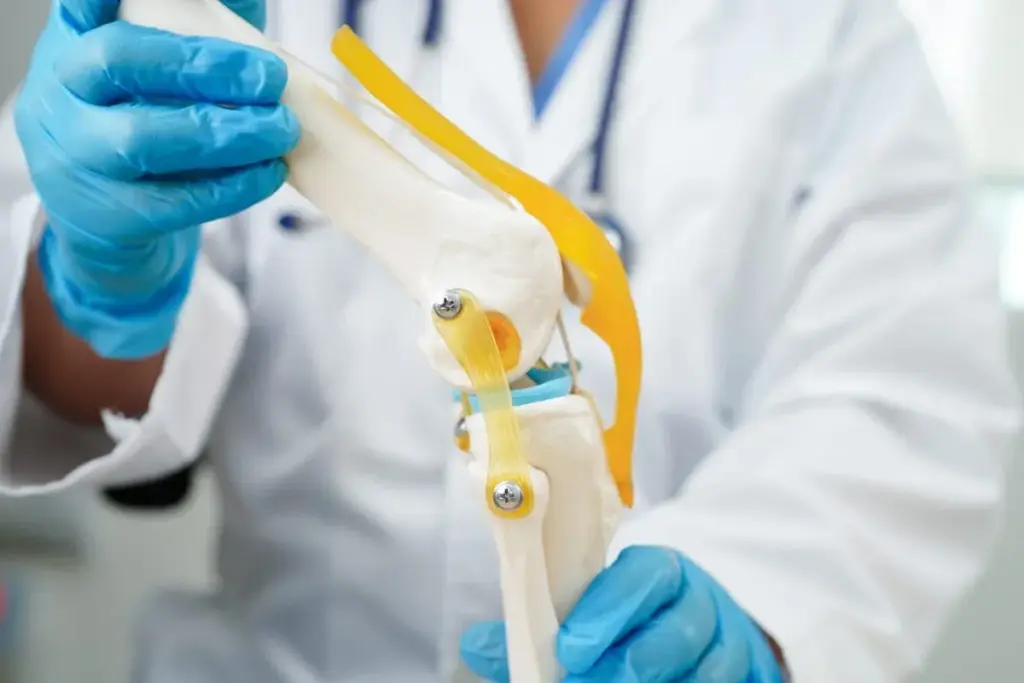
The world of surgery is full of complex procedures. These require a lot of skill and precision. Some surgical procedures can take over 12 hours, testing human limits.
The most difficult surgery varies based on several factors. This includes the procedure’s complexity and the patient’s health. Procedures like brain or heart surgeries are very challenging.
These surgical procedures need more than just technical skill. Surgeons must also understand the patient’s anatomy well. They must make quick decisions when unexpected problems arise.
Complex surgeries require expert skill. Discover the most difficult surgeries and the essential ways surgeons ensure a safe patient outcome.
Key Takeaways
- The complexity of a surgery can depend on several factors, including the patient’s health.
- Procedures involving delicate structures like the brain or heart are very challenging.
- Technical skill and a deep understanding of anatomy are key for success.
- Surgeons must be able to make quick decisions during unexpected complications.
- The field of surgery is always changing with new technology and techniques.
What Makes a Surgery Difficult?

It’s important for surgeons to know what makes a surgery hard. The difficulty depends on technical complexity and the need for careful risk assessment.
Technical Complexity Factors
Technical complexity is a big factor in surgery difficulty. Steps that are complex, need special tools, or require great precision are tough. For example, surgeries with delicate tissues or critical structures need a lot of skill and experience.
Using advanced technology, like robotic-assisted systems, also adds complexity. These systems improve precision but need skilled surgeons to operate them.
Risk Assessment in Complex Procedures
Surgeries with big risks, like those near major blood vessels or organs, need careful risk assessment. Surgeons weigh the benefits against the risks and look for other options if needed.
They look at many factors, like the patient’s health, the surgery’s complexity, and possible complications. Here’s a table with some key factors:
|
Risk Factor |
Description |
Mitigation Strategy |
|---|---|---|
|
Patient Health |
Pre-existing conditions that may affect surgery |
Preoperative evaluation and optimization |
|
Procedure Complexity |
The intricacy of the surgical procedure |
Surgeon experience and skill |
|
Potential Complications |
Possible adverse outcomes |
Contingency planning and postoperative care |
Understanding these factors helps surgeons prepare for complex surgeries. Good risk assessment and management are key to successful surgeries.
The Most Challenging Surgeries Across Medical Specialties
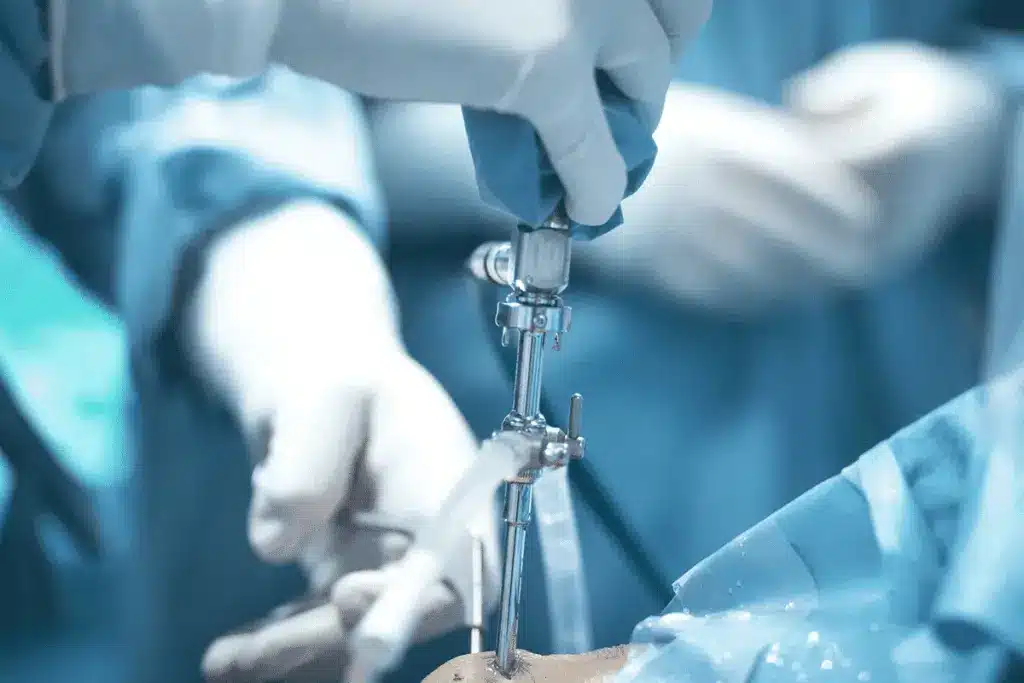
Some surgeries are harder than others because of the complex organs involved. Each medical specialty has its own set of challenges. These require a lot of skill, precision, and knowledge.
Neurosurgery: Brain and Spine
Neurosurgery is one of the most complex fields. It deals with the brain and spine, which are both critical and very delicate. The margin for error is very small, and the risks are high.
Key Challenges in Neurosurgery:
- Precision required to avoid damaging neural tissue
- Complex anatomy that demands detailed preoperative planning
- High stakes due to the critical nature of the brain and spine
Cardiothoracic: Heart and Lungs
Cardiothoracic surgery is also very demanding. It involves surgeries on the heart and lungs. These organs are essential and always moving, making surgery very challenging.
Cardiothoracic surgeons need to know a lot about the heart and lungs. They also have to be good with complex equipment like heart-lung machines.
|
Procedure |
Complexity Level |
Key Challenges |
|---|---|---|
|
Heart Transplant |
High |
Matching donor hearts, managing immunosuppression |
|
Lung Resection |
Medium to High |
Preserving lung function, managing possible complications |
|
Aortic Dissection Repair |
High |
Racing against time, complex aortic anatomy |
Transplant Surgery Challenges
Transplant surgery replaces a sick or damaged organ with a healthy one from a donor. This field faces many challenges, like finding the right donor organ and managing the recipient’s care. Transplant surgeons work with a team to handle these issues.
Key Challenges in Transplant Surgery:
- Organ procurement and matching
- Managing immunosuppression to prevent rejection
- Post-operative care and monitoring for complications
Neurosurgical Procedures: The Brain’s Delicate Landscape
Neurosurgery involves many complex surgeries that need great precision and knowledge of the brain. These surgeries are done on the brain and spine. Here, mistakes can be very harmful.
Hemispherectomy is a very challenging surgery. It involves removing half of the brain. This is usually done for severe seizures that don’t respond to other treatments.
The complexity of the surgery extends beyond the surgical technique to include the detailed management required during the recovery process. The recovery process also needs careful management.
Hemispherectomy: Removing Half a Brain
Hemispherectomy is a rare and complex surgery. It’s used for conditions like Rasmussen’s encephalitis, a rare brain disease. Doctors only consider this surgery after trying other treatments.
Cerebral Aneurysm Clipping and Vascular Repairs
Cerebral aneurysm clipping is another critical surgery. It involves clipping an aneurysm to stop it from bursting. This surgery needs a deep understanding of the brain’s blood vessels and precise skills.
Vascular repairs in the brain are very delicate. Surgeons must find and fix damaged blood vessels, often under a microscope. This is to avoid more harm to the brain.
The complexity of surgeries like hemispherectomy and cerebral aneurysm clipping shows the need for specialized training in neurosurgery. These surgeries highlight the progress in medical science and the skill of neurosurgeons.
Cardiothoracic Challenges: When Every Heartbeat Counts
Cardiothoracic surgery is one of the toughest medical fields. It demands precision and speed. The complex nature of surgeries like heart transplants and aortic dissection repairs shows the high stakes for these surgeons.
Heart Transplantation Complexities
Heart transplantation is a complex process. It involves technical surgery challenges and careful patient selection. Finding a compatible donor and recipient is a detailed task to avoid rejection.
The surgery is complex, connecting major blood vessels and implanting the donor heart. After surgery, patients need immunosuppressive therapy to prevent rejection. This can lead to other health issues.
Aortic Dissection Repair: Racing Against Time
Aortic dissection repair is another critical procedure. Surgeons must act fast to avoid damage to the aorta. This is a critical blood vessel. Delaying can lead to severe consequences, including death.
The surgery involves replacing the damaged aorta with a graft or repairing it. The complexity is high due to the need for quick decisions and precise work to avoid complications.
|
Procedure |
Complexity Level |
Key Challenges |
|---|---|---|
|
Heart Transplantation |
High |
Donor-recipient matching, surgical precision, post-operative care |
|
Aortic Dissection Repair |
High |
Rapid decision-making, surgical precision, managing possible complications |
Heart transplantation and aortic dissection repair show the challenges in cardiothoracic surgery. These procedures require exceptional skill, precise technique, and complex patient care management.
The Longest Surgeries in Medical History
The longest surgeries in medical history show the big challenges surgical teams face. These marathon procedures often involve complex reconstructions or separations of conjoined twins. They require surgical teams to work for a long time.
Marathon Procedures Exceeding 24 Hours
Some surgeries are known for lasting a long time, over 24 hours. For example, separating conjoined twins is a very complex task. It can take several days to plan and do.
This kind of lengthy surgical procedure needs a lot of skill and the ability to stay focused for a long time.
|
Procedure |
Duration (Hours) |
Year |
|---|---|---|
|
Separation of Conjoined Twins |
27 |
2018 |
|
Complex Reconstruction Surgery |
32 |
2015 |
|
Tumor Removal Surgery |
24 |
2012 |
Physiological Demands on Surgical Teams
The physiological demands on surgical teams during these long procedures are huge. Surgeons and nurses have to work for hours without rest. They must stay focused and precise.
Getting tired and stressed can affect their performance and the patient’s outcome. To deal with these challenges, teams use strategies like rotating staff and taking short breaks. Keeping good communication is also key for success in complex surgeries.
Separation of Conjoined Twins: Coordinating Multiple Surgical Teams
Separating conjoined twins is a rare and complex surgery. It needs the teamwork of many surgical teams. This surgery faces many challenges, like the technical issues of shared organs and blood vessels. There are also big ethical questions that guide the decision-making process.
Anatomical and Vascular Complexities
Conjoined twins share organs or body parts, making separation hard. The shared organs, like the heart or liver, add to the complexity. Advanced imaging helps map out these shared areas.
The blood vessels shared by twins pose another challenge. It’s vital to plan carefully to avoid harming vital organs. The surgical teams must work together, using new techniques and tools.
Ethical Considerations and Decision-Making
The surgery raises big ethical questions. Deciding if separation is right involves many factors. The team includes surgeons, ethicists, psychologists, and the twins’ family.
They must weigh if separation is best for both twins. They consider the survival chances and quality of life after surgery. Sometimes, separation might not be the best choice due to risks or possible severe disabilities.
In summary, separating conjoined twins is a complex task. It requires both technical skill and careful ethical thought. The teamwork and planning are key to a successful surgery.
Awake Brain Surgeries: The Conscious Patient Challenge
Awake brain surgery is a complex and demanding procedure. It requires the patient to be awake and responsive during the surgery. This poses unique challenges for both the patient and the surgical team.
Real-Time Functional Mapping Techniques
Real-time functional mapping is a key part of awake brain surgery. It involves stimulating brain areas to find their functions. This helps surgeons avoid critical regions during the surgery. Real-time functional mapping is vital for preserving the patient’s neurological functions and ensuring the surgery’s success.
The process of functional mapping is highly sophisticated. It uses advanced tools and techniques, like electrocorticography (ECoG) and cortical stimulation. These tools help identify and map brain areas responsible for vital functions like speech, motor control, and sensation.
|
Technique |
Description |
Application in Awake Brain Surgery |
|---|---|---|
|
Electrocorticography (ECoG) |
Records electrical activity from the cerebral cortex. |
Used for real-time monitoring of brain activity during surgery. |
|
Cortical Stimulation |
Involves stimulating the brain’s surface to identify functional areas. |
Essential for mapping critical brain regions. |
Communication and Psychological Factors
Effective communication between the patient and the surgical team is key during awake brain surgery. The patient must respond to commands and report any neurological changes. This requires a coordinated effort from surgeons, anesthesiologists, and nursing staff.
The psychological impact on the patient is significant. Being awake during surgery can be daunting, leading to anxiety or fear. The team must manage these psychological factors through counseling, support during surgery, and postoperative care.
The success of awake brain surgery depends on many factors. These include precise surgical technique, effective communication, and managing the patient’s psychological state. By understanding and addressing these challenges, neurosurgical teams can improve outcomes for patients undergoing this complex procedure.
Revolutionary Types of Surgeries Changing Medical Possibilities
Recent breakthroughs in surgery are changing medicine in big ways. New surgical techniques are giving patients new hope and better results. Face transplantation and hand/limb replantation are leading the way, aiming to restore function and identity.
Face Transplantation: Identity and Function
Face transplantation is a major breakthrough. It involves swapping a patient’s face with a donor’s. This surgery is key for restoring facial functions like eating and speaking.
The challenge is reconnecting nerves, muscles, and blood vessels. Despite this, face transplant success has been impressive. Patients see big improvements in their lives. A team of experts works together to achieve the best results.
Hand and Limb Replantation Techniques
Hand and limb replantation have also seen big advances. These surgeries reattach severed limbs or hands. They aim to restore function and independence.
Advanced surgical techniques have boosted success rates. Microsurgical tools and methods are key. Physical therapy is also vital for recovery, helping patients regain strength and dexterity.
In conclusion, revolutionary surgeries like face transplantation and hand/limb replantation are changing medical possibilities. These surgeries show the amazing progress in surgery and the hard work of medical teams.
High-Risk Surgeries with Significant Mortality Rates
Some surgeries are very risky and have high death rates. They need a lot of skill and care. These surgeries touch critical organs and require a lot of experience.
Pancreaticoduodenectomy (Whipple Procedure)
The Whipple procedure is a complex surgery for pancreatic cancer or other issues. It removes parts of the pancreas, duodenum, gallbladder, and sometimes stomach. The surgery is tricky because of the delicate organs involved.
Mortality and Complication Rates: The Whipple procedure used to have high death and complication rates. But, better surgery techniques and care have lowered these numbers. Now, death rates are under 5% in top hospitals.
|
Complications |
Frequency |
|---|---|
|
Delayed Gastric Emptying |
20-30% |
|
Pancreatic Fistula |
10-20% |
|
Infection |
5-15% |
Thoracoabdominal Aortic Aneurysm Repair
Repairing an aortic aneurysm in the chest and abdomen is very risky. It’s hard because of the big surgery needed and keeping blood flow to important organs.
Surgical Complexity: This surgery is complex because it needs a chest and belly approach. It also risks a lot of blood loss and must keep organs working.
Outcomes and Risks: Even with better surgery and care, this procedure is very risky. It can lead to serious problems like paralysis, kidney failure, and death. Death rates can be as high as 10-20% in some cases.
Pediatric Surgical Challenges: Miniaturized Precision
Pediatric surgery is very challenging, mainly because of the tiny and fragile patients. It needs not just technical skill but also a deep understanding of infants and children’s bodies.
Neonatal Surgeries on Premature Infants
Operating on premature infants is one of the toughest tasks in pediatric surgery. These babies are often smaller than a kilogram. Surgeons must work with great precision and care because of their fragile tissues and developing systems.
Managing complications is a big challenge in neonatal surgeries. Premature babies are more likely to face surgical problems because of their underdeveloped organs. Surgeons must be quick and precise in handling these issues.
“The surgical management of premature infants requires a multidisciplinary approach, combining the expertise of surgeons, neonatologists, and other healthcare professionals to ensure the best possible outcomes.”Pediatric Surgeon
Congenital Heart Defect Repairs
Congenital heart defects pose significant challenges for pediatric surgeons. These defects can vary from simple to complex, needing detailed repairs to fix the heart. The precision needed for these surgeries is critical, as small mistakes can have big effects on the patient’s future.
Thanks to advanced techniques and technologies, outcomes in congenital heart defect repairs have improved. Minimally invasive surgery and intraoperative imaging have made these procedures more precise and safe.
|
Type of Surgery |
Challenges |
Advanced Techniques |
|---|---|---|
|
Neonatal Surgeries |
Miniature scale, fragile tissues |
Microsurgery, precision instruments |
|
Congenital Heart Defect Repairs |
Complexity of defects, precision required |
Minimally invasive surgery, intraoperative imaging |
In conclusion, pediatric surgery, including neonatal surgeries and congenital heart defect repairs, is very demanding. It requires a mix of technical skill, precision, and knowledge of pediatric anatomy and physiology. The field keeps improving with new surgical techniques and technologies, helping these young patients get better care.
Technological Advancements Transforming Difficult Surgeries
The world of surgery is changing fast thanks to new technology. These changes are making complex surgeries more precise and successful. They also open up new possibilities for patients with tough conditions.
Robotic-Assisted Surgical Systems
Robotic-assisted surgery is a big leap forward. It brings better precision, flexibility, and control to the operating room. Surgeons can now do complex tasks with more accuracy.
The robots come with high-definition 3D views and special tools. These tools let surgeons work with great precision, lowering the chance of problems.
- Improved dexterity and range of motion
- Enhanced visualization through 3D imaging
- Reduced blood loss and postoperative pain
- Faster recovery times
Intraoperative Imaging and Navigation Tools
Intraoperative imaging and navigation tools give real-time feedback during surgery. They help surgeons navigate through complex areas and avoid important structures. These tools include MRI, CT scans, and ultrasound.
- Intraoperative MRI for real-time imaging
- CT scans for detailed anatomical information
- Ultrasound for vascular and tissue assessment
By using these technologies together, surgeons can greatly improve results in tough surgeries. The mix of robotic systems and imaging tools is changing surgery. It makes it possible to do more complex surgeries safely and accurately.
The Psychological Burden of High-Stakes Surgical Procedures
High-stakes surgeries deeply affect surgeons’ mental health. The need to make critical decisions and the physical demands of surgery cause a lot of stress.
Surgeons work in environments where mistakes can be deadly. This high-pressure setting often leads to surgeon burnout. Burnout is a state of exhaustion from too much stress.
Surgeon Burnout and Mental Health Impacts
The mental health of surgeons is a serious concern. Research shows they face a higher risk of burnout and mental health problems than other doctors. The constant stress of high-stakes situations can cause anxiety, depression, and more.
Dealing with complications or bad outcomes also takes a toll. Surgeons may feel guilty, doubt themselves, and get frustrated. These feelings can make burnout worse.
Coping Mechanisms and Support Systems
Surgeons need good coping mechanisms and support systems. This includes mental health resources, peer support groups, and ways to manage stress.
Having these systems in place helps surgeons deal with their work’s psychological burden. Healthcare institutions can support surgeons’ mental health by recognizing these challenges. This way, they can keep providing top-notch care.
It’s key to understand the psychological impact of high-stakes surgery. This helps keep surgical teams healthy and ensures they can continue to deliver excellent care.
Conclusion: The Future of Complex Surgical Interventions
The field of surgery is on the verge of a big change. This change comes from new technology, better techniques, and more care for patients. As we look ahead, complex surgeries will get even better, helping patients more than ever before.
New tools like robotics and artificial intelligence will make surgeries safer and more precise. These new tools will let surgeons do even harder operations with great success. This will open up new possibilities in surgery.
More innovations in surgery will change how doctors work. They will be able to fix problems that were once too hard. As surgery keeps improving, we’ll see better care and results for patients.
FAQ
What is considered the most difficult surgery for a surgeon?
The toughest surgery for a surgeon depends on many things. These include the surgery’s complexity, the patient’s health, and the surgeon’s experience. Surgeries on the brain, heart, or major blood vessels are very challenging.
What makes a surgery technically complex?
A surgery’s technical complexity is a big factor in its difficulty. Procedures with many steps, special tools, or high precision are hard.
What are some of the most challenging surgeries across different medical specialties?
Neurosurgery, cardiothoracic surgery, and transplant surgery are very tough. They involve critical areas with little room for error. They need a lot of skill, knowledge, and experience.
What is hemispherectomy, and why is it considered complex?
Hemispherectomy is a rare surgery that removes half of the brain. It’s done for severe seizure disorders. It needs precise technique and deep brain anatomy knowledge.
What are some of the challenges associated with cardiothoracic surgery?
Cardiothoracic surgery is on the heart and lungs, vital organs always moving. Heart transplants and aortic dissection repairs are very challenging. They need great skill and experience.
How long can some surgical procedures last?
Some surgeries can last 24 hours or more. Surgical teams must stay focused for a long time. These long surgeries are physically and mentally demanding.
What are the challenges of separating conjoined twins?
Separating conjoined twins is a complex and rare surgery. It faces technical challenges and ethical considerations due to shared anatomy and vasculature.
What is awake brain surgery, and what are its challenges?
Awake brain surgery keeps the patient awake during surgery. It allows for real-time brain mapping. It’s challenging due to patient comfort, anxiety, and communication needs.
What are some revolutionary types of surgeries changing medical possibilities?
Face transplantation and hand and limb replantation are changing medicine. They offer new hope for those with severe injuries or disfigurement.
What are some high-risk surgeries with significant mortality rates?
The Whipple procedure and thoracoabdominal aortic aneurysm repair are high-risk. They require great skill and experience due to their complexity and critical organs involved.
What are some of the challenges of pediatric surgery?
Pediatric surgery includes procedures on infants and children. Surgeries on premature infants and congenital heart defects are very challenging. The patients are small and fragile.
How are technological advancements transforming difficult surgeries?
New technologies like robotic systems and imaging tools are improving surgery. They offer better precision, flexibility, and control, leading to better patient outcomes.
What is the psychological burden of high-stakes surgical procedures on surgeons?
High-stakes surgeries can deeply affect surgeons, leading to burnout and mental health issues. Surgeons need support to manage these challenges.
What is the future of complex surgical interventions?
Surgery will keep evolving with new technology, techniques, and knowledge. This will lead to better outcomes for patients with complex surgeries.
National Center for Biotechnology Information. Evidence-Based Medical Insight. Retrieved from https://pmc.ncbi.nlm.nih.gov/articles/PMC6371362/