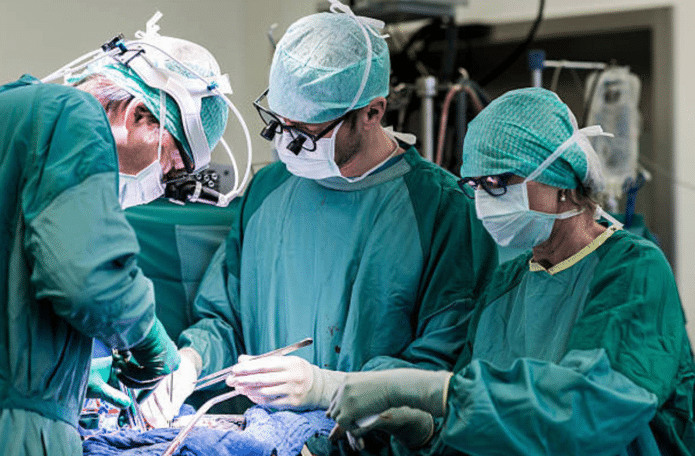
Did you know that nearly 235 million surgeries happen worldwide each year? A big part of them have a high success rate. The results of these surgeries can change lives. Understanding what contributes to surgical success is crucial. The surgery highest success rate is visual. Learn why cataract removal is one of the safest and most effective procedures globally.
We will look into surgical success rates and why they matter in healthcare. We’ll also see what affects how well surgeries go.
Key Takeaways
- Understanding surgical success rates is vital for patients and healthcare providers.
- Various factors contribute to the success of surgical operations.
- Analyzing surgery outcome statistics helps identify best practices.
- High success rates are often associated with specialized surgical teams.
- Advancements in medical technology have improved operation success rates.
Understanding Surgical Success Rates
Surgical success rates depend on many factors. These include the immediate results of the surgery and how well the patient recovers and feels afterward. It’s important to look at both the short-term and long-term effects of surgery.
What Defines Surgical Success?
Surgical success is about more than just the surgery itself. It involves the patient’s recovery and how happy they are with the results. Technical success means the surgeon did the job right, without big problems.
But, success also means the patient can get back to their life as usual. How well the patient recovers is a big part of success.
Factors Influencing Success Rates
Many things can affect how well a surgery goes. These include who the patient is, how skilled the surgeon is, and the care they get after surgery. How healthy the patient is before surgery is very important.
- Pre-operative patient health
- Surgeon experience and qualifications
- Quality of post-operative care
Measuring Outcome Metrics
Measuring how well a surgery works is key. We look at things like morbidity, mortality, and what patients say about their experience. This helps us see what works best.
It also helps us find ways to get better and make better choices for patients.
Common Types of Surgeries with High Success Rates
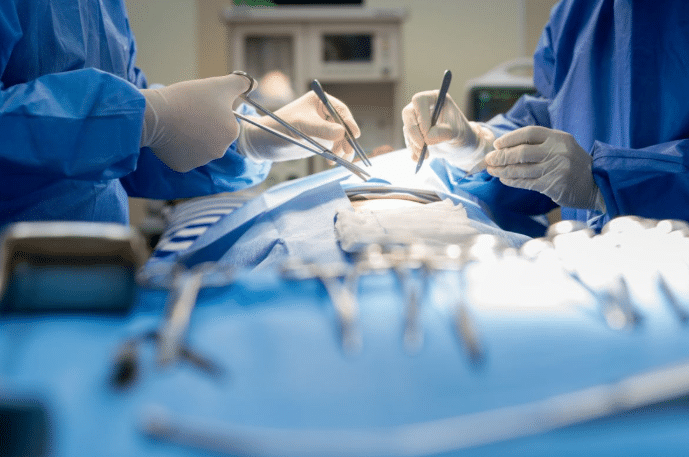
The medical field has seen big wins in many surgeries, making patients’ lives better. These surgeries are key to modern healthcare.
Cataract Surgery
Cataract surgery is done a lot around the world and works very well. It removes a cloudy lens and puts in a new one, making vision better. Over 98% of people see their vision improve after this surgery.
Success Factors: New ways of doing surgery and better lenses have helped a lot.
Knee Replacement Surgery
Knee replacement surgery helps those with bad knee arthritis or injuries. It replaces the knee with artificial parts, easing pain and helping move better. Over 90% of people feel a lot less pain and can move better after surgery.
Success Factors: Better surgery methods, new materials, and better care after surgery have helped a lot.
Hip Replacement Surgery
Hip replacement surgery is also very successful. It replaces a bad hip with artificial parts, making pain go away and helping move better. Like knee surgery, most people see a big improvement in their life after surgery.
Success Factors: New implants, less invasive surgery, and better care after surgery have helped a lot.
Bariatric Surgery
Bariatric surgery helps with obesity and related health problems. It includes surgeries like gastric bypass and sleeve gastrectomy. These surgeries help a lot with weight loss and health problems like diabetes and high blood pressure.
Success Factors: Choosing the right patients, teamwork, and new surgery methods have helped a lot.
| Surgery Type | Success Rate | Key Benefits |
| Cataract Surgery | 98% | Improved vision, reduced dependency on glasses |
| Knee Replacement Surgery | 90% | Pain relief, improved mobility |
| Hip Replacement Surgery | 90% | Pain alleviation, restored mobility |
| Bariatric Surgery | 80-90% | Significant weight loss, improvement in comorbidities |
These surgeries have changed the lives of millions, giving them relief from pain and disability. As technology and methods get better, we’ll see even more success.
The Role of Patient Selection in Surgical Success
Picking the right patients is key to successful surgery. We know that checking patients before surgery is vital. It helps us choose the best candidates for surgery, leading to better results.
Pre-operative Assessments
Before surgery, we do detailed checks to see if a patient is ready. These checks include looking at their medical history, doing physical exams, and running tests like blood work and scans.
Key components of pre-operative assessments include:
- Medical history review to identify possible risks
- Physical examination to check overall health
- Diagnostic tests to see the patient’s condition
These thorough checks help us spot risks early. We can then plan how to reduce these risks. This makes the surgery more likely to succeed.
Risk Factors to Consider
When picking patients for surgery, we must think about several risks. These risks include age, health problems, and lifestyle choices like smoking or being overweight.
| Risk Factor | Description | Mitigation Strategy |
| Age | Older patients face more risks during surgery | Do detailed checks and improve health before surgery |
| Underlying Health Conditions | Conditions like diabetes or heart disease can make surgery harder | Manage these conditions before surgery |
| Lifestyle Factors | Smoking and obesity can harm surgical results | Give advice on changing lifestyle before surgery |
By knowing and tackling these risks, we can pick patients more likely to do well with surgery. This leads to better results for everyone.
Innovations in Surgical Techniques
We’re seeing big changes in surgery thanks to new technologies. These advancements make operations more precise and effective. They also help patients heal faster, making surgery a better option.
Minimally Invasive Surgery
Minimally invasive surgery is now key in modern surgery. It offers many benefits over old-school open surgery. With laparoscopy and endoscopy, surgeons can do complex tasks through small cuts, causing less damage.
This type of surgery cuts down on pain after surgery, shortens hospital stays, and speeds up recovery. It’s safer and leaves less scarring.
Robotic-Assisted Surgery
Robotic-assisted surgery is a big step up in tech, giving surgeons more control and precision. It makes complex surgeries easier and more accurate, leading to better results.
Robotic surgery offers better dexterity, clearer views, and the ability to do tricky moves. It’s used in many areas, like urology, gynecology, and heart surgery.
Laser Surgery Advancements
Laser surgery has made huge strides, providing precise and gentle treatments for many issues. Lasers can target specific tissues, removing or changing diseased areas without harming healthy ones.
Laser surgery means less bleeding, less pain after surgery, and faster healing. It’s great for delicate areas like the eyes and skin, where accuracy is critical.
| Surgical Technique | Key Benefits | Applications |
| Minimally Invasive Surgery | Less post-operative pain, shorter hospital stays, quicker recovery | General surgery, gynecology, urology |
| Robotic-Assisted Surgery | Enhanced precision, improved dexterity, complex maneuvers | Urology, gynecology, cardiothoracic surgery |
| Laser Surgery | Precise tissue removal, reduced bleeding, less post-operative pain | Ophthalmology, dermatology, ENT |
The Importance of Surgeon Expertise
When it comes to surgery, the skill and experience of the surgeon are key. The success of a surgical procedure depends on the surgeon’s precision and care. We will look at why a surgeon’s expertise is so important.
Experience and Qualifications
A surgeon’s experience and qualifications are the foundation of their expertise. Years of practice and continuous education give surgeons the skills for complex cases. Studies show that “surgeons who have performed a higher volume of procedures tend to have better outcomes.”
Board certification, specialized training, and ongoing professional development are key. The importance of a surgeon’s experience cannot be overstated. It is through years of performing surgeries that a surgeon refines their technique and learns to manage complications.
Impact of Surgeon-Patient Communication
Effective communication between the surgeon and patient is vital for a successful surgery. It helps manage patient expectations, reduces anxiety, and improves compliance with post-operative instructions. A strong rapport can lead to better patient-reported outcomes. As a study found, “good communication is associated with fewer complications and higher patient satisfaction.”
Surgeon-patient communication is a two-way process. It involves not just conveying information but also listening to the patient’s concerns and preferences. This empathetic approach builds trust, which is essential for the patient’s experience and recovery.
“The relationship between the surgeon and patient is built on trust, and effective communication is the cornerstone of this relationship.”
— A renowned surgical expert
Post-Surgical Care and Recovery
Post-surgical care is key to a good recovery. It helps patients heal faster and reduces risks. It also makes life better after surgery.
Importance of Follow-Up Appointments
Follow-up visits are essential after surgery. They help check how you’re healing and fix any issues. Your doctor will guide you on when to come back.
Key aspects of follow-up appointments include:
- Monitoring wound healing
- Removing sutures or staples
- Addressing patient concerns
- Adjusting medication as necessary
Managing Pain and Complications
Managing pain is a big part of care after surgery. We use many ways to help, like medicine and therapy. We also prevent problems like infections and blood clots with special drugs.
| Pain Management Strategies | Description | Benefits |
| Medication | Use of pain relief medications | Effective pain reduction |
| Physical Therapy | Gentle exercises to promote healing | Improved mobility and strength |
| Alternative Therapies | Techniques such as acupuncture or relaxation | Reduced stress and pain |
Physical Therapy and Rehabilitation
Physical therapy is very important for getting better. It helps you regain strength and move better. We make a plan just for you based on your surgery.
The goals of physical therapy include:
- Improving range of motion
- Enhancing strength and flexibility
- Promoting functional ability
Patient-Reported Outcomes
Surgical success is more than just the technical results. It’s also about how patients feel after surgery. Healthcare providers now see the value of patient-reported outcomes in judging surgery success.
Measuring Quality of Life After Surgery
Quality of life after surgery includes physical health, mental state, and social connections. Research shows that good surgeries can greatly improve patients’ lives. They can go back to their daily routines and feel better overall.
To check quality of life, doctors use tools and questionnaires. These tools look at pain, how well patients can function, and their emotional state.
Psychological Impacts of Surgical Success
The mental effects of successful surgery are huge. Many patients feel less anxious and depressed after a good surgery. The feeling of relief and satisfaction can also boost their mental health.
But, some patients might face mental challenges after surgery. This could include adjustment disorders or ongoing anxiety. So, it’s key to offer psychological support to help them.
| Type of Surgery | Improvement in Quality of Life | Reduction in Pain Levels |
| Cataract Surgery | Significant improvement in visual acuity and daily functioning | Not applicable |
| Knee Replacement Surgery | Improved mobility and ability to perform daily activities | Significant reduction in knee pain |
| Bariatric Surgery | Weight loss leading to improved overall health and reduced comorbidities | Variable, depending on pre-surgery pain levels |
In conclusion, patient-reported outcomes are key in judging surgery success. By looking at quality of life and mental health, we understand surgery’s impact better. This helps us improve care for patients.
The Impact of Technology on Success Rates
Technology has changed surgery for the better. It’s making patient care and surgical results much better. We’re seeing big changes in how surgeries are done and managed.
Telemedicine and Pre-operative Consultations
Telemedicine is a big help before surgery. It lets patients talk to surgeons without being in the same room. Telemedicine lets surgeons check on patients, talk about surgery plans, and give instructions from afar. This makes things more efficient and helps patients get ready for surgery better.
It also cuts down on the need for face-to-face meetings. This lowers the chance of getting sick and saves money. Adding telemedicine to surgery care is a big step towards caring more for patients.
Advancements in Surgical Equipment
New surgical tools are making surgeries more successful. Tools like robotic surgery systems and high-definition imaging give surgeons better control. These tools help make surgeries less invasive, cut down recovery time, and improve results.
Also, smart surgical instruments that adjust on their own are changing things. These new tools are making surgeries more precise and safer for patients.
As technology keeps getting better, we’ll see even more advanced tools. This shows how dedicated we are to giving the best care to patients.
Regional Variations in Success Rates
Surgical success rates change a lot in different parts of the United States. Many factors influence these changes. These changes show how healthcare access, quality, and patient results vary.
It’s important for healthcare workers, policymakers, and patients to understand these differences. This knowledge helps find the best ways to improve care and reduce gaps in treatment.
Differences Across U.S. States
Studies and healthcare data show big differences in surgical success rates between states. States that spend more on healthcare and have better access to specialized care often have better results for complex surgeries.
Let’s look at how success rates for major surgeries vary in a few states.
| State | Cataract Surgery Success Rate (%) | Knee Replacement Surgery Success Rate (%) | Hip Replacement Surgery Success Rate (%) |
| California | 98.2 | 95.1 | 94.5 |
| New York | 97.5 | 94.3 | 93.9 |
| Texas | 98.0 | 95.3 | 94.2 |
| Florida | 97.8 | 94.8 | 94.0 |
Factors Contributing to Geographic Disparities
Many things cause differences in surgical success rates across regions. Access to specialized care is a big factor. Places with more specialists and better facilities usually have better results.
Economic factors also matter a lot. States with higher incomes and better health insurance tend to have better success rates. This is because patients can get better care and follow-up services.
Other factors include demographic characteristics of the population, quality of healthcare infrastructure, and adherence to best practices in surgery.
To fix these disparities, we need a plan that includes policy changes, improving healthcare systems, and special programs to help underserved areas.
Ethical Considerations in Surgery
Ethical issues are key in surgery, affecting patient care and trust in healthcare. Surgeons and healthcare teams face tough choices to give patients the best care. They need to know the ethical rules that guide their actions.
Informed Consent and Risk Disclosure
Informed consent is vital in surgery. It means telling patients about their condition, the surgery, risks, and other options. We must make sure patients know what they’re choosing, so they can make informed decisions.
Being clear about risks is key to patient trust and happiness. By sharing possible problems, we build trust with our patients. This trust is vital for good results.
Discussions on Unsuccessful Outcomes
Not every surgery works out as planned. Handling these situations with honesty, empathy, and a desire to learn is essential. We should talk openly with patients and their families about these outcomes.
“The ethical surgeon does not shy away from discussing complications but uses these discussions to improve care and build trust.”
Talking about these outcomes helps manage patient hopes and helps us get better at surgery.
Future Trends in Surgical Success Rates
Looking ahead, surgical methods will keep getting better. This is thanks to ongoing research and new technologies. We’re expecting big changes that will lead to better care for patients.
Advancements in Surgical Techniques
Future research will focus on making surgery less invasive. This includes robotic and laser surgeries. These advancements will make operations more precise and reduce recovery times.
New technologies like artificial intelligence and telemedicine will also play a big role. They will help improve patient care and outcomes even more.
Emerging Surgical Procedures
New procedures like those using nanotechnology and bioprinting are on the horizon. These innovations will offer new ways to treat complex conditions. They promise to boost surgical success rates and patient care.
FAQ
What is considered a successful surgery?
A successful surgery meets its goals with few problems. The patient sees big improvements in their health or life quality.
How are surgical success rates measured?
Success rates are tracked through recovery rates, complication rates, and patient feedback. These metrics give a full picture of a surgery’s success.
What factors influence surgical success rates?
Many things affect success rates. These include the patient’s health, the surgeon’s skill, post-op care, and new surgical methods. All these help achieve good results.
Which surgeries are known for having high success rates?
Certain surgeries, like cataract and joint replacements, have high success rates. This is thanks to better techniques, technology, and care after surgery.
How does patient selection impact surgical success?
Choosing the right patient is key. Good pre-op checks help find the best candidates. This reduces risks and leads to better results.
What is the role of surgeon expertise in surgical success?
Surgeon skill is very important. Experienced surgeons handle complex cases better. This leads to better outcomes for patients.
How do innovations in surgical techniques improve success rates?
New methods like minimally invasive and robotic surgeries boost success. They cut recovery times, lower risks, and improve accuracy.
Why is post-surgical care important for successful outcomes?
Post-op care is vital. It ensures a smooth recovery, manages pain, and includes rehab. All these are key for a successful surgery.
How do technological advancements impact surgical success rates?
Technology, like telemedicine and better equipment, helps a lot. It improves care, precision, and makes healthcare more accessible.
Are there regional variations in surgical success rates?
Yes, success rates vary by region in the U.S. This is due to differences in healthcare, surgeon skills, and patient demographics.
What ethical considerations are important in surgical practice?
Important ethics include informed consent, risk sharing, and handling of bad outcomes. These keep patient trust and ensure good results.
What future trends are expected to impact surgical success rates?
Future trends, like new research and procedures, will likely improve success rates. They will also enhance patient care.
Reference:
National Center for Biotechnology Information. Evidence-Based Medical Insight. Retrieved from https://www.ncbi.nlm.nih.gov/pmc/articles/PMC6988052/