


General surgeons are key in healthcare, doing many surgeries, often on the digestive system. Cholecystectomy and hernia repairs are top surgeries they do. Discover the most common surgery types performed today. Learn powerful medical secrets and amazing tips for a quick and healthy post-op recovery.
As medical experts, we know general surgery covers a wide range of surgeries. Most often, these surgeries are about the digestive system. This shows how vital general surgeons are in treating digestive issues.
Key Takeaways
- General surgeons do many surgeries, focusing on the digestive system.
- Cholecystectomy and hernia repairs are among the most common surgeries they perform.
- General surgeons are essential in healthcare, providing vital surgical care.
- The scope of general surgery is wide, including surgeries beyond the digestive system.
- Advances in minimally invasive techniques have improved surgery outcomes.
The Role and Responsibilities of General Surgeons
The role of a general surgeon encompasses complex responsibilities. It requires a wide range of skills and deep knowledge. These doctors handle many surgeries and often see patients first when they need surgery.
But their job goes beyond just surgery. They also take care of patients before and after surgery. They manage many health issues related to the digestive system.
Educational Requirements and Specialization
To be a general surgeon, one must go through a lot of education. First, they get a bachelor’s degree. Then, they spend four years in medical school to get an M.D. or D.O. degree. After that, they do a five to seven-year residency in general surgery. Specializing in certain areas can make a surgeon even better at their job.
|
Educational Step |
Duration |
Description |
|---|---|---|
|
Bachelor’s Degree |
4 years |
Pre-medical course work |
|
Medical School |
4 years |
M.D. or D.O. degree |
|
Residency Program |
5-7 years |
Hands-on training in general surgery |
Core Competencies in Surgical Care
General surgeons need to be good at many things. They must be able to find and fix different surgical problems. They do both planned and emergency surgeries. Being able to talk well with patients and other doctors is very important.
Overview of Common General Surgery Procedures
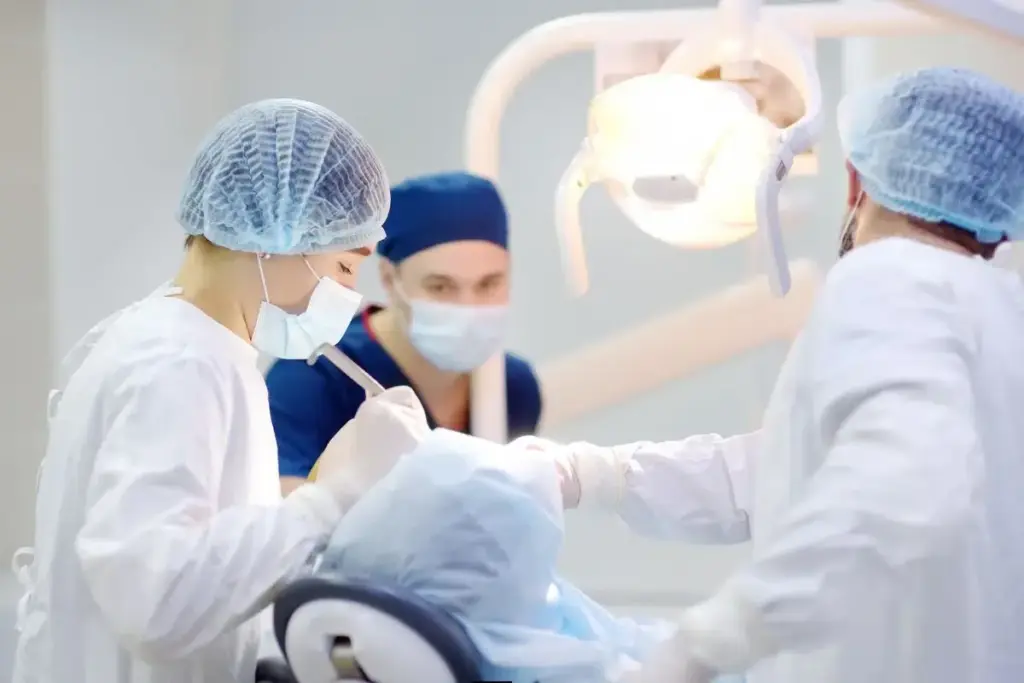
General surgery covers a wide range of operations. Some procedures are more common than others. We will look at how often these surgeries happen and what affects their frequency.
Frequency Distribution of Surgical Cases
The number of general surgery procedures varies a lot. Cholecystectomy and hernia repairs are among the most common. Studies show these surgeries are needed often because of gallbladder disease and hernias.
Factors Influencing Procedure Prevalence
Many things affect how often certain surgeries are done. Demographic factors, lifestyle choices, and medical conditions all play a part. Knowing these helps general surgeons give better care.
Looking at how surgeries are distributed and what affects them helps us understand general surgery better. It also shows how these surgeries impact patient care.
Cholecystectomy: Leading the List of General Surgery Procedures
Cholecystectomy is a top surgery in general surgery, often needed for gallbladder problems. We’ll look at why it’s so common and who gets it most.
Understanding Gallbladder Disease and Dysfunction
Gallbladder disease, like gallstones, is a common issue. It can make digestion hard and may need surgery to fix.
Statistical Analysis of Cholecystectomy Frequency
Cholecystectomy is a big deal in the U.S., with lots of surgeries done every year.
Annual Rates in the United States
In the U.S., over 700,000 cholecystectomies happen each year. It’s one of the top surgeries because gallbladder disease is common and surgery works well.
Demographic Patterns in Gallbladder Surgery
Some groups get gallbladder disease more than others. Women, mainly in their 40s and 50s, are more likely to have surgery for gallstones.
|
Demographic |
Cholecystectomy Rate |
Common Age Range |
|---|---|---|
|
Women |
Higher incidence |
40-60 years |
|
Men |
Lower incidence |
50-70 years |
Knowing who gets gallbladder disease helps in managing it. This can lower the need for surgeries like cholecystectomy.
The Evolution of Minimally Invasive Gallbladder Surgery
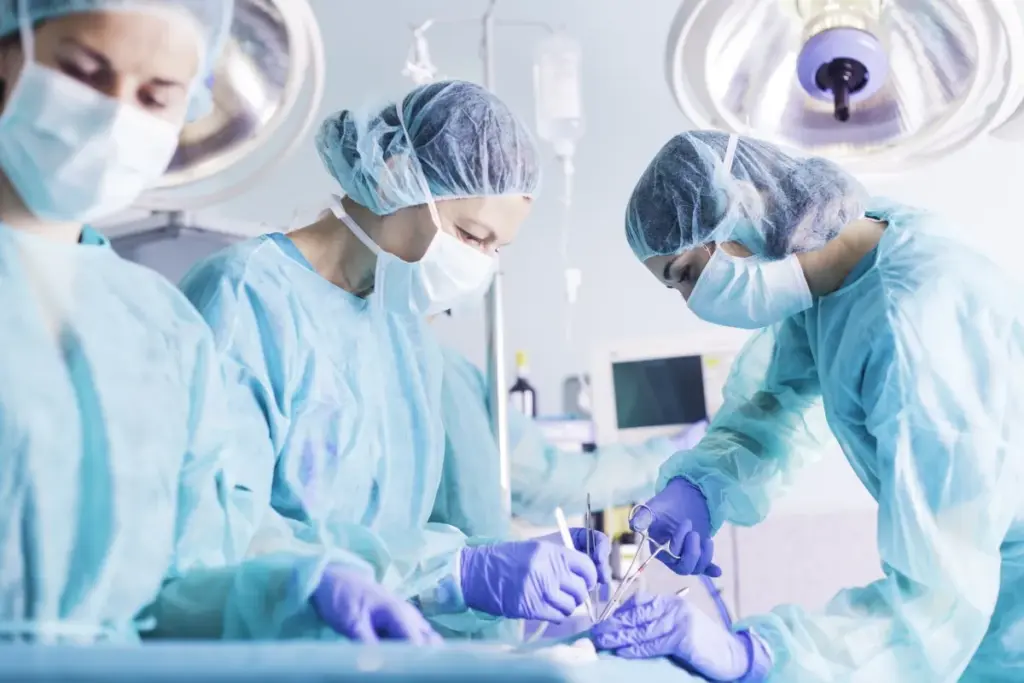
Gallbladder surgery has changed a lot with new, less invasive methods. Now, over 90% of surgeries are done this way, making recovery faster and better for patients. Laparoscopic surgery is now the top choice for treating gallbladder issues.
Laparoscopic Cholecystectomy Techniques
Laparoscopic cholecystectomy uses small cuts for a laparoscope and tools to remove the gallbladder. Over time, technology has made this method even better. The main benefits are:
- Less pain after surgery
- Shorter time in the hospital
- Less scarring
- Quicker return to daily life
Patient Benefits and Recovery Outcomes
Laparoscopic cholecystectomy offers more than just a quick surgery. Patients feel less pain and have fewer problems after surgery. Most can get back to their usual activities in just a week or two. Research shows this method leads to lower complication rates and happier patients.
As we keep improving surgery, we’ll see even more benefits from minimally invasive gallbladder treatments. This will lead to even better care for patients.
Hernia Repairs: Second Most Common General Surgery
Hernia repairs are a big deal in general surgery. They are very common. Different types of hernias need surgery to fix them.
Types of Hernias Requiring Surgical Intervention
There are many hernias that need surgery, like inguinal, umbilical, and incisional hernias. Inguinal hernias are the most common, making up a big part of hernia surgeries.
Inguinal Hernia: The 10% Statistic Explained
About 10% of surgeries are for inguinal hernias. This shows how often general surgeons deal with these hernias. Many factors, like age and physical strain, make inguinal hernias common.
Modern Approaches to Hernia Repair
New surgical methods have made hernia repairs better. There are two main things: using mesh or not, and choosing between laparoscopic or open surgery.
Mesh vs. Non-Mesh Techniques
Mesh is now the usual choice for hernia repair because it lowers the chance of the hernia coming back. But, some patients might not get mesh, depending on their situation and the type of hernia.
Laparoscopic vs. Open Repair Methods
Laparoscopic surgery is better because it means smaller cuts, less pain, and faster healing. Open surgery is used for harder cases or when laparoscopic tools aren’t available.
|
Repair Method |
Benefits |
Limitations |
|---|---|---|
|
Laparoscopic |
Less postoperative pain, quicker recovery |
Requires specialized equipment, longer learning curve |
|
Open |
Simpler to perform, suitable for complex cases |
More postoperative pain, longer recovery time |
As surgery gets better, fixing hernias will get even more effective. This will lead to better results for patients and faster healing times.
Gastrointestinal Surgery Beyond the Top Procedures
There are many important surgeries for the stomach and intestines, not just the usual ones. These surgeries help treat many health issues. They improve patients’ lives and health.
Appendectomy: Frequency and Modern Approaches
Removing the appendix is a common emergency surgery. Modern appendectomy methods use laparoscopy. This is because it’s less invasive and helps patients recover faster.
Research shows laparoscopic appendectomy cuts down on hospital stays and complications. It’s better than the old open surgery method.
Intestinal Procedures and Endoscopies
Intestinal surgeries and endoscopies are key for diagnosing and treating stomach problems. Endoscopic procedures are minimally invasive. They help find issues like bleeding, polyps, and cancers early.
Colorectal Surgical Interventions
Colorectal surgery deals with the colon and rectum. It treats cancer, diverticulitis, and inflammatory bowel disease. Advances in colorectal surgery have made it better. Laparoscopic and robotic-assisted surgeries offer reduced recovery times and improved precision.
In conclusion, gastrointestinal surgery includes many procedures beyond the usual ones. Knowing about these, like appendectomy, intestinal procedures, and colorectal surgery, is key. It helps us give the best care to our patients.
The Transformation of General Surgery Through Technology
Technology has changed general surgery a lot, making it more precise and better for patients. We’ve seen big steps forward in surgical care thanks to new tech. This tech is changing how we do general surgery.
Robotic-Assisted Surgical Systems
Robotic systems are now big in general surgery. They give surgeons better control, precision, and views. This means they can do complex surgeries more accurately, helping patients more.
- Enhanced precision and control
- Reduced recovery time
- Minimally invasive procedures
Advanced Imaging and Navigation Tools
Modern general surgery relies on advanced imaging and navigation tools. They give surgeons real-time data and better views during surgery. This makes surgeries more accurate and safer.
- Intraoperative imaging
- Navigation systems
- 3D visualization
Energy Devices and Stapling Technologies
Energy devices and stapling tech have changed general surgery a lot. They help with bleeding and sealing tissues better. This makes surgeries safer and more effective, leading to better patient results.
As tech keeps getting better, we’ll see even more progress in general surgery. This will lead to even better care and results for patients.
Ambulatory Surgery: The Shift to Outpatient Procedures
General surgery is moving towards more outpatient procedures. This change comes from better surgical techniques and technology. It also reflects what patients want. Now, many general surgeries are done without needing to stay in the hospital, which is good for patients.
Statistics on Outpatient General Surgery
Studies show more general surgeries are done outside the hospital. A study on found an increase in outpatient surgeries. This is because outpatient surgery is more efficient and cheaper.
Selection Criteria for Ambulatory Cases
Choosing which surgeries to do outside the hospital is important. Surgeons look at how complex the surgery is, the patient’s health, and if they can get the care they need at home. This way, patients get great care and don’t have to stay in the hospital.
Emergency General Surgery: Acute Care Interventions
Emergency general surgery deals with urgent surgeries, like trauma and acute abdominal issues. General surgeons are trained to handle these complex cases with care.
Trauma-Related Surgical Procedures
Trauma surgeries are a big part of emergency general surgery. These surgeries need complex decision-making and rapid intervention to help patients. Studies show trauma cases make up a big part of emergency surgeries.
Acute Abdominal Emergencies Requiring Immediate Surgery
Emergencies like appendicitis and perforated ulcers need quick surgery. “Timely intervention is key to prevent complications and improve outcomes,” say surgical guidelines. We use advanced techniques and state-of-the-art technology to handle these emergencies well.
Regional Variations in General Surgery Practice
General surgery practices vary by region. This is due to factors like urban vs. rural settings and local disease rates. These differences affect the types of surgeries done and how patients are cared for. It’s key to understand these variations for effective surgical care.
Urban vs. Rural Surgical Care Differences
Urban and rural areas have different surgical care setups. Urban areas have better medical facilities and more specialized surgeons. This means they can do more surgeries. On the other hand, rural areas face challenges like fewer healthcare options and less access to surgeons. This can affect surgery outcomes and patient care.
A study on rural surgery points out a big issue. It says the lack of surgical care in rural areas is a big problem. It calls for new ways to solve this gap.
This gap shows we need to find ways to get more surgical care to areas that need it.
Geographic Trends in Procedure Selection
Geographic trends also shape which surgeries are done. The rate of certain diseases varies by region. This affects how often surgeries like cholecystectomies are done.
Regional guidelines and preferences also play a part. Some areas might choose more conservative treatments, while others might opt for more aggressive ones. Knowing these trends helps surgeons keep up with best practices and helps healthcare systems plan better.
Our team uses the latest medical technology and proven practices to help patients. We aim to provide the best care possible.
Evidence-Based Surgical Care Pathways
Vision and Values in Surgical Practice
Our goal is to give patient-centered care that focuses on comfort, safety, and results. We believe in using new technology and always trying to improve. This keeps our surgical methods at the highest level.
Patient-Centered Surgical Approach
We tailor our care to meet each patient’s unique needs. This includes everything from the surgery to pre- and post-operative care. It’s all about making sure each patient gets the best care.
Technological Innovation and Continuous Improvement
We’re always looking for new ways to improve surgery. We use the latest tools and techniques. This ensures our patients get the best care available.
Conclusion: The Future Landscape of General Surgery
The future of general surgery looks bright, thanks to new technologies and changing healthcare needs. General surgeons do many procedures, like colonoscopies and biopsies. These make up almost 18.1 percent of outpatient surgeries, as shown by the.
General surgery will likely move towards less invasive methods. This will help patients heal faster and feel better sooner. General surgeons will keep being key, needing both skill and care for their patients. They must stay up-to-date with new tech and techniques to give top-notch care.
The future of general surgery depends on education, innovation, and a focus on doing great work. By embracing these changes, we can make sure general surgery keeps meeting patient needs. It will provide effective and caring care.
FAQ
What is the role of a general surgeon in healthcare?
General surgeons are key in healthcare. They do surgeries and care for patients before and after surgery. They focus on the digestive system a lot.
What are the most common surgeries performed by general surgeons?
General surgeons often do gallbladder removals, hernia repairs, appendectomies, and work on the colon.
Why is cholecystectomy one of the most common general surgeries?
Cholecystectomy is common because many people get gallbladder disease. It’s also because of who gets it.
What are the benefits of minimally invasive surgical techniques like laparoscopic cholecystectomy?
Techniques like laparoscopic cholecystectomy are great. They help patients recover faster and do better overall.
What types of hernias require surgical intervention?
Hernias like inguinal ones need surgery. General surgeons use different methods, like mesh and laparoscopy, to fix them.
How has technology impacted general surgical practice?
Technology has changed general surgery a lot. It includes robotic systems, better imaging, and energy tools.
What is the trend in outpatient general surgery, and what are the criteria for selecting cases for ambulatory procedures?
Outpatient surgery is becoming more common. It’s because of changes in healthcare and what patients want. There are certain criteria for choosing cases for outpatient surgery.
What is the significance of emergency general surgery in managing acute conditions?
Emergency general surgery is very important. It deals with urgent surgeries, like trauma and sudden belly problems.
How does the practice of general surgery vary by region?
General surgery varies by area. It depends on where you are, like city or country. This affects what surgeries are done and how care is given.
What is the future of general surgical practice?
The future of general surgery will be shaped by new tech and changing patient needs. This will keep the field evolving.
Reeferences
JAMA Network. Evidence-Based Medical Insight. Retrieved from https://jamanetwork.com/journals/jamasurgery/fullarticle/592037

























