
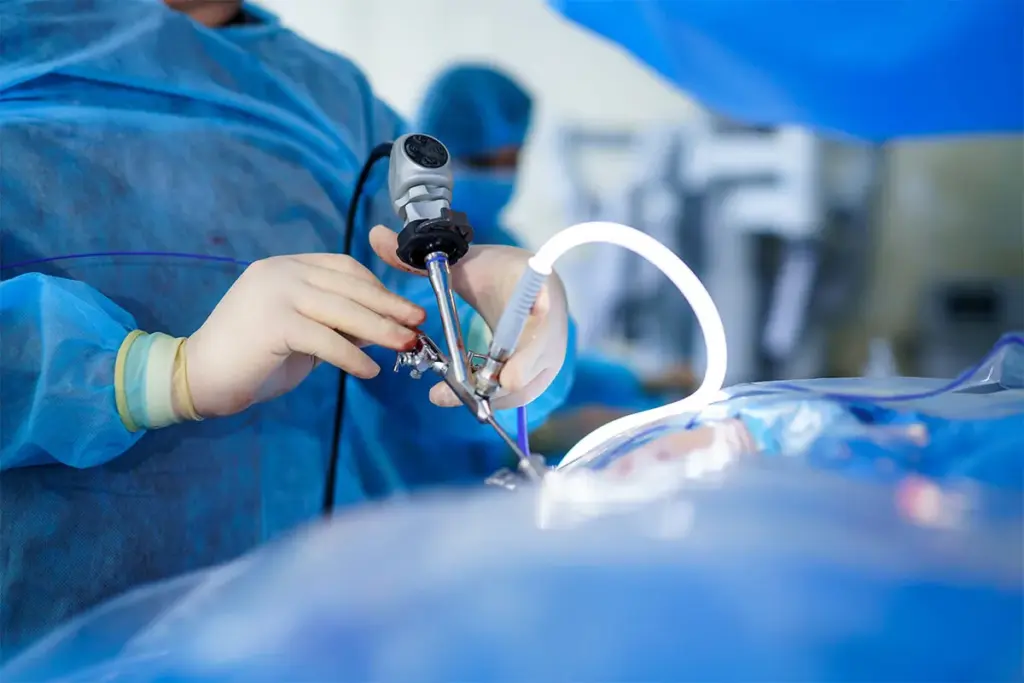
Minimally invasive surgery has changed the medical world. It cuts down on recovery time and pain from old surgeries. This method uses small cuts for tools and a camera to do the surgery.
Laparoscopy surgery, a key part of this, cuts down on surgical complications. But, it’s not without its side effects.
Key Takeaways
- Minimally invasive procedures reduce tissue damage and promote faster healing.
- Smaller incisions result in less pain and scarring.
- The risk of surgical complications is lower compared to traditional surgery.
- Patients typically experience shorter hospital stays and quicker recovery times.
- Laparoscopy surgery is a common form of minimally invasive surgery.
Understanding Minimally Invasive Surgery
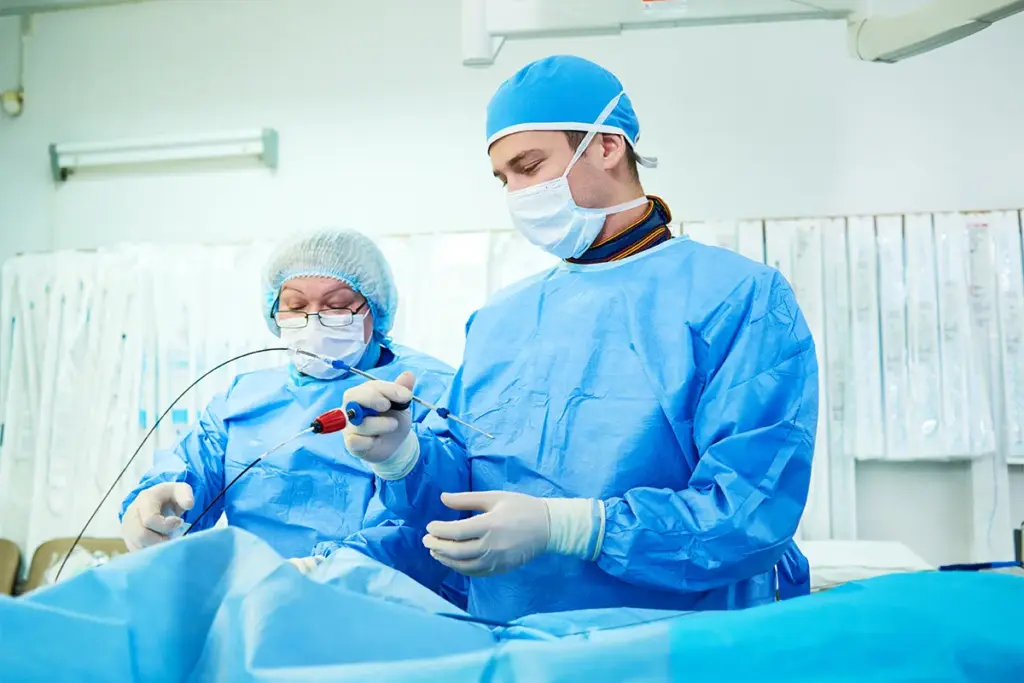
Minimally invasive surgery uses small cuts, unlike old-school open surgery. This new way of doing surgery has changed how many procedures are done.
Definition and Basic Principles
Minimally invasive surgery (MIS) uses tiny incisions, called “keyhole” cuts. These cuts are for special tools. Laparoscopic surgery is a type of MIS. It uses a thin, lighted tube with a camera to see inside the body.
The basic principle is to cause less damage and heal faster. This is because the cuts are smaller.
According to a reliable source, “MIS involves the use of small, ‘keyhole’ incisions to serve as ports for special instruments during surgery.” This method allows for precise work with less harm to the patient.
Key Differences from Traditional Open Surgery
The main difference is the size and number of cuts. Open surgery needs a big cut for direct access. But, minimally invasive surgical techniques use many small cuts. This means less damage and less pain after surgery.
|
Characteristics |
Minimally Invasive Surgery |
Traditional Open Surgery |
|---|---|---|
|
Incision Size |
Small, “keyhole” incisions |
One large incision |
|
Tissue Damage |
Less tissue damage |
More tissue damage |
|
Recovery Time |
Faster recovery |
Slower recovery |
Types of Minimally Invasive Surgical Procedures
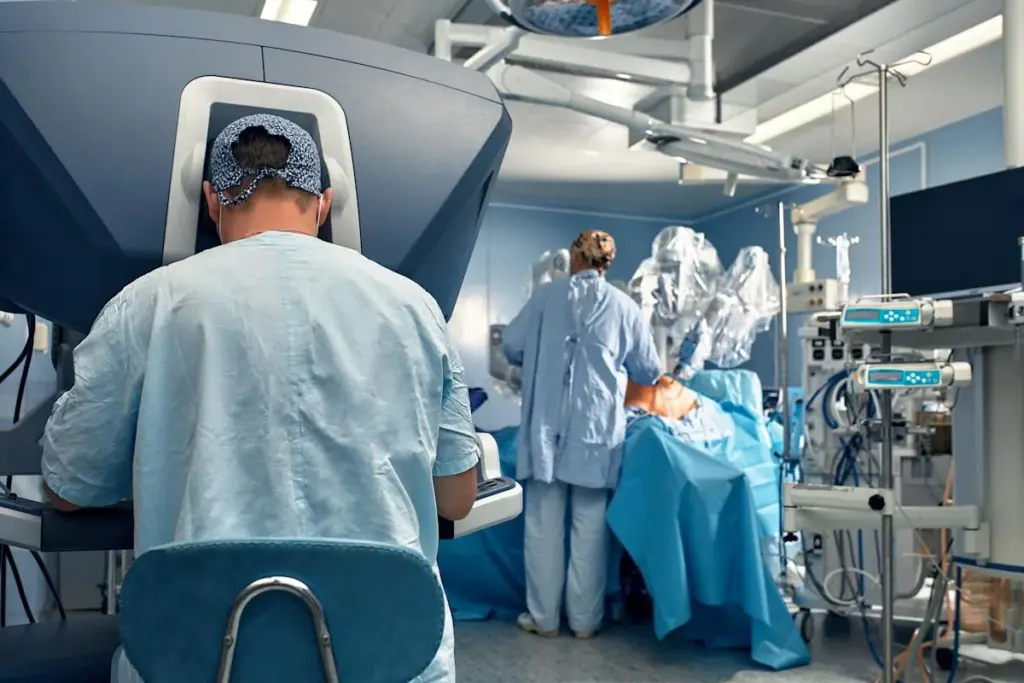
Minimally invasive surgery has changed how we do operations. It makes recovery faster, scars less, and lowers the chance of problems. The main types include:
Laparoscopic Surgery
Laparoscopic surgery uses small cuts for a laparoscope and tools. It’s often for gallbladder removal and hernia fixes. The laparoscope shows images on a screen, helping the surgeon work accurately.
Robotic-Assisted Surgery
Robotic-assisted surgery boosts laparoscopic work with a 3D view. The robot makes the surgeon’s hand movements exact. It’s used for tricky surgeries like prostate and heart operations.
Endoscopic Procedures
Endoscopic procedures use a flexible tube with a camera and light. They help see inside organs or spaces. It’s used for checking and treating issues in the gut, lungs, and more. These procedures can also treat problems.
To wrap up, laparoscopic, robotic-assisted, and endoscopic surgeries are big in minimally invasive surgery. Each has its own uses and helps improve surgery care.
Benefits of Minimally Invasive Techniques
Minimally invasive techniques offer many advantages, leading to better patient outcomes. These methods result in smaller cuts. This means less pain, fewer complications, and a quicker recovery time.
Reduced Recovery Time
One key benefit of MIS is the reduced recovery time. Smaller incisions mean less trauma to the body. This allows patients to get back to their daily lives sooner.
Less Pain and Scarring
MIS leads to less pain and scarring than traditional surgery. The smaller cuts lower the risk of problems. They also result in less scarring, making the recovery look better.
Shorter Hospital Stays
Patients who have MIS often stay in the hospital for shorter periods. With fewer complications and less pain, they can leave sooner. This reduces the chance of getting sick in the hospital.
- Faster return to normal activities
- Less risk of infection
- Improved cosmetic outcomes
Common Physical Side Effects After Surgery
After minimally invasive surgery, patients often face physical side effects. Knowing about these can help manage recovery better. It’s important to understand these side effects to have a smoother recovery.
Pain and Discomfort
Pain and discomfort are common after surgery. The pain level can differ based on the surgery and how each person feels pain. Effective pain management is key for a comfortable recovery. This might include medicine and relaxation techniques.
Bruising and Swelling
Bruising and swelling are common after surgery. They happen because of tissue damage during surgery. This damage leads to bleeding and fluid buildup. A cold compress can help with swelling.
Fatigue and Weakness
Fatigue and weakness are common after surgery. The body’s stress response and anesthesia effects can make patients feel tired. Rest and a balanced diet are important for getting stronger.
Nausea and Digestive Issues
Nausea and digestive problems can come from anesthesia and medicine after surgery. Drinking plenty of water and slowly adding solid foods can help.
|
Side Effect |
Common Causes |
Management Tips |
|---|---|---|
|
Pain and Discomfort |
Surgical trauma, individual pain tolerance |
Medication, relaxation techniques |
|
Bruising and Swelling |
Tissue trauma, bleeding into tissues |
Cold compress, elevation |
|
Fatigue and Weakness |
Surgical stress, anesthesia effects |
Rest, balanced diet |
|
Nausea and Digestive Issues |
Anesthesia, post-operative medications |
Hydration, gradual food reintroduction |
Procedure-Specific Side Effects of Laparoscopic Surgery
It’s important to know about the side effects of laparoscopic surgery. This type of surgery is less invasive but has its own set of side effects.
Abdominal Discomfort from Carbon Dioxide
During laparoscopic surgery, carbon dioxide is used to inflate the abdomen. This makes it easier for surgeons to see and work inside. But, this inflation can cause abdominal discomfort after surgery. This discomfort is usually short-lived and goes away as the body absorbs the carbon dioxide.
Referred Shoulder Pain
Referred shoulder pain is another common side effect. It happens when carbon dioxide irritates the diaphragm. This pain feels like it’s in the shoulder but actually comes from the abdomen. It can be treated with pain medication and goes away as the carbon dioxide is absorbed.
Port Site Complications
Port site complications involve issues with the incisions made for laparoscopic instruments. These can be broken down into:
- Incision Site Pain: Pain at the incision sites is common and can be managed with pain medication.
- Port Site Hernias: Though rare, hernias can occur at the port sites, which might need surgical treatment.
Knowing about these side effects can help patients prepare for their recovery. It lets them understand what to expect after laparoscopic surgery.
Potential Serious Complications of Minimally Invasive Surgery
Minimally invasive surgery can lead to severe complications. These procedures offer benefits like less pain and quicker recovery. But, it’s important to know the risks.
Infection Risks
Infections are a big risk with any surgery, including minimally invasive ones. Proper sterile technique and post-operative care help lower this risk. But, infections can happen, leading to serious problems.
Bleeding Complications
Bleeding can happen during or after surgery. Close monitoring and prompt intervention are key to manage bleeding well.
Organ or Tissue Damage
Damage to organs or tissues is a serious issue. It can come from instrument malfunction or anatomical variations.
Vascular Injuries
Vascular injuries damage blood vessels, causing bleeding. Prompt recognition and effective management are vital to avoid bad outcomes.
Visceral Injuries
Visceral injuries harm internal organs. These can be hard to spot and might need immediate surgical intervention to fix.
Knowing about these serious complications is key for patients and doctors. By understanding these risks, we can take steps to reduce them. This ensures the best results from minimally invasive surgeries.
Anesthesia-Related Side Effects in Surgery
Anesthesia in surgery has both good and bad sides. It helps with pain but can also cause problems. Knowing about these side effects is key for both patients and doctors.
Common Reactions to Anesthesia
Many people feel some common side effects after surgery with anesthesia. These include:
- Nausea and vomiting
- Dizziness or feeling groggy
- Sore throat, often after intubation
- Shivering or feeling cold
- Confusion or memory problems
These effects usually go away quickly after surgery. But knowing about them helps patients prepare and recover better.
Rare but Serious Anesthesia Complications
Some anesthesia complications are rare but serious. These include:
- Anaphylaxis: A severe allergic reaction that can be life-threatening if not treated promptly.
- Malignant Hyperthermia: A rare but potentially fatal condition triggered by certain anesthetics.
- Nerve Damage: Peripheral nerve damage can occur, leading to numbness, tingling, or pain.
- Awareness During Surgery: Though rare, some patients may regain consciousness during a procedure.
Knowing about these risks helps patients talk better with their doctors about anesthesia. This way, they can choose safer options and reduce risks.
Psychological Side Effects After Minimally Invasive Surgery
The mind’s effects from minimally invasive surgery are often missed but are as big as the body’s benefits. Patients might face many psychological side effects after these surgeries.
Post-Operative Depression and Anxiety
Depression and anxiety are common after minimally invasive surgery. The surgery stress and the unknown of recovery can lead to these issues. It’s key for doctors to provide support and resources to tackle these problems.
Cognitive Effects and “Brain Fog”
Some patients feel “brain fog” after surgery. This can be trouble focusing, memory problems, or feeling mentally unclear. The reasons are not clear, but anesthesia and the body’s reaction to surgery might be involved.
|
Psychological Side Effect |
Description |
Potential Causes |
|---|---|---|
|
Depression |
Feelings of sadness, hopelessness |
Surgical stress, recovery uncertainty |
|
Anxiety |
Fear, worry about the future |
Post-surgical pain, fear of complications |
|
Cognitive Effects (“Brain Fog”) |
Difficulty concentrating, memory issues |
Anesthesia, inflammatory response |
Patient Risk Factors for Surgical Complications
Many factors can affect a patient’s risk of complications during and after surgery. It’s key for surgeons to understand these to assess risks and take steps to prevent them.
Pre-existing Medical Conditions
Patients with pre-existing medical conditions face a higher risk of complications. Conditions like diabetes, heart disease, or lung disease can hinder healing and response to surgery. For example, diabetes can slow down wound healing, while heart disease raises the risk of heart problems during surgery.
- Diabetes
- Heart disease
- Lung disease
Age and Physical Health Considerations
Age is a major factor in surgical outcomes. Older patients often have less physical strength, making recovery harder. They also tend to have more chronic conditions, adding to the complexity of their care. Physical health, including nutrition and fitness, also impacts the risk of complications.
Preparing for Surgery to Minimize Side Effects
Getting ready for surgery means taking several steps to lower side effect risks. By following pre-operative instructions and managing medications well, patients help make the surgery and recovery smoother.
Pre-Operative Instructions
Pre-operative instructions help patients get ready for surgery. They cover fasting, hygiene, and more. It’s key to follow these to avoid surgery risks.
Medication Considerations
Managing medications before surgery is very important. Patients need to know which meds to stop and which ones are safe for surgery.
Medications to Avoid
Some meds can make bleeding more likely or mess with anesthesia. Blood thinners and anti-inflammatory drugs are usually avoided. Always check with your doctor about what to skip.
Required Pre-Operative Medications
Before surgery, some meds are given to get the body ready. Antibiotics to prevent infection are common. Always take these meds as your doctor says.
|
Medication Type |
Pre-Operative Instruction |
Reason |
|---|---|---|
|
Blood Thinners |
Avoid |
Risk of bleeding |
|
Antibiotics |
Take as directed |
Prevent infection |
|
Anti-inflammatory drugs |
Avoid |
Risk of bleeding |
Post-Operative Care and Recovery
The time after surgery is very important. Good care can help a lot with recovery. It’s key to know what to do right after surgery and what to follow for weeks later.
Immediate Recovery Period
Right after surgery, doctors watch for any bad reactions. Rest and avoiding hard activities are important in the first days. Patients must follow their doctor’s advice on pain management, wound care, and medication.
Long-term Recovery Guidelines
Getting back to normal takes time. It includes physical therapy to get strong and mobile again. Also, eating right and going to follow-up appointments are important. Following these steps can make surgery a success.
By following care instructions, patients can avoid problems and recover faster.
Conclusion
Minimally invasive surgery has many benefits. It can lead to quicker recovery times and less pain. But, it’s important to think about the possible side effects too.
Understanding the risks associated with minimally invasive surgery and the potential surgical side effects is crucial for helping patients make informed choices. Talking to healthcare professionals about these concerns is key.
By being proactive and well-informed, patients can face their surgery with confidence. This approach helps avoid complications and ensures the best results.
FAQ
What is minimally invasive surgery?
Minimally invasive surgery is a way to do operations through small cuts. It uses special tools and methods, like laparoscopy or robotic surgery. This approach aims to cause less damage and help patients heal faster.
What are the benefits of minimally invasive surgery?
This type of surgery has many benefits. It leads to quicker recovery times, less pain and scarring, and shorter hospital stays. This makes the patient’s experience better and improves their health outcomes.
What are the common physical side effects of minimally invasive surgery?
Common side effects include pain, bruising, feeling tired, and nausea. These effects are usually short-term and can be managed with proper care after surgery.
What are the specific side effects associated with laparoscopic surgery?
Laparoscopic surgery can cause discomfort in the abdomen, shoulder pain, and issues at the incision sites. These problems often come from the carbon dioxide gas used to inflate the abdomen during the procedure.
Can minimally invasive surgery lead to serious complications?
Yes, though rare, serious complications can happen. These include infections, bleeding, and damage to organs. It’s vital to choose the right patients and use skilled techniques to avoid these risks.
What are the risks associated with anesthesia in surgery?
Anesthesia can cause side effects like nausea and feeling drowsy. But, it can also lead to rare but serious issues, such as allergic reactions or breathing problems. This shows the importance of careful management of anesthesia.
How can patients prepare for surgery to minimize side effects?
Patients can prepare by following pre-surgery instructions, managing their medications, and staying healthy. These steps can help reduce complications and make recovery smoother.
What is the importance of post-operative care and recovery?
Proper care and recovery after surgery are key. They help manage pain, reduce side effects, and aid in healing. Patients should follow specific guidelines for both immediate and long-term recovery.
Are there any psychological side effects after minimally invasive surgery?
Yes, patients might experience depression, anxiety, and cognitive issues after surgery. It’s important to have mental health support during the recovery period.
What patient risk factors can contribute to surgical complications?
Certain medical conditions, age, and physical health can increase the risk of complications. It’s critical to assess patients thoroughly before surgery and choose carefully.
How can laparoendoscopic surgeons minimize the risk of complications during surgery?
Surgeons can reduce risks by using skilled techniques, advanced technology, and careful patient management. This approach helps ensure a safe and successful procedure.
Reference
National Center for Biotechnology Information. Evidence-Based Medical Insight. Retrieved from https://pubmed.ncbi.nlm.nih.gov/39363458/