
Did you know a misplaced surgical item can cause serious problems? This includes infections, organ damage, and even death. The New York City Civilian Complaint Review Board (CCRB) Semi-Annual Report 2025 shows how important it is to be accurate with surgical counts. Who leads surgical counts for best amazing safety? Learn the incredible proven secrets for a successful and safe procedure today.
Legal responsibility in the operating room is key for patient safety. If counts are wrong, it can lead to big problems. This includes legal and financial issues for healthcare providers. We will look into why accurate counts are so important and what happens if they’re not.
Key Takeaways
- Accurate surgical counts are vital for patient safety.
- Healthcare providers are legally responsible for surgical counts.
- Wrong counts can cause serious issues and legal trouble.
- Following operating room procedures is necessary for accurate counts.
- Being accountable in medical procedures helps avoid mistakes.
The Critical Nature of Surgical Counts in Operating Rooms
In the high-stakes environment of operating rooms, surgical counts are key to patient safety. They ensure all surgical items are accounted for before, during, and after a procedure.
Definition and Purpose of Surgical Counts
Surgical counts involve counting and verifying surgical instruments, sponges, and other materials. The main goal is to prevent retained surgical items (RSIs). RSIs are foreign objects left inside a patient after surgery.
These can cause serious problems, like infection, organ damage, and even death.
Types of Items Included in Surgical Counts
The count includes various items like surgical sponges, needles, instruments, and more. Surgical sponges are often left behind because of their small size and ability to hide in the surgical site.
Statistical Overview of Retained Surgical Items
Studies show that retained surgical items are a big concern in operating rooms. They affect patient safety a lot. Reports say the rate of RSIs varies from 1 in 1,000 to 1 in 18,000 surgeries.
This highlights the need for accurate and reliable counting practices. It shows how important it is for each team member to ensure patient safety.
Legal Framework and Regulatory Standards for Surgical Counts
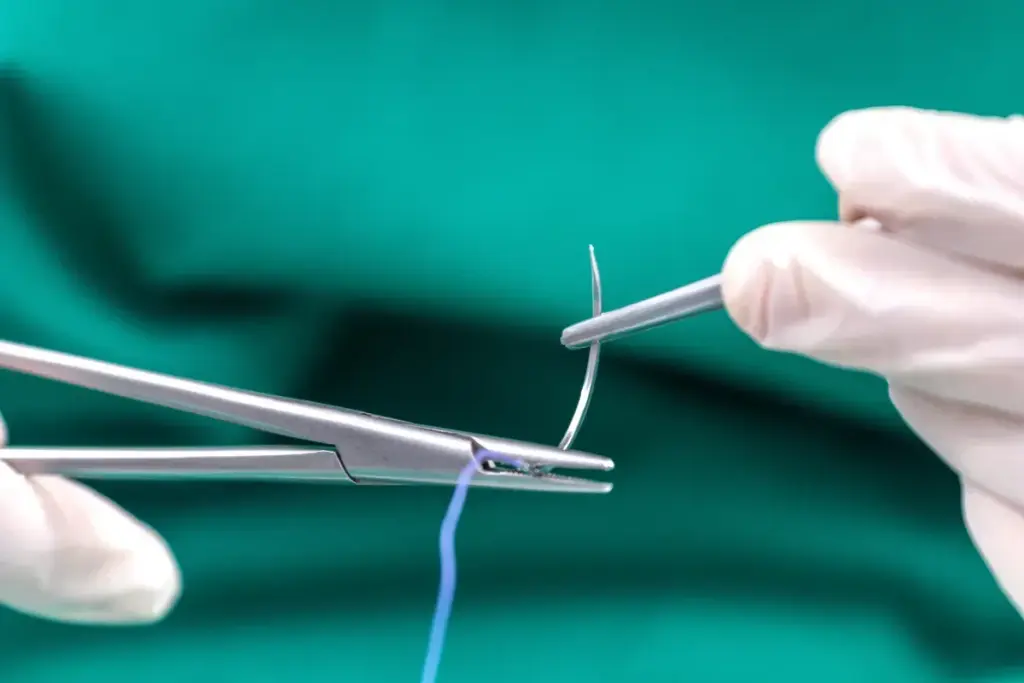
It’s key for healthcare providers to know the legal and regulatory standards for surgical counts. Accurate counts are not just good practice. They are required by law.
Joint Commission Requirements
The Joint Commission sets standards for surgical counts. They stress the need for accurate counting to avoid retained surgical items (RSIs). Hospitals must have policies for counting items like sponges, sharps, and instruments.
Key elements of Joint Commission requirements include:
- Standardized counting procedures
- Documentation of counts
- Resolution of count discrepancies
CMS Regulations and “Never Events”
The Centers for Medicare & Medicaid Services (CMS) has rules for “Never Events,” including RSIs. Hospitals won’t get paid for Never Events. So, accurate counts are very important for money reasons.
The CCRB Semi-Annual Report 2025 shows how important following rules is. It says healthcare places need to follow CMS rules and others to lower the risk of RSIs.
State-Specific Legal Requirements
States also have their own laws about surgical counts. These laws might require specific counting methods, documentation, and reporting of any issues.
Documentation Standards for Legal Protection
Good documentation is vital for legal safety when there are surgical count issues. Healthcare providers must document all counts correctly. This includes any problems and how they were fixed.
Best practices for documentation include:
- Clear and concise recording of counts
- Timely documentation of count discrepancies
- Detailed accounts of actions taken to resolve discrepancies
Primary Responsibility: The Circulating Nurse’s Legal Obligations

The circulating nurse is key in keeping patients safe during surgery. They manage the surgical count process. This job is not just a duty but also carries legal weight.
Initiating and Documenting the Counting Process
The circulating nurse starts the surgical count at the start of the surgery. They count all surgical items like sponges, instruments, and needles carefully. It’s important to document this count well.
This documentation is kept in the patient’s medical record. It lists the items counted and any issues found later.
Communication Requirements with Surgical Team
Good communication is vital for the circulating nurse and the surgical team. They must share the count status clearly. This keeps everyone on the same page.
If there are any issues, the nurse must tell the team right away. This includes telling the surgeon and others about the problem. They work together to fix it.
Legal Precedents Establishing Circulator Responsibility
Legal cases have shown the circulating nurse’s role in accurate counts. Courts say the nurse must ensure counts are done right and issues are fixed quickly.
When surgical items are left in and harm the patient, courts look at the nurse’s work. They check the documentation and how well the team was informed.
|
Legal Obligation |
Description |
Importance |
|---|---|---|
|
Initiating the Count |
Starting the surgical count process |
High |
|
Documenting the Count |
Recording the count in the patient’s medical record |
High |
|
Communicating with the Surgical Team |
Informing the team about the count status and discrepancies |
High |
The Scrub Nurse/Surgical Technologist’s Legal Accountability
In the surgical setting, scrub nurses and surgical technologists play a key role in patient safety. Their work ensures surgical procedures are done accurately and with care.
Handling and Tracking Surgical Instruments
Scrub nurses and surgical technologists handle and track surgical instruments. They keep an accurate count of instruments during surgery. Proper tracking is key to avoid retained surgical items, which can harm patients and lead to legal issues.
They must pay close attention to detail when handling instruments. Studies show that accurate tracking lowers the risk of surgical complications.
Management of Raytex Sponges and Countable Items
Scrub nurses and surgical technologists also manage Raytex sponges and other countable items. They must count these items before, during, and after surgery to prevent them from being left inside the patient.
Effective communication among the surgical team is essential. It helps ensure all items are properly managed. This includes working with the circulating nurse to verify counts and solve any issues.
|
Countable Item |
Pre-Op Count |
Intra-Op Count |
Post-Op Count |
|---|---|---|---|
|
Raytex Sponges |
10 |
10 |
10 |
|
Surgical Instruments |
20 |
20 |
20 |
Proper Instrument Handling After Surgery Completion
After surgery, scrub nurses and surgical technologists must handle instruments correctly. They ensure all instruments are cleaned and stored safely to prevent damage or loss.
Correct handling after surgery is vital for patient safety and legal protection. Documentation of instrument handling and storage is key to show compliance with legal standards.
Legal Exposure and Defense Strategies
Scrub nurses and surgical technologists may face legal issues if they fail in their duties. It’s important to have strong defense strategies ready.
Healthcare facilities should offer regular training on legal accountability and defense strategies. This includes keeping up with the latest regulations and best practices in surgical count management.
Surgeon’s Legal Obligations and Liability in Surgical Counts
The surgeon’s role in ensuring accurate surgical counts is key to patient safety and legal responsibility. As the main doctor during surgery, surgeons have legal duties that affect their liability for retained surgical items.
Captain of the Ship Doctrine and Its Evolution
The “captain of the ship” doctrine made the surgeon fully responsible for surgery actions, including counts. Though it has changed, it’s key to understanding the surgeon’s legal duties. This doctrine means the surgeon bears a lot of responsibility.
Key aspects of the captain of the ship doctrine include:
- Ultimate responsibility for patient safety during surgery
- Supervisory role over other surgical team members
- Decision-making authority in the operating room
Responsibility for Wound Exploration Before Closure
Surgeons must ensure a thorough wound check before closing. This step is vital to avoid leaving surgical items inside and is a standard surgical practice. We’ll look at how this duty is legally defined and its impact on surgeons.
The importance of wound exploration cannot be overstated. It’s a critical step that affects patient safety and the surgeon’s liability in case of problems.
Response Requirements to Count Discrepancies
When surgical counts don’t match, surgeons must act legally. This might mean stopping the surgery, checking the discrepancy, and fixing it. We’ll discuss the legal steps for handling count discrepancies and their effects on surgeons.
Surgeons must act quickly when count discrepancies happen. Not doing so can increase their liability.
Landmark Legal Cases Defining Surgeon Accountability
Several important legal cases have shaped what we know about surgeon accountability in surgical counts. We’ll go over these cases and their impact on surgeons’ legal duties. We’ll highlight key cases that have shaped surgical practice.
Notable cases have established that:
- Surgeons have a duty to ensure accurate surgical counts
- Not following count protocols can lead to liability
- The surgeon’s responsibility goes beyond the surgery itself
Anesthesia Provider’s Role in the Counting Process
In the operating room, anesthesia providers have key roles in the counting process. They focus on patient care but also check that all surgical items are counted right.
Anesthesia providers manage and track items during surgery. This includes:
- Pharmaceuticals and medications given during the procedure
- Anesthesia-related equipment and supplies
- Any other items introduced into the surgical field under their control
Specific Items Under Anesthesia Provider Control
Anesthesia providers must make sure all items under their control are accounted for. They keep accurate records of medications given, which is key for patient safety and legal reasons.
“Accurate documentation is not just about keeping records; it’s vital for patient care and legal protection,” the American Society of Anesthesiologists says.
Documentation Requirements
Proper documentation by anesthesia providers is very important for several reasons:
- It ensures care is continuous by keeping a clear record of all medications and actions
- It helps in investigating any adverse events or count issues
- It provides legal protection by showing they followed care standards
Anesthesia providers must document all important information accurately and clearly. They should use electronic medical records when they can.
Legal Implications of Anesthesia-Related Retained Items
If an item under an anesthesia provider’s control is left behind, it can have serious legal consequences. Retained items can harm patients, leading to malpractice claims.
Legal accountability in such cases may involve:
- Looking into how the retained item happened
- Potential liability for damages or harm to the patient
- Checking hospital policies and procedures on surgical counts
Hospital Administration and Institutional Liability for Surgical Counts
The CCRB Semi-Annual Report 2025 shows how important it is for hospitals to take responsibility for surgical counts. Hospital leaders must make sure these counts are right. They also need to have plans in place to avoid mistakes.
Corporate Negligence Doctrine
Hospitals can be held directly responsible for patient safety, including accurate surgical counts. Hospital administrators must create and follow policies that meet high standards. This is to prevent mistakes during surgery.
Responsibility for Policy Development and Enforcement
Hospital leaders are in charge of making clear rules for surgical counts. This includes how to count, document, and handle any issues. They must check regularly to make sure everyone follows these rules.
Training Requirements and Competency Assessment
It’s up to hospital administrators to make sure the surgical team knows how to do surgical counts. They need to train new staff and check if everyone is doing well. Keeping training up to date is key to high quality care.
Vicarious Liability Considerations
Hospitals can also be blamed for their employees’ mistakes. If a staff member doesn’t follow the rules and a surgical item is left inside, the hospital might be held accountable. This shows how critical it is to have good training and strict rules.
AORN Surgical Count Guidelines and Their Legal Significance
The Association of periOperative Registered Nurses (AORN) guidelines are key in setting the standard for surgical counts in operating rooms. These guidelines are widely accepted and used by healthcare facilities. They help ensure patient safety and lower the risk of surgical items being left inside.
Current AORN Recommendations as Standard of Care
AORN’s latest guidelines stress the need for a consistent counting process. These guidelines are updated often to keep up with the latest in patient safety. They cover how to count different surgical items, like sponges, instruments, and sharps.
Implementation of Standardized Procedures
Following AORN’s guidelines for surgical counts is vital for meeting the standard of care. Healthcare facilities need to create and enforce policies that match AORN’s recommendations. This ensures that all surgical team members are well-trained in counting.
Effective implementation means:
- Creating clear policies and procedures based on AORN guidelines
- Providing thorough training for all surgical team members
- Checking regularly to make sure everyone follows the guidelines
- Keeping accurate records of the counting process
Using AORN Guidelines as Legal Defense
If there’s a legal issue about surgical items left inside, following AORN guidelines can help. By showing they followed these recognized standards, healthcare providers can prove they met the expected care level.
AORN guidelines can help in several ways:
- Show that the facility followed best practices
- Prove the surgical team’s competence
- Verify the presence of proper policies and procedures
- Support the claim that any deviation was necessary or justified
Compliance Monitoring and Quality Improvement
Keeping up with AORN guidelines and improving quality is critical. Healthcare facilities should have strong quality assurance programs. These programs should regularly check and enhance their surgical count processes.
|
Quality Improvement Strategies |
Description |
Frequency |
|---|---|---|
|
Regular audits of surgical count processes |
Review of documentation and counting procedures |
Quarterly |
|
Staff education and training |
Workshops and in-service training on AORN guidelines |
Annually |
|
Peer review of counting practices |
Observation and feedback on counting techniques |
Bi-annually |
By sticking to AORN guidelines and always looking to improve, healthcare facilities can make patients safer. This also helps reduce the chance of legal problems related to surgical counts.
When Surgical Counts Disagree: Legal Protocol and Responsibility
When surgical counts don’t match, the team must follow a strict legal protocol. This ensures patient safety. Count discrepancies can lead to serious issues, like retained surgical items. These are considered “never events” by the Centers for Medicare and Medicaid Services (CMS).
Immediate Actions Required by Each Team Member
In case of a count discrepancy, each team member has specific duties. The circulating nurse must immediately alert the team and start a detailed search for the missing item. The scrub nurse or surgical technologist should re-count their items and confirm with the circulating nurse. The surgeon should pause the procedure, if possible, and join the search.
Key actions include:
- Immediate notification of the discrepancy to the entire surgical team
- A thorough search of the operating room, including the sterile field and surrounding areas
- Re-counting of surgical items, including sponges, instruments, and sharps
- Inspection of the surgical site and wound
Imaging Requirements and Documentation
If a thorough search doesn’t resolve the discrepancy, imaging studies are needed. Usually, an intraoperative X-ray is done. The image must clearly show if the item is present or not.
Documentation is critical and should include:
- Details of the count discrepancy
- Actions taken by the surgical team
- Results of any imaging studies performed
- Rationale for proceeding with or without closure of the surgical site
Post-Discrepancy Reporting Procedures
After the surgery, a detailed report of the discrepancy must be documented. This report should outline the steps taken and any outcomes. The incident should also be reported through the hospital’s quality improvement and risk management systems.
Legal Implications of Proceeding Despite Discrepancies
Deciding to close the wound despite a count discrepancy can have legal consequences. If a retained item is found later, it could be seen as negligent. The team’s actions will be reviewed to see if they followed protocols and showed reasonable care.
Transparency, following protocols, and detailed documentation are key in handling count discrepancies. They help avoid legal issues.
Modern Technology Solutions for Accurate Surgical Counts
Modern technology is changing how surgical counts are done. It makes them more accurate and reliable. As healthcare grows, using advanced tech in operating rooms is key for patient safety.
Automated Counting Systems and Legal Considerations
Automated counting systems are a big step forward in reducing surgical errors. They use computer vision and machine learning to count instruments and supplies accurately. From a legal view, these systems can lower liability by reducing the chance of surgical items being left inside.
But, it’s important to remember that technology isn’t perfect. Legal issues can come up if these systems fail or are used wrong. Hospitals must follow the maker’s rules and keep these systems in good shape to avoid legal trouble.
RFID and Barcode Tracking Implementation
RFID and barcode tracking are also being used to make surgical counts more accurate. These systems track surgical items in real-time, adding to safety. But, they need careful planning and fitting into the hospital’s systems.
From a legal side, using these techs can show a strong effort to keep patients safe. This can help defend against negligence claims.
Legal Implications of Technology Failures
Even with tech, failures can happen. When automated systems or RFID/barcode tracking fail, hospitals need to have plans ready. This includes backup systems or manual counting.
Legally, hospitals must make sure they have good backup plans and train staff on handling failures. Not doing so could lead to legal trouble if something goes wrong.
Documentation Requirements with Automated Systems
Even with automated systems, keeping accurate records is key. Counts, including those from automated systems, must be documented well. This is important for legal protection and to keep care going smoothly.
Hospitals should have clear rules on how to document data from automated systems. They must make sure this data is easy for all healthcare providers to understand and access.
|
Technology |
Benefits |
Legal Considerations |
|---|---|---|
|
Automated Counting Systems |
Reduces human error, improves accuracy |
Proper maintenance, following manufacturer guidelines |
|
RFID and Barcode Tracking |
Real-time tracking, enhanced safety |
Integration with hospital systems, staff training |
|
Technology Failures |
Backup systems, manual counts |
Protocols for failure, staff training |
Case Studies: Legal Outcomes of Retained Surgical Items
Court decisions on retained surgical items have set important precedents. These precedents shape hospital policies and the roles of surgical teams. They also influence patient safety and surgical practices in healthcare.
Notable Court Decisions and Precedents
Many court cases have shown the legal consequences of retained surgical items. For example, a patient was awarded damages after a sponge was left inside them. The court found the surgical team and the hospital at fault for negligence.
Courts look at several factors when deciding on liability:
- The role and responsibilities of each surgical team member
- The hospital’s policies and procedures for surgical counts
- The level of supervision and oversight during the surgical procedure
Settlement Trends and Damage Awards
Settlements for retained surgical items often involve large damage awards. These awards reflect the harm caused and the level of negligence.
|
Year |
Case Type |
Damage Award |
|---|---|---|
|
2018 |
Retained Sponge |
$1.4 million |
|
2020 |
Retained Instrument |
$2.1 million |
|
2019 |
Retained Sponge |
$1.8 million |
Distribution of Liability Among Team Members
In cases of retained surgical items, liability often falls on multiple parties. This includes surgeons, nurses, and hospital administration. The distribution depends on the case’s specifics and the roles of those involved.
For instance, if a surgical count was wrong, the court might blame the circulating nurse, the scrub nurse, and the surgeon differently.
Impact on Hospital Policies and Procedures
The legal outcomes of these cases have led to changes in hospital policies. Hospitals now have stricter counting protocols, better staff training, and use technology like RFID to track items.
These changes aim to lower the rate of retained surgical items and reduce legal risks. By following best practices and guidelines, hospitals can improve patient safety and avoid legal issues.
Operating Room Instruments and Materials Management
Managing instruments and materials in the operating room is key to good surgical care. It affects how well patients do. It includes standardizing tools, organizing the Mayo stand, and keeping track of things like sponges.
Standardization of Instrument Sets
Having the same tools for each surgery is essential. It makes surgeries safer and more efficient. Standardized instrument sets also help new staff learn faster and make inventory easier to manage.
|
Benefits of Standardization |
Description |
|---|---|
|
Reduced Errors |
Fewer mistakes due to familiarity with instrument sets |
|
Improved Efficiency |
Streamlined surgical processes |
|
Simplified Training |
Easier onboarding for new staff |
Mayo Stand Organization and Accountability
The Mayo stand is a key part of the surgical area. It holds important tools close to the team. Keeping it organized is important for a clean and efficient surgery. Clear accountability for what’s on the Mayo stand is also key. It makes sure everything is counted before, during, and after surgery.
Sponge Stick Usage and Tracking
Sponge sticks help manage sponges and other items in surgery. Using them right and tracking them is vital to avoid leaving things inside patients. Accurate counting and keeping records of sponge sticks and other materials are key to safety.
Legal Implications of Non-Standard Instruments
Using different tools can lead to big legal problems if something goes wrong. Deviation from standard practices can show negligence in court. So, hospitals must stick to standard tools and methods to avoid legal trouble.
Risk Management Strategies for Surgical Count Liability
Risk management is key in surgical count liability to keep patients safe. It’s vital for healthcare places to cut down risks linked to surgical counts.
Insurance Considerations for Healthcare Facilities
Insurance is a big deal in handling surgical count liability. Healthcare spots need good insurance to guard against claims. The CCRB Semi-Annual Report 2025 shows risk management is a big deal in healthcare, making solid insurance plans a must.
Healthcare places should check their insurance often. They need to know what their policies cover and how to file claims.
|
Insurance Type |
Coverage |
Importance |
|---|---|---|
|
Malpractice Insurance |
Covers claims related to surgical errors, including retained surgical items. |
High |
|
General Liability Insurance |
Covers general risks not related to professional services. |
Medium |
|
Cyber Insurance |
Covers risks related to data breaches and cyber-attacks. |
High |
Policy Development and Implementation
Creating and putting into action strong policies is key for managing surgical count liability. These policies should follow the latest best practices and rules.
Healthcare spots should make clear policies for surgical counts. This includes how to count, what to document, and what to do if there’s a count mistake.
- Make a standard counting process.
- Train all staff on the counting process.
- Keep policies up to date with new best practices.
Staff Education and Competency Assessment
Teaching staff about surgical counts is a big part of risk management. It’s important for staff to know how to count right to keep patients safe.
Healthcare places should give regular training on surgical counts. This should include how to use counting tech and why accurate records are important.
Documentation Best Practices for Legal Protection
Good and detailed records are key for legal safety in surgical count cases. Records should be easy to understand, short, and follow the rules.
We suggest healthcare places follow the best ways to document. This includes using the same forms and electronic health records (EHRs) for accuracy and easy access.
- Use the same forms for documentation.
- Make sure all records are right and full.
- Use EHRs for better record keeping.
By using these risk management steps, healthcare places can lower their surgical count liability. This makes a safer place for patients.
Conclusion: Shared Responsibility in Surgical Count Safety
Keeping surgical counts safe is a team effort. All healthcare workers must work together during surgeries. This teamwork is key to avoiding mistakes and keeping patients safe.
It’s not just one person’s job to keep surgical counts safe. It’s everyone’s. The circulating nurse, scrub nurse, surgeon, and others all have important roles. They help by following strict counting rules, using new technology, and creating a safe work environment.
When we all do our part, we make surgeries safer. This teamwork helps us avoid mistakes and keeps patients healthy. Our goal is to provide the best care possible.
FAQ
What is the primary purpose of surgical counts in operating rooms?
Surgical counts ensure all items, like instruments and sponges, are accounted for. This is to prevent items from being left inside a patient.
Who is responsible for initiating and documenting the surgical count?
The circulating nurse usually starts and records the count. But, it’s a team effort with the scrub nurse and others.
What are the consequences of incorrect surgical counts?
Wrong counts can lead to items being left in patients. This can harm patients, require more surgeries, and cost a lot financially and legally.
What are the Joint Commission requirements for surgical counts?
The Joint Commission says hospitals must have a clear process for counting items. They must also document this in the patient’s file.
How can automated counting systems improve surgical count accuracy?
Systems like RFID and barcode tracking make counts more accurate. They reduce mistakes and make tracking easier and faster.
What is the role of the surgeon in the surgical count process?
The surgeon checks the site and makes sure all items are found before closing. They also handle any count issues.
What are the legal implications of retained surgical items?
Items left in patients can lead to big legal problems. This includes claims of negligence and malpractice.
How can hospitals reduce the risk of surgical count errors?
Hospitals can lower error risks by following standard procedures. They should also train staff and use automated systems.
What is the AORN’s role in establishing guidelines for surgical counts?
The AORN sets guidelines for surgical counts. These are seen as the standard for nursing in the operating room.
How should surgical instruments be handled after surgery completion?
Instruments must be cleaned, sterilized, and stored as per hospital rules. This keeps them safe and prevents damage.
What is the significance of proper documentation in surgical counts?
Good documentation is key for patient safety. It helps prevent items from being left in patients and provides a legal record.
Can count discrepancies be resolved without imaging?
Sometimes, discrepancies can be fixed by recounting. But, imaging might be needed to confirm if an item is missing.
What are the insurance considerations for surgical count liability?
Hospitals should think about the risks of surgical count errors when choosing insurance. This helps manage risks and protect against legal issues.
References
https://www.sciencedirect.com/science/article/pii/S1479666X09800012