
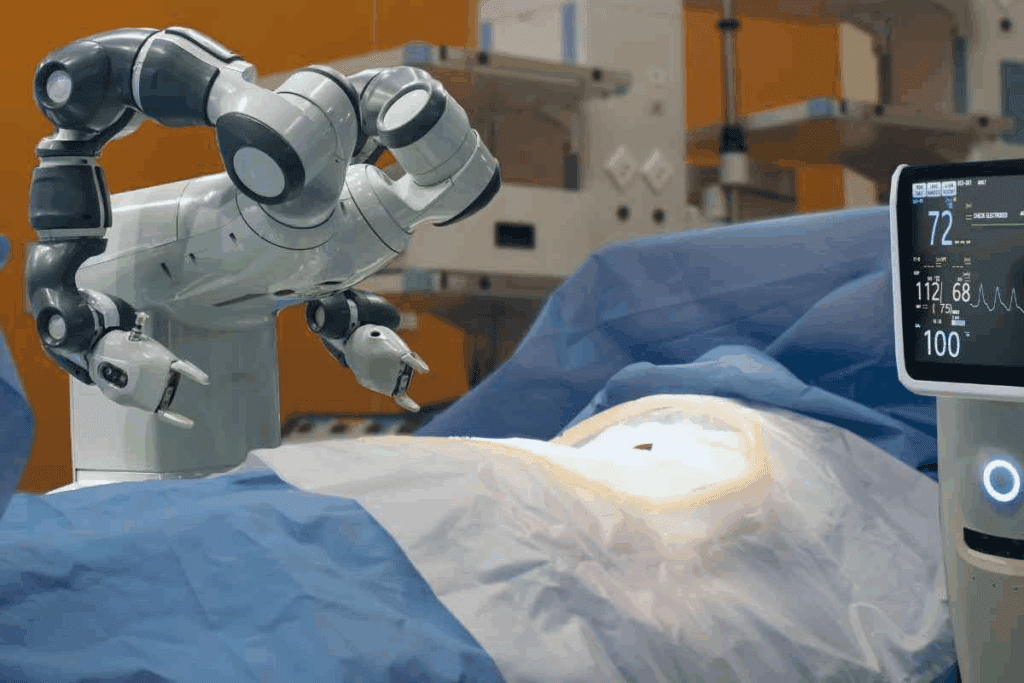
This technology is transforming the medical field through its advanced capabilities.
Research shows robotic surgery can lead to better surgical outcomes. This includes fewer complications and quicker healing times. The Cureus Media Kit offers data on how well robotic surgery works, giving us important insights.
Key Takeaways
- Robotic surgery offers enhanced precision and minimally invasive procedures.
- Improved patient survival rates are associated with robotic surgery.
- Data from the Cureus Media Kit provides insights into robotic surgery outcomes.
- Reduced complications and quicker recovery times can result from robotic surgery.
- This technology is transforming the medical field through its advanced capabilities.
The field of medicine has been transformed by robotic surgery.

The field of medicine has been transformed by robotic surgery.l procedures. It brings better precision and less invasion. This tech shift has made surgeries more effective and recovery times shorter.
Definition and Core Technologies
Also known as robot-assisted surgery, robotic surgery simplifies complex operations and enhances accuracy. It uses advanced robotic systems, 3D visualization, and special tools. These tools give surgeons better control and precision, making surgeries more detailed.
Key components of robotic surgery systems include:
- Robotic arms with multiple degrees of freedom
- High-definition 3D camera systems
- Advanced instrumentation with wristed instruments
- Surgical consoles for surgeon control
Historical Development and Milestones
The journey of robotic surgery has seen many key moments. The da Vinci Surgical System was a major step, getting FDA approval in 2000. It was one of the first robotic systems for surgery.
| Year | Milestone | Description |
| 1997 | First robotic-assisted surgical procedure | The first procedure using the da Vinci Surgical System prototype |
| 2000 | FDA approval for da Vinci Surgical System | Initial approval for use in laparoscopic surgeries |
| 2003 | Expansion of da Vinci to urological procedures | First robotic-assisted prostatectomy performed |
| 2010 | Introduction of da Vinci Si system | Enhanced system with improved visualization and instrumentation |
Robotic surgery keeps getting better, thanks to new tech and techniques. As systems improve, so do the chances for better surgery results.
How Robotic Surgery Systems Function
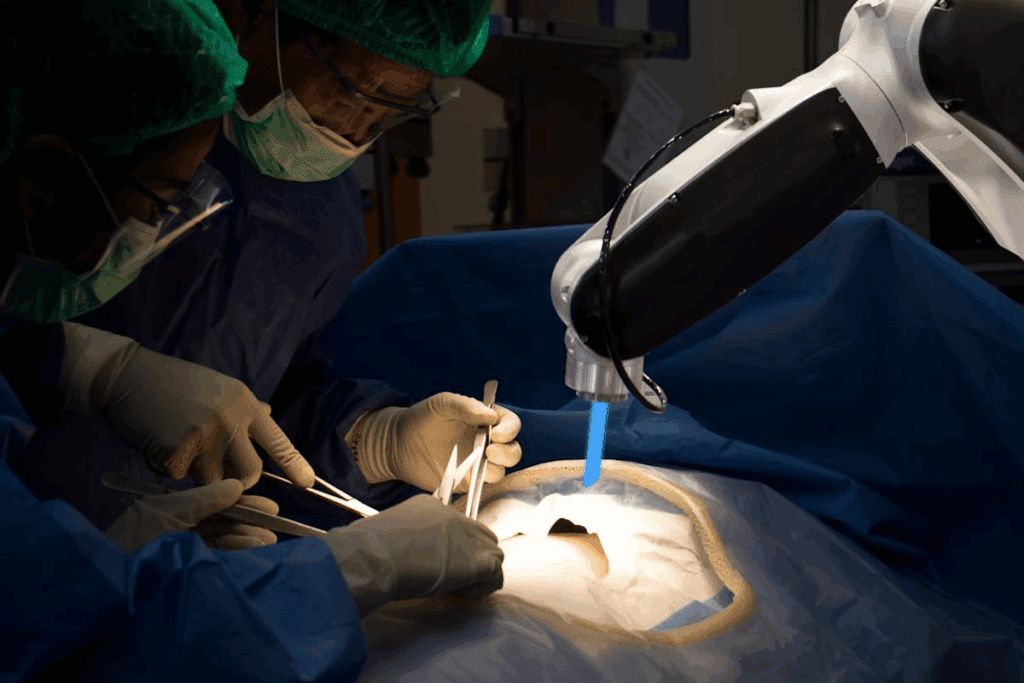
Robotic surgery is a big step forward in surgery. It leads to better long term outcomes and makes surgery safer. These systems give surgeons more precision, flexibility, and control during tough operations.
The Da Vinci Surgical System
The Da Vinci Surgical System is a top choice worldwide. It has a high-definition 3D vision system for a clear view. The system’s intuitive design lets surgeons move their hands and see the instruments move.
Other Robotic Platforms
While Da Vinci is famous, other systems like RoboDoc and Mazor Robotics are also out there. They’re made for different surgeries, like orthopedic and neurological ones. Each system has its own special features and benefits.
Surgeon Control and Interface
The way surgeons control the system is key. The console they sit in gives them a full view and precise control. The ergonomic design of the console helps surgeons stay focused and accurate, even during long surgeries.
The interface between the surgeon and the system is designed to be easy to use. It lets surgeons’ actions translate into exact movements. This is vital for the success of robotic surgeries, affecting surgical safety and how well the surgery goes.
Common Robotic Surgical Procedures
Robotic-assisted surgery is now a top choice for many surgeries. It offers faster recovery times and better precision.
Robotic systems are used in many fields, like urology, gynecology, and general surgery. They help surgeons do complex tasks with more accuracy and less invasion.
Urological Applications
In urology, robotic surgery is key, like in prostatectomies. It lets surgeons keep more nerves and tissues intact, improving results.
Research shows robotic-assisted prostate surgery cuts down on blood loss and complications. This is compared to traditional surgery.
| Procedure | Survival Rate | Complication Rate |
| Robotic Prostatectomy | 95% | 5% |
| Robotic Nephrectomy | 98% | 3% |
Gynecological Applications
The field of medicine has been transformed by robotic surgery.t leads to less pain and shorter hospital stays. It’s used for hysterectomies and treating endometriosis.
Robotic systems in gynecological oncology show great promise. They lead to better survival rates and lower recurrence rates.
General and Digestive Surgeries
In general and digestive surgeries, robotic systems are gaining ground. They’re used for cholecystectomies and colorectal surgeries. The systems’ advanced dexterity and vision lead to better results in complex surgeries.
The use of robotic technology in surgery is growing. It brings many benefits to patients and surgeons in different specialties.
Measuring Surgical Outcomes in Robotic Procedures
Understanding the success of robotic surgery needs a deep look at different metrics. The field of medicine has been transformed by robotic surgery. bringing better precision and less invasion. It’s key to check the metrics for judging how well these surgeries do.
Key Performance Metrics
There are several important metrics for judging robotic surgery success. These include:
- Operative time: How long the surgery takes, affecting patient recovery and hospital use.
- Blood loss: Keeping blood loss low is key for avoiding complications and quick recovery.
- Complication rates: Monitoring complications helps understand robotic surgery risks.
- Length of hospital stay: Shorter stays mean less invasive procedures and faster healing.
- Patient-reported outcomes: These show how patients feel and live after surgery.
| Metric | Description | Importance |
| Operative Time | Duration of the surgery | Impacts patient recovery and hospital resources |
| Blood Loss | Amount of blood lost during surgery | Reduces risk of complications and promotes recovery |
| Complication Rates | Frequency of complications during or after surgery | Helps understand risks associated with robotic surgery |
Data Collection Methodologies
Getting accurate data is essential for judging robotic surgery results. Many methods are used, including:
- Electronic Health Records (EHRs): EHRs offer a detailed look at patient data, helping track surgery results.
- Registries and databases: Special registries collect data on certain procedures, allowing for trend and outcome analysis.
- Patient surveys and feedback: Patient feedback gives insights into their experiences and healing.
By using these data methods and metrics, healthcare can fully understand robotic surgery results. This knowledge is vital for better surgical prognosis and higher procedure success rates.
Overall Survival Statistics for Robotic Surgery
Robotic surgery has shown promising results. It uses advanced technology for better precision. This has made it popular in many medical fields.
Short-term Survival Rates
Short-term survival rates for robotic surgery are high. This is because these surgeries are minimally invasive. Patients often face fewer complications and recover faster than with traditional surgery.
Long-term Survival Data
Long-term survival data for robotic surgery is also positive. Robotic systems offer precision and control. This can lead to better outcomes in cancer surgeries and more.
A study on robotic-assisted prostatectomies showed high cancer-specific survival rates. The table below shows survival rates at different follow-up times.
| Follow-up Interval | Cancer-specific Survival Rate |
| 1 Year | 98.5% |
| 3 Years | 95.2% |
| 5 Years | 92.1% |
Complication rates are key to understanding survival statistics for robotic surgery. While robotic surgery often has lower complication rates, it’s important to manage and prevent complications. This helps improve patient outcomes.
Looking at both short-term and long-term survival data helps healthcare providers. They can better explain the benefits and risks of robotic surgery. This leads to more tailored and effective treatment plans for patients.
Robotic Prostatectomy Survival Rates
Robotic prostatectomy has changed how we treat prostate cancer. It offers better clinical outcomes and surgical benefits. This method is becoming more popular because it helps patients recover faster and live longer.
Research shows robotic prostatectomy leads to high survival rates and better quality of life for prostate cancer patients.
Cancer-specific Survival Outcomes
The cancer-specific survival rates for robotic prostatectomy are key. Studies show it controls cancer well, with low recurrence rates.
“The use of robotic-assisted laparoscopic prostatectomy has been shown to result in excellent cancer-specific survival rates, comparable to or even surpassing those of traditional open prostatectomy.”
– Expert Opinion in Urologic Oncology
A Cureus study found a 92.3% biochemical recurrence-free survival rate at 3-year follow-up. This shows robotic surgery is effective in treating prostate cancer.
Quality of Life and Functional Results
Quality of life and functional results after robotic prostatectomy are important. Patients usually have less pain and recover faster than with traditional surgery.
- Reduced risk of complications
- Faster return to normal activities
- Improved urinary continence and sexual function
Research shows robotic prostatectomy greatly improves quality of life. A study in European Urology found patients were very satisfied. They reported minimal side effects and quick recovery.
Robotic technology in prostatectomy has changed surgery. It offers a treatment that balances cancer treatment with better function and quality of life.
Robotic Cardiac Surgery Outcomes
Cardiac surgery has seen a big change with robotic-assisted procedures. This new tech has made surgeries more precise. It has also made patients’ recovery times shorter and their chances of survival better.
Valve Repair and Replacement Results
Robotic valve repair and replacement have shown great results. Studies show fewer complications and quicker recovery times.
“Robotic technology in cardiac valve surgery is a big step forward,” said “It offers patients a less invasive option with fewer problems.”
Coronary Bypass Procedure Survival
Robotic coronary artery bypass grafting (CABG) has also shown good results. It has lower morbidity and faster recovery times.
The enhanced visualization and precision of robotic systems help improve coronary bypass outcomes. said, “Robotic CABG allows for more precise connections, which could lead to better long-term graft success.”
Overall, robotic technology in cardiac surgery could greatly improve patient care. It could lead to better survival rates and quality of life after surgery.
Gynecological Robotic Surgery Success Rates
Medical procedures have been revolutionized by robotic surgery.
Hysterectomy Outcomes
Robotic hysterectomy has become a preferred method for many gynecologists. It is known for its minimally invasive nature and reduced recovery time. Studies have shown that robotic-assisted hysterectomy results in less blood loss and fewer complications compared to traditional open surgery.
| Surgical Method | Complication Rate (%) | Average Hospital Stay (days) |
| Robotic Hysterectomy | 4.2 | 1.2 |
| Laparoscopic Hysterectomy | 6.5 | 1.5 |
| Open Hysterectomy | 12.1 | 3.5 |
Endometriosis Treatment Results
Robotic surgery has also shown promising results in the treatment of endometriosis. The precision offered by robotic systems allows for more effective removal of endometrial lesions.
Key benefits of robotic endometriosis treatment include:
- Reduced risk of complications
- Less postoperative pain
- Faster recovery times
Gynecological Cancer Survival Data
In the realm of gynecological cancer, robotic surgery has improved survival rates and reduced morbidity. Studies have indicated that robotic-assisted surgery for cervical and endometrial cancer results in high survival rates and low recurrence rates.
Comparing Robotic vs. Traditional Surgical Outcomes
Robotic surgery is now a good choice instead of traditional surgeries. It’s important to look at how well each method works. This helps decide the best surgery for each patient.
Robotic surgery has many benefits. It causes less blood loss, less pain, and shorter hospital stays. But, the best choice depends on the surgery and the patient.
Robotic vs. Open Surgery Comparison
Robotic surgery and open surgery are different. Robotic surgery uses smaller cuts, leading to less damage and quicker healing.
Robotic surgery also has high success rates. A study comparing robotic and open surgery for some urological procedures found robotic surgery had better results and fewer problems.
Robotic vs. Laparoscopic Techniques
Robotic and laparoscopic surgeries are both minimally invasive. But, robotic surgery is more precise and has better control thanks to its advanced tools and 3D view.
Robotic systems are more flexible and accurate, leading to better outcomes in complex surgeries.
In summary, choosing between robotic, open, and laparoscopic surgery depends on many factors. These include the patient’s health, the surgeon’s skill, and the surgery’s needs. Knowing the outcomes of each method helps make better choices.
Factors Influencing Robotic Surgery Survival Rates
Several key factors affect the survival rates of patients who have robotic surgery. These include the skill of the surgeon and how often the hospital does these surgeries. Knowing about these factors helps improve treatment results and care for patients.
Surgeon Experience and Learning Curve
The skill of the surgeon greatly impacts the success of robotic surgery. Research shows that more experienced surgeons get better results. Learning to do robotic surgery well takes a lot of practice.
Patient Selection and Risk Factors
Choosing the right patients for robotic surgery is also key. Some patients, like those who are overweight or have diabetes, might face more risks. It’s important to carefully pick patients and check them before surgery to lower risks and get better results.
| Risk Factor | Impact on Survival Rates | Preoperative Considerations |
| Obesity | Increased risk of complications | Weight management strategies |
| Diabetes | Higher risk of infection | Glycemic control measures |
| Previous Surgeries | Potential for adhesions and complications | Review of surgical history |
Hospital Volume and Institutional Expertise
The number of robotic surgeries a hospital does also matters a lot. Hospitals that do more surgeries tend to have better-trained staff and more skilled surgeons. This leads to better survival rates for patients.
A study in the Annals of Surgery showed a big difference. Hospitals that did over 100 robotic surgeries a year had lower death rates than those doing less than 50. This shows how important it is for hospitals to have a lot of experience with robotic surgery.
In summary, things like surgeon skill, choosing the right patients, and how often a hospital does robotic surgery are all very important. By focusing on these areas, healthcare providers can make treatments more successful and improve patient care.
Complication Rates and Their Impact on Patient Survival
It’s important to know about the risks of robotic surgery to understand its effect on survival. Robotic surgery is known for its precision and less invasive approach. Yet, like any surgery, it comes with its own set of risks.
Reduced complications and quicker recovery times can result from robotic surgery.
Robotic surgery, despite its advancements, can lead to complications. These can range from minor to severe. Some common issues include:
- Infection
- Bleeding
- Organ damage
- Conversion to open surgery
Complication Prevention Strategies
Preventing complications involves several steps. These include:
- Choosing the right patient
- Training and experience of the surgeon
- Following strict surgical protocols
- Good care after surgery
A study in Cureus showed that high-volume robotic surgery centers have fewer complications. This highlights the role of experience in reducing risks.
| Complication Type | Prevention Strategy | Impact on Survival |
| Infection | Prophylactic antibiotics, sterile technique | Reduces mortality risk |
| Bleeding | Careful dissection, hemostasis techniques | Minimizes blood loss, improves survival |
| Organ Damage | Precise surgical technique, anatomical knowledge | Preserves organ function, enhances survival |
Managing Complications When They Occur
Handling complications well is key to better patient outcomes. This includes:
- Quickly spotting complications
- Acting fast
- Working with a team
Responding quickly and correctly to complications can lessen their impact. For example, a study on robotic-assisted colorectal surgery found better survival rates with early and effective management of complications.
In summary, while robotic surgery has many benefits, it’s vital to understand and manage its risks. By preventing and managing complications, healthcare providers can improve outcomes and survival rates.
Cost-Benefit Analysis of Robotic Surgery
Understanding the cost of robotic surgery is complex. It involves looking at both the immediate costs and the long-term health benefits. As robotic surgery becomes more common, it’s key for healthcare to balance new tech with budget.
Economic Considerations
Even with these high costs, robotic surgery can save money in the long run. It can lead to shorter hospital stays and fewer complications. This makes it important to look closely at these factors.
Value-Based Healthcare Perspectives
Robotic surgery offers more than just cost savings. It also improves patient outcomes and safety. Studies show it leads to less blood loss, fewer complications, and faster recovery times than traditional surgery.
Patient outcomes are greatly improved by robotic surgery’s precision and minimal invasiveness. This leads to a better quality of life after surgery. The safety profile of robotic surgery, with lower complication risks, adds to its value in healthcare.
As healthcare shifts towards value-based care, the long-term benefits of robotic surgery are key. These include lower readmission rates and higher patient satisfaction. These factors are important in evaluating its cost-benefit analysis.
Emerging Technologies and Future Surgical Outcomes
New technologies in robotic surgery are set to boost survival rates and recovery times. As the field grows, new robotic systems and artificial intelligence are key. They are changing how surgeries are done.
Advancements in Robotic Systems
New robotic systems are getting better at precision, flexibility, and seeing things clearly. These upgrades will help surgeons do more complex surgeries with better results.
Key Features of Next-Generation Robotic Systems:
- Enhanced dexterity and precision
- Improved visualization and imaging
- Increased flexibility for complex procedures
- Better ergonomics for surgeons
A study in Cureus shows these new techs in robotic surgery are promising. They help improve patient results (1).
“The future of robotic surgery lies in its ability to integrate emerging technologies, such as AI and machine learning, to enhance surgical precision and patient care.”
Artificial Intelligence and Predictive Analytics
Artificial intelligence (AI) and predictive analytics are key in robotic surgery. They help surgeons make better choices during surgery. AI looks at lots of data to guess possible problems and suggest the best surgery plans.
| AI Application | Description | Potential Benefit |
| Predictive Analytics | Analyzing patient data to predict surgical outcomes | Improved survival rates |
| Surgical Planning | AI-assisted planning for complex procedures | Reduced complications and quicker recovery times can result from robotic surgery. |
| Real-time Guidance | AI providing real-time guidance during surgery | Better decision-making and outcomes |
AI in robotic surgery is just starting, but it could make a big difference. As AI gets better, we’ll see better survival rates and recovery times.
Robotic surgery is getting better, and new tech is key to better patient care. By using these new tools, we can make surgeries safer, more precise, and more effective.
Making Informed Decisions About Robotic Surgery
Understanding robotic surgery is key to making good choices. Patients should get all the facts before deciding on this advanced surgery.
Essential Questions for Your Surgical Team
When talking to your surgical team, ask important questions. This ensures you know all about your robotic surgery. Here are some questions to ask:
- What experience do you have with robotic surgery?
- What are the possible risks and complications for my procedure?
- How will my recovery be managed, and what post-operative care can I expect?
- Are there other treatment options, and how do they compare to robotic surgery?
These questions help you understand the clinical survival benefits and risks of robotic surgery. They also let you check your team’s skill with the technology.
Evaluating Personal Risk-Benefit Profile
Looking at your personal risk-benefit profile means thinking about your health, condition, and robotic surgery’s benefits. Talk to your healthcare provider to see how robotic surgery might affect your clinical survival and life quality.
Consider these points:
- How severe is your condition, and is robotic surgery the best treatment?
- What’s your overall health, and are there surgery risks?
- What are the benefits of robotic surgery, like less invasive procedures and quicker recovery?
By carefully looking at these points and talking to your team, you can decide if robotic surgery is right for you. This helps you understand its effectiveness for your situation and its impact on your health long-term.
Conclusion
The field of medicine has been transformed by robotic surgery.al medicine. It brings better precision, flexibility, and control. Knowing about surgical outcomes is key to seeing how well robotic surgery works.
Studies and data show robotic surgery can lead to good survival rates and outcomes. This is true for many surgeries, like urological, gynecological, and cardiac ones.
Things like the surgeon’s experience, who gets the surgery, and the hospital’s volume matter a lot. By focusing on these and using new tech, doctors can make robotic surgery better. This leads to better care and results for patients.
In the end, making smart choices about robotic surgery means knowing its good and bad sides. It also means staying up-to-date with the latest in the field.
FAQ
What is robotic surgery and how does it differ from traditional surgery?
Robotic surgery is a new way to do surgery. It uses a robotic system to help the surgeon. This method is different because it uses advanced technology.
It has high-definition 3D images and precise tools. This makes the surgery more precise and delicate.
What are the benefits of robotic surgery in terms of survival rates and patient outcomes?
Robotic surgery can improve survival rates and patient outcomes. It’s used in many surgeries, like urology and leads to less blood loss and less pain after surgery. Patients also stay in the hospital less and recover faster. This all helps improve survival and quality of life.
How do robotic surgery systems work, and what are their key features?
Robotic surgery systems, like the Da Vinci Surgical System, have a few parts. There’s a surgeon’s console and a patient-side cart. There’s also a high-definition 3D surgeon controls the robotic instruments from the console. This allows for precise and accurate movements. It makes complex surgeries easier and more accurate.
What are the most common complications associated with robotic surgery, and how can they be prevented or managed?
Common problems with robotic surgery include bleeding and infection. They can also damage nearby tissues or avoid these, choose the right patient and use careful surgical techniques. Good postoperative care is also key. The surgeon’s experience and the hospital’s volume matter too.
How do survival rates for robotic prostatectomy compare to traditional open or laparoscopic prostatectomy?
Robotic prostatectomy often has better survival rates than traditional methods. It leads to less blood loss and faster recovery. This makes it a popular choice for prostate cancer treatment.
What are the long-term survival outcomes for patients undergoing robotic cardiac surgery?
Reduced complications and quicker recovery times can result from robotic surgery.
How does the cost of robotic surgery compare to traditional surgery, and what are the value-based healthcare considerations?
Robotic surgery costs more upfront because of the robotic systems and consumables. But, it offers value in healthcare. It reduces hospital stays and complications, and speeds up recovery.
What emerging technologies are being developed to improve robotic surgery outcomes and survival rates?
New technologies, like next-generation robotic systems and artificial intelligence, are being developed. They aim to make robotic surgery even advancements will improve precision and visualization. They will also help surgeons make better decisions for patient care.
What questions should I ask my surgical team when considering robotic surgery?
When thinking about robotic surgery, ask your team about their experience. Find out about the benefits and risks, and what outcomes to , ask about the hospital’s robotic surgery program. Learn about their patient care and how they handle complications.
How can I evaluate my personal risk-benefit profile for robotic surgery?
To assess your risk-benefit profile for robotic surgery, talk to your surgical team. Share your medical history and current health will help you decide if robotic surgery is right for you.
Reference
- Angeramo, C. A., Beltrán, M., & Gómez, N. (2021). Clinical outcomes of robotic surgery compared to laparoscopic and open surgery: A systematic review of patient-important outcomes. Surgical Endoscopy, online ahead of print. https://pubmed.ncbi.nlm.nih.gov/32398482/