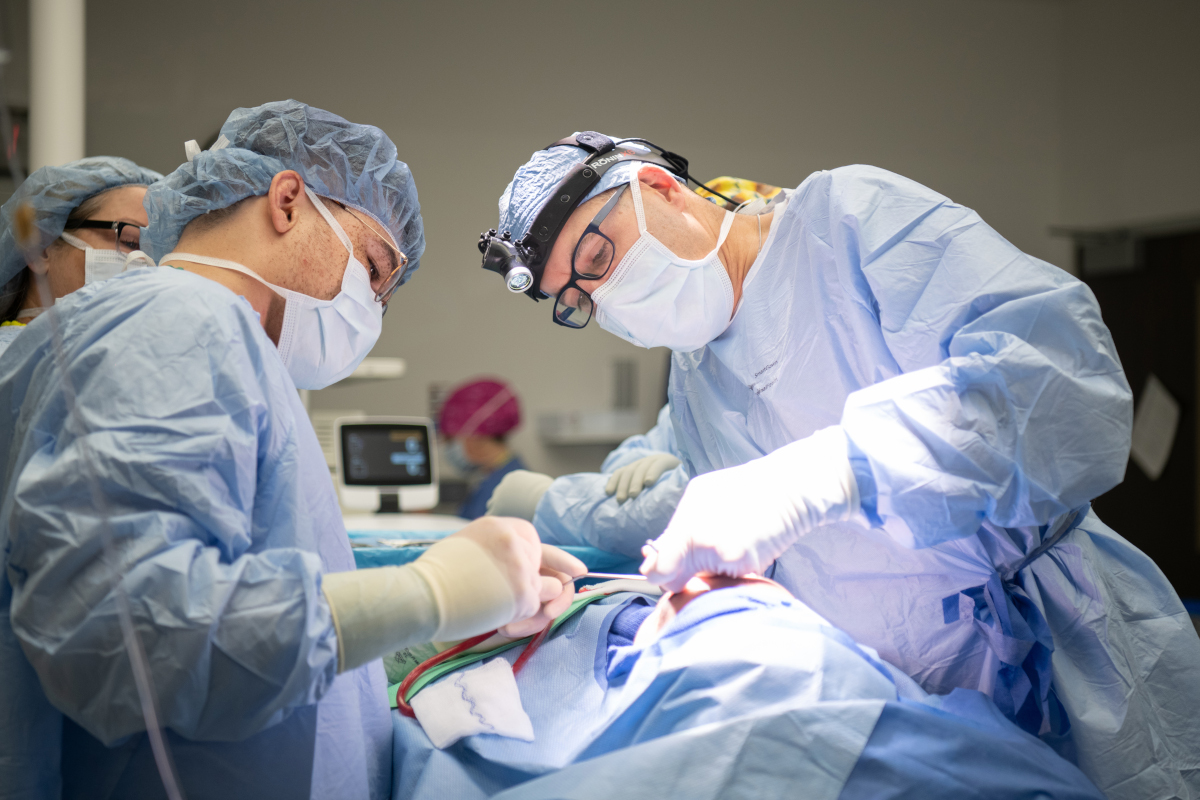
Adenotonsillectomy is one of the most common surgical procedures in children all over the world. It helps with sleep problems and keeps infections away.
Pediatric surgeries worry parents everywhere. Adenotonsillectomy is a common procedure. It’s often needed for kids with ongoing throat infections and breathing issues at night.
Knowing about this childhood surgery is key for parents and caregivers. It eases symptoms and boosts a child’s life quality.
Key Takeaways
- Adenotonsillectomy is the most common surgery in children worldwide.
- It is mainly done to fix sleep problems and throat infections.
- Understanding this surgery is vital for parents and caregivers.
- Adenotonsillectomy greatly improves a child’s life quality.
- It’s a common treatment in today’s pediatric care.
Pediatric Surgery Statistics in the United States

In the United States, a lot of surgeries are done on kids every year. This shows how important it is to have special care for children’s surgeries. About 4.7% of kids in the U.S. have surgery each year. That’s around 3.9 million surgeries for kids every year.
Looking at pediatric surgery trends helps us improve healthcare for kids. By studying the data, we learn more about the types of surgeries kids need at different ages.
Annual Surgery Rates Among Children
The number of surgeries kids have each year is key to understanding their health needs. Research shows that the number of surgeries for kids hasn’t changed much. It depends on the type of surgery and the child’s age. For example, a study on PMC shows how different surgeries are done on kids.
- The overall rate of surgeries among children is approximately 4.7% annually.
- Certain age groups are more prone to requiring surgical interventions.
- The most common surgeries vary significantly across different age groups.
Most Common Age Groups for Pediatric Surgeries
Some age groups get more surgeries than others. Kids under 5 often need surgery for things like birth defects or infections. As kids get older, the types of surgeries they need change too.
It’s important for doctors to know these trends. It helps them plan better and make sure kids get the right care. The surgery rates also help train pediatric surgeons and set up special care places.
Adenotonsillectomy: The Leading Pediatric Surgery

Adenotonsillectomy is the top surgery for kids worldwide. It removes tonsils and adenoids, which are in the throat. We’ll look at why it’s common and what it means.
Understanding Adenoids and Tonsils
Adenoids and tonsils help fight infections. Tonsils are in the throat, and adenoids are behind the nose. They catch germs but can get infected or grow too big.
Big or infected adenoids and tonsils can cause throat infections, sleep problems, and breathing issues. Surgery might be needed then.
Primary Reasons for Adenotonsillectomy
The main reasons for this surgery are throat infections and breathing problems during sleep. Recurrent throat infections are painful and hard to manage. Sleep issues, like sleep apnea, can also happen.
Surgery is considered when these problems really affect a child’s life. Doctors try other treatments first before suggesting surgery.
Recovery Process and Success Rates
After surgery, kids need to manage pain, stay hydrated, and rest. They should avoid hard activities and some foods. Most kids get better in a week to 10 days.
The surgery works well for most kids. It helps with throat infections and sleep problems. Studies show it improves kids’ lives, making them feel better and sleep better.
Tonsillectomy and Adenoidectomy as Separate Procedures
Understanding when to do tonsillectomy and adenoidectomy separately is key for the best results. These surgeries are common in kids, showing the need for a personalized approach.
Isolated Tonsillectomy Indications
Tonsillectomy removes the tonsils for reasons like tonsillitis and sleep problems. Clinical guidelines say to do a tonsillectomy alone if the adenoids aren’t big or infected.
Isolated tonsillectomy is for issues mainly with the tonsils, like frequent infections or blockage. We decide on this after checking the patient’s history and doing a physical exam.
When Only Adenoidectomy is Necessary
Adenoidectomy removes the adenoids, often for big adenoids or infections. It’s needed when adenoids cause problems, not tonsils.
Recurrent otitis media and big adenoids blocking the nose are reasons for adenoidectomy. It’s considered when other treatments don’t work.
Comparing Recovery Between Combined and Separate Surgeries
Recovery for tonsillectomy and adenoidectomy, together or apart, involves pain management and staying hydrated. Research shows that recovery time is similar, even with more surgery sites.
Patients with separate surgeries might have less pain and fewer problems. But, it depends on the patient and the surgery reasons.
Common Gastrointestinal Surgical Procedures in Children
Gastrointestinal surgery is a big part of pediatric care. Kids often need surgery for issues like appendicitis and inguinal hernias.
Appendectomy: Emergency and Elective Cases
An appendectomy is a common emergency surgery for kids. It removes the appendix, usually because of appendicitis. We’ll look at both emergency and planned surgeries, including when they’re needed and how kids recover.
Emergency appendectomies are often done laparoscopically. This method is less invasive, helping kids heal faster and with less scarring. Sometimes, an open appendectomy is needed if the situation is more serious.
Inguinal Hernia Repair
Inguinal hernia repair is another common surgery for kids. It happens when part of the intestine pushes through a weak spot in the abdominal muscles. We’ll talk about when this surgery is needed, the methods used, and what kids can expect during recovery.
Laparoscopic techniques are used for inguinal hernia repair. They offer smaller cuts, less pain, and faster healing. But, open repair might be suggested for some kids based on their health.
Other Digestive System Surgeries
There are other surgeries for kids’ digestive issues too. These include treatments for intestinal obstruction, Meckel’s diverticulum, and gastroesophageal reflux disease (GERD).
We’ll explore these conditions and their surgeries. We’ll also stress the need for a team approach in caring for kids with these surgeries.
Most Common Surgical Procedures for Congenital Anomalies
Congenital anomalies often need surgery to keep children healthy. These can include heart defects, cleft lip and palate, and urological issues. Surgery is not just lifesaving; it also greatly improves their quality of life.
Correcting Heart Defects
Fixing heart defects is a top priority for congenital anomalies. These defects vary in severity and need different surgical approaches. We use the latest diagnostic tools and methods to fix these defects, aiming for the best results for kids.
- Atrial Septal Defect (ASD) Repair: A common heart defect where there’s an opening in the atrial septum, allowing blood to flow between the left and right atria.
- Ventricular Septal Defect (VSD) Repair: Another common defect involving an opening in the ventricular septum, which can lead to heart failure if not corrected.
- Tetralogy of Fallot Repair: A complex condition involving four heart defects that requires a detailed surgical correction.
Cleft Lip and Palate Repairs
Cleft lip and palate repairs are key for looks and function. These conditions can make eating, speaking, and socializing hard. Surgery fixes these issues, improving looks and oral function, and boosting overall well-being.
- Cleft lip repair is usually done early in life.
- Cleft palate repair is done before the child starts talking.
- Follow-up surgeries may be needed as the child grows.
Urological Abnormality Surgeries
Urological issues like hypospadias and undescended testes need surgery. These surgeries fix functional problems and can also improve fertility.
- Hypospadias Repair: Fixes a condition where the urethral opening is not at the tip of the penis.
- Orchiopexy: Surgery to bring an undescended testicle into the scrotum, improving fertility and reducing the risk of testicular cancer.
These surgeries are essential for the health and growth of children with congenital anomalies. By fixing these issues, we greatly improve their life quality and give them a strong start.
Orthopedic Surgical Procedures in Pediatric Patients
Children often need orthopedic surgery for musculoskeletal issues like fractures and deformities. These surgeries are key in pediatric care. They help fix problems, reduce pain, and improve life quality for kids.
Fracture Repairs and Bone Setting
Children often get fractures because they are very active. Orthopedic surgeons fix these with either closed or open reduction. Closed means moving the bone back into place without surgery. Open reduction is surgery to align the bone fragments.
For serious fractures, surgery is needed. This might include using pins, plates, or screws to hold the bone together. We use advanced imaging to plan the surgery for the best results.
Scoliosis and Spinal Deformity Corrections
Scoliosis is a common issue in kids, where the spine curves abnormally. Early detection is key to prevent it from getting worse. Surgery is often needed for severe cases, using rods and screws to straighten the spine.
The surgery method depends on the curvature’s severity and the child’s health. We use a team approach, including orthopedic and neurosurgeons, for complete care.
Club Foot and Limb Abnormality Treatments
Club foot, or talipes equinovarus, is a birth defect that needs early treatment. Non-surgical treatments, like the Ponseti method, work well for infants and young children. But sometimes, surgery is needed to fix tight tendons and align the foot.
Limb abnormalities, like congenital limb deficiencies, also need surgery. We create a treatment plan with the family, which might include surgery and other treatments.
Modern Approaches to Pediatric Surgical Procedures
Modern pediatric surgery has changed how we treat kids, making it safer and more effective. At LivHospital, we always improve our care and keep up with new research. This helps us give the best results for our young patients.
Minimally Invasive Techniques
One big step forward in pediatric surgery is using minimally invasive methods. These methods mean smaller cuts, less damage, less pain, and faster healing. We use the latest tools and methods for surgeries like laparoscopic appendectomies and thoracoscopic surgeries.
Minimally invasive surgery has many benefits for kids. It causes less trauma to the body, leading to less pain and discomfort after surgery. It also means less scarring, which is great for kids. Plus, it allows for shorter hospital stays, so kids can get back to their normal lives sooner.
Specialized Pediatric Anesthesia Protocols
An important part of modern pediatric surgery is using special anesthesia plans. Our anesthesiologists are experts in working with kids, making sure they are comfortable and safe during surgery. We use the newest technology and methods to lower risks and help with recovery.
Our specialized anesthesia plans are carefully made for each child. We look at their health, medical history, and the surgery needs to choose the best anesthesia. This approach helps reduce anxiety in kids and makes their recovery smoother.
“The use of specialized pediatric anesthesia protocols has significantly improved the surgical experience for our young patients, allowing us to provide high-quality care with minimal risk.”
Multidisciplinary Care Teams
The success of pediatric surgery depends on more than just the surgical team. At LivHospital, we have a team of surgeons, anesthesiologists, nurses, and other healthcare professionals. They all work together to give complete care.
- Pre-operative care: We prepare children and their families for surgery through education and support.
- Intra-operative care: Our teams ensure that every aspect of the surgery is conducted with the utmost care and precision.
- Post-operative care: We monitor recovery closely, managing pain and addressing any complications promptly.
Our teams work together to make sure kids get the best care during their surgery. This teamwork is key to getting optimal outcomes and improving the experience for our young patients and their families.
Conclusion
It’s important to know about pediatric surgery to help kids get better. We’ve looked at common surgeries, like adenotonsillectomy, which is often done.
Pediatric surgery covers many areas, from fixing stomach problems to fixing bones. These surgeries help kids with many health issues.
At LivHospital, we offer top-notch care for kids. We use the latest in surgery and anesthesia. Our team works together to support kids and their families.
Understanding pediatric surgery helps us see its value in improving kids’ health. As we keep improving, we’re dedicated to giving the best care to those who need it.
FAQ
What is adenotonsillectomy, and why is it the most common pediatric surgery?
What are the primary reasons for performing an adenotonsillectomy?
What is the recovery process like after an adenotonsillectomy?
Are tonsillectomy and adenoidectomy always performed together?
What are some common gastrointestinal surgical procedures performed on children?
What are the most common surgical procedures for congenital anomalies?
What are some common orthopedic surgical procedures performed on pediatric patients?
How have modern approaches improved pediatric surgical procedures?
What is the significance of understanding pediatric surgical procedures?
References:
- Surgeons for Little Lives. (2025, May 7). Common surgical problems in children. https://surgeonsforlittlelives.org/surgery-in-children/common-surgical-problems-in-children/