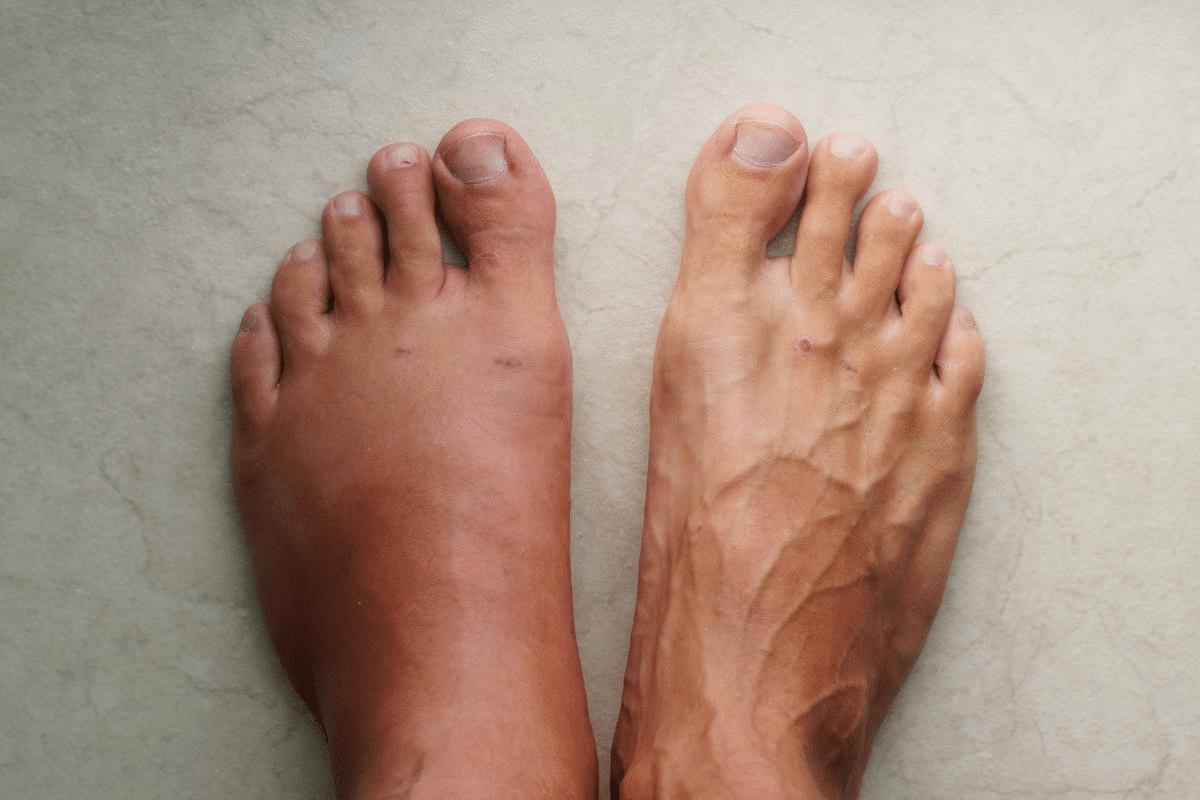
Do you feel pain or see bulging veins on ankles? Varicose veins in feet and ankles are common and affect millions. They often show a problem with blood flow.
This issue happens when veins have weak or broken valves. This leads to swollen veins in feet. Knowing the signs is the first step to feeling better. Liv Hospital offers top-notch care for vascular issues, focusing on the patient.
Key Takeaways
- Varicose veins are a common condition that can cause discomfort and pain.
- Weakened or damaged one-way valves in veins lead to swollen veins.
- Liv Hospital offers trusted, patient-centered vascular care.
- Understanding symptoms is key for effective treatment.
- Getting a professional evaluation is important for the right diagnosis.
Understanding Swollen Veins in Feet and Ankles
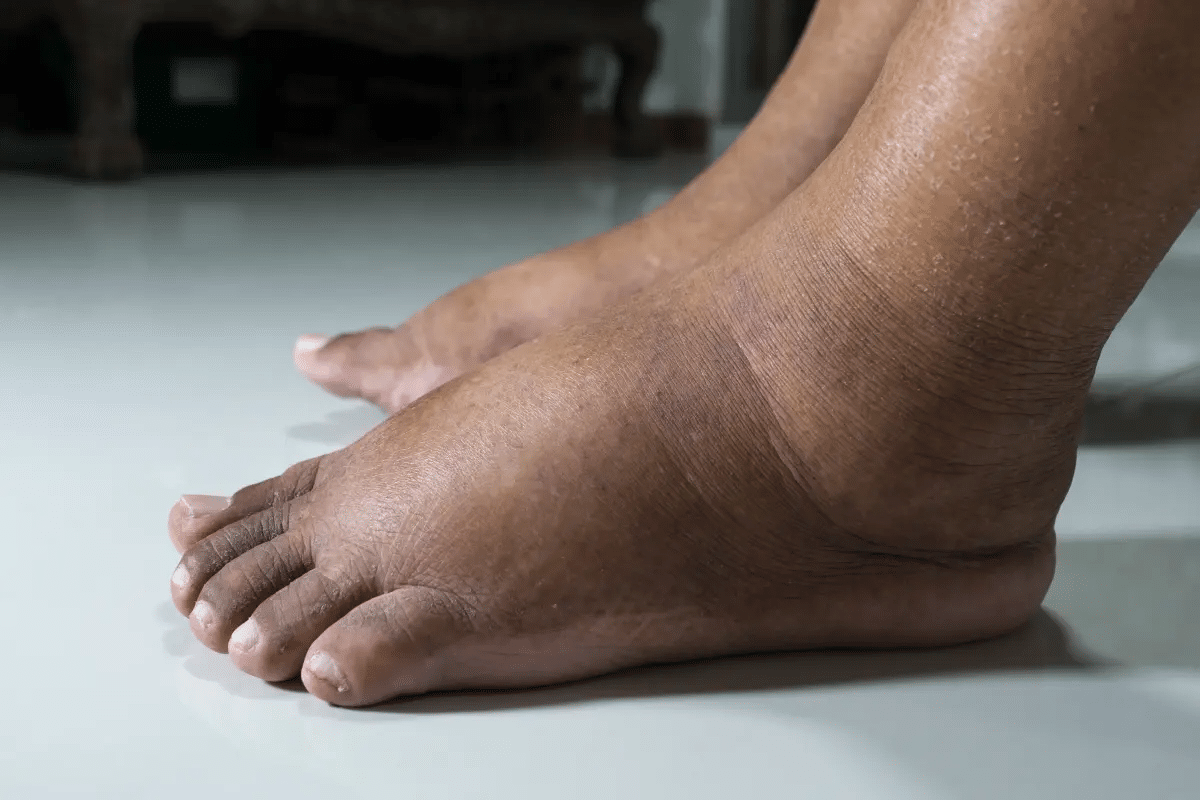
It’s important to know why veins in the feet and ankles swell. Swollen veins can be a sign of varicose veins or venous insufficiency. If not treated, they can cause pain and serious health issues.
What Causes Veins to Become Swollen
Veins swell when their valves, which control blood flow, get weak or damaged. This lets blood flow backward and build up. This is called venous insufficiency.
This buildup of blood increases pressure in the veins. It makes them stretch and become varicose. Genetics, age, and lifestyle can weaken these valves.
Difference Between Varicose Veins and Spider Veins
Varicose veins are big, twisted veins visible under the skin. Spider veins are smaller, look like red or purple lines. Varicose veins are more serious and can hurt more.
Varicose veins can hurt and show signs of venous insufficiency. Spider veins are mostly about looks, but can sometimes hurt or itch.
How Venous Insufficiency Develops
Venous insufficiency happens as vein valves get worse over time. It can be caused by genetics, aging, being overweight, or standing or sitting too long.
As it gets worse, symptoms like swelling, pain, and skin changes can happen. Knowing how it progresses helps manage symptoms and prevent worse problems.
Recognizing the Symptoms
Spotting the signs of swollen veins is key to handling the issue well. Swollen veins in the feet and ankles show up in many ways. These symptoms are not just annoying but also point to a deeper problem.
Common Physical Symptoms
Common signs include pain, swelling, and feeling heavy in the legs. People might also feel burning or throbbing, muscle cramps at night, and see veins on their feet.
Pain and swelling are top complaints, caused by too much pressure on veins. The burning or throbbing sensations are signs of venous insufficiency.
Pain and Discomfort Patterns
Pain patterns differ from person to person. Some feel a dull ache, others sharp pains. Discomfort can be constant or happen after standing or sitting for a long time.
- Aching or heaviness in the legs
- Pain that worsens throughout the day
- Nighttime leg cramps
When Symptoms Indicate a Serious Problem
While many symptoms can be managed, some are serious. Look out for severe pain, big swelling, skin ulcers, or color changes around the veins.
If you see these serious signs, get medical help right away. Early treatment can stop problems and help a lot.
Risk Factors for Developing Varicose Veins
Varicose veins can be caused by genetics, lifestyle, and environment. Knowing these factors helps in preventing and managing them.
Genetic and Age-Related Factors
Genetics are a big part of getting varicose veins. If your family has them, you might too. Age also plays a role, as veins wear out over time.
Age and Genetic Predisposition are closely linked. Older people’s veins can weaken, leading to varicose veins. If your family has a history, your risk goes up.
Lifestyle and Environmental Factors
How you live and your environment also matter. Standing or sitting for long, not moving much, and being overweight can harm your veins.
- Standing or sitting for long can put more pressure on veins.
- Being overweight adds extra pressure on leg veins.
- Not exercising can lead to poor blood flow.
A sedentary lifestyle can make varicose veins more likely. Moving and exercising regularly can help.
Medical Conditions That Increase Risk
Some health issues can raise your risk of varicose veins. These include problems that affect blood flow and vein pressure.
|
Medical Condition |
Impact on Veins |
|---|---|
|
Pregnancy |
Increased blood volume and vein pressure. |
|
Deep Vein Thrombosis (DVT) |
Can damage vein valves. |
|
Chronic Venous Insufficiency |
Poor circulation and high pressure. |
A vascular specialist said,
“Pregnancy’s increased blood and pressure can cause varicose veins.”
Knowing these risks helps in preventing them. By choosing a healthy lifestyle and managing health issues, you can lower your risk of varicose veins.
Home Remedies for Swollen Veins in Feet
Home remedies can help manage swollen veins in your feet. They can ease symptoms and boost your vascular health.
Elevation Techniques
Elevating your legs is a simple yet effective way to reduce swelling. Place your legs on pillows to raise them above your heart while lying down. This improves blood flow and reduces vein pressure.
Tips for Elevation:
- Elevate your legs above the heart level for at least 15 minutes, three to four times a day.
- Use pillows or a wedge to support your legs.
- Avoid crossing your legs or ankles, which can restrict blood flow.
Compression Therapy Options
Compression stockings are a popular and effective home remedy for swollen veins. They apply gentle pressure to the legs to improve blood flow and reduce swelling.
Choosing Compression Stockings:
|
Compression Level |
Recommended For |
|---|---|
|
Mild Compression (8-12 mmHg) |
Preventive care, mild swelling |
|
Moderate Compression (12-15 mmHg) |
Varicose veins, moderate swelling |
|
High Compression (15-20 mmHg) |
Severe varicose veins, significant swelling |
Cold and Heat Treatments
Alternating between cold and heat treatments can help alleviate symptoms of swollen veins. Cold packs can reduce inflammation, while heat can improve blood flow.
Application Tips:
- Apply a cold pack to the affected area for 10-15 minutes.
- Follow with a warm compress for an additional 10-15 minutes.
- Repeat the cycle as needed, ensuring a 30-minute break between applications.
Natural Topical Applications
Certain natural topical applications can provide relief from swollen veins. These include creams and gels containing ingredients like horse chestnut, arnica, and vitamin K.
Example Ingredients:
- Horse Chestnut: Known for its anti-inflammatory properties.
- Arnica: Helps reduce bruising and swelling.
- Vitamin K: Assists in blood clotting and healing.
Lifestyle Changes to Reduce Vein Swelling
Making simple lifestyle changes can help reduce vein swelling. These changes can improve your vascular health. By adding a few key habits to your daily routine, you can lessen the discomfort of swollen veins.
Exercise and Movement Recommendations
Regular physical activity is key for better blood circulation and less vein swelling. Walking, cycling, or swimming are great for leg movement. Aim for at least 30 minutes of moderate-intensity exercise most days of the week.
A study in the Journal of Vascular Surgery found that exercise helps varicose veins symptoms.
“Exercise has been shown to enhance venous hemodynamics and reduce symptoms in patients with chronic venous insufficiency.”
- Walking: A low-impact exercise that promotes blood flow.
- Cycling: Strengthens leg muscles and improves circulation.
- Swimming: Provides a full-body workout without straining the legs.
Dietary Adjustments for Vascular Health
Eating a healthy diet is important for vascular health. Foods high in fiber, vitamins, and minerals can reduce inflammation and improve blood flow. Incorporate plenty of fruits, vegetables, and whole grains into your diet.
|
Food Group |
Beneficial Foods |
Benefits |
|---|---|---|
|
Fruits |
Berries, Citrus Fruits |
High in Antioxidants, Reduces Inflammation |
|
Vegetables |
Leafy Greens, Tomatoes |
Rich in Vitamins and Minerals, Improves Circulation |
|
Whole Grains |
Oats, Quinoa |
High in Fiber, Supports Heart Health |
Weight Management Strategies
Keeping a healthy weight is key to reducing vein pressure. A balanced diet and regular exercise can help you maintain a healthy weight.
A vascular specialist said, “Excess weight can worsen venous insufficiency. So, managing your weight is vital.”
Footwear and Clothing Considerations
Choosing the right footwear and clothing can also affect vein health. Avoiding high heels and tight clothes can help reduce vein pressure. Opt for comfortable, supportive shoes and loose-fitting clothing.
By making these lifestyle changes, you can reduce vein swelling and improve vascular health. Regular exercise, a balanced diet, maintaining a healthy weight, and choosing the right clothes all help alleviate varicose vein symptoms.
Managing Pain from Swollen Veins in Feet
Pain from swollen veins can be really tough to deal with. But, there are ways to manage it. It’s important to find ways to reduce pain because it affects how well you live.
Over-the-Counter Pain Relief Options
For those with swollen veins, there are OTC pain meds that can help a lot. Here are some common ones:
- Ibuprofen: It cuts down inflammation and eases pain.
- Aspirin: It helps with pain and swelling, but be careful because it can have side effects.
- Acetaminophen: It’s good for pain, but it doesn’t help with swelling.
Always take the right amount and talk to a doctor before starting any new medicine.
Massage Techniques for Symptom Relief
Massage can also help with swollen vein pain. There are a few ways it can help:
- Manual Lymphatic Drainage: It helps by moving lymph fluid better.
- Deep Tissue Massage: It targets deeper tissues to ease pain.
Make sure to get massages from a trained therapist who knows about your condition. This way, you avoid any bad effects.
Alternative Therapies for Pain Management
Some people find relief with alternative therapies for swollen vein pain. Here are a few:
- Acupuncture: It uses thin needles to help heal and relieve pain.
- Herbal Supplements: Some, like horse chestnut seed extract, might help, but results vary.
Always talk to a doctor before trying any alternative therapy to make sure it’s safe and works.
By using these methods every day, people with swollen veins can manage their pain better. This can really improve their life quality.
Medical Treatments for Varicose Veins
Medical treatments for varicose veins have improved a lot. Now, patients have many options to choose from. Varicose veins can really hurt and make life hard. But, there are effective treatments available.
Non-Invasive Treatment Options
Non-invasive treatments are often the first choice. These include:
- Compression Therapy: Using compression stockings to improve blood flow and reduce swelling.
- Sclerotherapy: Injecting a solution into the vein to close it off and reduce its appearance.
Sclerotherapy works well for small varicose veins and spider veins. It’s quick and doesn’t hurt much.
Minimally Invasive Procedures
For bigger varicose veins, less invasive methods are used. These include:
- Endothermal Ablation: Using heat to close off the varicose vein.
- Foam Sclerotherapy: A form of sclerotherapy that uses foam to treat larger veins.
These procedures are done on an outpatient basis. They have a high success rate.
Surgical Interventions
In severe cases, surgery might be needed. Surgical options include:
- Vein Stripping: Removing the varicose vein through a surgical procedure.
- Ambulatory Phlebectomy: Removing varicose veins through small incisions.
These surgeries are considered when other treatments don’t work.
|
Treatment Option |
Description |
Recovery Time |
|---|---|---|
|
Sclerotherapy |
Injecting a solution to close off the vein |
1-3 days |
|
Endothermal Ablation |
Using heat to close off the varicose vein |
1-2 weeks |
|
Vein Stripping |
Surgical removal of the varicose vein |
2-4 weeks |
It’s important to talk to a vascular specialist. They can help choose the best treatment for you.
When to Seek Medical Attention
Knowing when to take varicose veins seriously is key. If not treated, they can cause serious problems. Getting medical help early can greatly improve your situation.
Warning Signs That Require Immediate Care
Certain symptoms mean you should see a doctor right away. These include:
- Pain, itching, or swelling in the legs
- A sore or ulcer on your leg that hasn’t healed
- Bleeding from varicose veins
- Significant changes in the color or temperature of your leg
If you notice any of these, seeing a healthcare professional quickly is vital.
Finding the Right Vascular Specialist
Finding the right specialist for varicose veins is important. Look for a vascular specialist or phlebologist with experience. You can get referrals from your primary care doctor or check professional directories.
Questions to Ask Your Doctor
It’s important to ask the right questions when you see your doctor. Some key ones include:
- What is the cause of my varicose veins?
- What treatment options are available for my condition?
- Are there any lifestyle changes I can make to alleviate symptoms?
- What are the risks and benefits associated with the recommended treatment?
Insurance Coverage for Vein Treatments
Understanding your insurance is important when seeking treatment. Check with your insurance to see if they cover varicose vein treatments. Some plans may cover treatments if they are medically necessary.
Knowing about your insurance can help you make better choices for your care.
Conclusion
It’s important to understand and manage swollen veins in your feet and ankles. This helps ease symptoms and boosts your vascular health. There are many ways to treat varicose veins, from simple home remedies to more advanced medical treatments.
To manage varicose veins well, you need to make lifestyle changes and use self-care methods. Elevating your legs, using compression therapy, and changing your diet can help. These steps can lessen pain and stop problems from getting worse.
If your symptoms don’t go away or get worse, you should see a doctor. Vascular specialists can help find the best treatment for you. This could be non-invasive, minimally invasive, or surgery. Taking action early can greatly improve your life and health.
In the end, a thorough approach to treating varicose veins can lead to better health and happiness.
FAQ
What are varicose veins and how do they occur in the feet and ankles?
Varicose veins are enlarged, twisted veins. They can happen in the feet and ankles. This is due to weak or damaged vein walls and valves, causing poor blood flow.
Can you get varicose veins on the top of your foot?
Yes, varicose veins can appear on the top of the foot. They are more common in the legs. Various factors, like genetics, age, and lifestyle, can cause them.
What is the difference between varicose veins and spider veins?
Varicose veins are larger and more twisted. Spider veins are smaller and appear as thin, red or purple lines on the skin.
Are swollen veins in the feet and ankles a sign of a serious medical condition?
Swollen veins can sometimes mean a serious issue, like deep vein thrombosis or venous insufficiency. If symptoms last or worsen, see a doctor.
How can I reduce swelling in my feet and ankles caused by varicose veins?
Elevate your legs and use compression stockings to reduce swelling. Regular exercise also helps. Keeping a healthy weight and avoiding long periods of standing or sitting can also help.
What are some natural remedies for treating varicose veins?
Natural remedies like horse chestnut extract, witch hazel, and essential oils like peppermint and lavender may help. But, always talk to a healthcare professional before trying new treatments.
Can exercise help alleviate varicose vein symptoms?
Yes, walking or swimming can improve circulation and reduce varicose vein symptoms.
When should I seek medical attention for varicose veins?
Seek medical help for severe pain, swelling, or skin ulcers. Also, if you notice skin color or temperature changes. If you have a family history or persistent symptoms, see a vascular specialist.
What are the treatment options for varicose veins?
Treatments include compression stockings, lifestyle changes, sclerotherapy, endovenous laser therapy, and sometimes surgery.
Can I prevent varicose veins from occurring?
While prevention is not guaranteed, a healthy lifestyle can reduce risk. This includes regular exercise, a balanced diet, and avoiding long periods of standing or sitting.
References
National Center for Biotechnology Information. Treating Varicose Veins: Reducing Swelling in Feet and Ankles. Retrieved from https://www.ncbi.nlm.nih.gov/books/NBK470194/