 Check symptoms endocrine specialist visit requires. specific list includes thirst. Learn when it is time to book an expert appointment. Seeing an endocrinologist for the first time can feel scary. You might wonder what will happen. Over 20 million Americans have endocrine disorders, which is a big health issue.
Getting ready for your initial consultation is key. Your endocrinologist will look at your medical history. They will also do a full-body check and might take blood and urine samples.
To get the most from your visit, be well-prepared. Collect your medical records and write down your symptoms. Also, think of any questions you have. This will help you talk better with your endocrinologist.
Key Takeaways
- Understand the importance of reviewing your medical history before the visit.
- Gather all relevant medical records and test results.
- Prepare a list of symptoms and questions for your endocrinologist.
- Be ready for a full-body examination and possible blood and urine tests.
- Discuss your treatment options and create a follow-up plan.
Understanding the Role of an Endocrinologist
 It’s key to know what an endocrinologist does, if you’re facing endocrine issues. These doctors specialize in the endocrine system. This system includes glands that make hormones, which control our body’s functions.
Endocrinologists help manage hormonal imbalances. This is vital for our health. Knowing about endocrinology helps patients value the skills these doctors bring to their care.
What is Endocrinology?
Endocrinology is a part of medicine that focuses on the endocrine system and its problems. This system has glands like the pancreas, thyroid, and adrenal glands. These glands make hormones that control many things in our body.
Endocrinologists are trained to diagnose and treat hormonal imbalances. They use tests like blood tests and imaging to find the cause of symptoms.
“The endocrine system is complex, and its disorders can have far-reaching effects on a person’s quality of life. Endocrinologists play a vital role in managing these conditions.”
Importance of Hormone Regulation
Hormones are essential for our health. They help with growth, metabolism, and mood. When hormone levels get out of balance, it can cause problems like unexplained weight gain and fatigue and weakness. Endocrinologists are key in finding and fixing these issues.
The table below shows how hormones work and why endocrinologists are important:
| Hormone/System | Function | Common Disorders |
| Thyroid | Regulates metabolism | Hypothyroidism, Hyperthyroidism |
| Pancreas | Regulates blood sugar levels | Diabetes Mellitus |
| Adrenal Glands | Produces stress hormones like cortisol | Adrenal Insufficiency, Cushing’s Syndrome |
In summary, endocrinologists are critical in managing endocrine disorders. Understanding hormones and the endocrine system helps people know when to see a specialist.
Common Conditions Treated by Endocrinologists
Endocrine disorders cover a wide range of issues, from diabetes and thyroid problems to adrenal insufficiency and PCOS. These problems come from hormonal imbalances or issues in the endocrine system. They can greatly affect a person’s life quality.
Diabetes Mellitus
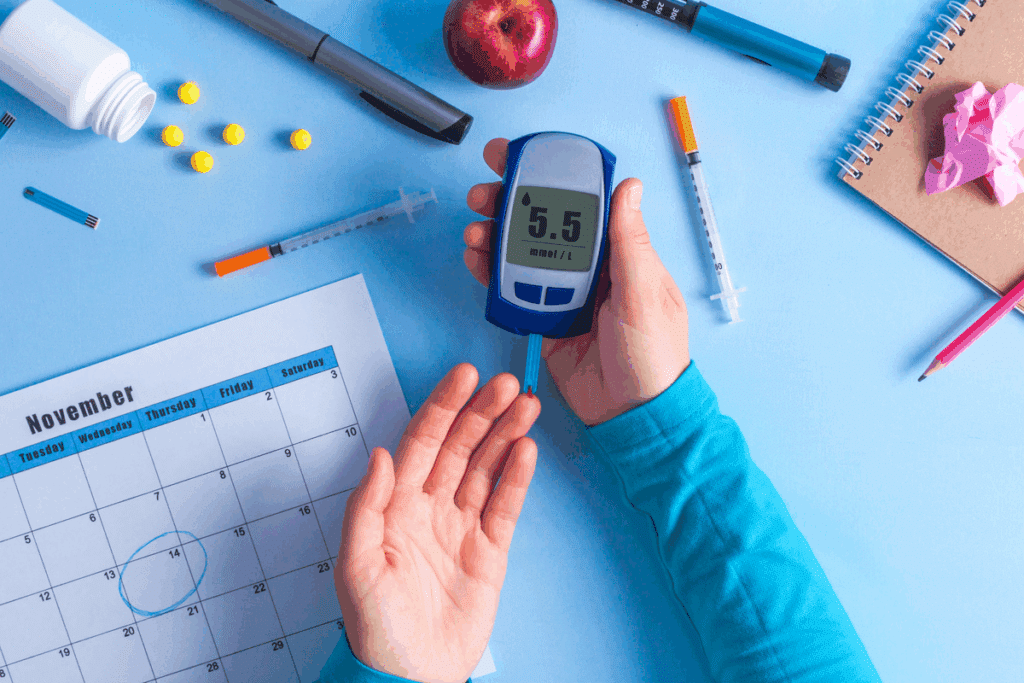
Diabetes mellitus is a common endocrine disorder, marked by high blood sugar levels. It includes Type 1, Type 2, and gestational diabetes. Symptoms are increased thirst and urination, fatigue, and blurred vision.
Endocrinologists manage diabetes with medication, lifestyle changes, and blood glucose monitoring.
Thyroid Disorders
The thyroid gland makes hormones that control metabolism and energy. Thyroid disorders, like hypothyroidism and hyperthyroidism, happen when the thyroid gland doesn’t work right. Symptoms include weight changes, fatigue, and mood swings.
Treatment involves medication to balance thyroid hormone levels.
Adrenal Insufficiency
Adrenal insufficiency happens when the adrenal glands don’t make enough cortisol and aldosterone. Symptoms are fatigue, weight loss, and low blood pressure. Treatment usually means taking medication to replace the missing hormones.
Polycystic Ovary Syndrome (PCOS)
PCOS is a hormonal disorder in women of reproductive age. It’s marked by irregular periods, cysts on the ovaries, and often, menstrual irregularity. Symptoms also include excess hair growth, acne, and male pattern baldness.
Treatment for PCOS may include hormonal contraceptives, fertility medications, and lifestyle changes to manage symptoms and related metabolic issues.
| Condition | Common Symptoms | Typical Treatments |
| Diabetes Mellitus | Increased thirst and urination, fatigue, blurred vision | Medication, lifestyle changes, blood glucose monitoring |
| Thyroid Disorders | Weight changes, fatigue, mood swings | Medication to normalize thyroid hormone levels |
| Adrenal Insufficiency | Fatigue, weight loss, low blood pressure | Hormone replacement therapy |
| Polycystic Ovary Syndrome (PCOS) | Menstrual irregularity, excess hair growth, acne | Hormonal contraceptives, fertility medications, lifestyle changes |
Endocrinologists also treat growth disorders, like growth failure and delayed puberty. They address the hormonal imbalances behind these issues. Proper diagnosis and treatment can greatly improve life quality for those affected.
Preparing for Your First Visit
 To get the most from your first visit to an endocrinologist, preparation is key. Being ready helps your healthcare provider get all the info they need. This way, they can make an accurate diagnosis and create a good treatment plan.
Medical History to Bring
Before you go, collect all important medical documents. This includes your medical history, current meds, and any past lab tests or imaging studies. Having a full medical documentation review helps your endocrinologist understand your health.
Your medical history should cover your current symptoms, past diagnoses, and treatments. It’s also good to bring info about your family history of endocrine disorders. Some conditions run in families.
Make sure you have these documents ready:
- Identification and insurance info
- Comprehensive medical records
- List of current meds and dosages
- Previous lab results and imaging studies
Important Questions to Consider
Writing down questions can make your visit more productive. Think about asking about your diagnosis, treatment options, and what to expect. This helps you prepare for your endocrinologist visit well.
Some questions to ask include:
- What is my diagnosis, and what does it mean?
- What treatment options are there, and which do you suggest?
- Are there any lifestyle changes I should make to manage my condition?
|
Information to Bring |
Questions to Ask |
|---|---|
|
Medical history |
What is my diagnosis? |
|
Current medications |
What treatment options are available? |
|
Previous lab results |
Are there lifestyle changes I should make? |
By preparing well for your first visit, you can have a productive meeting with your endocrinologist.
What to Expect During the Appointment
Your first visit to an endocrinologist is a detailed process. It’s designed to check your endocrine system. We know seeing a new doctor can be scary. But, being ready can really help.
Initial Consultation with the Endocrinologist
At your first meeting, we’ll talk about your health history. This includes any past diagnoses, treatments, and medicines you’re taking. This info helps us understand your situation and find the best way to help you.
We’ll also ask about your symptoms, how you live, and any worries you have. This helps us get a full picture of your health.
Physical Examination Procedures
The doctor will start by checking your vital signs and measuring your weight and height. They might also test your blood sugar, if you or a family member has diabetes. A thorough physical exam is key to checking your endocrine glands’ health.
We’ll look at your overall health and check for signs of hormonal imbalances or other endocrine issues.
During the exam, we might check the thyroid gland for swelling or tenderness. We’ll also look at other parts of your body that could be affected by hormonal imbalances.
Diagnostic Tests and Procedures
To find out if you have hormonal imbalances, doctors often order blood tests. These tests help them evaluate hormone levels and other important factors. They are key to figuring out what’s causing your symptoms.
Blood Tests and What They Measure
Blood tests are a main tool for doctors. They check the levels of hormones like thyroid hormones, insulin, and cortisol in your blood. For example, thyroid function tests can show if your thyroid gland is making too much or too little hormone.
|
Blood Test |
Measures |
Significance |
|---|---|---|
|
Thyroid Function Test |
Levels of TSH, T3, and T4 |
Diagnoses thyroid disorders |
|
Fasting Glucose Test |
Blood glucose levels after fasting |
Diagnoses diabetes or pre-diabetic conditions |
|
Cortisol Test |
Cortisol levels |
Assesses adrenal function |
As
“The diagnosis of hormonal imbalances relies heavily on the accurate interpretation of blood tests.”
— Endocrinology Expert
, it’s important to follow your doctor’s advice on how to prepare for these tests.
Imaging Studies You Might Need
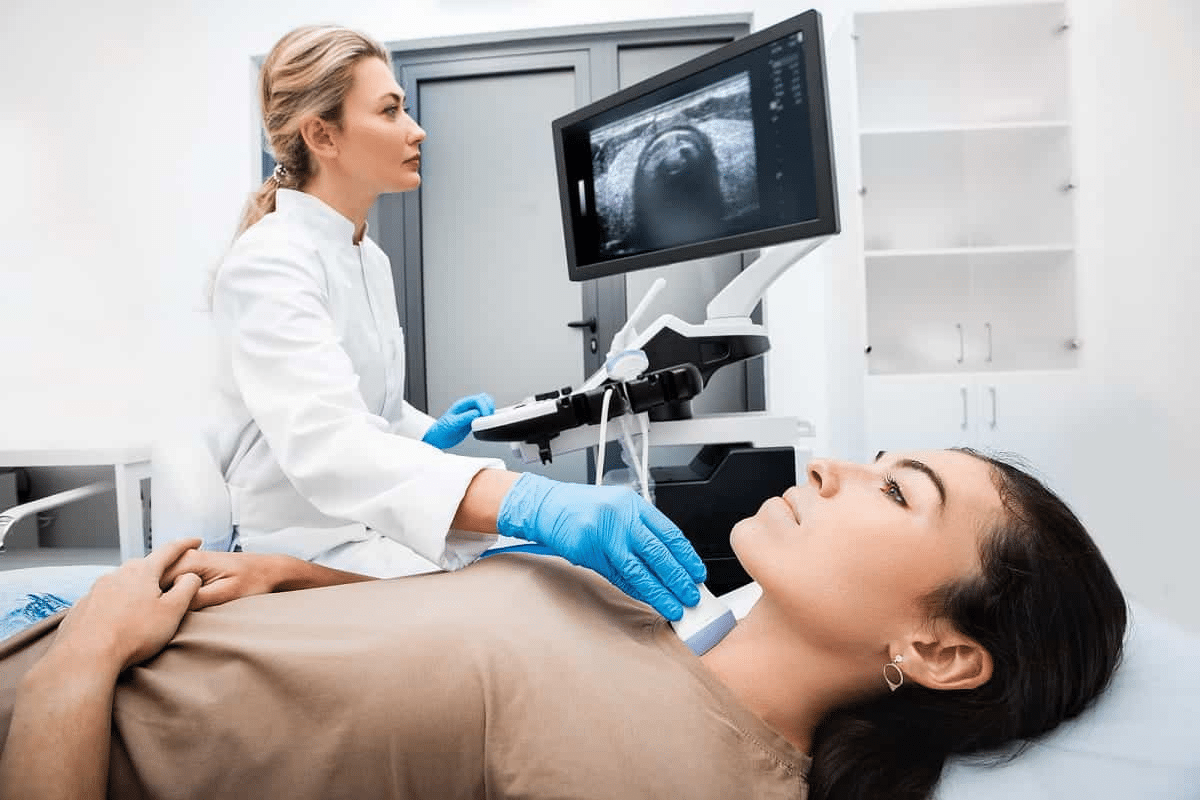
Besides blood tests, imaging studies might be needed. These studies help doctors see the endocrine glands and find any problems. Common studies include ultrasound, CT scans, and MRI.
- Ultrasound: Often used to examine the thyroid gland and detect nodules or cysts.
- CT Scan: Provides detailed images of the adrenal glands and other internal structures.
- MRI: Useful for examining the pituitary gland and detecting tumors.
These imaging studies help doctors precisely diagnose and plan treatment for hormonal disorders.
Discussion of Symptoms and Health Concerns
Your first visit to an endocrinologist is a deep dive into your health. We talk about your symptoms and concerns. This helps us understand your condition and plan your treatment.
Importance of Open Communication
Talking openly with your endocrinologist is key. Share all about your symptoms, like when they started and how long they last. Telling us everything helps us give you the right diagnosis and treatment.
Common Symptoms Explored
We’ll look at many symptoms related to hormonal imbalances during your visit. These include:
- Unexplained weight changes
- Fatigue or weakness
- Mood changes, such as depression or anxiety
- Sleep disturbances
- Changes in appetite or thirst
We’ll also review your medical history and any current medications. We’ll look at your family’s history of hormone issues too. This way, we cover all your health bases.
Treatment Options and Plans
Your endocrinologist will help you create a personalized treatment plan for your health concerns. This plan is made just for you, ensuring you get the care you need.
Personalized Treatment Plans
A personalized treatment plan is made to manage your condition well. It considers your medical history, lifestyle, and health goals. This plan might include medicines, lifestyle changes, and regular check-ups.
- Assessment of your overall health and medical history
- Identification of specific health goals and concerns
- Development of a tailored treatment strategy
Medications and Lifestyle Changes
Treatment for hormonal imbalances and related conditions often includes medications and lifestyle changes. Your endocrinologist will talk to you about the best options. They will explain the benefits and possible side effects of any medicines.
Lifestyle changes are key in managing your condition. These might include:
- Dietary adjustments to support hormonal balance
- Incorporating regular physical activity into your routine
- Stress management techniques to reduce hormonal fluctuations
By working with your endocrinologist, you can create a treatment plan. This plan will address your health concerns and improve your overall well-being.
Follow-Up Care and Appointments
After your first visit, we set up follow-up appointments. These are to check on your health and tweak your treatment if needed. They help make sure you’re getting better and adjust your care plan.
Follow-up care is key to managing your health well. It lets us see how you’re doing, handle any worries, and tweak your treatment plan.
Frequency of Follow-Up Visits
The number of follow-up visits depends on your condition and our treatment plan. Some conditions need more frequent checks, mainly at the start of treatment.
Monitoring Your Condition Over Time
We keep an eye on your condition with physical checks, tests, and symptom reviews. This helps us fine-tune your treatment to keep it effective and right for you.
|
Condition Type |
Typical Follow-Up Frequency |
Monitoring Methods |
|---|---|---|
|
Diabetes |
Every 3-6 months |
Blood glucose monitoring, HbA1c tests |
|
Thyroid Disorders |
Every 6-12 months |
Thyroid function tests, symptom assessment |
|
Hormonal Imbalances |
As needed, based on treatment |
Hormone level tests, symptom evaluation |
By going to regular follow-up appointments, you’re actively managing your health. We’re here to support you, making sure you get the best care for your needs.
Lifestyle Adjustments and Recommendations
Managing endocrine conditions needs a whole-body approach. This includes diet, exercise, and lifestyle changes. When we see an endocrinologist, they give us personalized advice. This helps us improve our health and manage our conditions better.
Diet and Nutrition Guidance
Diet is key in handling hormonal imbalances and endocrine disorders. A balanced diet with fruits, veggies, whole grains, and lean proteins helps regulate hormones. We should also watch our sugar and salt intake. Too much can worsen conditions like diabetes and thyroid issues.
For diabetes patients, carbohydrate counting and knowing food’s glycemic index are very helpful. They help control blood sugar. People with thyroid problems should pay attention to iodine. It’s important for making thyroid hormones.
Exercise Recommendations
Regular exercise is vital for managing endocrine conditions. Exercise boosts insulin sensitivity, lowers diabetes risks, and improves overall health. The right exercise depends on the person’s health and condition.
- Aerobic exercises, like walking, cycling, or swimming, are good for the heart.
- Resistance training builds muscle and boosts insulin sensitivity.
- Flexibility and stretching exercises improve mobility and prevent injuries.
We help our patients create a personalized exercise plan. It fits their needs, abilities, and health goals. This way, they can stick to a routine that’s good for them.
Understanding Hormonal Health
Knowing about hormonal health is key to living a balanced life. Hormones control many body functions. They can be hard to diagnose and treat, but understanding them helps patients choose the right treatment.
What Are Hormones and Their Functions?
Hormones are chemical messengers from the endocrine system. They help with growth, metabolism, and reproductive processes. For example, insulin controls blood sugar levels, and thyroid hormones affect metabolism.
Different hormones do different jobs, and keeping them in balance is important. Imbalances can cause health problems, like thyroid issues or diabetes. Knowing how hormones work is essential for treating imbalances.
Effects of Hormonal Imbalances
Hormonal imbalances happen when there’s too much or too little of a hormone. This can cause various health issues. For instance, thyroid hormone imbalances can lead to fatigue and mood swings.
Imbalances can affect both physical and mental health. It’s important for patients to work with their healthcare provider to find the right treatment. Understanding these effects helps patients manage their health better.
Managing Chronic Conditions
Managing chronic conditions needs a full plan. This includes medical help, lifestyle changes, and ongoing support. We know that diseases like diabetes and thyroid disorders need special care.
Diabetes Management Strategies
Good diabetes care mixes medicine, lifestyle changes, and regular checks. We suggest patients team up with their doctor to make a personalized treatment plan. This might include:
- Checking blood sugar often
- Changing medicine when needed
- Choosing a healthy diet and exercising regularly
|
Diabetes Management Strategies |
Benefits |
|---|---|
|
Regular Blood Glucose Monitoring |
Helps adjust treatment plans and prevent complications |
|
Healthy Diet and Exercise |
Improves insulin sensitivity and overall health |
|
Medication Adherence |
Ensures effective management of blood glucose levels |
Thyroid Disorder Treatments
Thyroid problems, like hypothyroidism and hyperthyroidism, need the right diagnosis and treatment. We offer various treatments, including medicines and lifestyle changes, to manage thyroid issues well. Treatment choices might be:
- Thyroid hormone replacement for hypothyroidism
- Anti-thyroid medicines for hyperthyroidism
- Regular checks of thyroid hormone levels
Patients with thyroid disorders can live active, healthy lives with the right care. We aim to give compassionate and complete care to our patients. This helps them manage their condition well.
Accessing Support Resources
We believe that getting support is key to managing chronic conditions well. Our goal is to give our patients more than just medical care. We want to support them fully.
Patient Support Groups
Patient support groups are places where people can share their stories and get emotional support. They are very helpful for those with chronic endocrine disorders. Here, people can talk about their worries and learn from others.
We have many support groups at our institution. They focus on different endocrine health issues. For example, we have groups for diabetes, thyroid disorders, and hormonal imbalances. These groups are led by experts who can offer advice and answer questions.
|
Support Group |
Focus |
Meeting Frequency |
|---|---|---|
|
Diabetes Support |
Managing diabetes, lifestyle adjustments |
Bi-weekly |
|
Thyroid Disorder Support |
Understanding thyroid conditions, treatment options |
Monthly |
|
Hormonal Imbalance Support |
Coping with hormonal imbalances, treatment strategies |
Monthly |
Educational Resources and Tools
We also offer educational resources and tools to help patients understand their health. Our materials are easy to understand, without using hard medical terms.
“Education is the key to empowering patients to take control of their health. By providing complete educational resources, we help our patients make informed decisions about their care.”
A leading endocrinologist
Some of the educational resources we provide include:
- Informational brochures on various endocrine conditions
- Workshops on managing chronic conditions
- Access to online portals with reliable health information
By using these support resources, patients can feel more confident and in control of their health. We are dedicated to giving the best care and support to help our patients reach their health goals.
Questions to Ask Your Endocrinologist
Talking well with your endocrinologist is key to handling your hormonal health. To get the most from your visit, make a list of questions to ask. This will help you both understand your health better.
Effective Dialogue
Bring a notebook to write down important points and questions. This way, you won’t forget to talk about your health. Focus on your diagnosis, treatment options, and how to change your lifestyle.
Preparing Your Questions
Think about your symptoms, medical history, and any worries you have. Writing your questions down before your visit helps. It makes your talk with your endocrinologist more productive.
By asking the right questions, you improve your communication with your endocrinologist. This leads to a deeper understanding of your condition. And it helps manage your hormonal health more effectively.
FAQ
What should I bring to my first visit to an endocrinologist?
Bring your full medical history, any lab results, and a list of current medications. Also, bring any medical documents that are relevant. This information helps us understand your health and make an accurate diagnosis.
What happens during the initial consultation with an endocrinologist?
We will review your medical history and discuss your symptoms during the initial consultation. We will also perform a thorough physical exam. This helps us understand your condition and identify the necessary diagnostic tests.
What kind of diagnostic tests might an endocrinologist perform?
We may order blood tests to check hormone levels. We might also perform imaging studies like ultrasound or MRI. Other diagnostic tests may be needed to diagnose and manage your condition.
How do I prepare for the diagnostic tests?
We will give you specific instructions on how to prepare for the tests. This might include fasting for blood tests or other preparation instructions.
What kind of treatment options might an endocrinologist recommend?
Treatment options may include medications, lifestyle changes, or other interventions. We will work with you to develop a personalized treatment plan.
How often will I need to follow up with my endocrinologist?
The frequency of follow-up visits will depend on your condition and treatment plan. We will determine the best schedule to monitor your condition and adjust your treatment plan as needed.
What kind of lifestyle adjustments might an endocrinologist recommend?
We may recommend diet and nutrition guidance, exercise recommendations, or other lifestyle adjustments. These are to help manage your condition and improve your overall health.
How can I manage my chronic condition effectively?
We will work with you to develop a management plan. This includes medication management, lifestyle adjustments, and regular monitoring. It helps you manage your chronic condition effectively.
Where can I find support resources for my condition?
We can provide information on patient support groups, educational resources, and other tools. These help you manage your condition and stay informed.
What kind of questions should I ask my endocrinologist?
Prepare a list of questions before your visit. Include questions about your diagnosis, treatment options, and any concerns. This ensures effective communication and a better understanding of your condition.
How can I ensure effective communication with my endocrinologist?
Be open and honest about your symptoms, concerns, and medical history. This helps us understand your needs and provide the best possible care.
References
National Institutes of Health. Evidence-Based Medical Insight. Retrieved from https://www.niddk.nih.gov/health-information/endocrine-diseases/endocrinology