
Iron deficiency anemia affects over 1 billion people worldwide. It’s a big health problem. This happens when the body doesn’t have enough iron to make hemoglobin. Hemoglobin is a protein in red blood cells that carries oxygen.
Understanding iron deficiency anemia is very important. If not treated, it can cause fatigue, weakness, and poor health. The reasons for it can be not eating enough iron or losing blood too much. What causes iron deficiency anemia? First, spot the symptoms of anemia. Learn these essential and negative signs to seek the right diagnosis
Key Takeaways
- Iron deficiency anemia is a widespread condition affecting millions globally.
- It is caused by insufficient iron, leading to reduced hemoglobin production.
- Symptoms include fatigue and weakness.
- Dietary changes and supplements can help manage the condition.
- Understanding the causes is key to effective treatment.
Understanding Iron Deficiency Anemia
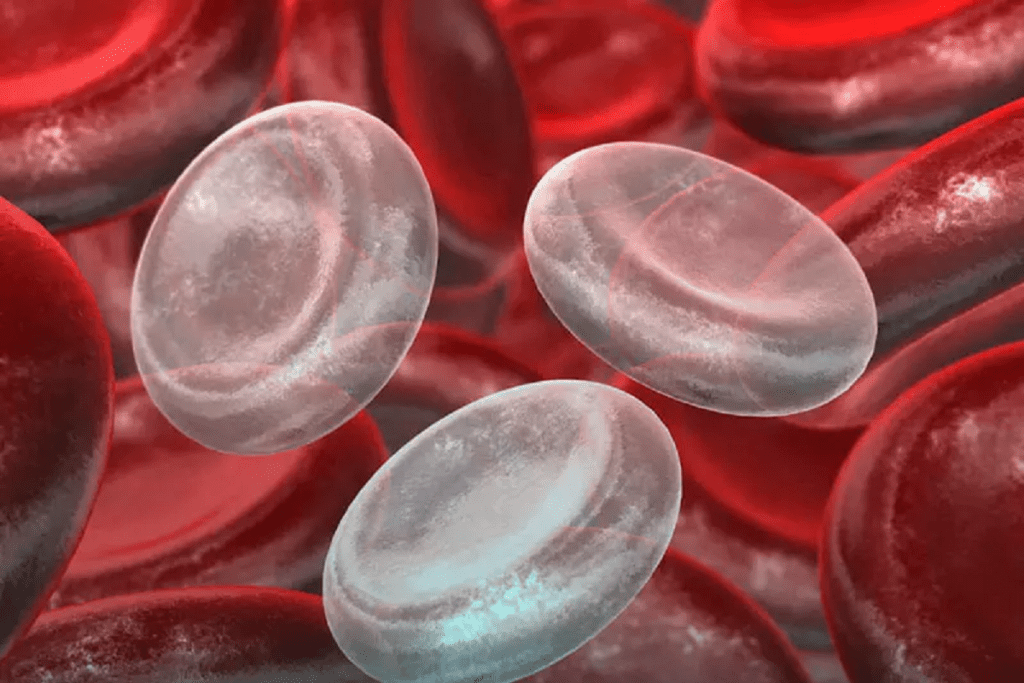
Iron deficiency anemia is a widespread health issue, affecting over a billion people worldwide. The World Health Organization (WHO) says it’s a big problem, found in both rich and poor countries.
Definition and Prevalence
Iron deficiency anemia happens when the body doesn’t have enough iron. This leads to less hemoglobin in red blood cells. Hemoglobin carries oxygen around the body. Symptoms include feeling tired, weak, and looking pale.
The WHO calls it a major health issue. It’s more common in poor countries but also affects people in rich ones.
| Region | Prevalence of Iron Deficiency Anemia |
| Global | Approximately 25% of the world’s population |
| Developing Countries | Higher prevalence due to limited access to iron-rich foods and healthcare |
| Developed Countries | Significant prevalence, particular among certain high-risk groups |
The Role of Iron in the Body
Iron is key for making hemoglobin. It also helps make hormones and keep connective tissue healthy. It’s important for thinking, fighting off infections, and keeping the body’s temperature right.
The body carefully controls iron levels. Too little or too much can cause problems.
Iron Deficiency vs. Other Types of Anemia
Iron deficiency is the most common anemia type. But, there are others like vitamin deficiency anemia and anemia of chronic disease. Vitamin deficiency anemia happens when you lack vitamin B12 or folate. Anemia of chronic disease is linked to long-term illnesses.
Knowing the cause of anemia is key to treating it right.
Key differences among types of anemia:
- Iron deficiency anemia: Caused by insufficient iron.
- Vitamin deficiency anemia: Results from a lack of vitamin B12 or folate.
- Anemia of chronic disease: Associated with chronic illnesses.
- Bone marrow-related anemia: Caused by disorders affecting the bone marrow’s ability to produce red blood cells.
Common Symptoms of Anemia

It’s important to know the signs of anemia early. Anemia can affect your body, mind, and mood. Knowing the symptoms helps in getting the right treatment.
Physical Symptoms
Anemia’s physical signs are clear. You might feel fatigue, have pale skin, or shortness of breath. In serious cases, you could feel dizzy or have chest pain.
“Fatigue is a big problem for people with anemia,” a study found. It really affects their life quality.
Cognitive and Emotional Symptoms
Anemia affects more than just your body. It can mess with your mind and mood too. You might feel mood swings, irritability, or trouble concentrating.
It’s not just physical. Anemia can also make you feel anxious or depressed.
Unusual Symptoms and Cravings
Some people with anemia have odd cravings. They might want to eat things like dirt or clay. This is called pica.
“Pica is linked to iron deficiency anemia,” experts say. It shows how nutritional issues can change behavior.
Spotting these signs is vital for treating anemia. If you’re feeling these symptoms, see a doctor. They can help figure out what’s wrong and how to fix it.
Primary Causes of Iron Deficiency Anemia
Iron deficiency anemia affects millions globally. Knowing its main causes is key to treating it. It comes from a mix of factors that lower iron levels in the body.
Blood Loss
Blood loss is a big cause of iron deficiency anemia. This is true for those with heavy periods or bleeding in the gut. Losing blood over time drains iron stores, causing anemia.
Women of childbearing age often lose iron due to heavy periods. Gastrointestinal bleeding from ulcers or gastrointestinal cancers also leads to iron loss.
Inadequate Iron Intake
Eating too little iron can lead to iron deficiency anemia. This is a big risk for vegetarians or vegans. Their bodies find it hard to absorb plant-based iron sources compared to animal-based ones.
Poor Iron Absorption
Even with a diet full of iron, some conditions can stop the body from absorbing it. For example, gastrointestinal disorders like celiac disease or Crohn’s disease harm the gut’s iron-absorbing parts.
Increased Iron Requirements
Some life stages or conditions raise the need for iron evident increase in iron requirements during pregnancy, for instance, can lead to iron deficiency anemia if not adequately addressed through diet or supplements.
Knowing these main causes is vital for treating iron deficiency anemia. Healthcare providers can then create specific treatment plans to boost iron levels.
Blood Loss as a Major Cause
Blood loss is a common reason for iron deficiency anemia. It can happen in many ways, affecting iron levels in the body.
Menstruation and Women’s Health
Menstrual blood loss is a big reason for iron deficiency anemia in women. Losing blood each month can slowly use up iron stores. Women with heavy periods are more likely to get iron deficiency anemia.
Key statistics related to menstruation and iron deficiency anemia:
| Condition | Risk Level | Prevalence |
| Heavy Menstrual Bleeding | High | Common in women with iron deficiency anemia |
| Frequent/Dense Menstruation | Moderate to High | Higher incidence in pre-menopausal women |
| Normal Menstruation | Low | Less common association with iron deficiency anemia |
Gastrointestinal Bleeding
Gastrointestinal bleeding is another big cause of iron deficiency anemia. This bleeding can come from many disorders, like ulcers and colorectal cancer.
“оми, gastrointestinal bleeding should be considered a possible cause of iron deficiency anemia, mainly in those at risk for gastrointestinal diseases.”
Other Sources of Blood Loss
Other causes of blood loss include trauma, surgery, and frequent blood donation. These can cause a lot of iron loss if not managed well.
Frequent blood donation can lead to iron deficiency if iron stores are not refilled Adequately.
Knowing about these blood loss sources is key to diagnosing and treating iron deficiency anemia.
Dietary Factors Contributing to Iron Deficiency
What you eat can affect your iron levels. Some foods can help, while others can hurt. Knowing which foods are good and bad is key.
Vegetarian and Vegan Diets
Vegetarian and vegan diets might not have enough iron. This is because they often lack heme iron, found in meat. It’s important for these diets to include iron-rich plants.
Iron-rich foods for vegetarians and vegans include:
- Legumes (lentils, chickpeas, black beans)
- Nuts and seeds (pumpkin seeds, sesame seeds, sunflower seeds)
- Whole grains (quinoa, brown rice, whole wheat bread)
- Dried fruits (dates, apricots, prunes)
- Dark leafy greens (spinach, kale, collard greens)
Malnutrition and Food Insecurity
Malnutrition and lack of food can lead to iron deficiency. This is a big problem in areas where good food is hard to find.
Nutritional deficiencies can lead to:
- Reduced iron intake
- Increased susceptibility to infections
- Poor overall health
Foods That Inhibit Iron Absorption
Some foods can make it harder for your body to use iron. You don’t have to avoid these foods, but knowing about them helps plan better meals.
| Food | Effect on Iron Absorption |
| Coffee | Reduces iron absorption |
| Tea | Contains tannins that inhibit iron absorption |
| Calcium-rich foods | Can reduce non-heme iron absorption |
| Foods high in phytates (whole grains, legumes) | Can reduce iron absorption, though they also contain iron |
Medical Conditions That Cause Iron Deficiency
Some medical conditions can lead to iron deficiency anemia. These conditions can make it hard for the body to absorb iron. They can also cause chronic blood loss or affect how iron is used.
Gastrointestinal Disorders
Gastrointestinal disorders are a big reason for iron deficiency anemia. Diseases like celiac disease, Crohn’s disease, and ulcerative colitis harm the small intestine’s lining. This makes it hard for the body to absorb iron.
Also, bleeding from ulcers or tumors can cause a lot of iron loss. People with these conditions need to manage their iron intake carefully.
Autoimmune Conditions
Autoimmune conditions can also cause iron deficiency anemia. For example, autoimmune thyroiditis can change menstrual flow. This can lead to more iron loss in women.
Other autoimmune diseases, like rheumatoid arthritis , cause chronic inflammation. This can affect how the body uses iron and raise the risk of anemia.
Chronic Diseases
Chronic diseases, such as chronic kidney disease and heart failure, increase the risk of iron deficiency anemia. These conditions often cause inflammation. This can make it hard for the body to keep enough iron.
- Chronic kidney disease can reduce erythropoietin production. This affects red blood cell production.
- Heart failure can decrease iron absorption and increase iron loss.
Genetic Factors
Genetic factors can also contribute to iron deficiency anemia. Certain genetic conditions, like hemochromatosis (which usually causes iron overload), can affect iron metabolism. This can raise the risk of anemia.
High-Risk Populations
It’s important to know which groups are more likely to get iron deficiency anemia. This helps in focusing on prevention and treatment. Some groups face a higher risk because of their health or diet.
Women of Childbearing Age
Women who could get pregnant lose a lot of iron each month. This is because of menstrual blood loss. They need to eat more iron to make up for this loss.
Pregnant Women
Pregnant women need more iron because their blood volume increases. They also need it for their growing baby. If they don’t get enough, they might get iron deficiency anemia.
Infants and Children
Young kids and babies are at risk for iron deficiency anemia. This is because they might not eat enough iron or drink too much cow’s milk. Cow’s milk can stop their bodies from absorbing iron well.
Older Adults
Older people are also at risk. They might not eat enough iron, their bodies might not absorb it well, or they might have health problems. It’s important for them to get enough iron through food or supplements.
The table below shows the main risks and how to help these groups:
| Population | Risk Factors | Recommendations |
| Women of Childbearing Age | Menstrual blood loss | Increase iron intake through diet or supplements |
| Pregnant Women | Increased iron demand | Consume iron-rich foods and consider prenatal supplements |
| Infants and Children | Diet low in iron-rich foods, high consumption of cow’s milk | Introduce iron-rich foods early, limit cow’s milk |
| Older Adults | Decreased intake, impaired absorption, chronic diseases | Ensure adequate dietary iron, consider supplements if necessary |
Knowing which groups are at risk helps doctors and nurses target their efforts. This way, they can better prevent and treat iron deficiency anemia. It helps improve health outcomes for these groups.
Diagnosing Iron Deficiency Anemia
To find iron deficiency anemia, doctors use a few key steps. They look at your medical history, do a physical check, and run lab tests. This way, they can spot the problem and figure out why it’s happening.
Blood Tests and Lab Values
Blood tests are key in spotting iron deficiency anemia. The main tests are:
- Complete Blood Count (CBC): Checks hemoglobin and hematocrit levels.
- Iron level test: Sees how much iron is in your blood.
- Ferritin test: Looks at the iron stored in your body.
- Total Iron Binding Capacity (TIBC): Shows how well your blood can bind iron.
These tests give important info on how severe the anemia is. They help find out if it’s due to iron deficiency.
Understanding Ferritin Levels
Ferritin is a protein that holds iron in your body. Low ferritin levels mean you might have iron deficiency anemia. The normal range for ferritin changes with age and sex, but here’s a general idea:
- Low ferritin: Less than 30 ng/mL.
- Normal ferritin: Between 30-400 ng/mL for men and 30-150 ng/mL for women.
Low ferritin levels show you’re running low on iron, even if other tests seem fine.
Additional Diagnostic Procedures
Sometimes, more tests are needed to find the real cause of iron deficiency anemia. These might include:
- Gastrointestinal endoscopy to check for bleeding or malabsorption.
- Colonoscopy to find colon cancer or polyps.
- Other imaging tests to find where blood loss is coming from.
Differential Diagnosis
Differential diagnosis means ruling out other conditions that might cause similar symptoms. Doctors need to consider other types of anemia, like vitamin deficiency anemia or anemia of chronic disease.
| Condition | Ferritin Level | Iron Level | TIBC |
| Iron Deficiency Anemia | Low | Low | High |
| Anemia of Chronic Disease | Normal or High | Low | Low |
| Vitamin Deficiency Anemia | Normal | Normal | Normal |
Getting the right diagnosis is key to treating it well. Knowing how doctors diagnose helps them create a good treatment plan.
Complications of Untreated Iron Deficiency Anemia
Untreated iron deficiency anemia can lead to serious health problems. It’s important to know these risks to see why treatment is key.
Cardiovascular Issues
One major issue is heart problems. The heart works harder because of a lack of red blood cells or hemoglobin. This can cause an increased heart rate and cardiac workload.
- Increased risk of heart failure
- Reduced exercise tolerance
- Potential for cardiac arrhythmias
Developmental Problems in Children
Iron deficiency anemia can harm children’s growth and development. It can cause cognitive impairments, behavioral problems, and growth delays.
Pregnancy Complications
Pregnant women with untreated iron deficiency anemia face higher risks. These can include:
- Preterm labor
- Low birth weight
- Increased risk of postpartum hemorrhage
Decreased Immune Function
Iron is vital for a strong immune system. Without enough iron, the immune system weakens. This makes it easier to get sick.
Treatment Options for Iron Deficiency Anemia
Managing iron deficiency anemia requires different strategies. These include supplements and treating health issues. The right treatment depends on the anemia’s severity, its cause, and the person’s health.
Oral Iron Supplements
Oral iron supplements are often the first choice for treating iron deficiency anemia. They help build up iron levels and make healthy red blood cells. It’s important to take the right amount and know about possible side effects like stomach upset.
Types of Oral Iron Supplements:
- Ferrous sulfate
- Ferrous gluconate
- Ferrous fumarate
- Iron polysaccharide complex
Intravenous Iron Therapy
For those who can’t take oral supplements or have severe anemia, intravenous iron therapy is a good option. It puts iron directly into the blood, skipping the stomach.
Benefits of Intravenous Iron Therapy:
- It quickly fills up iron stores
- It’s easier to tolerate for those with stomach problems
- It works well for people with chronic diseases
Blood Transfusions
In very severe cases, blood transfusions might be needed. They quickly raise the red blood cell count and improve oxygen delivery.
When Blood Transfusions are Considered:
- Severe anemia with bad symptoms
- Active bleeding
- Chronic diseases causing anemia
Treating Underlying Causes
It’s key to treat the cause of iron deficiency anemia for lasting results. This might mean fixing stomach problems, managing heavy periods, or changing diet.
Examples of Underlying Causes:
| Cause | Treatment Approach |
| Menstrual bleeding | Hormonal treatments, tranexamic acid |
| Gastrointestinal bleeding | Endoscopy, medication to reduce bleeding |
| Dietary deficiencies | Dietary counseling, iron-rich foods |
Effective treatment of iron deficiency anemia needs a full plan. This includes adding iron, fixing the cause, and checking how the patient is doing. Knowing all the treatment options helps doctors create the best plan for each patient.
Iron-Rich Foods to Combat Anemia
Eating foods high in iron is key to fighting anemia. A balanced diet can ease symptoms and boost health.
Animal Sources of Iron
Animal-based iron, or heme iron, is better absorbed than plant-based iron. Foods like:
- Red meat, such as beef and lamb
- Poultry, like chicken and turkey
- Fish and seafood, including clams, sardines, and anchovies
These foods are not just iron sources. They also have protein and vitamins.
Plant-Based Iron Sources
Vegetarians and vegans have many iron options. Non-heme iron is found in:
- Legumes, such as lentils, chickpeas, and black beans
- Leafy greens like spinach, kale, and collard greens
- Nuts and seeds, including pumpkin seeds, sesame seeds, and sunflower seeds
- Fortified cereals and bread
Foods That Enhance Iron Absorption
Some foods boost iron absorption, mainly non-heme iron. These include:
- Vitamin C-rich foods like citrus fruits, bell peppers, and tomatoes
- Foods high in beta-carotene, such as carrots and sweet potatoes
But, avoid tea, coffee, and calcium-rich foods with meals. They can block iron absorption.
Meal Planning for Optimal Iron Intake
Good meal planning is essential for iron levels. Tips are:
- Eat a variety of iron-rich foods
- Pair non-heme iron with vitamin C-rich foods
- Stay away from iron absorption blockers during meals
By choosing the right foods, you can manage iron deficiency anemia better. This improves your health.
Preventing Iron Deficiency Anemia
To prevent iron deficiency anemia, it’s important to know about diet and health screenings. Simple steps can help lower the risk of this condition.
Dietary Strategies
Eating foods high in iron is key. This includes red meat, poultry, and seafood like clams and sardines. Legumes, nuts, and seeds also help.
- Red meat and poultry
- Seafood, such as clams and sardines
- Legumes, like lentils and chickpeas
- Nuts and seeds, like pumpkin seeds and sesame seeds
- Fortified cereals
Also, eat foods high in vitamin C to boost iron absorption. Foods like citrus fruits, bell peppers, and tomatoes are good. But, avoid tea and coffee with meals as they can lower iron absorption.
3>Supplements for High-Risk Groups
For those at high risk, like pregnant women, supplements are important. Always talk to a doctor about the right supplements.
| High-Risk Group | Recommended Supplement | Dosage |
| Pregnant Women | Ferrous Sulfate | 30-60 mg/day |
| Individuals with Gastrointestinal Disorders | Iron Gluconate | As recommended by a healthcare provider |
Regular Health Screenings
Regular health checks are key for catching iron deficiency anemia early. This includes blood tests.
Addressing Underlying Health Issues
Managing health conditions is vital for those at risk. This might mean treating gut issues or managing menstrual health.
By following dietary advice, using supplements, getting regular health checks, and managing health issues, you can lower your risk of iron deficiency anemia. Being proactive about your health is very important.
Living with Iron Deficiency Anemia
Managing iron deficiency anemia means knowing its symptoms, treatment, and lifestyle changes. This condition, caused by low iron, affects millions of people worldwide. It impacts their daily lives a lot.
Managing Symptoms
It’s key to manage symptoms of iron deficiency anemia. Recognize signs like fatigue, weakness, and shortness of breath. These signs help find medical intervention on time.
To tackle these symptoms, making lifestyle changes helps. Eating iron-rich foods can boost iron levels. Also, foods high in vitamin C, like citrus fruits, help iron absorption when eaten with iron-rich foods.
Lifestyle Adjustments
Living with iron deficiency anemia requires lifestyle adjustments. This includes eating more iron-rich foods and avoiding substances that block iron absorption, like coffee and tea during meals.
Regular monitoring and rest are also key to restore iron levels. This helps improve overall health.
| Lifestyle Adjustment | Benefit |
| Increasing iron-rich food consumption | Improves iron levels |
| Avoiding inhibitors like coffee and tea during meals | Enhances iron absorption |
| Regular exercise | Improves overall health and well-being |
Long-term Monitoring
Long-term monitoring is key to managing iron deficiency anemia. Regular blood tests are needed to check iron levels. This helps adjust treatment as needed.
Support Resources
Living with iron deficiency anemia can be tough, but support resources are there to help. Support groups, online forums, and healthcare professionals offer valuable info and emotional support.
Understanding the condition, making lifestyle changes, and using support resources can help manage symptoms. This improves quality of life.
Conclusion
Iron deficiency anemia is a big health problem worldwide. It’s important to know its causes, symptoms, and how to treat it. This knowledge helps manage and prevent it effectively.
Iron deficiency anemia happens when you don’t have enough iron. This can cause anemia. The main reasons include losing blood, not getting enough iron, poor absorption, and needing more iron. Symptoms include feeling very tired, weak, and even emotional changes.
To find out if you have iron deficiency anemia, doctors do blood tests. They look at ferritin levels. Treatment includes iron pills, IV iron, and blood transfusions. Eating iron-rich foods and making lifestyle changes also help.
Knowing about iron deficiency anemia is key to preventing and treating it. Regular health checks and eating right can lower your risk. This way, you can stay healthy and avoid this condition.
FAQ
What are the common symptoms of iron deficiency anemia?
Symptoms include feeling very tired, weak, and having pale skin. You might also feel short of breath, dizzy, and have headaches. Some people crave non-food items, have cold hands and feet, and lose hair.
What causes iron deficiency anemia?
Causes include losing blood, not getting enough iron in your diet, or your body not absorbing iron well. It can also happen during pregnancy or in children.
How is iron deficiency anemia diagnosed?
Doctors use blood tests to check for iron deficiency anemia. They look at hemoglobin and ferritin levels. More tests might be needed to find the cause.
What are the treatment options for iron deficiency anemia?
Treatments include taking iron supplements, getting iron through a vein, or blood transfusions. They also address the cause, like bleeding or menstrual issues.
Can iron deficiency anemia be prevented?
inclusive of
Yes, you can prevent it. Eat iron-rich foods, avoid foods that block iron absorption, and take supplements if needed. Regular health checks are also important.
What are some iron-rich foods that can help combat anemia?
Foods high in iron include red meat, poultry, seafood, beans, lentils, spinach, and fortified cereals. Vitamin C helps your body absorb iron better, so eat foods high in vitamin C with iron-rich foods.
Are there any complications if iron deficiency anemia is left untreated?
inclusive ofYes, not treating it can cause heart problems, developmental issues in kids, pregnancy complications, and weaken your immune system.
How can individuals manage symptoms and live with iron deficiency anemia?
To manage symptoms, change your diet to include more iron, take supplements if needed, and make lifestyle changes. Regular check-ups with your doctor are also important. Support groups can offer help and advice.
Is iron deficiency anemia common in certain shows a Recap cre shows a Recap populations?
Yes, some groups are at higher risk. These include women of childbearing age, pregnant women, infants, children, and older adults. They need closer monitoring and preventive measures.
Reference
- World Health Organization. (2024). WHO guideline for the clinical use of hemoglobin concentrations and ferritin levels in diagnosis and management of anemia. World Health Organization Publication. https://pubmed.ncbi.nlm.nih.gov/38565083/
- Auerbach, M., & Adamson, J. W. (2016). How we diagnose and treat iron deficiency anemia. American Journal of Hematology, 91(1), 31“38. https://pubmed.ncbi.nlm.nih.gov/26475596/