
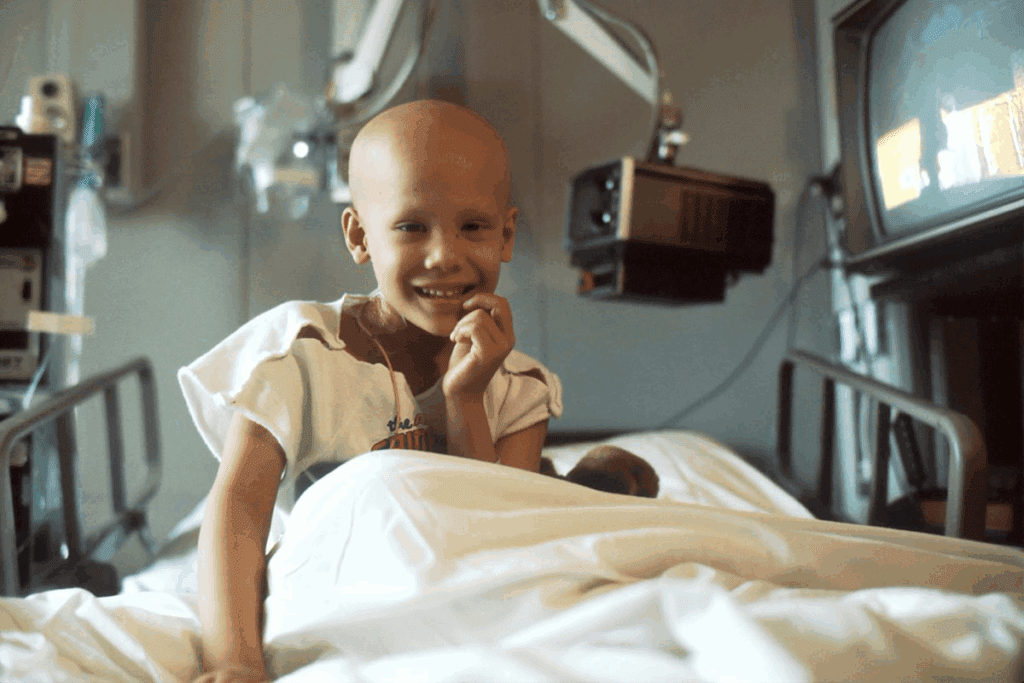
This fact highlights the urgent need for quick diagnosis and treatment. Leukemia impacts the blood and bone marrow, leading to abnormal white blood cells. Understanding the timeline for the development of Symptoms of childhood leukemia and how fast the disease can progress.
Understanding childhood leukemia is crucial for early detection and effective treatment.
Key Takeaways
- Childhood leukemia is a rapidly progressing cancer that affects the blood and bone marrow.
- Early detection is critical due to the swift progression of the disease.
- Understanding the signs and symptoms is vital for timely medical intervention.
- Being aware of cancer childhood symptoms can lead to earlier diagnosis and treatment.
Understanding childhood leukemia is crucial for early detection and effective treatment.
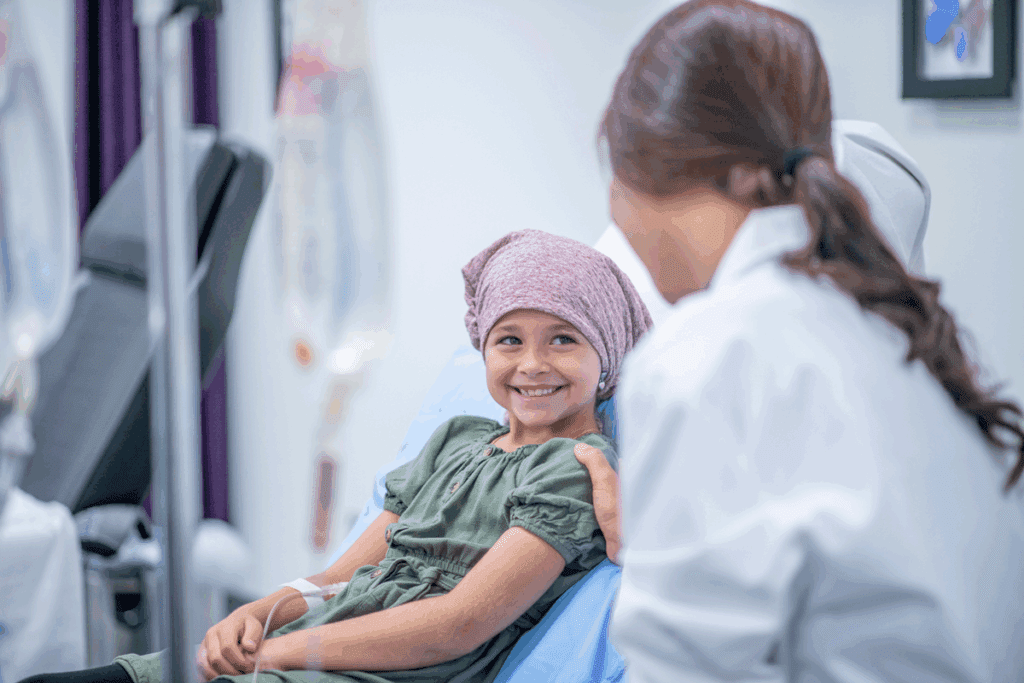
Understanding childhood leukemia is crucial for early detection and effective treatment. This means looking closely at the disease and what might cause it. Childhood leukemia is a cancer that affects the blood and bone marrow. It happens when abnormal white blood cells grow too much.
What is Childhood Leukemia?
Childhood leukemia is when the bone marrow makes too many immature white blood cells. These cells, called leukemia cells, take over the bone marrow. This stops normal cells from being made, leading to health problems.
The American Cancer Society says leukemia is the top cancer in kids. We’ll look at the different kinds and what they mean.
Types of Childhood Leukemia
There are a few types of leukemia in kids, with Acute Lymphoblastic Leukemia (ALL) and Acute Myeloid Leukemia (AML) being the most common. ALL makes up about 80% of cases, while AML is another big one.
- Acute Lymphoblastic Leukemia (ALL): ALL grows fast and is caused by too many lymphoblasts.
- Acute Myeloid Leukemia (AML): AML is when myeloid cells grow too quickly and block normal blood cell making.
Causes and Risk Factors
We don’t know all the reasons why kids get leukemia, but some things might increase the risk. For example, kids with Down syndrome are more likely to get it.
Other things that might raise the risk include radiation and some chemicals. Knowing these can help find leukemia early and maybe even stop it.
Early Symptoms of Childhood Leukemia
Understanding childhood leukemia is crucial for early detection and effective treatment.
Common Initial Symptoms
Children with leukemia might show symptoms that look like other illnesses. Some common signs include:
- Fatigue: Feeling very tired that doesn’t get better with rest.
- Pale Skin: Skin that looks pale because of fewer red blood cells.
- Recurrent Infections: Getting sick often because the immune system is weak.
- Bone or Joint Pain: Pain in bones or joints from leukemia cells in the bone marrow.
Importance of Early Detection
Finding leukemia early is key to better survival chances. The National Cancer Institute says quick treatment can lead to better outcomes. We should watch for early signs and get medical help if we see anything unusual in kids.
Knowing the early symptoms of leukemia helps us get a diagnosis and treatment sooner. This can greatly improve a child’s life with this disease.
Progression Timeline of Childhood Leukemia
Knowing how childhood leukemia progresses is key for families. The speed at which it grows affects treatment choices and results.
Average Duration from Diagnosis to Advanced Stages
The time from diagnosis to advanced stages varies. Acute lymphoblastic leukemia (ALL), the common type, grows quickly if untreated.
ALL’s growth depends on the patient’s age, white blood cell count, and how well they respond to treatment.
| Leukemia Subtype | Average Duration from Diagnosis to Advanced Stages |
| Acute Lymphoblastic Leukemia (ALL) | Several weeks to a few months |
| Acute Myeloid Leukemia (AML) | A few weeks to several months |
Factors Influencing Progression Rate
Several things can change how fast leukemia grows. These include:
- Genetic mutations: Some genetic changes can speed up leukemia.
- Age: Younger kids usually do better than older ones.
- Response to treatment: Good response to treatment means better chances.
- White blood cell count at diagnosis: High counts mean the disease is more aggressive.
Understanding these factors helps doctors make better treatment plans. This improves patient outcomes.
Observable Physical Symptoms
Physical symptoms are key in spotting childhood leukemia early. We’ll look at common signs that might mean a child has this disease. This helps parents and caregivers know when to get medical help.
Changes in Skin and Eyes
Changes in skin and eyes are clear signs of leukemia in kids. Pale skin often means fewer red blood cells, causing anemia. Dark circles under the eyes can also be a worry, possibly linked to leukemia. Kids with leukemia might bruise or bleed more easily, which can scare parents.
Watch for eye changes too, like swollen eyes or vision problems. These signs can mean different things, but seeing a doctor is important. They help figure out if it’s leukemia or another serious issue.
Swelling in Lymph Nodes
Swollen lymph nodes are another sign of leukemia in kids. These nodes in the neck, armpits, and groin get big when cancer cells build up. Keep an eye out for any unusual swelling, along with other illness signs like fever or weight loss.
It’s important to know these symptoms can also mean other, less serious problems. But if your child shows any lasting or serious physical changes, see a doctor right away. They can do a full check-up.
Symptoms Related to Blood Count
Abnormal blood counts are a common sign of childhood leukemia. Leukemia makes the bone marrow produce bad white blood cells. This can lower the production of red blood cells and platelets.
These changes cause noticeable symptoms. Anemia and fatigue, and increased bruising and bleeding are two main symptoms.
Anemia and Fatigue
Anemia happens when there are not enough red blood cells. This makes it hard for the body to get oxygen. It can cause tiredness, pale skin, and shortness of breath.
It affects their energy and well-being a lot.
Anemia shows how leukemia affects the body’s ability to make healthy red blood cells. Leukemia cells take over the bone marrow, reducing red blood cell production.
Increased Bruising and Bleeding
Another symptom is easy bruising and bleeding. This is often because of low platelet counts, or thrombocytopenia. Platelets help blood clot, and low counts can cause bleeding.
The table below shows common symptoms related to blood count problems in kids with leukemia:
| Symptom | Cause | Effect |
| Anemia | Low red blood cell count | Fatigue, pale skin, shortness of breath |
| Increased Bruising | Low platelet count (thrombocytopenia) | Easy bruising, nosebleeds |
| Bleeding | Low platelet count | Bleeding gums, prolonged bleeding |
Understanding childhood leukemia is crucial for early detection and effective treatment. leukemia. Recognizing anemia, fatigue, increased bruising, and bleeding helps parents and doctors act fast.
Neuropsychological Symptoms
Children with leukemia may show various neuropsychological symptoms. These can impact their behavior and thinking. This is a big worry for families and doctors.
We know leukemia affects more than just the body. It can also affect a child’s mind and behavior. The National Cancer Institute says some kids might feel anxious, depressed, or confused.
Behavioral Changes
Behavioral changes are common in kids with leukemia. These can include:
- Increased irritability or mood swings
- Withdrawal from social activities or friends
- Changes in appetite or sleep patterns
These changes can upset both the child and their family. We offer support and guidance to help manage these symptoms.
Cognitive Difficulties
Cognitive difficulties are also seen in kids with leukemia. These can show up as:
- Difficulty concentrating or paying attention
- Memory problems or learning new information
- Slower processing speeds or reaction times
It’s key to tackle these cognitive challenges with the right education and therapy. We stress the need for a detailed care plan that includes neuropsychological support.
By tackling the neuropsychological symptoms of childhood leukemia, we can enhance the lives of these children and their families.
Understanding childhood leukemia is crucial for early detection and effective treatment.
Diagnosing childhood leukemia needs a detailed and multi-faceted approach. We use various diagnostic tests to accurately identify the condition. This helps us create an effective treatment plan.
Diagnostic Tests Conducted
Several diagnostic tests are key in diagnosing childhood leukemia. These include:
- Blood Counts: To check for abnormal levels of red or white blood cells or platelets.
- Bone Marrow Biopsies: To examine the bone marrow for leukemia cells.
- Imaging Studies: Such as X-rays, CT scans, or MRI scans to check for signs of leukemia in the body.
- Lumbar Puncture: To check for leukemia cells in the cerebrospinal fluid.
These tests help us understand the extent and type of leukemia. This is vital for determining the best course of treatment.
Importance of Comprehensive Evaluation
A thorough evaluation is critical in diagnosing childhood leukemia accurately. According to the American Cancer Society, a prompt and accurate diagnosis is essential for effective treatment.
The evaluation involves:
| Diagnostic Aspect | Importance |
| Accurate Diagnosis | Ensures appropriate treatment planning. |
| Identifying Leukemia Type | Guides specific treatment strategies. |
| Assessing Disease Extent | Helps in staging and prognosis. |
By conducting a detailed diagnostic evaluation, we can ensure children get the most appropriate and effective care for their specific condition.
Treatment Options for Childhood Leukemia
There are many ways to treat childhood leukemia, each one made for the child’s specific needs. Most often, chemotherapy is used. It kills leukemia cells with drugs.
Chemotherapy and Its Effects
Chemotherapy affects the whole body. It kills leukemia cells that have spread. The treatment is given in cycles, with breaks in between to let the body rest. Chemotherapy can cause nausea, hair loss, and fatigue, but these side effects are usually short-term.
Despite the tough side effects, chemotherapy is very effective against childhood leukemia. Thanks to new treatments, more children are surviving leukemia.
Additional Treatment Strategies
Other treatments might be used, depending on the child’s situation. Radiation therapy targets leukemia cells in specific areas. Bone marrow transplantation replaces the diseased marrow with healthy one.
We also consider targeted therapy and immunotherapy. Targeted therapy attacks leukemia cells directly. Immunotherapy boosts the immune system to fight leukemia.
Every child’s treatment plan is made just for them. We work with families to explain the options and support them during treatment.
Coping with a Childhood Leukemia Diagnosis
Understanding childhood leukemia is crucial for early detection and effective treatment.
Emotional Support for Families
Families face many emotions when they get this diagnosis. They might feel shocked, scared, sad, or frustrated. It’s important to have a support system to help manage these feelings.
We suggest families look for:
- Counselors or therapists who know about pediatric oncology
- Support groups for families going through this
- Online resources and forums
A strong support network can really help. The American Cancer Society says, “Support from others who have gone through it can be very helpful.”
“The emotional support we received from our family and the hospital staff was invaluable. It helped us stay strong for our child during a very difficult time.”
A parent’s testimony
Resources for Patients and Parents
Families also need practical help to manage the diagnosis. We offer a variety of resources, including:
- Info on treatment options and clinical trials
- Help with managing treatment side effects
- Support in navigating the healthcare system
Our team works hard to provide care that meets each family’s needs. We aim to offer the right support and resources. This helps families deal with the diagnosis and improves their care experience.
Key resources include:
- National Cancer Institute: Offers info on childhood leukemia, treatment options, and clinical trials.
- American Cancer Society: Provides support services, like counseling and support groups, for families with childhood leukemia.
- Pediatric Oncology Group: Gives resources and info on pediatric oncology, including treatment protocols and supportive care.
Long-term Outlook and Survival Rates
Children diagnosed with leukemia have a better chance of survival today. This is thanks to new medical treatments and care. We know more about what affects survival rates and why early treatment is key.
Remission and Its Significance
Remission is a big deal in treating childhood leukemia. It means no cancer cells are found in the body. Getting to remission is a big step towards getting better. We watch patients closely to make sure the cancer doesn’t come back.
The National Cancer Institute says early treatment and good care can really help survival rates.
Impact of Early Treatment
Starting treatment early is very important for kids with leukemia. Quick diagnosis and treatment can greatly improve survival chances. We stress the need for quick medical action to get the best results for our patients.
By understanding what affects treatment outcomes and using new medical care, we can keep improving survival chances for kids with leukemia.
FAQ
What are the first signs of childhood leukemia?
Early signs of childhood leukemia can be hard to spot. Look for tiredness, pale skin, and frequent infections. Also, watch for easy bruising, bone pain, and swelling in certain areas.
How quickly does childhood leukemia progress?
Leukemia in kids can grow fast or slow, depending on the type and the child. Acute lymphoblastic leukemia (ALL) can spread quickly if not treated. Some cases of acute myeloid leukemia (AML) also move fast.
What are the symptoms related to blood count in childhood leukemia?
Symptoms include anemia, tiredness, and easy bruising. Low white blood cell counts make kids more likely to get sick.
How is childhood leukemia diagnosed?
Doctors use blood tests, bone marrow samples, and imaging to diagnose leukemia. These tests help figure out the disease’s type and how far it has spread.
What are the treatment options for childhood leukemia?
Treatment often includes chemotherapy. Sometimes, radiation or bone marrow transplants are needed. Treatment plans are made just for each child, based on their disease type and stage.
What is the long-term outlook for children with leukemia?
Thanks to better treatments, kids with leukemia have a good chance of survival. Knowing about remission and early treatment is key. Survival rates depend on the type of leukemia and other factors, but are generally hopeful.
How can families cope with a childhood leukemia diagnosis?
Families need emotional and practical support after a diagnosis. We offer counseling, support groups, and educational materials. These help families deal with the challenges of leukemia.
What are the neuropsychological symptoms associated with childhood leukemia?
Symptoms can include behavioral and cognitive problems. These might be due to the disease or treatment. We aim to improve the child’s quality of life.
What are the observable physical symptoms of childhood leukemia?
Look for pale skin, jaundice, and swollen lymph nodes. Other signs are weight loss, loss of appetite, and fever.
How does the subtype of leukemia affect the progression rate?
The leukemia subtype greatly affects how fast it grows. ALL tends to grow quickly, while AML can also spread fast. Knowing the subtype is key for choosing the right treatment.
References
National Center for Biotechnology Information. Evidence-Based Medical Insight. Retrieved from https://www.ncbi.nlm.nih.gov/books/NBK558907/
World Health Organization. Evidence-Based Medical Insight. Retrieved from https://www.who.int/news-room/fact-sheets/detail/childhood-cancer-leukemia
Centers for Disease Control and Prevention. Evidence-Based Medical Insight. Retrieved from https://www.cdc.gov/cancer/leukemia/index.htm