
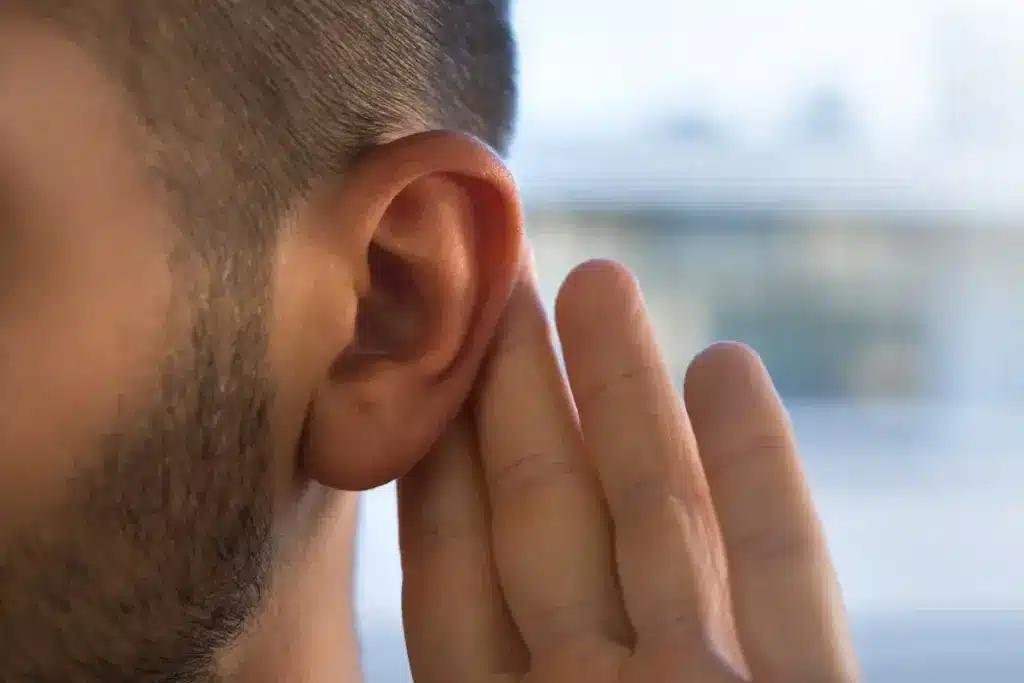
Hearing loss is a big problem worldwide. It affects over 1.5 billion people, which is nearly 20% of the world’s population. Experts think this number will grow to 2.5 billion by 2050. We need to understand and tackle this issue fast.
The early signs of hearing loss are often small and easy to ignore. You might ask people to repeat themselves more often. Or you might struggle to hear in loud places. Spotting these signs early is key to protecting your hearing.
Understanding the first signs of hearing loss is very important for your hearing health. By noticing changes in your hearing, you can get help if needed. In this article, we’ll look at the early signs that might mean you’re losing your hearing.
Key Takeaways
- Recognizing early signs of hearing loss is vital for your hearing health.
- Hearing loss affects over 1.5 billion people worldwide and is expected to rise.
- Early detection can help in taking proactive steps towards hearing protection.
- Subtle changes in hearing can be the first indicators of hearing loss.
- Seeking medical attention early can make a big difference in managing hearing loss.
Understanding Hearing Loss: A Growing Global Concern
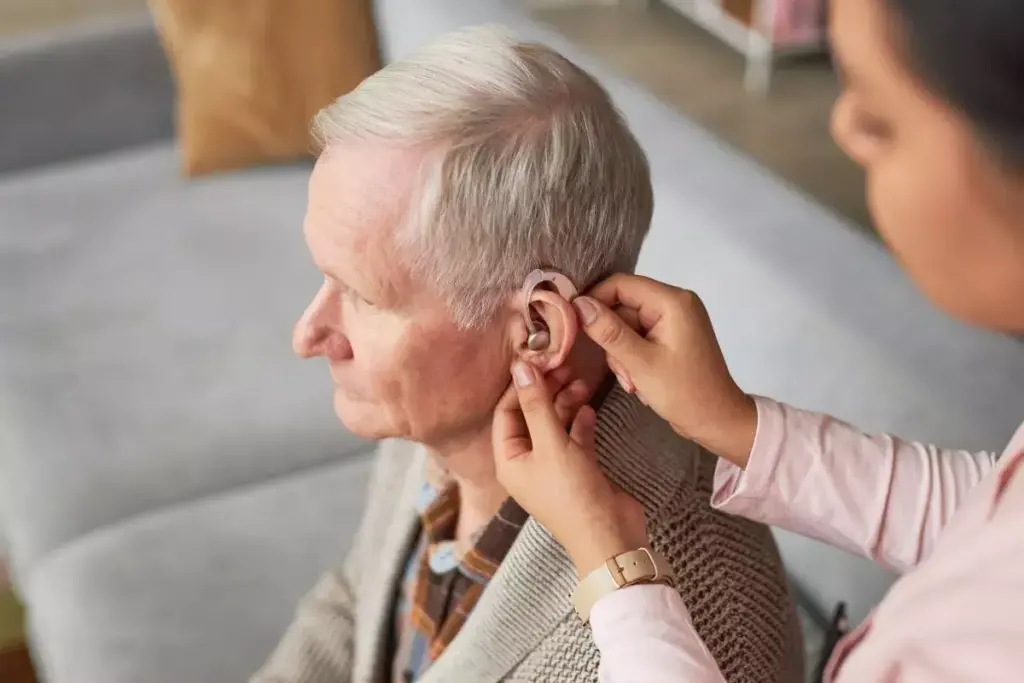
Over 50 million Americans face hearing loss, making it a big health issue. It affects not just the person but also their family and community. As we get older, the chance of hearing loss grows, making it a big worry for older people.
The Prevalence of Hearing Impairment
Hearing loss stats are really high. About 1 in 7 people in the U.S. has some hearing loss. This not only affects the person but also how they connect with others, leading to feelings of loneliness.
Key statistics on hearing loss include:
- More than 50 million Americans have some degree of hearing loss.
- The average person waits 7 to 10 years after noticing symptoms before seeking professional help.
- Hearing loss is more common among older adults, with approximately 1 in 3 people over the age of 65 experiencing hearing impairment.
Why Early Detection Matters
Finding hearing loss early is key for managing it well. Studies show that ignoring hearing loss can speed up brain decline, as noted by William H. Shapiro, AuD, at NYU Langone Health. Catching hearing loss early helps people keep their life quality high.
Some benefits of early detection include:
- Improved communication: Early help can improve how well people talk to others.
- Better treatment outcomes: Getting treatment early can make managing hearing loss more effective.
- Enhanced quality of life: Tackling hearing loss early keeps people independent and active in social life.
Common Symptoms of Deafness: Recognizing the Warning Signs
The signs of hearing loss are often subtle but can greatly affect our daily lives. As we age or due to other factors, our hearing can decline. This leads to various symptoms in different areas.
Social Interaction Difficulties
Difficulty in social interactions is a key sign of hearing loss. It can show up as trouble understanding speech, mainly in noisy places. People with hearing loss might often ask others to repeat themselves.
They may feel isolated or withdrawn in social situations. This is because they can’t fully engage.
Some common social interaction difficulties include:
- Struggling to follow conversations in crowded places
- Feeling tired from concentrating to hear
- Avoiding social gatherings due to hearing difficulties
Daily Life Indicators
Hearing loss can impact daily life in many ways. For example, people might have trouble hearing the doorbell or phone ringing. They might also turn up the TV or radio volume too high.
| Daily Life Indicator | Description |
| TV or Radio Volume | Turning the volume to very high levels |
| Phone or Doorbell | Difficulty hearing the phone ringing or doorbell |
| Conversation | Struggling to hear in conversations, specially with background noise |
Physical and Emotional Signs
Hearing loss can cause physical and emotional symptoms. Tinnitus, or ringing, buzzing, or hissing sounds in the ears, is a common physical symptom. Emotionally, people with untreated hearing loss may feel depressed, anxious, or frustrated.
According to the Medical organization, untreated hearing loss can lead to serious consequences. These include cognitive decline and dementia risk. It’s vital to recognize these signs and seek professional help.
We must be aware of these symptoms and take proactive steps to address hearing loss. Early detection and intervention can greatly improve the quality of life for those with hearing impairments.
Conclusion: When to Seek Professional Help
It’s important to know the signs of hearing loss. Age is a big factor, with most cases happening in people aged 60 to 69. If you find it hard to talk to others or notice physical and emotional changes, it might be time to get checked.
Seeing an audiologist doesn’t mean you’ll get a hearing aid right away. They will help you figure out the best next steps. Modern technology has made a big difference in helping people with hearing loss live better lives.
Don’t wait to get help if you’re worried about your hearing. Taking action early can help you find the right support and address any hearing issues.
FAQ
How do I know if I’m experiencing hearing loss?
You may notice difficulty understanding speech, needing to raise the TV or phone volume, or frequently asking others to repeat themselves.
What are the common signs of hearing loss in adults?
Common signs include muffled hearing, difficulty following conversations, trouble hearing in noisy environments, ringing in the ears (tinnitus), and withdrawal from social situations.
Can hearing loss be a gradual process?
Yes, hearing loss often develops slowly over time, making it easy to overlook until it becomes noticeable.
What are the characteristics of hearing impairments?
Characteristics include reduced ability to hear certain frequencies, reliance on visual cues, communication challenges, and possible social or emotional impacts.
How can I tell if I’m going deaf?
Indicators include frequent difficulty hearing conversations, needing higher volume levels, persistent tinnitus, and difficulty hearing in background noise.
What are the symptoms of going deaf?
Symptoms may include partial or total loss of hearing, muffled sounds, trouble understanding speech, tinnitus, and difficulty communicating in groups.
Can I prevent hearing loss?
Some hearing loss can be prevented by avoiding loud noise exposure, using ear protection, treating infections promptly, and careful use of ototoxic medications.
What should I do if I’m experiencing hearing loss?
You should schedule a hearing evaluation with an audiologist or ENT specialist, discuss possible treatments, and consider hearing aids or assistive devices if needed.
References
World Health Organization. (2025). Deafness and hearing loss. https://www.who.int/health-topics/hearing-loss