
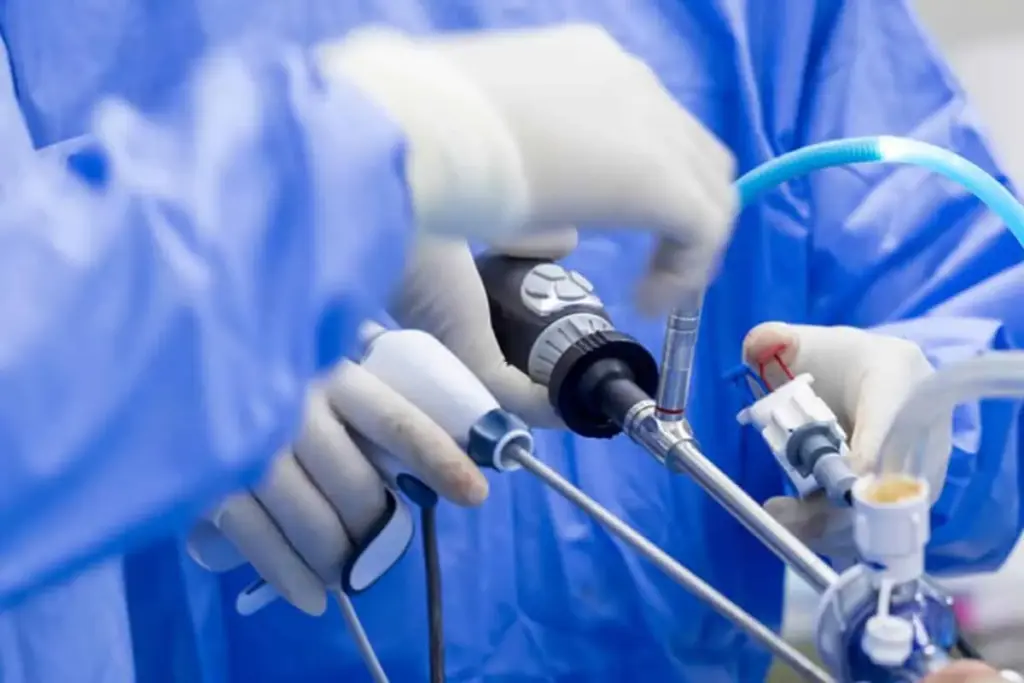
Hip arthroscopy is a surgery to fix hip problems. But, it doesn’t work for everyone. Nearly 10% of patients might feel pain or new symptoms after it.
Spot the symptoms of failed hip arthroscopy and follow our amazing guide to finding a powerful solution for lasting hip pain relief today.
Choosing to have hip arthroscopy is a big decision. If you’re feeling pain or discomfort after, it’s important to know why. Understanding the reasons and what to do next is key.
If hip arthroscopy doesn’t work, you might face ongoing pain and trouble moving. Knowing the signs of failed hip arthroscopy is important. It helps figure out what to do next.
Key Takeaways
- Understanding why hip arthroscopy might fail is important. It helps set realistic expectations.
- Spotting the signs of failed hip arthroscopy is vital. It guides the next steps.
- If you’re feeling pain or new symptoms, see a doctor. They can help.
- A detailed check-up can find out why hip arthroscopy failed.
- There are many ways to treat failed hip arthroscopy.
Understanding Hip Arthroscopy and Its Purpose

To understand the impact of a failed hip arthroscopy, we must first grasp its goals and benefits. This surgery is a minimally invasive method for diagnosing and treating hip issues. It offers a less invasive option compared to traditional surgery, reducing recovery time and possible complications.
The Hip Joint Anatomy
The hip joint is a complex structure made of the femoral head and the acetabulum. The acetabulum is lined with a labrum, a cartilage ring that cushions and supports the joint. Knowing the hip’s anatomy is key to effectively diagnosing and treating hip problems.
Common Conditions Treated with Hip Arthroscopy
Hip arthroscopy is used to treat several hip conditions, including:
- Labral tears
- Femoroacetabular impingement (FAI)
- Hip arthritis
- Loose bodies within the joint
These issues often cause hip pain and limited movement. Hip arthroscopy helps surgeons address these problems, improving hip function and reducing pain.
Expected Outcomes of Successful Hip Arthroscopy
A successful hip arthroscopy can greatly improve hip function and reduce pain. Patients can expect:
|
Outcome |
Description |
Benefit |
|---|---|---|
|
Reduced Pain |
Alleviation of hip pain through the treatment of underlying conditions. |
Improved quality of life |
|
Increased Mobility |
Restoration of hip function, enabling a wider range of motion. |
Enhanced physical activity |
|
Minimal Scarring |
Small incisions result in less noticeable scarring compared to open surgery. |
Cosmetic and psychological benefits |
Understanding hip arthroscopy’s purpose and outcomes helps patients grasp the significance of a failed procedure. It also guides them through the next steps in their treatment.
Defining a Failed Hip Arthroscopy
When we talk about a failed hip arthroscopy, we look at many things. We consider how well the surgery worked and how happy the patient is.
Clinical Definition of Failure
A failed hip arthroscopy means the surgery didn’t fix the problem. This can be because of ongoing pain, limited movement, or other issues like clicking sounds.
Key indicators of clinical failure include:
- Continued or worsening hip pain
- Lack of improvement in range of motion
- Persistence of mechanical symptoms
Patient-Reported Outcome Measures
Patient-reported outcome measures (PROMs) are very important. They show how the patient feels, including pain levels, how well they can move, and their overall happiness with the surgery.
Common PROMs used include:
- Hip disability and osteoarthritis outcome score (HOOS)
- Modified Harris Hip Score (mHHS)
- Visual Analog Scale (VAS) for pain
Timeframe for Determining Success or Failure
How long it takes to know if a hip arthroscopy failed can vary. But, most people should see big improvements within 6 to 12 months. This depends on the surgery’s complexity, the patient’s health, and how well they follow up with physical therapy.
It’s key to understand what makes a hip arthroscopy unsuccessful. Knowing this helps manage expectations and make better choices for future treatments.
Common Causes of Hip Arthroscopy Failure
Understanding the reasons why hip arthroscopy might fail is crucial for patients to manage their expectations and make informed choices about their treatment options. This surgery is used to fix hip problems. But, like any surgery, it can have risks and complications.
Inadequate Diagnosis Before Surgery
Not knowing the exact problem before surgery is a big reason for failure. If the real issue isn’t found, the surgery might not fix the problem.
Technical Errors During Surgery
Errors during the surgery can also cause failure. These mistakes might include not removing all damaged tissue or not fixing labral tears right.
Patient-Related Factors
Things about the patient can also affect the surgery’s success. Age, health, and following the recovery plan are important.
Underlying Conditions Not Addressed
Some hip pain comes from deeper problems that surgery doesn’t fix. For example, FAI or cartilage damage might need extra treatment.
|
Cause of Failure |
Description |
Potential Solution |
|---|---|---|
|
Inadequate Diagnosis |
Failure to accurately diagnose the underlying condition before surgery. |
Comprehensive preoperative evaluation, including advanced imaging studies. |
|
Technical Errors |
Mistakes made during the surgical procedure, such as incomplete tissue removal or improper repair. |
Surgeon experience, meticulous surgical technique, and use of advanced technology. |
|
Patient-Related Factors |
Factors such as age, health status, and compliance with rehabilitation protocols. |
Personalized treatment plans, patient education, and support. |
|
Underlying Conditions |
Presence of conditions not addressed during hip arthroscopy. |
Comprehensive assessment and staged treatment plans. |
“The success of hip arthroscopy depends not only on the technical skill of the surgeon but also on the careful selection of patients and the management of their expectations.”
Knowing why hip arthroscopy might fail helps doctors improve results. They can do better pre-surgery checks, be more careful during surgery, and take good care of patients after.
Symptoms of Failed Hip Arthroscopy
Failed hip arthroscopy can cause many symptoms that affect daily life. When a hip arthroscopy fails, patients may feel a range of symptoms. These symptoms can greatly impact their quality of life.
Persistent or Recurrent Hip Pain
Persistent or recurrent hip pain is a common symptom of failed hip arthroscopy. This pain can be different in intensity and may be constant or happen with certain activities. Pain management is a big concern for these patients, needing a team effort.
Limited Range of Motion
Limited range of motion is another symptom of failed hip arthroscopy. This can be due to pain, stiffness, or mechanical issues in the hip joint. It makes everyday activities hard.
Mechanical Symptoms (Clicking, Popping, Catching)
Mechanical symptoms like clicking, popping, or catching in the hip are signs of a failed hip arthroscopy. These symptoms happen because of irregularities in the joint. They cause discomfort and affect how well you can move.
Functional Limitations in Daily Activities
Failed hip arthroscopy can limit how well you can do daily activities. Patients may struggle with walking, climbing stairs, or even simple tasks like getting in and out of a car.
|
Symptom |
Impact on Daily Activities |
|---|---|
|
Persistent or Recurrent Hip Pain |
Difficulty in walking, standing for long periods |
|
Limited Range of Motion |
Challenges in climbing stairs, getting in/out of a car |
|
Mechanical Symptoms (Clicking, Popping, Catching) |
Unpredictable discomfort, affecting mobility |
|
Functional Limitations |
Difficulty in performing daily tasks, reduced independence |
Physical Signs of an Unsuccessful Hip Arthroscopy
An unsuccessful hip arthroscopy can show through different physical signs. These signs can mean the procedure didn’t work as hoped. They might need more checks and treatments.
Persistent Inflammation and Swelling
Persistent inflammation and swelling around the hip is a common sign. It could mean ongoing problems like infection or joint issues. These might need more medical help.
Muscle Weakness Around the Hip
Muscle weakness in the hip area is another sign. This weakness can make moving and doing daily tasks hard. Physical therapy might help fix this.
Altered Gait Patterns
After a failed hip arthroscopy, some people may walk differently. This can put strain on other parts of the body. A healthcare professional might need to step in.
Visible Deformities or Asymmetry
Sometimes, visible deformities or asymmetry can show after a hip arthroscopy. This could be due to bad healing or hip joint problems. It’s important to address these issues.
Spotting these signs early is key to figuring out what to do next. If you notice any of these after a hip arthroscopy, talk to your doctor. They can help plan your next steps.
Diagnostic Approaches for Failed Hip Arthroscopy
Diagnosing a failed hip arthroscopy requires a mix of clinical checks, imaging, and other tests. When a patient keeps having symptoms after surgery, we need to carefully check what’s causing it. This helps us find the best next steps.
Clinical Examination Techniques
A detailed clinical check is key to see how the hip is working. We look at the patient’s movement, strength, and do tests for impingement or instability. This info helps us decide what tests to do next.
Key parts of the clinical check include:
- Checking the hip’s range of motion and flexibility
- Looking at the hip’s strength and muscle balance
- Doing tests for impingement and instability
- Checking the patient’s gait for unusual movements
Imaging Studies (MRI, CT, X-rays)
Imaging tests are very important after hip arthroscopy. They help us see the joint’s condition, find any new problems, and check if the surgery worked.
Common imaging tests are:
- MRI for soft tissue and cartilage
- CT scans for bone structure and abnormalities
- X-rays for joint alignment and osteoarthritis signs
Diagnostic Injections
Diagnostic injections can help find the source of pain after hip arthroscopy. By injecting a local anesthetic, we can see if the pain comes from the hip.
This method helps us know if the hip is causing the pain. It guides our next steps in treatment.
Laboratory Tests for Infection
If we think an infection might be causing the problem, lab tests are key. We check for signs of infection or inflammation with tests like CRP and ESR.
Lab tests help us:
- Find signs of infection or inflammation
- Start the right antibiotics if needed
- See how the patient is doing with treatment
By using these diagnostic methods together, we can find out why the hip arthroscopy failed. Then, we can create a treatment plan that fits the patient’s needs.
Timeline of Recovery: When to Suspect Failure
Recovering from hip arthroscopy involves several key milestones and warning signs. Knowing what to expect during recovery is important. It helps spot any problems early and ensures the best results.
Normal Recovery Milestones
After hip arthroscopy, patients usually see their symptoms get better over time. Normal recovery milestones include less pain, better movement, and more ability to do daily tasks. Most people start to feel a lot better within 3 to 6 months after surgery.
- Immediate post-operative period: Rest and pain management
- First few weeks: Gradual increase in mobility and strength
- 6-12 weeks: Return to light activities and exercises
- 3-6 months: Significant improvement in symptoms and function
Red Flags During Recovery
Some pain and swelling are normal after hip arthroscopy. But, there are red flags to watch for. These include more pain, swelling that doesn’t go away, fever, or not getting better as expected. If you notice any of these, call your surgeon right away.
When to Contact Your Surgeon
If you have any unusual symptoms or worries during recovery, contact your surgeon. Key reasons to contact your surgeon include:
- Severe or increasing pain not managed with prescribed medication
- Swelling or redness that worsens over time
- Fever or chills
- Failure to improve or worsening of symptoms
- Any new or unusual symptoms
By knowing the normal recovery steps and what to watch out for, patients can handle their recovery better. They can also get help quickly if they need it.
Psychological Impact of Failed Hip Arthroscopy
When hip arthroscopy doesn’t work as hoped, patients face more than just physical pain. They also deal with deep emotional distress. The failure of hip arthroscopy can deeply affect many parts of a patient’s life.
Managing Expectations vs. Reality
Understanding the gap between what’s expected and what happens is key. Patients often have high hopes for their surgery. When these hopes aren’t met, they can feel let down and frustrated.
We need to talk openly about what surgery can and can’t do. This includes the risks, how long it takes to recover, and the chance of needing more treatments.
Depression and Anxiety Related to Chronic Pain
Chronic pain from a failed hip arthroscopy can lead to depression and anxiety. Pain that lasts can make it hard to do everyday things and enjoy life.
Healthcare providers should watch for signs of depression and anxiety in patients with chronic pain. They should offer support. This might include seeing a mental health expert or learning stress management techniques.
Coping Strategies for Patients
Patients can find ways to cope with the emotional effects of a failed hip arthroscopy. Here are some strategies:
- Mindfulness and Meditation: These practices can help manage stress and pain.
- Support Groups: Being part of a support group can give a sense of belonging and understanding.
- Cognitive Behavioral Therapy (CBT): This can help change negative thoughts about pain and disability.
- Physical Activity: Gentle exercises, as suggested by doctors, can boost mood and lessen pain.
Non-Surgical Management Options After Failed Hip Arthroscopy
Non-surgical methods are key in managing symptoms and improving life quality after a failed hip arthroscopy. When surgery doesn’t work, it’s important to look at other ways to ease pain and improve hip function.
Physical Therapy Approaches
Physical therapy is a big part of managing hip arthroscopy issues. A custom physical therapy plan can help with limited range of motion and strengthen hip muscles. This reduces pain and boosts function. Our physical therapists create a plan that meets each patient’s needs and goals.
Pain Management Strategies
Managing chronic pain after a failed hip arthroscopy is key. We use different methods like medication, injections, and other techniques to control pain. Our aim is to lessen pain while keeping function and quality of life high.
Alternative Therapies
Along with standard treatments, therapies like acupuncture and massage can offer relief. They help with pain, muscle tension, and overall well-being. Though results vary, they’re worth trying as part of a full treatment plan.
Assistive Devices for Mobility
For those struggling to walk or do daily tasks due to hip issues, assistive devices are very helpful. Tools like canes and walkers ease hip strain, improve balance, and boost mobility. Our team suggests the best devices for each patient’s needs.
Revision Hip Arthroscopy: When Is It Appropriate?
Revision hip arthroscopy can give some patients a second chance at feeling better. It’s considered when the first surgery didn’t work or when new problems come up. To decide if it’s right, a detailed check-up is needed.
Candidate Selection for Revision Surgery
Several things are looked at to see if someone is right for revision hip arthroscopy. These include why the first surgery didn’t work, any new or ongoing issues, and the patient’s health and recovery chances.
- Unresolved Issues: Problems not fixed by the first surgery.
- New Problems: Issues that started after the first surgery.
- Patient Health: The patient’s overall health and ability to heal from surgery.
Success Rates of Revision Procedures
Revision hip arthroscopy success rates vary. While they might be lower than the first surgery, picking the right patients can help. Knowing these rates helps set realistic hopes for patients.
Risks and Benefits Analysis
Revision hip arthroscopy has both risks and benefits. Risks include infection, nerve damage, and ongoing symptoms. Benefits include less pain and better function for the right patients.
|
Risks |
Benefits |
|---|---|
|
Infection |
Improved pain relief |
|
Nerve damage |
Better functional outcomes |
|
Continued symptoms |
Potential for improved quality of life |
Recovery Expectations After Revision
Recovering from revision hip arthroscopy can be tough and different for everyone. How well you recover depends on the surgery’s extent and following the rehab plan. A good rehab plan is key for the best recovery.
- Immediate Post-Surgery Phase: Focus on pain management and initial healing.
- Rehabilitation Phase: Gradually increase mobility and strength.
- Advanced Rehabilitation: Progress to more strenuous activities and functional training.
Alternative Surgical Options After Failed Hip Arthroscopy
When hip arthroscopy doesn’t work, patients and doctors look at other surgery options. They talk about the good and bad of each choice. This helps decide if more surgery is right.
Open Hip Procedures
Open hip surgery is a bigger procedure. It lets doctors get right into the hip joint. This is good for fixing complex problems that the first surgery missed.
Open hip surgery can fix deformities, remove bone spurs, and repair or replace damaged cartilage.
Hip Resurfacing
Hip resurfacing is a surgery for younger patients. It replaces the damaged hip surface with a metal cap. This keeps the natural bone and avoids the big risks of total hip replacement.
Hip resurfacing is great for active people.
Total Hip Replacement Considerations
Total hip replacement (THR) is for severe damage or arthritis. It replaces the whole hip with artificial parts. THR is a big surgery but works well for many people.
When thinking about THR, consider your age, how active you are, and your health.
Emerging Surgical Techniques
New hip surgery methods are coming out. They might mean better results, less recovery time, and happier patients. It’s important to talk to your doctor about these new options.
In short, a failed hip arthroscopy doesn’t mean all hope is lost. There are many other surgeries to try. Talking to a doctor can help figure out the best next step.
Preventing Hip Arthroscopy Failure
To make sure hip arthroscopy works, we need a plan that covers patient choice, how the surgery is done, and care after it. Success depends on picking the right patients, having skilled surgeons, and planning well before surgery.
Proper Patient Selection
Choosing the right patient is key to a successful hip arthroscopy. Doctors must carefully check if a patient is a good fit for the surgery. They look at how bad the symptoms are, if there are any other health issues, and the patient’s overall health.
Some patients, like those with severe osteoarthritis or a lot of joint damage, might not do well with this surgery. So, picking the right patients helps set realistic hopes and leads to better results.
Surgeon Experience and Specialization
The skill and focus of the surgeon are very important for hip arthroscopy success. Surgeons who do a lot of these surgeries tend to get better results. They know the procedure well and how to handle problems.
It’s important for patients to ask about their surgeon’s experience and success rates. A surgeon who specializes in hip care and orthopedic surgery is more likely to get the best results.
Comprehensive Preoperative Planning
Planning well before surgery is essential to spot any issues that could affect success. Doctors review the patient’s health history, imaging, and other tests carefully.
This helps surgeons plan for any challenges, making the surgery more likely to succeed.
Adherence to Rehabilitation Protocols
Following the rehabilitation plan after surgery is critical for a good recovery. A good rehab program helps the hip work better, reduces pain, and prevents problems.
Patients should stick to their rehab plan closely and tell their doctor about any problems or concerns.
|
Factor |
Description |
Importance |
|---|---|---|
|
Proper Patient Selection |
Thorough evaluation to determine suitability for hip arthroscopy |
High |
|
Surgeon Experience and Specialization |
Extensive experience in hip arthroscopy and orthopedic surgery |
High |
|
Comprehensive Preoperative Planning |
Detailed review of medical history and diagnostic tests |
High |
|
Adherence to Rehabilitation Protocols |
Diligent follow-through with postoperative rehabilitation |
High |
Communicating with Your Healthcare Team
To tackle unresolved hip issues after arthroscopy, talking openly with your healthcare team is key. Good communication can greatly improve your recovery and treatment satisfaction.
Questions to Ask Your Surgeon
Having a list of questions for your surgeon is a good idea. It helps you understand your condition and treatment plan. Ask about:
- The details of your hip arthroscopy procedure and what was done during surgery.
- Possible hip arthroscopy complications and how to handle them.
- Post-surgery care and rehabilitation steps.
- How long you should expect to recover and what milestones to look for.
- Any worries you have about your symptoms or difficulty walking after surgery.
Building a Multidisciplinary Care Team
A team of healthcare professionals can offer all-around support during your recovery. This team might include:
- Your orthopedic surgeon.
- Physical therapists for rehabilitation exercises.
- Primary care physicians for overall health management.
- Specialists like pain management experts if needed.
Advocating for Your Care
Being involved in your care can make a big difference. This means:
- Keeping a journal of your symptoms to track your progress and any issues.
- Talking openly with your healthcare team about your needs and challenges.
- Asking for clear explanations of any care aspects you don’t understand.
Getting Second Opinions
Getting a second opinion can offer new insights into your condition and treatment options. It’s helpful if you’re facing hip arthroscopy complications or unsure about your care plan.
By being proactive and informed in your healthcare, you can better handle the challenges of hip arthroscopy. This approach helps you work towards the best possible outcomes.
Conclusion: Moving Forward After a Failed Hip Arthroscopy
Dealing with a failed hip arthroscopy can be tough, but it’s not over yet. Knowing the symptoms of failed hip arthroscopy, like ongoing pain or stiff joints, is key. This knowledge helps patients start their healing journey.
We’ve looked at different ways to manage this situation. This includes trying non-surgical methods and hip arthroscopy revision surgery. Spotting failed hip arthroscopy signs early is vital for choosing the right treatment.
Our aim is to help patients through this tough time. We want to give them the info and care they need for a good outcome. With the help of a team of healthcare experts, patients can tackle the challenges of hip arthroscopy. Together, we can work towards better hip health.
FAQ
What are the common symptoms of a failed hip arthroscopy?
Symptoms include ongoing hip pain and limited movement. You might also hear clicking or popping sounds. These issues can make daily tasks hard.
How is a failed hip arthroscopy diagnosed?
Doctors use several methods to diagnose. They perform physical exams and take X-rays and MRI scans. They might also do injections and blood tests to check for infection.
What are the causes of hip arthroscopy failure?
Failure can happen for many reasons. Sometimes, the diagnosis before surgery is off. Or, there might be errors during the surgery. Other times, the patient’s health issues aren’t fixed.
What are the non-surgical management options after a failed hip arthroscopy?
Non-surgical options include physical therapy and pain management. You might also try acupuncture, massage, or use mobility aids.
When is revision hip arthroscopy considered?
Revision surgery is considered after a careful review. The doctor will check if the patient’s condition can improve with surgery. They look at the benefits and risks.
What are the alternative surgical options after a failed hip arthroscopy?
Other surgical options include open hip surgery and hip resurfacing. You might also consider total hip replacement or new surgical techniques.
How can hip arthroscopy failure be prevented?
To prevent failure, choose the right patient and surgeon. Plan carefully before surgery and follow rehabilitation closely.
What is the psychological impact of experiencing a failed hip arthroscopy?
Failing hip arthroscopy can be tough on your mind. It can lead to frustration, depression, and anxiety. This is due to ongoing pain and limited movement.
How can patients effectively communicate with their healthcare team after a failed hip arthroscopy?
To communicate well, prepare questions for your surgeon. Build a team of healthcare professionals. Speak up for your needs and consider getting a second opinion.
What are the signs that indicate the need to contact a surgeon during recovery?
If your pain or swelling gets worse, or if you don’t see improvement, seek help. New symptoms also mean it’s time to talk to your surgeon.
Reference
National Center for Biotechnology Information. Evidence-Based Medical Insight. Retrieved from https://pmc.ncbi.nlm.nih.gov/articles/PMC9375674/[4



 Departments
 Related Videos
 Our Doctors
 News
News