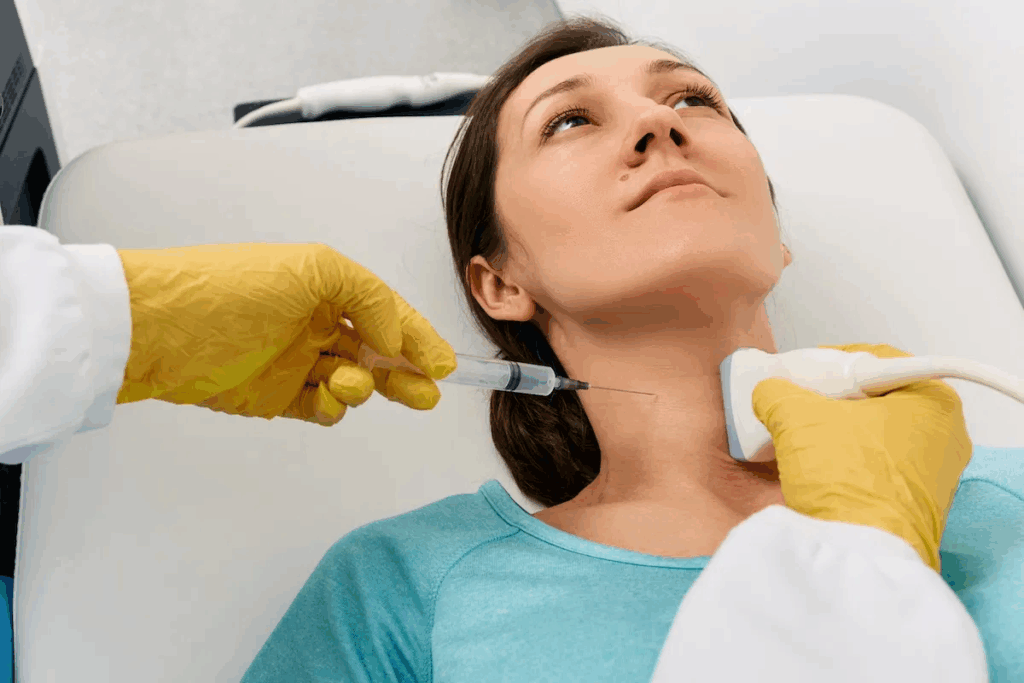
Iodine is key for our thyroid and health. We might not think about it until we feel unexplained fatigue, weight gain, or irregular periods. These could mean our body doesn’t have enough iodine for thyroid hormones. Learn the criticalsymptoms of low iodine in women, including fatigue, weight gain, and menstrual irregularities. Seek medical advice now.
At Liv Hospital, we know how iodine shortage affects women. Iodine is found in some foods, added to salt, and in supplements. It’s vital for making thyroid hormones T4 and T3.
Key Takeaways
- Iodine deficiency can lead to thyroid problems and developmental issues.
- Recognizing the symptoms is key for early detection and treatment.
- Iodine is essential for thyroid hormone production.
- A diet lacking iodine-rich foods can lead to depletion.
- Liv Hospital offers complete care for iodine-related health issues.
The Essential Role of Iodine in Women’s Health

Iodine is key for women’s health, affecting thyroid hormone production. It’s vital for making thyroid hormones. These hormones help with metabolism, growth, and development.
How Iodine Supports Thyroid Function
Iodine is essential for the thyroid gland. It helps make T3 and T4 hormones, which control metabolism. Without enough iodine, the thyroid can’t make these hormones well, causing health problems.
Thyroid hormone production needs iodine to work right. This balance is important for the body’s metabolism. Not enough iodine can cause thyroid issues like goiter and hypothyroidism.
Daily Iodine Requirements for Women
The iodine needs for women change with age and pregnancy. Non-pregnant women need about 150 micrograms a day. But, pregnant and breastfeeding women need more, 220 and 290 micrograms respectively.
Women, pregnant or breastfeeding, must get enough iodine. They can get it from iodized salt, seaweed, dairy, and some fish. Getting enough iodine is key for thyroid health and overall health.
Worldwide, 2.2 billion people lack iodine, with pregnant and breastfeeding women at highest risk. This shows how important it is to know about iodine and eat right to avoid deficiency and its health problems.
The Global Prevalence of Iodine Deficiency

Iodine deficiency is a big health problem worldwide. It affects 2.2 billion people globally, with pregnant women at the highest risk. This issue is not just in developing countries; it’s a global problem that needs attention.
Statistics and High-Risk Populations
In 25 countries, iodine deficiency is a major health issue, affecting about 683 million people. Pregnant women, children, and those living in iodine-deficient areas are at higher risk. These groups face more health problems because of their nutritional needs or where they live.
Geographical Areas with Iodine-Depleted Soil
Many places have soil that lacks iodine, raising the risk of iodine deficiency. This is true in mountainous areas and places far from the sea. The iodine in soil affects the iodine in crops and the people who eat them.
It’s important to understand iodine deficiency worldwide and who is most at risk. Knowing where iodine-depleted soil is helps health workers and policymakers. They can then plan better ways to fight iodine deficiency.
Risk Factors for Developing Iodine Deficiency
Many things can increase the risk of iodine deficiency. These include what we eat and our environment. Knowing these risks helps us find who’s most at risk and how to prevent it.
Dietary Choices and Restrictions
What we eat greatly affects our iodine levels. Avoiding iodized salt and seafood raises the risk. Also, those on a vegan diet might not get enough iodine because they don’t eat iodized salt or seafood. Some might not even take iodine supplements.
- Those who don’t use iodized salt are at higher risk.
- Pregnant women need more iodine.
- Vegans are at risk because of their diet.
Environmental and Lifestyle Factors
Living in areas with iodine-depleted soil also raises the risk. Lifestyle choices and conditions, like pregnancy, increase iodine demand. This makes it more likely to have a deficiency if diet isn’t balanced.
Common Symptoms of Low Iodine in Women
Iodine deficiency can cause health problems in women. It’s important to spot these symptoms early. Knowing the signs helps in getting the right treatment quickly.
Early Warning Signs
The first signs of iodine deficiency are often subtle but key to notice. Some early symptoms include:
- Fatigue and weakness
- Unexplained weight gain
- Dry skin and hair loss
- Cold sensitivity
These signs can be mistaken for other health issues. But if you notice several at once, it might be iodine deficiency.
Progressive Symptoms as Deficiency Worsens
As iodine levels drop, symptoms get worse. Some severe symptoms include:
Symptom | Description |
Goiter | Enlargement of the thyroid gland, causing discomfort and swallowing trouble. |
Hypothyroidism | Thyroid not making enough hormones, causing metabolic problems. |
Developmental Issues | Severe cases can cause developmental problems, mainly in fetuses. |
It’s vital to treat iodine deficiency before it gets worse. If you think you have it, see a doctor for help.
Goiter: The Visible Indicator of Iodine Deficiency
Goiter, an enlarged thyroid gland, is an early sign of iodine deficiency. It’s often the first sign that iodine levels are low in the body.
The Thyroid Enlargement Process
The thyroid gland gets bigger to grab more iodine. This is the body’s way to fight iodine deficiency. As it tries to make more hormones, it grows, causing a goiter.
Recognizing Different Types of Goiter
There are various types of goiter, each with its own cause. A diffuse goiter means the gland gets bigger evenly. A nodular goiter has lumps in the gland. Knowing the type helps doctors find the right treatment.
It’s important to spot signs like goiter early. Understanding why the thyroid gets bigger helps us see the signs and get help when needed.
Metabolic Disruptions: Weight Gain and Energy Depletion
Not having enough iodine can cause weight gain and make you feel tired. Iodine helps make thyroid hormones. These hormones are key for keeping your metabolism running smoothly.
The Connection Between Iodine and Metabolism
Iodine is vital for making thyroid hormones. These hormones help control how your body uses energy. Without enough iodine, your metabolism slows down.
Thyroid hormones are important for your body’s energy use. Iodine deficiency can cause hypothyroidism. This leads to weight gain and feeling tired.
Unexplained Weight Changes
Weight gain without reason is a sign of iodine deficiency. Thyroid hormones help your body burn calories. Without enough, you might gain weight, even if you eat the same.
Some people might lose weight instead. But, it’s less common. The main issue is the thyroid hormone problem.
- Weight gain due to decreased metabolic rate
- Potential for unexplained weight loss in some cases
- Disruption in thyroid hormone production affecting metabolic balance
Chronic Fatigue and Weakness Patterns
Feeling tired all the time is a sign of iodine deficiency. Thyroid hormones help your body work right. Without them, you might feel very tired and weak.
People with iodine deficiency often can’t do daily tasks because they’re so tired. They might also feel weak in their muscles, making it hard to move around.
- Persistent fatigue not relieved by rest
- Muscle weakness accompanying fatigue
- Significant impact on daily activities and quality of life
Dermatological and Temperature Regulation Issues
Low iodine levels can cause many skin and temperature problems. Iodine is key for thyroid health. Without enough, you might face skin, hair, and temperature issues.
Skin Dryness and Texture Changes
Iodine deficiency makes skin dry, rough, and scaly. This is because thyroid hormones are not made in enough amounts. It can be very uncomfortable and may cause more skin problems if not treated.
Common symptoms include:
- Dryness and roughness of the skin
- Scaly patches on the skin
- Increased sensitivity to cold temperatures
Hair Loss and Brittle Nails
Hair loss is a common sign of iodine deficiency. Without enough thyroid hormones, hair growth slows down, leading to thinning and loss. Nails also become brittle and fragile.
Symptom | Description |
Hair Loss | Thinning and loss of hair due to reduced thyroid hormone production |
Brittle Nails | Nails become fragile and break easily |
Cold Sensitivity and Temperature Intolerance
Cold sensitivity is a key sign of hypothyroidism caused by iodine deficiency. People may feel cold even in mild temperatures. This can really affect their quality of life.
Knowing about these skin and temperature issues helps in diagnosing and treating iodine deficiency. It’s important to spot these symptoms early to avoid long-term problems.
Reproductive and Hormonal Symptoms of Low Iodine in Women
Women with low iodine levels may face reproductive issues. These include irregular periods and trouble getting pregnant. Iodine is key for making thyroid hormones. These hormones help control menstrual cycles and reproductive health.
Menstrual Irregularities and Heavy Bleeding
Iodine deficiency can cause hypothyroidism. This means the thyroid doesn’t make enough hormones. It can lead to irregular periods, heavy bleeding, and disrupt the menstrual cycle.
Common Menstrual Irregularities:
- Oligomenorrhea (infrequent periods)
- Menorrhagia (heavy or prolonged bleeding)
- Amenorrhea (absence of periods)
Fertility Challenges
Iodine is vital for women’s fertility. A lack of iodine can affect ovulation and raise the risk of miscarriage and preterm birth. It’s important for women trying to conceive to get enough iodine.
Fertility Issue | Impact of Iodine Deficiency |
Ovulation | Impaired ovulation due to hormonal imbalance |
Miscarriage | Increased risk due to inadequate thyroid hormone production |
Stilbirth/Preterm Delivery | Higher risk associated with severe iodine deficiency |
Hormonal Imbalance Indicators
Hormonal imbalances from iodine deficiency can show in many ways. These include mood swings, changes in sex drive, and other symptoms. These signs often point to thyroid hormone’s role in hormonal balance.
Mood swings and changes in libido are common complaints among women with iodine deficiency.
Special Concerns for Pregnant and Breastfeeding Women
Women need more iodine when they are pregnant or breastfeeding. This is important for their health and the growth of their baby. Getting enough iodine helps avoid problems and keeps them feeling good.
Increased Iodine Requirements During Pregnancy
Pregnant women need 50% more iodine than others. This is because their thyroid needs more to help the baby grow. Thyroid hormones are key for the baby’s brain and nervous system.
We suggest that pregnant women eat foods rich in iodine. They might also need supplements, but only with a doctor’s advice. Without enough iodine, the baby could face serious health issues.
Risks to Fetal Development
Iodine deficiency can cause intellectual disabilities. It’s a big problem worldwide. Not getting enough iodine can harm a baby’s brain and body growth.
Effects on Breast Milk Quality
Breastfeeding moms also need more iodine. This ensures their milk has enough iodine for their baby’s thyroid. Without enough iodine, babies might not develop properly.
The quality of breast milk depends on the mom’s diet, including iodine. So, breastfeeding women should eat well and might need supplements to keep their iodine levels up.
Life Stage | Recommended Iodine Intake (mcg/day) |
Non-pregnant Women | 150 |
Pregnant Women | 220-250 |
Breastfeeding Women | 250-290 |
Cognitive and Psychological Manifestations
It’s important to understand how iodine deficiency affects women’s health. Iodine is key for thyroid function and brain health. Low iodine levels can cause various symptoms.
Depression and Mood Disorders
Depression is a big issue with iodine deficiency. Hypothyroidism caused by iodine deficiency lowers serotonin levels. This hormone helps control mood. Women with low iodine may feel sad, lose interest in things, and have sleep or appetite changes.
Mood disorders like anxiety and irritability also link to iodine deficiency. Thyroid hormones help balance neurotransmitters. Without them, mood swings and other symptoms can occur.
Memory Problems and Brain Fog
Iodine deficiency can cause memory issues and “brain fog.” Iodine is vital for making thyroid hormones, which are important for brain function. Without enough iodine, it’s hard to focus, remember things, or do mental tasks well.
Brain fog makes it hard to think clearly and focus. It can affect daily life and work. Getting enough iodine is key for brain health and clear thinking.
Concentration Difficulties
Difficulty concentrating is another sign of iodine deficiency. Thyroid hormones help the brain work right. Without them, it’s hard to stay focused and pay attention.
Fixing iodine levels can help with these problems. It’s important for women with these symptoms to see a doctor. They can find out why and how to fix it.
Diagnosis and Testing for Iodine Deficiency
Getting a correct diagnosis of iodine deficiency is key to treating it and avoiding health problems. Doctors use medical tests to check iodine levels and how well the thyroid works.
Medical Tests to Measure Iodine Levels
Healthcare providers use tests to find out if you have iodine deficiency. The urinary iodine test is one way. It looks at iodine in your urine over 24 hours.
The iodine loading test is another. You take a big dose of iodine, and then they check your urine. These tests show if you have enough iodine.
Thyroid Function Evaluation
Checking how well your thyroid works is also important. Doctors test for thyroid-stimulating hormone (TSH), triiodothyronine (T3), and thyroxine (T4) in your blood. These tests show if your thyroid is working right.
An ultrasound of the thyroid gland might also be done. It looks for any thyroid problems, like goiter, which could mean you’re not getting enough iodine.
When to Seek Medical Attention
If you have symptoms like tiredness, weight gain, dry skin, or hair loss, see a doctor. Early treatment can stop serious health issues.
People with thyroid issues or who are pregnant or breastfeeding should watch out more. Talking to a doctor is the first step to figuring out what to do next.
Knowing about diagnosis and testing helps keep your thyroid healthy. It’s important for your overall health and well-being.
Conclusion: Prevention and Treatment Strategies
Preventing and treating iodine deficiency needs a mix of actions. We suggest iodine supplements for those at high risk. Using iodized salt is also a simple way to avoid iodine deficiency.
Eating foods rich in iodine is key to keeping iodine levels right. Foods like seaweed, dairy, and iodized salt help a lot. Adding these to your diet and using supplements when needed can boost your health. This reduces the chance of iodine-related problems.
By using these strategies, we can lower iodine deficiency rates. This leads to better health for people everywhere. Combining supplements and dietary changes is the best way to improve health.
FAQ
What are the common symptoms of low iodine in women?
Symptoms include fatigue, weight gain, and dry skin. Hair loss, cold sensitivity, and menstrual issues are also common. Fertility challenges are another sign.
How does iodine support thyroid function?
Iodine helps make thyroid hormones. These hormones control growth, development, and metabolism.
What are the daily iodine requirements for women?
Women need about 150 mcg of iodine daily. This increases to 220-250 mcg during pregnancy and while breastfeeding.
What are the risk factors for developing iodine deficiency?
Risk factors include certain diets and restrictions. Environmental and lifestyle factors also play a role. Living in areas with low iodine soil is another risk.
How is iodine deficiency diagnosed?
Doctors use tests to check iodine levels and thyroid function. This helps diagnose iodine deficiency.
What is goiter, and how is it related to iodine deficiency?
Goiter is when the thyroid gland gets too big. It’s often due to not enough iodine. This can make the neck look swollen.
Can iodine deficiency affect fetal development during pregnancy?
Yes, it can. Iodine deficiency in pregnancy can harm fetal brain and cognitive development.
How does iodine deficiency impact breast milk quality?
It can lower the quality of breast milk. This might deprive babies of important nutrients.
What are the cognitive and psychological manifestations of iodine deficiency?
Symptoms include depression, memory issues, and brain fog. Difficulty concentrating is also common.
How can iodine deficiency be prevented and treated?
To prevent and treat it, take iodine supplements. Also, make dietary changes to get enough iodine.
What are the signs of iodine depletion?
Signs include fatigue, weight gain, and dry skin. Hair loss and other symptoms are also present.
How to check for iodine deficiency?
Medical tests can check iodine levels and thyroid function. This helps diagnose iodine deficiency.
What does a lack of iodine cause?
Lack of iodine can lead to thyroid problems and developmental issues. It can also disrupt metabolism.
What is the disease caused by iodine deficiency?
Iodine deficiency can cause goiter, hypothyroidism, and cretinism. These are serious diseases.
References
World Health Organization. Iodine Deficiency Symptoms: Recognizing Thyroid Hormone Imbalance in Women. Retrieved from https://www.who.int/data/nutrition/nlis/info/iodine-deficiency



 Departments
 Related Videos
 Our Doctors
 News
News