
Chemoembolization is a new way to fight liver cancer. It sends chemotherapy right to the tumor through the hepatic artery. This makes it a focused treatment for cancer.
A chemoembolization session can last anywhere from 53 to 82 minutes. How long it takes depends on the tumor’s size, where it is, and the patient’s health.
It’s important to know what affects how long and well transarterial chemoembolization (TACE) works. This helps both patients and doctors make better choices about treatment.
Key Takeaways
- Chemoembolization is a targeted therapy for liver cancer.
- The average duration of a chemoembolization session is 53-82 minutes.
- The size and location of the tumor affect the procedure’s duration.
- Patient’s overall health influences the treatment’s effectiveness.
- Understanding the factors that influence chemoembolization is key for making informed decisions.
What is Chemoembolization and How Does It Work
Chemoembolization is a way to treat liver tumors without surgery. It sends chemotherapy straight to the tumors. This method is mainly for patients with liver cancer that can’t be removed and some metastatic cancers.
Definition and Purpose of the Procedure
Chemoembolization, or Transarterial Chemoembolization (TACE), is a treatment. It uses chemotherapy and an embolizing agent to target liver tumors. This method kills cancer cells and blocks the tumor’s blood supply, making treatment more effective.
An interventional radiologist performs the procedure. They use imaging to guide a catheter to the tumor’s artery. Then, they inject chemotherapy and an embolizing agent, focusing the treatment on the tumor.
Target Patients and Cancer Types
Chemoembolization is best for patients with:
- Liver cancer that can’t be removed surgically (unresectable)
- Hepatocellular carcinoma (HCC)
- Certain types of metastatic liver cancer
- Tumors that are hypervascular, meaning they have a rich blood supply
The TACE procedure is great for those who can’t have surgery or other treatments. It helps improve survival and quality of life.
Chemoembolization has several benefits:
- It delivers high doses of chemotherapy directly to the tumor.
- It reduces side effects compared to traditional chemotherapy.
- It cuts off the tumor’s blood supply, making treatment more effective.
Understanding TACE: The Most Common Chemoembolization Method

For those with liver cancer, TACE is a targeted treatment. It sends chemotherapy right to the tumor. This method is effective, mainly for those not suited for surgery.
Transarterial Chemoembolization Explained
TACE is a minimally invasive procedure. An interventional radiologist uses the hepatic artery to reach the liver tumor. They deliver chemotherapy and an embolizing agent.
The chemotherapy targets the tumor, reducing side effects. The embolizing agent blocks the tumor’s blood supply. This boosts the treatment’s success.
How TACE Differs from Other Cancer Treatments
TACE is unique because it targets the tumor directly. Unlike systemic chemotherapy, it doesn’t spread throughout the body. This reduces side effects and boosts effectiveness.
TACE can also be paired with other treatments. This includes ablation therapies or systemic therapies. This combination can make TACE even more effective.
The benefits of TACE include:
- Targeted delivery of chemotherapy to the tumor site
- Reduced systemic side effects
- Ability to combine with other treatments for enhanced efficacy
- Minimally invasive procedure with relatively quick recovery time
TACE is a major step forward in treating liver cancer. It offers new hope to those facing this disease.
Duration of a Single TACE Procedure
The time it takes for a TACE procedure can change based on a few things. These include the tumor’s size and where it is, how many nodules are treated, and how complex the procedure is. Knowing these factors helps both patients and doctors plan and manage the treatment better.
Average Procedural Time
A TACE procedure usually lasts between 53 to 82 minutes. This time can change based on the details of each case. For example, a study showed the mean time for TACE was about 65 minutes, with a standard deviation of 15 minutes.
Several things can affect how long the procedure takes:
- The number of tumors being treated
- The size and location of the tumors
- The complexity of the vascular anatomy
- The experience of the interventional radiologist
Pre-procedure Preparation Time
Before starting the TACE procedure, patients go through preparation. This includes tests and assessments to make sure they’re ready. The time for this preparation can vary but usually includes:
- Reviewing the patient’s medical history
- Conducting imaging studies to assess the tumor(s)
- Administering conscious sedation or anesthesia
- Preparing the necessary equipment and materials for the procedure
The total preparation time can be anywhere from 30 minutes to several hours. This depends on the individual case and what the treatment needs.
Post-procedure Monitoring Period
After the TACE procedure, patients are watched for a while. This is to manage any side effects and see how the treatment is working. This monitoring period usually lasts several hours. During this time, the patient’s vital signs are closely watched, and any needed interventions are made.
Good post-procedure care is key to avoiding complications and getting the best results for patients having TACE treatment.
Factors That Affect TACE Procedure Length
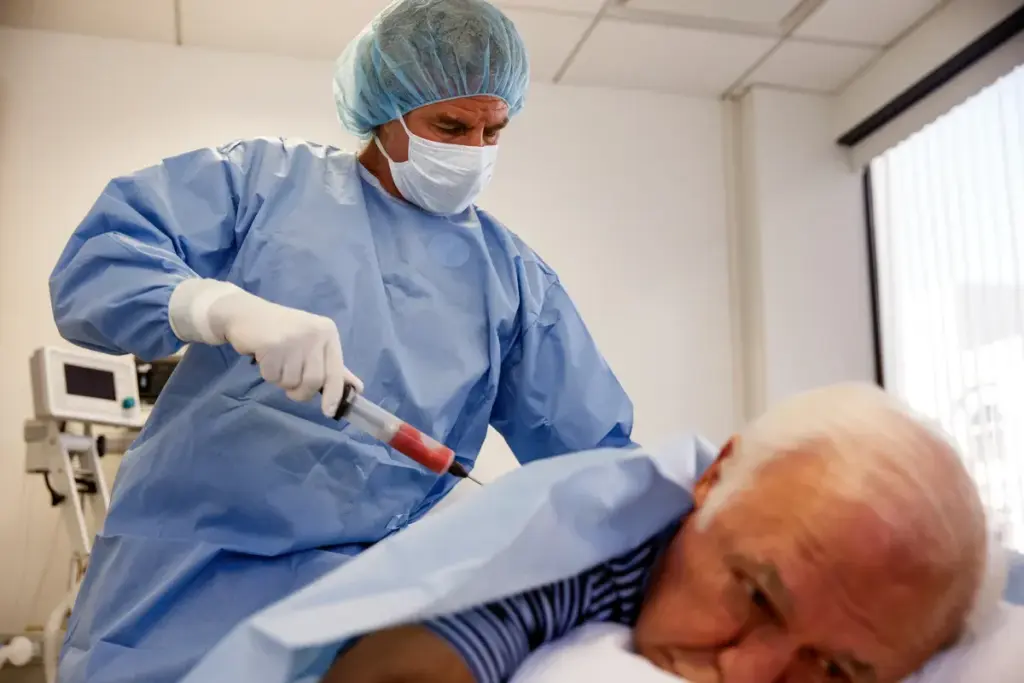
Many things can change how long a TACE procedure takes. The complexity depends on the patient and the tumor.
Tumor Burden and Number of Nodules
The size of the tumor and how many nodules there are matter a lot. If there’s a lot of tumor or many nodules, the treatment takes longer.
Size and Location of Tumors
The size and where the tumors are in the liver also matter. Bigger tumors or ones in hard-to-reach spots need more time and effort.
Number of Liver Segments Involved
How many parts of the liver the tumor is in affects the procedure’s length. More parts mean a longer and more complicated treatment.
Patient-Specific Considerations
Things about the patient, like their health and how well their liver works, also play a part. These can change how long the procedure takes.
|
Factor |
Impact on TACE Duration |
|---|---|
|
Tumor Burden |
Increased burden = longer procedure |
|
Tumor Size and Location |
Larger or more complex tumors = longer procedure |
|
Liver Segments Involved |
More segments = longer and more complex procedure |
|
Patient Health and History |
May require adjustments, potentially lengthening the procedure |
The Complete TACE Treatment Course Timeline
The TACE treatment course timeline is key in cancer care. It affects how well patients do and their quality of life. Knowing how long and structured the treatment is helps manage patient hopes and improve care.
Average Number of Sessions
Most patients need more than one TACE treatment. Research shows the average is about 3.8 sessions. This number can change based on how much disease is present and how well the treatment works.
Typical Intervals Between Treatments
TACE treatments are usually given every four weeks. This break lets doctors check how well the treatment is working and if there are any side effects. The four-week gap is common, but it can change for each patient.
Total Duration of Treatment
The length of a TACE treatment course varies. If a patient has 3.8 sessions every four weeks, it lasts about 16 weeks (or 4 months). But, it can be longer or shorter based on how many sessions are needed and how well the patient responds.
A study found, “The median number of TACE sessions was 3, with a range of 1 to 9 sessions.” This shows why treatment plans need to be tailored for each patient.
|
Number of TACE Sessions |
Average Interval (Weeks) |
Total Treatment Duration (Weeks) |
|---|---|---|
|
3 |
4 |
12 |
|
3.8 |
4 |
16 |
|
5 |
4 |
20 |
In summary, while the average TACE treatment involves about 3.8 sessions every four weeks, the total time can differ. Knowing these details helps in planning and caring for patients better.
Hospital Stay and Immediate Recovery Period
The hospital stay after a TACE procedure is usually short. It’s important for handling side effects. Patients are watched closely for any immediate problems, ensuring a safe recovery.
Typical Length of Hospitalization
The time in the hospital varies based on the patient and the TACE details. Typically, patients stay for 1 to 3 days. This allows doctors to manage side effects and help with recovery.
Managing Post-Embolization Syndrome
Post-embolization syndrome is a common side effect after TACE. It includes symptoms like fever, nausea, and stomach pain. Managing these symptoms well is key for patient comfort and to avoid serious issues. A medical expert says, “Post-embolization syndrome happens often after TACE, but with the right care, it’s usually manageable.”
“The key to successful recovery lies in careful monitoring and prompt intervention for any side effects.”
When Patients Can Return Home
Patients leave the hospital when they’re stable and can handle their symptoms. Having a support system at home is vital for the first recovery phase. Recovery time at home varies, but most return to normal activities in a few weeks.
Knowing about the hospital stay and immediate recovery after TACE can ease worries. It prepares patients for what’s ahead. By understanding what to expect, patients can better handle their recovery.
Long-Term Recovery After TACE
Recovery after TACE means dealing with side effects and keeping an eye on progress at follow-up appointments. Knowing what to expect can greatly improve a patient’s experience and results.
Expected Side Effects and Their Duration
Patients may feel tired, have stomach pain, or a fever after TACE. These symptoms usually go away in a few weeks as the body heals.
Common Side Effects:
- Fatigue
- Abdominal pain or discomfort
- Fever
- Nausea or vomiting
How long these side effects last can differ for each person. But, most start to feel better in 2-4 weeks after the procedure.
Returning to Normal Activities
As recovery progresses, patients can slowly get back to their usual activities. The speed of recovery varies, but most people can get back to their routines in a few weeks.
Factors influencing recovery time include:
- The extent of the procedure
- Overall health before TACE
- Effectiveness of post-procedure care
Follow-Up Appointments Schedule
Follow-up appointments are key to tracking the patient’s progress and the success of TACE. These visits usually include imaging tests to check the treated area.
|
Follow-Up Timeline |
Assessment |
|---|---|
|
1-3 months post-TACE |
Initial assessment of treatment response |
|
6 months post-TACE |
Evaluation of tumor response and possible need for more treatments |
|
1 year post-TACE |
Long-term check on treatment results |
Understanding the long-term recovery after TACE helps patients prepare better. It lets them manage their expectations and focus on their recovery journey.
Survival Duration After TACE Treatment
Survival after TACE treatment depends on many things. These include the type of cancer and the patient’s overall health. Transarterial Chemoembolization (TACE) is a key treatment for liver cancer and other cancers.
Median Survival of 11 Months
Research shows that the median survival after TACE is about 11 months for some cancers. This gives us a basic idea of how well TACE works.
Mean Survival of 15.3 Months
The mean survival after TACE is around 15.3 months. This means some patients might live longer. It shows how important individual factors are in survival outcomes.
One-Year Survival Rate of 59%
The one-year survival rate after TACE is 59%. This shows TACE can help patients with certain cancers live longer in the short term.
Factors That Influence Survival Duration
Several things affect how long a patient survives after TACE. These include:
- Cancer Type and Stage: The cancer’s type and stage at TACE time greatly affect survival.
- Overall Health: Patients in better health usually do better.
- Response to Treatment: How well TACE works in shrinking tumors or stopping disease growth is key.
- Liver Function: For liver cancer patients, how well the liver works is very important.
Knowing these factors helps patients and doctors make better choices about TACE treatment and care after it.
Response Duration: How Long TACE Remains Effective
TACE’s success is shown by how long it works for patients. The time it lasts can change a lot. This depends on the tumor and the patient’s health.
Significance of 6+ Month Response Duration
Being effective for more than 6 months after TACE is key. Studies show patients who last this long live longer.
Correlation Between Response Duration and 5-Year Survival
Longer response times to TACE mean better survival chances. Patients with longer responses live longer. This shows how important a strong response to TACE is.
Signs of Treatment Effectiveness
Good TACE treatment shows in smaller tumors, better liver function, and fewer symptoms. Regular checks and scans help track how well the treatment is working. This helps doctors make any needed changes.
In short, how long TACE works is key to patient success. Keeping an eye on how well it’s working is vital for the best care.
TACE Efficacy for Different Cancer Types
TACE’s effectiveness varies by cancer type. It’s key to know how well it works for specific cancers. TACE is often used for primary liver cancer and liver metastases from different cancers.
Primary Liver Cancer (Hepatocellular Carcinoma)
TACE is very effective for hepatocellular carcinoma (HCC), the main type of primary liver cancer. It can greatly improve survival and quality of life for HCC patients. The treatment delivers chemotherapy directly to the tumor, reducing side effects.
Studies show TACE can extend life by 11 to 15 months. Survival depends on tumor size, number, and liver health.
Liver Metastases from Non-Small Cell Lung Cancer
TACE is also used for liver metastases from non-small cell lung cancer (NSCLC). While NSCLC is usually treated with systemic therapy, TACE can be a good local treatment. It helps control tumors and ease symptoms.
Colorectal Cancer Liver Metastases
For colorectal cancer liver metastases, TACE is a valuable option. It’s often paired with other treatments like chemotherapy. TACE can lessen tumor size and improve survival chances.
Other Metastatic Cancers
TACE might also be used for liver metastases from other cancers, like neuroendocrine tumors and melanoma. The choice to use TACE depends on liver involvement and the patient’s health.
In summary, TACE is a flexible treatment for various liver cancers and metastases. Knowing its effectiveness for different cancers helps in making better treatment choices.
When Additional TACE Sessions May Be Needed
The need for more TACE sessions depends on how well the tumor responds and the patient’s health. After the first treatment, doctors watch the patient and tumor closely. They decide if more sessions are needed based on this.
Indicators for Retreatment
There are signs that suggest the need for more TACE. These include:
- Tumor recurrence or progression
- Incomplete response to the initial treatment
- New lesions or nodules
CT or MRI scans help find these signs. If more treatment is needed, doctors check if the patient can handle it.
Maximum Number of TACE Sessions
There’s no fixed number of TACE sessions for everyone. But, guidelines say it can be done many times. The decision to keep using TACE depends on:
- The patient’s response to previous treatments
- The presence of viable tumor tissue
- The patient’s liver function and overall health
In some cases, patients might have up to 5 or more TACE sessions. This depends on their situation and how well the treatment works.
Alternative Treatments When TACE Is No Longer Effective
If TACE stops working, or the patient doesn’t respond anymore, other treatments are considered. These can include:
- Systemic therapies, such as targeted therapy or immunotherapy
- Ablation techniques, like radiofrequency ablation (RFA) or microwave ablation (MWA)
- Surgical resection, in cases where the tumor is localized and the patient’s liver function is adequate
The choice of treatment depends on the patient’s health, how far the disease has spread, and any liver issues.
Comparing TACE Duration with Alternative Treatments
When looking at liver cancer treatments, knowing how long TACE lasts and how well it works is key. TACE, or Transarterial Chemoembolization, is a method that’s becoming more common for treating liver cancer.
The time it takes for TACE treatment can be quite different from other treatments. It’s important to compare TACE with surgery, ablation, and systemic therapies to understand these differences.
Surgical Resection vs. TACE
Surgical resection means removing the tumor through surgery. It can cure early-stage liver cancer but isn’t for everyone, like those with advanced disease or poor liver health. TACE is often chosen for those who can’t have surgery.
A study showed TACE is a good alternative to surgery for some patients. It has fewer side effects and works well for certain groups.
|
Treatment |
Typical Duration |
Effectiveness |
|---|---|---|
|
TACE |
Multiple sessions, 4-6 weeks apart |
Effective for unresectable tumors |
|
Surgical Resection |
Single procedure, recovery varies |
Potentially curative |
Ablation Techniques vs. TACE
Ablation techniques, like radiofrequency ablation (RFA) and microwave ablation (MWA), use heat to destroy tumors. They’re used for smaller tumors and are done through the skin.
TACE can be used with ablation techniques to improve treatment results. This combination can offer a better treatment plan for some patients.
Systemic Therapies vs. TACE
Systemic therapies, like chemotherapy and targeted therapy, treat cancer through the bloodstream. They’re used for cancers that have spread beyond the liver.
TACE targets liver tumors directly. Systemic therapies treat the whole body but can have more side effects because they affect more areas.
Combination Treatment Approaches
TACE can be used alone or with other treatments to make it more effective. For example, combining TACE with systemic therapies or ablation techniques can create a more complete treatment plan.
TACE’s ability to be used alone or with other treatments makes it a valuable option for liver cancer. Knowing how TACE compares to other treatments helps doctors create the best treatment plans for each patient.
Advanced TACE Techniques and Their Impact on Duration
New TACE techniques have made liver cancer treatment more precise and effective. These methods aim to hit tumors harder and protect healthy tissue better.
Selective vs. Superselective TACE
Selective TACE sends the embolic agent to a specific artery that feeds the tumor. Superselective TACE goes further by aiming at the tumor’s main artery. Superselective TACE boosts treatment success by focusing chemotherapy on the tumor and reducing harm to other liver areas.
A study showed superselective TACE leads to more complete tumor death and longer cancer-free periods. Here’s a comparison of the two techniques:
|
Technique |
Target Area |
Tumor Necrosis Rate |
|---|---|---|
|
Selective TACE |
Hepatic artery branch |
60-70% |
|
Superselective TACE |
Tumor’s feeding artery |
80-90% |
Radiation Segmentectomy Combinations
Using TACE with radiation segmentectomy is another advanced method. It combines Yttrium-90 radioembolization with TACE to target tumors with radiation. This combo is promising for treating liver cancer that can’t be removed surgically.
“The combination of TACE and radiation segmentectomy offers a promising approach for treating liver cancer, potentially improving patient outcomes.” – Dr. [Last Name], Interventional Radiologist
Advanced TACE methods, like selective and superselective TACE, and their mix with radiation segmentectomy, are making liver cancer treatment better. As these techniques get better, they will be key in fighting liver cancer.
Monitoring After TACE: The Long-Term Follow-Up Plan
Monitoring after TACE is key to see how well the treatment worked. It helps find cancer signs early. Regular check-ups are important for TACE patients. They help doctors catch problems before they get worse.
Imaging Schedule and Duration
After TACE, a follow-up plan includes regular imaging. This might be CT scans or MRI every 3 to 6 months. The length of follow-up can last for years after treatment.
Signs of Recurrence to Monitor
Doctors watch for cancer signs like new tumors during check-ups. Early imaging catches these problems when they’re easier to treat. They also check for health changes and side effects from TACE.
It’s vital for patients to keep their follow-up appointments. They should tell their doctor about any new symptoms. This way, any cancer return can be treated quickly.
Good follow-up care after TACE means more than just imaging. It includes doctor visits and talks about health changes. This helps patients manage their condition and keep a good quality of life.
Choosing the Right Medical Center for TACE Treatment
The success of TACE treatment depends on picking a medical center with skilled interventional radiologists. Patients should look for centers known for quality care.
Importance of Experienced Interventional Radiologists
Experienced interventional radiologists are key to TACE treatment success. They ensure the procedure is done right and safely. This reduces risks. A center with such experts can handle complex cases better.
Key Qualities to Look for in Interventional Radiologists:
- Extensive experience in performing TACE procedures
- Board certification in interventional radiology
- Participation in ongoing education and training
- Collaboration with a multidisciplinary team
Questions to Ask Your TACE Provider
When picking a medical center for TACE, ask these questions for the best care:
|
Question |
Importance |
|---|---|
|
What experience do you have with TACE procedures? |
Assesses the provider’s level of expertise |
|
What is your success rate with TACE treatments? |
Evaluates the effectiveness of the treatment |
|
How do you handle possible complications? |
Determines the provider’s ability to manage risks |
|
What follow-up care is provided after TACE treatment? |
Ensures complete care throughout the treatment |
Choosing a medical center with skilled interventional radiologists and asking the right questions ensures quality TACE treatment.
Conclusion
Transarterial chemoembolization (TACE) is a key treatment for liver cancer. It helps patients live longer and feel better. Knowing what affects its success is important for choosing the right treatment.
The time needed for TACE treatment changes based on several things. These include how big the tumor is, where it is, and the patient’s health. On average, patients have about 3.8 TACE sessions, spaced four weeks apart.
Planning TACE well and taking good care after it can greatly improve results. It’s vital to understand how TACE works and its use in different cancers.
In summary, TACE is a vital part of treating liver cancer. Its success depends on many factors. By learning about these and using digital marketing to spread the word, doctors can help patients more. This helps in improving patient education and engagement.
FAQ
What is chemoembolization, and how does it work?
Chemoembolization is a procedure that sends chemotherapy and embolizing agents to liver tumors. It goes through the hepatic artery. It’s mainly for patients with liver cancer that can’t be removed surgically.
How long does a TACE procedure typically last?
A TACE procedure usually takes between 53 to 82 minutes. This time can change based on the tumor’s size, location, and how many nodules are treated.
What factors influence the duration of a TACE procedure?
The size and location of the tumor, how many nodules are treated, and the liver segments involved affect the procedure’s complexity and length.
How many TACE sessions are typically required?
Patients usually need more than one TACE session. On average, they have 3.8 treatments, spaced about four weeks apart.
What is the typical hospital stay after a TACE procedure?
After the procedure, patients stay in the hospital for a short time. This is to manage any immediate side effects, like post-embolization syndrome.
How long does it take to recover from a TACE procedure?
Patients can usually get back to normal in a few weeks. They’ll have follow-up appointments to check on their progress.
What are the survival rates after TACE treatment?
Survival rates depend on the cancer type, stage, overall health, and treatment response. The median survival is about 11 months. The mean survival is 15.3 months, and the one-year survival rate is 59%.
How long does TACE remain effective?
A long-lasting response to TACE is a good sign. It means the treatment is working well. A response lasting 6 months or more is significant.
Can TACE be used to treat different types of cancer?
Yes, TACE can treat various liver cancers. This includes primary liver cancer, liver metastases from lung cancer, and metastases from colorectal cancer.
When are additional TACE sessions needed?
More TACE sessions might be needed if the disease comes back or grows. Other treatments are considered when TACE stops working.
How does TACE compare to alternative treatments?
TACE can be used alone or with other treatments like surgery or systemic therapies. Its effectiveness can vary based on the treatment plan.
What are advanced TACE techniques, and how do they impact treatment duration?
Advanced techniques, like selective and superselective TACE, make the treatment more precise. This can lead to better results.
What is the importance of long-term follow-up after TACE?
Regular check-ups are key to catch any signs of cancer coming back. This allows for early action.
How do I choose the right medical center for TACE treatment?
Look for a center with experienced interventional radiologists and high-quality care. This is important for choosing the right place for TACE treatment.