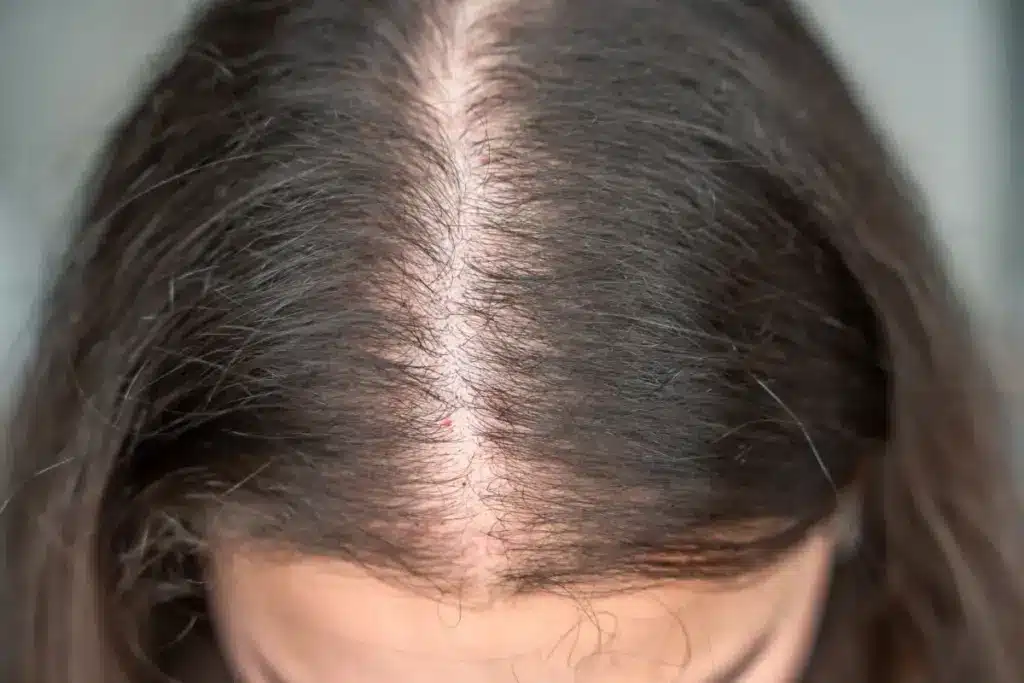
Transarterial chemoembolization, or TACE, is a treatment for liver cancer. It’s different from regular chemotherapy, which often causes a lot of hair loss. TACE focuses on the tumor, which means it affects fewer healthy cells.
Studies have found that TACE causes very little side effects, including hair loss. Only a small number of patients, about 8.4%, say they have moderate hair loss.
The way TACE delivers chemotherapy directly to the tumor helps keep the patient healthy. This makes it a good choice for many people with liver cancer, as it reduces the chance of losing a lot of hair.
Key Takeaways
- TACE is a localized treatment for liver cancer that minimizes impact on healthy cells.
- Hair loss is significantly less common with TACE compared to systemic chemotherapy.
- Approximately 8.4% of patients experience mild or moderate hair loss.
- The localized delivery of chemotherapy reduces the risk of significant hair loss.
- TACE is a preferable treatment option for many liver cancer patients due to its minimal side effects.
What is TACE and How Does It Treat Liver Cancer
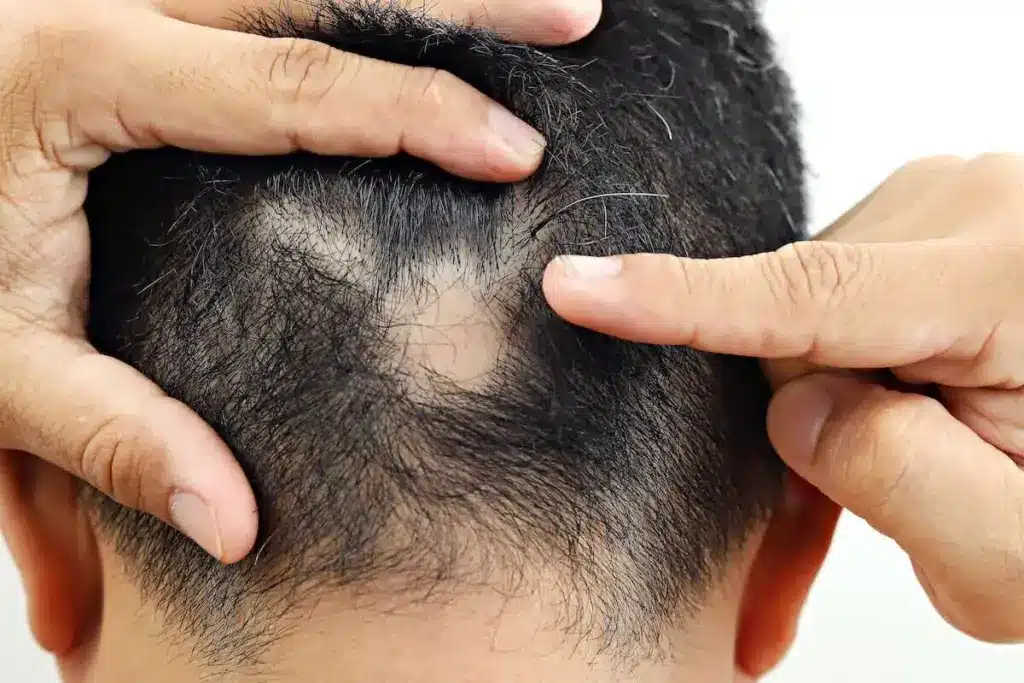
For those with liver cancer, Transarterial Chemoembolization (TACE) is a top choice. It mixes chemotherapy and embolization. This method is non-invasive and targets liver cancer by sending chemotherapy straight to the tumor.
Definition and Purpose of Transarterial Chemoembolization
Transarterial Chemoembolization is a treatment for liver cancer. It uses the bloodstream to send chemotherapy to the tumor. At the same time, it cuts off the tumor’s blood supply. The goal is to shrink the tumor and ease liver cancer symptoms.
The Procedure Process and Delivery Method
The TACE process starts with a catheter in the groin artery. It’s guided to the liver using imaging. Then, chemotherapy is infused into the tumor’s blood supply artery.
Next, an embolic agent blocks the tumor’s blood flow. This starves the tumor of oxygen and nutrients.
Primary Candidates for TACE Treatment
TACE is best for patients with intermediate-stage liver cancer. It’s for those who can’t have surgery or a liver transplant. It’s also for those who have tried other treatments or have severe symptoms.
The choice to have TACE depends on many factors. These include the patient’s health, tumor size and location, and more.
|
Candidate Criteria |
Description |
|---|---|
|
Liver Cancer Stage |
Intermediate-stage liver cancer |
|
Suitability for Surgery |
Not candidates for surgical resection or liver transplantation |
|
Previous Treatments |
Failed other treatments or have significant symptoms |
How TACE Differs from Traditional Chemotherapy
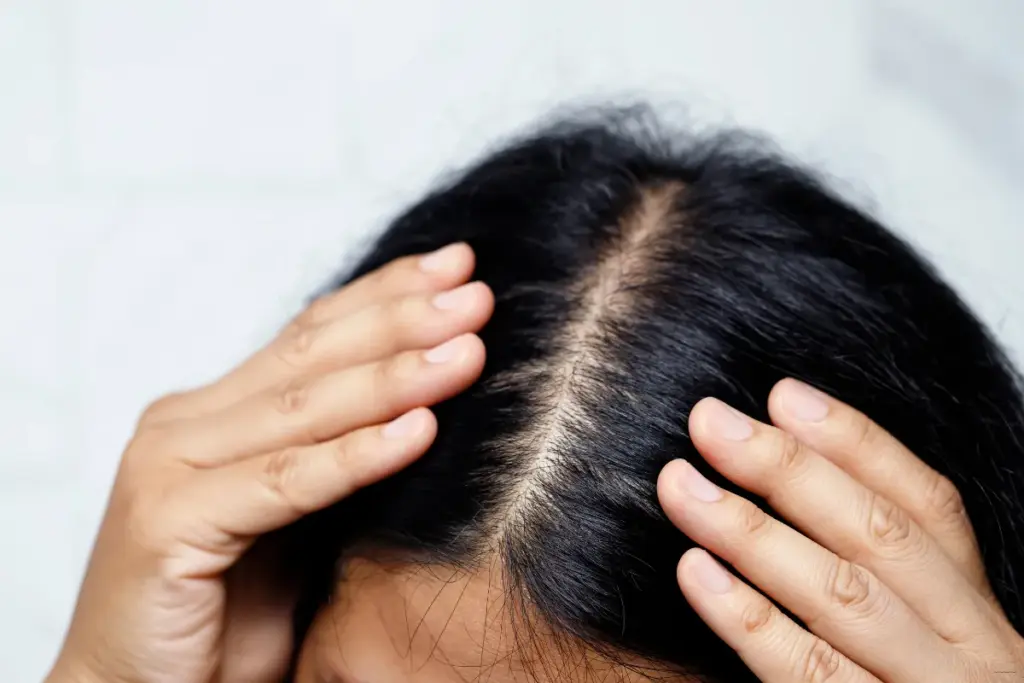
Transarterial Chemoembolization (TACE) is a new way to treat liver cancer. It’s different from traditional chemotherapy. TACE sends chemotherapy directly to the liver tumor, not all over the body.
Localized vs. Systemic Drug Delivery
TACE and traditional chemotherapy work in different ways. Traditional chemotherapy goes through the veins and affects the whole body. TACE, on the other hand, sends drugs directly to the tumor through the hepatic artery. This reduces systemic exposure.
Targeted Action on Tumor Tissue
TACE targets the tumor directly. It injects chemotherapy agents into the tumor’s blood supply. This means the tumor gets a high dose of the drug, making it more effective.
Reduced Systemic Exposure to Chemotherapy Agents
|
Treatment Aspect |
TACE |
Traditional Chemotherapy |
|---|---|---|
|
Drug Delivery |
Localized, directly to the tumor |
Systemic, via intravenous administration |
|
Systemic Exposure |
Reduced |
Higher |
|
Side Effects |
Generally fewer, less severe |
More frequent, potentially severe |
TACE’s focused method means less of the drug goes through the whole body. This leads to fewer and milder side effects compared to traditional chemotherapy.
Common Side Effects of TACE Procedure
TACE is a key treatment for liver cancer. Knowing its side effects is important for patients. Most people can handle TACE well, but some might feel pain, nausea, and tiredness.
Post-Embolization Syndrome
Post-embolization syndrome (PES) is a common side effect of TACE. It causes fever, nausea, and stomach pain. This happens because the tumor’s blood supply is blocked, leading to inflammation.
Short-term Side Effects
Patients may also face short-term side effects like pain, nausea, and tiredness. Doctors use medicine and care to help manage these symptoms.
|
Side Effect |
Frequency |
Management |
|---|---|---|
|
Pain |
Common |
Analgesics |
|
Nausea |
Common |
Antiemetics |
|
Fatigue |
Very Common |
Rest, Nutrition |
Long-term Considerations
Some side effects can last longer, like liver function changes or gallbladder disease. It’s important for doctors to keep an eye on these long-term effects.
Knowing about TACE side effects helps patients prepare better. It makes them more ready for the treatment.
Understanding Chemotherapy-Induced Hair Loss
Learning about chemotherapy-induced hair loss can help patients get ready for treatment. This type of hair loss, or alopecia, is a common side effect of systemic chemotherapy.
Mechanisms Behind Chemotherapy and Alopecia
Chemotherapy targets cells that grow fast, like cancer cells and hair follicle cells. This means hair loss happens because the drugs can’t tell the difference. Hair loss can show up on the scalp, face, and body.
Why Systemic Chemotherapy Commonly Causes Hair Loss
Systemic chemotherapy goes all over the body, making hair loss more likely. Unlike treatments that only target one area, systemic chemotherapy hits all fast-growing cells. This makes hair loss a common side effect.
Factors Affecting Hair Follicle Sensitivity
Several things can make someone more or less likely to lose hair from chemotherapy. These include the type and amount of chemotherapy, how long treatment lasts, and genetics.
|
Factor |
Description |
Impact on Hair Loss |
|---|---|---|
|
Type of Chemotherapy |
Different chemotherapy agents have varying effects on hair follicles. |
Some agents cause more hair loss than others. |
|
Dosage of Chemotherapy |
Higher doses increase the risk of hair loss. |
Higher risk of severe hair loss. |
|
Duration of Treatment |
Longer treatment durations can lead to prolonged hair loss. |
Increased risk of persistent hair loss. |
On the other hand, TACE (Transarterial Chemoembolization) is a treatment that targets the liver tumor directly. It delivers chemotherapy right to the tumor, reducing the risk of hair loss.
TACE and Hair Loss: Statistical Evidence
Studies show that about 8.4% of patients experience mild or moderate hair loss after TACE. This data helps us understand how often hair loss happens with this liver cancer treatment.
Incidence Rate of Hair Loss
The 8.4% rate for mild to moderate hair loss is a key finding. It shows that while most patients don’t lose much hair, some do experience noticeable loss.
Severity Patterns in Reported Cases
Research shows most hair loss from TACE is mild or moderate. Severe hair loss is rare. This means many patients can manage the impact on their hair.
Duration and Recovery Timelines
Knowing how long hair loss lasts and when it grows back is important. Studies say hair loss from TACE is often temporary. Hair usually grows back a few months after treatment.
The stats on TACE and hair loss highlight the need to consider each patient’s situation. By looking at the frequency, severity, and recovery times, doctors can better prepare patients for what to expect.
Conventional TACE (c-TACE) and Its Hair Loss Profile
c-TACE is a common treatment for liver cancer. But, it has raised concerns about hair loss. This method involves delivering chemotherapy directly to the tumor site through the bloodstream.
Alopecia Rates in c-TACE Compared to Other TACE Types
Research shows that conventional TACE causes more hair loss than DEB-TACE. This is because of how chemotherapy is delivered and released in the body.
Chemotherapy Agents Used in c-TACE Procedures
The chemotherapy agents used in c-TACE affect hair loss. Doxorubicin, cisplatin, and mitomycin C are common. They can cause hair loss because of their systemic effects.
Assessing Patient Risk for Hair Loss with c-TACE
When looking at patient risk for hair loss, several factors are considered. These include the patient’s health, the chemotherapy dosage, and past experiences. Knowing these can help manage expectations and reduce hair loss risk.
Understanding c-TACE and its effects on hair health helps patients and doctors make better choices. This way, they can find the best treatment options.
Drug-Eluting Bead TACE (DEB-TACE) and Reduced Hair Loss Risk
Drug-eluting bead TACE (DEB-TACE) is a new way to treat liver cancer. It has a lower risk of hair loss compared to old methods. This method uses beads loaded with chemotherapy drugs that release directly into the tumor. This way, less chemotherapy goes into the whole body.
How DEB-TACE Technology Minimizes Systemic Exposure
DEB-TACE is made to put chemotherapy right where it’s needed, in the tumor. This means less of it gets into the rest of the body. So, healthy tissues like hair follicles are less affected, which lowers the chance of hair loss.
Lower Incidence of Hair Loss with DEB-TACE
Research shows that DEB-TACE leads to less hair loss than traditional TACE (c-TACE). This is because the drug-eluting beads help keep chemotherapy away from the rest of the body.
Comparing Hair Loss Severity Between TACE Types
Looking at how much hair loss happens with DEB-TACE and c-TACE, DEB-TACE is better. The table below shows what studies found.
|
TACE Type |
Incidence of Hair Loss |
Severity of Hair Loss |
|---|---|---|
|
DEB-TACE |
15% |
Mild to Moderate |
|
c-TACE |
30% |
Moderate to Severe |
The numbers show DEB-TACE causes less hair loss and makes it less severe. This makes DEB-TACE a good choice for those worried about hair loss.
Combination Therapies: When TACE Increases Hair Loss Risk
Using TACE with other treatments can raise the risk of hair loss. The effect on hair follicles can be strong when treatments are combined.
TACE with Sorafenib: Impact on Alopecia Rates
Sorafenib, used with TACE, can impact hair loss rates. This is because both treatments work together.
Radiotherapy Combinations and Side Effect Profiles
Radiotherapy with TACE can also raise hair loss risks. It’s important to understand the side effects of these treatments. This helps manage patient expectations and reduce bad effects.
Managing Increased Risk with Multi-Modal Approaches
To manage hair loss risk, a detailed plan is needed. This includes choosing patients carefully, adjusting doses, and watching for side effects. The table below outlines key steps for managing hair loss risk in combination therapies.
|
Therapy Combination |
Hair Loss Risk |
Management Strategy |
|---|---|---|
|
TACE + Sorafenib |
High |
Dose adjustment, monitoring |
|
TACE + Radiotherapy |
Moderate to High |
Scalp cooling, hair care |
|
TACE alone |
Low to Moderate |
Standard hair care |
Patient Experiences with TACE and Hair Changes
TACE treatment can cause hair changes, as seen in many patient reports and studies. These changes differ from person to person, affecting their treatment journey.
Real-World Reports and Case Studies
Many real-world reports and studies have shown hair changes in TACE patients. For example, a study found that some patients experienced mild to moderate hair loss.
Temporary vs. Permanent Hair Alterations
Hair changes from TACE can be either temporary or permanent. Knowing if these changes are short-term or long-lasting is key for patient expectations.
Some patients see their hair return to normal after TACE. Others face more lasting changes.
Psychological Impact and Coping Strategies
Hair changes can affect a patient’s mental health. They might feel anxious or upset about how they look.
Helping strategies, like counseling or support groups, are important. Healthcare providers can also teach scalp care and hair restoration.
Understanding hair changes and their mental impact helps patients and doctors. Together, they can find ways to cope.
Risk Factors That May Increase Hair Loss During TACE Treatment
Several factors can make hair loss more likely during TACE treatment. Knowing these can help both patients and doctors manage this side effect better.
Pre-existing Conditions and Medications
Medical conditions and some medicines can raise the risk of hair loss during TACE. For example, people with autoimmune diseases or taking certain drugs might lose more hair. It’s key for patients to tell their doctors about their health and medicines before starting TACE.
Dosage and Frequency Considerations
The amount and how often TACE is given can also affect hair loss risk. More chemotherapy or more treatments can lead to more hair loss. Doctors carefully plan treatments to lessen side effects while keeping them effective.
Individual Genetic Susceptibility
Genetics can greatly influence how likely someone is to lose hair during TACE. Some people might be more likely to lose hair because of their genes. Scientists are studying genetic markers for hair loss from chemotherapy. This could help make treatments more tailored to each person’s risk.
Understanding and dealing with these risk factors can help doctors give patients more tailored care during TACE. This might reduce how much and how often hair loss happens.
Preventing and Managing Hair Loss for TACE Patients
Hair loss can happen with TACE treatment. But, there are ways to stop or lessen it. Knowing these options can make patients feel more in charge of their treatment.
Scalp Cooling and Other Preventative Techniques
Scalp cooling is a method that might help lower hair loss during chemo. It works by cooling the scalp, which makes blood vessels smaller. This reduces the amount of chemo that reaches hair follicles. It’s worth trying for TACE patients.
Hair Care During Treatment
During TACE, gentle hair care is key. Use mild shampoos and avoid too much heat styling. Be gentle when combing or brushing your hair. Also, use a wide-tooth comb or a soft-bristled brush to cut down on hair breakage.
When to Seek Medical Attention for Hair Loss
Some hair loss is normal, but too much or sudden loss needs a doctor’s check. They can tell if it’s from TACE or something else that needs looking into.
|
Hair Care Tips |
Benefits |
|---|---|
|
Use mild shampoos |
Reduces irritation and hair breakage |
|
Avoid excessive heat styling |
Minimizes damage to hair follicles |
|
Be gentle when combing or brushing |
Reduces hair loss and breakage |
Alternative Liver Cancer Treatments and Their Hair Loss Comparison
There are different treatments for liver cancer, like radiofrequency ablation and radioembolization. These treatments have different risks of hair loss. They are important for patients who can’t have TACE or need more options.
Radiofrequency Ablation (RFA)
Radiofrequency Ablation (RFA) is a small procedure that uses heat to kill cancer cells. RFA is mainly for early liver cancer and doesn’t usually cause hair loss because it’s focused.
Radioembolization (Y90)
Radioembolization sends radioactive beads to liver tumors through the blood. It’s precise, which means it doesn’t harm healthy tissue much. It’s usually safe, but some might feel tired or sick to their stomach. But, hair loss is not common.
Surgical Options and Systemic Therapies
Surgeries like removing the liver or transplanting a new one can cure early liver cancer. For more advanced cases, systemic treatments like targeted therapy and immunotherapy are used. The risk of hair loss with these treatments varies.
|
Treatment |
Hair Loss Risk |
Other Common Side Effects |
|---|---|---|
|
RFA |
Low |
Pain, Infection |
|
Radioembolization (Y90) |
Low |
Fatigue, Nausea |
|
Surgical Resection |
Low |
Pain, Infection, Bleeding |
|
Systemic Therapies |
Variable |
Fatigue, Nausea, Diarrhea |
It’s important for patients to know about possible side effects, like hair loss, when choosing a treatment. Each treatment has its own good and bad points. Talking to doctors can help find the best option for each person.
Questions to Ask Your Doctor About TACE Side Effects
When thinking about TACE treatment, talking about side effects with your doctor is key. Knowing what side effects might happen and how to deal with them can make your treatment better.
Pre-Treatment Discussion Points
Before starting TACE, there are important things to talk about with your doctor. These include:
- The chance of hair loss
- Risks of the procedure
- Other treatments and their side effects
Monitoring Side Effects During Treatment
It’s important to watch for side effects during TACE. Ask your doctor about:
|
Side Effect |
Monitoring Frequency |
Action Plan |
|---|---|---|
|
Pain |
Daily |
Adjust pain medication as needed |
|
Nausea |
Daily |
Use anti-nausea medication |
|
Hair Loss |
Weekly |
Consider scalp cooling |
Follow-up Care and Long-term Considerations
After TACE, ongoing care is vital for managing long-term side effects. Talk to your doctor about:
- When to come back for check-ups
- What to watch for in terms of complications
- Long-term risks and how to lessen them
Conclusion: Balancing TACE Benefits Against Hair Loss Concerns
Transarterial chemoembolization (TACE) is a key treatment for liver cancer. It helps manage the disease well. But, it can cause hair loss, like any treatment.
We’ve looked into TACE and its side effects, including hair loss. We’ve seen how different TACE types affect hair loss risk. This includes conventional TACE (c-TACE) and drug-eluting bead TACE (DEB-TACE).
When thinking about TACE, weighing its benefits against risks is key. Patients should talk to their doctors about their concerns. This way, they can choose the best treatment for their situation.
Knowing about hair loss and how to lessen it helps patients. It makes their treatment journey smoother. By considering both benefits and risks, patients can get the best care and quality of life.
FAQ
What is TACE and how does it work?
TACE, or Transarterial Chemoembolization, is a treatment for liver cancer. It delivers chemotherapy directly to the tumor through the blood. Then, it cuts off the tumor’s blood supply.
Does TACE cause hair loss?
Yes, TACE can cause hair loss in some patients. The chance of mild to moderate hair loss is about 8.4%.
How does conventional TACE (c-TACE) differ from Drug-Eluting Bead TACE (DEB-TACE) in terms of hair loss?
DEB-TACE is less likely to cause hair loss than c-TACE. This is because DEB-TACE releases chemotherapy more slowly and locally. This reduces systemic exposure.
Can combination therapies with TACE increase the risk of hair loss?
Yes, using TACE with other treatments like sorafenib or radiotherapy can increase hair loss risk. This is because of the combined effects of multiple therapies.
What are the risk factors that may increase hair loss during TACE treatment?
Several factors can increase hair loss risk during TACE. These include pre-existing conditions, certain medications, TACE dosage and frequency, and genetic susceptibility.
How can hair loss be prevented or managed during TACE treatment?
To prevent or manage hair loss during TACE, scalp cooling and gentle hair care are helpful. Monitoring for hair loss is also important. Patients should talk to their doctor about these options.
Are there alternative liver cancer treatments that have a different hair loss profile?
Yes, treatments like Radiofrequency Ablation (RFA), Radioembolization (Y90), and surgery have different side effect profiles. This includes varying risks of hair loss.
What questions should I ask my doctor about TACE side effects?
Patients should ask their doctor about pre-treatment risks, monitoring side effects during treatment, and follow-up care. This helps understand and manage side effects like hair loss.
Is hair loss from TACE permanent?
In most cases, hair loss from TACE is temporary. Hair usually regrows after treatment. But, the duration and recovery timeline can vary.
How does TACE compare to traditional chemotherapy in terms of hair loss?
TACE tends to cause less hair loss than systemic chemotherapy. This is because TACE is a localized treatment. It affects only the tumor area, unlike systemic chemotherapy, which affects the whole body.
References
National Center for Biotechnology Information. Evidence-Based Medical Insight. Retrieved from https://pubmed.ncbi.nlm.nih.gov/33350015/