
A heart rate over 100 beats per minute is generally too high. It may signal an underlying condition.
Our heart rate is a key indicator of our health. Tachycardia, or a rapid heart rate, can point to several health issues. It’s important to know what’s a normal heart rate and when it’s too high.
Knowing the signs of a high heart rate is key. It helps in getting the right treatment and improving health outcomes.
Key Takeaways
- A heart rate over 100 beats per minute is considered too high.
- Tachycardia can be a symptom of various underlying conditions.
- Understanding normal heart rate ranges is key for health.
- Recognizing signs of high heart rate can improve treatment outcomes.
- Seeking medical attention for persistent rapid heart rate is important.
Understanding Normal Heart Rate Ranges

Knowing your heart rate is key to spotting health problems early. For adults, a normal heart rate is between 60 to 100 beats per minute. But, it can change based on age, fitness, and health.
Resting Heart Rate Standards by Age
Heart rate standards change with age. For adults, it’s usually 60 to 100 bpm. Kids have a higher range. For example, newborns have a range of 100-160 bpm, and kids aged 1-2 years have a range of 80-120 bpm. Knowing these ranges helps check heart health.
Factors Affecting Normal Heart Rate
Many things can change your heart rate. These include:
- Fitness Level: Athletes often have a lower heart rate, sometimes as low as 40 bpm.
- Medications: Some meds, like beta-blockers, slow the heart rate. Others, like decongestants, can make it faster.
- Health Conditions: Issues like thyroid problems or anemia can affect heart rate.
- Environmental Factors: Things like temperature and altitude can also change heart rate.
Heart Rate During Exercise and Activity
When you exercise, your heart rate goes up to give muscles more oxygen. The harder you work out, the higher your heart rate. For moderate exercise, aim for 50-70% of your max heart rate. For intense workouts, it’s 70-85%.
It’s vital to know about normal heart rate ranges for heart health. By understanding how heart rate changes with age and activity, you can keep an eye on your health and catch problems early.
What is Tachycardia? Definition and Overview
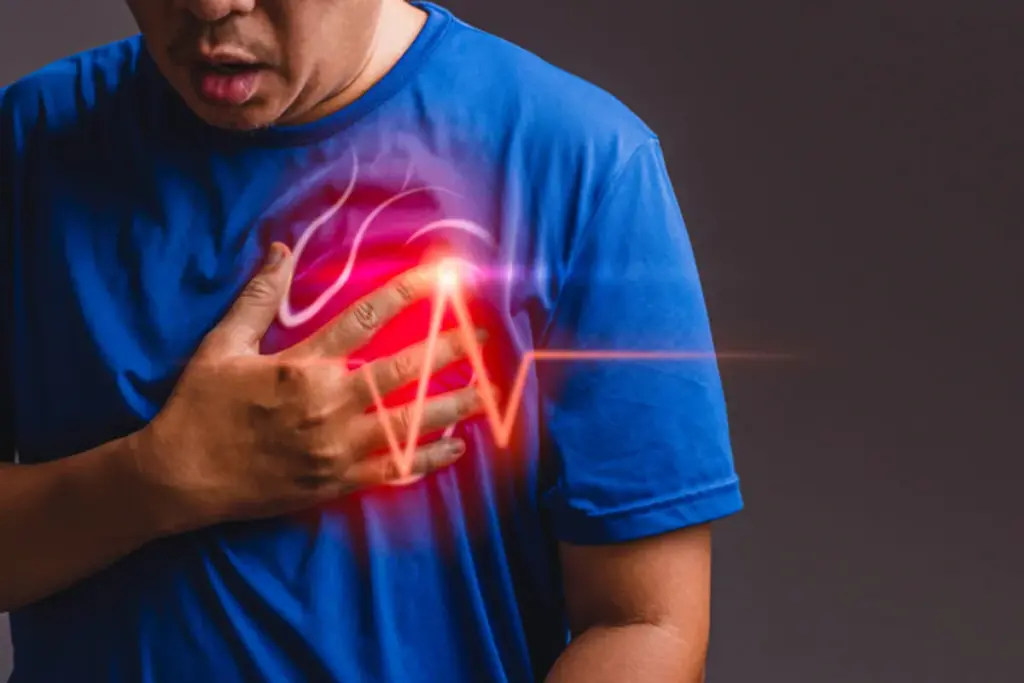
Tachycardia is when your heart beats too fast, over 100 times a minute. It can happen due to stress or health problems. This condition can show up in different ways and might mean you need to see a doctor.
Medical Definition of Tachycardia
Tachycardia is when your heart beats too quickly, over 100 times a minute for adults. It’s a type of irregular heartbeat, or arrhythmia. There are many types of tachycardia, like sinus tachycardia and ventricular tachycardia.
Your heart rate is controlled by your nervous system. Stress and certain health issues can make your heart rate go up. Stress, anxiety, some medicines, and health problems like hyperthyroidism or anemia can cause tachycardia.
How Tachycardia Differs from Normal Heart Rate Fluctuations
It’s normal for your heart rate to change with activity or emotions. But tachycardia is different because your heart rate stays high even when you’re resting. It doesn’t go back to normal like it should.
- Normal heart rate range: Usually between 60-100 bpm when you’re not active.
- Tachycardia: When your heart rate goes over 100 bpm, often with other symptoms.
The Physiology Behind Rapid Heart Rates
Tachycardia happens when the heart’s electrical system gets disrupted. This can cause your heart to beat too fast. The SA node, your heart’s natural pacemaker, is key in controlling your heart rate. In tachycardia, this node or other parts of the heart’s electrical system can be affected, leading to a fast heart rate.
Understanding why tachycardia happens is important for treating it. It helps doctors find the cause and choose the right treatment to help you feel better and avoid serious problems.
Types of Tachycardia and Their Characteristics
Knowing the different types of tachycardia is key for both patients and doctors. Tachycardia means your heart beats too fast. Each type needs its own way to be diagnosed and treated.
Sinus Tachycardia
Sinus tachycardia happens when the heart’s natural leader, the SA node, beats over 100 times a minute. It can be a normal reaction to stress, fever, or some medicines. Key characteristics include:
- A rapid heart rate from the SA node
- Often a normal response to stress or other stimuli
- Can be linked to many conditions or factors
Supraventricular Tachycardia (SVT)
Supraventricular tachycardia, or SVT, is a fast heart rhythm that starts above the ventricles. It includes types like atrial tachycardia and AV nodal reentrant tachycardia. SVT’s signs include:
- Sudden start and stop
- Heart rates usually between 150-250 beats per minute
- May cause symptoms like palpitations, dizziness, or shortness of breath
Ventricular Tachycardia
Ventricular tachycardia is a serious condition with a fast heart rate starting in the ventricles. It often comes from heart disease, like after a heart attack. Key features include:
- A heart rate over 100 beats per minute
- Starts in the ventricles
- Can turn into ventricular fibrillation, causing cardiac arrest
Atrial Fibrillation with Rapid Ventricular Response
Atrial fibrillation (AFib) with rapid ventricular response (RVR) makes the atria quiver fast and the ventricles beat too quickly. This can cause symptoms like palpitations, fatigue, and shortness of breath. Characteristics include:
- Irregular and often rapid heart rhythm
- Linked to heart disease, high blood pressure, or other conditions
- May need rate or rhythm control strategies for treatment
It’s important to know about these different tachycardias for the right diagnosis and treatment. Each type has its own traits and needs specific care.
Common Causes of High Heart Rate
Tachycardia, or a fast heart rate, can come from many sources. These include physical, medical, and mental factors. Let’s dive into each to see how they lead to tachycardia.
Physiological Causes
Physical activity, stress, and fever can all cause tachycardia. When we exercise, our heart beats faster to give our muscles more oxygen. Stress also makes our heart rate go up, as our body prepares to either fight or flee.
Medical Conditions
Many health issues can cause tachycardia. For example, hyperthyroidism makes the thyroid gland work too hard, speeding up the heart. Anemia, with not enough red blood cells, also makes the heart work harder to get enough oxygen.
Medications and Substances
Some medicines and substances can also cause tachycardia. Decongestants and asthma meds can make the heart beat faster. Caffeine and nicotine can do the same, affecting some people’s heart rates.
Psychological Factors
Mental health issues like anxiety and panic disorders can also lead to tachycardia. Stress and emotional problems can set off the body’s stress response, raising the heart rate.
Knowing what causes tachycardia is key to treating it. Doctors can then create specific plans to tackle the problem at its source.
Recognizing Symptoms of Tachycardia
It’s important to know the signs of tachycardia to get help quickly. Tachycardia is when your heart beats too fast. It can show up in different ways that mean you might need to see a doctor.
Common Symptoms
The signs of tachycardia include heart palpitations, shortness of breath, and dizziness. These happen because your heart is racing too fast. It can’t pump blood well enough.
- Palpitations or a feeling of rapid heartbeat
- Shortness of breath or difficulty breathing
- Dizziness or lightheadedness
- Chest pain or discomfort
- Fainting or near-fainting spells
Warning Signs That Require Immediate Attention
Some tachycardia cases are mild, but others need urgent care. Look out for severe chest pain, severe difficulty breathing, and loss of consciousness.
- Severe chest pain or pressure
- Severe shortness of breath
- Fainting or loss of consciousness
- Confusion or disorientation
How Symptoms Vary by Type of Tachycardia
The signs of tachycardia change based on the type. For example, supraventricular tachycardia (SVT) might cause palpitations and dizziness. But ventricular tachycardia can lead to more serious issues like losing consciousness.
Dangerous Heart Rate Thresholds
Knowing when a heart rate is too high is key to keeping your heart healthy. A fast heart rate, or tachycardia, can be serious if it goes over certain levels. The risk depends on your age, the situation, and how long the heart rate stays fast.
Age-Related Dangerous Thresholds
The safe heart rate varies with age. For adults, over 100 beats per minute is too fast. But for kids and babies, what’s safe is different because their heart rates are usually higher.
- Newborns (0-1 month) should not have a heart rate over 160 bpm.
- Babies (1-12 months) with a heart rate over 150 bpm need attention.
- Children (1-10 years) with a heart rate over 120 bpm should be checked.
Context-Dependent Heart Rate Concerns
When a heart rate is too fast matters too. A fast heart during exercise is usually okay if it goes back to normal. But a fast heart at rest or when you’re not active is more worrying and might mean there’s a health problem.
Things that can change how worried we should be about a fast heart include:
- Physical shape: Fit people might handle a faster heart rate better.
- Health issues: Heart disease or thyroid problems can change what’s safe.
- Medicines: Some drugs can affect heart rate and what’s considered safe.
When Duration Matters
How long a fast heart rate lasts is also important. Short bursts might not be as bad as long ones. But a heart that stays fast too long can lead to serious problems like heart failure or even cardiac arrest.
Important things to think about with the length of a fast heart rate include:
- How long the fast heart rate lasts: Longer is worse.
- How often it happens: If it happens a lot, it might be a bigger problem.
- How well it responds to treatment: If it doesn’t get better, it’s more serious.
Risk Factors for Developing Tachycardia
Tachycardia risk factors include genetics, lifestyle, and medical conditions. Knowing these factors helps us spot who’s at higher risk. It also guides us in taking steps to prevent it.
Genetic Predispositions
Genetics are a big deal in tachycardia. If your family has heart issues, you might face tachycardia too. Specific genetic conditions can mess with the heart’s electrical system, causing irregular beats.
Lifestyle Factors
Our lifestyle choices and surroundings can raise tachycardia risk. Drinking too much caffeine, smoking, and not exercising enough can lead to it. Stress and anxiety also play a part in causing rapid heart rates.
Pre-existing Medical Conditions
Some medical conditions can up your tachycardia risk. These include heart disease, high blood pressure, and thyroid issues. Managing these conditions well is key to avoiding tachycardia.
Diagnosing High Heart Rate Conditions
Figuring out tachycardia needs a mix of doctor’s checks, tests, and watching the heart closely. We’ll cover how to spot tachycardia, from first checks to detailed heart tests.
Initial Assessment and Physical Examination
The first step is a detailed medical history and physical check-up. We look at symptoms, past health, and lifestyle to find tachycardia causes.
A physical exam also finds signs of other health issues that might cause a fast heart rate. We check the patient’s overall health and look for heart problems during this time.
Diagnostic Tests and Procedures
To confirm tachycardia and find its cause, we use different tests.
- Electrocardiogram (ECG or EKG) to record the heart’s electrical activity
- Holter monitor or event recorder for long-term heart rate tracking
- Stress test to check heart function when active
- Blood tests to look for conditions like thyroid issues or imbalances
These tests give us key info on the heart’s rhythm and function. They help us diagnose tachycardia and plan the best treatment.
Specialized Cardiac Evaluations
At times, we need more detailed heart checks.
- Echocardiogram to see the heart’s shape and how it works
- Cardiac electrophysiology study (EPS) to check the heart’s electrical system
These extra tests help us understand tachycardia better. We can then tailor treatment to each patient’s needs.
Heart Rate Monitoring Technologies
New heart rate monitoring technologies have changed how we manage heart health. They help in diagnosing, treating, and preventing heart issues.
There are many ways to track heart rate, from simple devices to advanced medical tools. Each has its own use and level of accuracy.
Consumer Devices for Heart Rate Tracking
Smartwatches and fitness trackers are now common for tracking heart rate. They use photoplethysmography (PPG) to measure blood volume changes.
- Smartwatches with heart rate monitoring capabilities
- Fitness trackers that track heart rate during exercise
- Wearable devices that monitor heart rhythm
These gadgets are handy for those who exercise a lot. They offer ongoing heart rate data.
Medical-Grade Monitoring Equipment
Medical tools, like electrocardiogram (ECG) monitors and Holter monitors, are for serious heart health checks. They give precise heart rate data.
Used in hospitals, these tools help spot and manage heart problems like arrhythmias and tachycardia.
Interpreting Heart Rate Data
Understanding heart rate data needs to know the person’s health, activity, and meds. Doctors are key in making sense of this data.
When looking at heart rate data, consider:
- The person’s usual heart rate range
- Any symptoms or heart rate changes
- Any health issues they might have
Treatment Approaches for Tachycardia
Managing tachycardia requires a mix of quick actions, ongoing medications, and lifestyle changes. Each person’s situation is different, so we tailor our treatment plans.
Immediate Interventions for Acute Episodes
When tachycardia strikes, acting fast is key to avoid serious issues and ease symptoms. Vagal maneuvers, like the Valsalva maneuver or carotid massage, can help slow the heart. If these don’t work, cardioversion might be needed to get the heart back to normal.
Medications for Managing Tachycardia
Medicines are a big part of managing tachycardia, for keeping it under control over time. Beta-blockers and calcium channel blockers help slow the heart rate and lessen symptoms. Sometimes, anti-arrhythmic medications are used to keep the heart rhythm steady.
Procedural and Surgical Options
For some tachycardia types, procedures or surgery might be suggested. Catheter ablation is a small procedure that can get rid of the arrhythmia source. For more complex cases, surgical ablation or a pacemaker or implantable cardioverter-defibrillator (ICD) might be needed.
Lifestyle Modifications as Treatment
Changing your lifestyle is a big part of managing tachycardia. We advise avoiding triggers like caffeine, nicotine, and stress. Regular exercise, a healthy diet, and enough water can also help manage symptoms and boost heart health.
When to Seek Medical Attention
Knowing when to get medical help is key to managing tachycardia well. Tachycardia, or a heart rate that’s too fast, can signal many health issues. Some need quick medical care. We’ll show you when it’s time to see a doctor.
Emergency Situations
Some tachycardia symptoms are urgent and need emergency care. These include:
- Severe chest pain or discomfort
- Difficulty breathing
- Severe dizziness or fainting
- Confusion or loss of consciousness
If you or someone else has these symptoms, call emergency services right away.
Non-Emergency but Concerning Symptoms
Some symptoms are not life-threatening but should be checked by a doctor. These include:
- Persistent or recurring heart palpitations
- Dizziness or lightheadedness without a clear cause
- Shortness of breath during normal activities
Seeing a healthcare provider is important if you have these symptoms.
Follow-up Care Guidelines
After treating tachycardia, follow-up care is vital. This may include:
- Regular check-ups with your healthcare provider
- Monitoring your heart rate and reporting any significant changes
- Adjusting your treatment plan as necessary
Keep a log of your symptoms and any changes. Discuss them during your follow-up appointments.
Special Considerations for Different Populations
Tachycardia affects people in different ways, depending on their age and health. It’s important to understand how it impacts children, pregnant women, the elderly, and athletes.
Children and Adolescents
In kids and teens, tachycardia might signal a serious issue that needs quick medical help. Supraventricular tachycardia (SVT) is a common cause in this age group.
- Symptoms can include heart racing, chest pain, and trouble breathing.
- Doctors use tests like electrocardiograms (ECG) to diagnose.
- Treatment might include special maneuvers, medicines, or a procedure called catheter ablation.
Pregnant Women
Pregnancy changes how the heart works, leading to higher heart rates. Tachycardia in pregnant women needs careful checking.
- It’s normal for heart rates to go up because of more blood and a stronger heart.
- But, it can also be a sign of dehydration, anemia, or heart problems.
- Doctors aim to find and treat the cause, keeping the pregnancy in mind.
Elderly Individuals
Older adults are more likely to have tachycardia because of heart changes and other health issues.
- Reasons include heart disease, heart failure, and side effects from medicines.
- Symptoms might not be typical, like confusion or falls, instead of heart racing.
- Treatment must consider the person’s overall health, medicines, and risks.
Athletes and Physically Active People
Athletes usually have a lower heart rate because their hearts work better. But, they can also get tachycardia during hard workouts or because of health problems.
“Athletes might not always know they have tachycardia, thinking it’s just from hard training. It’s key to tell the difference between normal heart rate changes and serious issues.”
- It’s important to tell if tachycardia is from exercise or a health problem.
- Checking for heart issues that could be risky during intense sports.
- Using the right training and rest to manage heart rate.
Complications of Untreated Tachycardia
Tachycardia, if not treated, can cause many health problems. These issues can greatly affect a person’s life quality and health. We will look at the short-term and long-term effects of untreated tachycardia and how it affects daily life.
Short-term Complications
Short-term problems of untreated tachycardia include dizziness, fainting, and shortness of breath. These happen because the heart doesn’t pump well. This leads to less blood flow to important organs.
Long-term Health Risks
Long-term risks of untreated tachycardia are serious. They can include heart failure, stroke, and sudden cardiac arrest. A heart that beats too fast for a long time can get weaker. This can lead to these severe conditions.
|
Complication |
Description |
Potential Outcome |
|---|---|---|
|
Dizziness and Fainting |
Reduced blood flow to the brain |
Increased risk of falls and injuries |
|
Heart Failure |
The heart’s inability to pump enough blood |
Fatigue, swelling, and shortness of breath |
|
Stroke |
Disruption of blood flow to the brain |
Potential for permanent brain damage |
Impact on Quality of Life
The effects of untreated tachycardia on quality of life are significant. Symptoms like palpitations, chest discomfort, and fatigue can make it hard to do daily tasks. They can also lower overall happiness.
Living with Tachycardia
For those with tachycardia, being proactive about health can greatly improve life. It’s important to manage the condition well. This means using daily strategies, getting emotional support, and finding resources and communities.
Daily Management Strategies
Managing tachycardia daily is key. Monitoring heart rate regularly helps understand the condition better. Also, a healthy lifestyle is essential. This includes a balanced diet, regular exercise, and enough sleep.
- Keep a heart rate diary to track changes and patterns.
- Avoid triggers such as caffeine, nicotine, and stress.
- Stay hydrated and maintain a healthy weight.
It’s also important to know about medications and treatments. Understanding side effects and interactions with other medications is vital for safe management.
Emotional and Psychological Aspects
Tachycardia can affect emotions and psychology a lot. Anxiety and stress are common due to the unpredictability of episodes. Seeking support from healthcare, support groups, and loved ones is key.
Ways to cope include:
- Practicing relaxation techniques such as meditation or deep breathing.
- Engaging in activities that reduce stress and promote well-being.
- Building a support network of family, friends, and support groups.
Support Resources and Communities
Having access to support resources and communities is essential. These offer valuable information, emotional support, and a sense of community. Support groups, online or in-person, connect individuals with others who share their experiences.
|
Resource Type |
Description |
Benefits |
|---|---|---|
|
Support Groups |
Online or in-person groups for individuals with tachycardia. |
Emotional support, shared experiences, and community. |
|
Healthcare Professionals |
Cardiologists and other specialists who manage tachycardia. |
Medical guidance, treatment options, and monitoring. |
|
Educational Resources |
Websites, books, and materials providing information on tachycardia. |
Understanding the condition, management strategies, and staying updated. |
By using daily strategies, emotional support, and resources, people with tachycardia can live fulfilling lives. It’s about taking control and making informed decisions for better health and well-being.
Preventing Episodes of High Heart Rate
To stop tachycardia, you need to make lifestyle changes, manage stress, and watch your heart rate. These steps can help you have fewer and less severe tachycardia episodes.
Lifestyle Modifications
Changing your lifestyle is key to managing tachycardia. Eating a healthy diet full of fruits, veggies, and whole grains is important. Also, talk to a doctor before starting any physical activity.
Stay away from stimulants like caffeine and nicotine. They can cause tachycardia. Drinking less alcohol also helps keep your heart steady.
|
Lifestyle Change |
Benefit |
|---|---|
|
Healthy Diet |
Maintains heart health |
|
Regular Exercise |
Improves cardiovascular health |
|
Avoiding Stimulants |
Reduces triggers for tachycardia |
Stress Management Techniques
Stress can trigger tachycardia. So, it’s important to use stress management techniques. Try meditation, yoga, and deep breathing exercises to lower stress.
“Meditation and mindfulness practices can significantly impact our physiological response to stress, potentially reducing the incidence of tachycardia episodes.”
Cardiologist
Also, find and handle your stress triggers. Keeping a stress diary can help you see when and why you get stressed.
Monitoring and Self-Care Practices
Watching your heart rate regularly is important. Use a heart rate monitor or a smartwatch to keep an eye on it. This way, you can act fast if your heart rate goes up too high.
Don’t forget about self-care. Make sure you get enough sleep, stay at a healthy weight, and manage any health issues that could affect your heart.
By making lifestyle changes, managing stress, and taking care of yourself, you can prevent high heart rate episodes. This will improve your life quality a lot.
Myths and Misconceptions About Rapid Heart Rates
Tachycardia, or rapid heart rate, is often misunderstood. This can cause unnecessary worry. We will look at common myths, compare them to scientific facts, and offer advice on managing heart rate anxiety.
Common Misunderstandings
Many think a rapid heart rate always means a serious illness. But, this isn’t always true. Tachycardia can be due to stress, anxiety, or exercise. It’s important to know that an occasional fast heart rate is usually not a worry.
Some myths say tachycardia always means heart disease. While it can be linked to heart issues, it’s not the only reason. Dehydration, some medicines, and hormonal changes can also cause a fast heart rate.
Scientific Facts vs. Popular Beliefs
Tachycardia isn’t always a sign of a serious illness. Often, it’s a normal reaction to stress or emotion. Knowing why tachycardia happens is key to fixing it.
Studies show tachycardia can stem from genetics, lifestyle, or existing health issues. By knowing these causes, we can tackle the problem and reduce anxiety.
Addressing Anxiety About Heart Rate
Anxiety about heart rate is common, mainly in those with tachycardia. It’s vital to tackle this anxiety through education, reassurance, and professional help. Learning about tachycardia’s causes and effects helps manage anxiety and boosts well-being.
If you’re worried about your heart rate, talk to a doctor. Together, we can reduce unnecessary worry and enhance heart health.
Conclusion
Tachycardia, or a rapid heart rate, can be caused by many things. This includes physical, medical, and psychological factors. We’ve looked at the different types of tachycardia, their signs, and symptoms.
Diagnosing tachycardia involves several tests and procedures. These range from simple checks to detailed cardiac exams. Treatment options include quick actions, medicines, and surgeries, as well as changes in lifestyle.
Keeping your heart healthy is key to avoiding and managing tachycardia. Knowing the causes, spotting symptoms early, and getting the right medical help are important. This can lower the risk of serious problems and improve life quality.
In summary, tachycardia is a complex issue needing a detailed approach to diagnosis and treatment. We aim to have clarified tachycardia and its impact on heart health through this article.
FAQ
What is considered a normal heart rate?
A normal heart rate is between 60 to 100 beats per minute for adults. It can change based on age, fitness, and health.
What is tachycardia and how is it different from a normal heart rate?
Tachycardia is when your heart beats too fast, over 100 bpm in adults. It’s different from normal heart rate changes, which are usually short and linked to activity or stress.
What are the different types of tachycardia?
There are several types of tachycardia. These include sinus tachycardia, supraventricular tachycardia (SVT), ventricular tachycardia, and atrial fibrillation with rapid ventricular response. Each type has its own causes and symptoms.
What causes tachycardia?
Tachycardia can be caused by many things. These include stress or exercise, medical conditions like hyperthyroidism, certain medicines, and anxiety.
What are the symptoms of tachycardia?
Common symptoms of tachycardia include palpitations, shortness of breath, dizziness, chest pain, and fatigue. The symptoms can vary based on the type of tachycardia and your health.
When should I seek medical attention for tachycardia?
If you have severe symptoms like chest pain, severe dizziness, or trouble breathing, get help right away. For milder symptoms, see a doctor for an evaluation and treatment.
How is tachycardia diagnosed?
To diagnose tachycardia, a doctor will first assess you. Then, they’ll do a physical exam and tests like an electrocardiogram (ECG). They might also use Holter monitoring or stress tests.
What are the treatment options for tachycardia?
Treatment for tachycardia can include quick actions like vagal maneuvers. Doctors might also prescribe medicines or perform procedures like catheter ablation. Changing your lifestyle can also help prevent episodes.
Can tachycardia be prevented?
While you can’t prevent all cases of tachycardia, making healthy lifestyle choices can help. This includes keeping a healthy weight, exercising, managing stress, and avoiding stimulants.
How can I manage tachycardia on a daily basis?
To manage tachycardia daily, monitor your heart rate and avoid triggers. Stay hydrated and manage stress. Getting support from doctors and support groups can also help.
Are there any long-term complications of untreated tachycardia?
Untreated tachycardia can lead to serious problems like heart failure and stroke. It’s important to get medical help if you’re experiencing symptoms.
Can athletes or physically active individuals experience tachycardia?
Yes, athletes or active people can get tachycardia from intense exercise. But, if it’s persistent or severe, see a doctor to check for underlying issues.
Is tachycardia a sign of an underlying serious condition?
Tachycardia can signal a serious condition like heart disease or hyperthyroidism. A detailed medical check-up is needed to find the cause and right treatment.
References
National Center for Biotechnology Information. Evidence-Based Medical Insight. Retrieved from https://pmc.ncbi.nlm.nih.gov/articles/PMC4447058/