
What is the average cost of targeted therapy?
Targeted therapy is a new way to fight cancer. But, it’s expensive. This is a big worry for patients and health systems around the world.
The price of targeted therapy changes a lot. It depends on where you are, the type of drug, and your health system. For example, in the U.S., these treatments cost about $7,000 each month.
It’s important to know how much these treatments cost. We’ll look at how some hospitals offer good care at lower prices. This helps patients get the treatment they need without breaking the bank.
Key Takeaways
- The average cost of targeted therapy varies significantly across different countries and healthcare systems.
- U.S. monthly costs for targeted oral cancer therapies average $7,000.
- Factors such as drug type and healthcare system impact pricing.
- Innovative hospital networks play a crucial role in delivering cost-effective care.
- Understanding cost variations is key to accessing affordable treatment options.
The Evolution of Precision Medicine in Cancer Treatment
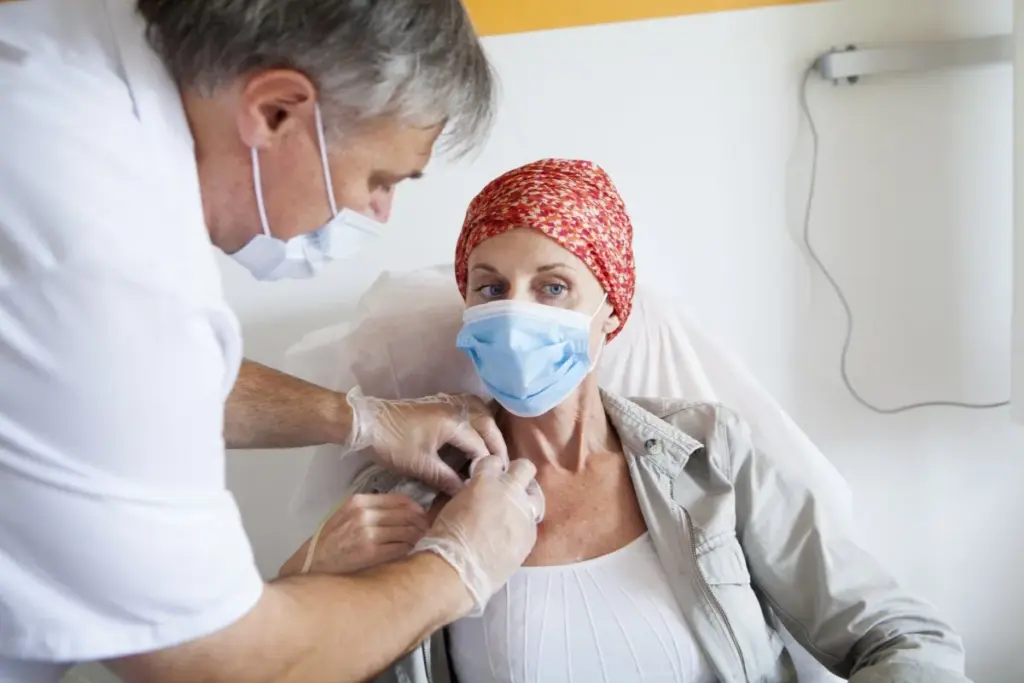
Cancer treatment has changed a lot with precision medicine. Now, treatments are more effective and fit each patient’s needs. We’re in a new era where treatments are made just for each person’s cancer.
Precision medicine has changed how we treat cancer. It’s different from old treatments that didn’t really fit anyone. Targeted therapies aim at the cancer’s specific genetic changes. This makes treatments work better and cuts down on side effects.
How Targeted Therapies Differ from Traditional Treatments
Targeted therapies are a big change from old treatments. They focus on cancer cells, not healthy ones. This precision in treatment means better results and a better life for patients.
These therapies work with tests that find specific cancer markers. This personalized approach makes sure patients get the right treatment. It makes therapy more effective.
The Growing Role of Biomarkers in Treatment Selection
Biomarkers are key in picking targeted therapies. They help doctors find the best treatment by spotting cancer’s genetic changes. This biomarker-driven approach is key in today’s cancer care. It leads to more precise and effective treatments.
Now, top hospital networks are leading in cancer care. They use the latest in biomarker research and targeted therapies. This gives patients access to the best treatments, improving their health and life quality.
Understanding the Targeted Therapy Cost Landscape

The cost of targeted therapy changes a lot from country to country. This makes it hard to understand. The cost of cancer treatment is a big worry for patients and doctors.
Targeted therapies are precise and often work better. But, they can be expensive. The cost of targeted therapy can change a lot. It depends on the therapy type, the cancer, and the disease stage. For example, in the U.S., the monthly cost for some oral cancer therapies is about $7,000.
Average Cost Ranges for Different Types of Targeted Therapies
Each type of targeted therapy costs differently. Monoclonal antibodies, tyrosine kinase inhibitors, and other targeted agents have their own prices. The cost can be from a few thousand dollars to over $10,000 a month, based on the medication and dosage.
The cost of these therapies is affected by many things. This includes research and development, how complex the manufacturing is, and the need for tests and monitoring. So, finding cost-effective targeted treatments is key to controlling healthcare costs.
Cost Variation by Cancer Type and Stage
The cost of targeted therapy also depends on the cancer type and stage. For example, lung cancer or breast cancer treatments can cost differently. This is because of the therapy’s complexity.
Individualized therapy cost is very important. The specific cancer details can decide the most suitable and expensive treatment. Cancer in later stages often needs more and pricier treatments, making costs higher.
It’s crucial for patients and doctors to understand these cost variations. By knowing what affects targeted therapy cost, we can handle the financial side of these treatments better.
U.S. Targeted Therapy Pricing: A Detailed Breakdown
It’s important for patients and healthcare providers to understand the cost of targeted therapy. In the United States, these treatments can be very expensive. The prices vary a lot.
The average monthly cost for targeted therapies in the U.S. is about $7,000. But, some treatments can cost more than $27,000 a month. This shows how complex the pricing of targeted therapy can be.
Current Monthly Costs Averaging $7,000
The average monthly cost of $7,000 for targeted therapies is a big expense for patients. This cost depends on several factors. These include the type of cancer, the disease stage, and the therapy type.
Annual costs for targeted therapy in the U.S. can range from $5,300 to $41,800. This highlights the big financial challenge for patients. We need to think about these costs when we look at how well targeted therapies work.
Premium Therapies Exceeding $27,000 Per Month
Some targeted therapies are considered premium because of their advanced technology or high success rates. These treatments can cost over $27,000 a month. This creates a big financial problem for patients.
The high cost of premium targeted therapies is often because they can greatly improve patient outcomes. But, the financial help available for these treatments can vary. This affects how easily patients can get them.
Understanding the financial side of targeted therapy is complex. Patients and healthcare providers need to work together. They must understand the costs and look for financial help options.
Annual Financial Burden of Targeted Cancer Treatments
It’s key to know the yearly cost of targeted cancer treatments. This info is important for patients, doctors, and insurance companies. The cost can be high, changing based on the cancer type, treatment complexity, and how long it lasts.
Total Expenditure Range: $5,300 to $41,800
The yearly cost of these treatments can be from $5,300 to $41,800. This big range comes from different factors. For example, the type of drug, how much is needed, and how often it’s given all play a part.
“The financial burden of cancer treatment is a significant concern for patients and their families,” doctors say. The cost of these therapies is a big part of what makes cancer care expensive.
Treatment Duration and Its Impact on Overall Cost
How long treatment lasts affects its cost. Longer treatments mean higher costs over time. It’s important for patients and doctors to talk about these costs and plan ahead.
- Short treatments might cost less overall, even if they cost more each month.
- Long treatments, though they might work better, can be much more expensive.
- Checking how well the treatment is working and making changes can help control costs.
Knowing these details helps patients and doctors deal with the complex costs of targeted therapy.
Global Cost Disparities in Targeted Therapy
The cost of targeted therapy varies a lot around the world. This shows how different healthcare systems and economies are. Where you are affects how much you pay for treatment.
Turkey’s Competitive Pricing
Turkey is known for its affordable targeted therapy, with costs around $2,500 a month. This low price comes from several reasons. These include government rules, healthcare setup, and market competition.
“Turkey is a top choice for medical tourism,” offering quality cancer care at lower prices than many Western countries. This shows a smart approach to healthcare costs.
European vs. Asian Markets: Cost Comparison
Looking at Europe and Asia, we see big differences in therapy costs. European countries have high prices because of their strong healthcare systems. But, some Asian countries charge less because of lower costs and government help.
- European countries: Higher costs due to advanced healthcare infrastructure and regulatory frameworks.
- Asian countries: More variable pricing, with countries like India and China offering competitive rates due to lower costs and government support.
Healthcare System Structures Affecting Pricing
The way a country’s healthcare system works affects therapy prices. Countries with universal healthcare systems often get better deals from drug companies. This can lower what patients pay.
But, countries with mostly private healthcare may charge more. This is because prices are set by the market. Knowing this helps patients find cheaper therapy options.
“The way a healthcare system is structured can either mitigate or exacerbate the financial burden of targeted therapies on patients,” highlighting the need for equitable healthcare policies.
Looking at the world’s targeted therapy costs, it’s clear that healthcare system structures and regulations are key. By understanding these, patients and doctors can choose better treatments.
Key Factors Driving Targeted Therapy Cost
Targeted therapy costs come from research, making the drugs, and tests needed. Many people and steps are involved, making the price higher.
Research and Development Investments
Research and development (R&D) are big parts of targeted therapy costs. Companies spend a lot on R&D to find new treatments. This includes costs for trials, staff, and buildings.
Creating targeted therapies is hard and expensive. They need to target specific molecules and go through lots of tests to be safe and work well.
Manufacturing Complexity and Production Challenges
Making targeted therapies is more complicated than regular drugs. They often use biologics or complex molecules. This means they need special places and ways to make them.
Also, these therapies need strict quality checks. This makes them more expensive. The challenges in making them can also cause supply problems and higher costs for patients.
Diagnostic Testing and Monitoring Requirements
Tests are key for targeted therapy. They help find out what’s wrong with a patient’s cancer. This helps pick the right treatment. But, these tests can be pricey and add to the cost of care.
Keeping an eye on how the treatment is working is also needed. This means more tests and doctor visits. These costs add up.
Understanding these factors helps us see why targeted therapies are expensive. As research gets better, we might see ways to lower these costs.
Insurance Coverage for Targeted Cancer Therapies
Insurance coverage is key to making targeted cancer therapies available to patients. It’s important to know the details of your insurance plan. This helps you understand the costs of cancer treatment.
Private Insurance Policies and Limitations
Private insurance plans differ in what they cover for targeted cancer therapies. Many plans do cover these treatments, but there are often limits and costs that patients must pay out of pocket.
- Deductibles and Copays: Patients may face high deductibles and copays for targeted therapies, affecting their out-of-pocket expenses.
- Network Restrictions: Insurance plans often have network restrictions, requiring patients to receive treatment from specific providers to maximize coverage.
- Prior Authorization: Many insurance companies require prior authorization for targeted therapies, which can delay treatment initiation.
Medicare/Medicaid Coverage Guidelines
For patients covered under Medicare or Medicaid, it’s crucial to understand the coverage guidelines. These government programs have specific rules for targeted cancer therapies.
Medicare coverage for targeted therapies typically includes:
- Part B Coverage: Medicare Part B covers certain targeted therapies administered in a clinical setting.
- Part D Coverage: Medicare Part D may cover oral targeted therapies, subject to the plan’s formulary and cost-sharing requirements.
Medicaid coverage varies by state, but generally includes coverage for targeted cancer therapies. Patients should verify the specifics of their state’s Medicaid program.
By understanding their insurance coverage, patients can better manage the financial side of targeted cancer therapy. This lets them focus more on their treatment and recovery.
Navigating Financial Assistance Options
Patients getting targeted therapy often face big financial challenges. But, there are ways to help with these costs. We’re here to help you understand these options better.
Pharmaceutical Company Patient Support Programs
Many drug companies have programs to make treatments more affordable. These programs offer financial help, copay assistance, and sometimes free or cheaper medicine for those who qualify.
For example, big names like Pfizer, Novartis, and AstraZeneca have big support programs. These programs usually include:
- Financial help for costs not covered by insurance
- Co-pay help for insurance deductibles
- Free or cheaper medicine for those who need it
To help you understand better, here’s a look at some big company programs:
|
Company |
Program Name |
Benefits |
|---|---|---|
|
Novartis |
Novartis Patient Assistance Foundation |
Free or discounted medication for eligible patients |
|
AstraZeneca |
AstraZeneca Access 360 |
Financial assistance, co-pay support, and patient assistance |
|
Pfizer |
Pfizer RxPathways |
Co-pay assistance, patient assistance, and enrollment support |
Non-Profit Organizations and Foundations
There are also non-profit groups and foundations that help with therapy costs. They can cover medicine, travel, and other costs.
Some key groups include:
- The Patient Access Network Foundation (PANF)
- The Cancer Financial Assistance Coalition (CFAC)
- The National Cancer Institute’s (NCI) Financial Assistance Program
These groups often team up with drug companies to support patients. For example, PANF helps with certain medicines, and CFAC lists many resources.
By using these resources, patients can lessen their financial worries. We suggest looking into these options and talking to your doctor to find the best help for you.
Cost-Effectiveness Evaluation of Targeted Therapies
It’s key to check if targeted therapies are worth the cost in cancer treatment. As we move forward in oncology, we must look at both their success and their economic impact.
Targeted therapies have changed cancer treatment for the better. They are more precise and often work better. But, they can be pricey for healthcare systems and patients. At Liv Hospital, we aim to make care affordable and effective through academic care pathways.
Measuring Value: Outcomes vs. Expenditure
To see if targeted therapies are cost-effective, we compare their benefits to their price. We look at how well they work, like improving survival rates and quality of life. Even though they can be pricey, they often save money by reducing the need for other expensive treatments.
Key factors in this analysis include:
- Clinical efficacy and patient outcomes
- Cost of treatment and related healthcare expenses
- Impact on quality of life and productivity
By looking at these, healthcare providers and policymakers can make smart choices about where to spend money and how to guide treatments.
Quality of Life Considerations in Cost Analysis
Quality of life is very important when we talk about the cost of targeted therapies. Treatments that keep patients’ quality of life good can save money. They might reduce the need for other expensive care.
Adding quality of life to cost analyses helps us see the real value of targeted therapies. This way, we can make better choices about treatments and how to use resources.
By looking at both outcomes and quality of life, we can understand the true worth of targeted therapies. This helps us make cancer care more effective and affordable.
Innovative Hospital Networks Addressing Targeted Therapy Cost
Innovative hospital networks are changing how we handle targeted therapy costs. They use team efforts and academic care paths to cut costs without losing care quality.
Liv Hospital’s Multidisciplinary Approach
Liv Hospital aims to offer top-notch care with the latest methods. Their team effort leads to better, cheaper care. Experts from different fields work together to meet each patient’s needs.
The hospital stays up-to-date with treatments and tech. This helps in giving effective therapies. It also cuts down on long treatments, saving money.
Implementing Academic Care Pathways for Cost Optimization
Academic care paths are key to making care cheaper and better. Liv Hospital uses them to ensure quality and cost-effective care.
|
Care Pathway Component |
Description |
Cost Optimization Benefit |
|---|---|---|
|
Standardized Treatment Protocols |
Evidence-based treatment plans |
Reduced variability in care costs |
|
Multidisciplinary Team Reviews |
Regular case discussions among specialists |
Improved treatment efficacy, reduced waste |
|
Patient Education and Support |
Empowering patients with knowledge and resources |
Better adherence to treatment plans, reduced complications |
Liv Hospital’s use of academic care paths makes therapies more affordable. This helps patients save money and live better lives.
We see innovative hospital networks like Liv Hospital leading the way in healthcare. Their team efforts and care paths are making a big difference in fighting cancer.
Patient Decision-Making: Balancing Cost and Efficacy
When thinking about targeted therapy, patients must weigh the cost against how well it works. This choice is tough and involves many factors.
Talking openly with healthcare providers is key. We need to work with our doctors to fully understand our treatment.
Questions to Ask Your Healthcare Provider
To make smart choices, patients should ask the right questions. Here are some important ones:
- What are the expected outcomes of the targeted therapy?
- How does the cost of the treatment compare to potential alternatives?
- Are there any financial assistance programs available?
- What are the potential side effects, and how can they be managed?
By asking these questions, patients can better understand their options. This helps them make more informed decisions.
Evaluating Treatment Value Beyond Price
Looking at the value of targeted therapy means more than just the cost. We must think about how it affects our life and future health.
|
Factor |
Description |
Impact on Treatment Value |
|---|---|---|
|
Survival Rate |
The percentage of patients who survive for a specified period |
High survival rates increase treatment value |
|
Quality of Life |
The extent to which the treatment improves or maintains daily functioning |
Significant improvements enhance treatment value |
|
Side Effects |
The severity and frequency of adverse reactions to the treatment |
Manageable side effects contribute to higher treatment value |
In conclusion, finding the right balance in targeted therapy is complex. By understanding what makes a treatment valuable and talking openly with doctors, patients can make choices that meet their needs.
Future Trends in Targeted Therapy Pricing
Emerging technologies and policy changes are changing how we price targeted therapies. It’s important to understand how these changes might affect how affordable these treatments are.
Emerging Technologies and Their Cost Implications
New medical technologies like next-generation sequencing and AI-driven diagnostics are changing targeted therapy. These advancements could lead to better treatments and lower costs. For example, more accurate diagnostics might help create more effective treatment plans, which could save money.
There’s a big move towards personalized medicine, where treatments are made just for each patient. This approach is promising but also raises questions about cost. Below is a table showing how new technologies might affect the cost of targeted therapy.
|
Technology |
Potential Cost Impact |
Timeline |
|---|---|---|
|
Next-Generation Sequencing |
Reduced diagnostic costs |
Short-term |
|
AI-Driven Diagnostics |
Improved treatment efficiency |
Medium-term |
|
Personalized Medicine |
Increased initial costs, potential long-term savings |
Long-term |
Policy Changes Affecting Affordability
Healthcare policy changes can greatly affect how affordable targeted therapies are. For instance, policies that lower drug prices or improve insurance for cancer treatments can help patients access these therapies. We need to think about how these policy changes will affect costs.
Key policy areas to watch include:
- Drug pricing regulations
- Insurance coverage policies
- Funding for cancer research and treatment
As these policies evolve, they will be key in shaping the future of targeted therapy pricing. We’ll keep an eye on these changes and share updates on their impact on cancer treatment costs.
Conclusion
Understanding the cost of targeted therapy is key for those fighting cancer. The price can change a lot based on the cancer type, how long treatment lasts, and the healthcare system.
Hospitals like Liv Hospital are making targeted therapy more affordable. They help patients find ways to get the treatment they need without breaking the bank.
We’ve looked at what makes targeted therapy expensive. Things like research costs, how complex the treatment is, and tests needed all play a part. By understanding these, patients and doctors can find ways to get the best care without spending too much.
Getting affordable targeted therapy is possible with teamwork. Patients, doctors, and places like Liv Hospital can make smart choices together. This way, everyone can get the care they need without financial worries.
FAQ
What is the average cost of targeted therapy, and how does it vary by country?
Targeted therapy costs vary a lot by country. In the U.S., it’s about $7,000 a month. But in Turkey, it’s around $2,500 a month. This difference comes from different healthcare rules and prices.
How do targeted therapies differ from traditional cancer treatments?
Targeted therapies focus on specific cancer growth points. They are more effective and less invasive than traditional treatments.
What factors contribute to the high cost of targeted therapy?
High costs come from research, making the therapy, and tests needed. Also, ongoing checks add to the cost.
How does insurance coverage impact access to targeted cancer therapies?
Insurance is key for getting targeted cancer therapies. Private, Medicare, and Medicaid plans vary. But, they often have limits and costs for patients.
What financial assistance options are available for patients undergoing targeted therapy?
Patients can get help from drug company support programs and non-profits. These groups help make therapy more affordable.
How is the cost-effectiveness of targeted therapies evaluated?
Evaluating cost-effectiveness looks at outcomes and costs. It also considers quality of life. This helps understand the value of these treatments.
What role do innovative hospital networks play in delivering cost-effective targeted therapy?
Networks like Liv Hospital use team approaches and academic care. This makes treatment more affordable without lowering quality.
How can patients balance cost and efficacy when making decisions about targeted therapy?
Patients can weigh costs and benefits by asking doctors about treatment value. They should look at all options, not just price. And, they can seek financial help.
What emerging trends are expected to impact targeted therapy pricing in the future?
New tech and policy changes will shape future costs. These could change how affordable targeted therapy is.
Are there affordable targeted therapy options available globally?
Yes, places like Turkey offer cheaper options. Costs there are about $2,500 a month. This makes looking abroad worth it.
How do biomarkers influence treatment selection in targeted therapy?
Biomarkers help pick treatments by showing cancer traits. This leads to more tailored treatments.