


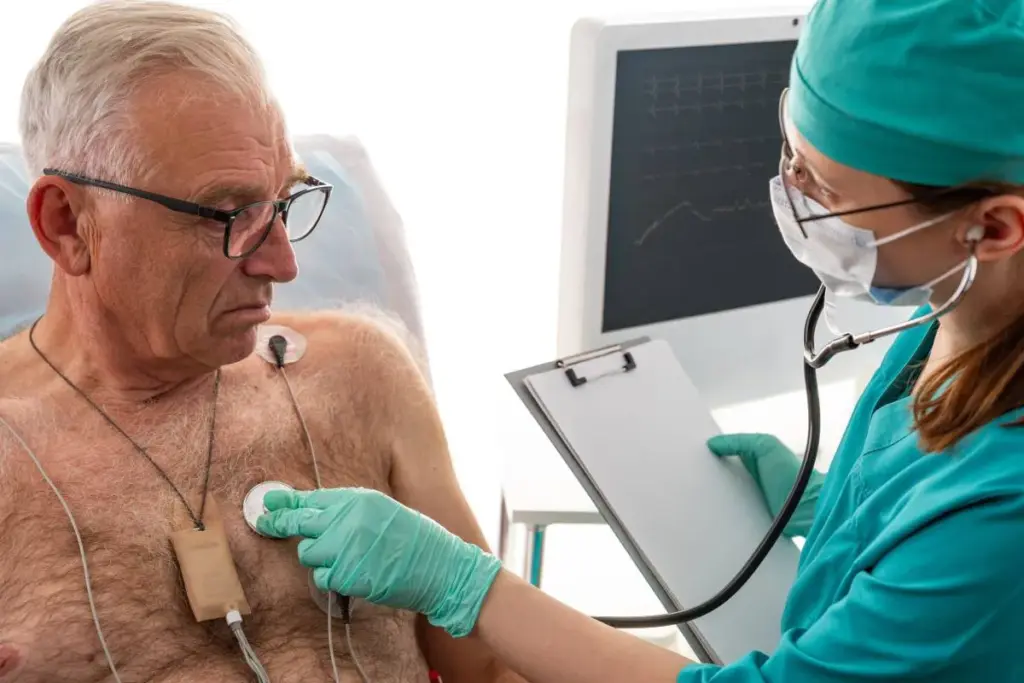
Transcatheter Aortic Valve Replacement (TAVR) is changing heart care. It offers a new way to treat severe aortic stenosis without open-heart surgery.
People with severe aortic stenosis and high risk for surgery are good candidates for TAVR. The TAVR procedure, or transcatheter aortic valve replacement, is a new hope for them.
Medical advancements are making more people eligible for TAVR. Places like MarinHealth are leading the way. They focus on patient care with the latest technology.
Key Takeaways
- TAVR is a minimally invasive alternative to open-heart surgery.
- Candidates are typically those with severe symptomatic aortic stenosis at high risk for surgical aortic valve replacement.
- TAVR candidacy criteria are expanding with evolving medical innovations.
- Patient selection is critical and involves detailed assessment by healthcare professionals.
- Facilities like MarinHealth are at the forefront of TAVR treatment.
Understanding Aortic Stenosis and the Need for Intervention
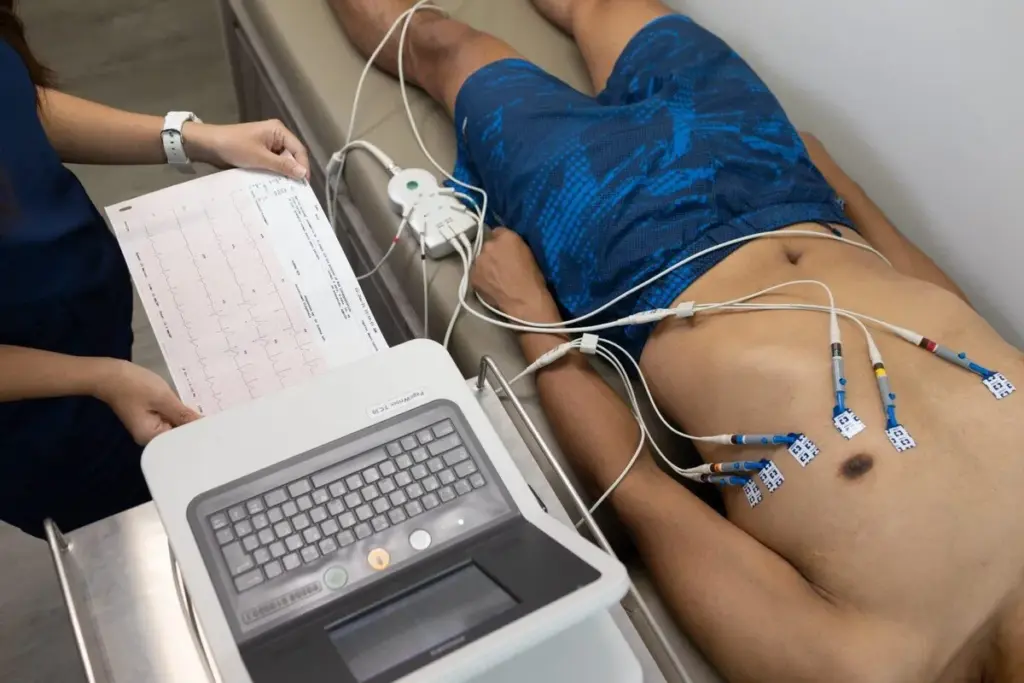
It’s key to know about aortic stenosis to pick the right treatment. This condition can really hurt how well your heart works. It happens when the aortic valve gets too narrow, blocking blood flow.
Pathophysiology of Aortic Stenosis
Aortic stenosis changes the valve in complex ways. It gets calcified and fibrotic, making the valve opening smaller. This makes the left ventricle work harder to push blood through.
As it gets worse, the left ventricle gets bigger. This can lead to heart failure if not treated. The blocked blood flow causes symptoms like chest pain and shortness of breath.
Symptoms and Clinical Presentation
Symptoms of aortic stenosis come on slowly. They might include chest pain, trouble breathing when active, and fainting. Some people don’t show symptoms until the disease is very advanced.
Doctors use echocardiography and cardiac catheterization to check how bad the stenosis is. This helps decide if treatment is needed.
Natural History Without Intervention
Untreated aortic stenosis has a poor outlook. Once symptoms appear, the risk of death is high. Studies show that severe symptoms mean a high risk of death if not treated quickly.
Without treatment, the outlook for severe aortic stenosis is very bad. This makes early diagnosis and treatment critical. The TAVR procedure is a new, less invasive way to treat it, compared to traditional surgery.
The TAVR Procedure: A Minimally Invasive Alternative
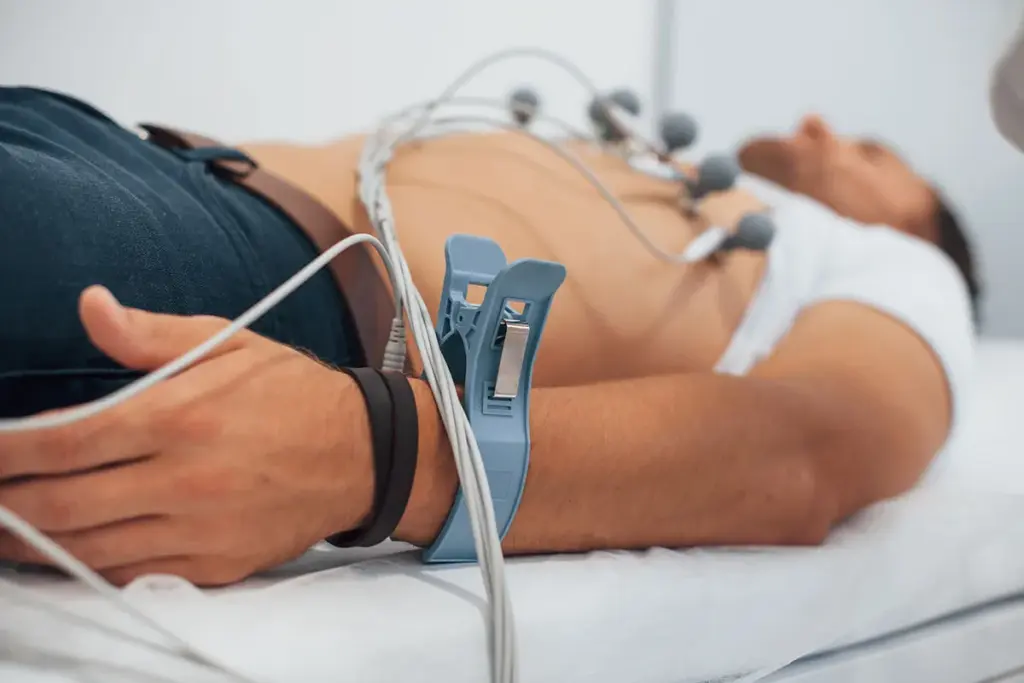
TAVR is a big step forward in heart care. It’s a less invasive way to replace aortic valves. Now, it’s available for more people aged 65 and up, at low and intermediate risk.
The TAVR process has key parts that make it appealing. It’s great for those at high risk for surgery or who want a less invasive method.
How TAVR Works
During TAVR, a catheter goes through an artery in the leg to the heart. Then, a new valve is placed to fix the old one. This fixes blood flow without open-heart surgery.
Key benefits of TAVR include:
- It’s less invasive, which means quicker recovery
- It has fewer risks than traditional surgery
- It can help those who are too high-risk for surgery
Types of TAVR Valves
There are different TAVR valves, like balloon-expandable and self-expandable ones. The right valve depends on the patient’s aortic valve and root.
Procedural Approaches
TAVR can be done in several ways, like through the femoral artery in the leg. This is the most common method.
Choosing how to do TAVR depends on:
- The patient’s anatomy and blood vessel health
- Any artery disease
- The doctor’s experience and preference
Places like Intermountain Health lead in TAVR care. They offer lots of support for patients and their families.
Traditional Surgical Valve Replacement vs. TAVR
TAVR is now a good option for many with severe aortic stenosis. The choice between TAVR and traditional surgery depends on the patient’s health and the severity of their condition.
Open Heart Surgery Approach
Traditional surgery for valve replacement means opening the chest. This method requires a sternotomy and a longer recovery. TAVR, on the other hand, is a minimally invasive heart procedure that doesn’t need open-heart surgery.
For years, open-heart surgery was the go-to for severe aortic stenosis. But it’s riskier, mainly for older patients or those with other health issues.
Recovery Comparison
The recovery times differ greatly between traditional surgery and TAVR. TAVR patients usually have faster recovery times and shorter hospital stays.
Research shows TAVR patients face fewer complications and need less rehab than those who have traditional surgery. This is because TAVR is less invasive.
Risk-Benefit Analysis
Choosing between traditional surgery and TAVR involves weighing risks and benefits. Traditional surgery has a longer history, but TAVR is less invasive and may have fewer short-term risks.
A study found TAVR is as good as surgery for severe aortic stenosis. It’s suitable for those with certain echocardiographic criteria.
Deciding between traditional surgery and TAVR should be based on each patient’s needs. A team of cardiologists, surgeons, and other experts should work together to choose the best option.
Evolution of TAVR Candidacy Guidelines
TAVR guidelines have changed over time. They now include more patients because of better results and outcomes. At first, TAVR was only for those at high risk for surgery or who couldn’t have surgery. But, as technology improved and more research came out, more people can get TAVR now.
Historical Limitations to High-Risk Patients
At the start, TAVR was mainly for patients at high risk for surgery. These patients had serious health issues like lung disease or had had surgery before. The first TAVR devices and methods had more risks, like bleeding and stroke. This made it only for those at high risk.
Expansion to Intermediate-Risk Patients
As TAVR got better and doctors got more experience, studies looked at using it on patients at intermediate risk. The PARTNER 2 and SURTAVI trials showed TAVR was as good as surgery for these patients. This led to more people being able to get TAVR, a less invasive option.
TAVR is good for intermediate-risk patients because it means less time in the hospital and fewer complications. But, choosing the right patient is key. Doctors must consider the patient’s health, the valve’s fit, and how well it will last long-term.
Recent Inclusion of Low-Risk Patients
Studies from 2024-2025 showed TAVR is just as good as surgery for some low-risk patients. This change shows how TAVR technology and techniques have improved. It also shows doctors are more confident in TAVR’s long-term results.
|
Risk Category |
TAVR Indications |
Key Considerations |
|---|---|---|
|
High Risk |
Initially approved for high-risk or inoperable patients |
Severe comorbidities, previous cardiac surgery |
|
Intermediate Risk |
Expanded to include intermediate-risk patients based on PARTNER 2 and SURTAVI trials |
Anatomical suitability, comorbid conditions |
|
Low Risk |
Recent inclusion based on 2024-2025 clinical trials |
Long-term valve durability, patient age, and lifestyle |
As TAVR keeps getting better, places like Allegheny Health Network lead the way. They offer TAVR to more patients. Making TAVR guidelines better will help make sure it helps those who need it most.
High-Risk Surgical Candidates for TAVR
The TAVR procedure is a lifeline for those at high risk for traditional surgery. These patients have complex health needs. A detailed check is needed to see if TAVR is right for them.
Advanced Age Considerations
Age is a big factor in deciding if surgery is safe. Older patients face more risks with open-heart surgery. TAVR is a less invasive option, lowering the chance of complications.
Research shows TAVR works well for those in their 80s and 90s. But, their overall health and any other health issues must be carefully looked at.
Severe Comorbidities
Severe health problems also play a big role. Issues like COPD, diabetes, and kidney problems can affect surgery results. It’s important to fully assess these conditions to see if TAVR is a good choice.
Previous Cardiac Surgery
Those who have had heart surgery before face special challenges. Going back to the operating room is risky, with more bleeding and longer surgery times. TAVR is a safer option, avoiding the need for a second sternotomy.
|
Factor |
Influence on TAVR Candidacy |
Clinical Consideration |
|---|---|---|
|
Advanced Age |
Higher risk due to reduced physiological reserve |
Comprehensive geriatric assessment |
|
Severe Comorbidities |
Increased risk of perioperative complications |
Multidisciplinary evaluation of comorbid conditions |
|
Previous Cardiac Surgery |
Increased risk due to adhesions and bleeding |
Careful review of previous surgical reports and imaging |
In conclusion, patients at high risk for TAVR need a detailed evaluation. This includes looking at their age, health problems, and past surgeries. By carefully considering these factors, doctors can choose the best treatment, improving patient outcomes.
Intermediate-Risk Patients Eligible for TAVR
New guidelines now allow TAVR for patients at intermediate risk. This change is thanks to better TAVR technology and more clinical evidence. It gives hope to those who couldn’t get traditional surgery before.
Risk Assessment Scoring Systems
Risk scoring systems are key in deciding if TAVR is right for a patient. They help doctors figure out the risk of surgery problems and death. This helps make treatment choices.
The Society of Thoracic Surgeons (STS) score is a top tool for this. It looks at many clinical factors to predict surgery risks.
STS Score Interpretation
Understanding the STS score is vital. A score between 4% and 8% usually means a patient is at intermediate risk. But, other health factors can change this.
Doctors must look at the STS score and other health details to pick the best treatment for these patients.
Clinical Trial Evidence Supporting Intermediate-Risk TAVR
Many important studies have shown TAVR works well for intermediate-risk patients. These studies found TAVR can be as good as or better than traditional surgery for these patients.
The PARTNER 2 and SURTAVI trials are key examples. They prove TAVR is a good choice for patients at intermediate risk.
As more evidence comes in, TAVR might become available to even more people. This could greatly improve their lives.
Low-Risk Patient Selection for TAVR
<SEP-9051_image_4>
Recent studies have shown TAVR’s success in low-risk patients. This has led to new guidelines for who can get TAVR. Advances in technology and techniques have made it possible for more people to benefit.
Age Thresholds for Low-Risk Patients
Choosing the right age for TAVR is key. Clinical trials suggest that people over 65 with severe aortic stenosis can do well with TAVR. The decision to have TAVR depends on age, health, and other factors..
2024-2025 Clinical Trial Results
Trials from 2024 to 2025 have shed light on TAVR’s benefits for low-risk patients. They showed that TAVR is often as good as, or even better than, open-heart surgery.
|
Trial Name |
Patient Profile |
TAVR Outcomes |
SAVR Outcomes |
|---|---|---|---|
|
TAVR-LR-2024 |
Low Risk, Age >65 |
95% success rate |
92% success rate |
|
EVOLVE TAVR |
Intermediate-risk, Age >60 |
93% success rate |
90% success rate |
Non-Inferiority and Recovery Advantages
TAVR offers big benefits for low-risk patients. It means shorter hospital stays and quicker recovery times. Studies have also shown TAVR is just as safe as traditional surgery.
For example, Allegheny Health Network’s Saint Vincent Hospital has been a leader in using TAVR for low-risk patients. They use the latest research to make treatment choices.
Essential Echocardiographic Criteria for TAVR Candidates
Echocardiography is key in figuring out if someone can get Transcatheter Aortic Valve Replacement (TAVR). It shows how well the aortic valve is working. Doctors use this info to see if a patient is right for TAVR.
Aortic Valve Area Measurements
The size of the aortic valve area is a main check for TAVR. If it’s under 1.0 cm², it means the valve is severely blocked. This is a big sign that TAVR might be needed.
Mean Pressure Gradient Thresholds
The mean pressure gradient is another important check. A value over 40 mmHg shows severe blockage. This test, done with Doppler echocardiography, helps doctors decide if TAVR is a good choice.
Peak Velocity Assessment
The peak velocity of blood flow is also checked. If it’s over 4.0 m/s, it means the valve is severely blocked. This test shows how bad the blockage is.
Places like Intermountain Health use many tests, like cardiac CT and MRI, along with echocardiography. These tests help doctors make sure TAVR is the best choice for a patient.
Anatomical Considerations for TAVR Eligibility
TAVR eligibility depends on several key anatomical factors. These factors must be carefully checked. The suitability of a patient for TAVR is a detailed process.
Aortic Root Dimensions
The size of the aortic root is very important. It determines the right size of the TAVR valve. Getting the measurement right is key for the valve to work well.
Aortic root dimensions play a big role in TAVR success. MarinHealth uses advanced technology for accurate measurements.
|
Aortic Root Dimension |
Importance |
Measurement Technique |
|---|---|---|
|
Aortic Annulus Diameter |
Critical for valve sizing |
CT Angiography |
|
Aortic Sinus Diameter |
Affects valve positioning |
Echocardiography |
|
Sinotubular Junction Diameter |
Influences valve stability |
CT Angiography |
Coronary Ostia Height
The height of the coronary ostia is also very important. It must be enough to prevent the TAVR valve from blocking.
Vascular Access Evaluation
Accessing the blood vessels is a big part of TAVR. The size and calcification of the iliofemoral arteries are checked. This helps decide if the transfemoral approach is possible.
- Evaluation of iliofemoral artery diameter
- Assessment of vascular calcification
- Consideration of alternative access routes if necessary
Bicuspid Valve Considerations
Patients with bicuspid aortic valves face special challenges. The unique shape of their valves needs careful evaluation for TAVR.
Bicuspid valve anatomy can impact the success of the procedure. Advanced imaging helps to understand the valve’s shape.
Frailty and Functional Status Assessment
Evaluating the frailty and functional status of TAVR candidates is key. It helps predict how well they will do after the procedure.
Frailty is a condition where people have less strength and are more likely to get sick. Doctors use it to find out who might face more risks with TAVR.
Frailty Scoring Systems
There are several ways to measure frailty in patients. These include:
- The Fried Frailty Index
- The Rockwood Clinical Frailty Scale
- The Essential Frailty Toolset
These tools look at things like weight loss, weakness, and how active someone is.
Impact on Procedural Outcomes
Frailty can lead to serious problems after TAVR. This includes:
- Higher chance of death
- Longer hospital stays
- More complications
Checking frailty before the procedure helps doctors decide who is best suited for TAVR.
Rehabilitation Potencial
How well someone can function after TAVR is important. Those who are less able may need more help to get better.
Places like the Allegheny Health Network offer cardiac rehab. They help TAVR patients recover.
Knowing about a patient’s frailty and function helps doctors plan better care. This way, they can improve outcomes for their patients.
Comorbidities That Influence TAVR Candidacy
When looking at patients for TAVR, it’s key to think about how different health issues affect the outcome. Having many health problems can change how likely it is that TAVR will be a good choice.
Pulmonary Disease Impact
Chronic obstructive pulmonary disease (COPD) and other lung issues can make TAVR tricky. Severe lung problems might raise the chance of breathing trouble after the procedure. So, it’s important to check lung health before TAVR.
Pulmonary function tests, like spirometry and diffusion capacity, help figure out lung disease severity. Those with severe COPD might need to get their lungs ready for TAVR with treatments and exercises.
Renal Function Considerations
Problems with the kidneys are a big deal for TAVR results. People with kidney disease or on dialysis face higher risks, like kidney injury and death.
Checking renal function with blood tests is essential. Those with bad kidney health might need careful water intake and less contrast dye during TAVR to avoid kidney damage.
Neurological Status Evaluation
Neurological health is also very important for TAVR. Patients who have had strokes or TIAs might be more likely to have more brain problems.
A detailed neurological evaluation is needed to spot those at risk. This includes looking at past brain issues and how they might change after TAVR.
Liver Disease Implications
Liver problems, like cirrhosis, can also affect TAVR results. This is because of issues like bleeding problems, low albumin, and other metabolic issues.
Using scores like the Model for End-Stage Liver Disease (MELD) score can help understand liver disease severity. Patients with serious liver disease might need a closer look at the risks and benefits of TAVR, possibly with help from liver specialists.
Absolute Contraindications for TAVR
TAVR candidacy is carefully evaluated. Certain absolute contraindications exclude patients from this minimally invasive procedure. It’s important for healthcare providers to know these contraindications to make informed decisions.
Active Infections
Patients with active infections are generally not good candidates for TAVR. Infections can lead to severe consequences during the procedure, such as endocarditis and sepsis. MarinHealth’s providers use a single electronic medical record to consider all patient information when assessing infection risk.
“The presence of an active infection is a significant contraindication for TAVR, as it elevates the risk of procedural complications and adverse outcomes.”
Severe Kidney Dysfunction
Severe kidney dysfunction is another absolute contraindication for TAVR. Patients with advanced kidney disease may face higher risks during and after the procedure. The kidney function assessment is a critical part of the pre-TAVR evaluation.
|
Kidney Function Status |
TAVR Suitability |
|---|---|
|
Normal/Mild Dysfunction |
Suitable |
|
Moderate Dysfunction |
Caution Advised |
|
Severe Dysfunction |
Generally Not Suitable |
Non-Calcified Valves
TAVR is typically for patients with calcified aortic valves. Non-calcified valves are a challenge for TAVR because the procedure relies on calcification to anchor the new valve. Patients with non-calcified valves may need other treatments.
Life Expectancy Considerations
Life expectancy is a key factor in determining TAVR candidacy. Patients with limited life expectancy may not benefit from the procedure. A thorough assessment of the patient’s overall health and prognosis is essential.
Understanding these absolute contraindications helps healthcare providers identify suitable candidates for TAVR. This ensures patients receive the most appropriate care for their condition.
Relative Contraindications and Special Considerations
When looking at patients for TAVR, it’s key to think about relative contraindications. These are conditions that might make TAVR harder or riskier. But they don’t always mean TAVR can’t be done. Each patient’s health and the benefits of TAVR are considered carefully.
Coronary Artery Disease Requiring Intervention
Coronary artery disease (CAD) needing treatment is a big factor in TAVR decisions. Patients with CAD might need to have their coronary arteries treated first. The Heart Team approach, used by places like Allegheny Health Network, helps decide the best way to handle CAD with TAVR.
Other Valvular Disease
Patients with other serious heart valve problems need a close look. Having more than one valve issue can make TAVR harder and affect results. A team of experts must work together to figure out the best plan for these complex cases.
Previous Radiation Therapy
Having had radiation to the chest can make TAVR tricky. This is because radiation can cause scarring and hardening in the aortic valve and nearby areas. A detailed check is needed to see if TAVR is safe and possible.
In summary, relative contraindications and special considerations are very important in TAVR decisions. By carefully looking at these factors, doctors can make choices that help patients the most.
The Heart Team Approach to TAVR Candidate Selection
MarinHealth values equity, diversity, and inclusion. They use a Heart Team Approach for TAVR candidate selection. This team includes many healthcare professionals. It ensures patients get care that fits their needs.
Multidisciplinary Team Composition
The Heart Team has cardiologists, surgeons, imaging experts, and more. This multidisciplinary team works together. They decide the best treatment for each patient.
The team’s makeup can change based on the hospital. But, it usually includes:
- Interventional cardiologists
- Cardiothoracic surgeons
- Imaging specialists (e.g., echocardiographers, radiologists)
- Heart failure specialists
- Other support staff (e.g., nurses, social workers)
Shared Decision-Making Process
The Heart Team uses a shared decision-making process. They talk about the patient’s condition and treatment options. This helps them decide the best course of action.
|
Team Member |
Role in Decision-Making |
|---|---|
|
Interventional Cardiologist |
Assesses patient’s suitability for TAVR |
|
Cardiothoracic Surgeon |
Evaluates patient’s need for surgical intervention |
|
Imaging Specialist |
Provides diagnostic imaging to inform treatment decisions |
Role of Patient Preferences
Patient preferences are important in the decision-making process. The Heart Team considers the patient’s values and goals. This helps them choose the right treatment.
For example, a patient might prefer TAVR over open-heart surgery. The team will think about this when deciding if TAVR is right for them.
By considering patient preferences and using shared decision-making, the Heart Team Approach offers personalized care. This care meets the patient’s unique needs and values.
Conclusion: The Expanding Future of TAVR Eligibility
TAVR is becoming a better option for more patients. It’s a key treatment for aortic stenosis. It offers benefits like less invasive procedures and quicker recovery times.
Healthcare providers like Intermountain Health are dedicated to top-notch care. They make sure patients get the best treatment for their needs. TAVR is now available to more people, making it easier to access.
The future of TAVR is bright. Ongoing research and new technology will make it even safer and more effective. As more people qualify, more will enjoy the benefits of TAVR.
FAQ
What is TAVR and how does it differ from traditional surgical valve replacement?
TAVR, or Transcatheter Aortic Valve Replacement, is a new way to treat aortic stenosis. It’s different from traditional surgery because it’s done through a small tube. This tube is inserted into an artery in the leg and guided to the heart.
What is aortic stenosis and why is treatment necessary?
Aortic stenosis is when the aortic valve gets too narrow. This blocks blood flow from the heart. Without treatment, it can cause heart failure, chest pain, and even death. Treatment helps to relieve symptoms and improve life expectancy.
Who is a candidate for TAVR?
At first, TAVR was only for high-risk patients. But now, it’s also considered for those at lower risk. The choice to have TAVR depends on many factors, like age and health.
What are the benefits of TAVR compared to traditional surgical valve replacement?
TAVR is less invasive, which means less recovery time and fewer complications. It’s also good for patients at high risk for surgery or those who have had heart surgery before.
What are the risks and complications associated with TAVR?
TAVR is mostly safe, but there are risks. These include problems at the access site, stroke, and leaks around the valve. Other risks include bleeding, kidney issues, and needing a pacemaker.
How is frailty assessed in TAVR candidates?
Frailty is checked using scoring systems. These look at physical function, brain health, and nutrition. Assessing frailty helps predict how well a patient will do after the procedure.
What comorbidities can influence TAVR candidacy?
Certain health conditions can affect TAVR candidacy. These include lung disease, kidney problems, brain issues, and liver disease. These conditions can change the risk of complications and the outcome of the procedure.
What are the absolute contraindications for TAVR?
Some conditions make TAVR not suitable. These include active infections, severe kidney disease, non-calcified valves, and a short life expectancy. Patients with these conditions usually can’t have TAVR.
How is the decision to undergo TAVR made?
Deciding on TAVR involves a team of doctors. This team includes cardiologists, surgeons, and imaging experts. They consider the patient’s history and what’s best for them to decide on treatment.
What is the role of echocardiography in evaluating TAVR candidates?
Echocardiography is key in checking TAVR candidates. It shows how severe the aortic stenosis is. This helps doctors decide if TAVR is right for the patient.
What are the anatomical considerations for TAVR eligibility?
The shape of the aorta and the location of the coronary arteries are important. So is the size of the aorta and the type of valve. These factors can affect how well the procedure works and the risk of problems.
References
The Lancet. Evidence-Based Medical Insight. Retrieved from https://www.thelancet.com/journals/lancet/article/PIIS0140-6736(12)60508-7/fulltext



 Departments
 Related Videos
 Our Doctors
 News
News


