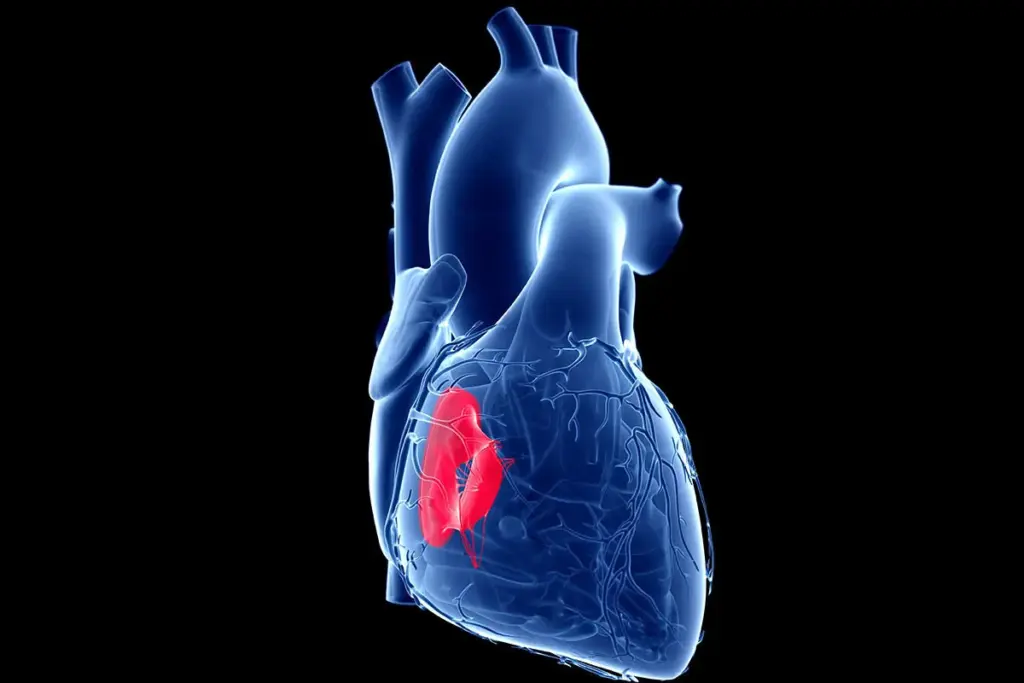
Severe aortic stenosis affects thousands in the U.S. each year. For those with this condition, Transcatheter Aortic Valve Replacement (TAVR) is a possible treatment. It’s great for those at high risk for open-heart surgery.
Those with severe aortic stenosis who can’t have open-heart surgery can try TAVR. This procedure is less invasive. It has changed how we treat aortic stenosis, giving hope to many. Who is a candidate? Learn the crucial TAVR procedure criteria and powerful facts about the selection process for this amazing replacement today.
Key Takeaways
- TAVR is a viable option for patients with severe aortic stenosis who are at high risk for traditional open-heart surgery.
- The procedure is minimally invasive, reducing recovery time and risks associated with open-heart surgery.
- Patients deemed inoperable or high risk for open aortic valve replacement can be referred for TAVR evaluation.
- TAVR has revolutionized the treatment of aortic stenosis, giving new hope to those who may not have been good candidates for traditional surgery.
- Understanding TAVR candidacy is key for patients and healthcare providers to make informed decisions about treatment options.
Understanding Aortic Stenosis and Its Impact on Heart Health

Aortic stenosis is a heart disease where the aortic valve gets narrower. This blocks blood flow from the heart to the body. It can cause chest pain, shortness of breath, and fainting.
What happens in aortic stenosis
The narrowing of the valve makes the heart work harder. This can make the heart muscle thicken and reduce its function. It can be caused by aging, birth defects, or rheumatic fever.
Symptoms and progression of the disease
Symptoms include chest pain, shortness of breath, and fainting. As it gets worse, these symptoms can get worse too. Early diagnosis is key to manage symptoms and choose the right treatment.
Diagnostic criteria for severe aortic stenosis
Severe aortic stenosis is diagnosed with specific echocardiogram criteria. These include a mean gradient over 40 mmHg, a jet velocity over 4.0 m/s, and an aortic valve area under 0.8 cm. These help doctors decide on the best treatment.
Knowing these criteria is vital for doctors to assess aortic stenosis severity. They can then suggest treatments like Transcatheter Aortic Valve Replacement (TAVR) to help patients.
What is the TAVR Procedure?
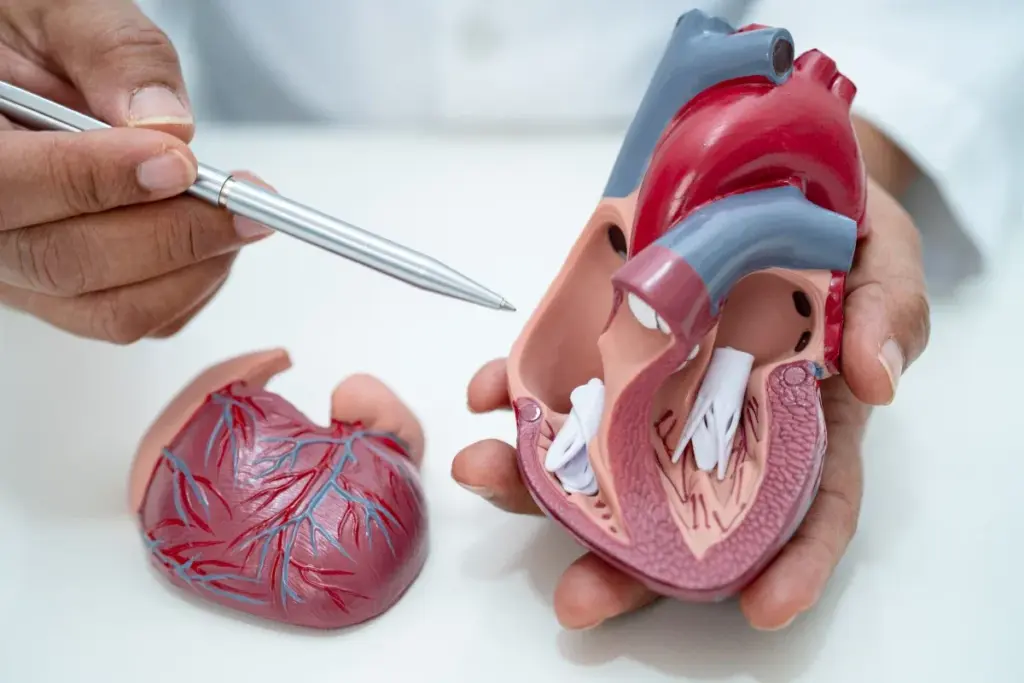
For those with aortic stenosis, TAVR is a minimally invasive fix. It’s a way to replace the aortic valve without open-heart surgery. This method, known as TAVR, involves the implantation of a new valve via catheter.
Definition and Development of TAVR/TAVI
TAVR uses a catheter to put in a new valve. This method has grown a lot, thanks to new tech. Now, more people can get this treatment.
It was made for those at high risk for surgery or who can’t have it. TAVR is now a key option for many, giving them hope.
How TAVR Differs from Traditional Open-Heart Surgery
TAVR is different because it’s less invasive. It doesn’t need a big chest cut like traditional surgery. Instead, it uses a small incision, often in the groin or chest.
Minimally Invasive Approach and Benefits
The small incision of TAVR brings big benefits. These include:
- Shorter hospital stays
- Less recovery time
- Lower risk of complications
- Less scarring
“TAVR is a big step forward for treating aortic stenosis. It gives patients a quicker, less invasive option.”
|
Aspect |
TAVR |
Open-Heart Surgery |
|---|---|---|
|
Incision Size |
Small |
Large |
|
Recovery Time |
Shorter |
Longer |
|
Risk of Complications |
Lower |
Higher |
Evolution of TAVR Candidacy: From High-Risk to Low-Risk Patients
The way we treat aortic stenosis has changed a lot. At first, TAVR was only for those at high risk or who couldn’t have open-heart surgery. But, thanks to new tech and positive trial results, more people can get TAVR now.
Historical Limitations of TAVR
When TAVR first started, it was only for high-risk or inoperable patients. This was because the tech was new and picking the right patients was key for safety and success.
Expanding Indications Based on Clinical Trials
Clinical trials have been key in making TAVR available to more people. They’ve shown TAVR is safe and works well for different patients. This has helped make TAVR a better option for more patients.
Current FDA Approvals and Guidelines
The FDA has updated its rules to reflect new evidence on TAVR. Now, TAVR is approved for patients at all risk levels. The key indications for TAVR include:
- Severe symptomatic aortic stenosis
- High or extreme surgical risk
- Intermediate to low surgical risk, as determined by a heart team
Healthcare providers need to keep up with the latest TAVR indications and contraindications. This ensures they can give the best care to their patients.
Medical Conditions That Qualify You for the TAVR Procedure
Some heart conditions make you a good candidate for Transcatheter Aortic Valve Replacement (TAVR). This procedure is less invasive. It depends on how severe your aortic stenosis is, if you have symptoms, and your overall health.
Severe Symptomatic Aortic Stenosis Criteria
Severe symptomatic aortic stenosis is a main reason for TAVR. Severe aortic stenosis means your aortic valve opening is very narrow. This blocks blood flow from your heart. Symptoms include chest pain, shortness of breath, and fainting.
Those with severe symptoms and are at risk for surgery complications usually get TAVR.
Valve-in-Valve Procedures for Failed Bioprosthetic Valves
TAVR is also for valve-in-valve procedures. This is for patients with failed bioprosthetic aortic valves. A new TAVR valve is placed inside the old one.
This is great for those who’ve had valve replacement surgery before and are at high risk for more surgery.
Bicuspid Aortic Valve Considerations
A bicuspid aortic valve is a congenital condition. It has only two cusps instead of three. While it’s not a complete no-go for TAVR, it needs careful checking.
Advanced imaging is used to see if TAVR is right for you.
These conditions show how important a detailed check-up is for TAVR. Knowing the criteria helps doctors choose the best treatment for complex heart valve diseases.
Age Considerations in TAVR Candidacy
Age is a big factor when deciding if someone can get a transcatheter aortic valve replacement (TAVR). As more people get older, TAVR becomes a more common treatment for aortic stenosis.
Outcomes in Elderly Patients
Elderly patients often do well with TAVR. Studies show they live longer and feel better. This is because TAVR is less invasive, making it a good choice for older adults with health issues.
- Reduced risk of complications compared to open-heart surgery
- Shorter hospital stays and recovery times
- Significant improvement in symptoms and functional status
Valve Durability Concerns in Younger Patients
Younger patients worry about how long the TAVR valve will last. TAVR works well for older people, but its long-term performance in the young is being studied.
Choosing TAVR for younger patients means weighing the benefits against the risks. This includes thinking about if more surgeries might be needed later.
The Complete TAVR Evaluation Process
When checking if a patient is right for TAVR, doctors use many tests and a team of experts. This detailed check is key to see if TAVR is a good choice for the patient.
Needed Diagnostic Tests and Images
There are key tests to see if TAVR is right for someone. These include:
- Echocardiography to check heart function and valve shape
- Computed Tomography (CT) scans to measure valve size and find the best way to reach it
- Coronary angiography to look at heart artery disease
- Electrocardiogram (ECG) to check heart rhythm
- Blood tests to check overall health and kidney function
The Multidisciplinary Heart Team Approach
A team of doctors, including cardiologists and surgeons, is very important in TAVR checks. They look at the test results, talk about the patient’s health, and choose the best treatment.
Shared Decision-Making with Patients
It’s very important to involve patients in the TAVR decision. The team talks with the patient and their family about the risks and benefits of TAVR. This way, the treatment fits what the patient wants and needs.
By working together, the team can give personalized care. This makes patients happier and gets better care for everyone.
Comparing TAVR to Surgical Aortic Valve Replacement
TAVR and SAVR have different procedures, recovery times, and outcomes. These differences are key for those with aortic stenosis.
Differences in procedure, recovery, and outcomes
TAVR is less invasive than SAVR. It uses a small incision, often in the groin or chest, to put in a new valve. SAVR, on the other hand, opens the chest for open-heart surgery.
TAVR usually means shorter hospital stays and quicker recovery times.
Recovery outcomes vary a lot. TAVR patients often get back to normal in a few weeks. SAVR patients need more time, sometimes months.
When surgery might be better than TAVR
Even with TAVR’s benefits, SAVR might be better for some. This includes those with complex heart disease or other surgeries needed.
Hybrid approaches for complex cases
For complex cases, a hybrid approach might be used. This combines TAVR and SAVR. It’s a team effort between surgeons and cardiologists.
Hybrid approaches offer customized care. They can improve outcomes for complex cases.
Anatomical Considerations for TAVR Candidates
For TAVR procedures to be successful, a detailed look at the patient’s body is key. This means checking the blood vessels and the aortic valve’s structure carefully.
Valve Sizing and Access Route Evaluation
Getting the valve sizing right is vital for the TAVR device to work well. This is done with advanced imaging like CT angiography. Also, figuring out the best access route is important. It helps decide where to start the procedure, like through the leg or chest.
Addressing Challenging Anatomies
Some patients have challenging anatomies, like tricky aortic roots or big vascular problems. These cases need extra planning and sometimes special tools or devices.
Innovations in Valve Design for Complex Cases
New innovations in TAVR valve design help treat complex cases better. These advancements include devices that can be moved and better seal options. They make TAVR safer and more effective for tough cases.
Contraindications: When TAVR Is Not Recommended
Not every patient with aortic stenosis can get TAVR. This is because of certain conditions that make the procedure too risky. TAVR has opened up new treatment options for many, but some cases are not safe.
Absolute Contraindications to the Procedure
Some conditions make TAVR too dangerous or not possible. This includes severe peripheral artery disease that makes it hard to access the blood vessels. Also, an active infection could make the procedure and recovery more complicated.
Relative Contraindications Requiring Special Consideration
Some conditions might not completely stop TAVR but need extra thought. For example, patients with certain body shapes or mixed aortic valve disease need a closer look.
Alternative Treatments for Non-Candidates
For those who can’t have TAVR, other treatments are available. Surgical aortic valve replacement (SAVR) might be an option for those who can handle surgery. For others, managing symptoms with medicine might be the best choice.
Life After TAVR: Recovery and Long-term Outcomes
Life after TAVR is marked by a short recovery and ongoing monitoring. Patients see big improvements in their quality of life. Most return to their usual activities in just a few weeks.
Typical Recovery Timeline and Restrictions
The time it takes to recover from TAVR varies. But most people can get back to normal in 1-3 months. “The recovery is quick,” say cardiologists, “with big symptom improvements in the first weeks.”
At first, patients might need to avoid heavy lifting or hard activities. But these limits are usually removed as they heal.
Long-term Valve Durability and Monitoring Requirements
Studies show TAVR valves work well over time. It’s key to keep an eye on the valve to catch any problems early.
A study in a top cardiology journal found,
“TAVR has shown great long-term valve durability, with few complications.”
Quality of Life Improvements after TAVR
TAVR brings big gains in quality of life. Patients feel less short of breath and chest pain. This lets them do things they love again.
Asa leading cardiologist, notes, “TAVR has changed how we treat aortic stenosis. It offers a less invasive way to greatly improve life quality.”
Insurance Coverage and Financial Considerations for TAVR
Understanding insurance for TAVR can be tricky. It’s key for those thinking about this life-saving option.
Documentation for Approval
To get insurance okay, you need lots of paperwork. This includes test results, health history, and a team review.
Patient Assistance Programs
Patient help programs can be a big help if you’re struggling financially. They cover costs, travel, and more.
Patients should team up with doctors and insurers. This way, they can figure out the best financial help.
Conclusion: Making an Informed Decision About TAVR
Patients thinking about transcatheter aortic valve replacement (TAVR) need to know a lot about it. They should understand its benefits and risks. Knowing if you’re a good candidate for TAVR is key.
Choosing TAVR should be a careful decision. You should talk to your doctors about your health and what TAVR means for you. This way, you can make a choice that’s best for your heart.
Deciding on TAVR means listening to your heart team. This includes cardiologists and surgeons. It’s important to ask questions and clear up any doubts you have.
Being well-informed about TAVR helps you take charge of your care. It ensures you get the best treatment for your heart condition.
FAQ
What is TAVR and how does it differ from traditional aortic valve replacement surgery?
TAVR, or Transcatheter Aortic Valve Replacement, is a new way to replace the aortic valve. It uses a catheter to put in a new valve through an artery. This is different from traditional surgery, which opens the chest.
What is aortic stenosis and how is it diagnosed?
Aortic stenosis is when the aortic valve gets too narrow. This blocks blood flow from the heart. Doctors use echocardiography to check the valve area and blood flow. They also do cardiac catheterization tests.
Who is a candidate for TAVR?
TAVR is for people with severe aortic stenosis who are at high or intermediate risk for open-heart surgery. This includes those with certain health conditions and bicuspid aortic valve.
How has TAVR candidacy evolved over time?
At first, TAVR was only for high-risk patients. But with new research and positive results, it’s now for lower-risk patients too. This has opened up more opportunities for TAVR.
What are the diagnostic criteria for severe aortic stenosis?
Severe aortic stenosis is diagnosed by looking at the echocardiogram. It checks the valve area, mean gradient, and peak velocity. If these are too high, it’s severe.
What is the role of the multidisciplinary heart team in TAVR evaluation?
The heart team, made up of doctors and specialists, decides if TAVR is right for you. They talk about the risks and benefits. They also consider other treatment options.
How does TAVR compare to surgical aortic valve replacement in terms of recovery and outcomes?
TAVR usually means a quicker recovery than surgery. It has fewer complications for high-risk patients. But, surgery might be better for some.
What are the contraindications for TAVR?
TAVR is not for everyone. Certain conditions that make it too risky are absolute contraindications. Some conditions need careful thought before deciding on TAVR.
What is the typical recovery timeline after TAVR?
Recovery from TAVR takes a few weeks. Most people can get back to normal in a month. But, they need to follow up with their doctor.
How is valve durability monitored after TAVR?
Doctors check how well the valve is working with regular echocardiograms. They also schedule follow-up visits to make sure everything is okay.
Can younger patients undergo TAVR?
While TAVR is more common in older patients, younger people might also be considered. It depends on the individual case, looking at the benefits and risks.
What are the benefits of TAVR for patients with severe aortic stenosis?
TAVR is a less invasive option compared to traditional surgery. It can lead to a quicker recovery and fewer complications. This improves the quality of life for those with severe aortic stenosis.