
Transcatheter Aortic Valve Replacement (TAVR) has changed how we treat aortic stenosis. It’s a less invasive option compared to open-heart surgery. A big worry for patients is how long they’ll stay in the hospital. Hospital stay length can vary a lot, depending on the patient’s health and the TAVR procedure details.
What is the TAVR recovery time? Learn how a fast-track hospital stay gets you home sooner and back to the life you love after surgery.
After a TAVR, patients usually stay in the hospital for a few days. This is for monitoring and initial recovery. How fast a patient recovers and any complications can affect the stay length. Knowing the average hospital time helps patients and their families get ready for the procedure and care after.
Key Takeaways
- The length of hospital stay after TAVR varies based on individual health and recovery.
- Patients usually spend a few days in the hospital after the procedure.
- Monitoring and initial recovery are key factors in determining hospital stay duration.
- Understanding average hospital stay can help patients prepare for TAVR.
- Post-operative care is critical for a successful TAVR recovery.
Understanding TAVR: A Brief Overview
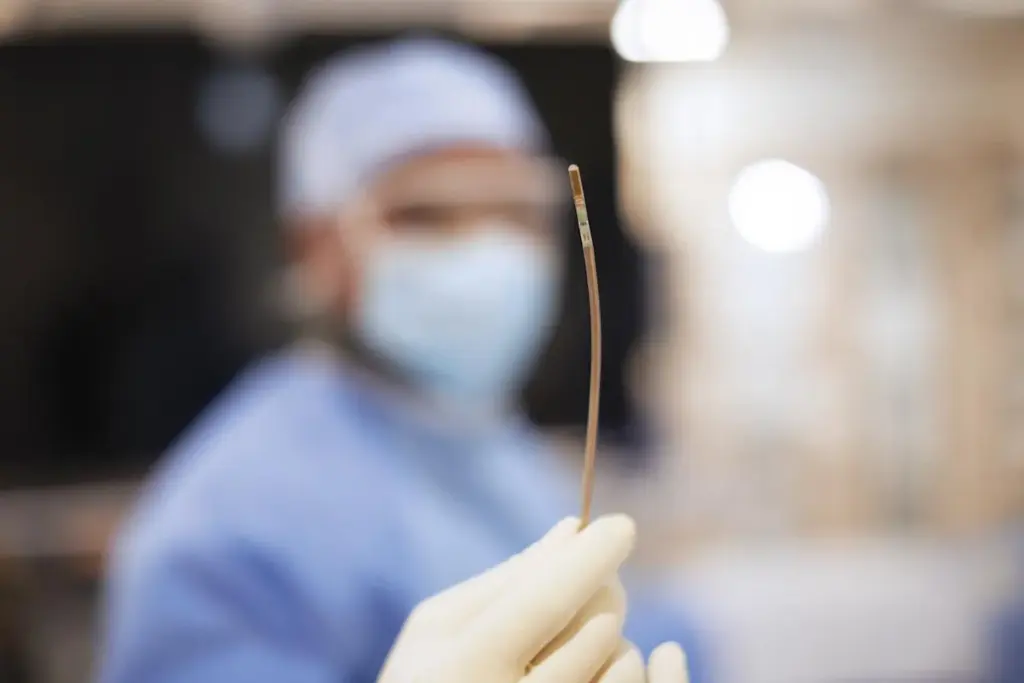
TAVR is a key treatment for aortic valve disease. It’s a procedure that has changed how we treat aortic stenosis. This condition makes the aortic valve narrow, blocking blood flow from the heart.
What is TAVR and who needs it?
TAVR is a minimally invasive procedure for replacing a narrowed aortic valve. It’s great for those at high risk or not fit for open-heart surgery. The new valve is delivered through a catheter, usually from the leg, without a big chest cut.
Those needing TAVR often have severe aortic stenosis. They might feel chest pain, shortness of breath, or faint. TAVR is for those who:
- Are at high risk for open-heart surgery due to age or health conditions.
- Have had previous heart surgery.
- Suffer from severe aortic stenosis.
How TAVR differs from traditional valve replacement
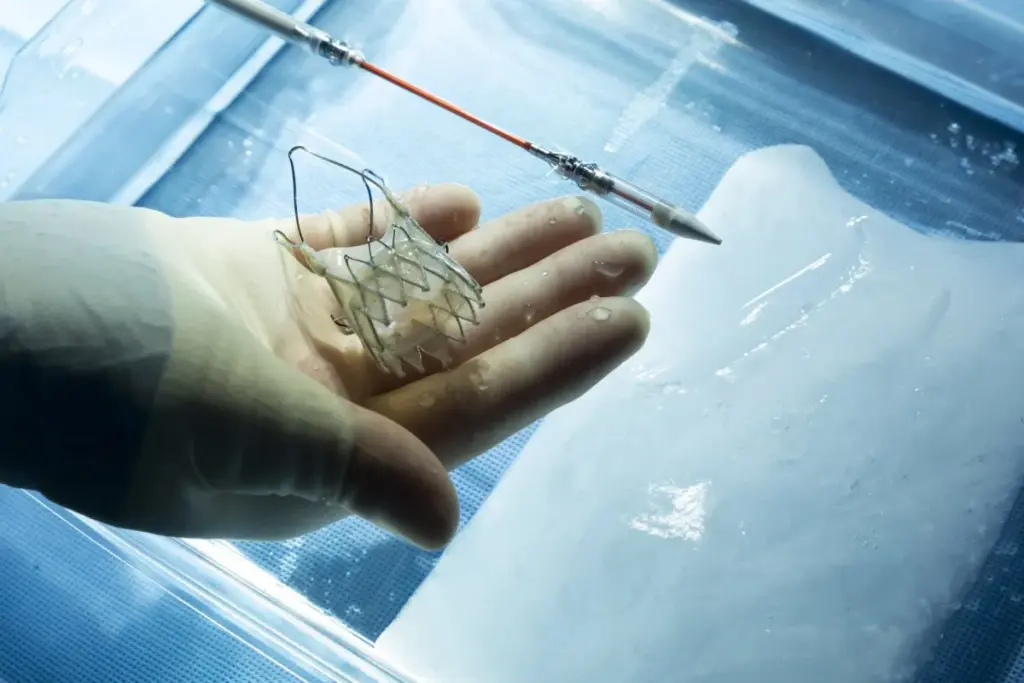
TAVR is different from traditional valve replacement surgery. The old way needs a big chest cut, stops the heart, and uses a heart-lung machine. TAVR, on the other hand, is less invasive. It uses imaging to place the new valve through a small incision, usually in the groin.
The benefits of TAVR include:
- Reduced recovery time: TAVR leads to shorter hospital stays and quicker recovery than open-heart surgery.
- Less invasive: It’s safer for high-risk patients because it’s less risky than open-heart surgery.
TAVR Recovery Time: Hospital Stay Duration
After TAVR, how long you stay in the hospital matters a lot. It affects how well you recover and how happy you are with your care.
Average Length of Hospital Stay
The time you spend in the hospital after TAVR is getting shorter. Studies show it’s usually between 2 to 5 days. Some patients might even go home in 24 to 48 hours.
- People with fewer health problems tend to leave the hospital sooner.
- Those who have TAVR through the femoral artery often leave faster than others.
Comparison to Traditional Open-Heart Surgery Stays
TAVR means you usually don’t have to stay in the hospital as long as with open-heart surgery. Open-heart surgery can keep you in the hospital for 5 to 10 days or more. This depends on your health and if any complications arise.
- TAVR is less invasive, causing less damage and trauma.
- Smaller cuts mean less pain and a quicker recovery.
Research shows that going home within 72 hours after TAVR leads to better results. This shows how key quick and effective care is after the procedure.
The TAVR Procedure: Duration and Process
Understanding the TAVR procedure is key for those considering it. It uses a catheter to put a new valve in the heart. This is a less invasive option compared to open-heart surgery.
How long does a TAVR procedure take?
The TAVR procedure usually lasts between 1 to 3 hours. The time can vary based on the patient’s health and the procedure’s complexity. Doctors say the quickness of the procedure comes from its efficiency and advanced imaging.
What happens during the procedure
A catheter is inserted through a small leg incision and guided to the heart. A balloon valvuloplasty might be done to get the valve ready for the new one. Then, the new valve is deployed, and its function is checked with imaging.
“The TAVR procedure has changed how we treat aortic stenosis,” says a top cardiologist. “It offers a less invasive option with faster recovery times.”
A team of specialists watches over the procedure to ensure it’s safe and works well. After, patients go to a recovery area for close monitoring.
Immediate Post-Procedure Recovery
Recovery after TAVR starts right away, with the first 24 hours being key. During this time, patients are watched closely for any issues or reactions to the procedure.
First 24 hours after TAVR
The first 24 hours after TAVR are very important. Patients usually stay in the ICU or a step-down unit. Here, doctors and nurses keep a close eye on them.
Vital signs are checked often, and any needed help is given right away.
- Continuous monitoring of heart rate, blood pressure, and oxygen saturation.
- Assessment of neurological status and overall comfort.
- Management of pain and discomfort as needed.
ICU monitoring and care
ICU monitoring is key in post-TAVR care. It helps catch problems early. The team includes experts in caring for TAVR patients. Advanced monitoring techniques track the patient’s health closely.
Patients should not do hard activities for at least 72 hours after TAVR. They must follow their doctor’s care instructions for a smooth recovery.
Factors That Affect Hospital Stay Length
The time a patient stays in the hospital after TAVR depends on several important factors. Knowing these can help patients and their families get ready for recovery.
Patient’s Age and Overall Health
A patient’s age and health are big factors in how long they stay in the hospital after TAVR. Older patients or those with many health issues might need to stay longer for recovery and care.
Procedure Approach
The way the TAVR procedure is done can also change how long a patient stays in the hospital. The transfemoral method, being less invasive, usually means shorter stays.
Complications During the Procedure
Any problems that happen during or after TAVR can make a patient’s stay longer. Issues like bleeding, vascular problems, or stroke need more time for treatment and monitoring.
Managing these factors well is key to better patient outcomes and shorter hospital stays after TAVR.
Day-by-Day Recovery Timeline in Hospital
After a TAVR procedure, patients follow a set recovery plan in the hospital. This plan is key for a smooth move to home care.
Transitioning from ICU to Regular Floor Care
When patients get better, they move from the ICU to a regular floor. This step shows they’re on the mend. The ICU stay varies, based on the patient’s health.
Physical Therapy and Mobility Progression
Physical therapy is a big part of recovery. It helps patients get stronger and move better. The therapy is adjusted to fit each patient’s needs.
Preparing for Discharge
As recovery goes on, the team gets patients ready to go home. They check if the patient is stable and ready for home care. Patients learn about follow-up care, including when they can drive again.
In short, the hospital recovery after TAVR includes moving from ICU, physical therapy, and getting ready to leave. Knowing this helps patients plan their return home and when they can drive.
Discharge Criteria After TAVR
After TAVR, patients must meet certain medical and home readiness standards to be discharged. It’s important to make sure they are well-prepared for their recovery at home.
Medical Stability Requirements
Being medically stable is key to being ready for discharge after TAVR. This means watching for any complications like bleeding, stroke, or valve problems. Patients need to have stable vital signs and show improvement from any issues related to the procedure.
Key indicators of medical stability include:
- Stable cardiac function
- Absence of significant bleeding or vascular complications
- No signs of infection or sepsis
Home Readiness Assessment
It’s also important to check if the patient’s home is ready for their recovery. This involves looking at their ability to do daily tasks, if they have caregiver support, and if their home is safe.
Factors considered in home readiness include:
- Availability of a caregiver
- Accessibility of necessary medical equipment and supplies
- Safety of the living environment
By checking both medical stability and home readiness, healthcare providers can make sure patients are discharged safely. This helps them recover well after TAVR.
Post-TAVR Recovery at Home
Recovering at home after TAVR needs careful attention to medication, activity, and health. It’s key to follow a structured plan for a smooth healing. This ensures safety and success in recovery.
First Week After Discharge
In the first week, rest and slowly increase movement are important. Always follow your doctor’s medication plan. Watch for signs like bleeding, fever, or trouble breathing. Avoid heavy lifting, bending, or hard activities.
Weeks 2-4 of Recovery
Weeks 2-4 allow for more activity. Start with short walks and light stretches, as your doctor suggests. Don’t forget to keep up with doctor’s appointments to track your progress and address any issues.
When to Contact Your Doctor
Know when to call your doctor. Look out for severe chest pain, shortness of breath, fever over 100.4°F, big bleeding, or swelling and redness at the access site. Being alert to these signs can help avoid complications and ensure a good recovery.
|
Recovery Stage |
Activity Level |
Monitoring Requirements |
|---|---|---|
|
First Week |
Rest, gradual mobility |
Medication adherence, watch for complications |
|
Weeks 2-4 |
Gradual increase in physical activity |
Follow-up appointments, monitor for warning signs |
Returning to Normal Activities
After TAVR, patients often wonder when they can drive, fly, or exercise again. The time it takes to get back to these activities varies. It depends on how well each person recovers and their doctor’s advice.
When can you drive after TAVR procedure?
Most doctors say not to drive for a while after TAVR. They usually suggest waiting at least 24 to 48 hours before getting behind the wheel. But, this can change based on your health and any issues that might come up. Always listen to what your healthcare team says.
How soon can you fly after TAVR surgery?
Flying after TAVR needs careful thought. Doctors often tell patients to wait at least a week or two before flying. The exact time depends on how you’re feeling and any complications. Always check with your doctor before planning any trips.
Resuming exercise and other physical activities
Getting back to physical activities after TAVR is a slow process. Start with light activities and slowly increase the intensity as you feel better and your doctor advises. Begin with short walks and gentle stretches, then move to more challenging activities over time. It’s important to stick to your personalized recovery plan.
Potential Complications That May Extend Hospitalization
After a TAVR procedure, patients might face complications that can keep them in the hospital longer. These issues can affect how long it takes to recover and how long they stay in the hospital.
Common Complications After TAVR
Some common issues after TAVR include bleeding, vascular problems, stroke, and kidney injury. These can happen because of the procedure or because of health problems the patient already has.
|
Complication |
Description |
Impact on Hospital Stay |
|---|---|---|
|
Bleeding |
Bleeding at the access site or internally |
May require additional procedures or transfusions, extending stay |
|
Vascular Complications |
Damage to the blood vessels during the procedure |
Can lead to additional interventions or surgery, prolonging hospitalization |
|
Stroke |
Occurrence of a stroke during or after the procedure |
Requires immediate medical attention and may extend recovery time |
|
Kidney Injury |
Damage to the kidneys due to the procedure or contrast dye |
May necessitate additional treatment or dialysis, impacting hospital stay duration |
Warning Signs to Watch For
It’s important for patients to know the warning signs of complications after TAVR. Look out for severe chest pain, trouble breathing, severe bleeding, or signs of infection like fever and chills.
Watching for these signs and telling your healthcare team right away can help catch and manage problems early. This might help you stay in the hospital for less time.
Conclusion
Recovering from a Transcatheter Aortic Valve Replacement (TAVR) needs careful planning. Knowing what to expect helps patients prepare for a smooth recovery. The length of hospital stay after TAVR can vary.
TAVR recovery time is key. Patients usually spend a few days in the hospital, with stays ranging from 2 to 5 days. The patient’s age, health, and any complications during the procedure can affect the stay length.
After TAVR, patients are watched closely for complications. They start moving through physical therapy slowly. Knowing the recovery timeline and warning signs helps patients feel confident during the post-procedure period.
Being informed about TAVR recovery helps patients prepare well. This ensures a successful outcome and a quick return to normal activities.
FAQ
How long does a TAVR procedure take?
A TAVR procedure usually takes 1-3 hours. This time can vary based on the case’s complexity and the approach used.
How long are you hospitalized after TAVR?
After TAVR, you’ll likely stay in the hospital for 2-5 days. This can change based on your health and any complications.
What is the recovery time for TAVR?
Recovery from TAVR can take 1-3 months. Most people need this time to get back to normal activities.
When can you drive after TAVR procedure?
You should not drive for 1-2 weeks after TAVR. Always wait for your doctor’s okay before driving.
How soon can you fly after TAVR surgery?
It’s best to avoid flying for 2-4 weeks after TAVR. Your doctor will let you know when it’s safe to fly.
How long does TAVR surgery take?
The surgery itself takes 1-3 hours. But the whole process, including preparation and recovery, can take longer.
What are the common complications after TAVR?
Common issues after TAVR include bleeding, vascular problems, and arrhythmias.
How long is a TAVR procedure?
A TAVR procedure usually lasts 1-3 hours.
What is the post-TAVR recovery process like?
Recovery after TAVR involves a short hospital stay. Then, you’ll rest at home for weeks before slowly getting back to normal activities.
When can you resume exercise and other physical activities after TAVR?
You’ll start exercising again slowly, over weeks to months after TAVR. Always follow your doctor’s advice.
References
New England Journal of Medicine. Evidence-Based Medical Insight. Retrieved from https://www.nejm.org/doi/full/10.1056/NEJMoa1202273



 Departments
 Related Videos
 Our Doctors
 News
News