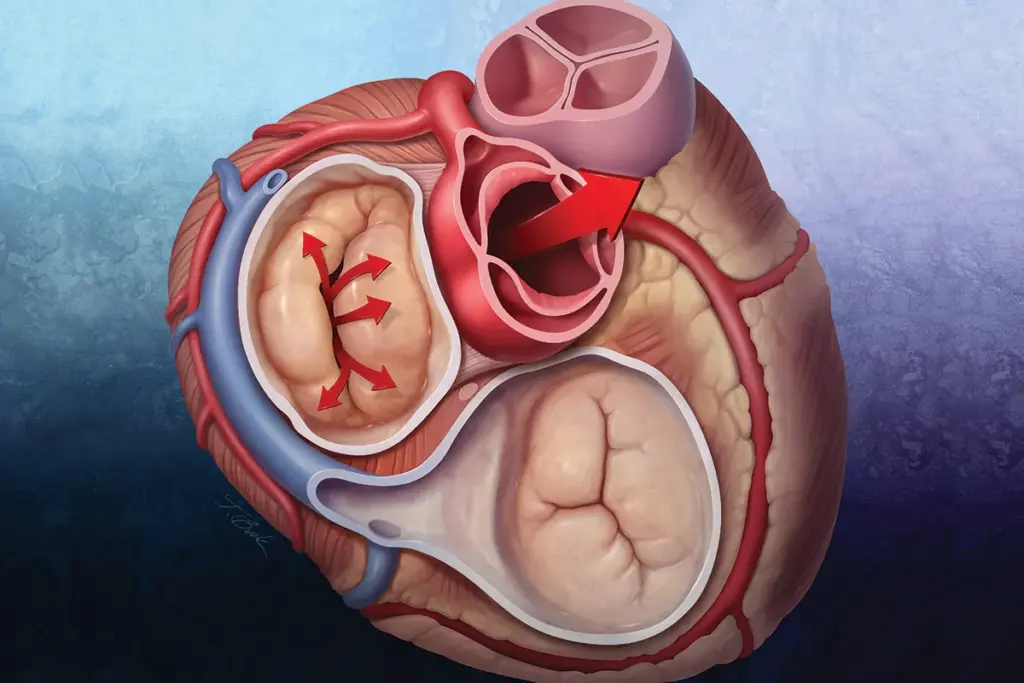
Transcatheter Aortic Valve Replacement (TAVR) has changed how we treat aortic valve stenosis. This condition makes the heart’s aortic valve narrow, blocking blood flow. Over 100,000 TAVR procedures are performed worldwide each year. It’s a less invasive option compared to open-heart surgery.
The TAVR procedure uses a small incision, often in the groin or chest. It inserts a catheter to replace the old valve. This method cuts down on recovery time and scarring.
Key Takeaways
- TAVR is a minimally invasive procedure for replacing the aortic valve.
- The procedure involves a small incision, usually in the groin or chest.
- TAVR reduces recovery time compared to traditional open-heart surgery.
- It is a significant treatment option for patients with aortic valve stenosis.
- Over 100,000 TAVR procedures are performed annually worldwide.
Understanding TAVR: A Minimally Invasive Heart Valve Procedure
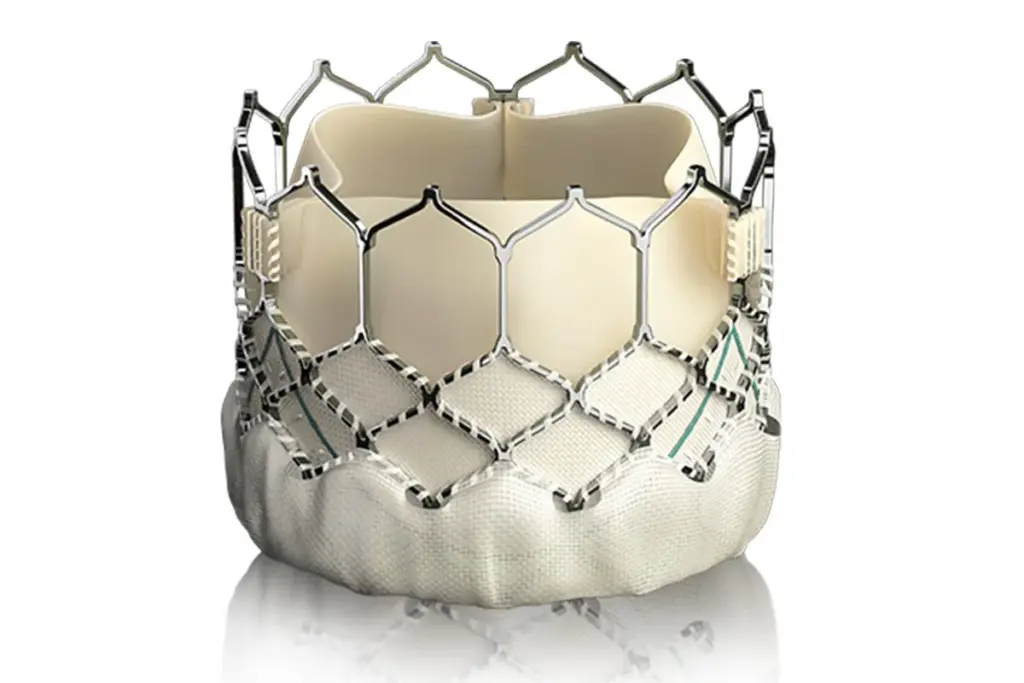
Transcatheter Aortic Valve Replacement (TAVR) is a new way to treat heart valve problems. It’s a less invasive option compared to traditional surgery. This makes it safer for people at high risk of complications.
What is Transcatheter Aortic Valve Replacement?
TAVR is a procedure where a new valve is put in through a small tube. This avoids the need for a big cut in the chest. The new valve is guided through an artery in the leg to the heart.
Once it’s in place, it expands, pushing the old valve aside. This improves blood flow without open-heart surgery.
Evolution of TAVR Technology
The technology for TAVR has changed a lot over time. Early versions were big and hard to maneuver. But now, thanks to advancements in device design, they are smaller and more flexible.
This means TAVR can help more patients. It’s also safer and works better, thanks to these improvements.
Why TAVR Has Revolutionized Heart Valve Treatment
TAVR has changed heart valve treatment by being a less invasive option. It means patients can recover faster and with less pain. This is great for those at high risk from traditional surgery.
Also, TAVR has been shown to help patients live longer and feel better. It’s a key part of modern heart care.
The TAVR Incision Size: What Patients Can Expect
Patients often wonder about the size of the incision for TAVR. They’re relieved to find out it’s much smaller than traditional surgery. This smaller size means less pain and a faster recovery.
Typical Incision Measurements
The incision for TAVR is usually 1-2 inches long. This depends on the approach used. For example, the transfemoral approach involves a small cut in the groin. This is a big plus of TAVR over traditional surgery.
Factors That May Affect Incision Size
Several things can change the size of the TAVR incision. These include:
- The specific access route chosen (e.g., transfemoral, transapical, or alternative routes)
- The patient’s anatomy and vascular health
- The type of TAVR device being used
Doctors carefully look at these factors before the procedure. They choose the best approach for each patient.
Visual Comparison to Traditional Surgery Incisions
Traditional open-heart surgery has a big incision through the sternum. This is called a sternotomy and can be 6-10 inches long. It leads to a longer recovery time. On the other hand, TAVR’s smaller incision means less pain and less scarring.
Understanding the TAVR incision size helps patients see its benefits. It’s a key part of why TAVR is considered a minimally invasive procedure.
TAVR Access Routes and Their Impact on Incision Size
Different ways to access the heart for TAVR affect incision size and outcomes. The access route chosen is key to the procedure’s success and the patient’s recovery.
Transfemoral Approach (Groin Access)
The most common TAVR access route is the transfemoral approach. It makes a small incision in the groin to reach the femoral artery. This method is minimally invasive and results in smaller incisions compared to other methods.
A study in a Journal found the transfemoral approach lowers complication risks and speeds up recovery. A leading cardiologist said, “The transfemoral approach has changed TAVR, making it safer and less invasive for patients.”
“The transfemoral approach has revolutionized the field of TAVR, making it safer and less invasive for patients.” –
|
Access Route |
Typical Incision Size |
Recovery Time |
|---|---|---|
|
Transfemoral |
2-4 mm |
1-3 days |
|
Transapical |
5-7 cm |
3-5 days |
|
Alternative Routes |
Varies |
Varies |
Transapical Approach (Chest Access)
The transapical approach accesses the heart through a chest incision. It’s used when the groin approach isn’t possible due to vascular disease or other reasons.
Though it offers direct heart access, the transapical approach results in larger incisions than the transfemoral method. Yet, it’s less invasive than traditional open-heart surgery.
Alternative Access Routes
In some cases, alternative routes like the transaortic or transcarotid approaches are used for TAVR. These are considered when the usual approaches are not possible.
The choice of alternative routes depends on the patient’s anatomy and vascular health. Each route has its own effects on incision size and recovery.
As TAVR evolves, understanding the impact of different access routes is key to improving treatment strategies.
The Complete TAVR Procedure: From Preparation to Completion
The TAVR process includes many important steps. It starts with detailed tests before the procedure to make sure it goes well. This careful planning is key for those getting Transcatheter Aortic Valve Replacement. It’s a big change in how we treat aortic stenosis.
Pre-Procedure Testing and Evaluation
Before TAVR, patients get tested to check their health and heart. They have blood tests, cardiac catheterization, and echocardiogram. These tests help doctors plan the best way to do the procedure and spot any possible problems.
Step-by-Step Breakdown of the TAVR Process
The TAVR procedure has several main steps:
- Administering anesthesia to keep the patient comfortable
- Making a small incision to reach the aortic valve
- Using a catheter to guide to the heart under imaging
- Putting in the new valve to replace the old one
- Checking that the new valve is in the right place and working well
This detailed process aims to reduce risks and improve results for those getting aorta heart valve replacement surgery.
Duration and Anesthesia Considerations
The TAVR procedure usually takes a few hours. The choice of anesthesia depends on the patient’s health and their specific situation. Some get general anesthesia, while others have conscious sedation.
Knowing about the avr medical abbreviation and the TAVR process can make patients feel more ready for their treatment.
TAVR vs. Open Heart Surgery: Comparing Surgical Approaches
TAVR and open-heart surgery are two ways to replace the aortic valve. They have their own benefits and things to consider. The main difference is how they get to the heart and replace the valve.
Traditional Aortic Valve Replacement Surgery
Open-heart surgery, or traditional aortic valve replacement, needs a big cut in the chest. The heart must stop, and a machine keeps blood flowing. Then, a new valve is put in place.
Key aspects of open-heart surgery include:
- A larger incision, typically 6 to 10 inches long, through the sternum (breastbone)
- The use of a heart-lung machine to circulate blood during the procedure
- A longer recovery time due to the invasive nature of the surgery
Incision and Recovery Differences
TAVR and open-heart surgery have big differences in incision size and recovery. TAVR uses small cuts, either in the groin or chest. Open-heart surgery needs a big cut in the sternum.
|
Procedure |
Incision Size |
Recovery Time |
|---|---|---|
|
TAVR |
Small (a few millimeters to a few centimeters) |
Generally shorter (varies by patient) |
|
Open-Heart Surgery |
Large (6 to 10 inches) |
Longer (typically several weeks to months) |
A doctor says, “Choosing between TAVR and open-heart surgery depends on the patient. It’s about their health, how bad the valve disease is, and other health issues.”
“The advent of TAVR has revolutionized the treatment of aortic valve disease, making it less invasive than traditional surgery for many patients.”
A Cardiologist
When Each Procedure Might Be Recommended
Deciding between TAVR and open-heart surgery depends on many things. It’s about the patient’s age, health, and the valve disease. TAVR is often better for those at high risk for open-heart surgery complications.
In conclusion, TAVR and open-heart surgery are both good for treating aortic valve disease. But they are different in how they’re done, the size of the incision, and how long it takes to recover. Knowing these differences helps patients make better choices for their care.
Benefits of the Small TAVR Incision
The TAVR procedure has many advantages because of its small incision. This method is much less invasive than traditional open-heart surgery. It causes less trauma and stress.
Reduced Pain and Trauma
The smaller incision in TAVR means less tissue damage and trauma. This is compared to the bigger incision in open-heart surgery. As a result, patients feel less post-operative pain and discomfort.
Faster Recovery Times
Patients with a smaller incision usually recover faster. The less trauma and pain help them get back to normal activities quicker.
|
Aspect |
TAVR |
Open-Heart Surgery |
|---|---|---|
|
Incision Size |
Small (typically 2-3 cm or less for some access routes) |
Large (typically 20-30 cm) |
|
Recovery Time |
Faster (often within a few weeks) |
Longer (often several months) |
|
Pain and Trauma |
Less |
More |
Cosmetic Advantages and Minimal Scarring
The small incision in TAVR leads to minimal scarring. This is great for patients worried about how they will look after surgery.
In summary, the small TAVR incision offers many benefits. It makes TAVR a good choice for many patients.
Recovery After TAVR: What to Expect
TAVR recovery has several stages, from right after the procedure to follow-up visits. Knowing these stages helps patients get ready and understand what’s coming.
Immediate Post-Procedure Care
Right after TAVR, patients are watched closely in the ICU or cardiac care unit. Doctors check vital signs, manage pain, and look for any problems. Watching closely in the first hours is key for a smooth recovery.
A top cardiologist says, “The care right after TAVR is very important. We watch patients closely to fix any problems fast.”
“The key to a successful TAVR recovery lies in the meticulous care provided immediately after the procedure.”
Hospital Stay Duration
Most patients go home in 24 to 48 hours after TAVR. How long you stay in the hospital depends on your needs and any complications.
|
Patient Category |
Typical Hospital Stay |
|---|---|
|
Standard Recovery |
24-48 hours |
|
Patients with Complications |
3-5 days or more |
Incision Care and Follow-up
It’s important to take good care of your incision to avoid infection and help it heal. You’ll learn how to keep it clean and dry and watch for infection signs.
Follow-up appointments are set to check how you’re healing and to remove stitches or staples. Doctors also watch for any complications or TAVR-related issues.
Understanding the recovery process helps patients prepare and get the best results from their TAVR procedure.
Who Is a Good Candidate for TAVR?
To qualify for TAVR, patients go through a detailed check. This check looks at their health and medical history. It’s key to see if TAVR is right for them.
Medical Criteria for TAVR Eligibility
People with severe aortic stenosis might be good for TAVR. Aortic stenosis makes it hard for blood to flow from the heart. TAVR is chosen for those at high risk for surgery.
The criteria also look at the patient’s health and other conditions. Heart valve replacement with TAVR is for those facing too much risk with surgery.
Age and Risk Factor Considerations
Age and risk factors matter a lot for TAVR. Older people or those with many health issues might be best for TAVR. They face more risks with open-heart surgery.
A team of doctors checks the patient’s risk. They look at things like frailty, other heart problems, and past surgeries.
Discussing TAVR with Your Healthcare Provider
Talking with your doctor about TAVR is very important. You should discuss your medical history and how severe your condition is. Your doctor will explain the risks and benefits.
It’s also good to know what happens during and after TAVR. This includes the recovery and any needed care later. Talking with your doctor helps you make a smart choice about TAVR.
Conclusion: The Future of Minimally Invasive Heart Valve Procedures
The term TAVR has become a key part of heart valve surgery. It’s a less invasive option compared to open-heart surgery. TAVR has changed how we treat heart valve diseases.
TAVR makes surgery smaller and recovery time shorter. This has greatly improved patient results and life quality. As technology gets better, TAVR will likely get even more effective and useful for patients.
The future of TAVR is bright, with ongoing research and improvement. The medical field is working hard to make TAVR safer, more effective, and easier to use. This means better results and a better life for patients.
FAQ
What is Transcatheter Aortic Valve Replacement (TAVR)?
TAVR is a new way to replace a bad aortic valve. It’s done by making a small cut, usually in the groin or chest. Then, a catheter is used to put in a new valve.
How big is the incision for a TAVR procedure?
The cut for TAVR is small. It can be a few millimeters to a few centimeters. This depends on where the doctor makes the cut.
What are the different access routes for TAVR, and how do they affect incision size?
TAVR can be done in two ways: through the groin or the chest. The groin way usually means a smaller cut. The chest way might need a bit bigger cut.
How does TAVR compare to traditional open-heart surgery in terms of incision size and recovery?
TAVR has a much smaller cut than open-heart surgery. This means less pain, less damage, and quicker healing.
What are the benefits of the small incision in TAVR?
The small cut in TAVR means less pain and less damage. Patients heal faster and have less scarring. It’s also better looking.
What can patients expect during recovery after TAVR?
After TAVR, patients usually stay in the hospital less. They get instructions on caring for their cut and when to see the doctor again.
Who is a good candidate for TAVR?
TAVR is for people with severe aortic stenosis or other heart valve problems. It’s for those at high risk for traditional surgery or with certain health issues. Talking to a doctor is key to see if it’s right for you.
What is the duration of a TAVR procedure, and what type of anesthesia is used?
TAVR takes a few hours. The anesthesia can vary, but it’s often sedation or general anesthesia.
What are the criteria for TAVR eligibility, and how is it determined?
Doctors look at several things to decide if TAVR is right. This includes how bad the aortic stenosis is, the patient’s age, and health risks. They will check these to see if TAVR is a good choice.
What is the significance of TAVR in the treatment of heart valve disease?
TAVR has changed how we treat heart valve disease. It’s a less invasive option than traditional surgery. This means better results and a better life for patients.
What is the future of TAVR and minimally invasive heart valve procedures?
TAVR’s future looks bright. New technology and techniques will likely make it even better. This means more options for treating heart valve disease.
References
National Center for Biotechnology Information. Evidence-Based Medical Insight. Retrieved from https://pmc.ncbi.nlm.nih.gov/articles/PMC6519423/



 Departments
 Related Videos
 Our Doctors
 News
News