Did you know nearly one in five kids in the United States has obesity? This alarming statistic shows how vital it is to teach kids about healthy eating. The USDA’s Agricultural Research Service says interactive tools are key in teaching kids about nutrition.

It’s important to teach kids good nutrition habits early. We’ll look at ways to educate kids about nutrition and encourage healthy living. Our aim is to help parents and caregivers make smart choices for their kids’ diets.
Key Takeaways
- Interactive tools can effectively educate children about nutrition.
- Early education on healthy eating habits is key for long-term health.
- Parents and caregivers are vital in shaping kids’ eating habits.
- Nutrition education can be fun with games and interactive websites.
- Knowing about nutrition can greatly benefit a child’s health for years to come.
Importance of Nutrition Education for Kids
Teaching children about nutrition is essential for their growth and overall health. It’s not just about what they eat. It’s about giving them the power to choose healthy options.
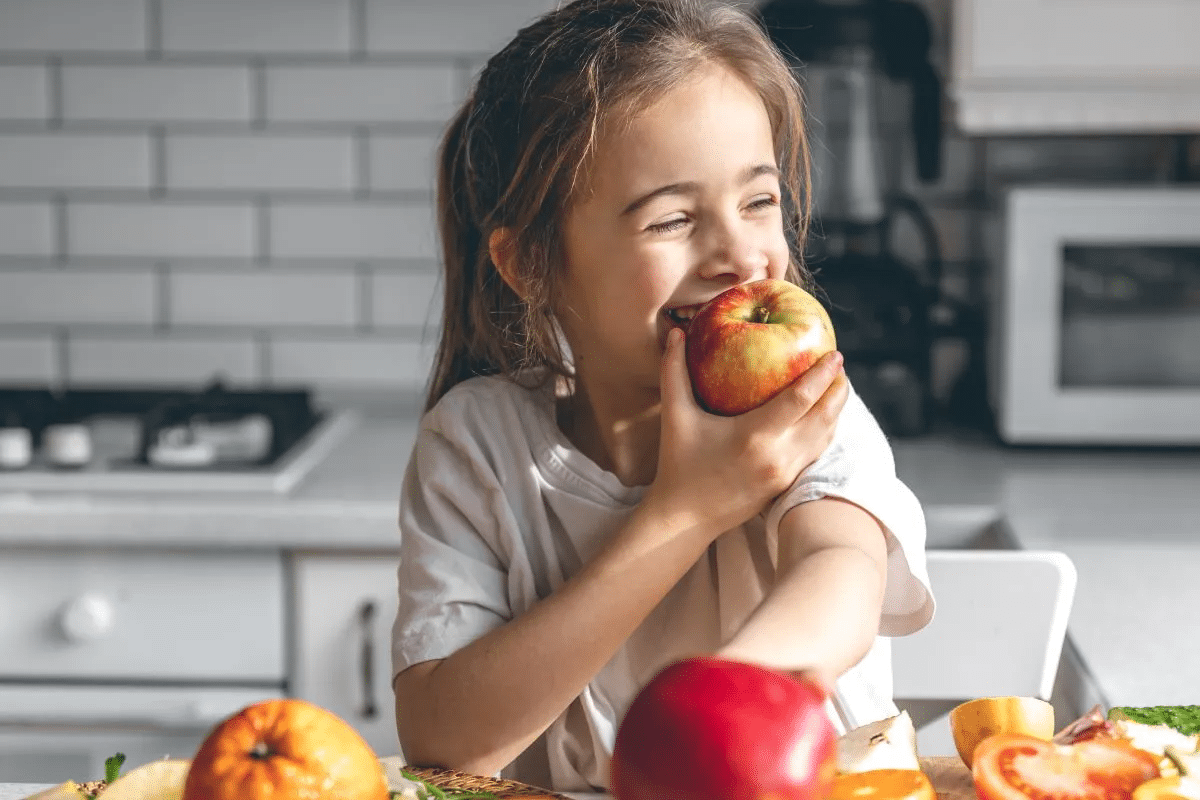
Understanding Nutritional Needs at Different Ages
Children’s nutritional needs change as they grow. Young kids need lots of proteins and healthy fats for growth and brain development. Older kids need a balanced diet to keep them full of energy and healthy.
Nutritional needs by age:
- Early childhood (2-5 years): Focus on whole foods, fruits, vegetables, and whole grains.
- School age (6-12 years): Emphasize balanced meals with a variety of food groups.
- Adolescence (13+ years): Encourage mindful eating, portion control, and awareness of nutritional labels.
The Impact of Early Nutrition on Long-Term Health
Childhood eating habits shape long-term health. Early nutrition affects physical growth, brain development, and disease risk. Teaching kids to eat well can prevent obesity, diabetes, and heart disease.
Benefits of early nutrition education:
- Promotes healthy weight management.
- Supports optimal cognitive function and academic performance.
- Reduces the risk of chronic diseases.
Parents and caregivers are key in teaching kids about food. By joining kids nutrition education programs, kids learn in a fun way. This sets them up for a lifetime of healthy eating.
Fun and Interactive Ways to Teach Nutrition
We can make learning about nutrition fun for kids by using games, cooking, and stories. These methods grab their attention and help them remember what they learn.
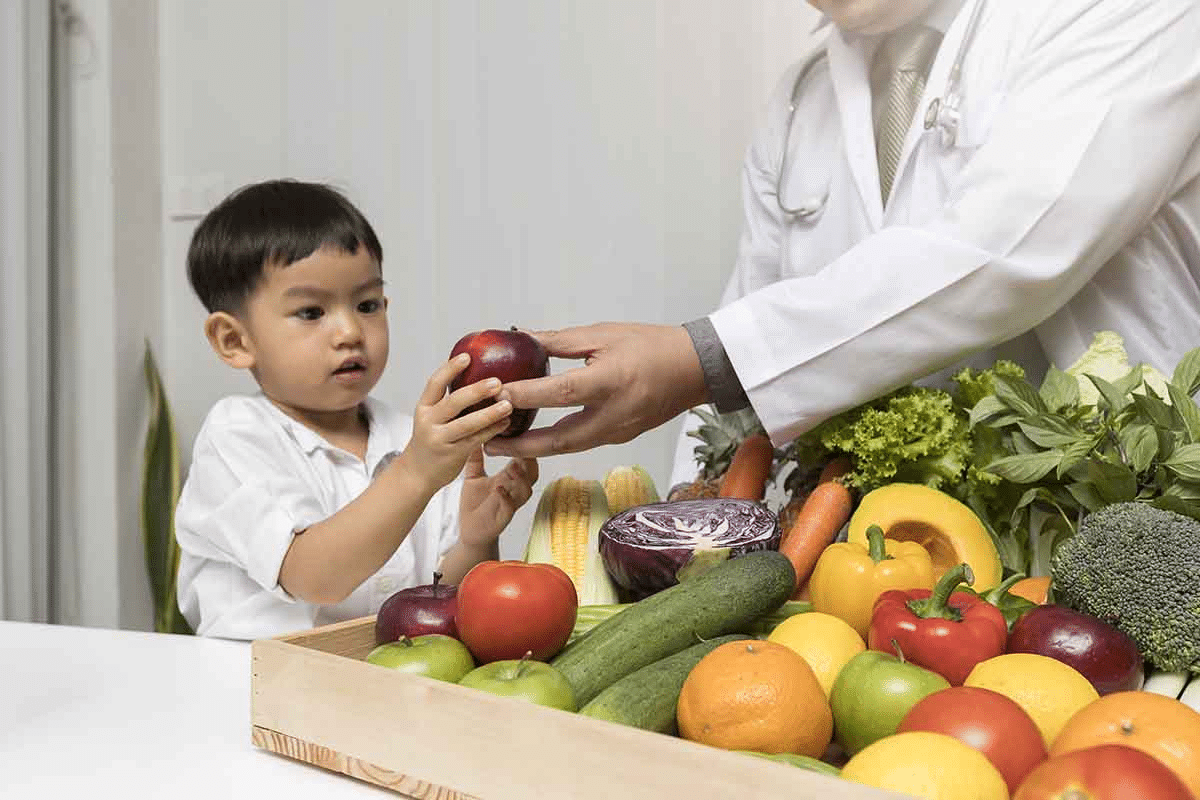
Cooking Together: Hands-On Experience
Cooking together is a great way to teach kids about nutrition. It lets them get involved in making meals. They learn about ingredients, how to measure, and cooking methods.
For example, making a salad can teach kids about different veggies and their health benefits. As they chop and mix, they see how food affects their health.
Nutrition Games and Activities
Nutrition games and activities are fun ways to teach kids about healthy eating. Sites like AgLab and MyPlate for Kids have games and quizzes. These teach kids about nutrition in a fun way.
- Sorting games that categorize foods into different groups
- Quizzes that test knowledge about various nutrients and their sources
- Interactive puzzles that teach meal planning and preparation
These activities not only teach but also make learning fun.
Using Storybooks and Videos to Engage
Storybooks and videos are great for teaching kids about nutrition. They use stories and visuals to explain complex info in simple ways. For example, books about healthy food choices can inspire kids to make better choices.
Resource Type | Description | Age Group |
Storybooks | Engaging stories that teach healthy eating habits | 4-8 years |
Educational Videos | Visual content that explains nutritional concepts | 6-12 years |
Interactive Websites | Games and quizzes that teach nutrition | 5-12 years |
Utilizing these fun and interactive methods helps us effectively teach children about nutrition. We can also help them develop healthy eating habits.
Building Healthy Eating Habits
Teaching kids to eat healthy is key for their growth and health. As caregivers, we guide their eating habits and teach them about nutrition.
Tips for Encouraging Balanced Meals
Teaching kids to eat balanced meals is important. Here’s how:
- Include different food groups in each meal
- Limit foods that are processed or high in sugar
- Teach them to eat mindfully
These steps help kids have a good relationship with food. It also lowers the chance of health problems linked to diet.
The Role of Family Meals in Nutrition Education
Eating together as a family is great for teaching kids to eat well. It helps them see food in a positive light. Family meals are a chance to show them how to eat healthy, share nutrition facts, and bond.
To get the most from family meals, we should:
- Make mealtime fun and positive
- Let kids help plan and prepare meals
- Use meals to talk about nutrition and healthy eating
By doing these things, we create a space that supports healthy eating and learning about nutrition.
Understanding Food Labels and Choices
In today’s world, teaching kids about food labels is key. When we shop, we face many choices with different claims and ingredients. It’s important to teach our children to understand this information to make good food choices.
Teaching Kids to Read Food Labels
Learning to read food labels takes time and effort. We can start by explaining the parts of a label, like the nutrition facts and ingredients. The FDA’s Read the Label Youth Outreach Materials are great resources for teaching this skill.
We can show them how to find serving sizes and the number of servings in a container. Knowing the serving size is important for understanding the nutrition information. We can also teach them to look at calories, fats, sodium, and sugars, and what the daily value percentages mean.
Key elements to focus on when teaching kids to read food labels include:
- Serving size and number of servings
- Total calories and calories from fat
- Nutrient amounts (fats, sodium, sugars, etc.)
- Daily value percentages
- Ingredient list
Identifying Healthy vs. Unhealthy Foods
After learning to read labels, teaching kids to tell healthy from unhealthy foods is next. We need to teach them what makes a diet healthy and how to apply that when choosing food.
Healthy foods are abundant in vitamins, minerals, and fiber while being low in added sugars, saturated fats, and sodium. Unhealthy foods are often high in calories but low in nutrients.
Nutrient | Healthy Foods | Unhealthy Foods |
Fats | Low in saturated and trans fats | High in saturated and trans fats |
Sugars | Low in added sugars | High in added sugars |
Sodium | Low in sodium | High in sodium |
Fiber | High in dietary fiber | Low in dietary fiber |
“The food you eat can either be the safest and most powerful form of medicine or the slowest form of poison.”
— Ann Wigmore
By teaching our children to read labels and understand healthy vs. unhealthy foods, we empower them. This helps them make choices that can improve their health and wellbeing for years.
The Power of Fruits and Vegetables
Fruits and vegetables are full of vitamins, minerals, and antioxidants. These are key for kids’ health. Teaching kids about these foods can shape their eating habits and health for life.
Creative Ways to Incorporate More Produce
We can make mealtime fun and interactive to get kids to eat more fruits and veggies. Here are some ways:
- Sneak them in: Add finely chopped veggies to sauces, soups, and baked goods.
- Make it colorful: Create a fruit salad with different colors to make it appealing.
- Involve them in cooking: Let kids help with meal prep, like washing veggies or mixing fruits.
The Benefits of Eating a Rainbow of Colors
Eating a variety of colored fruits and veggies gives kids a wide range of nutrients. Here’s what each color offers:
Color | Examples of Fruits/Vegetables | Nutritional Benefits |
Red | Tomatoes, Strawberries | Rich in lycopene and vitamin C, supports heart health |
Orange/Yellow | Carrots, Bananas | High in vitamin A and potassium, supports vision and immune function |
Green | Broccoli, Spinach | Packed with iron, calcium, and vitamins, supports bone health and energy |
Blue/Purple | Blueberries, Eggplant | Rich in antioxidants, supports brain health and memory |
White | Onions, Garlic | Contains antioxidants and fiber, supports immune function |
By adding a variety of fruits and veggies to their diet, we can help kids develop healthy eating habits. This is key for kids healthy eating education. It can be supported by using effective nutrition teaching tools children can enjoy.
Involving Kids in Meal Planning
Getting kids involved in meal planning teaches them about nutrition. It also makes them more open to trying new foods. By letting them help with meal planning and cooking, we help them develop good eating habits.
A well-known nutrition expert once said,
“Involving children in meal planning and preparation can have a significant impact on their eating habits and overall health.”
This method not only teaches them about food groups. It also shows them why nutrition is key to their daily lives.
Grocery Shopping as a Learning Experience
Going to the grocery store with kids is a great learning experience. We can teach them about various foods, how to read labels, and make healthy choices. By letting them shop, we are teaching kids food nutrition in a fun way.
- Encourage them to pick out fruits and vegetables.
- Teach them to compare prices and look for sales.
- Discuss the importance of buying whole foods over processed ones.
Creating a Kid-Friendly Recipe Book
Making a recipe book with kids is both fun and educational. We can collect their favorite recipes, teach them about measurements, and get them involved in cooking. This is part of child healthy eating programs that help kids eat well from a young age.
Steps to make a kid-friendly recipe book include:
- Gathering favorite recipes and writing them down.
- Illustrating the recipes with pictures or drawings.
- Organizing the recipes into categories like breakfast, lunch, and dinner.
By getting kids involved in meal planning and cooking, we give them children nutrition education resources that last a lifetime. This hands-on learning about nutrition can greatly impact their eating habits and health.
Addressing Common Nutrition Myths
With so much nutrition info out there, it’s key to teach kids to tell fact from fiction. As caregivers, we help them develop healthy eating habits by clearing up common myths.
Debunking Misconceptions About Food
Numerous food myths can negatively impact eating habits. For example, thinking all fats are bad can lead to missing out on good fats in foods like nuts, seeds, and avocados. We should teach kids the difference between fats and their health effects.
- Healthy fats are vital for brain growth and should be part of a child’s diet.
- Processed foods often have unhealthy fats and sugars that harm health.
- Whole foods like fruits, veggies, and whole grains are full of nutrients and should be a child’s main food.
Knowing these differences helps kids make better food choices. It’s also key to talk about how ads can shape what we think is healthy or not.
Encouraging Critical Thinking About Nutrition
Teaching kids to think critically about nutrition is vital today. We can do this by:
- Talking about where nutrition info comes from and if it’s trustworthy.
- Looking at food labels together to get the real story on what’s in the food.
- Exploring how different cultures view nutrition and the benefits of their diets.
By teaching critical thinking, we help kids make smart food choices and build a good relationship with food. This skill is key for child nutrition education methods and teaching kids healthy eating habits for life.
As we guide our kids through their nutrition journey, keeping up with new research and advice is essential. Nutrition education for children is an ongoing effort that needs patience, consistency, and encouragement.
The Importance of Hydration
Hydration is key for kids’ health, boosting their energy and focus. It’s part of a balanced diet, essential for their well-being. Teaching kids to drink water all day is a vital habit.
Water helps with body temperature, nutrient transport, and waste removal. Drinking water helps avoid dehydration. Symptoms of dehydration include headaches, tiredness, and dry mouth.
Teaching Kids the Value of Water
Teaching kids about water’s importance is vital. We can make water more appealing. Using colorful cups or adding lemon, lime, or cucumber can make it fun.
Using “child nutrition teaching strategies” daily can greatly impact kids’ health. Simple actions like having a family water bottle or making drinking water a game can help. These actions teach kids good hydration habits.
Fun Alternatives to Sugary Drinks
Sugary drinks add too much sugar to kids’ diets, leading to health problems. We should teach kids to choose better options. Infused water, unsweetened tea, and low-fat milk are great alternatives.
- Infused water with fruits or herbs
- Unsweetened tea, hot or iced
- Low-fat milk or milk alternatives
- Sparkling water with a splash of juice
By teaching kids about water’s benefits and introducing fun, healthy drinks, we help them develop lasting habits. Being a good role model is also important, as kids often follow what adults do.
“Encouraging children to drink water and limit sugary drinks is essential for their overall health.”
Source: Second source
Making hydration fun and engaging helps kids develop healthy habits early. This supports their immediate health and sets them up for a lifetime of wellness.
Tips for Parents and Caregivers
As a parent or caregiver, you have a big role in teaching your child about food. By being a good example and getting them involved in learning about nutrition, you can help them love healthy eating.
Nurturing Healthy Habits
It’s important to show your kids how to eat well. They learn from what you do. Try doing fun activities like cooking meals together and trying new foods.
Utilizing Resources for Ongoing Education
Keep teaching your kids about healthy eating with the help of classes, workshops, and online tools. These can give you and your child the knowledge to make smart food choices.
Together, you can build a strong foundation for your child’s relationship with food. This supports their health and teaches them valuable skills through fun activities.
FAQ
Why is nutrition education important for children?
Nutrition education is key for kids’ growth and health. It teaches them about healthy eating and making smart food choices.
How can parents create a healthy food environment at home?
Parents can make a healthy food space by serving balanced meals and cutting down on junk snacks. They should also let kids help with meal planning and grocery shopping.
What are some fun and interactive ways to teach nutrition to children?
Fun ways to teach nutrition include cooking together and playing games. Storybooks and videos can also make learning fun for kids.
How can parents encourage kids to eat a variety of fruits and vegetables?
Parents can make mealtime fun and add veggies to meals. Letting kids help with grocery shopping and meal planning also helps.
What are some tips for teaching kids to read food labels?
Teach kids to read labels by explaining nutrition facts and identifying good and bad ingredients. Comparing different foods is also helpful.
How can parents involve kids in meal planning and grocery shopping?
Parents can involve kids by letting them help with meal planning and making a grocery list. Shopping together is a great way to get them involved.
What are some common nutrition myths that parents should be aware of?
Common myths include thinking all fat is bad and that low-fat means healthy. Parents should teach kids to think critically about nutrition.
How can parents promote healthy hydration habits in kids?
Parents can teach kids the importance of water and limit sugary drinks. Make sure water is always available.
What are some resources and tools that parents can use to support ongoing nutrition education?
Parents can use websites, apps, and books for nutrition education. Cooking classes and workshops are also great resources.
How can parents set a good example with nutrition for their kids?
Parents can be a good example by eating healthy themselves. Involve kids in meal planning and cooking to show them the value of nutrition.
References
Centers for Disease Control and Prevention. Evidence-Based Medical Insight. Retrieved from https://www.cdc.gov/obesity/childhood-obesity-facts/childhood-obesity-facts.html



 Departments
 Related Videos
 Our Doctors
 News
News