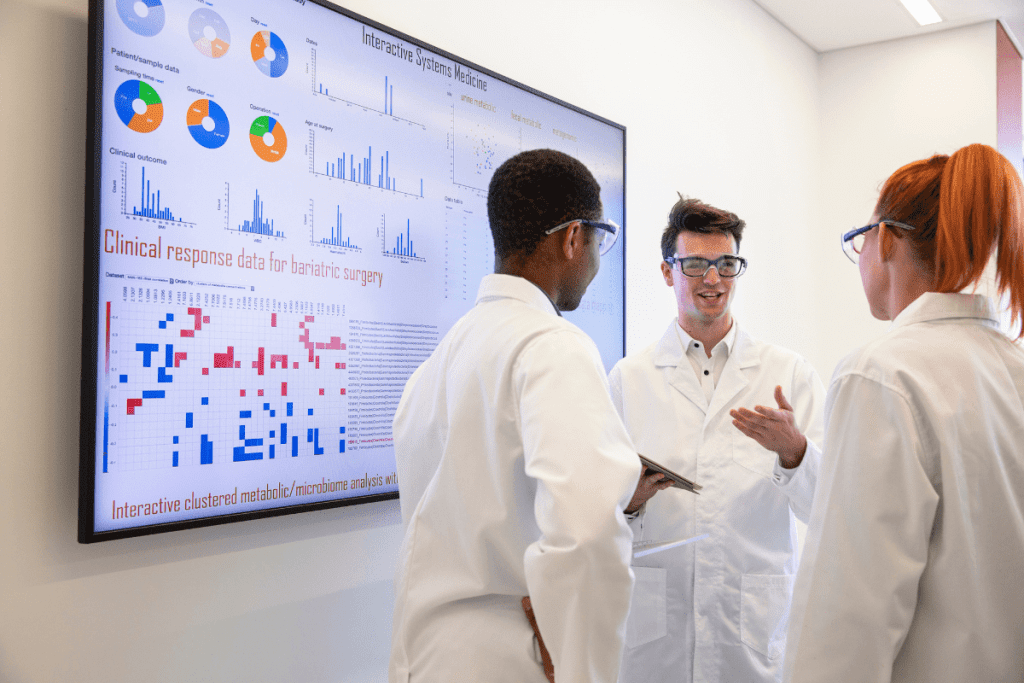
As we see a big change in medicine, cell therapy is a key part of personalized medicine. It uses new biotechnology to make treatments fit each person’s genes perfectly. Is cell therapy personalized medicine? Discover the technologies for personalised medicine. The amazing, powerful science behind CAR T-cell therapy
Gene and cell therapies are changing how we treat diseases. They offer personalized treatment options for many conditions, like cancer and genetic disorders. An expert says these therapies are part of precision medicine. They make treatments fit each patient’s unique needs.
We’re leading in this medical breakthrough. We’re looking into how cell therapy shows the power of personalized medicine and the progress it’s making.
Key Takeaways
- Cell therapy is a form of personalized medicine that uses patients’ own or genetically modified cells.
- Personalized treatment options are being offered for various diseases, including cancer and genetic disorders.
- Gene and cell therapies are part of precision medicine, tailoring treatments to individual patients.
- Cell therapy is revolutionizing the way we treat diseases.
- Advances in biotechnology are driving the innovation in personalized medicine.
Understanding Cell Therapy and Personalized Medicine
Cell therapy and personalized medicine are changing how we treat diseases. They work together to create better, more specific healthcare. This is a big step forward in medical science.
Definition and Scope of Cell Therapy
Cell therapy uses human cells to fix or replace damaged ones. It’s a new way to treat diseases like leukemia. Gene editing, like CRISPR-Cas9, makes it even better by changing cells for treatment.
Cell therapy is a new hope for people with serious illnesses. It uses a patient’s own cells or changes them to fit their needs. This makes treatment more personal.
Core Principles of Personalized Medicine
Personalized medicine tailors treatments to fit each patient. It looks at their genes and health history. This way, doctors can give better care and avoid bad side effects.
The main idea of personalized medicine is to understand how genes, environment, and lifestyle affect health. Doctors use this to create treatments that really work for each person.
Why Cell Therapy Represents True Medical Personalization
Cell therapy is all about making treatments fit each patient. It uses a patient’s cells or changes them to fight diseases. This makes treatment very effective and specific.
The cell therapy market is growing fast. It’s expected to be worth USD 82.08 billion by 2032, up from USD 17.59 billion in 2025. This shows how important cell therapy is in personalized medicine.
5 Ways Cell Therapy Embodies Personalized Medicine Principles
Cell therapy is at the heart of personalized medicine. It offers treatments made just for each patient. This new way of treating diseases is changing healthcare, making treatments more effective and precise.
1. Utilization of Patient’s Own Cells
Cell therapy uses a patient’s own cells, which is a big part of personalized medicine. This autologous approach lowers the chance of rejection and cuts down on the need for drugs that suppress the immune system. For example, induced pluripotent stem cells (iPSCs) turn adult cells into a state like embryonic cells. This lets us make cell lines that are just for the patient.
2. Genetic Customization for Individual Patients
Cell therapy also lets us tailor treatments based on a patient’s genes. Gene editing tools like CRISPR can change a patient’s cells to fix genetic problems or make them work better. This customization means we can give targeted treatments that really meet each patient’s needs.
3. Targeted Treatment for Specific Conditions
Cell therapy’s personalized nature means we can treat specific diseases in a targeted way. By making the treatment fit the patient’s unique needs, we can get better results. For instance, CAR-T cell therapy is a promising treatment for some cancers. It targets specific cancer cells.
4. Reduced Side Effects Through Personalization
Personalizing cell therapy also helps lower the risk of side effects. Because the treatment is made just for the patient, the chance of bad reactions goes down. This makes cell therapy a safer choice for many people.
Revolutionary Technologies for Personalised Medicine in Cell Therapy
New technologies are changing cell therapy into a more personalized treatment. We’re seeing big steps forward, thanks to advanced tools and methods. These make treatments more precise and effective.
1. CRISPR and Gene Editing Platforms
CRISPR-Cas9 is a game-changer in cell therapy. It lets us edit genes with great accuracy. This has helped treat genetic diseases and cancer by fixing the genes that cause them.
We’re seeing a big move towards using CRISPR-Cas9 in cell therapy. It brings new hope to patients with once untreatable diseases.
2. Stem Cell Engineering Advancements
Stem cell engineering has made huge strides. It lets us create custom stem cell therapies for many medical conditions. By making stem cells with specific traits, we can make treatments that work better and have fewer side effects.
This technology is a big deal for regenerative medicine. It’s a key part of making cell therapy more personalized.
3. Artificial Intelligence in Treatment Design
Artificial intelligence (AI) is becoming more important in making personalized cell therapies. AI can look at lots of data to find patterns and predict how treatments will work. This helps us design better treatment plans for each patient.
4. Biomarker Identification Technologies
Biomarker identification technologies are key for personalized cell therapies. They help us find specific markers for different diseases. This lets us create treatments that are more effective and have fewer side effects.
These new technologies are changing cell therapy for the better. They help us make treatments that are more effective and tailored to each patient. As we keep improving these technologies, we expect to see even better results for patients.
The Expanding Market of Personalized Cell Therapies
The global market for personalized cell therapies is on the verge of a big change. We’re seeing major breakthroughs in cell therapy and more money going into research. This is making people want personalized treatments more than ever.
Current Valuation: USD 17.59 Billion (2025)
By 2025, the market will be worth USD 17.59 billion. This shows how far we’ve come, thanks to more research and the rise of personalized medicine.
Projected Growth: USD 82.08 Billion by 2032
The market is expected to grow a lot, reaching USD 82.08 billion by 2032. This shows a big increase, thanks to the fast growth of personalized cell therapy.
Key Investment Areas Driving Expansion
Several areas are pushing the market forward. These include:
- Advanced Gene Editing Technologies: New tools like CRISPR/Cas9 are changing how we edit cells.
- Stem Cell Engineering: Improvements in stem cell engineering help make custom cell therapies.
- Artificial Intelligence in Treatment Design: AI is helping design treatments that fit each person’s needs.
Financial Trends in Cell Therapy Development
The money side of cell therapy is changing. We’re seeing more money for clinical trials and a focus on making treatments affordable. As the market grows, we’ll see new ways to fund and invest in cell therapy.
Regional Developments and Success Stories in Cell Therapy
Cell therapy is changing medicine all over the world. Different places are playing big roles in its growth and use.
North America: Leadership in Infrastructure and Funding
North America leads in cell therapy thanks to its strong setup and lots of money. It has top research spots and rules that help new ideas grow. Big names in medicine are using these perks to explore new ways to treat patients.
Studies say North America will keep leading in cell therapy. It’s getting more money for research. This shows the area’s dedication to improving cell therapy.
Asia-Pacific: The Rapidly Expanding Market
The Asia-Pacific area is becoming a big deal in cell therapy. It’s because of fast tech progress and more money for health. China, Japan, and South Korea are leading this growth with new trials and treatments. This growing market will play a big part in cell therapy worldwide.
CAR-T Therapy: A Revolutionary Personalized Approach
CAR-T therapy is a big step forward in fighting cancer. It changes a patient’s T cells to attack cancer cells. This method has worked well in tests and is being used all over.
- CAR-T therapy takes T cells from a patient’s blood and changes them to find cancer cells.
- Then, these changed T cells go back into the patient to kill cancer cells.
- This custom way of treating cancer has shown great promise in treating hard-to-treat cancers.
LivHospital’s Approach to Personalized Cell Therapy
LivHospital is a leader in personalized cell therapy. They use the latest tech and know-how to give unique care. LivHospital’s focus on personalized medicine shows in its wide cell therapy programs.
LivHospital combines the latest research with real-world care. This shows how cell therapy can change how we treat patients.
Conclusion: The Future of Personalized Cell Therapy
Cell therapy is changing the game in personalized medicine. It uses a patient’s own cells for treatment. This makes it a big step forward in medical care.
The future looks bright for cell therapy. New tools like CRISPR and AI are making it even better. These advancements are pushing the limits of what’s possible.
As more people get cell therapy, we’ll see better health outcomes. Big investments are fueling this growth. It’s expected to hit USD 82.08 billion by 2032.
We’re entering a new chapter in healthcare with cell therapy. It’s changing how we treat diseases. With ongoing research, the future of cell therapy is exciting and full of promise.
FAQ
What is cell therapy, and how does it relate to personalized medicine?
Cell therapy uses a patient’s own cells or genetically modifies them to treat diseases. It’s a key part of personalized medicine. This approach gives treatments that fit each patient’s needs.
What are some examples of commonly used personalized medicine in cancer treatment?
CAR-T therapy is a big example. It genetically modifies a patient’s T cells to fight cancer. Other cell therapies use a patient’s cells to treat different cancers.
Can cancer therapy be personalized using cell therapy?
Yes, cell therapy makes cancer treatment personal. It uses a patient’s cells, which lowers rejection risk. It also lets doctors target cancer cells more precisely.
What are the core principles of personalized medicine, and how does cell therapy embody them?
Personalized medicine tailors treatments to each patient. Cell therapy does this by using a patient’s cells. This approach reduces rejection risk and targets specific conditions.
What technologies are driving the advancement of personalized medicine in cell therapy?
CRISPR-Cas9, stem cell engineering, artificial intelligence, and biomarker identification are key. They help make personalized treatments for each patient.
What is the definition of cell therapy, and how does it differ from traditional treatments?
Cell therapy uses a patient’s cells or genetically modifies them to treat diseases. It’s different from traditional treatments because it’s customized and targets specific conditions.
What are the benefits of using a patient’s own cells in cell therapy?
Using a patient’s cells lowers rejection risk. It also means treatments are made just for that person, based on their unique needs.
How is gene editing technology used in personalized cell therapy?
Gene editing, like CRISPR-Cas9, is used to modify cells. This makes treatments more personal and targets specific diseases.
What is the current state of the market for personalized cell therapies, and what is the projected growth?
The market for personalized cell therapies is growing fast. It’s valued at USD 17.59 billion in 2025. It’s expected to reach USD 82.08 billion by 2032.
References
- Goetz, L. H., & Schork, N. J. (2018). Personalized medicine: Motivation, challenges, and progress. F1000Research, 7, 189.https://www.ncbi.nlm.nih.gov/pmc/articles/PMC6366451/
- Singh, D., Khosla, A., & Saini, S. (2024). Personalized medicine: An alternative for cancer treatment. Drug Discovery Today, 29(4), 101542.https://www.sciencedirect.com/science/article/pii/S2468294224000728
- Marshall, D. (2016). Cell & gene therapies and the evolving role of personalized medicine. Cell and Gene Therapy Insights, 2(6), 577-589.https://insights.bio/cell-and-gene-therapy-insights/journal/article/506/Cell-gene-therapies-and-the-evolving-role-of-personalized-medicine
- World Health Organization. (2023). Cancer in children. Retrieved fromhttps://www.who.int/news-room/fact-sheets/detail/cancer-in-children
- National Cancer Institute. (n.d.). NCI Dictionary of Cancer Terms. Retrieved September 23, 2025, fromhttps://www.cancer.gov/publications/dictionaries/cancer-terms