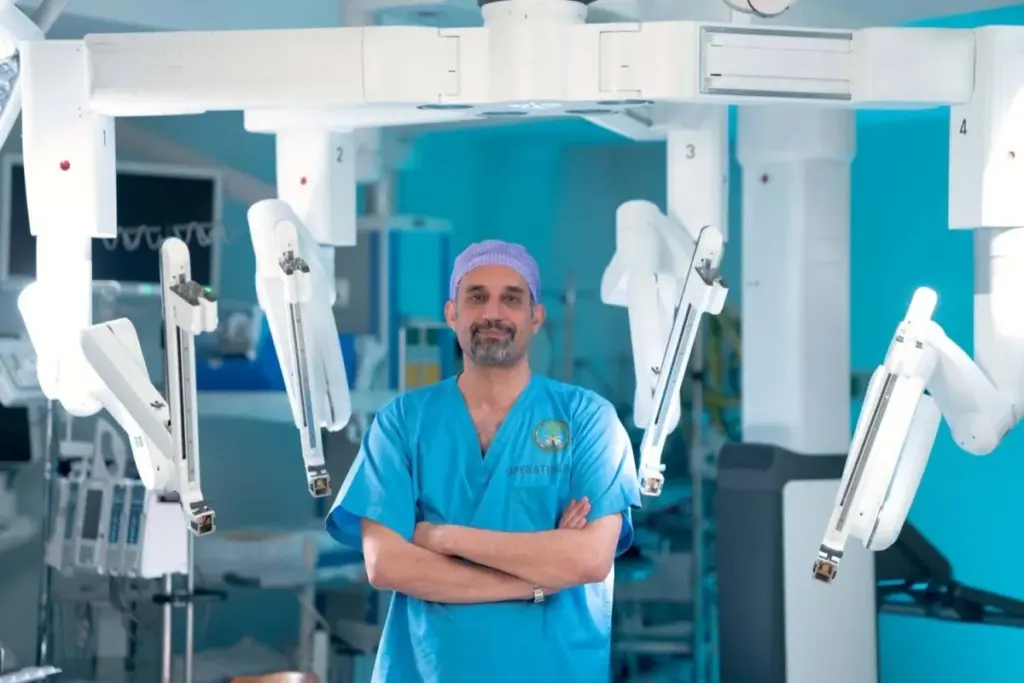
The world of surgery is changing fast. Over 30% of surgeons now use advanced tech in their work. This number is set to rise a lot in the next few years.
We’re witnessing a significant shift in where precision meets patient care. They’re bringing new tech into surgery, making things better for everyone involved.
Looking into the technological future of surgery, it’s clear. These new tools aren’t just passing fads. They’re changing surgery for the better.
Key Takeaways
- Advanced technology is increasingly being used in surgical procedures.
- Institutions are adopting innovative solutions to enhance patient care.
- The integration of technology is improving surgical precision and outcomes.
- Surrey Memorial Hospital is at the forefront of these advancements.
- The future of surgery is being shaped by technological innovations.
The Evolution of Modern Surgical Practices
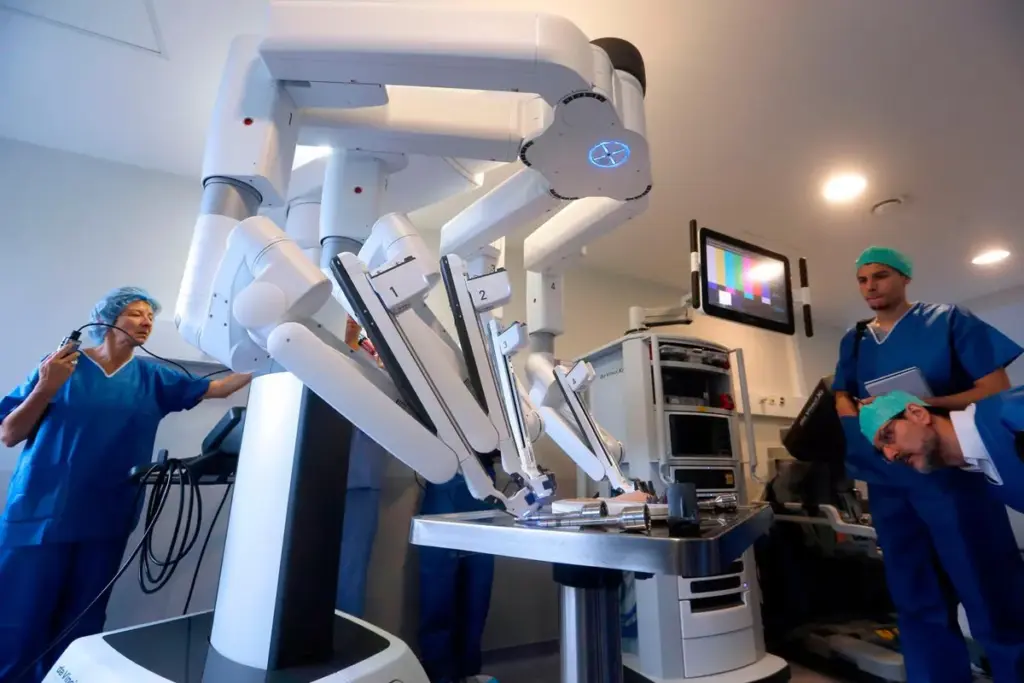
Modern surgery has changed a lot, moving from old open surgeries to new, less invasive methods. This change is thanks to big steps in medical surgery technologies. These advancements have changed how surgeons work and have made patients’ outcomes better.
From Open Procedures to Minimally Invasive Techniques
The move to less invasive surgery is a big deal. Methods like laparoscopic surgery have cut down on recovery times and scarring. They also lower the chance of problems.
These innovative procedures utilize smaller incisions, specialized tools, and occasionally robotic assistance. This makes surgeries less hard on patients. Patients get better faster and have better results overall.
Key Technological Breakthroughs That Transformed Surgery
Many new technologies have changed surgery a lot. Tech surgery advancements, like robotic surgery and new imaging, have made surgeries more precise and controlled.
- Robotic systems enhance surgeons’ control and visualization, enabling them to perform more complex surgeries with improved accuracy.
- Advanced imaging, like 3D and MRI, gives surgeons real-time info. This helps them navigate tricky body parts.
The use of technology surgery has not just made surgeries better. It has also opened up new ways to treat hard-to-handle conditions.
Technology in the Operating Room: Current Landscape
The world of surgery is changing fast, thanks to new technology. Modern operating rooms use advanced tools. These tools make surgeries better, care for patients better, and improve results.
Standard Equipment in Today’s Surgical Suites
Surgical suites today have new and improved tools. Surgical lights and operating tables now have features like LED lights. They also adjust in height and angle, helping surgeons do their jobs better.
Electrosurgical units are also key. They help surgeons cut and stop bleeding precisely. And anesthesia machines keep patients safe during surgery. These tools make surgeries safer and more efficient.
How Digital Integration is Changing Surgical Workflows
Digital tools are changing how surgeries are done. Electronic health records (EHRs) and digital imaging systems make it easier to get patient info. This helps doctors make better choices.
Also, advanced data analytics and artificial intelligence (AI) are being used. They help predict how patients will do and find problems before they start. This digital shift is making care better and opening doors for new surgical tech.
Robotic-Assisted Surgery: Revolutionizing Precision and Control
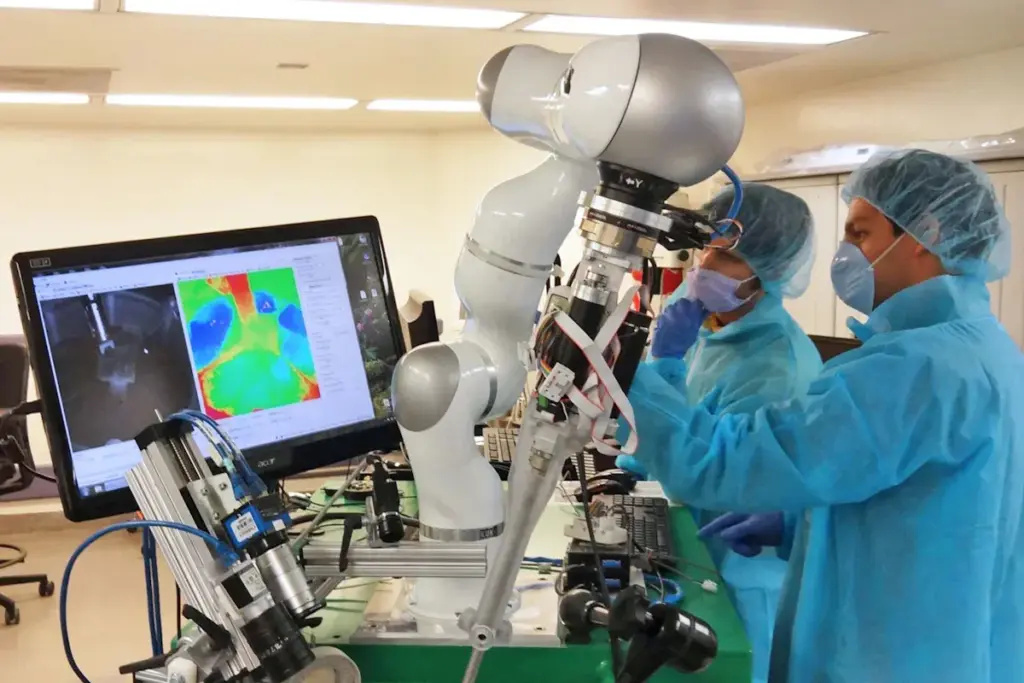
Robotic-assisted surgery is changing the medical world. It brings more precise operations. This tech upgrade helps surgeons do better and improves patient results.
Evolution of Surgical Robotics Systems
The journey of robotic-assisted surgery has been long and filled with big steps. Early versions were basic, but today’s robots offer better vision, precision, and control. Now, surgeons can do complex tasks with more accuracy and less harm.
New robotic systems bring high-definition 3D views and easy-to-use controls. They help surgeons work better for longer, without getting tired.
Benefits for Patients: Reduced Recovery Times and Complications
These surgeries are less invasive, causing less damage and pain.
- Less invasive procedures
- Reduced risk of complications
- Shorter recovery times
Advantages for Surgeons: Enhanced Visualization and Dexterity
Robotic surgery gives surgeons better views and control. This means they can do precise work like dissection and suturing. Robots also help with tricky moves that old tools can’t handle.
This tech is making surgery more precise and controlled. It’s changing surgery for the better, helping us get better results for our patients.
Artificial Intelligence and Machine Learning in Surgical Decision-Making
Medical innovation is growing fast, thanks to artificial intelligence and machine learning. These technologies are changing how we make decisions in surgery. They help improve patient care and lower the chance of problems during surgery.
Preoperative Planning and Risk Assessment
AI and machine learning look at lots of patient data. They check medical histories, scans, and lab results to spot risks. This helps surgeons plan better before surgery, making it safer for patients.
AI can find patients at risk for surgery problems, like breathing or heart issues. This lets doctors take steps to avoid these problems. Machine learning helps surgeons understand complex cases better, leading to smarter treatment plans.
Intraoperative Guidance and Real-Time Analytics
During surgery, AI and machine learning offer real-time help. They analyze data from tools, scans, and patient monitors. This gives surgeons important information and alerts.
For example, AI can spot issues like bleeding or tissue damage right away. This lets surgeons act fast and fix problems. AI also predicts possible problems, helping surgeons prevent them.
Using AI and machine learning in surgery makes procedures safer and more effective. This leads to better results for patients and a higher quality of life.
Augmented and Virtual Reality: Transforming Surgical Training and Execution
Augmented and virtual reality are changing how surgeons train and do operations. These technologies boost surgeon skills and help patients by cutting down on complications and recovery times.
Immersive Surgical Education Platforms
Immersive surgical education platforms are being made to give surgeons real and interactive training. They use virtual reality (VR) to mimic complex surgeries. This lets surgeons practice and improve their skills without risk.
VR helps surgeons practice over and over, which is key for mastering hard techniques. It also cuts down the time it takes to learn new surgeries.
AR Overlays for Enhanced Surgical Navigation
Augmented reality (AR) is making surgery better by adding important info to the surgeon’s view. It shows real-time data like patient anatomy and vital signs right in the surgeon’s sight. This makes surgeries more precise and less stressful.
AR overlays make surgeries more accurate by giving surgeons a clear view of the patient’s body. This leads to better results and fewer complications.
As we keep adding these technologies to surgery, we’re seeing big changes. The future of surgery looks bright, with better care and outcomes for patients.
Which Technology Enables Surgery to Be More Precise?
Advanced technologies are changing surgery for the better. They make operations more precise and effective. This change is thanks to new innovations that improve outcomes and reduce recovery times.
Advanced Imaging Modalities
Advanced imaging is key in precise surgery. Advanced imaging methods, such as 3D imaging and intraoperative MRI, provide surgeons with clear, real-time visuals. This helps in planning and guiding the surgery.
These tools help spot complex structures and issues early. Surgeons can then make better decisions and adjust their methods.
Computer-Assisted Navigation Systems
Computer-assisted systems are also vital. They use GPS-like technology to track instruments in real-time. This is important for surgeries needing exact targeting, like neurosurgery and orthopedic surgery.
These systems give accurate spatial data. This reduces risks and boosts the accuracy of surgeries.
Sensor Technologies for Tissue Differentiation
Sensor technologies can tell different tissues apart. They use electrical impedance spectroscopy or optical coherence tomography to do this. This is useful for precise tissue removal.
It helps in keeping important structures safe during surgery. These technologies are leading to more precise and safer surgeries.
Minimally Invasive and Non-Invasive Surgical Innovations
Minimally invasive and non-invasive surgeries are changing how we do operations. They cut down on recovery time and scarring. This makes surgeries easier for patients and more successful.
We’re seeing big changes in surgery thanks to new methods. These new ways are making surgeries better for patients and the whole experience.
Single-Port and Needlescopic Techniques
Single-port surgery uses just one cut, usually in the belly button. Needlescopic methods use tiny tools, causing less damage and quicker healing.
Benefits of these techniques include:
- Less pain after surgery
- Less scarring
- Shorter hospital stays
- Quicker return to daily activities
Natural Orifice Surgery and Incisionless Approaches
Natural Orifice Transluminal Endoscopic Surgery (NOTES) is a big step forward. It lets surgeons work through natural openings, avoiding cuts.
The benefits of NOTES and incisionless methods are clear:
- No visible scars
- Lower risk of infection
- Less pain after surgery
- Possible for procedures without staying in the hospital
As we keep improving these methods, surgery will get even better. These new ways are making care safer and more effective for everyone.
3D Bioprinting and Personalized Surgical Solutions
3D bioprinting is changing surgery by making models and printing tissues on demand. It’s a big change in how surgeons plan and do complex surgeries.
Patient-Specific Anatomical Models for Surgical Planning
One big thing about 3D bioprinting is making models just for each patient. These models come from the patient’s own scans, like MRI or CT scans. They show the patient’s body very accurately.
- Enhanced Preoperative Planning: Surgeons can practice with these models, getting to know the patient’s body better.
- Improved Patient Outcomes: Knowing the patient’s body well helps surgeons avoid problems during surgery.
- Better Patient Communication: These models help explain the surgery to patients, making them feel more at ease.
On-Demand Tissue and Organ Printing
This could change organ transplants and fixing damaged tissues.
- Organ Transplantation: Bioprinted organs could solve the organ shortage, saving many lives.
- Tissue Repair: Bioprinted tissues could fix damaged tissues, helping with many health issues.
- Personalized Medicine: Bioprinted tissues and organs fit each patient, lowering rejection risks and improving results.
Adding 3D bioprinting to surgery is a big step in personalized medicine. It helps make surgery better, cuts down recovery time, and improves care quality.
Nanotechnology and Microsurgery: Operating at the Cellular Level
The future of surgery is changing at the cellular level. Thanks to nanotechnology and microsurgery, surgeons can now operate with unmatched precision. This opens up new ways to treat patients and improve care.
Two major innovations are leading this change. The first is the creation of nanorobots for precise interventions. The second is the development of microscale instruments for very delicate surgeries. Both are revolutionizing surgery in big ways.
Nanorobots for Targeted Interventions
Nanorobots are a big step forward in surgery. These tiny robots can travel through the body to find and treat specific problems. They can go places that were once too risky or impossible.
For example, nanorobots can deliver medicine right to the disease site. This reduces harm to healthy tissues and makes treatments more effective. It’s a game-changer for fighting cancers, where keeping healthy tissue safe is key.
Microscale Instruments for Delicate Procedures
Microscale instruments are also being made to improve surgery. These tools are for very precise surgeries, like eye or brain operations. They’re made for situations where even a small mistake can be disastrous.
These instruments let surgeons do more detailed work inside the body. This means less damage to tissues and faster healing. They’re great for fixing or removing tiny body parts.
As nanotechnology and microsurgery get better, so will patient care. Being able to work at the cellular level makes surgeries more precise. It also means patients can recover faster and face fewer complications.
Using these technologies in regular surgery is a big step forward. It gives patients hope for complex or delicate surgeries. With nanotechnology and microsurgery, the future of surgery looks very promising.
Remote Surgery and the Global Operating Room
Telesurgery is making the global operating room a reality. It’s changing how surgeries are done, letting surgeons work on patients worldwide. This new tech is making more care available and improving patient results.
Telesurgery Across Continents: Current Capabilities
Telesurgery uses tech to do surgeries from far away. It’s working on many continents, letting surgeons work together on patients in different places. The tech sends clear video and control signals in real-time, making surgeries safe and precise.
The current telesurgery abilities include:
- Long-distance surgical consultations
- Remote surgical training and education
- Real-time collaboration between surgeons
- Precision surgery performed remotely using robotic systems
5G and Beyond: Eliminating Latency Barriers
Latency is a big problem in remote surgery, making real-time interaction hard. 5G networks are changing this by cutting down latency and speeding up data. This is key to making remote surgery more common.
The good things about 5G in telesurgery are:
- Less latency for real-time control
- More reliable and stable connections
- More room for high-definition data
As we keep improving surgical tech, 5G and future tech will be vital. They will make remote surgery more available, reliable, and effective.
Future Surgeons: Evolving Skills and Training Requirements
The future of surgery needs surgeons with new skills. They must be good at both technical tasks and using digital tools. The training for surgeons is changing a lot.
Hybrid Technical and Digital Competencies
Future surgeons will have to know a lot. They need to be precise and skilled with their hands. They also need to know how to use advanced technologies like robots and AI.
We are seeing training programs change. They now mix old surgical ways with new digital tools.
Key components of this hybrid training include:
- Proficiency in robotic-assisted surgery
- Understanding of AI-driven diagnostic tools
- Ability to navigate complex digital data sets for preoperative planning
This mix of skills will help surgeons give better care to their patients.
Simulation-Based Credentialing and Assessment
Simulation training is changing how surgeons are tested. It lets them practice in a safe, controlled space.
The benefits of simulation-based credentialing include:
- Enhanced patient safety through reduced risk of complications during training
- Personalized feedback and assessment based on performance data
- Standardization of surgical techniques across different training programs
Simulation training will likely play a big role in surgical education. It will help surgeons learn the latest tech and techniques.
By adopting these new skills and training, we’re making surgeons better. This will lead to better care for patients and progress in surgery.
Ethical and Regulatory Challenges in Surgical Technology Development
Surgical technology is evolving fast, bringing new ethical and regulatory hurdles. We must think deeply about patient safety, informed consent, and the rules that guide these advancements.
Patient Safety and Informed Consent in the Digital Age
Digital technologies like artificial intelligence and robotics are changing surgery. They offer precision and fewer complications but also new risks. We need strong safety measures and clear talks about these risks.
Informed consent is getting harder in the digital world. Patients need to understand the tech used in surgery, including data and cybersecurity risks. We must create clear guidelines and materials to help them make informed choices.
Regulatory Frameworks for Novel Surgical Technologies
New surgical technologies are moving fast, challenging regulators. Current rules might not cover the unique aspects of these technologies. We need to update our rules to keep up with these advancements.
Creating clear pre-market review processes and post-market surveillance is key. These steps help spot and fix safety issues early. This ensures new tech is both innovative and safe for patients.
By tackling these challenges head-on, we can create a space for safe and effective surgical tech. This will improve patient care and outcomes.
Timeline for Implementation: When Will Surgery of the Future Arrive?
The future of surgery is already here, with new tech hitting operating rooms everywhere. We’re seeing big changes fast. It’s key to know how these new tools will change surgery.
Technologies on the Immediate Horizon (2023-2025)
Soon, we’ll see big changes in surgery thanks to new tech. Here’s what’s coming:
- Advanced Robotic Systems: New robots that are more precise and skilled.
- Artificial Intelligence (AI) Integration: AI will help plan surgeries, guide during them, and care for patients after.
- Augmented Reality (AR) for Surgical Navigation: AR will show surgeons important info in real-time during surgery.
These tools are getting better and will soon be used more. They promise better care and smoother surgeries.
Long-Term Transformations in Surgical Practice (2025-2035)
In the next decade, surgery will see even bigger changes. Expect:
- Nanotechnology and Microsurgery: New ways to work at the tiny cell level.
- 3D Bioprinting and Personalized Medicine: Printing custom tissues and organs for transplants.
- Remote Surgery and Telesurgery: New tech for remote surgeries.
These advancements are poised to fundamentally transform surgery, paving the way for innovative patient care and training approaches for surgeons.
As we welcome these new tools, we must face challenges. There are rules to follow, ethics to consider, and training needs for surgeons.
Conclusion: Embracing the Technological Future of Surgery
Looking ahead, surgery is changing thanks to new tech. We’re seeing more precise and less invasive surgeries. It’s key to improve patient care and surgeon skills by embracing these changes.
Artificial intelligence, robotics, and augmented reality are changing the operating room. They help surgeons make better choices and reduce risks. This tech makes healthcare better and opens new possibilities.
We need to keep innovating and investing in surgery tech. It’s important to create solutions that meet patient and surgeon needs. This way, surgery’s future will be even brighter, with better care and outcomes.
FAQ
What is the future of surgery?
Surgery is changing fast with new tech like robotic surgery, AI, and augmented reality. These advancements are making surgery better for both patients and doctors.
How is technology changing surgical practices?
Tech is making surgery less invasive and more precise. This leads to better results for patients. Places like Surrey Memorial Hospital show how tech is changing surgery.
What are the benefits of robotic-assisted surgery?
Robotic surgery helps patients heal faster and with fewer problems. It also helps doctors see and move more precisely.
How is artificial intelligence used in surgical decision-making?
AI helps plan surgeries and assess risks before and during operations. It improves outcomes and cuts down on complications.
What is the role of augmented and virtual reality in surgery?
AR and VR are changing how surgeons train and perform. They offer immersive learning and help with navigation, making surgery safer and more precise.
Which technologies enable more precise surgery?
New imaging and navigation systems, along with sensors, make surgery more precise. This leads to better results and fewer complications.
What are the latest minimally invasive and non-invasive surgical innovations?
New techniques like single-port and needlescopic surgery are reducing recovery times and scarring. They are also making surgery less invasive.
How is 3D bioprinting used in personalized surgical solutions?
3D bioprinting creates custom models for planning and prints tissues and organs. This improves outcomes and reduces complications.
What is the future of nanotechnology and microsurgery?
Nanotechnology and microsurgery could soon operate at the cellular level. This could lead to more precise and effective treatments.
What is remote surgery and the global operating room?
Remote surgery lets doctors operate from anywhere, thanks to 5G networks. This increases access to care and improves outcomes.
What are the evolving skills and training requirements for future surgeons?
Surgeons will need to know both technical and digital skills. They will also need to be trained in simulation-based environments.
What are the ethical and regulatory challenges in surgical technology development?
There are concerns about patient safety and informed consent with new tech. There’s also a need for clear rules for these advancements.
When can we expect the implementation of new surgical technologies?
New tech is coming soon (2023-2025) and in the future (2025-2035). It will bring both benefits and challenges.
How will the future of surgery impact patient care?
Surgery’s future will make care better by improving outcomes and reducing complications. It will focus on ongoing innovation and investment in tech.