Tendonitis affects millions of people worldwide, causing pain and discomfort. A startling fact is that certain dietary choices can exacerbate tendonitis, making it vital to understand the relationship between diet and tendon health.
For those with calcific tendonitis shoulder, managing symptoms through diet is key. Eating the right foods and avoiding inflammatory ones can help. Treatments like osteo cranial therapy show the need for a holistic approach to tendonitis.
Knowing which foods to avoid after prp therapy can improve healing. A balanced diet is essential for reducing inflammation and supporting tendon health.
Key Takeaways
- Dietary choices significantly impact tendonitis symptoms.
- Avoiding inflammatory foods can help alleviate tendonitis pain.
- A well-balanced diet supports tendon health and recovery.
- Understanding the link between diet and tendonitis is key for effective management.
- Incorporating nutrient-rich foods can enhance the healing process.
Understanding Tendonitis and Its Various Forms

Knowing about tendonitis is key to handling its effects on our daily lives. It covers a wide range of conditions that affect tendons. Tendonitis happens when tendons, which connect muscles to bones, get inflamed. This can cause pain, swelling, and make it hard to move the affected areas.
The Pathophysiology of Tendon Inflammation
Tendon inflammation starts when tendons face too much strain or sudden injury. This leads to tiny tears in the tendon. The body’s natural healing process kicks in, causing inflammation. But, if this inflammation goes on too long, it can damage the tendon and cause ongoing pain.
The process of tendonitis involves many complex parts. Pro-inflammatory cytokines help start the inflammation. On the other hand, growth factors help with healing.
Common Types and Locations of Tendonitis
Tendonitis can happen in different parts of the body. It depends on the activities or jobs that involve a lot of repetitive motions or strain. Some common types include:
- Achilles tendonitis, affecting the tendon connecting the calf muscles to the heel bone.
- Tennis elbow (lateral epicondylitis), affecting the tendons on the outside of the elbow.
- Rotator cuff tendonitis, affecting the tendons surrounding the shoulder joint.
- Patellar tendonitis, affecting the tendon connecting the kneecap to the shinbone.
These conditions often come from doing the same thing over and over. This shows how important it is to use good ergonomics and exercise safely.
Risk Factors and Triggers for Tendon Inflammation
Several things can make you more likely to get tendonitis. These include getting older, what you do for work, and certain health conditions. Older people are more at risk because their tendons get less flexible and strong with age.
Jobs or activities that involve doing the same thing a lot, like typing, sports, or manual work, also raise the risk. Plus, conditions like rheumatoid arthritis or diabetes can make you more likely to get tendonitis.
When usual treatments don’t work, options like prolotherapy or hydrodissection might be considered. Looking for a specialist for prolotherapy near me can be a big step for those looking for other treatments.
The Science Behind Diet and Tendon Inflammation

It’s important to know how diet affects tendon health. This knowledge helps in creating better treatment plans. The link between what we eat and tendon inflammation is complex. It involves many nutritional paths that can either help or hurt tendon healing.
How Dietary Choices Affect Systemic Inflammation
What we eat greatly affects systemic inflammation, which is key in tendonitis. Eating foods rich in antioxidants, like fruits and veggies, can lower inflammation. But, foods high in sugar and processed foods can make inflammation worse.
Studies show that diets like the Mediterranean diet help fight inflammation. This diet is full of omega-3s and antioxidants. Prolotherapy, a treatment that helps tendons heal, works better with anti-inflammatory foods.
Nutritional Pathways That Impact Tendon Healing
Nutrients greatly affect how tendons heal. We need enough proteins, vitamins, and minerals for tendon repair. Collagen peptides and protein supplements help by giving tendons what they need to fix themselves.
Vitamins like C and zinc are also key for collagen making and tendon strength. Getting enough of these through food or supplements helps tendons heal.
Research on Food Sensitivities and Tendon Pain
Research shows that food sensitivities can cause tendon pain. Finding and avoiding trigger foods helps manage tendonitis. Common offenders include gluten, dairy, and nightshade veggies, which can spark inflammation in some.
Treatments like prolozone therapy work better when paired with avoiding inflammatory foods. Knowing how diet affects tendon health helps us make better choices to manage our condition.
Pro-Inflammatory Foods That Can Worsen Tendonitis
Certain foods can make tendonitis symptoms worse. This makes what you eat very important. Treatments like prolo injection therapy and cranial osteopathy help, but avoiding bad foods is key too.
Processed Foods and Artificial Additives
Processed foods have lots of bad stuff like artificial additives and unhealthy fats. They can make inflammation worse. These foods also raise blood sugar levels, which adds to inflammation.
Stay away from packaged snacks, frozen meals, and processed meats. Cutting down on these can help fight inflammation and ease tendonitis symptoms.
Sugar and Refined Carbohydrates
Too much sugar and refined carbs can cause inflammation. They make blood sugar go up fast and can lead to insulin resistance. This makes inflammation worse.
- Drink less sugary drinks and eat fewer sweets.
- Eat less white bread and refined grains.
- Choose whole, unprocessed foods whenever you can.
Omega-6 Heavy Vegetable Oils
Some omega-6 fatty acids are good, but too much can cause inflammation. Vegetable oils like corn and soybean oil are big culprits. It’s important to balance omega-6 and omega-3 fatty acids in your diet.
| Oil Type | Omega-6 Content | Inflammatory Potencial |
| Corn Oil | High | High |
| Soybean Oil | High | High |
| Olive Oil | Low | Low |
For people with tendonitis, watching what you eat is as important as treatments like prolozone therapy. Making smart food choices can help reduce symptoms and improve tendon health.
Foods High in Purines and Their Effect on Tendon Health
Purine-rich foods can raise uric acid levels, making tendonitis worse. Purines are found in many foods. Some people might have too much uric acid because of their diet or genes.
Red Meat and Organ Meats
Red meat and organ meats have a lot of purines. Liver and kidney are the worst, with 600 mg of purines in just 3 ounces. Beef, lamb, and pork also have a lot, but less than organ meats. Eating these can make uric acid levels go up, which can hurt tendons.
Seafood and Shellfish Concerns
Some seafood and shellfish have a lot of purines, raising uric acid levels. Mussels, scallops, and anchovies are the worst. Fish like salmon and tuna are better, but some seafood can also raise uric acid. It’s best to eat these foods in moderation, if you have tendonitis or gout.
Plant-Based High-Purine Foods
Even healthy plant-based foods can have a lot of purines. Legumes like lentils, beans, and peas have moderate purine levels. Vegetables like spinach, mushrooms, and asparagus also have a lot. But, research shows plant-based purines might not affect uric acid levels as much as animal-based ones.
| Food Category | Examples | Purine Content |
| Organ Meats | Liver, Kidney | High |
| Red Meats | Beef, Lamb, Pork | Moderate to High |
| Seafood | Anchovies, Mussels, Scallops | High |
| Plant-Based | Lentils, Beans, Spinach | Moderate |
Knowing which foods have a lot of purines can help you eat better for your tendons. You don’t have to avoid these foods completely. Just being careful about how much you eat can help your tendons stay healthy.
Nightshade Vegetables and Their Controversial Link to Tendonitis
Nightshade vegetables are nutritious but might worsen tendonitis for some. They include tomatoes, peppers, and eggplants, which are common in our diets.
The Science Behind Solanine and Joint Pain
Nightshades have solanine, a compound that might cause inflammation and pain. Studies are looking into how solanine affects our health. Some research suggests it could disrupt enzymes linked to inflammation.
Key points about solanine:
- Solanine is a natural pesticide found in nightshade plants.
- Some research links solanine to increased inflammation.
- The impact of solanine on human health is being studied.
Common Nightshades to Consider Limiting
If you have tendonitis, cutting down on nightshades might help. These include:
- Tomatoes and tomato products
- Peppers (both sweet and hot varieties)
- Eggplant
- Potatoes (if not peeled)
Testing for Nightshade Sensitivity
Try an elimination diet to see if nightshades worsen your tendonitis. Remove them from your diet for a few weeks and watch your symptoms. If you feel better, try adding them back one at a time to find out which ones bother you.
Some treatments for tendonitis, like prolotherapy, are debated. While they might not work for everyone, changing your diet could help. Cutting down on nightshades might be a good start.
Dairy Products and Their Possible Effect on Tendon Inflammation
The link between dairy and tendon inflammation is complex. Dairy has parts that can cause inflammation and affect tendon health. Knowing these details is key for those with tendonitis.
Casein, Whey, and Inflammatory Responses
Dairy has two main proteins: casein and whey. These proteins can cause different reactions in the body. Some people may get an inflammatory response to one or both, making tendonitis worse.
Research is ongoing on how casein and whey affect inflammation. But, how people react to these proteins varies a lot. This means it’s important for those with tendonitis to watch how their body reacts to dairy.
A1 vs. A2 Dairy Considerations
The difference between A1 and A2 dairy has become more known. A1 and A2 are types of beta-casein protein in milk. Some studies suggest A1 might cause more inflammation than A2.
Some people with tendonitis say they feel better when they switch to A2 dairy. But, more research is needed to know for sure. For those who eat dairy, choosing A2 might be a good idea.
Dairy Alternatives for Tendonitis Sufferers
If dairy makes tendonitis worse, there are many alternatives. Plant-based milks like almond, soy, and oat milk are popular. They can be used in cooking and drinks just like regular dairy.
When picking dairy alternatives, look for ones with calcium and vitamin D. These support bone and tendon health. Some also have omega-3 fatty acids, which are anti-inflammatory. Always talk to a healthcare professional before making big changes to your diet.
Dietary changes, like avoiding dairy, can help with tendonitis treatments. They can also help with other treatments, like myofascial release, by reducing inflammation and helping healing.
Gluten and Its Relationship to Chronic Tendon Pain
Gluten, found in wheat, barley, and rye, can affect tendon health. It’s linked to inflammation and autoimmune responses. This is important for those with chronic tendon pain.
Non-Celiac Gluten Sensitivity and Inflammation
Non-celiac gluten sensitivity (NCGS) is like celiac disease but without the test results. It can cause inflammation, making tendon pain worse. A gluten-free diet may help reduce inflammation and symptoms.
Hidden Sources of Gluten in the Diet
Gluten is in more than just bread and pasta. It’s also in processed foods, sauces, and some meds. Common hidden sources include:
- Processed meats
- Sauces and gravies
- Some types of ice cream
- Energy bars
- Certain medications
Knowing and avoiding these sources is key for those with gluten sensitivity and tendon pain.
Nutritious Gluten-Free Alternatives
Going gluten-free doesn’t mean giving up taste or nutrition. There are many gluten-free options, like:
| Gluten-Containing Food | Gluten-Free Alternative |
| Wheat bread | Almond flour bread or rice bread |
| Pasta | Zucchini noodles or quinoa pasta |
| Traditional beer | Gluten-free beer |
Starting a gluten-free diet can be tough. But with the right info, it can help ease chronic tendon pain.
Foods to Avoid After PRP (Platelet-Rich Plasma) Therapy
After PRP therapy, it’s important to watch what you eat. The right foods can help your body heal better. The wrong ones might slow down the process.
Why Dietary Choices Matter for PRP Success
PRP therapy uses platelet-rich plasma to help tendons heal. What you eat can either help or hurt this process. Eating foods that support healing can make PRP therapy work better.
Nutritional Support for PRP Therapy
- Adequate protein intake is key for tendon repair
- Vitamin C helps make collagen
- Omega-3 fatty acids reduce inflammation
Caffeine, Alcohol, and NSAIDs Restrictions
Some foods and drinks can slow down healing after PRP therapy. It’s best to limit or avoid:
- Caffeine: Too much can slow healing
- Alcohol: It can slow down natural repair
- NSAIDs: These drugs might not work well with PRP therapy
Always talk to your doctor about these substances.
Sugar and Processed Foods That May Hinder Healing
Too much sugar and processed foods can cause inflammation. This can slow down healing. These foods often don’t have the nutrients your body needs.
| Food Category | Examples | Impact on Healing |
| Sugary Foods | Candies, baked goods, sugary drinks | Promotes inflammation |
| Processed Foods | Packaged snacks, processed meats | Lacks essential nutrients, may contain harmful additives |
Optimal Post-PRP Nutrition Protocol
To help your body heal after PRP therapy, eat a balanced diet. Include:
- Lean proteins
- Fresh fruits and vegetables
- Whole grains
- Healthy fats
Making smart food choices can help you get the most out of PRP therapy. It also supports your tendon health.
Dietary Considerations for Calcific Tendonitis
Managing calcific tendonitis through diet is key. It’s about how foods affect calcium in the body. “Diet plays a big role in managing calcific tendonitis,” say healthcare experts. They focus on shoulder calcific tendonitis.
The Mechanism of Calcium Deposit Formation
Calcific tendonitis happens when calcium builds up in tendons, often in the shoulder. It causes a lot of pain and makes moving harder. The exact reason for this buildup is complex, involving cells and diet.
Research shows that calcium buildup is linked to poor calcium control, inflammation, and tendon wear. What we eat can make these problems better or worse.
Foods That May Contribute to Calcium Dysregulation
Some foods can lead to calcium problems, making tendonitis worse. These include:
- Foods high in processed calcium
- Too much calcium from supplements without other nutrients
- Some dairy products, based on their type and how they’re made
Balancing Calcium, Vitamin D, and Vitamin K2
It’s important to balance calcium with Vitamin D and Vitamin K2. Vitamin D helps our body use calcium. Vitamin K2 makes sure calcium goes to bones and teeth, not soft tissues like tendons.
“The mix of calcium, Vitamin D, and Vitamin K2 is key for bone health and stopping calcium buildup in soft tissues.” – Nutrition Expert
Dietary Approaches to Managing Shoulder Calcification
There are several ways to manage shoulder calcification through diet:
- Eat enough calcium, Vitamin D, and Vitamin K2 from food or supplements.
- Stay away from foods that cause inflammation and calcium issues.
- Keep a healthy weight to ease tendon pressure.
By following these dietary tips, people with calcific tendonitis can better manage their symptoms. They might even slow the condition’s progress.
Anti-Inflammatory Foods That Support Tendon Recovery
Eating foods that fight inflammation is key for tendon health. Tendonitis, like tendon calcification and calcification shoulder, can get better with the right diet. This diet should help reduce inflammation and aid in healing.
Omega-3 Rich Foods for Tendon Health
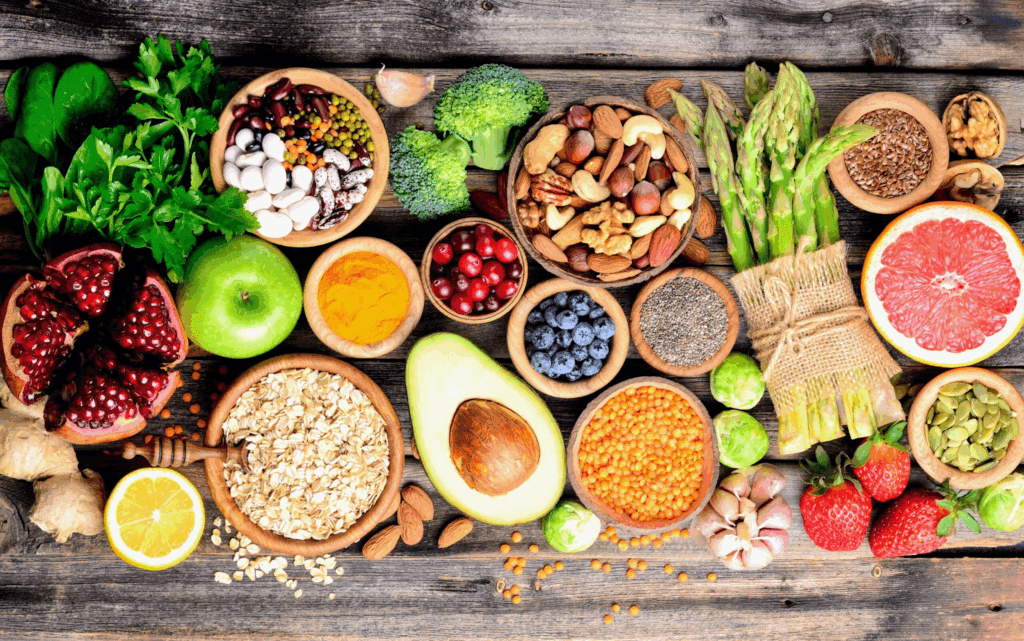
Omega-3 fatty acids are great at fighting inflammation. They help lessen tendon pain. Foods like salmon, sardines, and mackerel are full of omega-3s. Adding these to your meals can help your tendons heal, even after treatments like prolotherapy shots.
Fatty Fish: Salmon, sardines, and mackerel are full of omega-3s. Flaxseeds and chia seeds are plant-based options that also have omega-3s.
Antioxidant-Rich Fruits and Vegetables
Antioxidants fight oxidative stress, which can make tendon inflammation worse. Eating a variety of colorful fruits and veggies gives you important antioxidants. Berries, leafy greens, and cruciferous veggies are packed with antioxidants.
- Berries: Blueberries, strawberries, and raspberries are full of vitamins and antioxidants.
- Leafy Greens: Spinach and kale are rich in vitamins A, C, and K, and minerals like calcium.
- Cruciferous Vegetables: Broccoli and cauliflower have sulforaphane, which fights inflammation.
Turmeric, Ginger, and Other Anti-Inflammatory Spices
Some spices are known for their anti-inflammatory effects. They’re great for a diet that aims to reduce tendon inflammation. Turmeric has curcumin, which fights inflammation and is an antioxidant. Ginger has been shown to lessen pain and inflammation in studies.
Turmeric: Has curcumin, which fights inflammation. Ginger: Helps reduce pain and inflammation.
Bone Broth and Collagen-Supporting Foods
Bone broth is full of collagen, which is good for tendons. Collagen helps repair and maintain tendons. Foods like gelatinous meats and vitamin C-rich foods also support collagen production.
Bone Broth: Is rich in collagen, which is good for tendons. Gelatinous Meats: Provide collagen and other nutrients that help tendons.
Hydration Strategies for Optimal Tendon Function
Drinking enough water is key to keeping tendons healthy and avoiding tendonitis. Tendons are mostly water, so they need enough hydration to work right. Without enough water, tendons lose their stretchiness and strength, making them more likely to get hurt.
How Dehydration Compromises Tendon Integrity
Not drinking enough water can hurt tendon health. It makes the fluid that helps tendons move less, leading to pain and stiffness. Drinking enough water keeps this fluid flowing, making tendons move smoothly and reducing the risk of injury.
Dehydration can also make tendons less flexible and more likely to tear. Some effects of dehydration on tendons include:
- Less synovial fluid
- Stiffer tendons
- Weaker tendons
- Higher risk of tendonitis and ruptures
Electrolyte Balance and Tendon Health
Electrolytes like sodium, potassium, and calcium are important for keeping tendons healthy. They help control fluid balance in the body and support muscle and nerve function. Not having the right balance of electrolytes can cause muscle cramps and tendon strains.
Eating foods rich in electrolytes is important. Some good choices are:
- Banana (potassium)
- Avocado (potassium)
- Nuts and seeds (magnesium and potassium)
- Dairy products (calcium)
Hydrating Foods and Beverages for Recovery
Drinking water is just the start. Eating hydrating foods and drinking hydrating drinks can also help tendons heal. Bone broth and drinks with lots of electrolytes can help replace lost fluids and aid in tendon repair.
Some foods that help with hydration are:
- Watermelon
- Cucumbers
- Tomatoes
- Herbal teas
- Coconut water
Supplements That Support Tendon Healing and Repair
Supplements can help with tendonitis, working alongside traditional treatments. A balanced diet is key, but extra nutrients can boost tendon health and recovery.
Collagen Peptides and Protein Supplements
Collagen peptides are getting attention for tendon health. They’re packed with amino acids like glycine and proline, important for collagen. Research shows they can improve tendon structure and function, easing tendonitis symptoms.
Protein supplements, like those with BCAAs, aid tendon repair. They help muscles recover and lessen soreness. This is great for those doing intense activities that stress tendons.
Essential Vitamins and Minerals for Tendon Health
Vitamins and minerals are key for tendon health. Vitamin C is vital for collagen, and Vitamin D helps control calcium levels, preventing calcific tendinitis. Getting enough of these through diet or supplements supports tendon health.
Minerals like magnesium and zinc are also important. Magnesium helps with muscle and nerve function, reducing muscle cramps and spasms. Zinc aids in immune function and wound healing, helping with tendon injury recovery.
Herbal Supplements with Anti-Inflammatory Properties
Some herbal supplements have anti-inflammatory effects that help with tendonitis. Turmeric, with curcumin, is known for its anti-inflammatory properties. Curcumin can block inflammatory pathways, reducing pain and swelling in tendons.
Ginger and ashwagandha also offer benefits. Ginger is used to reduce inflammation and pain. Ashwagandha helps the body cope with stress, which can lessen tendon inflammation.
In summary, the right supplements can greatly help with tendon healing and repair. Knowing the benefits of different supplements can help improve tendon health and overall well-being.
Nutritional Considerations for Different Tendonitis Treatments
When you’re treating tendonitis, what you eat matters a lot. Some foods help your body heal, while others might slow it down. Knowing how different foods work with treatments is key to getting better.
Dietary Support for Prolotherapy and Prolozone Therapy
Prolotherapy and Prolozone therapy help your body heal itself. To support these treatments, eat foods full of vitamins C and D, zinc, and protein. These nutrients are important for fixing tissues and making collagen.
- Foods high in vitamin C, like citrus fruits and leafy greens, boost collagen.
- Eating enough protein from lean meats, fish, and legumes helps fix tissues.
- Zinc in foods like oysters, beef, and chicken aids in healing and keeps your immune system strong.
Nutrition Before and After Hydrodissection Procedures
Hydrodissection is a treatment that uses fluid to ease pressure on tendons. Eating the right foods before and after can help you recover faster and avoid problems.
Before the procedure, eat anti-inflammatory foods like turmeric, ginger, and omega-3 fish to lower inflammation. Afterward, drink plenty of water and keep your electrolytes balanced to heal well.
Dietary Approaches to Enhance Acupuncture Effectiveness
Acupuncture is a traditional method that uses needles to help your body heal. Certain foods can make acupuncture for tendonitis more effective.
- Eat warm, nourishing foods like soups and stews to support your energy.
- Stay away from cold, raw foods that can work against acupuncture’s warming effects.
- Add foods high in magnesium and potassium, like dark leafy greens and bananas, to help your muscles relax and function well.
Food Interactions with Common Tendonitis Medications
If you’re taking medications for tendonitis, like NSAIDs, know how foods can affect them. Some foods might make your meds work less well or increase side effects.
| Medication | Food Interaction | Recommendation |
| NSAIDs | Alcohol | Avoid alcohol to reduce the risk of stomach ulcers. |
| Corticosteroids | High-sugar foods | Limit sugar intake to avoid exacerbating inflammation. |
Creating a Personalized Anti-Inflammatory Diet Plan
Every anti-inflammatory diet plan is unique. It must fit your health goals and needs. This tailored approach helps manage tendonitis and boosts your overall health.
Elimination Diet Approach for Identifying Triggers
The elimination diet helps find foods that worsen tendonitis. You remove foods like gluten, dairy, and nightshades for 2-3 weeks. This lets you see if your symptoms get better.
Key steps in an elimination diet include:
- Removing suspected trigger foods
- Monitoring symptoms daily
- Reintroducing eliminated foods one at a time
- Assessing symptom response to each reintroduced food
Sample Meal Plans for Acute and Chronic Tendonitis
For tendonitis, eat foods that fight inflammation. These include omega-3s, antioxidants, and fiber. This helps ease symptoms.
| Meal | Acute Tendonitis | Chronic Tendonitis |
| Breakfast | Oatmeal with berries and walnuts | Green smoothie with spinach, banana, and almond milk |
| Lunch | Grilled salmon with quinoa and steamed vegetables | Turkey and avocado wrap with mixed greens |
| Dinner | Beef stir-fry with turmeric, ginger, and brown rice | Lentil soup with a side of mixed greens salad |
Practical Shopping and Meal Preparation Tips
Smart shopping and meal prep are key to managing tendonitis with diet. Buy in bulk, use seasonal produce, and prep meals ahead. These steps make a big difference.
“Meal prep is not just about saving time; it’s about setting yourself up for success in maintaining a healthy, anti-inflammatory diet.” – Nutrition Expert
Balancing Nutritional Needs with Tendonitis Management
It’s important to balance diet for tendonitis with nutritional needs. Make sure you get enough vitamins, minerals, and proteins. This is vital for tendon health and overall well-being.
For instance, vitamin K2 plays a significant role in calcium regulation, potentially impacting calcific tendonitis causes and what causes calcium deposits in the shoulder.
Conclusion: Sustainable Dietary Strategies for Long-Term Tendon Health
Managing tendonitis well means using a full approach. This includes eating right to cut down inflammation and help tendons heal. Knowing how food affects tendonitis helps people choose better and feel better.
It’s smart to stay away from foods that cause inflammation, like processed meats and sugar. Instead, eat foods that fight inflammation, like fish full of omega-3s, fruits, and veggies. Drinking enough water and taking collagen peptides can also help tendons.
For those with tendinopathy calcification, it’s important to balance calcium, vitamin D, and vitamin K2. Making these dietary changes can help tendons naturally. By living a healthy lifestyle, people can lower their chance of tendonitis and feel better overall.
FAQ
What is calcific tendonitis?
Calcific tendonitis is a condition where calcium builds up in the tendons. This can cause pain and swelling, often in the shoulder.
How does diet affect tendonitis?
Diet is key in managing tendonitis. Some foods can make inflammation worse, while others can help. Eating foods that fight inflammation can aid in tendon recovery.
What foods should be avoided with calcific tendonitis?
Avoid foods high in purines, sugar, and processed items. Also, cutting down on dairy, nightshade veggies, and gluten might help some people.
Are there specific dietary recommendations after PRP therapy?
After PRP therapy, stay away from caffeine, alcohol, and NSAIDs. Also, skip sugar and processed foods. Eat a balanced diet with omega-3s, antioxidants, and foods that support collagen.
Can supplements support tendon healing?
Yes, supplements like collagen peptides and vitamins (e.g., vitamin C, D) can help. Herbal supplements with anti-inflammatory properties (e.g., turmeric, ginger) also aid in healing.
How does hydration impact tendon health?
Keeping well-hydrated is vital for tendon health. Dehydration can harm tendons, while enough water supports their function and recovery.
What is the link between nightshade vegetables and tendonitis?
Some studies suggest nightshade veggies might worsen joint pain and inflammation. But more research is needed to confirm this.
How can I create a personalized anti-inflammatory diet plan?
Start with an elimination diet to find out which foods trigger issues. Then, add anti-inflammatory foods and balance your diet for tendon health. Getting help from a healthcare professional or dietitian is a good idea.
What are some anti-inflammatory foods that support tendon recovery?
Foods like omega-3 rich fish, fruits and veggies with antioxidants, turmeric, ginger, and bone broth are great for tendon recovery.
Can prolotherapy and other treatments be supported through diet?
Yes, diet can help with treatments like prolotherapy, hydrodissection, and acupuncture. Eating foods that fight inflammation can make treatments more effective.
What foods are good for tendons and ligaments?
Foods high in omega-3s, antioxidants, and collagen-supporting nutrients are good for tendons and ligaments. Examples include fatty fish, leafy greens, and bone broth.
How long should I avoid caffeine after PRP injections?
It’s best to avoid caffeine for 24 to 48 hours after PRP injections. This helps prevent it from affecting healing.
Is prolotherapy covered by insurance?
Insurance coverage for prolotherapy varies. Some plans cover it, while others don’t. Always check with your insurance provider for details.
What is the role of vitamin D in tendon health?
Vitamin D is important for tendon health. It helps regulate calcium and supports tendon function. Keeping vitamin D levels right is key for tendon well-being.
References
- Dean, B. J. F., & Dakin, S. G. (2022). The impact of nutrition on tendon health and tendinopathy. Nutrients, 14(15), 3110. https://www.ncbi.nlm.nih.gov/pmc/articles/PMC9354648/