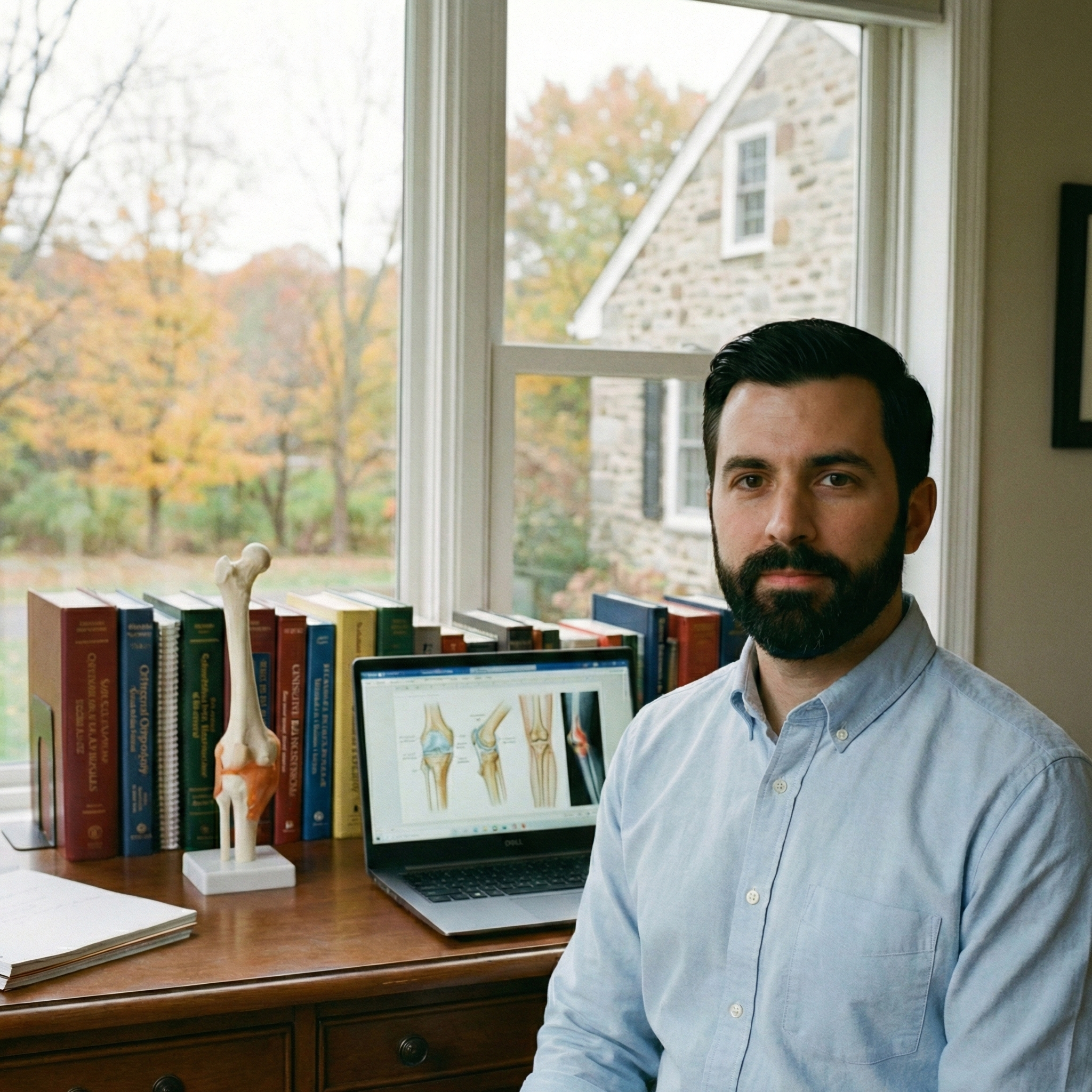
Nearly 33 million tendon injuries happen in the United States every year. These injuries affect people from all walks of life. They can cause a lot of pain and limit how you move. We know how important it is to find effective tendon healing techniques to help you recover.
To speed up tendon healing, we use a mix of rehabilitation exercises and proven tendons treatment methods. Our team is dedicated to giving top-notch care to patients from around the world. We aim to provide the best treatment for your needs.
Key Takeaways
- Understanding the prevalence and impact of tendon injuries
- Importance of proper tendon healing techniques
- Role of rehabilitation exercises in tendon rehabilitation
- Effective tendons treatment methods for accelerated healing
- Comprehensive care and support for international patients
Understanding Tendon Injuries and Their Impact
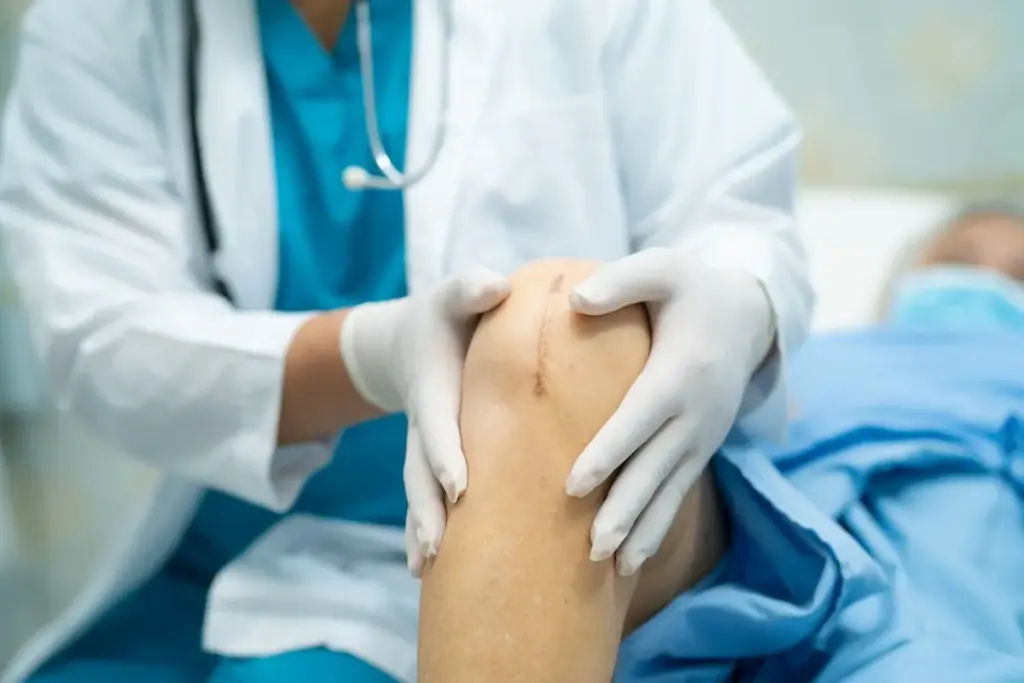
Tendons are key to our body’s movement and stability. They are strong, flexible cords that connect muscles to bones. This connection is vital for our ability to move and keep joints stable.
What Are Tendons and How Do They Function?
Tendons are made of collagen fibers and are very strong. They help muscles move bones, allowing us to do many things. Keeping tendons healthy is important for our body’s function.
When tendons get hurt, we feel pain, swelling, and it’s harder to move. Knowing how tendons work and how injuries affect them helps us find better treatments.
The Three Phases of Natural Tendon Healing
The healing of tendons goes through three main stages: inflammation, proliferation, and remodeling.
- Inflammation: This first stage is marked by redness, swelling, and pain. It’s the body’s way of starting to heal.
- Proliferation: Next, the body starts to fix the tendon by making new tissue. This is key for getting the tendon to work right again.
- Remodeling: Finally, the new tissue gets stronger and is shaped like the original tendon. This is the last step in healing.
Knowing about these stages is crucial for effective tendon injury therapy and treating tendon pain well.
While tendons can heal by themselves, it takes time and might not always work fully. How fast and well a tendon heals depends on the injury’s severity, age, and overall health.
Do Tendons Heal on Their Own?
Can tendons heal by themselves? It’s a question that gets to the heart of their self-healing abilities. Tendons connect muscles to bones, crucial for movement and stability. But, their healing process is complex, influenced by many factors.
Self-Healing Capabilities of Different Tendons
Some tendons heal better than others. For example, those with a good blood supply tend to heal faster. The Achilles and patellar tendons are examples where healing is possible, but at different speeds.
But, tendons like those in the rotator cuff face a tougher time healing. This is because they have less blood supply. Knowing these differences helps us choose the right treatment.
Factors That Influence Natural Healing Speed
Many things affect how fast tendons heal naturally. Age is a big one; younger people tend to heal quicker. This is because they have more cellular activity and better health.
What you eat also matters. Eating enough protein, vitamins, and minerals helps tendons heal. Vitamin C, for instance, is key for making collagen, a vital part of tendon repair.
The injury’s severity also plays a role. Mild tendonitis might heal quickly with rest and care. But, severe tendon tears need more treatment and take longer to heal.
By understanding these factors and how different tendons heal, we can help them heal naturally. This knowledge helps us support the healing process.
Common Types of Tendon Injuries
It’s important to know about the different tendon injuries. They can be acute or chronic tendonitis. Each needs its own treatment and recovery plan.
Acute Tendon Injuries vs. Chronic Tendonitis
Acute tendon injuries happen suddenly. They might be caused by a direct hit or muscle contraction. These injuries are painful and make it hard to move right away.
Chronic tendonitis, however, develops over time. It’s caused by too much strain or overuse. It leads to ongoing pain and stiffness, especially in the morning.
Knowing the difference between acute and chronic injuries is key. Acute injuries might need rest and immobilization. Chronic ones might need a detailed rehab plan, including physical therapy and changes in daily life.
Most Frequently Injured Tendons in the Body
Some tendons are more likely to get hurt. This is because of where they are, what they do, or how much stress they face. The Achilles, rotator cuff, and patellar tendons are often injured.
These tendons are vital for movement and carry a lot of weight. So, they’re more likely to suffer from both sudden injuries and long-term wear and tear.
|
Characteristics |
Acute Tendon Injuries |
Chronic Tendonitis |
|---|---|---|
|
Onset |
Sudden |
Gradual |
|
Cause |
Direct blow or sudden contraction |
Repetitive strain or overuse |
|
Pain Characteristics |
Sharp, immediate pain |
Persistent, stiffness, especially after rest |
|
Treatment Approach |
Rest, immobilization, initial pain management |
Comprehensive rehabilitation, physical therapy, lifestyle changes |
The RICE Method for Initial Tendon Injury Management
The RICE method is key for treating tendon injuries. It includes Rest, Ice, Compression, and Elevation. These steps help reduce pain and swelling, aiding in healing.
Rest: Why It’s Critical for Healing
Resting the injured tendon is essential. It lets the tendon start healing without more damage. Stay away from activities that make it worse.
Benefits of Rest:
- Reduces further injury
- Decreases pain and inflammation
- Initiates the healing process
Ice: Proper Application Techniques
Ice is a simple way to lessen pain and swelling. Ice the area for 15-20 minutes, several times a day.
Tips for Ice Application:
- Wrap ice in a cloth to avoid direct contact with skin
- Apply for 15-20 minutes, then remove
- Repeat as necessary, with at least a 1-hour gap between applications
Compression: Methods and Benefits
Compression reduces swelling by tightening the affected area. Use a bandage or wrap, but avoid too tight to prevent cutting off circulation.
|
Compression Method |
Benefits |
|---|---|
|
Elastic Bandage |
Reduces swelling, provides support |
|
Compression Wrap |
Eases pain, promotes healing |
Elevation: How and When to Elevate
Elevating the injured area above the heart level reduces swelling. It’s best in the early stages after injury.
“Elevation is a simple yet effective method to reduce swelling. By elevating the injured limb above heart level, patients can significantly improve their recovery process.”
Medical Professional
Following the RICE method helps manage tendon injuries. It reduces pain and promotes healing. This easy, non-invasive method can start right after injury.
Comprehensive Tendons Treatment Approaches
Treating tendon injuries requires different strategies. These range from simple treatments to more complex medical options. Each treatment plan is made to fit the injury’s type and severity, and the patient’s needs.
Medications for Pain and Inflammation
Medicines are key in managing pain and swelling from tendon injuries. Nonsteroidal anti-inflammatory drugs (NSAIDs) help reduce pain and swelling. Sometimes, corticosteroid injections are used for their strong anti-inflammatory effects.
It’s important to remember that medicines are just part of the treatment. Other steps, like physical therapy, are also crucial.
Physical Therapy Interventions
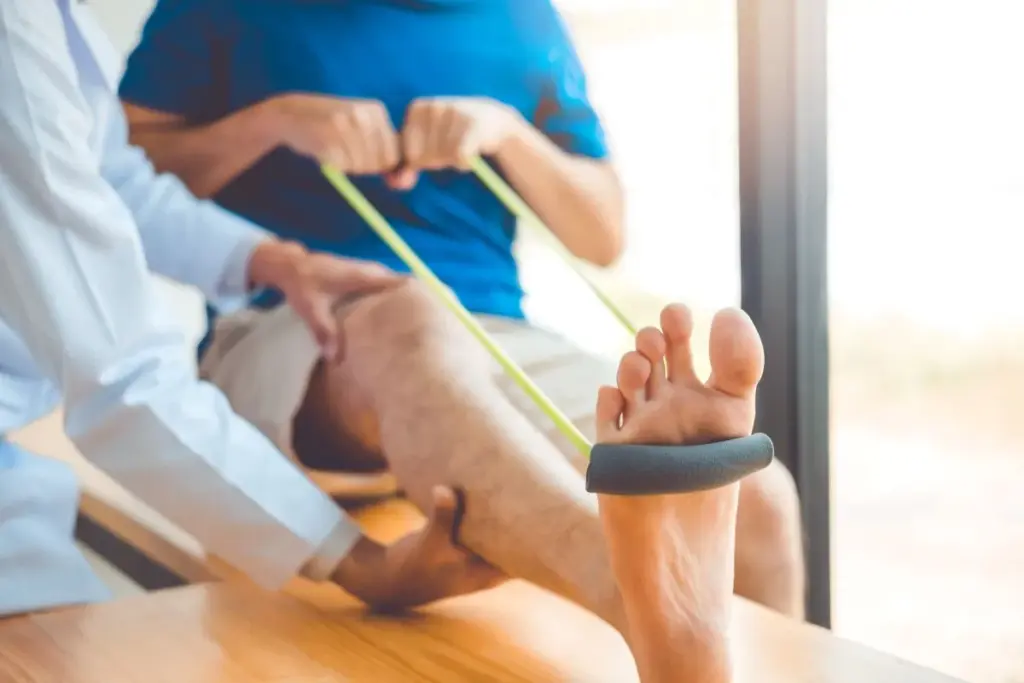
Physical therapy is a mainstay in treating tendon injuries. It aims to improve strength, flexibility, and function. A physical therapist creates a custom exercise plan that includes:
- Eccentric strengthening exercises to help the tendon heal
- Flexibility and range of motion exercises to keep or improve joint mobility
- Progressive loading techniques to build up tendon strength
Bracing and Support Devices
Bracing and support devices offer extra stability and protection for injured tendons. They include:
- Orthotics to fix biomechanical issues
- Braces or sleeves to support the injured area
- Taping techniques to lessen stress on the tendon
These tools are especially helpful in the early stages of treatment and during recovery.
Advanced Medical Treatments
For tendon injuries that don’t get better with simple treatments, more advanced options are considered. These include:
|
Treatment |
Description |
Benefits |
|---|---|---|
|
Platelet-Rich Plasma (PRP) Therapy |
Injection of platelet-rich plasma from the patient’s own blood |
Boosts healing by encouraging cell growth |
|
Shockwave Therapy |
Use of high-energy shockwaves on the affected area |
Helps in healing and reduces pain |
|
Surgical Intervention |
Surgical repair or removal of damaged tendon tissue |
Deals with severe or long-lasting tendon damage |
These advanced treatments offer hope for patients with ongoing or severe tendon injuries.
How to Get Rid of Tendonitis: Home Remedies
Tendonitis can be very painful. But, there are home remedies that can help. We’ll look at self-care, topical treatments, and other home treatments.
Effective Self-Care Strategies
Self-care is key for tendonitis. Rest your tendons, avoid activities that hurt them, and do gentle exercises to stay flexible.
Rest and Recovery: Let your tendons heal. This might mean stopping certain sports or activities.
Topical Applications for Pain Relief
Topical treatments can help with tendonitis pain. These include creams, gels, and ointments with anti-inflammatory ingredients.
- Arnica gel
- Capsaicin cream
- NSAID creams or gels
Use these treatments with other methods for better relief.
Heat vs. Cold Therapy: When to Use Each
Heat and cold therapies work for tendonitis pain. But, they’re used at different times.
|
Therapy Type |
When to Use |
Benefits |
|---|---|---|
|
Cold Therapy |
Acute phase (first 48-72 hours) |
Reduces inflammation and pain |
|
Heat Therapy |
After the acute phase |
Increases blood flow, relaxes muscles |
Simple Tools and Devices for Home Treatment
There are simple tools for tendonitis treatment at home. These include:
- Elastic bandages for compression
- Tendonitis straps or sleeves
- Heat or cold packs
Using these home remedies daily can help manage tendonitis and aid in healing.
Nutritional Support for Faster Tendon Healing
Nutritional support is key for faster tendon healing. Good nutrition gives the body what it needs to repair and recover. This helps people get back to their activities sooner.
Essential Vitamins and Minerals
Vitamins and minerals are vital for tendon healing. Vitamin C is crucial for making collagen, a key part of tendons. Include foods high in Vitamin C, like citrus fruits and leafy greens, in your diet. Manganese and zinc also play important roles in supporting enzyme function and protein synthesis.
Vitamin E is another important vitamin. It acts as an antioxidant, protecting cells and promoting health. Getting enough of these vitamins and minerals can greatly improve tendon healing techniques.
Protein Requirements During Recovery
Protein is essential for tendon repair. It provides the amino acids needed to rebuild damaged tissue. During recovery, it’s important to eat enough protein to support healing. Amino acids like lysine and proline are especially important for collagen production.
Eating more protein can help heal ligaments faster. Focus on protein-rich foods like lean meats, fish, eggs, and dairy. If you can’t get enough from food, consider protein supplements.
Anti-inflammatory Foods and Supplements
Inflammation is a natural response to injury, but too much can slow healing. Anti-inflammatory foods and supplements can help manage this. Omega-3 fatty acids in fatty fish and flaxseeds are known for their anti-inflammatory effects.
Turmeric and ginger are also good choices. Turmeric has curcumin, a strong anti-inflammatory compound. Ginger also has natural anti-inflammatory properties. Adding these to your diet can boost nutritional support for tendon healing.
By eating a balanced diet full of essential nutrients and anti-inflammatory foods, you can improve your tendon healing techniques and recovery.
Rehabilitation Exercises for Tendon Recovery
The journey to tendon recovery includes specific exercises aimed at healing and preventing injuries. These exercises are key to getting back to normal. They help improve strength, flexibility, and function.
Eccentric Strengthening Exercises
Eccentric exercises are great for tendon healing. They make the tendon longer under load, which aids in healing. Examples include slow calf raises or leg curls.
Flexibility and Range of Motion Exercises
Exercises for flexibility and range of motion are vital. They keep joints moving and reduce stiffness. Gentle stretches help blood flow, aiding healing. Always stretch within a pain-free range to avoid injury.
Progressive Loading Techniques
Progressive loading techniques increase exercise intensity over time. This can be through more weight, resistance, or reps. It strengthens the tendon and prevents future injuries.
When and How to Advance Your Exercise Program
Increasing exercise intensity should be done carefully. Always listen to your body and only move forward when you’re ready. A healthcare professional can guide you safely through your program.
Adding these exercises to your recovery plan can help heal faster. It also improves function and lowers the chance of future injuries.
Natural Remedies for Tendonitis Inflammation
Reducing inflammation is key in managing tendonitis. Natural remedies offer a good solution. Tendonitis can make daily activities hard, so finding safe treatments is important.
Herbal Anti-inflammatories
Many herbs have anti-inflammatory properties. Turmeric is known for its strong anti-inflammatory effects. Ginger is also good for reducing pain and inflammation.
Willow bark and boswellia are other options. They can be taken in capsules, teas, or as topical treatments.
Alternative Therapies with Evidence-Based Support
Alternative therapies can help with tendonitis. Acupuncture can reduce pain and inflammation. It helps the body heal.
Low-level laser therapy (LLLT) or photobiomodulation uses light to heal tissues. Early studies show it might help with tendonitis.
Lifestyle Modifications to Reduce Inflammation
Changing your lifestyle can help with tendonitis. Eating anti-inflammatory foods is important. Omega-3 fatty acids, fruits, and vegetables can help.
Regular exercise is also beneficial. Gentle exercises keep you flexible and strong. Stress management, like meditation and yoga, can also reduce inflammation.
Specialized Treatments for Different Body Areas
Healing tendons needs treatments that fit each body area. Tendon injuries happen in many places. Knowing what each area needs is key for the best recovery.
Wrist Tendonitis Treatment at Home
Wrist tendonitis often comes from too much strain or overuse. You can manage it at home with the right steps. Rest and immobilization are first, with ice therapy to cut down swelling. Gentle exercises later help with flexibility and strength.
“Rest is key in the early stages of wrist tendonitis recovery,” doctors say. Making daily activities ergonomic can also help avoid more strain.
Achilles Tendon Healing Strategies
The Achilles tendon is very strong but needs careful care when hurt. Eccentric strengthening exercises are very helpful for healing. Wearing the right shoes and using orthotics can also help reduce tendon stress.
- Gradually increase exercise intensity
- Use proper footwear
- Incorporate stretching routines
Rotator Cuff Tendon Recovery
Rotator cuff tendon injuries are common in athletes and those with repetitive overhead tasks. Physical therapy is key, focusing on shoulder muscle strength and flexibility.
Sports medicine experts say, “A good rehab program is vital for full recovery and avoiding future injuries.”
Patellar Tendon Rehabilitation
Patellar tendonitis often hits athletes in jumping sports. It needs a detailed rehab plan. Eccentric squats and specific exercises are good for tendon strength. Slowly getting back to activities and proper warm-ups are also important.
“The key to successful patellar tendon rehabilitation lies in patience and a well-structured training program,” orthopedic experts say.
Is Tendonitis Permanent? Prevention and Long-term Management
Many people wonder if tendonitis is permanent. Tendonitis is when the tendons get inflamed, which can really hurt your life. We’ll look into if tendonitis is forever and how to prevent and manage it long-term.
Early Intervention Strategies
Acting fast is key to stop tendonitis from lasting forever. Rest, Ice, Compression, and Elevation (RICE) are good first steps. Also, physical therapy can help make the tendon stronger and more flexible.
Here are some early steps to take:
- Get a proper diagnosis to make sure it’s tendonitis
- Rest the area to avoid making it worse
- Use ice to cut down on swelling
- Apply compression to reduce swelling
- Elevate the area to help blood flow
Long-term Management of Chronic Tendonitis
For those with chronic tendonitis, managing it long-term is essential. This means making lifestyle changes, keeping up with physical therapy, and sometimes, getting medical help.
Here are some long-term management tips:
- Do exercises that strengthen the tendon but don’t hurt it
- Make lifestyle changes to avoid repetitive motions
- Use supports like braces or orthotics
- Look into advanced medical treatments if needed
By following these steps, you can manage chronic tendonitis and live better every day.
Innovative Tendon Healing Techniques
New ways to heal tendons are changing how we treat injuries. Medical tech and research have led to advanced treatments. These help patients recover faster and better.
Platelet-Rich Plasma (PRP) Therapy
Platelet-rich plasma (PRP) therapy uses your own platelets to heal. Injecting PRP into the tendon boosts natural repair. This leads to quicker and more effective healing.
PRP therapy is becoming more popular for tendon injuries. It doesn’t need surgery. We take your blood, process it, and then inject it into the tendon.
Shockwave Therapy
Shockwave therapy is a new way to treat tendon injuries. It uses high-energy shockwaves to stimulate healing and reduce inflammation. This treatment is non-invasive.
It’s great for chronic tendonitis and tendons that don’t heal with other treatments. Shockwave therapy increases blood flow, breaks down scar tissue, and boosts growth factors for repair.
Emerging Regenerative Medicine Approaches
Regenerative medicine is growing fast and offers hope for tendon injuries. It includes stem cells, tissue engineering, and biomaterials to heal tendons.
These new methods aim to fix tendons by growing new tissue. Though still new, they show promise in trials. They’re expected to be key in tendon care’s future.
Conclusion
Effective tendon treatment requires a combination of healing techniques and exercises. This article has covered tendon injuries, their effects, and healing stages. We’ve seen how important it is to manage injuries well at first.
We talked about using the RICE method and how nutrition helps tendons heal faster. We also looked at how exercises, like eccentric strengthening, aid in recovery. These exercises improve flexibility and help tendons get better.
Knowing how to heal tendons and doing the right exercises can help people recover faster. It also lowers the chance of getting chronic tendonitis. A good treatment plan includes medical care, self-care, and changes in lifestyle. This approach helps achieve the best results.
FAQ
Can tendonitis be cured?
Yes, tendonitis can be cured with the right treatment and care. The healing time can vary based on the injury’s severity and location.
How long does it take for tendons to heal?
Tendon healing times vary by injury type and severity. Generally, it takes weeks to months for full recovery.
Do tendons heal on their own?
Some tendons heal better than others. Yet, many injuries need treatment or rehab to heal right.
What are the best exercises for tendon recovery?
Good exercises include eccentric strengthening, flexibility, and progressive loading. Always talk to a healthcare pro for the best plan for your injury.
How can I reduce tendonitis inflammation naturally?
Use herbal anti-inflammatories and try acupuncture. Also, eat well and keep a healthy weight to reduce inflammation.
Is rice tendonitis a common condition?
Yes, tendonitis can affect many areas like wrists, ankles, knees, and shoulders. It’s more likely with repetitive strain, poor posture, or sudden injury.
Can nutrition play a role in tendon healing?
Yes, nutrition is key for tendon healing. You need essential vitamins, minerals, enough protein, and anti-inflammatory foods.
Are there any advanced medical treatments for tendon injuries?
Yes, advanced treatments include PRP therapy, shockwave therapy, and new regenerative medicine methods.
How can I prevent chronic tendonitis?
Prevent chronic tendonitis with early treatment, proper care, and long-term management. Stay healthy, avoid repetitive strain, and do exercises that strengthen muscles and tendons.
Can tendonitis be permanent?
Tendonitis can become chronic if not treated or managed well. But, with proper care, symptoms can be managed and alleviated.
What is the RICE method, and how does it help with tendon injuries?
RICE stands for Rest, Ice, Compression, and Elevation. It’s a first-step treatment for tendon injuries. It helps reduce pain, inflammation, and aids in healing.
National Center for Biotechnology Information. Evidence-Based Medical Insight. Retrieved from https://pubmed.ncbi.nlm.nih.gov/18833315/