
Understanding male fertility is key for those trying to conceive. A semen analysis is a vital tool. It checks sperm count, motility, and shape, giving insights into fertility.test to check male fertility.
Healthy sperm is vital for fertility. Many things can impact sperm health. There are steps to keep sperm healthy and boost fertility.
At Liv Hospital, we offer advice on increasing sperm count naturally and improving fertility. Our focus is on giving full support to those wanting to understand and enhance their fertility.
Key Takeaways
- Understand the importance of male fertility and its impact on conception.
- Learn how a semen analysis can provide insights into sperm health.
- Discover natural ways to improve sperm count and motility.
- Explore the factors that affect sperm health and fertility.
- Find out how to keep sperm healthy through lifestyle changes.
Understanding Male Fertility and Reproductive Health
Understanding male fertility is key for couples trying to have a baby. It involves many aspects of reproductive health. Male fertility is not just about how many sperm there are, but also their quality.
Key Factors Affecting Male Fertility
Many things can affect male fertility. Lifestyle choices, medical conditions, and environmental exposures are some of them. Lifestyle factors like diet, exercise, smoking, and alcohol use are very important. A diet full of antioxidants can help sperm quality, but too much alcohol can harm it.
Medical issues like varicocele, infections, and hormonal problems can also impact fertility. Varicocele, a swelling of veins in the testicle, can affect sperm production and quality.
- Lifestyle factors: diet, exercise, smoking, alcohol consumption
- Medical conditions: varicocele, infections, hormonal imbalances
- Environmental exposures: exposure to toxins, heat stress
The Importance of Sperm Count, Motility, and Morphology
Sperm health is based on three main factors: count, motility, and morphology. A normal sperm count is at least 15 million per milliliter of semen. Even with lower counts, pregnancies can happen. Sperm motility is how well they swim, and morphology is their shape and structure.
| Sperm Parameter | Normal Value | Importance |
| Sperm Count | At least 15 million/ml | Higher count increases chances of conception |
| Sperm Motility | At least 32% motile | Essential for sperm to reach the egg |
| Sperm Morphology | At least 4% normal forms | Affects sperm’s ability to fertilize the egg |
Knowing these parameters is important for checking male fertility. Even with a low sperm count, getting pregnant is possible. Thanks to fertility treatments, men with low counts can have children.
How to Tell If Your Sperm Works: Tests to Check Male Fertility
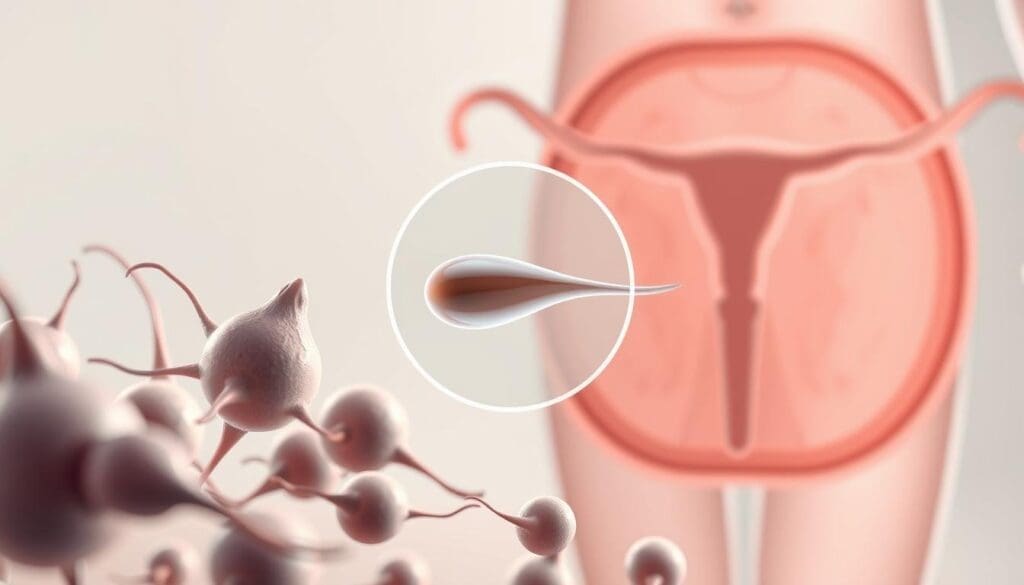
Several tests can check if a man’s sperm is healthy. These tests find problems that might affect fertility. This helps doctors create a plan to fix these issues.
Semen Analysis: The Primary Diagnostic Tool
A semen analysis is a key test for sperm health. It looks at how many sperm there are and how well they move. It also checks the shape of the sperm.
- Sperm count: The number of sperm per ejaculate.
- Motility: The percentage of moving sperm.
- Morphology: The shape and structure of sperm.
Hormone Testing and Genetic Evaluation
Hormone tests check the levels of hormones like testosterone. These hormones are important for making sperm. Genetic tests look for genetic problems that might affect fertility.
These tests can find issues that semen analysis might miss.
Imaging Tests for Structural Issues
Imaging tests, like ultrasound, check the reproductive system for problems. They look for things like varicoceles, blockages, or other issues that might affect fertility.
- Varicocele diagnosis: Identifying enlarged veins in the scrotum.
- Blockage detection: Finding obstructions in the sperm delivery system.
Can You Get Pregnant with Low Sperm Count? The Reality
A low sperm count can make it harder to get pregnant, but it’s not impossible. Many couples worry about their chances. We’ll look into the chances of getting pregnant with low sperm count.
Success Rates and Possibilities
Research shows that even with low sperm count, getting pregnant is possible. Success rates depend on how low the sperm count is and the health of both partners. For example, if the woman is under 35 and fertile, the chances are better.
Couples with low sperm count can get pregnant naturally, but it’s less likely. Understanding that low sperm count is just one factor is key.
Factors That Influence Conception with Low Sperm Count
Several things can affect the chances of getting pregnant with low sperm count. These include:
- Sperm Motility: Sperm need to move well. Even with a low count, if they move well, chances are better.
- Sperm Morphology: The shape and structure of sperm matter too. More normally shaped sperm can help.
- Female Fertility: The woman’s health and fertility are also key. Regular ovulation and a healthy body can help a lot.
- Lifestyle Factors: Diet, exercise, stress, and toxins can all affect sperm health and fertility.
Knowing these factors and working on them can help couples with low sperm count. Getting pregnant with low sperm count is tough, but not impossible. By focusing on health and getting medical help, many couples can have a successful pregnancy.
Nutrition Strategy #1: Antioxidant-Rich Foods for Sperm Health
Antioxidant-rich foods are key to better sperm health and fertility. A balanced diet can lower oxidative stress. This stress can harm sperm count and quality. Eating the right foods can greatly improve your reproductive health.
Best Fruits and Vegetables for Fertility
Fruits and vegetables are full of antioxidants, vitamins, and minerals. They are vital for sperm health. Here are some top choices:
- Berries: Blueberries, strawberries, and raspberries are full of vitamin C and antioxidants.
- Citrus Fruits: Oranges, lemons, and grapefruits have lots of vitamin C. This helps protect sperm from damage.
- Leafy Greens: Spinach, kale, and broccoli are packed with folate, zinc, and other nutrients.
Nuts, Seeds, and Other Antioxidant Sources
Nuts and seeds are also great for antioxidants and healthy fats. Here are some good ones:
- Nuts: Walnuts, almonds, and pecans are full of antioxidants and omega-3 fatty acids.
- Seeds: Pumpkin seeds, sunflower seeds, and chia seeds are rich in zinc, vitamin E, and other nutrients good for sperm.
Adding these foods to your diet is easy. Here’s how:
- Begin with a fruit salad or a smoothie with berries and spinach.
- Snack on nuts and seeds all day.
- Add leafy greens to your meals, like salads or sautéed dishes.
Here’s a quick look at some antioxidant-rich foods and their benefits for sperm health:
| Food | Antioxidant Content | Benefit to Sperm Health |
| Blueberries | High in vitamin C and anthocyanins | Protects sperm from oxidative damage |
| Walnuts | Rich in omega-3 fatty acids and antioxidants | Improves sperm count and motility |
| Spinach | High in folate and antioxidants | Enhances sperm quality and reduces DNA damage |
By following these dietary tips and adding antioxidant-rich foods to your diet, you can improve your sperm health and fertility.
Nutrition Strategy #2: Essential Nutrients and Supplements
Certain nutrients and supplements are key for better male fertility. A balanced diet and supplements can boost sperm count and health.
Zinc, Folate, and Vitamin D for Sperm Production
Some nutrients are vital for sperm production. Zinc helps make testosterone and sperm. You can find zinc in oysters, beef, and chicken.
Folate, or vitamin B9, prevents birth defects and supports sperm. Leafy greens, legumes, and citrus fruits are full of folate. Vitamin D boosts sperm motility. You can get it from sunlight, fatty fish, egg yolks, and fortified dairy.
Omega-3 Fatty Acids and CoQ10 Benefits
Omega-3 fatty acids keep sperm healthy and moving. You can find them in fatty fish, flaxseeds, and walnuts. Coenzyme Q10 (CoQ10) fights oxidative stress, improving sperm count and motility. Supplements can help, but check with a doctor first.
Foods to Avoid for Optimal Fertility
Some foods can harm fertility. Avoid processed meats and soy products because they’re bad for hormones. Also, cut down on sugary drinks and foods with refined carbs to stay healthy.
Adding these nutrients and supplements to your diet helps your fertility. Just remember to avoid bad foods too.
Lifestyle Change #3: Maintaining Healthy Weight and Exercise Routines
Keeping a healthy weight through good eating and regular exercise boosts male reproductive health. A healthy lifestyle improves overall well-being and helps increase sperm count and motility.
The Connection Between BMI and Sperm Health
Research links a healthy Body Mass Index (BMI) to better sperm health. Being too heavy or too light can harm sperm. Maintaining a healthy BMI through diet and exercise optimizes sperm production.
Men with a normal BMI have better sperm quality than those who are overweight or obese. Excess fat can disrupt hormone levels, including testosterone, which is key for sperm.
Best Exercises for Male Reproductive Health
Regular exercise is good for health and male reproductive health. Exercises that improve cardiovascular health, like jogging, cycling, or swimming, boost blood flow to reproductive organs. This supports sperm health.
Strength training also helps. It builds muscle and boosts testosterone levels. Squats, lunges, and deadlifts are great for strength and reproductive health.
Don’t forget stress-reducing activities like yoga and meditation. They help fertility by reducing stress’s negative effects on sperm production.
Lifestyle Change #4: Quitting Smoking and Reducing Alcohol
Quitting smoking and drinking less alcohol are key changes for better male fertility. These actions boost health and improve sperm quality. We’ll look at how tobacco and alcohol harm male fertility and offer tips for making these changes.
How Tobacco Affects Sperm Quality
Tobacco harms sperm quality. Smoking damages the DNA in sperm, which can lead to genetic issues in children. It also lowers sperm count and how well they move, making it tough to get pregnant.
- Damages sperm DNA
- Reduces sperm count and motility
- Increases oxidative stress
Alcohol’s Impact on Fertility and Recommended Limits
Too much alcohol can hurt male fertility. It alters hormone levels, including testosterone, which is key for sperm. It can also cause erectile problems and lower sex drive.
To protect fertility, men should drink less. The goal is to have no more than two drinks a day. Drinking even less can help even more.
Lifestyle Change #5: Stress Management Techniques for Fertility
Stress can really hurt your reproductive health. It’s key to manage stress well. When we’re stressed, our body makes cortisol, a hormone that messes with other important hormones like testosterone. Testosterone is vital for making sperm.
The Cortisol-Testosterone Connection
The link between cortisol and testosterone is tricky. Too much cortisol can lower testosterone, which means fewer and weaker sperm. It’s important to manage stress to keep hormones in balance.
Studies show that too much cortisol can mess with the body’s hormone system. This can hurt fertility.
Effective Relaxation Methods for Reproductive Health
There are many ways to relax and boost fertility. Here are a few:
- Meditation and mindfulness practices
- Yoga and tai chi
- Deep breathing exercises
- Progressive muscle relaxation
These methods can lower cortisol and help balance hormones. This is good for fertility.
| Relaxation Technique | Benefits for Fertility |
| Meditation and Mindfulness | Reduces cortisol, improves hormonal balance |
| Yoga and Tai Chi | Enhances relaxation, reduces stress |
| Deep Breathing Exercises | Lowers cortisol levels, promotes relaxation |
Adding these stress management techniques to your daily routine can help improve fertility.
Environmental Strategy #6: Temperature Regulation for Sperm Production
The temperature of the testicles is key for sperm production and male fertility. Too much heat can harm sperm quality and amount. So, keeping the testicles at the right temperature is vital for healthy sperm.
Avoiding Excessive Heat Exposure
Too much heat on the testicles can hurt sperm production. It’s important to stay away from things that make the testicles too hot. Some common heat sources include:
- Prolonged use of hot tubs or saunas
- Tight clothing that traps heat
- Laptops placed directly on the lap
- High ambient temperatures
Staying away from these heat sources helps keep the testicles cool.
Clothing Choices and Daily Habits
What you wear and how you live can affect testicular temperature. Wearing loose underwear, like boxers, keeps the testicles cooler than tight briefs. Also, taking breaks in hot places or using protective gear in high-temperature jobs helps.
| Clothing/Habit | Effect on Testicular Temperature |
| Tight-fitting underwear | Increases temperature |
| Loose-fitting underwear | Maintains optimal temperature |
| Prolonged laptop use on the lap | Increases temperature |
| Avoiding hot tubs/saunas | Reduces excessive heat exposure |
By choosing the right clothes and habits, men can control their testicular temperature. This can improve sperm production and fertility.
Environmental Strategy #7: Avoiding Toxins That Harm Sperm Health
Creating a fertility-friendly environment starts with avoiding common toxins. These toxins can harm sperm health. Our surroundings, including daily products, can contain endocrine disruptors that harm male fertility.
Common Endocrine Disruptors in Everyday Products
Endocrine disruptors are chemicals that can mess with our hormonal system. They can affect sperm production and quality. Common sources include:
- Plastics containing BPA (Bisphenol A)
- Pesticides and herbicides
- Personal care products with parabens and phthalates
- Non-stick cookware with PFOA (Perfluorooctanoic acid)
Knowing where these sources are is the first step. For example, choose BPA-free plastics and organic produce. Also, pick personal care products without harmful chemicals. This can greatly reduce exposure to endocrine disruptors.
Creating a Fertility-Friendly Environment
To make your environment more fertility-friendly, take these steps:
- Use natural and organic products whenever possible to reduce chemical exposure.
- Improve ventilation in your home to reduce indoor air pollution.
- Avoid heating food in plastic containers to prevent chemical leaching.
- Choose clothing made from natural fibers to reduce exposure to synthetic materials.
By following these tips, you can greatly reduce harmful toxin exposure. This supports sperm health and overall fertility.
Health Habit #8: Optimizing Sleep for Hormone Balance
Getting enough sleep is key for hormone balance, which helps with sperm production. Studies show that good sleep is important for hormone control, like testosterone. This hormone is vital for fertility.
The Connection Between Quality Sleep and Sperm Production
Sleep impacts hormone levels, including testosterone, which is important for sperm. During sleep, the body balances hormones. Bad sleep can mess with this balance, affecting sperm count and movement.
Key findings on sleep and sperm health include:
- Testosterone levels are highest during sleep, mainly in the REM stage.
- Bad sleep can lower testosterone levels.
- Good sleep is linked to better sperm count and movement.
Creating a Sleep Routine for Fertility
Having a regular sleep routine can boost sleep quality. For better fertility sleep, try these tips:
Tips for a fertility-friendly sleep routine:
- Stick to a sleep schedule, sleeping and waking at the same time every day.
- Make your bedroom dark, quiet, and cool for better sleep.
- Stay away from screens and bright lights before bed.
- Do relaxing activities before bed, like reading or meditation.
By focusing on sleep and using these tips, you can improve hormone balance. This can also help with sperm health.
Health Habit #9: Staying Hydrated for Optimal Semen Quality
Drinking enough water is key for healthy semen and fertility. We often forget how important staying hydrated is. It’s vital for our reproductive health.
How Water Intake Affects Seminal Fluid
Drinking enough water helps make seminal fluid. This fluid is the main part of semen. It helps sperm move and stay healthy.
Not drinking enough water can harm semen quality. It can make seminal fluid less and thicker. This makes it harder for sperm to reach the egg.
Recommended Daily Fluid Intake for Fertility
How much water should you drink for your reproductive health? Drinking at least eight glasses (64 ounces) a day is a good start. But, it depends on your climate, how active you are, and your health.
Here’s a simple table to help you understand how much fluid you need based on your activity level:
| Activity Level | Recommended Daily Fluid Intake |
| Sedentary | 8-10 glasses (64-80 ounces) |
| Moderately Active | 10-12 glasses (80-96 ounces) |
| Very Active | 12+ glasses (96+ ounces) |
Remember, fluid intake isn’t just about water. Other drinks and foods with lots of water also count. Eating hydrating foods like watermelon, cucumbers, and celery can help too.
By drinking enough water, you help your reproductive health. This can improve semen quality. Adding this to other healthy habits can boost your fertility and overall well-being.
Conception Strategy #10: Timing Intercourse for Fertility Windows
Timing intercourse correctly can greatly improve your chances of getting pregnant. For couples trying to conceive, knowing when and how often to have sex is key.
Understanding Female Fertility Cycles
A woman’s fertility cycle is complex. There’s a specific window each month when getting pregnant is possible. The fertile window includes the five days before ovulation and the day of ovulation itself. Knowing this cycle is essential for timing sex right.
To find the fertile window, women can track their menstrual cycle. They can look for physical signs like changes in cervical mucus and basal body temperature. Many fertility apps can help track these changes and predict ovulation.
Optimal Frequency and Timing for Conception
Once you know the fertile window, you can time sex to boost your chances of conception. Having sex every other day during this window can increase your chances. This ensures there’s enough sperm when the egg is released.
It’s also important to note that sperm quality and quantity can be affected by how often you ejaculate. While daily sex during the fertile window might seem good, it could lower sperm count.
By understanding and tracking female fertility cycles, and timing sex right, couples can greatly improve their chances of conception.
Conception Strategy #11: Positions and Methods to Increase Pregnancy Chances
Couples often ask if certain positions or practices can help them get pregnant. While there’s no surefire way, research hints at some factors that might help.
Positions That May Improve Sperm Delivery
Some believe that certain sexual positions can boost fertility. Positions that allow for deeper penetration might help sperm reach the cervix better.
Studies say the “missionary position” with the woman’s legs up could also help. But, it’s important to remember that the science on this is not strong.
Post-Intercourse Practices That May Help Conception
Some post-intercourse practices might also aid in getting pregnant. Lying on one’s back with legs elevated after sex is often advised. It could help sperm get to the cervix.
Other tips include avoiding standing or intense activities right after sex. But, it’s key to know these ideas might not greatly increase chances of getting pregnant.
In conclusion, while some positions and practices might help, they’re just part of the bigger picture. A healthy lifestyle, managing stress, and knowing the female fertility cycle are key to getting pregnant.
Conclusion: Taking a Holistic Approach to Male Fertility
Improving male fertility needs a complete plan. This includes lifestyle changes, good nutrition, and managing stress. By doing this, men can boost their reproductive health and get closer to having a child.
Eating right is key. Foods full of antioxidants and essential nutrients help sperm health. Adding tips like staying fit, quitting smoking, and handling stress can also help a lot.
Knowing what affects male fertility and using the tips from this article can help men take charge of their health. A holistic approach not only boosts sperm quality but also improves overall health.
We suggest talking to healthcare experts. They can help make a plan that fits your needs and boosts male fertility.
FAQ
How do you increase your sperm count naturally?
To boost your sperm count naturally, keep a healthy weight and exercise often. Eat foods full of antioxidants and manage stress. Also, get enough sleep.
Can you get pregnant with a low sperm count?
Yes, getting pregnant with low sperm count is possible. But, the chances might be lower. Sperm motility and shape also matter for conception.
What are the best foods to improve sperm count?
Foods high in antioxidants, like fruits and nuts, can help. Also, zinc, folate, and vitamin D in foods like oysters and spinach are good for sperm.
How does stress affect male fertility?
Stress can harm male fertility by changing hormone levels. It can also lower sperm count and motility. Stress management, like meditation, can help.
Can lifestyle changes improve sperm quality?
Yes, quitting smoking and drinking less can help. So can exercising and keeping a healthy weight. These changes can improve sperm quality.
How does temperature affect sperm production?
Too much heat can hurt sperm production. Avoid tight clothes and hot tubs. Keep testicles cool for better sperm.
What are some common toxins that harm sperm health?
Toxins in plastics and pesticides can harm sperm. Try to avoid these to help your fertility.
How does sleep affect hormone balance and sperm production?
Good sleep is key for hormone balance and sperm. Aim for a consistent sleep routine and a good sleep environment.
How much water should I drink to improve semen quality?
Drinking at least eight glasses of water a day is important. It helps keep seminal fluid healthy.
What is the best way to time intercourse for conception?
Knowing when a woman is fertile and timing sex can help. Try to have sex during the fertile window, around ovulation.
Are there specific positions that can improve sperm delivery?
Some positions might help sperm delivery, but research is limited. Try different positions to see what works best for you.
How can I improve my chances of getting pregnant with a low sperm count?
To boost your chances, live a healthy lifestyle. Time sex during the fertile window and manage stress. If needed, consider fertility treatments.
References
National Center for Biotechnology Information. (2025). 11 Natural Ways to Test and Improve Male. Retrieved from https://www.ncbi.nlm.nih.gov/pmc/articles/PMC4369215/