


Uğurkan Demir is a Medical Content Writer with experience creating clear, well-researched,…
View author profile →
Dr. Lamiya Gurbanova is a physician who completed her specialization training in…
View profile →We review our content at regular intervals and update it whenever new research or a change in clinical guidelines requires it.
Overview
What Is CoolSculpting?
CoolSculpting is a nonsurgical body-contouring treatment that uses cryolipolysis, or controlled cooling, to target fat cells beneath the skin. An applicator gently draws in a pinchable pocket of fat and cools it to a temperature that affects the targeted fat cells while the surrounding tissue is protected. The body gradually clears the treated cells over time. In plain terms, what is CoolSculpting? It is a way to reduce small, localized bulges—not a weight-loss treatment or a replacement for healthy eating, exercise, or weight-management care. Body CoolSculpting may be considered for areas such as the abdomen, flanks, thighs, or other suitable treatment sites.
Who It's For
Who Is CoolSculpting For?
Typical candidates are adults who are near a stable weight, generally healthy, and bothered by a localized pocket of pinchable fat. The goal is usually modest contour improvement with realistic expectations, not dramatic weight loss. Depending on anatomy and the device approved for the area, treatment may be considered for the abdomen, flanks, thighs, upper arms, submental area, or lower abdomen and FUPA. A consultation is important because not every bulge is suitable for cryolipolysis, and skin laxity or another condition may call for a different approach.
- Stable weight and overall good health support more appropriate candidacy.
- Localized fat that does not respond fully to lifestyle measures may be considered for treatment.
- Realistic expectations about gradual, partial fat reduction are important.
- Pregnancy, breastfeeding, or a desire for weight-loss treatment are reasons to postpone or reconsider treatment.
- Cold sensitivity disorders, impaired sensation, poor circulation, or another relevant medical condition require clinician review before treatment.
During the Procedure / What to Expect
What to Expect During CoolSculpting
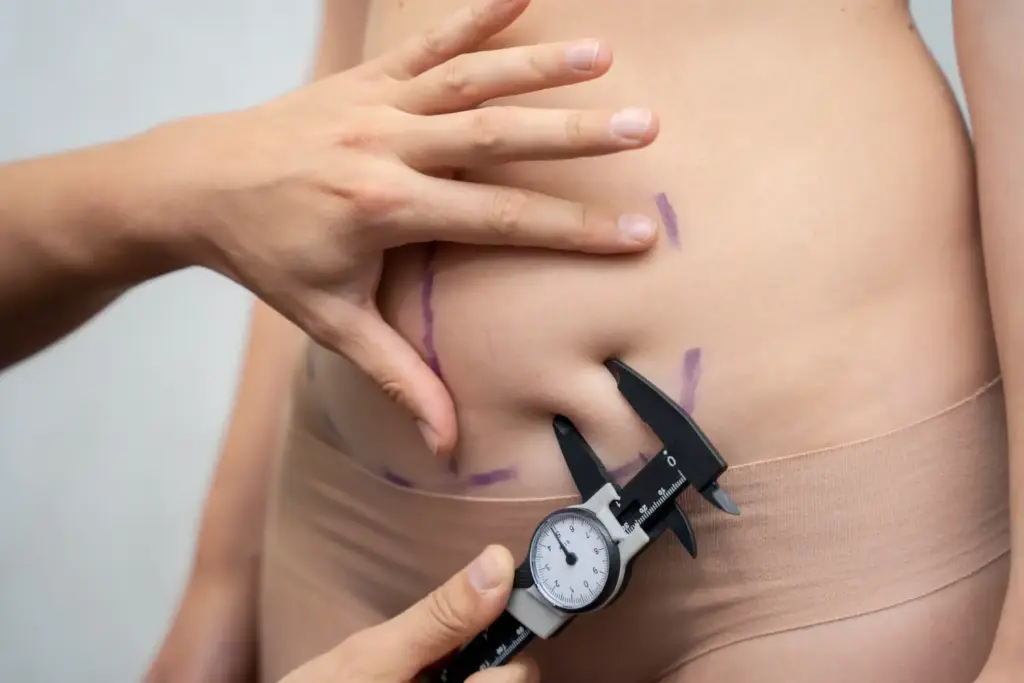
During the consultation, the provider assesses the fat pocket, skin, anatomy, and treatment goals. They may take photographs or measurements when appropriate, explain expected changes, protect the skin, and map out applicator placement. The treatment plan may include one or more areas or sessions, depending on the desired contour and clinical assessment.
Once the applicator is placed, you may feel pulling or suction, intense cold, pressure, tingling, stinging, or numbness. These sensations often change as the area becomes cold. You are generally awake throughout the procedure and do not need general anesthesia.
Risks & Benefits
CoolSculpting Benefits and Risks
Research supports localized fat reduction in appropriately selected patients, but results develop over weeks to months and vary by treatment area, anatomy, number of sessions, and provider technique. If you are asking, “Does CoolSculpting work?” the most accurate answer is that it can produce a modest contour change for some people, not guaranteed or dramatic weight loss. CoolSculpting reviews and personal anecdotes may be useful for understanding experiences, but they are not a substitute for clinical evidence or an individualized consultation.
- Temporary redness, swelling, bruising, tenderness, tingling, itching, or numbness can occur in the treated area.
- Some patients experience discomfort or altered sensation that lasts longer than expected.
- Uneven contour or inadequate improvement may require additional treatment or another approach.
- Rare paradoxical adipose hyperplasia can cause the treated area to enlarge rather than shrink.
- CoolSculpting is not a substitute for weight loss, skin-tightening surgery, or liposuction when those treatments are more appropriate.
Recovery
CoolSculpting Recovery
Most people return to normal activities immediately or soon after treatment. Numbness, tenderness, swelling, bruising, or sensitivity may continue for days or weeks, depending on the treated area and individual response.
The result develops gradually as the body clears treated fat cells over the following weeks to months. Keeping your weight stable can help support the contour result, although it does not prevent normal changes in body shape over time.
Before & After
CoolSculpting Before and After
A typical CoolSculpting before-and-after change is a modest reduction in a localized bulge rather than dramatic overall weight loss. The final appearance depends on your anatomy, treatment plan, number of sessions, and the time that has passed since treatment. Photos can illustrate possible contour changes, but they cannot predict an individual result.
- Look for photos taken with similar lighting, pose, clothing, and camera distance.
- Check how long after treatment the follow-up image was taken.
- Confirm the exact body area, number of treatment sessions, and whether other procedures were performed.
- Use photos as examples rather than guarantees of an individual result.
When to Call a Doctor
When to Call a Doctor After CoolSculpting
- Contact the treating clinician for severe, worsening, or persistent pain or numbness.
- Seek medical advice for spreading redness, warmth, drainage, fever, or signs of infection.
- Seek urgent care for rapidly increasing swelling, severe allergic symptoms, trouble breathing, or fainting.
- Contact the provider if the treated area becomes increasingly firm or enlarged instead of gradually improving.
- Follow the clinic’s specific instructions for any symptom that is unexpected or concerning.


