

Thalassemia microcytic anemia is a genetic disorder. It makes red blood cells smaller than usual. It also reduces how much hemoglobin is made.
Genetic mutations are key in causing this condition. They affect how hemoglobin is produced, leading to anemia.
This condition can have a big impact on health. It needs a precise diagnosis and new ways to care for patients.
Key Takeaways
- Thalassemia microcytic anemia is a genetic disorder affecting hemoglobin production.
- It is characterized by small red blood cells.
- Mutations on globin chains are the primary cause.
- Accurate diagnosis is critical for managing the condition.
- Innovative patient care is essential for those affected.
What Is Thalassemia Microcytic Anemia?
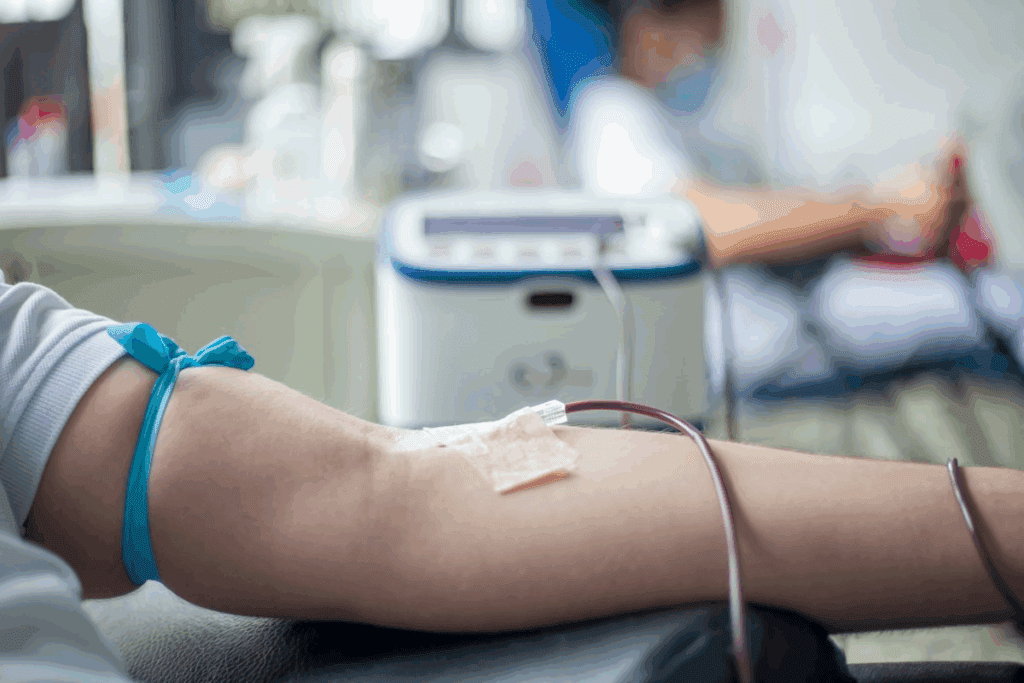
Thalassemia microcytic anemia is a type of anemia with small red blood cells. It’s caused by genetic mutations that affect hemoglobin. This leads to health problems because tissues and organs don’t get enough oxygen.
Definition and Characteristic Features
This anemia is known for its small red blood cells. It’s different from iron deficiency anemia because of its genetic cause. The main signs are microcytosis, hypochromia, and anisopoikilocytosis on blood smears.
Global Prevalence and Distribution
Thalassemia mutations are common in places where malaria used to be a big problem. This includes the Mediterranean, Africa, the Middle East, India, and Southeast Asia. The reason is that people with thalassemia trait had an advantage against malaria.
| Region | Prevalence of Thalassemia Trait | Malaria Endemicity |
| Mediterranean | High | Historically high |
| Sub-Saharan Africa | Moderate | High |
| Middle East | Moderate to High | Variable |
| Southeast Asia | High | Historically high |
The amount of thalassemia trait varies a lot around the world. This shows how genetics, history, and environment all play a part.
The Genetic Basis of Thalassemia Disorders

Knowing how thalassemia is caused is key to treating it. It’s mainly due to genetic changes that affect globin chains. These chains are vital for hemoglobin.
Etiology of Beta Thalassemia
Beta thalassemia comes from changes in the HBB gene on chromosome 11. These changes can cause less or no beta-globin chains to be made. The severity depends on the mutation type and the genetic makeup of the person.
Mutations in the HBB gene can cause different levels of beta thalassemia. It can range from mild to severe, like beta thalassemia major.
Alpha Thalassemia Genetics
Alpha thalassemia is caused by changes or deletions in the alpha-globin genes (HBA1 and HBA2) on chromosome 16. The severity depends on how many genes are affected. It can range from mild to severe, like hemoglobin Bart’s hydrops fetalis syndrome.
The genetic basis of alpha thalassemia involves complex interactions between gene deletions and mutations. These affect the production of alpha-globin chains.
Inheritance Patterns and Risk Factors
Thalassemia is passed down in an autosomal recessive pattern. Carriers usually don’t show symptoms but have a 25% chance of passing it to their children if both parents carry it. Genetic counseling and prenatal testing are vital for families with thalassemia history.
Understanding inheritance patterns and risk factors is critical for managing thalassemia. It helps in providing the right care.
Pathophysiology of Abnormal Hemoglobin Synthesis
Thalassemia is caused by a mix of genetic and molecular issues that mess up hemoglobin making. Hemoglobin is key for carrying oxygen in our blood. In thalassemia, this job is messed up because of genetic problems with globin chain making.
Normal Hemoglobin Production Process
Hemoglobin making needs alpha and beta globin chains to work right. These chains make up hemoglobin A, the main type in adults. Genes on chromosomes 16 and 11 control making these chains.Learn more about globin gene control in the.
It starts with genes turning into mRNA, then into globin proteins. These proteins and heme groups make functional hemoglobin. Any problem in this process can cause bad hemoglobin.
Imbalanced Globin Chain Synthesis
In thalassemia, gene mutations mess up globin chain making. This leads to too much of one type of chain and not enough of the other. For example, in beta thalassemia, not enough beta chains means too many alpha chains. These alpha chains harm red blood cell makers.
This chain imbalance causes problems like early red blood cell death and cell breakdown. Early death happens in the bone marrow, and breakdown in the blood.
Consequences for Red Blood Cell Function
Bad globin chain making really hurts red blood cells. They become small and don’t carry enough oxygen. This makes them break down easily, leading to anemia.
- Key consequences include:
- Ineffective erythropoiesis
- Hemolysis
- Anemia
- Red blood cell shape changes
Knowing how thalassemia works is key to treating it. Doctors can then find better ways to help patients by fixing these genetic and molecular problems.
Clinical Spectrum: Beta Thalassemia Major vs. Minor
Beta thalassemia covers a wide range of conditions, from mild thalassemia minor to severe thalassemia major. This range is due to different genetic mutations and their impact on hemoglobin production.
Heterozygous Beta Thalassemia (Thalassemia Minor)
Heterozygous beta thalassemia, or thalassemia minor, usually causes mild anemia. People with this condition often have few symptoms and rarely need medical care. This is because they have one normal and one mutated beta-globin gene, allowing for some normal hemoglobin.
Thalassemia minor is characterized by:
- Mild microcytic anemia
- Minimal or no symptoms
- Normal or slightly reduced red blood cell lifespan
Homozygous Beta Thalassemia (Thalassemia Major)
Homozygous beta thalassemia, or thalassemia major, causes severe anemia that needs blood transfusions. This condition comes from two mutated beta-globin genes, greatly reducing hemoglobin production. Patients with thalassemia major often have severe anemia, fail to thrive, and face other complications due to ineffective erythropoiesis and hemolysis.
Thalassemia major is marked by:
- Severe anemia requiring regular blood transfusions
- Significant expansion of bone marrow to compensate for ineffective erythropoiesis
- Potential for iron overload due to frequent transfusions
Thalassemia Intermedia Presentation
Thalassemia intermedia falls between thalassemia minor and major. Patients may have a compound heterozygous state or other genetic modifiers that affect the disease’s severity. The symptoms can vary widely, from moderate anemia to more severe symptoms.
| Condition | Genetic State | Anemia Severity | Transfusion Requirement |
| Thalassemia Minor | Heterozygous | Mild | Rarely required |
| Thalassemia Major | Homozygous | Severe | Regularly required |
| Thalassemia Intermedia | Compound Heterozygous or other modifiers | Moderate to Severe | Occasionally required |
The clinical spectrum of beta thalassemia shows the need for genetic diagnosis and personalized management plans for each patient.
Diagnostic Hallmarks of Thalassemia Microcytic Anemia
Diagnosing thalassemia microcytic anemia involves several tests and assessments. It’s important to understand its genetic roots, symptoms, and lab results.
Initial Laboratory Findings
Lab tests show microcytic anemia in thalassemia. A complete blood count (CBC) is key. It checks the mean corpuscular volume (MCV) and mean corpuscular hemoglobin (MCH), which are usually low.
Key laboratory findings include:
- Microcytosis with a low MCV
- Hypochromia indicated by a low MCH
- Normal or elevated red blood cell count (RBC)
Complete Blood Count Abnormalities
A complete blood count is vital for diagnosing thalassemia microcytic anemia. The CBC shows important clues about the anemia.
| Parameter | Typical Finding in Thalassemia |
| MCV | Decreased |
| MCH | Decreased |
| RBC Count | Normal or Elevated |
A hematology expert notes, “Microcytosis and hypochromia, with a normal or high RBC count, point to thalassemia trait or minor.”
“Thalassemia trait is often without symptoms but can be found through lab signs of microcytic anemia.”
Differentiating from Iron Deficiency Anemia
It’s important to tell thalassemia microcytic anemia from iron deficiency anemia (IDA). Both have microcytic anemia, but their causes and treatments are different.
Differentiating features include:
- Iron studies: Thalassemia often has normal or high iron levels, while IDA has low iron.
- Hemoglobin electrophoresis: Shows abnormal hemoglobin types in thalassemia.
In summary, diagnosing thalassemia microcytic anemia needs a mix of clinical checks, CBC findings, and specific tests. These help tell it apart from other microcytic anemia causes.
Hemoglobin Electrophoresis in Beta Thalassemia
Hemoglobin electrophoresis is key in diagnosing beta thalassemia. It analyzes different hemoglobin types in red blood cells. This lab test is vital for identifying various hemoglobin types.
Principles and Methodology
This test works by using an electric current to separate hemoglobin types. Each type has a unique electrical charge. This allows them to move at different speeds when an electric field is applied.
The process starts with preparing a blood sample. It’s then applied to a medium like a gel. The sample is then exposed to an electric field. This separates the hemoglobins based on their charge.
After separation, the sample is stained. This makes the different hemoglobin bands visible.
Interpreting Electrophoresis Results
Understanding the results of this test is important. In beta thalassemia, certain hemoglobins like HbA2 and HbF are often higher. HbA2 is a minor part of adult hemoglobin, while HbF is the main one in fetuses.
Key findings in beta thalassemia include:
- Increased levels of HbA2, typically above 3.5%
- Variable increases in HbF levels
- Reduced or absent HbA in homozygous beta thalassemia
Elevated HbA2 and HbF: Diagnostic Significance
The rise in HbA2 and sometimes HbF is a key sign of beta thalassemia. HbA2 levels are critical in spotting beta thalassemia trait (minor). This condition often comes with mild anemia and higher HbA2 levels.
The diagnostic significance can be summarized in the following table:
| Hemoglobin Type | Normal Level | Beta Thalassemia Trait | Beta Thalassemia Major |
| HbA2 | <3.5% | Elevated (>3.5%) | Variable |
| HbF | <2% | Normal or slightly increased | Significantly increased |
| HbA | 95-98% | Normal or slightly reduced | Absent or significantly reduced |
In conclusion, hemoglobin electrophoresis is a vital tool for diagnosing beta thalassemia. It gives important information on the types and amounts of hemoglobin. Knowing how it works and how to interpret the results is essential for accurate diagnosis.
Characteristic Blood Smear Findings in Thalassemia
Blood smear tests are key in diagnosing thalassemia. They show specific signs that help doctors diagnose the condition.
Beta Thalassemia Peripheral Smear Features
In beta thalassemia, the blood smear shows microcytosis and hypochromia. This means the red blood cells are small and pale. Other signs include:
- Anisocytosis (red blood cells of different sizes)
- Poikilocytosis (red blood cells of different shapes)
- Target cells
- Nucleated red blood cells
These changes happen because of imbalanced globin chain synthesis in beta thalassemia.
Microcytosis and Other RBC Morphological Changes
The blood smear in beta thalassemia major often shows microcytosis and hypochromia. Other changes include:
- Schistocytes (fragmented red blood cells)
- Teardrop cells
- Basophilic stippling
These changes show the body’s problem with making red blood cells and peripheral hemolysis.
Key Differences from Other Microcytic Anemias
Microcytosis is seen in many anemias, like iron deficiency anemia. But, specific blood smear features can tell beta thalassemia apart. For example:
- The presence of nucleated red blood cells and marked anisopoikilocytosis is more typical of thalassemia.
- The degree of hypochromia and microcytosis is often more pronounced in thalassemia major.
Knowing these differences is important for correct diagnosis and treatment.
Clinical Manifestations and Physical Findings
Thalassemia shows different symptoms based on the severity of the genetic issue. People with thalassemia may have various physical signs because of the disease’s effects. These signs can really affect their life quality.
Thalassemia Frontal Bossing and Skeletal Changes
Thalassemia major often leads to skeletal changes because of bone marrow growth. Thalassemia frontal bossing, where the forehead looks more prominent, is a common sign. This happens because the bone marrow grows to make more red blood cells, causing bone deformities.
The bone marrow’s growth can cause different skeletal problems. These include widening of the diploic space and thinning of the cortical bone. Doctors can see these changes through X-rays.
| Skeletal Change | Description |
| Frontal Bossing | Prominence of the forehead due to bone marrow expansion |
| Widening of Diploic Space | Expansion of the space between the inner and outer layers of the skull |
| Thinning of Cortical Bone | Reduction in the thickness of the outer layer of bone |
Hepatosplenomegaly and Extramedullary Hematopoiesis
Hepatosplenomegaly, or the enlargement of the liver and spleen, is common in thalassemia patients. This happens because of extramedullary hematopoiesis. The liver and spleen start making blood, like the bone marrow does.
The size of the liver and spleen can vary among patients. It’s often bigger in those with more severe thalassemia. Doctors may watch it closely and sometimes try to make it smaller.
Growth Retardation and Endocrine Complications
Children with thalassemia major often grow slower. The disease can cause delayed puberty and growth failure. This is because of chronic anemia, iron overload, and problems with hormones.
Endocrine issues, like hypogonadism and diabetes mellitus, can also happen. It’s important to keep an eye on these problems to improve the life quality of thalassemia patients.
Management Approaches for Thalassemia Syndromes
Thalassemia syndromes need a detailed management plan. This includes blood transfusions and new treatments like gene therapy. The goal is to ease symptoms, prevent problems, and improve life quality for patients.
Transfusion Protocols and Indications
Regular blood transfusions are key for thalassemia major. Transfusion protocols keep the hemoglobin level up. This reduces the bone marrow’s need to make red blood cells and lowers risks.
“Transfusion therapy has changed thalassemia major treatment,” experts say. “It has greatly improved survival and life quality.”
Iron Chelation Therapy
Regular blood transfusions lead to iron overload. Iron chelation therapy helps remove excess iron. This prevents organ damage and improves long-term outcomes for thalassemia patients.
Bone Marrow Transplantation
Bone marrow transplantation is the only cure for thalassemia major. It replaces the patient’s marrow with healthy marrow from a donor. Though risky, it’s considered for severe cases.
Gene Therapy and Emerging Treatments
The treatment for thalassemia is getting better, with gene therapy leading the way. Gene therapy tries to fix the genetic issue causing thalassemia. Other new treatments include better iron chelators and ways to boost fetal hemoglobin.
As research grows, thalassemia management is getting more advanced. This brings new hope to patients and their families.
Conclusion: Advances in Thalassemia Diagnosis and Care
Recent breakthroughs in thalassemia diagnosis and treatment have greatly improved patient results. New diagnostic tools, like hemoglobin electrophoresis, help doctors accurately identify and treat different thalassemia types. These advances also led to more focused treatments, including transfusions and iron chelation therapy.
Today, thalassemia care involves a team effort. It includes regular blood transfusions, iron chelation, and watching for complications. Bone marrow transplants and new gene therapies are also being explored for severe cases.
Thanks to these advancements, people with thalassemia can live better lives. Ongoing research aims to make treatments even better, improving life for those with thalassemia.
FAQ
What is thalassemia microcytic anemia?
Thalassemia microcytic anemia is a genetic disorder that affects how the body makes hemoglobin. This leads to small red blood cells. It causes anemia and other specific signs seen in labs and clinics.
How is thalassemia microcytic anemia diagnosed?
Doctors first look at lab results like complete blood counts. They also check for iron deficiency anemia. Hemoglobin electrophoresis is key for diagnosing beta thalassemia, showing high levels of HbA2 and HbF.
What is the genetic basis of thalassemia disorders?
Thalassemia comes from genetic mutations in globin chain genes. Beta thalassemia is caused by mutations in the beta-globin gene. Alpha thalassemia is from mutations in the alpha-globin genes. It’s inherited in an autosomal recessive pattern.
What are the clinical manifestations of beta thalassemia?
Beta thalassemia can range from mild to severe. Mild forms are called thalassemia minor. Severe forms are called thalassemia major. Symptoms include anemia, skeletal changes, and endocrine issues.
How is beta thalassemia managed?
Treatment includes regular blood transfusions to keep hemoglobin levels up. Iron chelation therapy is used to prevent iron buildup. Bone marrow transplants are sometimes done. Gene therapy is also being explored to fix the genetic problem.
What is the role of hemoglobin electrophoresis in diagnosing thalassemia?
Hemoglobin electrophoresis is vital for diagnosing thalassemia, mainly beta thalassemia. It spots abnormal hemoglobin types, like high HbA2 and HbF, which are signs of beta thalassemia.
What are the characteristic blood smear findings in thalassemia?
Blood smears in thalassemia show small, pale red blood cells. They also show different shapes and sizes. These signs are more obvious in severe beta thalassemia.
How does thalassemia differ from iron deficiency anemia?
Both can cause small red blood cells, but thalassemia is genetic. It has specific blood smear and hemoglobin electrophoresis findings. These include high HbA2 and HbF in beta thalassemia.
Reference
- National Center for Biotechnology Information (NCBI): Guidelines for the Clinical Management of Thalassaemia
https://www.ncbi.nlm.nih.gov/books/NBK173968/



 Departments
 Related Videos
 Our Doctors
 News
News