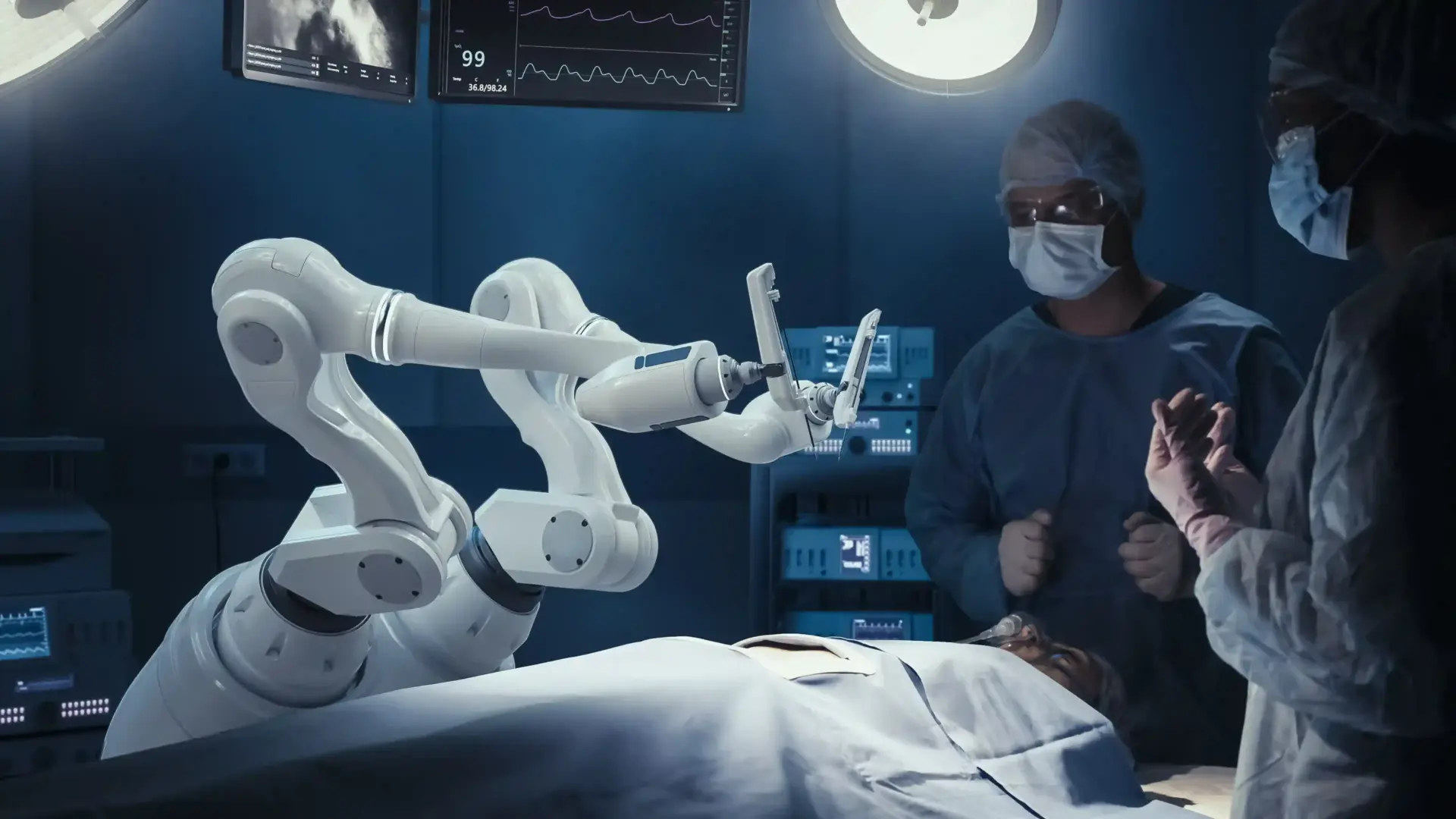
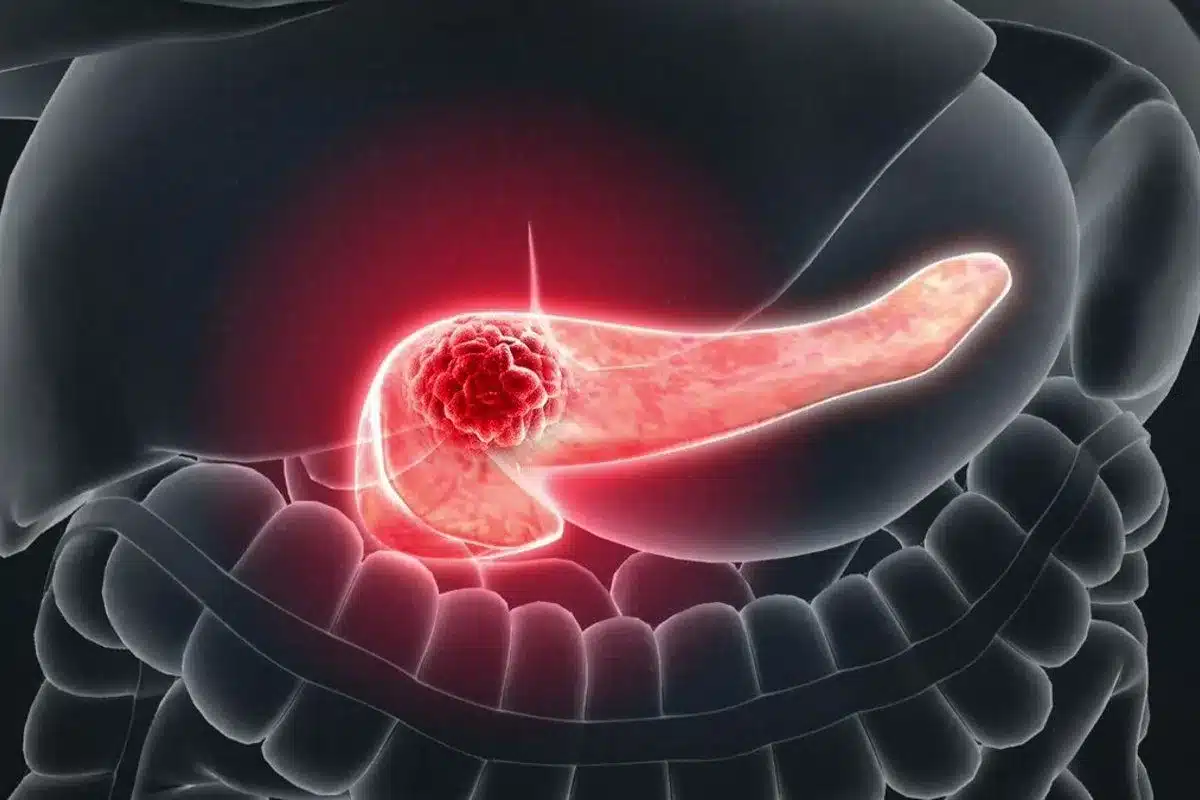
Oncology, the branch of medicine dedicated to the study, diagnosis, and treatment of cancer, is one of the most rapidly evolving fields in healthcare. Cancer is not a single disease, but rather a complex group of more than two hundred distinct conditions characterized by the uncontrolled division and spread of abnormal cells. In a healthy biological system, human cells grow, divide, and undergo programmed cell death (apoptosis) in a highly regulated manner. However, genetic mutations can disrupt this orderly process, allowing abnormal cells to survive, proliferate, and eventually form masses of tissue known as tumors.
Understanding the biological underpinnings of these cellular mutations has transformed the clinical approach to oncology. Modern cancer care has shifted away from a uniform, one-size-fits-all model toward highly personalized, biologically targeted strategies. By integrating advanced genomic science with innovative therapeutic modalities, the medical community continues to make significant strides in extending survival rates and improving the quality of life for individuals facing an oncology diagnosis.
Common Classifications of Malignant Tumors
The classification of cancer is primarily based on the specific type of tissue in which the malignant cells originate. Accurately identifying the histological origin is the first critical step in determining the biological behavior of the disease and formulating an effective treatment strategy.
Carcinomas and Epithelial Malignancies
Carcinomas represent the most frequently diagnosed category of cancer, accounting for a vast majority of all cases. These tumors originate in the epithelial cells, which are the specialized cells that line the internal and external surfaces of the body, including the skin and the internal organs. Common subtypes include adenocarcinomas, which develop in an organ or a gland (such as the breast, prostate, or colon), and squamous cell carcinomas, which arise in the flat cells lining areas like the esophagus or the respiratory tract.
Sarcomas and Connective Tissue Tumors
Sarcomas are less common than carcinomas and originate in the mesenchymal tissues—the body’s supportive and connective structures. Osteosarcomas develop within the bone tissue, while soft tissue sarcomas arise in cartilage, fat, muscle, blood vessels, or fibrous connective tissue. Because these tumors can develop anywhere in the musculoskeletal system, their clinical presentation and management are highly variable, often requiring complex surgical resections.
Hematologic Malignancies
Unlike solid tumors, hematologic malignancies affect the blood, bone marrow, and lymphatic system. Leukemias involve the rapid overproduction of abnormal white blood cells within the bone marrow, impairing the body’s ability to fight infection and produce healthy red blood cells. Lymphomas, including Hodgkin and non-Hodgkin subtypes, originate in the lymphocytes—a type of white blood cell integral to the immune system. Multiple myeloma affects plasma cells, accumulating within the bone marrow and disrupting normal bone structure and immune function.

Diagnostic Modalities and Disease Staging
Early and accurate diagnosis is the cornerstone of successful oncology care. The diagnostic process relies on a combination of high-resolution imaging, pathological analysis, and molecular profiling to determine the exact nature and extent of the disease.
Advanced Imaging and Pathological Analysis
Radiological imaging plays a pivotal role in identifying the presence, size, and location of suspicious masses. Modalities such as Computed Tomography (CT), Magnetic Resonance Imaging (MRI), and Positron Emission Tomography (PET) scans provide detailed cross-sectional views of the internal anatomy. PET scans are particularly valuable, as they utilize a radiotracer to highlight areas of high metabolic activity, which is a hallmark of rapidly dividing cancer cells.
However, a definitive diagnosis requires a biopsy—the extraction of a tissue sample for microscopic examination by a pathologist. Pathological analysis confirms the presence of malignancy, determines the histological grade (how aggressive the cells appear), and identifies specific cellular receptors that may serve as targets for therapy.
The TNM Staging System
Once a diagnosis is confirmed, oncologists utilize the TNM system to stage the cancer. This internationally recognized system evaluates the size and extent of the primary Tumor (T), the involvement of regional lymph Nodes (N), and the presence of distant Metastasis (M). Staging is a critical prognostic tool that directly dictates the appropriate therapeutic interventions, ranging from localized treatments for early-stage disease to systemic therapies for advanced metastasis.
Modern Therapeutic Modalities in Oncology
The treatment landscape for cancer is multifaceted, often involving a combination of therapies tailored to the patient’s specific diagnosis, stage, and overall physiological health.
Surgical Interventions and Radiation Therapy
For localized solid tumors, surgical oncology remains a primary curative modality. The objective is to achieve a complete resection of the tumor with clear negative margins, ensuring no microscopic cancer cells remain in the adjacent healthy tissue.
Radiation therapy is frequently utilized alongside surgery or as a standalone treatment. It employs high doses of targeted energy, such as X-rays or protons, to damage the DNA of cancer cells, thereby inhibiting their ability to multiply. Advanced delivery systems, such as Stereotactic Body Radiotherapy (SBRT), allow radiation oncologists to deliver highly concentrated doses to the tumor with sub-millimeter precision, minimizing collateral damage to surrounding healthy organs.
Systemic and Targeted Therapies
When cancer has spread or carries a high risk of recurrence, systemic therapies are deployed to eradicate malignant cells circulating throughout the body. Traditional chemotherapy utilizes cytotoxic drugs to destroy rapidly dividing cells. While effective, chemotherapy often affects healthy dividing cells, leading to known side effects.
The advent of targeted therapy has revolutionized systemic treatment. These drugs are engineered to identify and attack specific genetic mutations or proteins that drive tumor growth. For example, certain breast cancers overexpress the HER2 protein; targeted therapies bind specifically to these HER2 receptors, halting the tumor’s growth signals while sparing healthy cells.
Immunotherapy represents another paradigm shift. Rather than attacking the tumor directly, immune checkpoint inhibitors remove the “brakes” from the patient’s own immune system, enabling T-cells to recognize and destroy malignant cells that were previously evading immune detection.
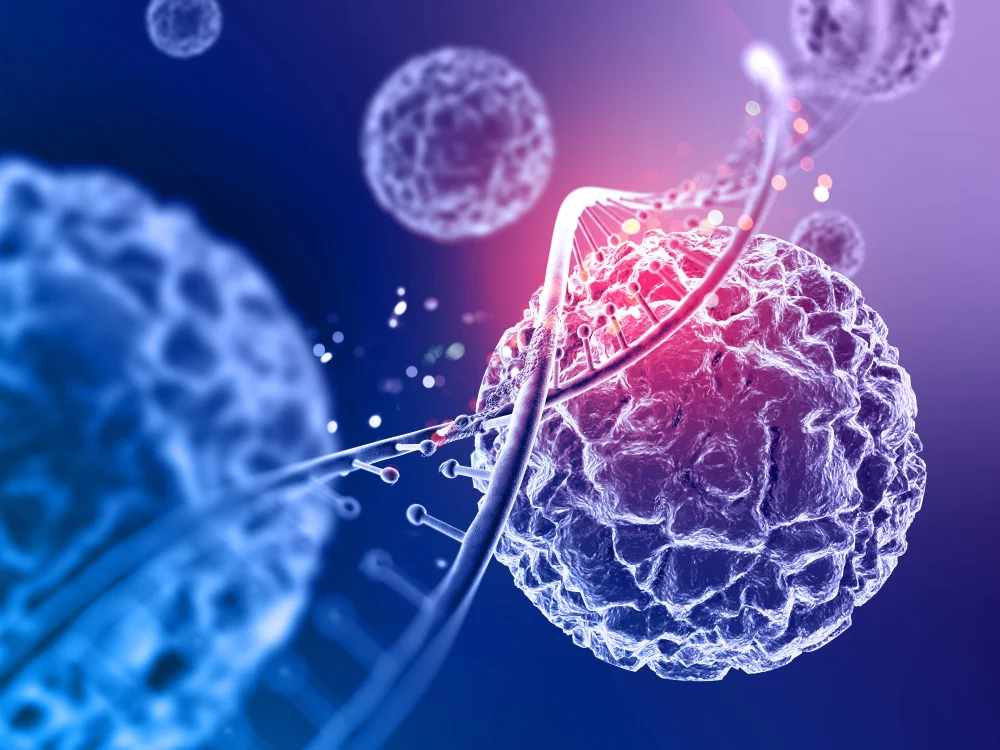
Technological Innovations and Precision Medicine
The current era of oncology is defined by precision medicine. Genomic sequencing of tumor tissue is now a standard practice for many advanced cancers. By mapping the entire DNA sequence of a tumor, oncologists can identify unique molecular signatures and match patients with specific targeted therapies or clinical trials designed for their exact genetic profile. Liquid biopsies—a technology that detects fragments of tumor DNA circulating in a simple blood draw—are also becoming instrumental for non-invasive disease monitoring and detecting early signs of recurrence.
Tertiary care centers like Liv Hospital integrate these advanced technologies into a multidisciplinary approach. Complex oncology cases are routinely reviewed by a Multidisciplinary Tumor Board, a collaborative panel comprising medical oncologists, surgical oncologists, radiation experts, pathologists, and geneticists. This collaborative ecosystem ensures that every clinical decision is informed by the latest scientific evidence, resulting in highly customized and optimized treatment protocols for every individual.
Preventive Strategies and Early Detection
While therapeutic advancements are remarkable, prevention and early detection remain the most effective strategies for reducing cancer-related mortality. Many cancers are strongly linked to preventable environmental and lifestyle factors.
Abstaining from tobacco products is the single most effective action to reduce the risk of respiratory and oral cancers. Maintaining a healthy body mass index (BMI) and engaging in regular physical activity are strongly associated with a lower incidence of breast, colon, and endometrial malignancies. Furthermore, protective measures against known carcinogens, such as utilizing broad-spectrum sunscreen to prevent ultraviolet radiation damage and receiving the Human Papillomavirus (HPV) vaccine, significantly reduce the risk of melanoma and cervical cancer, respectively.
Routine screening protocols are equally vital, as treating cancer in its asymptomatic, localized stages dramatically increases the probability of a cure. Adherence to recommended screening schedules—including annual mammograms, regular colonoscopies, and routine dermatological evaluations—enables healthcare providers to identify precancerous lesions and early-stage malignancies long before clinical symptoms manifest.
Latest Research and Future Horizons in Cancer Care
The global oncology research community is continuously pushing the boundaries of medical science. One of the most promising frontiers is the development of Chimeric Antigen Receptor (CAR) T-cell therapy. This highly complex cellular therapy involves extracting a patient’s own T-cells, genetically engineering them in a laboratory to express receptors that target specific cancer antigens, and then infusing them back into the patient’s bloodstream. CAR-T cell therapy has demonstrated unprecedented success in treating certain refractory blood cancers and is currently being rigorously tested for application in solid tumors.
Additionally, the application of mRNA technology, which gained global prominence during the development of viral vaccines, is being adapted for cancer treatment. Personalized mRNA cancer vaccines are designed to teach the patient’s immune system to recognize the unique mutated proteins present on their specific tumor, potentially preventing relapse after initial treatments.
As the understanding of tumor biology deepens and technological capabilities expand, the medical community moves closer to transforming cancer from a life-threatening illness into a manageable, chronic condition. Through the persistent integration of rigorous clinical research, advanced therapeutics, and steadfast preventive care, the landscape of oncology continues to evolve, offering improved outcomes and sustained hope for patients worldwide.
Frequently Asked Questions About Oncology and Cancer Care
1. What is the difference between a benign and a malignant tumor?
A benign tumor is a non-cancerous growth that remains localized and does not invade surrounding healthy tissues or spread to other parts of the body. A malignant tumor, conversely, is cancerous; its cells exhibit uncontrolled growth, can invade adjacent tissues, and have the potential to metastasize, or spread, to distant organs through the bloodstream or lymphatic system.
2. How do targeted therapies differ from traditional chemotherapy?
Traditional chemotherapy employs cytotoxic drugs that attack all rapidly dividing cells in the body, which can inadvertently damage healthy cells like those in the hair follicles and gastrointestinal tract. Targeted therapies are specifically engineered to block the exact molecular signals or genetic mutations that drive a particular tumor’s growth, thereby offering a more precise treatment with a different, often more tolerable, side-effect profile.
3. What does it mean when a cancer is described as “metastatic”?
Metastatic cancer, often referred to as Stage IV cancer, indicates that the malignant cells have broken away from the original (primary) tumor site, traveled through the blood or lymph system, and formed new tumors in other organs or tissues of the body. Treatment for metastatic cancer generally focuses on systemic therapies to manage the disease and control symptoms.
4. Can genetic testing predict if someone will develop cancer?
Predictive genetic testing can identify inherited gene mutations, such as BRCA1 and BRCA2, which significantly increase an individual’s lifetime risk of developing certain cancers, like breast and ovarian cancer. However, testing positive for a mutation does not guarantee that cancer will develop, nor does a negative test eliminate the risk entirely, as most cancers are caused by acquired, rather than inherited, genetic changes.
5. What is the role of immunotherapy in oncology?
Immunotherapy is a class of biological treatment designed to harness and enhance the natural capabilities of the patient’s own immune system to fight cancer. By using substances either made by the body or in a laboratory, immunotherapy helps the immune system to recognize, target, and selectively eliminate cancer cells more effectively.