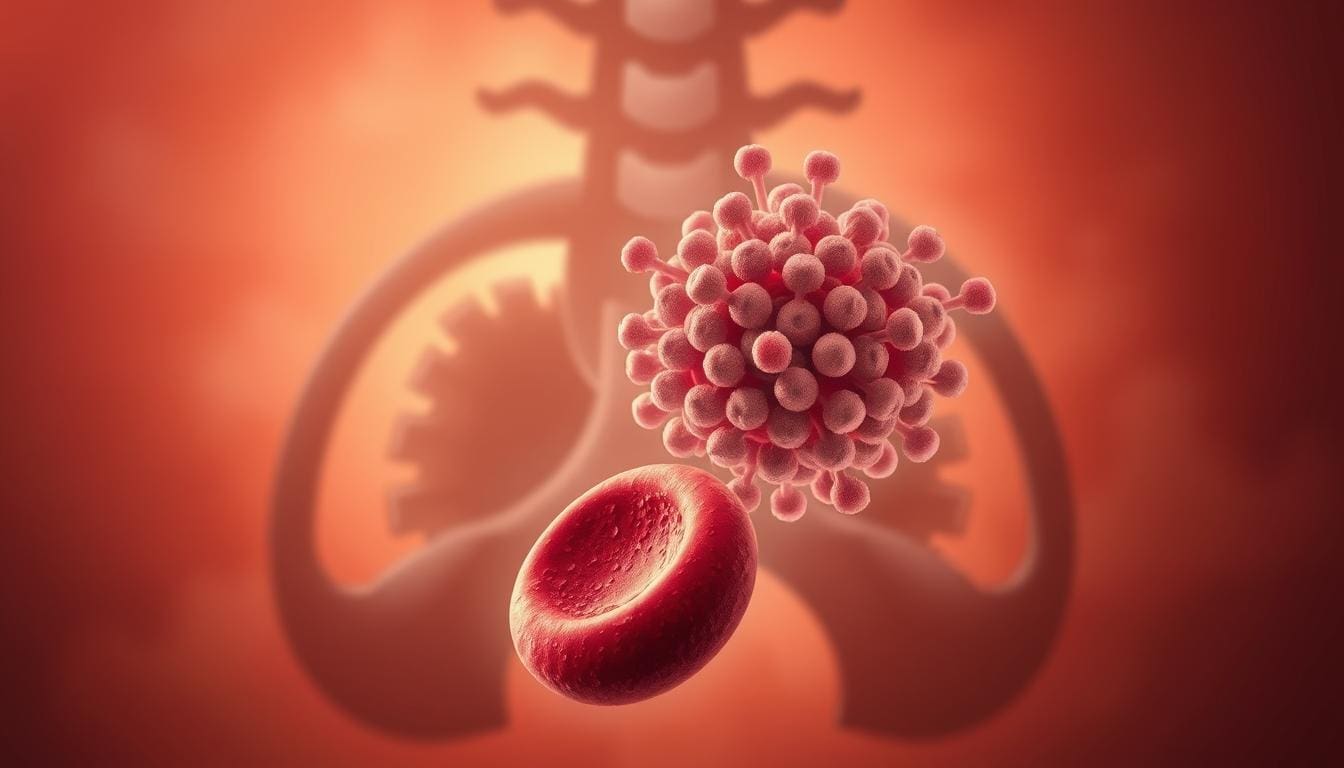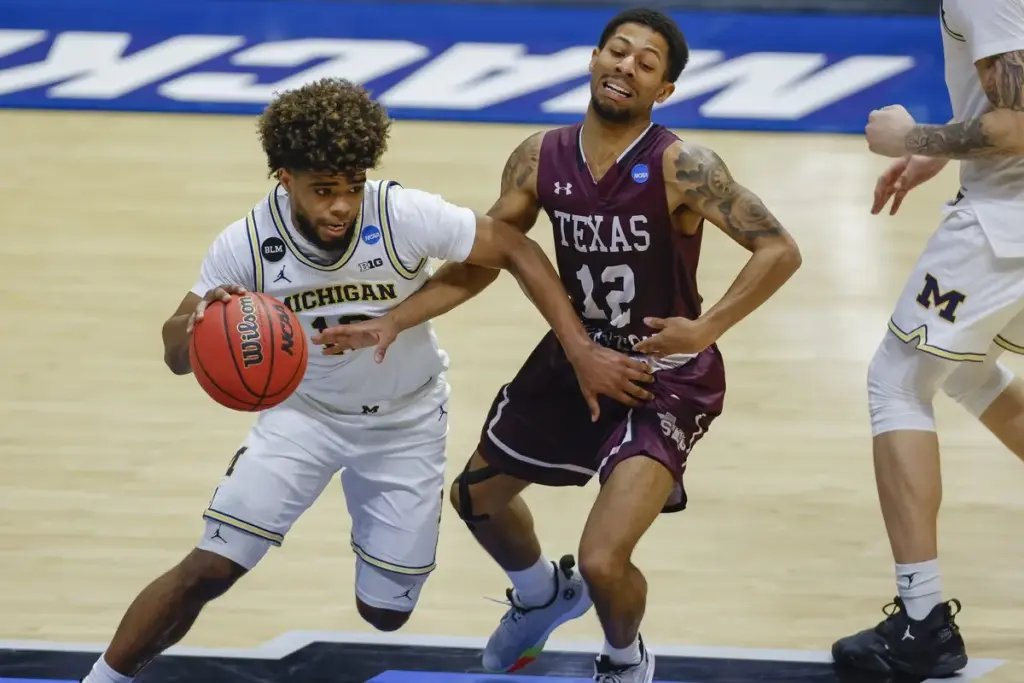
Sudden cardiac arrest is a big problem for many student athletes. One in 50,000 to 1 in 100,000 athletes face this issue every year.
We know how vital cardiac screening is to prevent these tragedies. The NCAA has started cardiac screening for student athletes. But what exactly does this entail?
In this article, we’ll look into the NCAA’s cardiac screening rules. We’ll see how EKG helps find heart problems in athletes. We’ll also talk about why these screenings are key to stopping sudden cardiac arrest.
Key Takeaways
- The NCAA has implemented cardiac screening protocols to prevent sudden cardiac arrest in student athletes.
- EKG is a key tool in finding heart issues in athletes.
- Knowing the NCAA’s cardiac screening rules is important for athletes and their families.
- Cardiac screening can spot heart problems early, before they’re deadly.
- The NCAA’s efforts aim to lower the risk of sudden cardiac arrest in student athletes.
Current NCAA Medical Screening Requirements
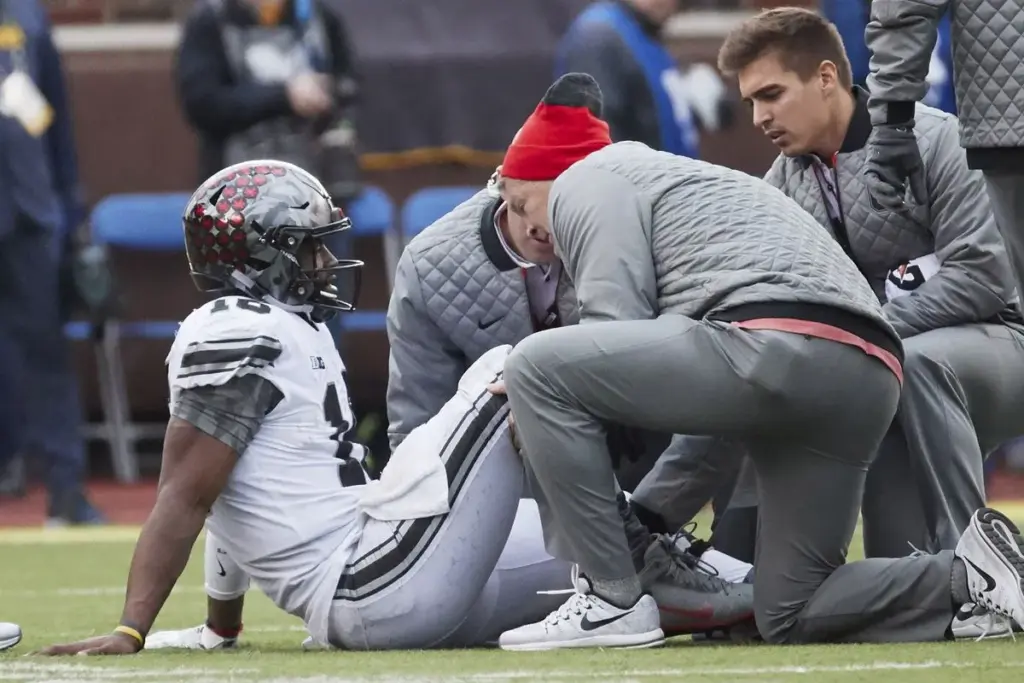
The NCAA requires a detailed pre-participation evaluation (PPE) for all student athletes. This is a key step to spot health issues early. It makes sure athletes are healthy enough to play their sports.
Standard Pre-Participation Evaluation (PPE) Components
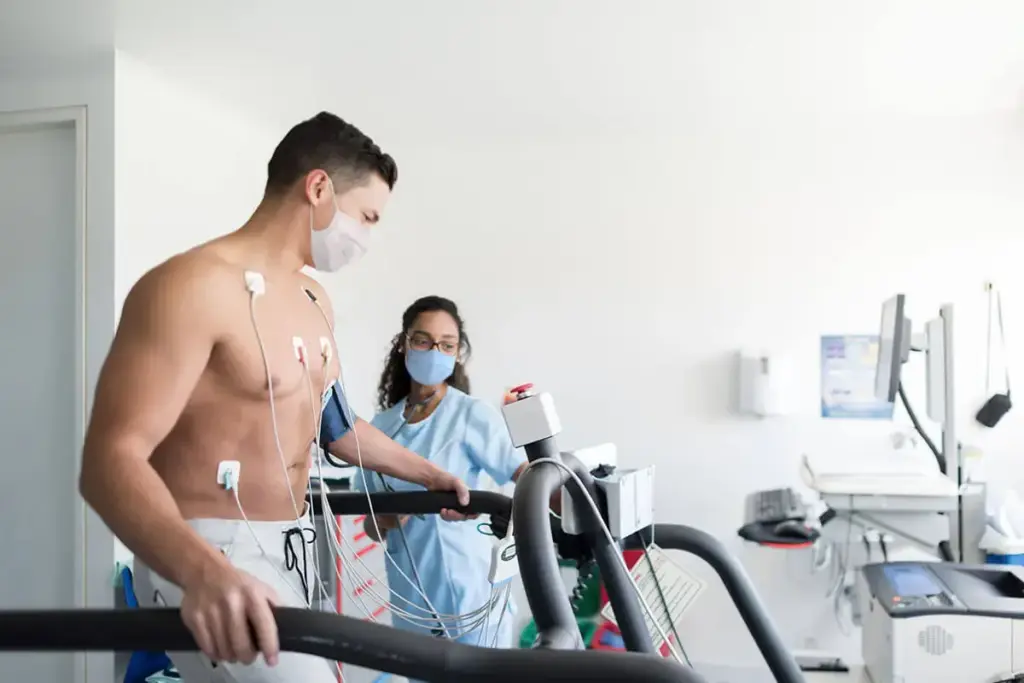
The PPE includes a detailed medical history and a physical exam. The medical history is key to find any health issues before sports. The physical exam checks the athlete’s health and looks for injury or illness risks.
PPE Components:
- Medical history questionnaire
- Physical examination
- Review of immunization records
The NCAA’s Position on Cardiac Screening
Cardiac screening is a big part of the NCAA’s medical checks. It’s because young athletes can face sudden cardiac death. The NCAA requires a PPE that looks at heart health and does a physical exam. But, it doesn’t require EKG tests for all athletes.
The NCAA wants to find heart problems but also knows EKG tests are expensive and not always needed.
Division-Specific Requirements and Variations
The NCAA has general rules for medical checks across divisions. But, each division and sport can have its own rules. For example, Division I athletes might get more detailed checks because of the high competition.
Some schools might also use extra tests like CT scans for heart checks. This is to keep athletes safe, even if the NCAA doesn’t require it.
Understanding Sudden Cardiac Death in Athletes
Sudden cardiac death is a tragic event that can happen to young athletes without warning. It’s a major cause of death in this age group. Knowing what causes it and who is at risk is key to stopping it.
Common Cardiac Conditions in Young Athletes
Young athletes can face sudden cardiac death due to several heart conditions. Hypertrophic cardiomyopathy makes the heart muscle too thick. Arrhythmogenic right ventricular cardiomyopathy replaces heart muscle with fat. Other risks include coronary artery anomalies and long QT syndrome, affecting the heart’s electrical system.
These heart issues often have no symptoms until it’s too late. So, it’s vital to screen athletes for these conditions to prevent sudden cardiac death.
Risk Factors and Warning Signs
Some heart conditions don’t show symptoms, but there are warning signs. A family history of sudden cardiac death at a young age is a big risk. Also, look out for chest pain, shortness of breath, and fainting or seizures during exercise.
If an athlete shows these signs, they need to see a doctor right away. Early action can save lives.
Demographics and Prevalence Rates
Sudden cardiac death in athletes is rare but has a big impact. It happens more often in male athletes than female. Knowing this helps tailor prevention efforts.
Some heart conditions are more common in certain groups. For example, hypertrophic cardiomyopathy affects some more than others. Understanding these patterns helps create better prevention plans.
The Leading Medical Cause of Death for Student Athletes Is Sudden Cardiac Arrest
Sudden cardiac arrest is a major health risk for student athletes. It happens when the heart suddenly stops beating. This can happen to anyone, even if they seem healthy.
Statistics and Research Findings
Research shows sudden cardiac arrest is the top cause of death in student athletes. The numbers are scary. It affects many young athletes every year, showing we need better screening.
Some important research findings are:
- Most sudden cardiac arrests in student athletes come from hidden heart problems.
- Many of these problems can be found with the right tests, saving lives.
- Tools like electrocardiograms (ECGs) can spot athletes at risk.
Case Studies of Student Athlete Fatalities
There are many stories of student athletes who died from sudden cardiac arrest. These stories are heartbreaking. A healthy athlete might fall during a game and not make it, even with quick help.
Looking at these case studies helps us understand the risks. It also shows how important it is to have good screening.
Impact on Athletic Communities and Families
Sudden cardiac arrest has a big impact on athletic communities and families. When a student athlete dies, it shocks everyone. It can cause a lot of sadness and anger.
Also, it makes people want to do more to stop it from happening again. Learning about CT scan meaning and its role in heart checks can help find ways to prevent it.
By working together, we can make sports safer for everyone. We can lower the chances of sudden cardiac arrest happening.
EKG Testing: What It Is and How It Works
EKG testing is key for athletes, coaches, and doctors. It’s a non-invasive way to check the heart’s electrical activity. This gives insights into heart health.
The Science Behind Electrocardiograms
An electrocardiogram (EKG or ECG) records the heart’s electrical signals. It shows the heart’s activity at a moment. The heart’s natural pacemaker cells create these signals.
Electrodes on the skin capture these impulses. They are then shown as a visual on the EKG tracing. This lets doctors check the heart’s rhythm, rate, and function.
The EKG tracing has parts like the P wave, QRS complex, and T wave. Each part shows different heart functions. Doctors can spot heart issues by looking at these parts.
EKG Interpretation in Athletic Populations
Reading EKGs for athletes needs a deep understanding. Athletes’ hearts can change due to training. This makes EKGs harder to read.
Guidelines help standardize EKG readings for athletes. They help tell apart normal changes and serious heart issues. This ensures athletes get the right care.
|
EKG Finding |
Common Interpretation in Athletes |
Further Investigation Required |
|---|---|---|
|
Sinus bradycardia |
Common in athletes due to high vagal tone |
No |
|
Left ventricular hypertrophy |
May be physiological adaptation |
Yes, to rule out hypertrophic cardiomyopathy |
|
T-wave inversion |
Can indicate cardiac pathology |
Yes |
Limitations of Standard EKG Testing
EKG testing is useful but has limits. False positives can cause worry and extra tests. False negatives might give a false sense of safety.
EKG results must be seen with the athlete’s whole health picture. This includes family history, symptoms, and physical checks.
“The EKG is just one piece of the puzzle in assessing cardiac health in athletes. It must be used judiciously and in conjunction with other diagnostic tools.” – Cardiologist
EKG testing is important for athletes. But it’s part of a bigger plan for heart checks. This plan includes clinical checks, family history, and other tests like cardiac CT scans.
Arguments For Mandatory EKG Screening
Supporters say mandatory EKG screening is key to stopping sudden heart deaths in young athletes. It spots heart problems early, preventing sad outcomes.
Potential Lives Saved Through Early Detection
One big reason for mandatory EKG screening is saving lives by catching heart issues early. Problems like hypertrophic cardiomyopathy and long QT syndrome can be found with EKGs.
Spotting these issues early means we can act fast. This could mean medicine, lifestyle changes, or even a special heart device. Early action greatly lowers the risk of sudden heart death in young athletes.
Success Stories from Institutions with Mandatory Screening
Places that make EKG screening mandatory have seen great results. A study in the Journal of the American College of Cardiology showed it cut sudden cardiac death in Italian athletes.
In the U.S., some universities have started mandatory EKG screening. They’ve found heart problems in athletes that could have been serious if not caught.
Cost-Effectiveness Over Time
At first, mandatory EKG screening might seem expensive. But it’s actually a smart investment over time. A study looked at different heart screening methods and found EKGs are cost-effective for young athletes.
|
Screening Method |
Initial Cost |
Long-term Cost-Effectiveness |
|---|---|---|
|
EKG Screening |
$50-$100 per athlete |
High |
|
CT Scan for Heart |
$500-$1000 per athlete |
Low to Moderate |
|
Echocardiogram |
$200-$500 per athlete |
Moderate |
Looking at costs and benefits, EKG screening is a good choice. It balances initial cost with long-term gains.
Arguments Against Mandatory EKG Screening
Many people are against making EKG screening mandatory. They see the good in it, like finding heart problems early. But, there are big concerns about how it works.
Cost-Benefit Analysis
One big worry is the cost of EKG screening. Some say it’s too expensive to save a few lives. Schools and healthcare systems might struggle to pay for it.
- The cost of EKG machines and trained personnel
- The expense of follow-up tests for false positives
- The cost of unnecessary interventions
It’s important to look closely at the costs and benefits. We need to see if the money spent is worth it for early heart problem detection.
False Positives and Unnecessary Medical Interventions
Another big issue is false positives from EKG screening. These can cause worry for athletes and their families. They also lead to extra medical costs.
- False positives can lead to extra tests and treatments.
- Getting a false positive can really affect someone’s mental health.
- These extra steps can have risks and problems of their own.
We must think about the good of early detection against the bad of false positives and extra tests.
Resource Allocation and Implementation Challenges
Starting mandatory EKG screening is hard. It needs a lot of resources, training, and fitting into current health checks.
Key challenges include:
- Getting EKG screening to all student athletes
- Training people to read EKG results right
- Working with cardiologists for more tests
Compared to other tests like CT scans, EKG screening has its own ups and downs. We need to think about these when deciding if EKG screening should be mandatory.
Alternative Cardiac Screening Methods
There are new ways to check athletes’ hearts for better care. The NCAA has rules for heart checks, but there’s a debate on the best ways to find heart problems in athletes.
Echocardiograms and Their Role in Cardiac Screening
An echocardiogram uses sound waves to see the heart’s inside. It’s a key tool for heart checks. It helps spot problems like hypertrophic cardiomyopathy, a big risk for young athletes.
Key benefits of echocardiograms include:
- Detailed imaging of heart structure
- Ability to detect abnormalities in heart function
- Non-invasive and relatively low-cost compared to other advanced imaging techniques
Stress Testing for Athletes
Stress tests check how the heart works when you’re active. You might run on a treadmill or bike. It finds problems that don’t show up when you’re just sitting.
The advantages of stress testing include:
- Assessing heart function under stress
- Identifying possible heart issues linked to exercise
- Offering a full view of heart health
Genetic Testing for Cardiac Conditions
Genetic tests help find heart problems passed down in families. They look for genes linked to long QT syndrome and ARVC. These tests are key for athlete safety.
Genetic testing can:
- Find genetic signs of certain heart conditions
- Help family members know their risks
- Help create personal care plans
Exploring these new heart checks can help keep athletes safe and healthy.
Cardiac CT Scans: A Deeper Look
Cardiac CT scans are key in checking the heart of athletes. They show detailed images of the heart. This helps find problems that could affect athletes.
What is Computed Tomography?
Computed Tomography, or CT scans, use X-rays to make detailed images of the body. They help doctors see inside the heart and its parts.
Cardiac CT scans are great for spotting heart disease. They check the heart’s shape and look for problems that could cause sudden heart issues.
What a Cardiac CT Scan Shows
A cardiac CT scan shows the heart’s chambers, valves, and arteries. This is key for finding heart problems like disease and structural issues.
The scan can spot calcium in arteries, showing heart disease. It also checks how well the heart works. This is important for athletes to stay safe and perform well.
CT Scan Procedure and Preparation
The CT scan process is quick and easy. Patients lie on a table that slides into a big machine. The scan takes a few seconds to a few minutes.
Before the scan, patients might not drink caffeine or take some medicines. Sometimes, a dye is used to make images clearer. Patients must stay very quiet during the scan.
Limitations and Considerations of CT Technology
Cardiac CT scans are very helpful but have some downsides. One big concern is the radiation they use. This can be harmful.
Also, the dye used in scans can be bad for people with kidney problems. The cost and availability of CT scans are other things to think about. Doctors need special training to understand the images.
Even with these issues, CT scans are very useful for athletes. Knowing their strengths and weaknesses helps doctors use them wisely in heart checks.
International Perspectives: Cardiac Screening in Other Countries
Cardiac screening around the world shows a variety of methods. Some places require electrocardiograms for all athletes. Others test only those at high risk. This variety helps us learn how to prevent sudden cardiac death in sports.
European Approaches to Athlete Cardiac Screening
In Europe, how athletes are screened for heart issues varies a lot. Italy, for example, checks every athlete’s heart with an electrocardiogram (ECG). This has helped lower the number of young athletes dying suddenly. Other countries might just look at a person’s health history and do a physical check. They use ECGs only if there’s a reason to think a heart problem might exist.
“The Italian model of cardiac screening has been a cornerstone in the prevention of sudden cardiac death among athletes, demonstrating the potential for significant reductions in mortality through systematic screening.”
Lessons from the Italian Model
The Italian model has been around for decades. It requires every athlete to get an ECG. This has given us a lot of data on how well screening works. The results show that Italy has seen a big drop in sudden cardiac deaths among athletes. This supports the idea of using similar screening worldwide.
Global Best Practices and Their Results
While Italy’s method is often seen as the best, other countries have their own ways. Some teach athletes and coaches about heart problems. Others use new tech like cardiac CT scans. It’s key to know what works best for each place.
But, advanced tests like CT scans with contrast have risks. They can show the heart’s details but may cause allergic reactions or harm the kidneys. Finding the right balance between thorough screening and avoiding harm is important for global guidelines.
Comparing NCAA Requirements with Other Athletic Organizations
Looking at cardiac screening in sports, it’s key to compare the NCAA with other big sports groups. Each group has its own rules for heart checks, affecting athlete safety and health.
We’ll see how the NCAA’s rules compare with the Olympic Committee, pro sports leagues, and high school sports. We’ll look at what’s the same and what’s different in their heart screening methods.
Olympic Committee Standards
The Olympic Committee has strict heart check rules for international athletes. They use ECG tests to spot heart risks.
They also consider CT scans for athletes to get a closer look at their heart health.
Professional Sports League Requirements
Pro sports leagues like the NFL and NBA have their heart check rules. They include health checks, ECG tests, and sometimes stress tests or echocardiograms.
These leagues work with cardiologists to keep their heart check methods current and effective.
High School Athletic Association Policies
High school sports groups have different heart check rules. Some require ECG tests, while others just need a medical history and physical.
This shows the need for a common heart check method. It should balance athlete safety with practical issues like cost and access.
What Athletes and Parents Should Know
Athletes and their families need to know about cardiac screening. It’s key to prevent sudden cardiac death. Cardiac screening keeps athletes safe while they play sports.
Advocating for Appropriate Cardiac Screening
Athletes and parents should push for the right cardiac screening. They should know about NCAA medical screeningrules. Early detection of heart issues is critical.
To advocate well, athletes and parents should:
- Learn about cardiac screening methods and their limits.
- Know the risks and warning signs of sudden cardiac death.
- Talk to their team doctor about their concerns and screening choices.
Questions to Ask Your Team Physician
It’s important to ask the right questions about cardiac screening. Here are some key ones:
|
Question |
Purpose |
|---|---|
|
What cardiac screening methods are recommended for athletes? |
To understand the screening options available. |
|
How effective are these screening methods in detecting cardiac conditions? |
To assess the reliability of the screening methods. |
|
What are the risks associated with cardiac screening, such as false positives? |
To understand possible downsides of screening. |
Private Screening Options
There are private screening options beyond NCAA rules. A CT scan can show detailed heart images. It helps find coronary heart disease.
Private screening options may include:
- Advanced cardiac imaging like CT scans or MRI.
- Genetic testing for inherited heart conditions.
- Comprehensive physical exams with a cardiologist.
By being informed and proactive, athletes and parents can ensure top cardiac care. They can work closely with healthcare providers.
The Future of Cardiac Screening in College Athletics
New technologies are changing how we screen for heart problems in college athletes. The future of detecting heart issues in athletes looks bright, thanks to medical tech and research.
Advancements in Screening Technologies
Computed Tomography (CT) scans are getting better. They can show detailed heart images, helping spot problems early and accurately. This could make cardiac screening in college sports more effective.
New methods like artificial intelligence and machine learning are also coming. They can analyze data from tests, making screenings more accurate and efficient. This could help find athletes at risk sooner.
Potential Policy Changes
New tech and methods might lead to big policy changes in college sports. Policy makers will have to weigh the pros and cons of these changes. They’ll consider costs, access, and how well they work.
Policy updates will likely come from ongoing research and data. As we learn more about different screening methods, guidelines will evolve. This will help keep athletes safe.
The Role of Research
Research is key to improving cardiac screening in college sports. Studies will help us understand which methods work best. They’ll also tell us about heart conditions in athletes and how screenings affect outcomes.
We need to keep funding and doing quality research in this field. This ensures cardiac screening is based on solid evidence. It helps keep athletes healthy and moves sports cardiology forward.
Conclusion: The Path Forward for NCAA Cardiac Screening
To keep student athletes safe, we need a mix of old and new methods. The NCAA’s current rules are a good start. But, new tech and studies show we might need more.
New cardiac screening tools, like CT scans, could help find and prevent heart problems. We should keep an eye on new research to guide the NCAA’s future rules.
The future will blend old and new ways to check athletes’ hearts. This way, we can make sure every athlete is safe and supported. It’s all about keeping them healthy and happy.
FAQ
What is the leading medical cause of death for student athletes?
Sudden cardiac arrest is the main reason student athletes die.
Does the NCAA require cardiac screening for student athletes?
The NCAA requires a Pre-Participation Evaluation (PPE). But, it doesn’t need EKG or CT scans for all athletes.
What is a CT scan, and how is it used in cardiac screening?
A CT scan is a test to see the heart. It can find heart problems, like coronary artery disease, which can lead to sudden death.
What does a cardiac CT scan show?
It shows the heart’s details, like chambers and valves. This helps find heart issues and risks.
What are the benefits and limitations of EKG testing in cardiac screening?
EKGs can spot heart rhythm problems and other issues. But, they can also lead to false alarms and unnecessary tests.
What alternative cardiac screening methods are available?
Other tests include echocardiograms, stress tests, and genetic tests. Each has its own good and bad points.
How do international organizations approach cardiac screening for athletes?
Groups like the Olympic Committee have different rules. Some require EKG tests for athletes.
What should athletes and parents know about advocating for cardiac screening?
Athletes and parents should know how important heart checks are. They should talk to their doctor about tests like EKG and CT scans.
What is the future of cardiac screening in college athletics?
The future might bring new tech, like better CT scans. There could also be new rules for heart checks.
What are the possible side effects of CT scans with contrast?
CT scans with dye can cause allergic reactions. They might also harm the kidneys in some cases.
Can CT scans detect coronary heart disease?
Yes, CT scans can find coronary heart disease. They can spot calcium in arteries, which is a risk for sudden death.
References
National Center for Biotechnology Information. Evidence-Based Medical Insight. Retrieved from https://www.ncbi.nlm.nih.gov/pmc/articles/PMC6204637/