Understand the long-term changes. We detail the major radiation side effects that can become permanent, affecting organs and overall quality of life.
Radiation therapy is a key treatment for many cancers. Yet, it can also harm healthy cells, causing lasting side effects.
This therapy aims to damage cancer cells. But, it can also affect nearby healthy cells. The extent of these effects depends on the treatment area and the patient’s health.
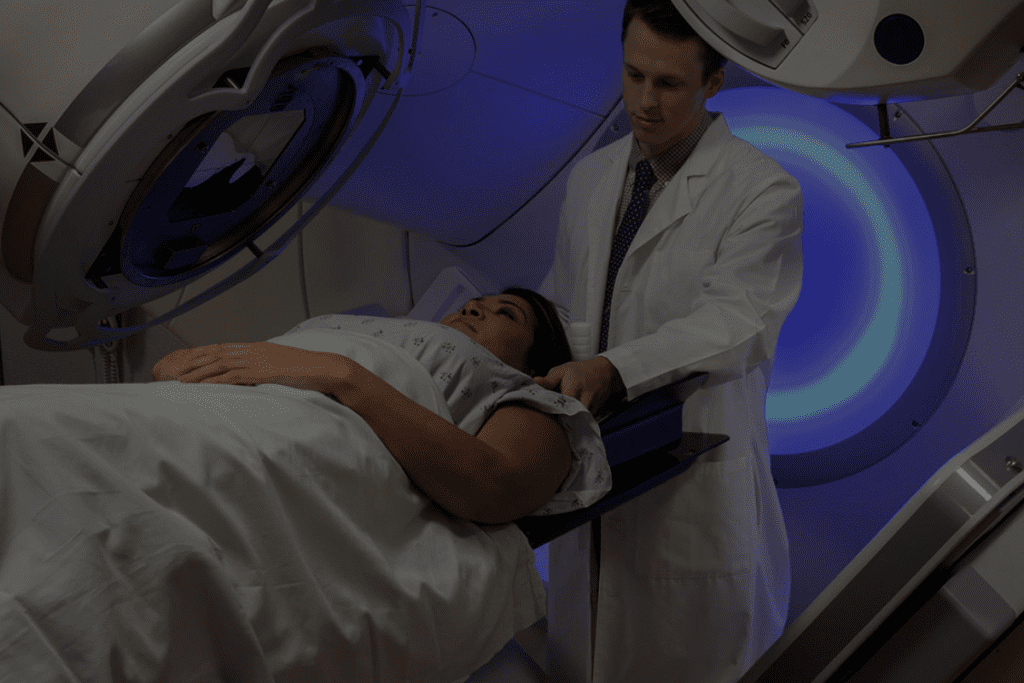
The lasting effects of radiation can greatly affect a patient’s life. It’s vital for doctors to talk about these risks. This way, they can provide the best care possible.
Key Takeaways
- Radiation therapy can cause permanent damage to healthy cells.
- The severity of side effects varies depending on the treatment area.
- Understanding these risks is essential for informed patient care.
- Comprehensive support is key for patients going through radiation therapy.
- Long-term quality of life can be significantly impacted by treatment.
Understanding Radiation Therapy and Its Impact on the Body
Radiation therapy is a common treatment for cancer. It damages the DNA of cancer cells, stopping them from growing. This treatment is key for many patients, giving them a chance to control or cure their cancer. But, like any treatment, it can have side effects, some of which can last forever.
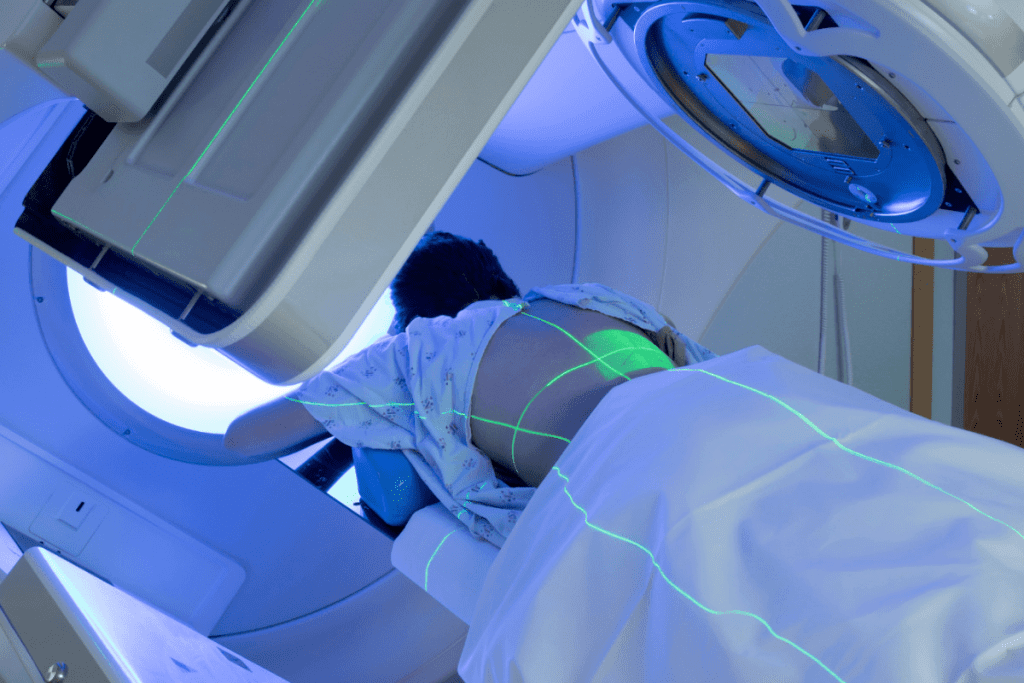
How Radiation Therapy Works in Cancer Treatment
Radiation therapy targets specific areas of the body with cancer. It works by:
- Damaging the DNA of cancer cells, making it impossible for them to reproduce.
- Using high-energy rays, such as X-rays or gamma rays, to kill cancer cells.
- Being tailored to the individual patient’s needs, with the dose and frequency of treatment carefully planned to maximize the impact on cancer cells while minimizing the effect on surrounding healthy cells.
We use advanced technology to deliver radiation therapy. This makes the treatment as effective as possible while reducing side effects. Even with these precautions, some patients may experience side effects from radiation.
Distinguishing Between Temporary and Permanent Side Effects
Most side effects of radiation therapy are temporary, lasting a few weeks to months after treatment ends. But, some side effects can last forever, depending on the dose and location of the radiation, and the patient’s health. Common temporary side effects include fatigue, skin changes, and gastrointestinal issues. Permanent side effects can include organ damage, changes in skin and tissue, and increased risk of secondary cancers.
For more detailed information on the side effects of radiation therapy understanding the possible side effects and how to manage them is key for patients. It helps them make informed decisions about their care.
Major Radiation Side Effects That Can Become Permanent
Radiation therapy can cause permanent side effects in some patients. It’s important for patients and healthcare providers to know about these long-term complications.
How Early Side Effects Predict Long-Term Complications
Early side effects of radiation therapy can show how severe long-term complications might be. Studies have shown that severe early side effects often lead to permanent damage.
- Early identification of risk factors can help in mitigating long-term effects.
- Monitoring and managing early side effects are key to reducing permanent damage.
- Personalized treatment plans can help minimize severe side effects.
A patient with severe radiotherapy side effects early on is at higher risk for chronic conditions. Healthcare providers can use this knowledge to offer targeted interventions. This might help reduce the severity of long-term side effects.
Risk Factors That Increase the Likelihood of Permanent Damage
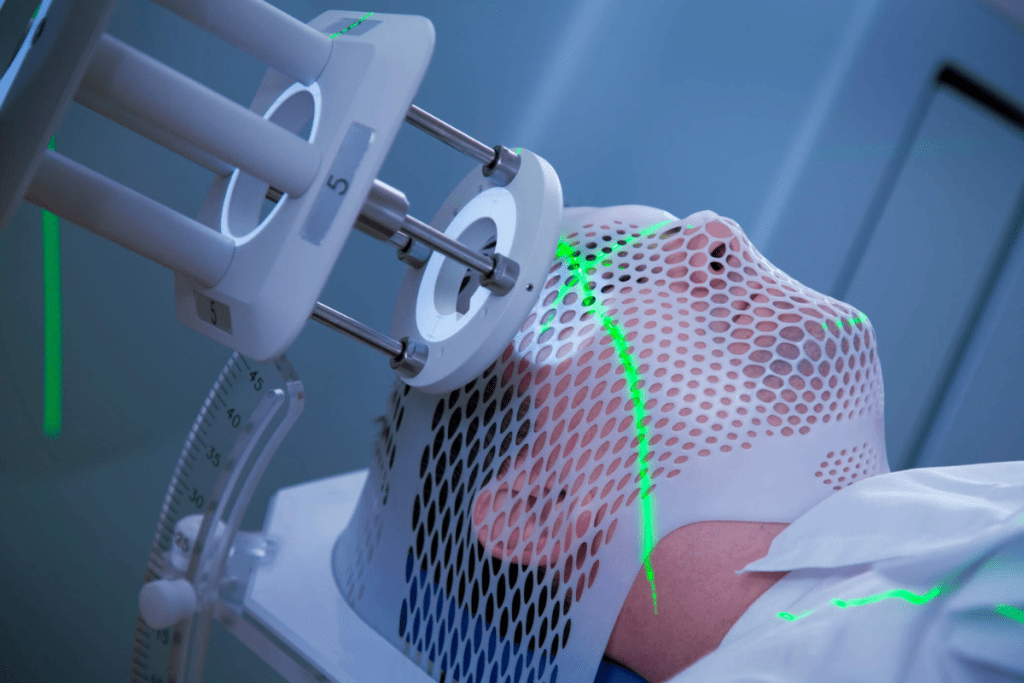
Several factors can increase the risk of permanent damage from radiation therapy. These include:
- The dose of radiation: Higher doses increase the risk of permanent side effects.
- Individual patient factors: Age, health, and genetic predispositions play a role.
- The area treated: Radiation to certain areas, like the brain or pelvic region, can have specific complications.
Knowing the 10 disadvantages of radiation therapy helps in making informed treatment decisions. Healthcare providers can tailor treatments to reduce long-term side effects for high-risk patients.
We understand that radiation therapy is a powerful cancer treatment tool. But, it’s vital to be aware of the risk of permanent side effects. By improving our understanding and management of these side effects, we can enhance the quality of life for cancer survivors.
Brain Radiation: Cognitive and Neurological Consequences
Radiation therapy to the brain can have lasting effects on thinking and brain health. As we work to improve cancer treatments, it’s key to understand these effects. This helps us care for patients better and improve their quality of life.
Irreversible Cognitive Changes and Memory Dysfunction
Brain radiation can deeply affect how we think. Radiation can cause permanent changes in thinking, including memory loss and trouble learning new things. The extent of these effects depends on the dose and how long the therapy lasts.
Children are more at risk because their brains are developing. The younger the child, the more their brain cells are affected by radiation. This can lead to lasting cognitive and neurological problems.
Radiation Necrosis and Permanent Brain Tissue Damage
Another serious issue with brain radiation is radiation necrosis. This is when brain tissue dies because of radiation. It can cause permanent damage to brain tissue, leading to various neurological problems. Treating radiation necrosis can be very complex.
It’s important to know the risks and early signs of these problems. We need to balance the benefits of radiation therapy with its possible long-term effects. We should try to protect healthy brain tissue as much as we can.
By improving radiation techniques and finding ways to protect the brain, we can lessen these severe side effects. This will help patients who undergo brain radiation therapy have better outcomes.
Head and Neck Radiation: Permanent Structural Damage
Radiation therapy for head and neck cancer can cause lasting damage. It’s a key treatment when cancer is in the head and neck area. But, it can harm healthy tissues too, leading to long-lasting side effects.

Chronic Xerostomia (Dry Mouth) and Salivary Gland Dysfunction
Chronic xerostomia, or dry mouth, is a common and serious side effect. Radiation can damage the salivary glands, making it hard to produce saliva. This affects not just oral health but also daily life, making eating, speaking, and swallowing hard.
“Dry mouth is more than just a minor inconvenience; it can significantly affect a patient’s overall well-being and ability to perform daily functions,” says a leading oncologist. Managing dry mouth often requires a multi-faceted approach, including saliva substitutes and meticulous oral hygiene practices.
Osteoradionecrosis of the Jaw: Causes and Consequences
Osteoradionecrosis (ORN) of the jaw is a serious complication after radiation therapy. ORN is when jawbone tissue dies due to radiation, causing exposed bone and severe pain. This can make dental care very challenging and may need surgery.
- Risk factors for ORN include high radiation doses, poor oral health, and dental extractions post-radiation.
- Preventive measures, such as thorough dental evaluation before radiation and meticulous oral care, are key.
- Treatment options range from conservative management to surgical reconstruction in severe cases.
Swallowing Difficulties and Speech Impairments
Radiation to the head and neck can cause dysphagia, or difficulty swallowing. This is because of damage to the muscles and nerves involved in swallowing. It can lead to nutritional deficiencies and a higher risk of aspiration pneumonia. Speech impairments can also happen due to changes in the oral cavity and throat.
Rehabilitation strategies, including speech and language therapy, are essential. They help patients regain swallowing and speech functions. These therapies can greatly improve the quality of life for those affected by these side effects.
Chest Radiation: Cardiovascular and Pulmonary Complications
Radiation treatment for the chest can harm heart and lung health. It’s important to manage these risks carefully. Patients may face serious heart and lung problems due to chest radiation.
Increased Lifetime Risk of Heart Disease and Cardiac Damage
Chest radiation raises the risk of heart disease and damage. Radiation can cause heart fibrosis, inflammation, and artery damage. This can lead to heart disease, failure, and cardiomyopathy. It’s vital to watch heart health in patients who had chest radiation.
Several factors increase heart problems after radiation:
- High cumulative radiation dose
- Volume of heart irradiated
- Presence of pre-existing cardiovascular risk factors
- Younger age at the time of radiation exposure
Research shows higher doses and larger heart exposure raise cardiac death risk. Using radiation techniques that protect the heart is key.
Pulmonary Fibrosis and Irreversible Lung Function Decline
Chest radiation also poses lung risks, like pulmonary fibrosis and lung function decline. Pulmonary fibrosis scars lung tissue, reducing lung capacity and gas exchange. Symptoms include shortness of breath, fatigue, and less endurance.
“Radiation-induced pulmonary fibrosis can significantly impact a patient’s quality of life, making it essential to implement strategies that mitigate this risk.”
Several factors increase lung problems:
- Higher radiation doses
- Concurrent chemotherapy
- Pre-existing lung disease
- Smoking history
To lessen radiation therapy side effects, we suggest careful planning. Techniques like deep inspiration breath-hold (DIBH) and intensity-modulated radiation therapy (IMRT) can reduce lung exposure.
Understanding chest radiation’s heart and lung risks helps us improve patient care. We aim to lessen long-term side effects of radiation treatment.
Pelvic Radiation: Urinary and Digestive System Damage
Pelvic radiation therapy is a common treatment for many cancers. It can severely damage the urinary and digestive systems. The effects of pelvic radiation can last a long time, affecting patients’ quality of life.
Permanent Urinary Toxicity: Incidence Rates and Manifestations
One major risk of pelvic radiation is permanent urinary toxicity. Up to 12.5% of men may develop this condition. Symptoms include urinary incontinence, frequency, or pain while urinating.
These symptoms can greatly impact daily life. They often require ongoing medical care and management.
The risk of urinary toxicity varies. It depends on the radiation dose and the treated area. Knowing these risks helps patients and healthcare providers make better treatment choices.
Chronic Bowel Dysfunction Affecting Up to 22.5% of Patients
Pelvic radiation can also cause chronic bowel dysfunction. Up to 22.5% of patients may experience this. Symptoms include diarrhea, bowel obstruction, or fecal incontinence.
These symptoms affect not just physical health but also emotional and social well-being. It’s vital to monitor and manage these side effects.
By understanding the risk of chronic bowel dysfunction, healthcare providers can better support patients. This improves their quality of life during treatment.
The side effects of radiation on the pelvic area highlight the need for careful treatment planning. As we improve radiotherapy techniques, addressing the after effects of radiotherapy is also key. This ensures patients receive complete care.
Reproductive System: Fertility and Sexual Function Effects
Radiation therapy is lifesaving but can harm the reproductive system. It can affect fertility and sexual function. When the pelvic area is treated, it can damage reproductive organs. This damage can lead to long-term effects on fertility and sexual health.
Permanent Fertility Loss in Men and Women
Patients worry about losing fertility due to radiation therapy. In men, it can harm the testes, stopping sperm production. The damage depends on the radiation dose and length. Women’s ovaries can also be damaged, causing early menopause and infertility. The risk grows with age and radiation dose.
Key factors influencing fertility loss include:
- The dose and duration of radiation therapy
- The area of the body being treated
- The age of the patient at the time of treatment
Vaginal Stenosis and Atrophic Vaginitis Following Pelvic Radiation
Pelvic radiation can cause vaginal stenosis, narrowing the vagina. This is due to scarring and fibrosis. It makes sex painful or impossible. It can also cause atrophic vaginitis, making the vagina dry and inflamed.
Sexual Dysfunction as a Long-Term Consequence
Sexual dysfunction is a common side effect of radiation therapy. It affects both men and women. Men may face erectile dysfunction due to nerve and blood vessel damage. Women may experience vaginal stenosis, atrophic vaginitis, and decreased libido, impacting sexual function.
Healthcare providers should talk about these risks before starting radiation therapy. This way, patients can understand the risks and make informed decisions.
Dermatological and Tissue Changes That Never Resolve
Radiation therapy saves lives but can cause lasting skin and tissue changes. These changes can make a patient’s life less enjoyable. They can affect how a person looks, feels, and lives.
Radiation-induced fibrosis is a big problem. It makes tissues hard and scarred. This happens because radiation damages cells, causing too much collagen. This makes tissues stiff and can cause pain and limited movement.
Radiation-Induced Fibrosis and Tissue Hardening
Fibrosis can start months to years after treatment. It’s important for patients to know about this side effect. “The development of fibrosis is a complex process involving various cellular and molecular changes,” which helps in finding ways to manage it.
Symptoms of fibrosis vary. For example, it can make breasts hard and smaller. It can also make limbs stiff and hard to move. Managing these symptoms needs a team effort, including physical therapy and pain management.
Permanent Skin Changes, Discoloration, and Fragility
Radiation can also change the skin permanently. It can make the skin thinner, more fragile, and discolored. These changes can be hard for patients to deal with, affecting their self-esteem and body image.
These skin changes include visible blood vessels, dry skin, and wet skin peeling. In severe cases, the skin can even ulcerate and die. It’s important to protect the skin and manage these changes to keep patients’ quality of life good.
“Radiation therapy can have a profound impact on a patient’s skin and underlying tissues, leading to changes that are not only permanent but also potentially debilitating.”
To lessen these effects, patients should follow a strict skin care routine. This includes gentle cleaning, moisturizing, and sun protection. In some cases, special treatments or interventions may be needed to help manage symptoms and improve skin appearance.
Modern Approaches to Reducing Permanent Radiation Damage
The field of radiation oncology has grown, using new methods to protect healthy tissue. We now know more about how to lessen long-term side effects from radiation therapy.
New advanced radiation techniques can target cancer cells better. This means less harm to healthy tissue. Conformal radiotherapy and intensity-modulated radiotherapy (IMRT) are key in this effort.
Advanced Radiation Techniques That Spare Healthy Tissue
Conformal radiotherapy and IMRT shape radiation beams to fit tumors. This reduces damage to nearby healthy tissue. These methods help lower the chance of permanent side effects in patients.
Stereotactic body radiation therapy (SBRT) is also becoming more common. It delivers precise, high doses of radiation to tumors. This precision helps in treating tumors more effectively with fewer long-term problems.
Protective Medications and Interventions During Treatment
Protective medications and interventions are also important. Some medications can protect certain organs from radiation damage. For example, amifostine helps prevent dry mouth in patients getting head and neck radiation.
Researchers are looking into antioxidants and radioprotectors to reduce radiation damage. These measures, along with advanced radiation techniques, are making radiation therapy safer.
By using these modern methods in radiation therapy, we can greatly reduce permanent side effects. This improves the quality of life for patients going through treatment.
Living With and Managing Permanent Side Effects
Managing permanent side effects from radiation therapy needs a full plan. This plan helps control symptoms and improve life quality. Understanding how to lessen these effects is key.
Medical Interventions for Symptom Control
Medical help is tailored for each patient to manage side effects. Medicines can help with pain, nausea, or dry mouth. Sometimes, surgery is needed for tissue damage or necrosis.
We create a treatment plan for each patient. This plan includes:
- Medicines for symptom relief
- Physical therapy for better mobility and strength
- Nutritional advice for good eating
Rehabilitation Strategies for Radiation-Induced Disabilities
Rehabilitation is key for adapting to radiation side effects. It includes physical, occupational, and speech therapy. The type depends on the patient’s needs.
For example, head and neck radiation patients might need speech therapy. Physical therapy helps regain strength and mobility lost to radiation.
Support Resources and Quality of Life Considerations
Support is also vital for quality of life. This includes counseling, support groups, and educational materials. These help patients manage their condition well.
We focus on a holistic care approach. This means caring for patients’ physical, emotional, and mental health. With the right support, patients can face challenges and improve their life quality.
Important support includes:
- Counseling for emotional and mental health
- Support groups for shared experiences
- Education on managing the condition
Combining medical help, rehabilitation, and support greatly improves life for those with radiation side effects.
Conclusion
Radiation therapy is key in fighting cancer, but it can cause lasting side effects. It’s vital for patients to know about these effects to handle their treatment better.
We’ve looked at the major lasting side effects of radiation. These include brain and nerve problems, damage to body structures, heart and lung issues, and effects on the reproductive system. These can really change a patient’s life.
Dealing with radiation side effects needs a full care plan. Knowing the risks helps doctors find ways to lessen these effects. This improves how well patients do and their overall life quality.
As we get better at radiation treatments, we can lessen these side effects. Patients must work with their doctors to watch and manage these effects. This ensures they get the best care possible.
FAQ
What are the most common permanent side effects of radiation therapy?
Common permanent side effects include changes in thinking and feeling, damage to the head and neck, and heart and lung problems. Other effects are damage to the urinary and digestive systems, impacts on fertility and sex, and changes to the skin and tissues.
How does radiation therapy cause permanent damage?
Radiation therapy kills or damages healthy cells, leading to long-term side effects. The risk of damage varies based on the radiation dose, treatment location, and patient characteristics.
Can radiation therapy cause long-term brain damage?
Yes, brain radiation can lead to long-term thinking and feeling changes. This includes memory loss, radiation necrosis, and permanent brain damage.
What are the risks of head and neck radiation?
Head and neck radiation can cause dry mouth, gland dysfunction, and jaw damage. It can also lead to swallowing and speech problems.
How does chest radiation affect the heart and lungs?
Chest radiation increases the risk of heart disease and lung damage. It can also cause lung fibrosis and permanent lung function decline.
What are the urinary and digestive system complications of pelvic radiation?
Pelvic radiation can cause permanent urinary and bowel problems. These issues affect up to 22.5% of patients.
Can radiation therapy affect fertility and sexual function?
Yes, it can cause permanent fertility loss in both men and women. It can also lead to vaginal stenosis and atrophic vaginitis, causing long-term sexual dysfunction.
Are there any long-term skin changes after radiation therapy?
Yes, radiation can cause skin hardening and permanent changes. It can also lead to skin discoloration and fragility.
How can radiation therapy be modified to reduce permanent damage?
Advanced techniques like IMRT can help protect healthy tissue. Medications and interventions during treatment can also reduce side effects.
What can be done to manage permanent side effects of radiation therapy?
Medical interventions, rehabilitation, and support resources can help manage side effects. A holistic care approach is key to improving quality of life.
How long do radiation side effects last?
Side effects vary by individual and radiation type. Some are temporary, while others can be long-term or permanent.
What are the after effects of radiotherapy on the body?
Radiotherapy can cause a range of side effects. These include temporary fatigue and skin changes, as well as long-term or permanent organ damage.
How to reduce side effects of radiation therapy?
Advanced techniques, medications, and interventions can minimize side effects. A holistic care approach, including medical interventions and support, can also improve quality of life.
References
- Majeed, H., & Gupta, V. (2023). Adverse Effects of Radiation Therapy. StatPearls. Retrieved fromhttps://www.ncbi.nlm.nih.gov/books/NBK563259/
- Cancer Research UK. (2025, January 14). Long-term side effects of radiotherapy. Retrieved fromhttps://www.cancerresearchuk.org/about-cancer/treatment/radiotherapy/side-effects/long-term-side-effects
- Armstrong, G. T., et al. (2010). Long-Term Effects of Radiation Exposure among Adult Survivors of Childhood Cancer. Retrieved fromhttps://pmc.ncbi.nlm.nih.gov/articles/PMC3080029/